
Andrea Zittel
A-Z
- ArtistAndrea Zittel
ELIZABETH ROBERTS I have been following Andrea Zittel’s work since I stayed with her for a night while interviewing at Columbia for graduate school. I knew her brother and she was the only person I knew in NYC. I stayed in her tiny apartment where she lived with a chicken that she was teaching to dance and an aquarium with fly larvae for a future installation at her gallery. Leave it to say her sensibility and creativity rocked my world.


Art as a Way of Life
What if the everyday routines, objects and environments that shape our lives were treated as an ongoing artistic experiment? This question lies at the heart of A-Z, the multidisciplinary practice established by American artist Andrea Zittel in the early 1990s. Part fictional corporation, part research laboratory and part personal philosophy, A-Z explores the relationship between art, design and the structures of everyday life. From clothing and furniture to architecture, food and living environments, Zittel approaches even the most ordinary aspects of existence as opportunities for investigation.
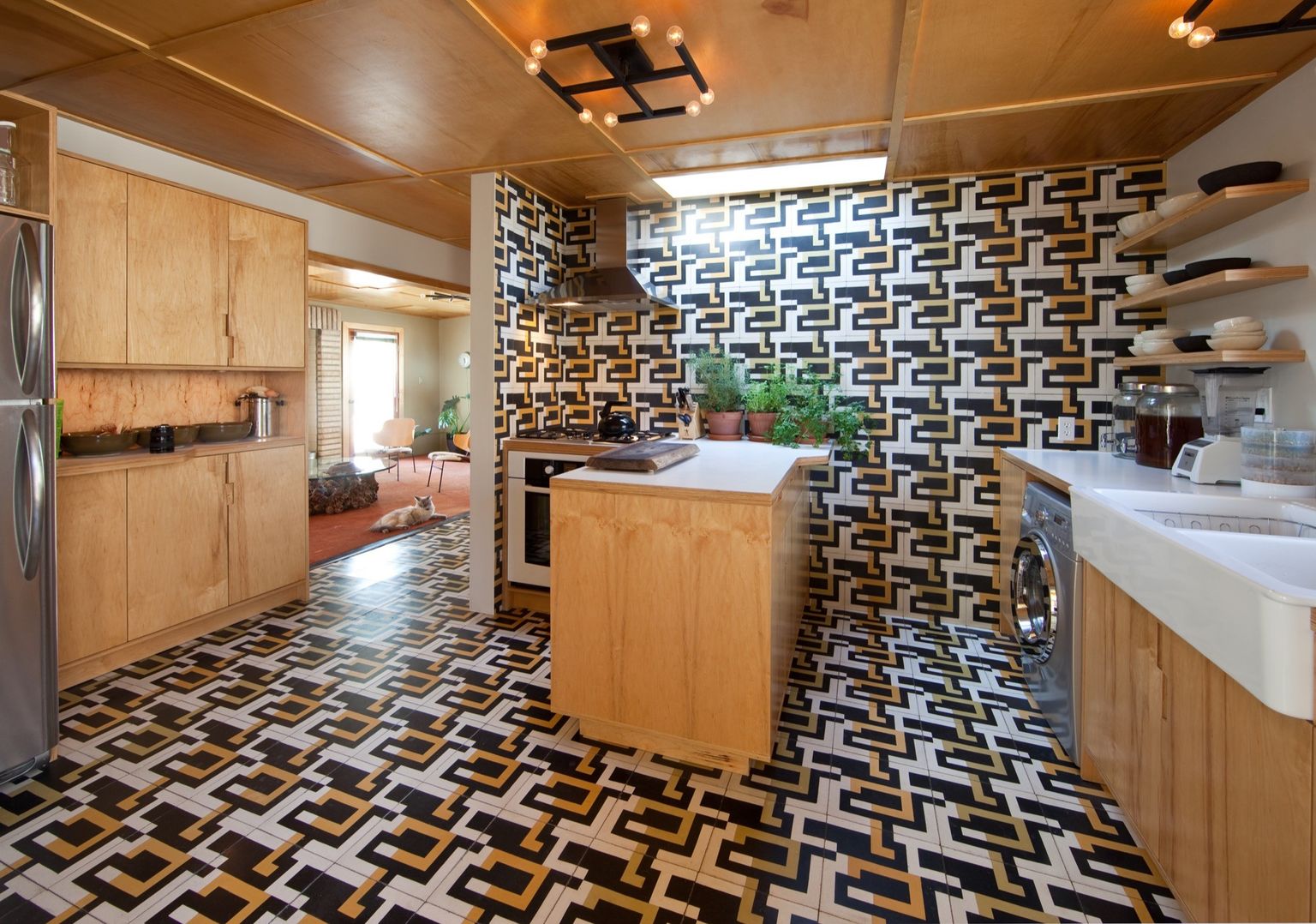
Initially conceived as A-Z Administrative Services in New York, the project became a framework through which Zittel could question established ideas about domesticity, consumption, personal freedom and human needs. Rather than simply producing functional objects, she creates prototypes for alternative ways of living. Her early Living Units, compact self-contained environments combining sleeping, cooking and storage, challenged conventional ideas of domestic space. Similarly, her Personal Uniforms, a series of garments designed for her own everyday use, explored how clothing could simplify decisions and create a more deliberate relationship with material possessions.

Building an Alternative World
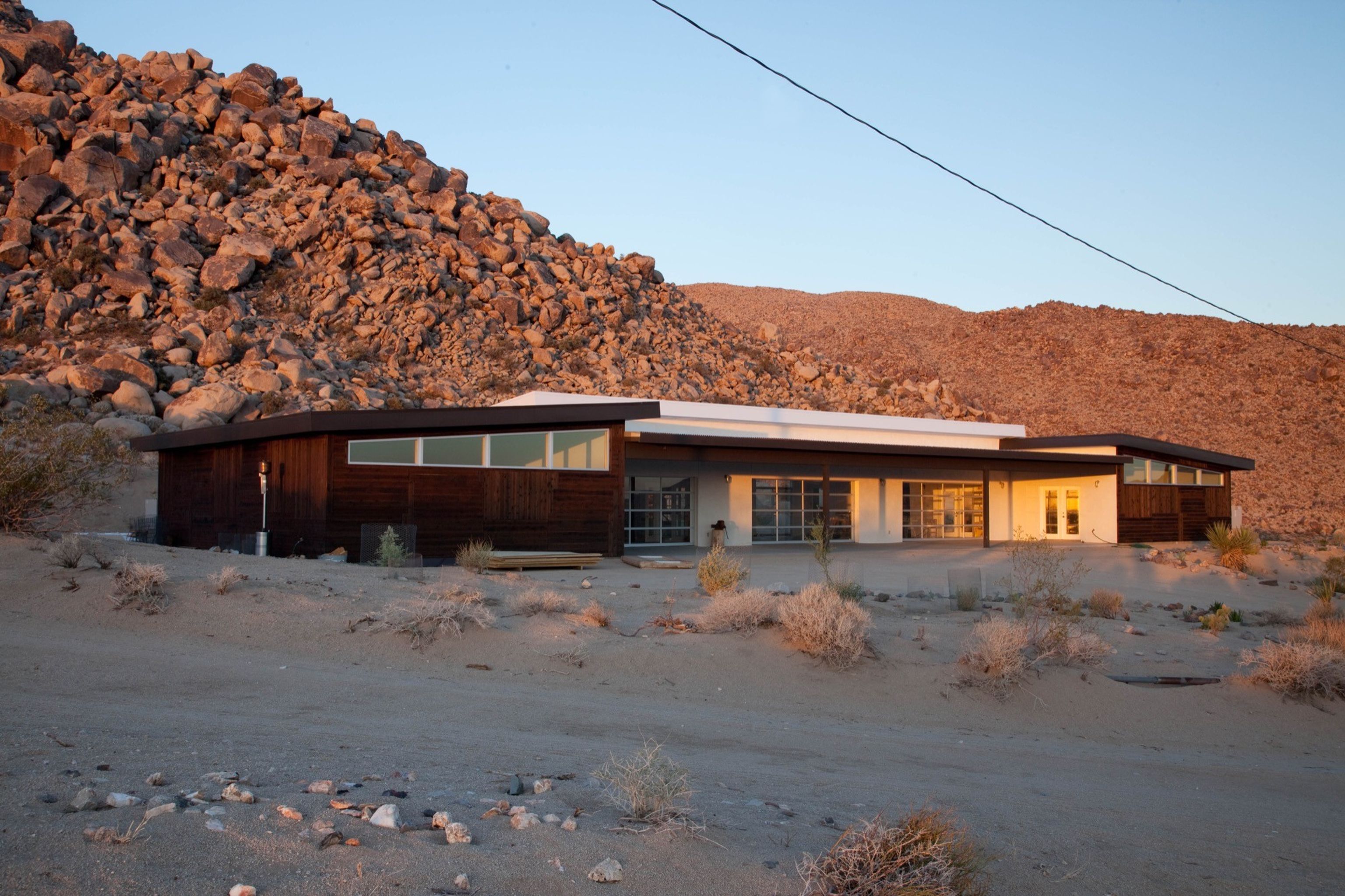
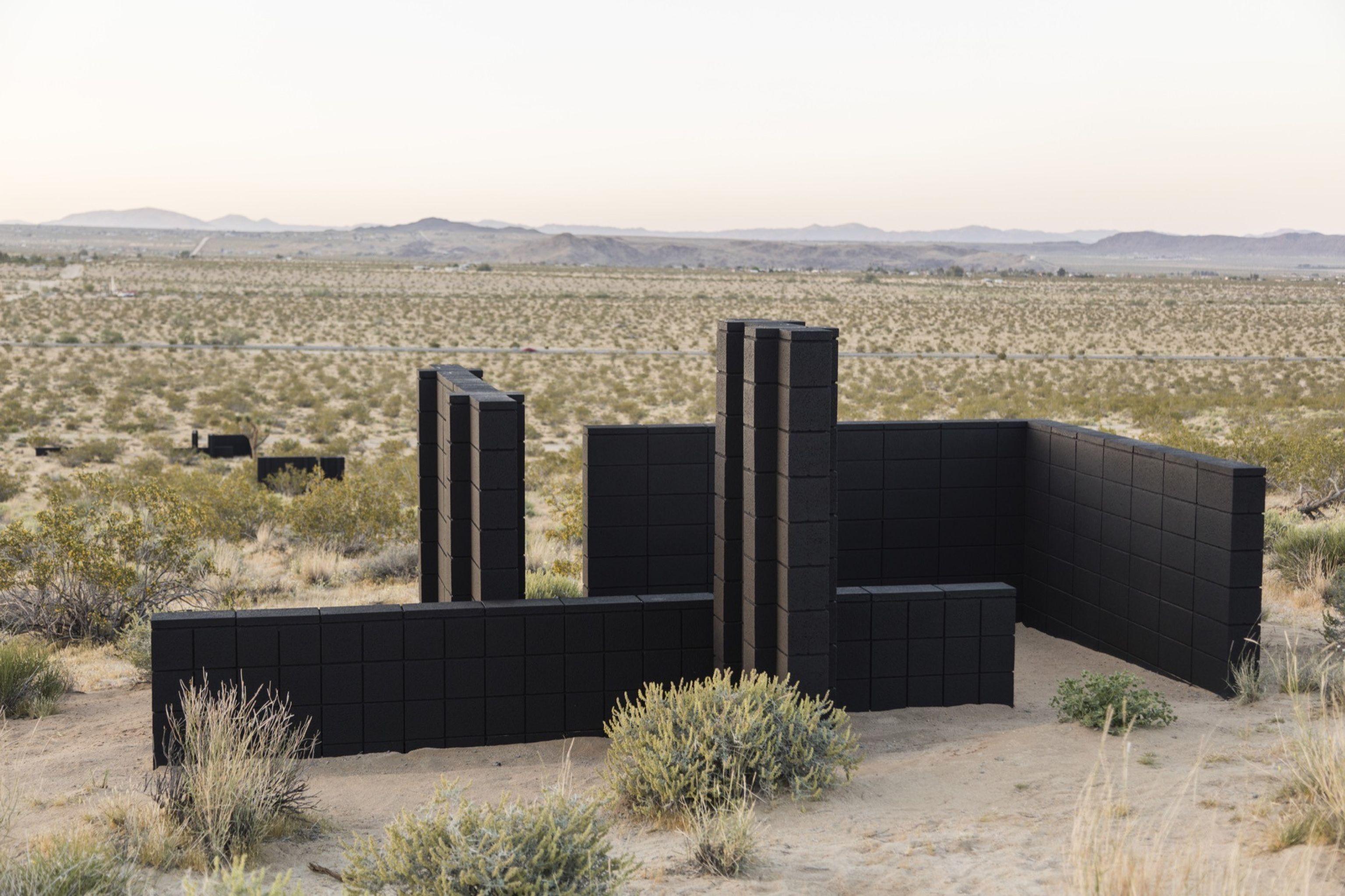
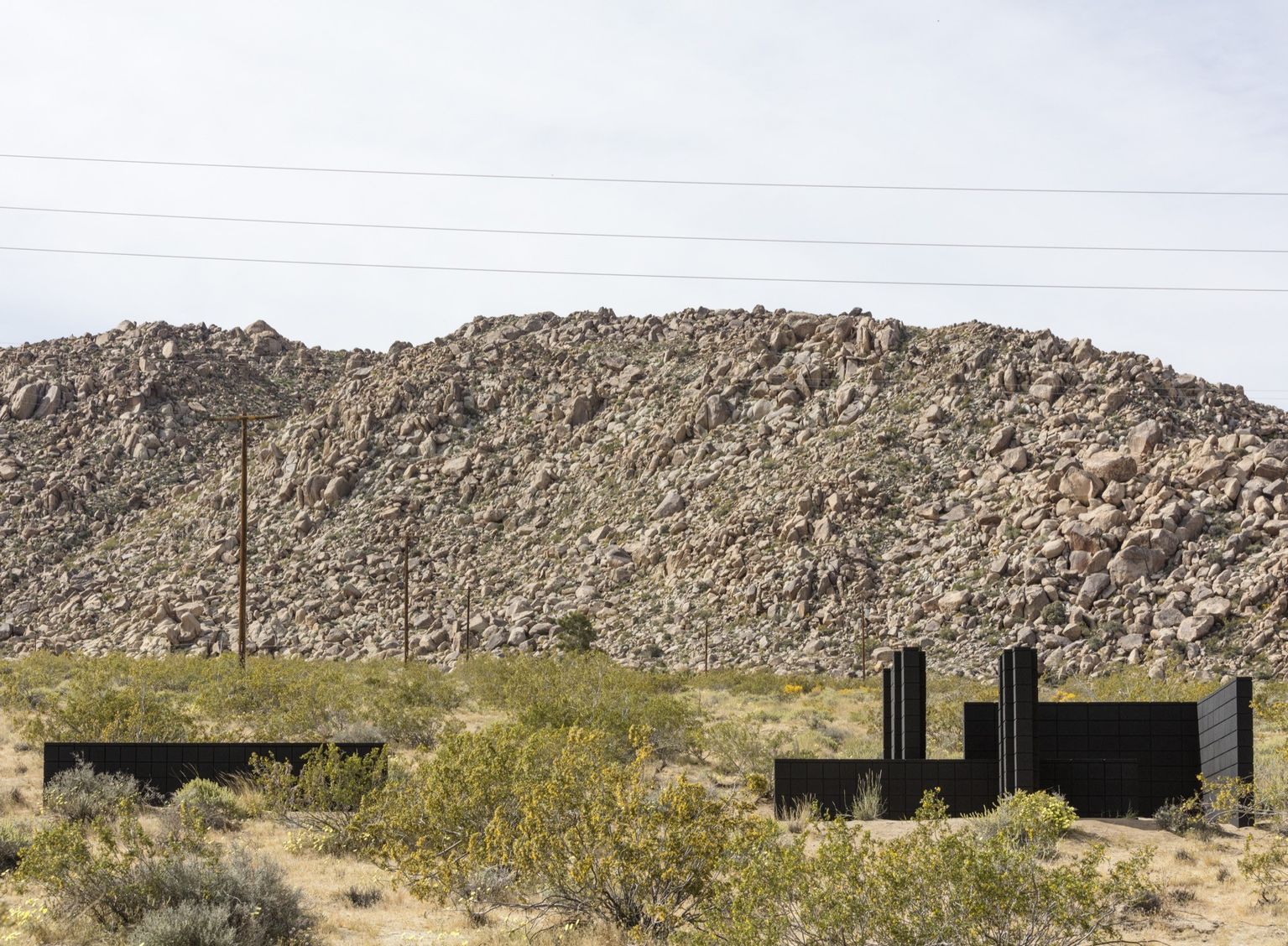
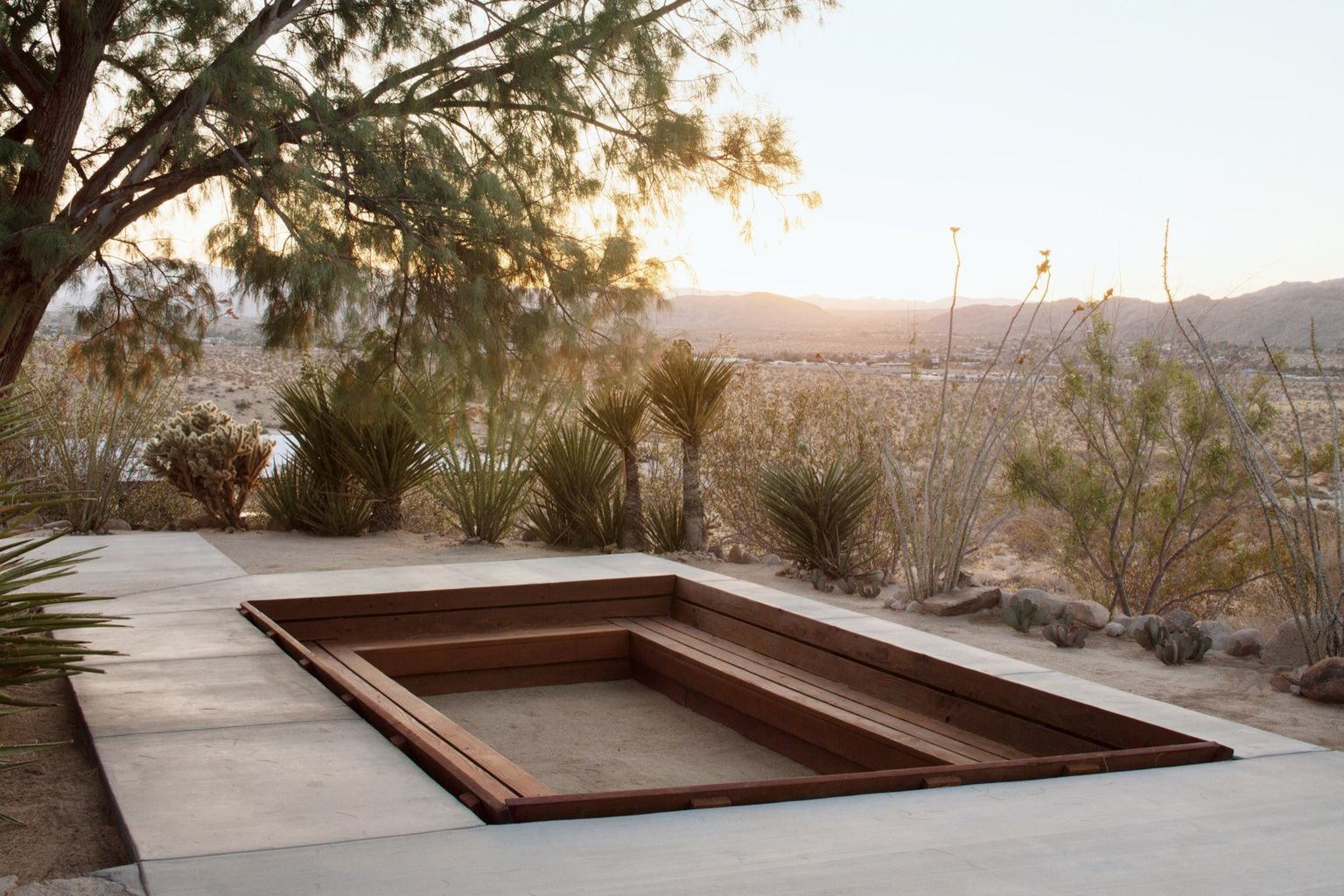
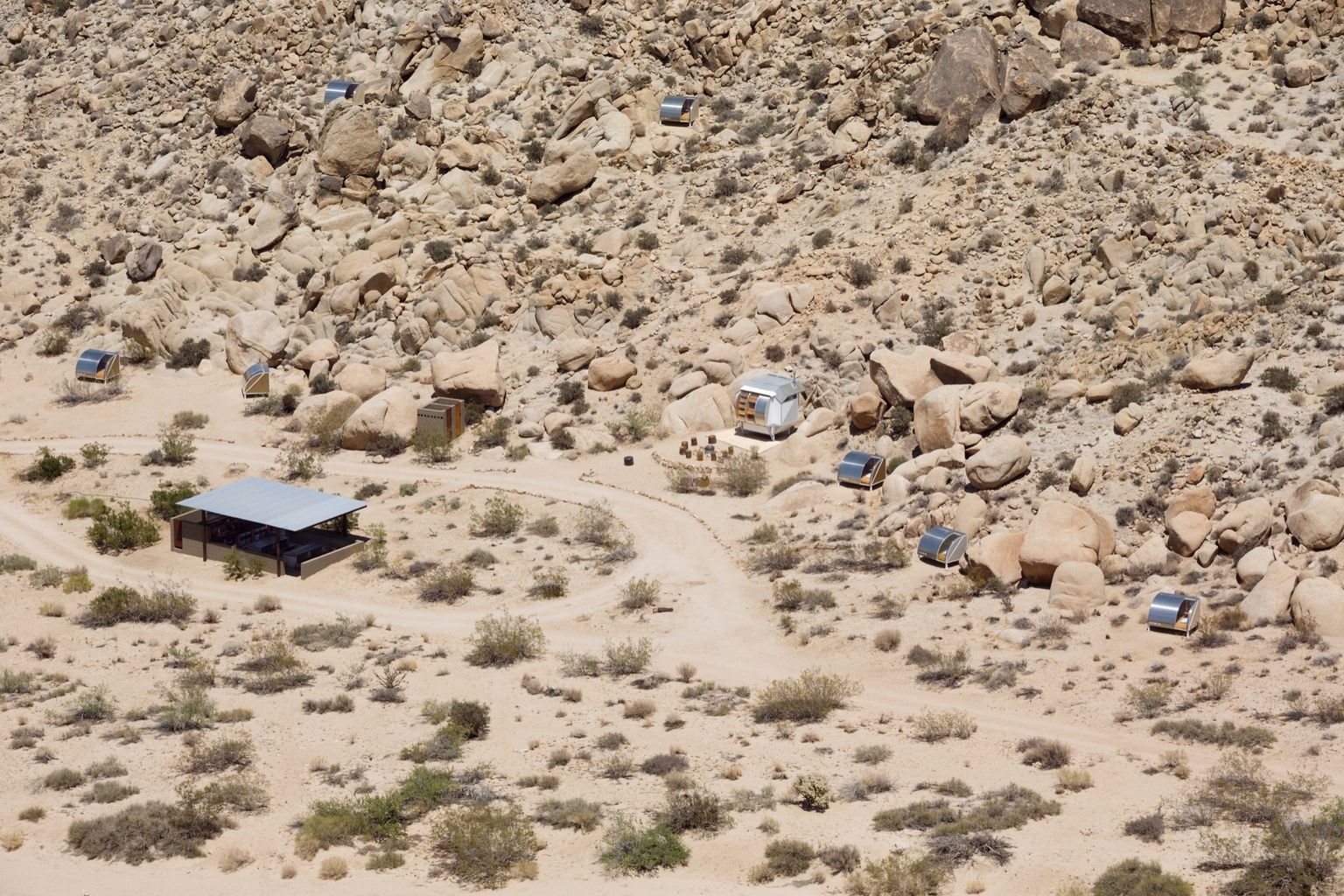
In 2000, Zittel relocated her practice to the high desert of California, establishing A-Z West near Joshua Tree National Park. What began as a modest piece of land gradually developed into an expansive environment for experimentation, bringing together architecture, landscape, sculpture and communal living. Here, the boundaries between the artist's life and her work become increasingly difficult to distinguish.
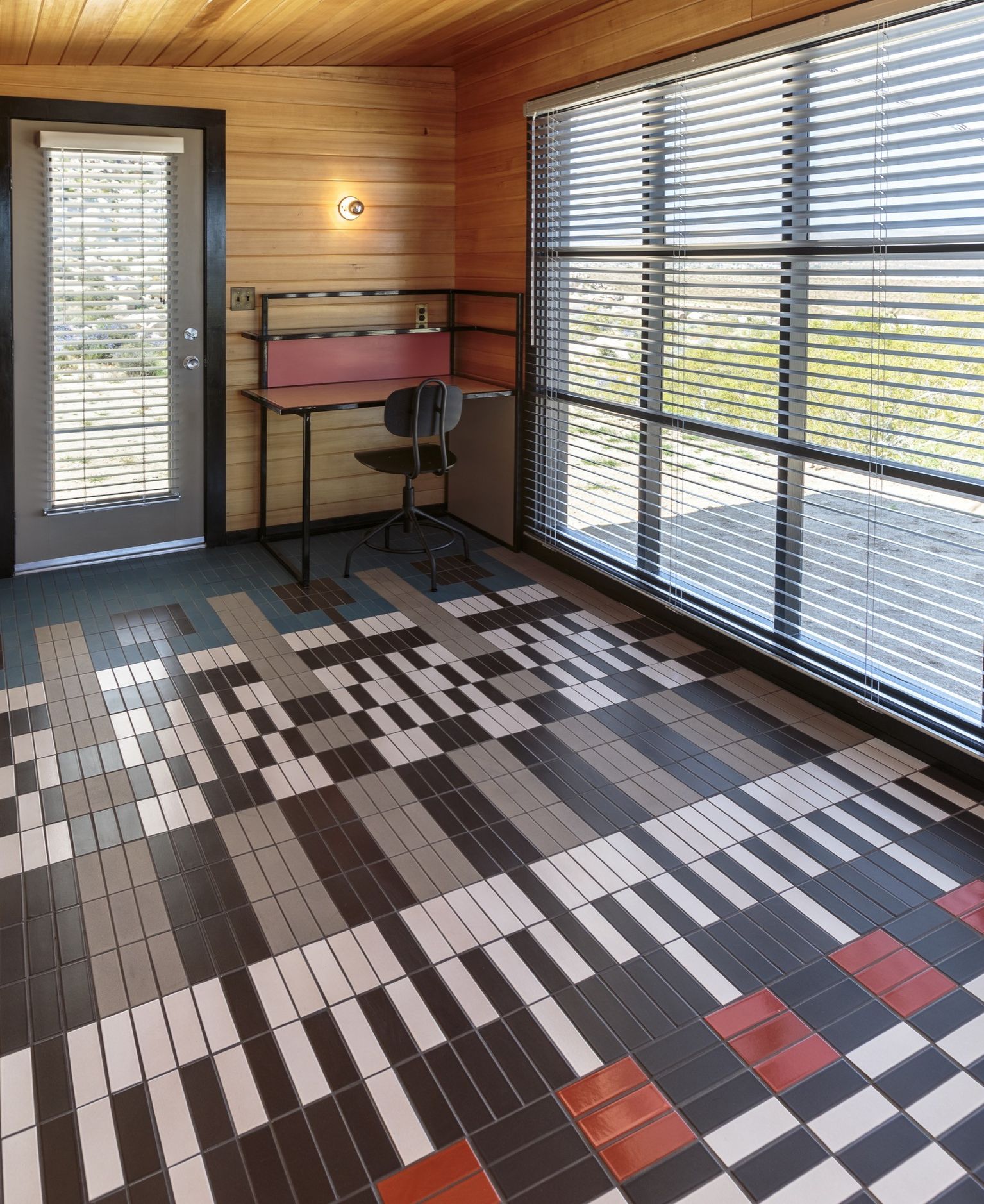

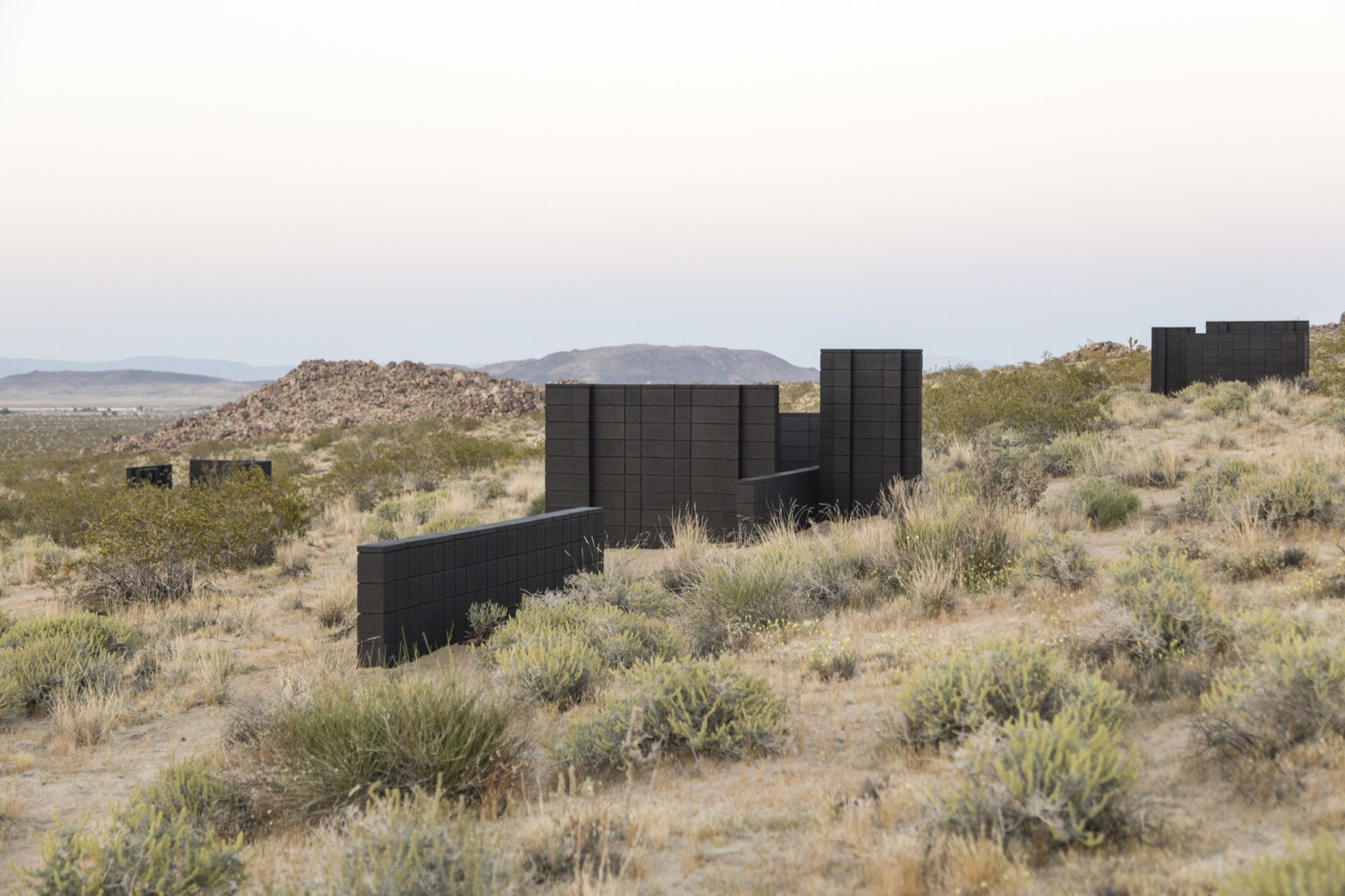
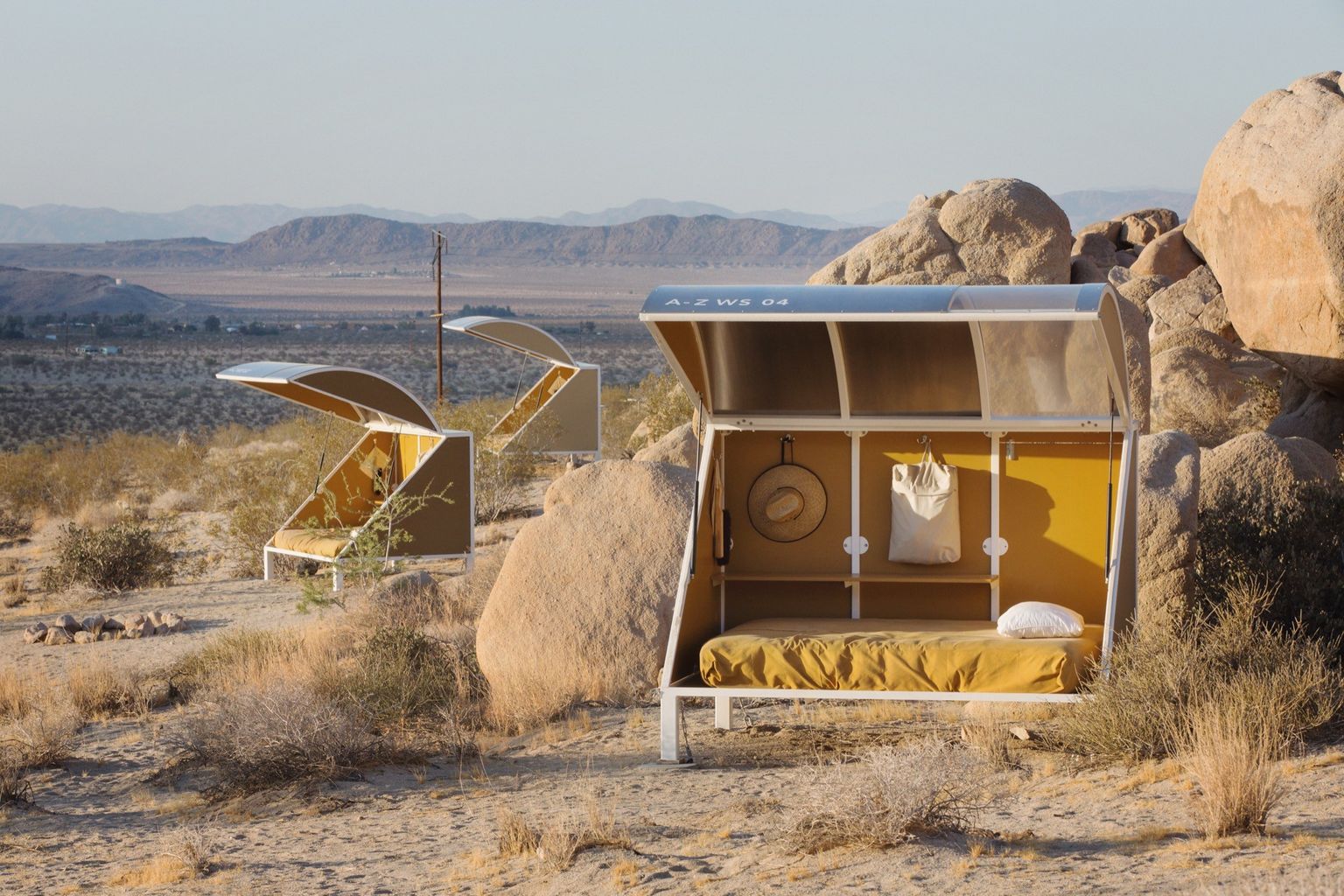
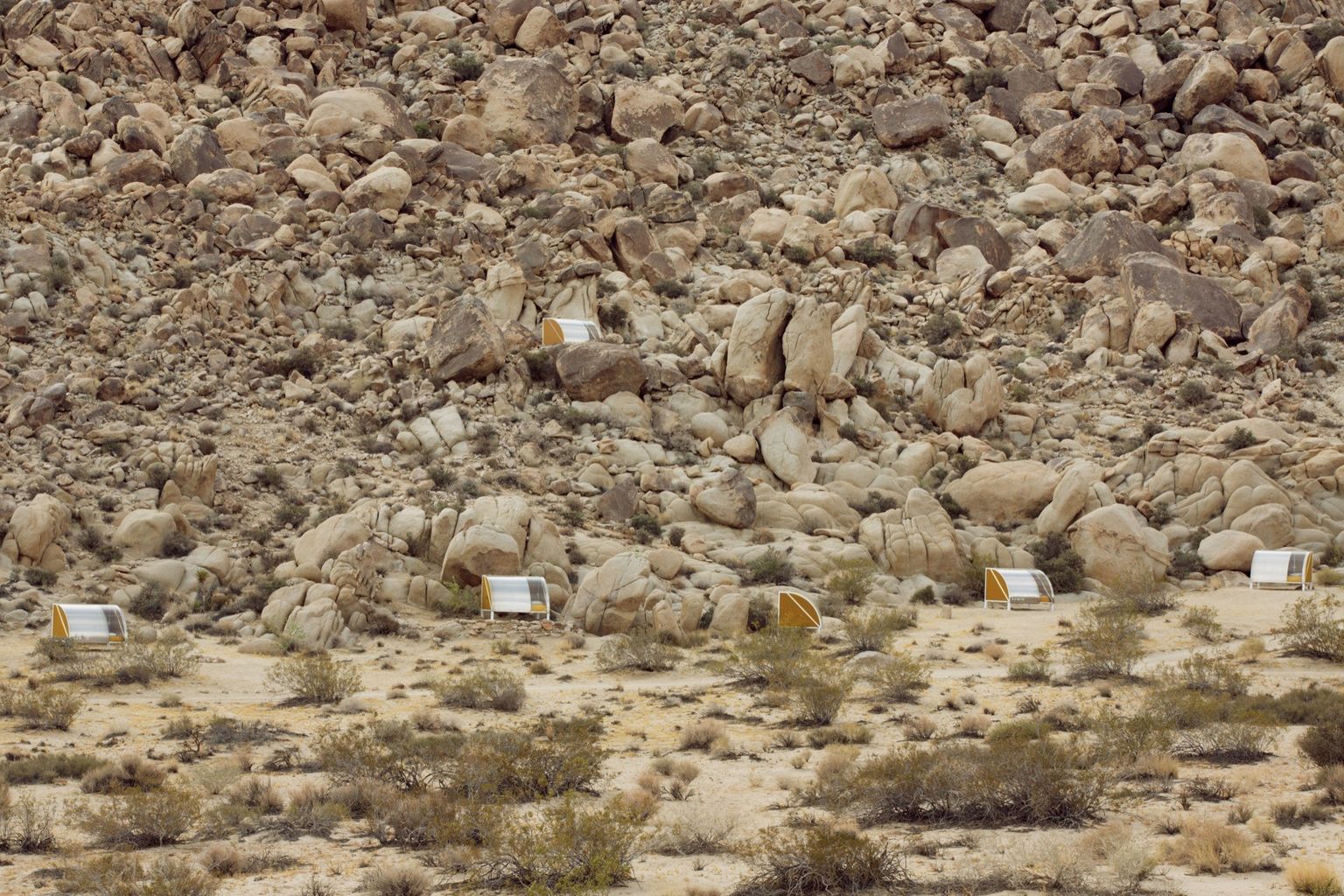
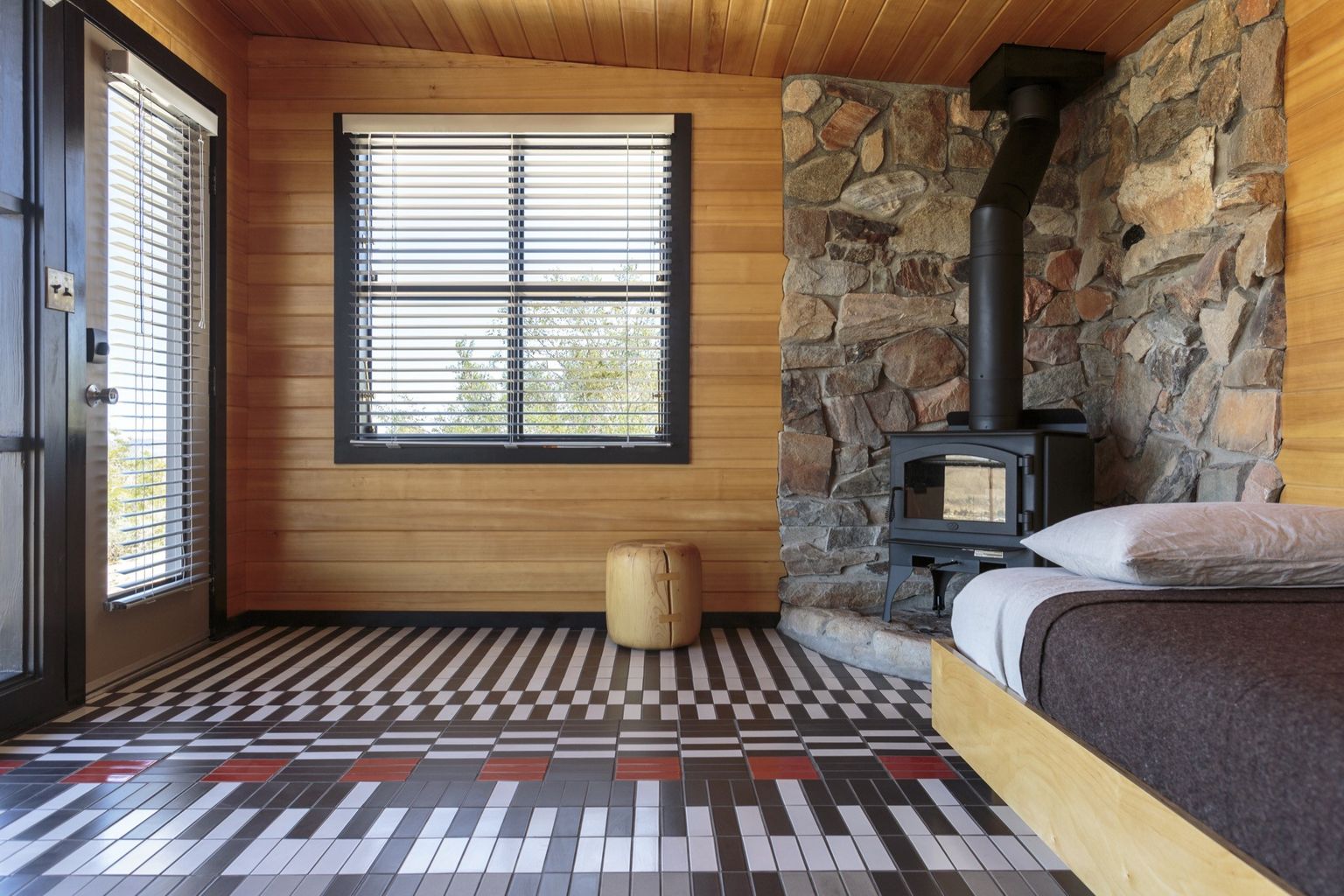
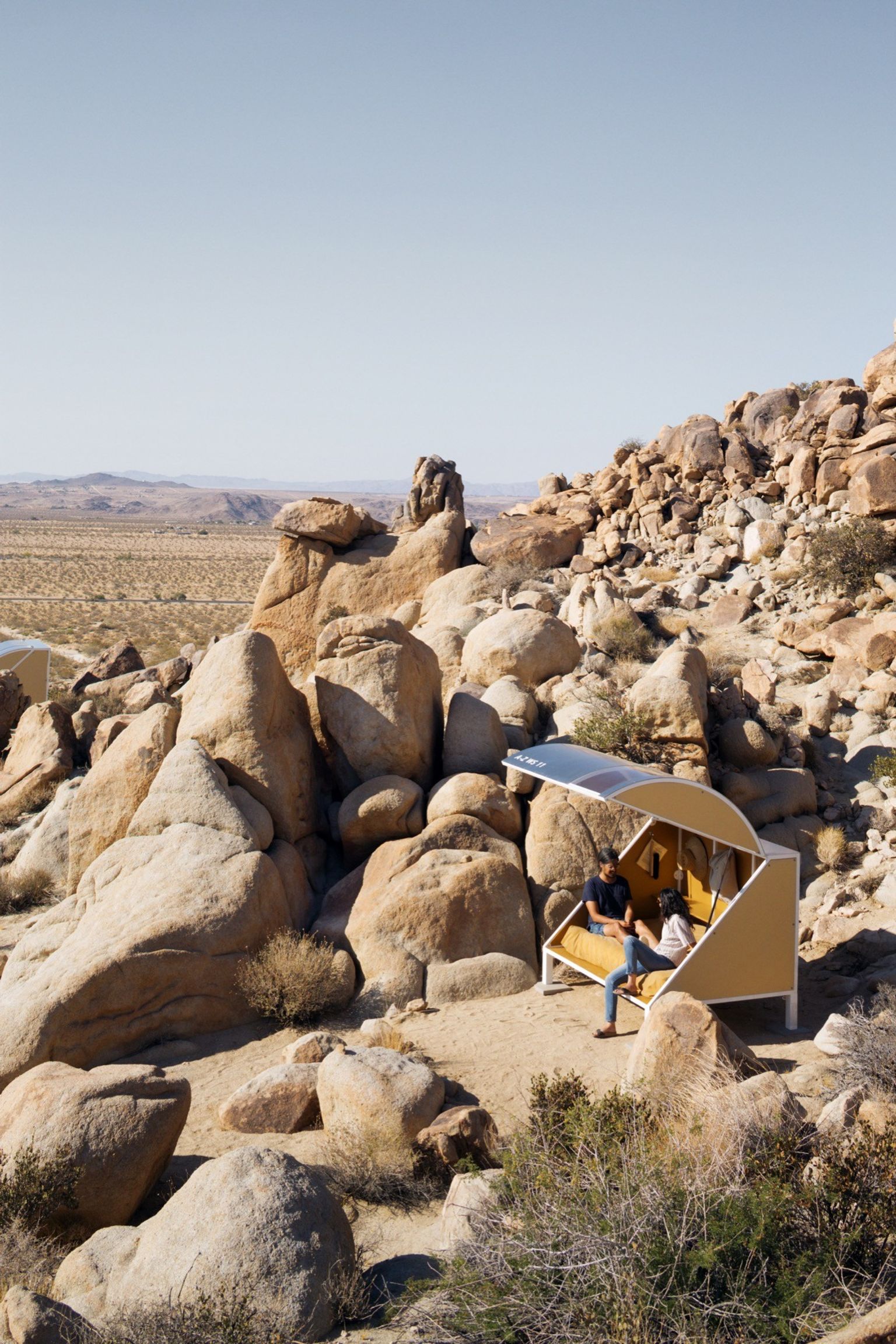
Among its most distinctive elements are the Wagon Stations, small mobile living structures that offer visitors an alternative experience of temporary accommodation, and a series of architectural interventions that explore ideas of shelter, independence and the relationship between people and their surroundings. The landscape itself becomes both a testing ground and a source of inspiration, allowing Zittel to investigate how the built environment can influence behaviour and perception.






The Art of Everyday Existence
At its core, A-Z is less concerned with proposing definitive solutions than with questioning the systems we take for granted. Zittel's work often operates somewhere between sculpture, functional design and social experiment, using practical constraints as a means of opening up new possibilities. Her interest in repetition, routines and self-imposed rules reflects a belief that limitations can be productive, offering a framework through which to reconsider familiar habits.
Over more than three decades, A-Z has evolved into an interconnected body of work that encompasses objects, buildings, landscapes, clothing and ways of living. It is an ongoing investigation into how we organise our lives and how the things we surround ourselves with shape our understanding of the world. Rather than separating art from life, Andrea Zittel proposes that the two might be inseparable, turning the everyday into a continuous field of creative possibility.