
Jonny Johansson
Acne Studios Headquarters
- Creative DirectorJonny Johansson
- ArchitectJan Bočan and Johannes Norlander Arkitektur
- DesignerMax Lamb, Daniel Silver and Benoit Lalloz
- PhotographerCourtesy of Acne Studios
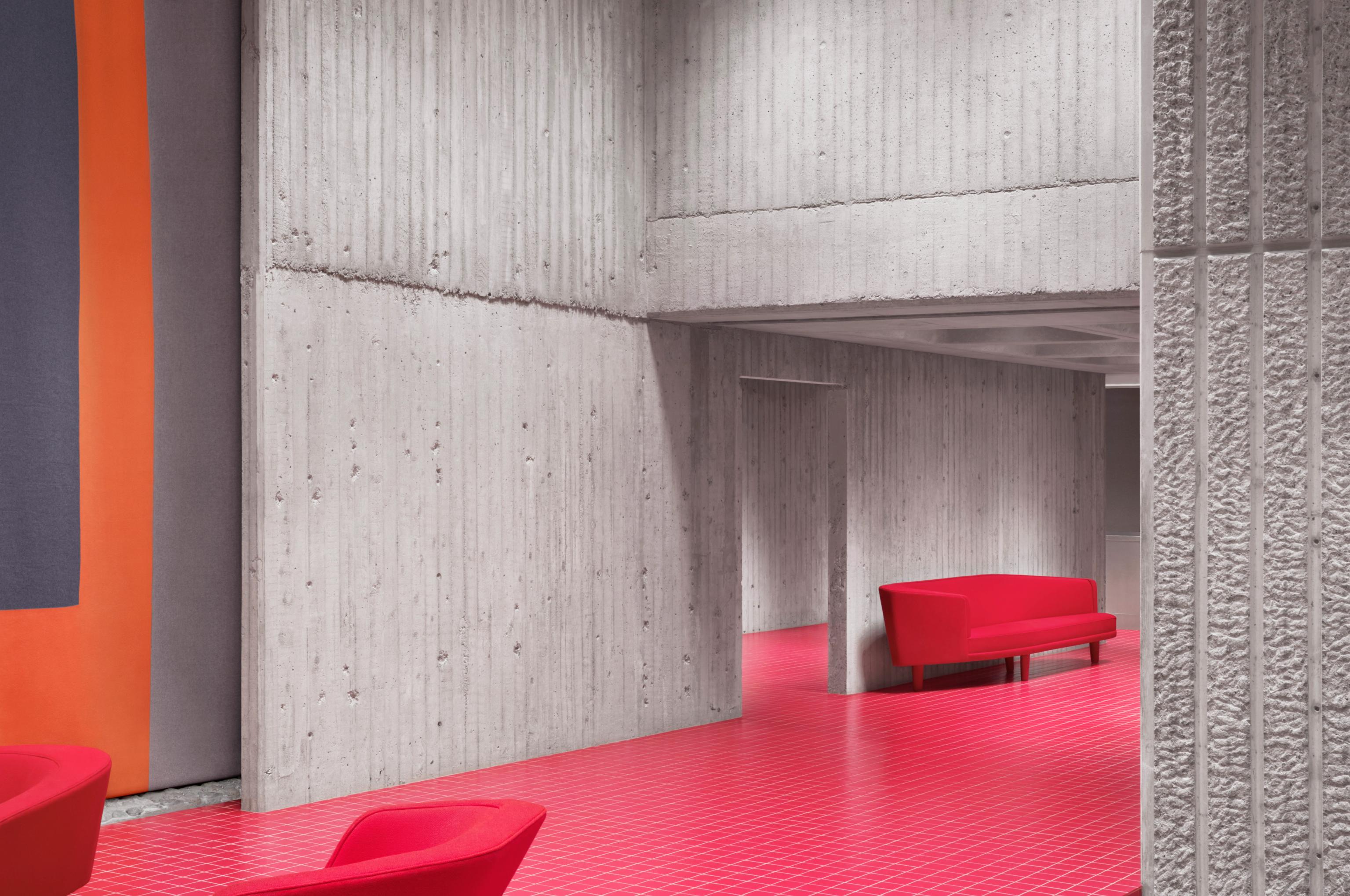
Jacob Egeberg Acne Studios’ Stockholm HQ combines brutalist-retro architecture with Swedish simplicity and luxury. Raw concrete, sculptural furniture, and artistic details create a timeless, playful space where the building’s history and Acne’s aesthetic converge – a clear example of how fashion and retail aesthetics are translated into interior design.


Floragatan 13 – From Embassy to Headquarters
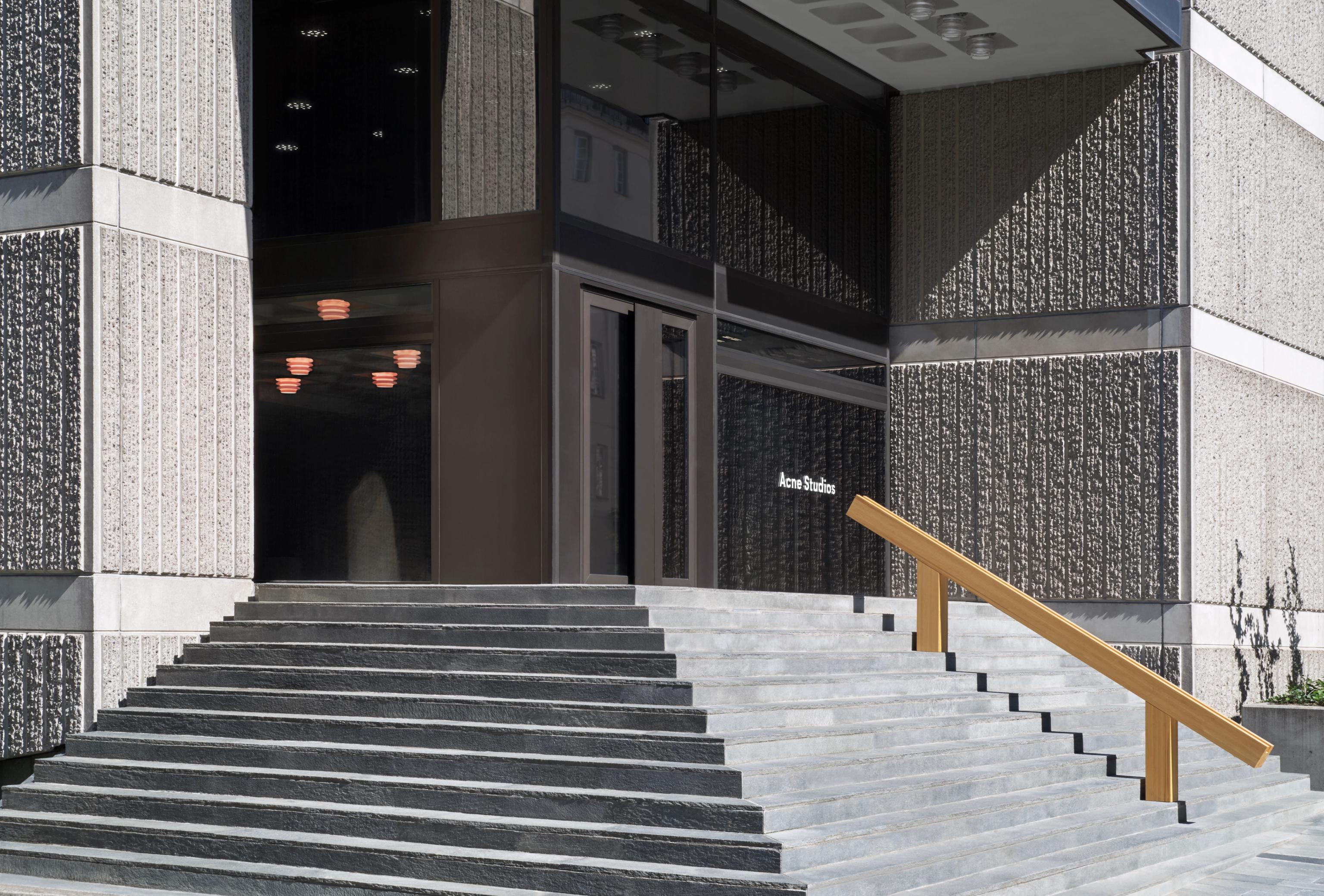
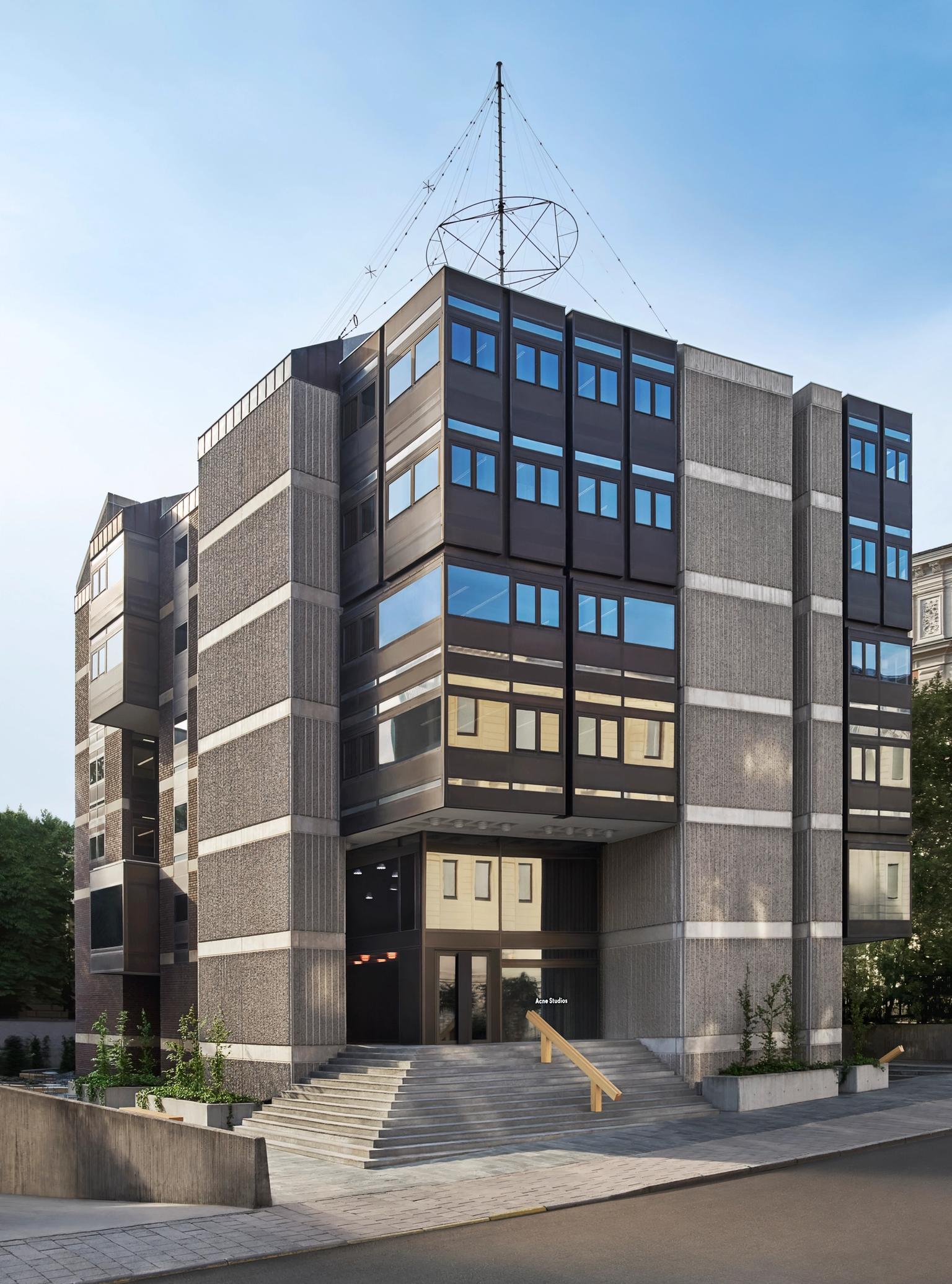
Acne Studios’ new headquarters at Floragatan 13 in Stockholm is a transformative project that reimagines a Cold War-era building originally designed as the Czechoslovakian Embassy. Completed in 1972 by architect Jan Bočan, the structure is a striking example of brutalist design, combining bush-hammered concrete façades with glass infills.
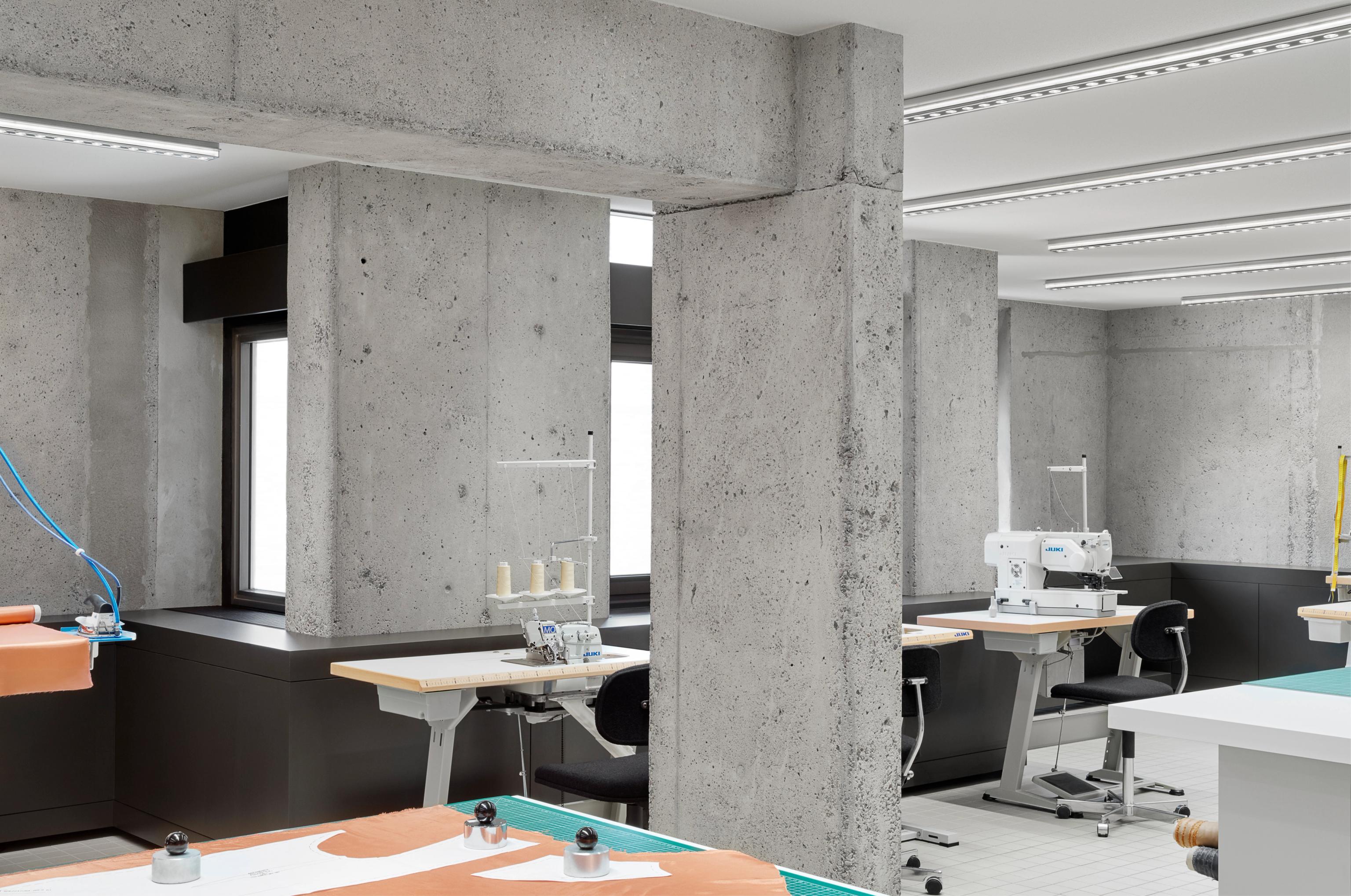
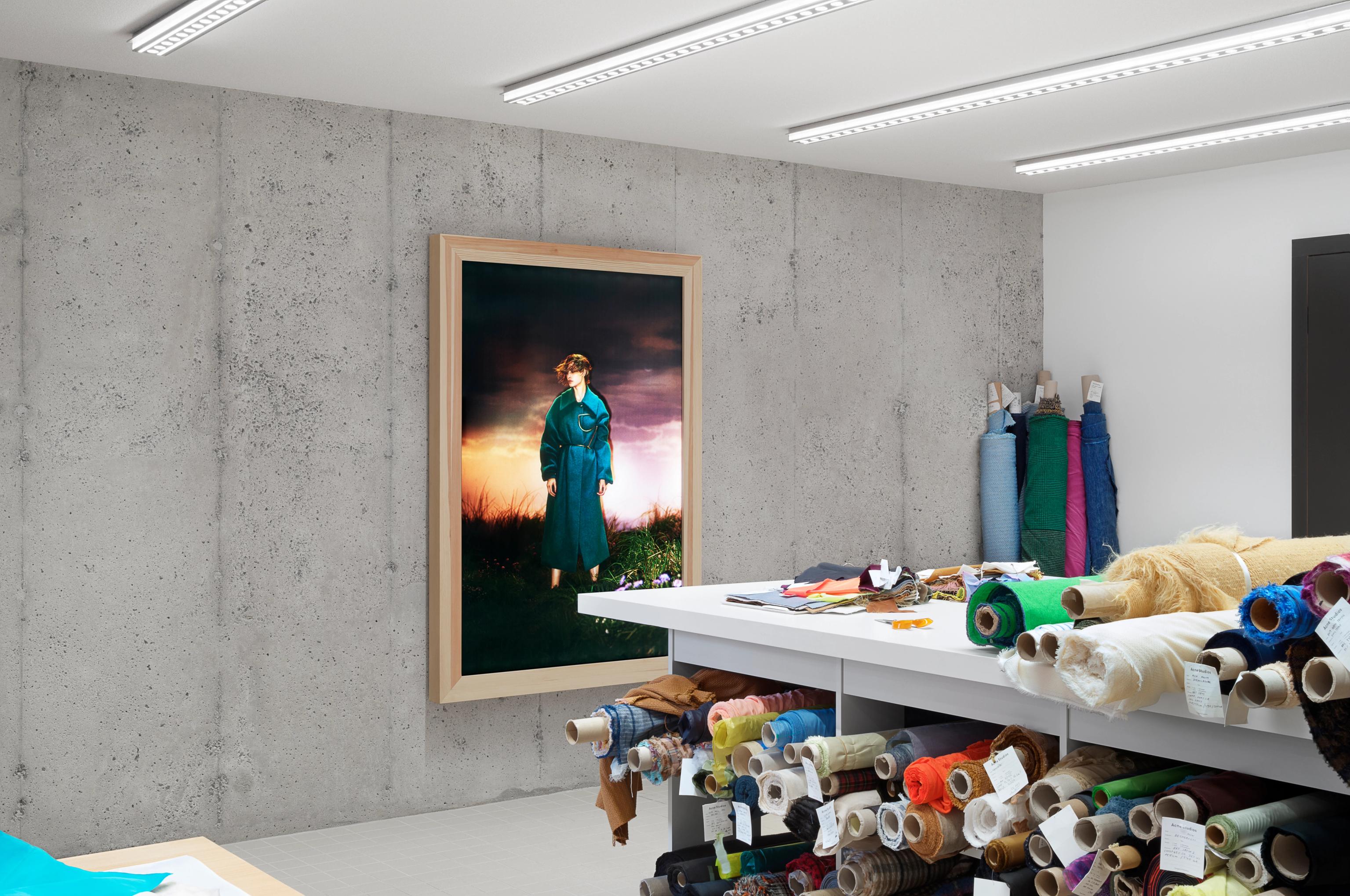
When Acne Studios began searching for a new home, they envisioned a building that would serve the creative flow of a growing fashion brand, one that could function like a “fashion school” with interconnected spaces reflecting the rhythms of design, atelier work, production, and collaboration. The embassy’s original layers, built for secrecy and architectural pride, became the foundation for a headquarters that merges historical character with modern functionality.





Design Philosophy
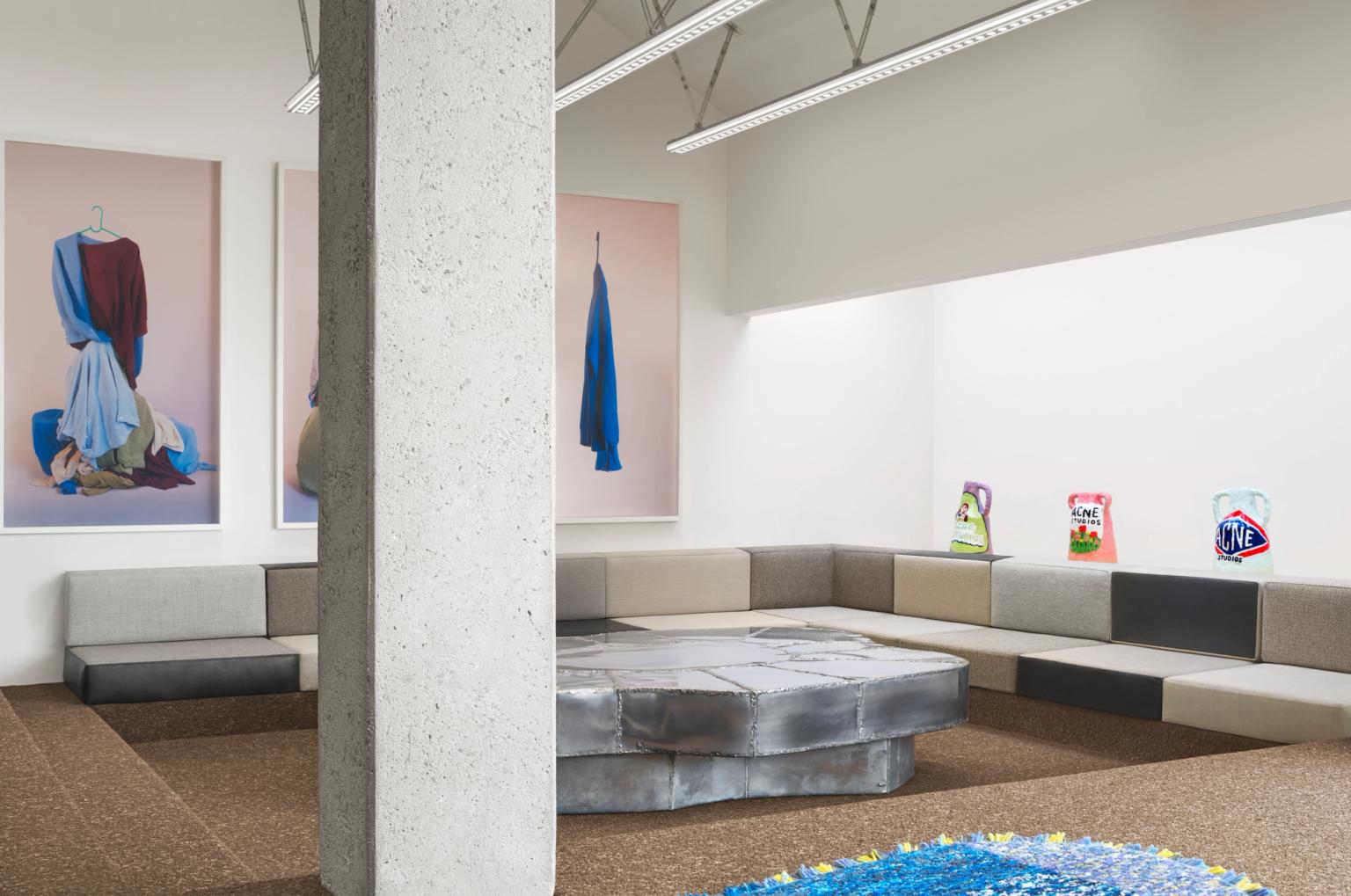
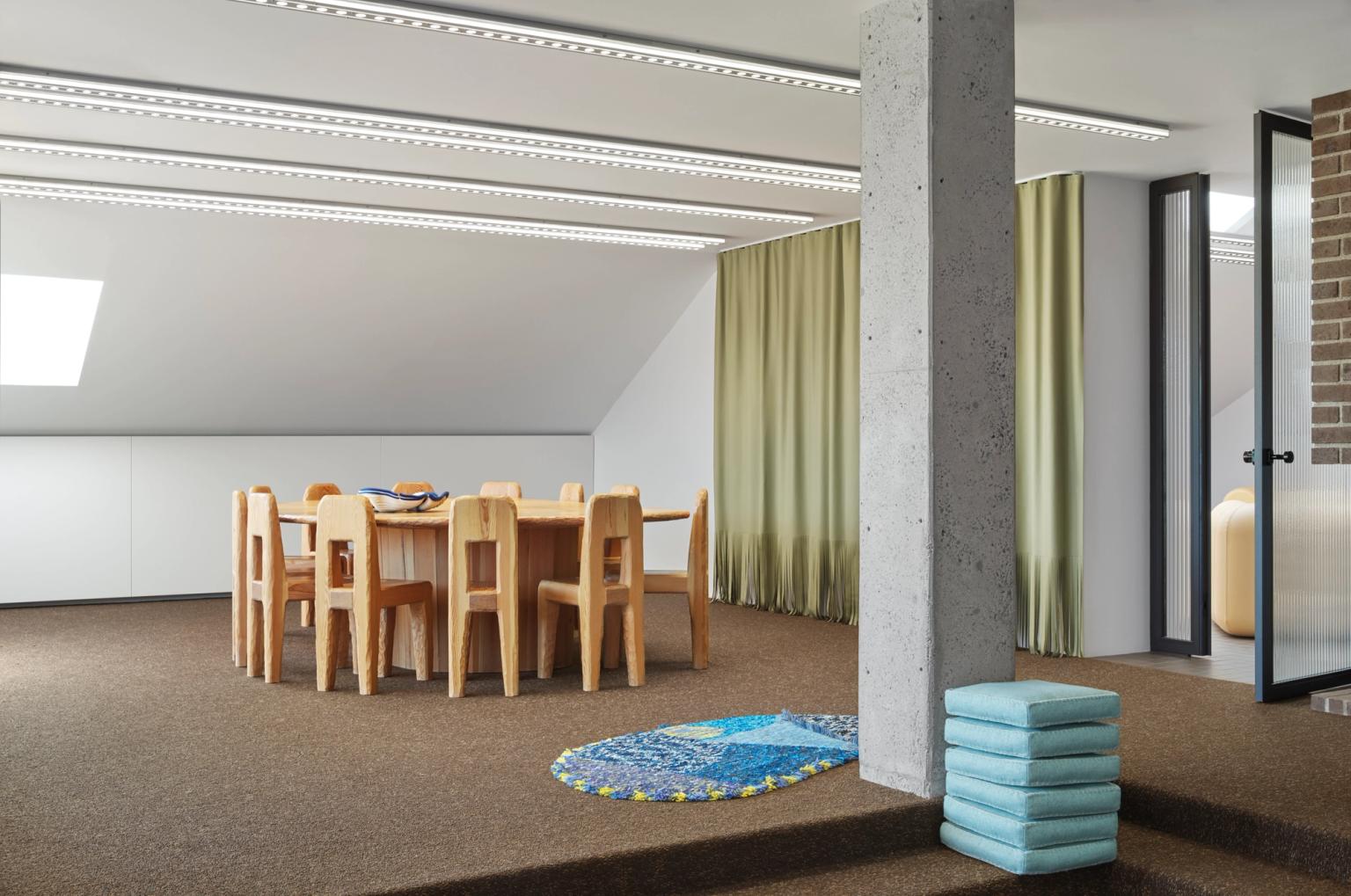
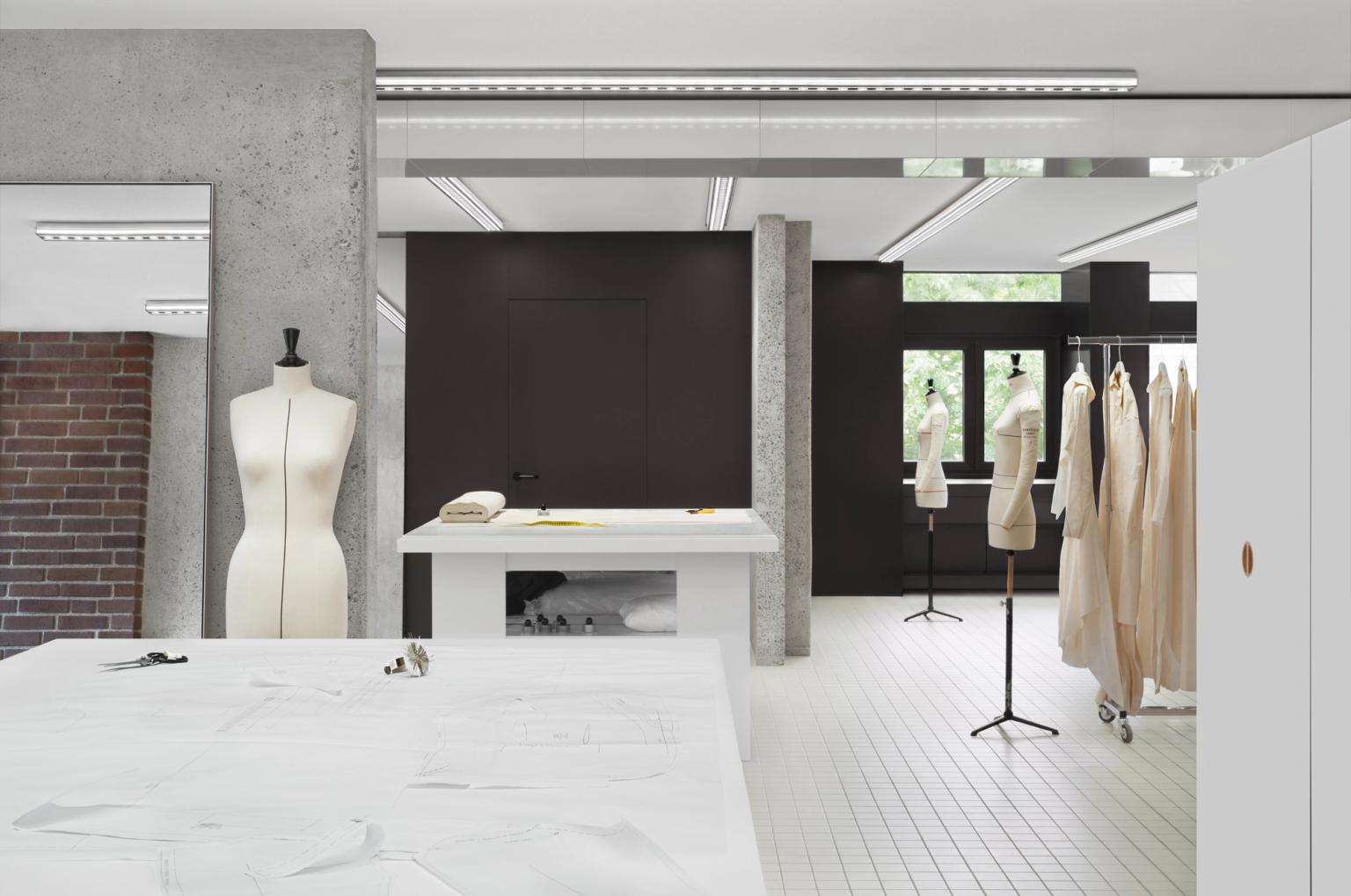
At the heart of Floragatan 13 is the idea of a “fashion school,” an environment that encourages creativity, experimentation, and interdisciplinary exchange. Creative director and co-founder of Acne Studios Jonny Johansson sketched the flow of fashion design – from fittings and studios to production and research – and translated it into a building layout that mirrors the industry’s arteries. Each floor follows a natural progression: from the top-floor studio and boardroom to design and production floors below, culminating in a basement canteen and communal spaces that encourage cross-departmental interaction. Open libraries, ateliers, and collaborative areas are designed to foster dialogue, inspiration, and the freedom that Johansson associates with educational environments, blending functionality with a sense of exploration.


Restoration and Materiality
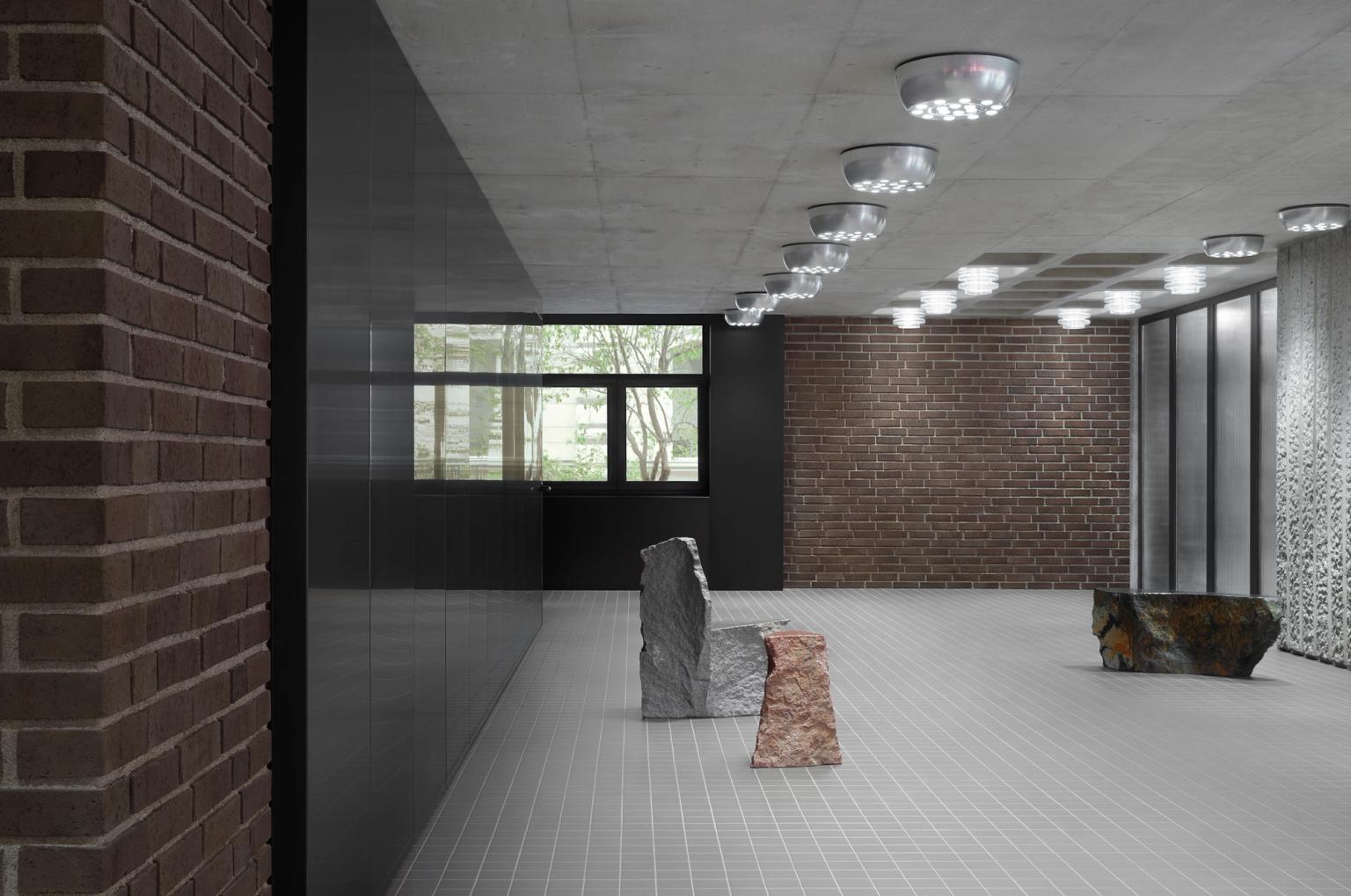
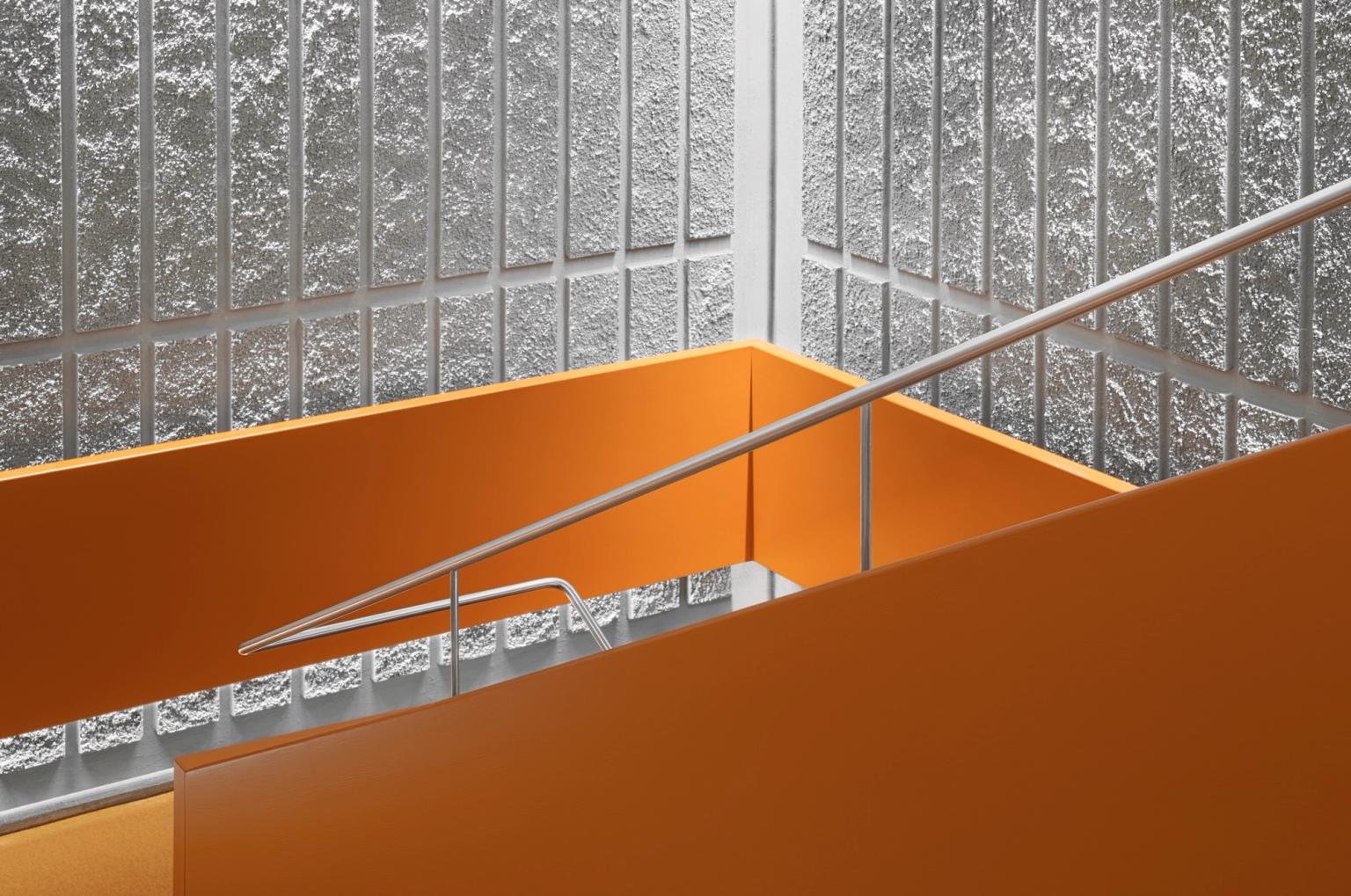
Restoring Floragatan 13 required undoing previous ill-considered renovations and carefully revealing the building’s original brutalist qualities. The embassy’s utilitarian spaces, brickwork, and concrete were cleaned and restored, while interventions respected the existing character. The staircases, including a dramatic spiral structure and an enclosed front stairway, were preserved and enhanced, with leather-coated handrails and concrete surfaces renewed to highlight both function and beauty.
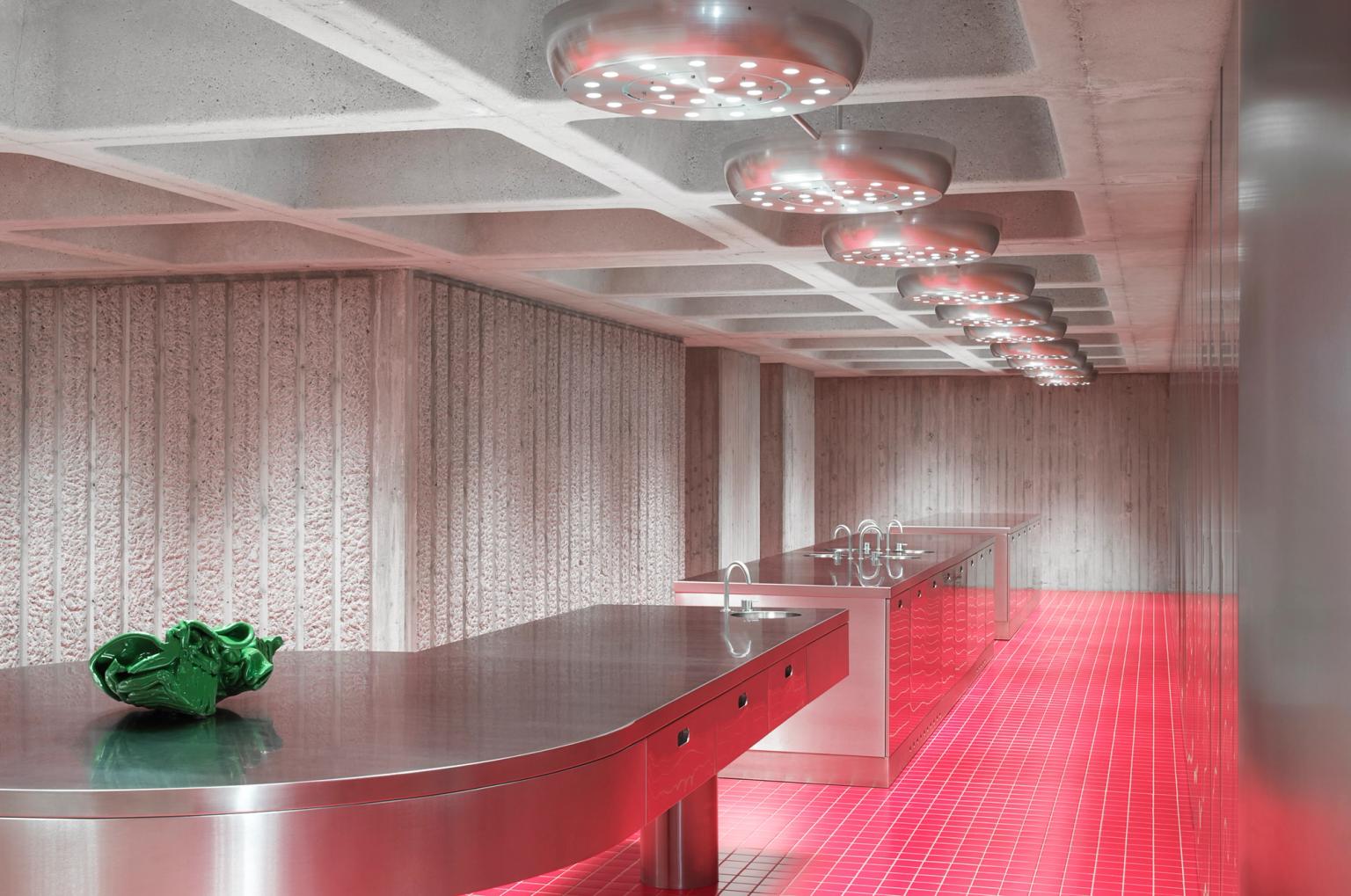
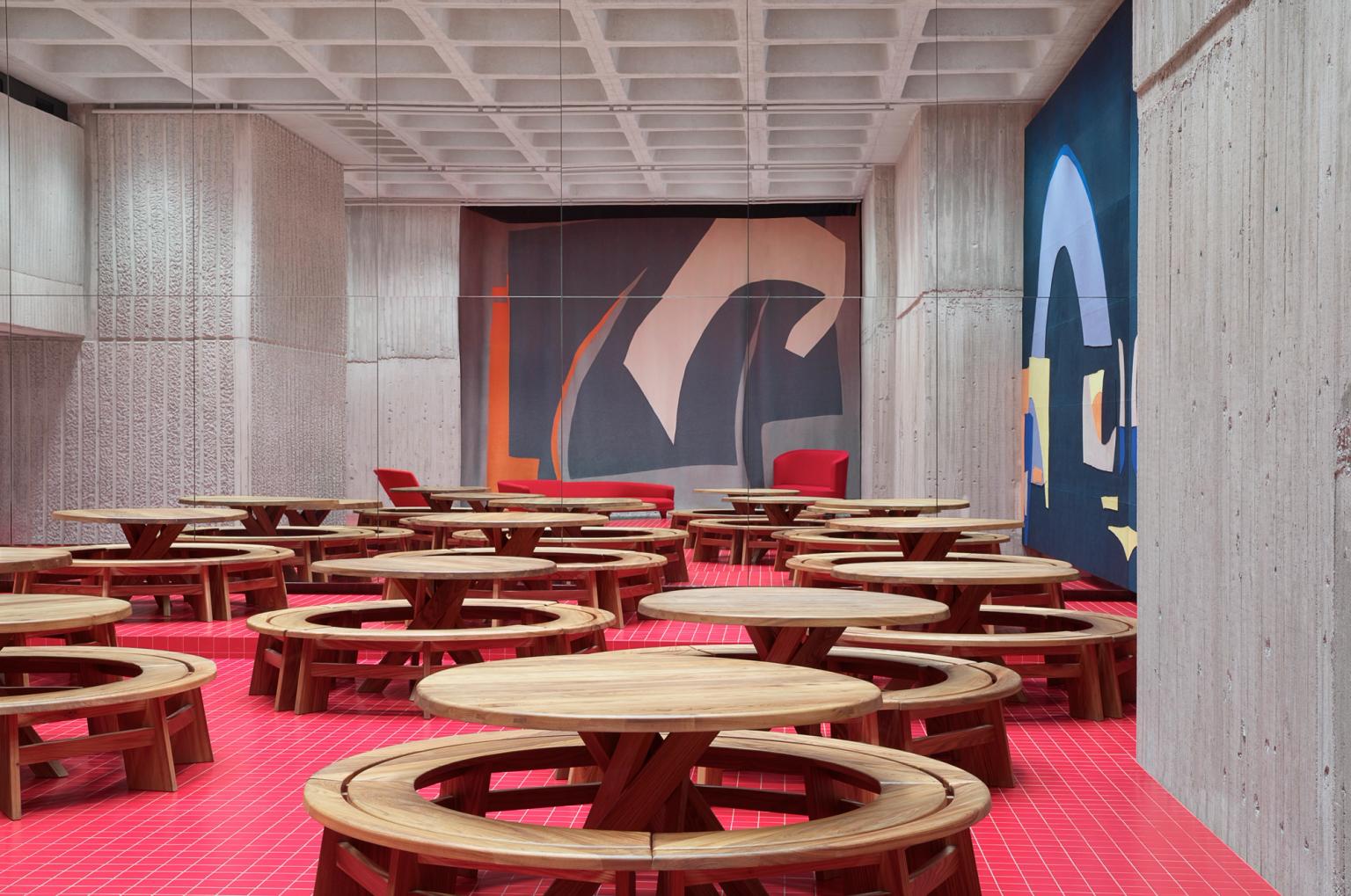
The former cinema became the canteen, stripped back to concrete with thoughtfully arranged seating by Pierre Chapo. Across the building, attention to materiality, exposed concrete, brick, glass, and wood, establishes a tactile dialogue between the old structure and new interventions, reflecting the brand’s emphasis on authenticity and longevity.

Signature Interiors and Collaborations
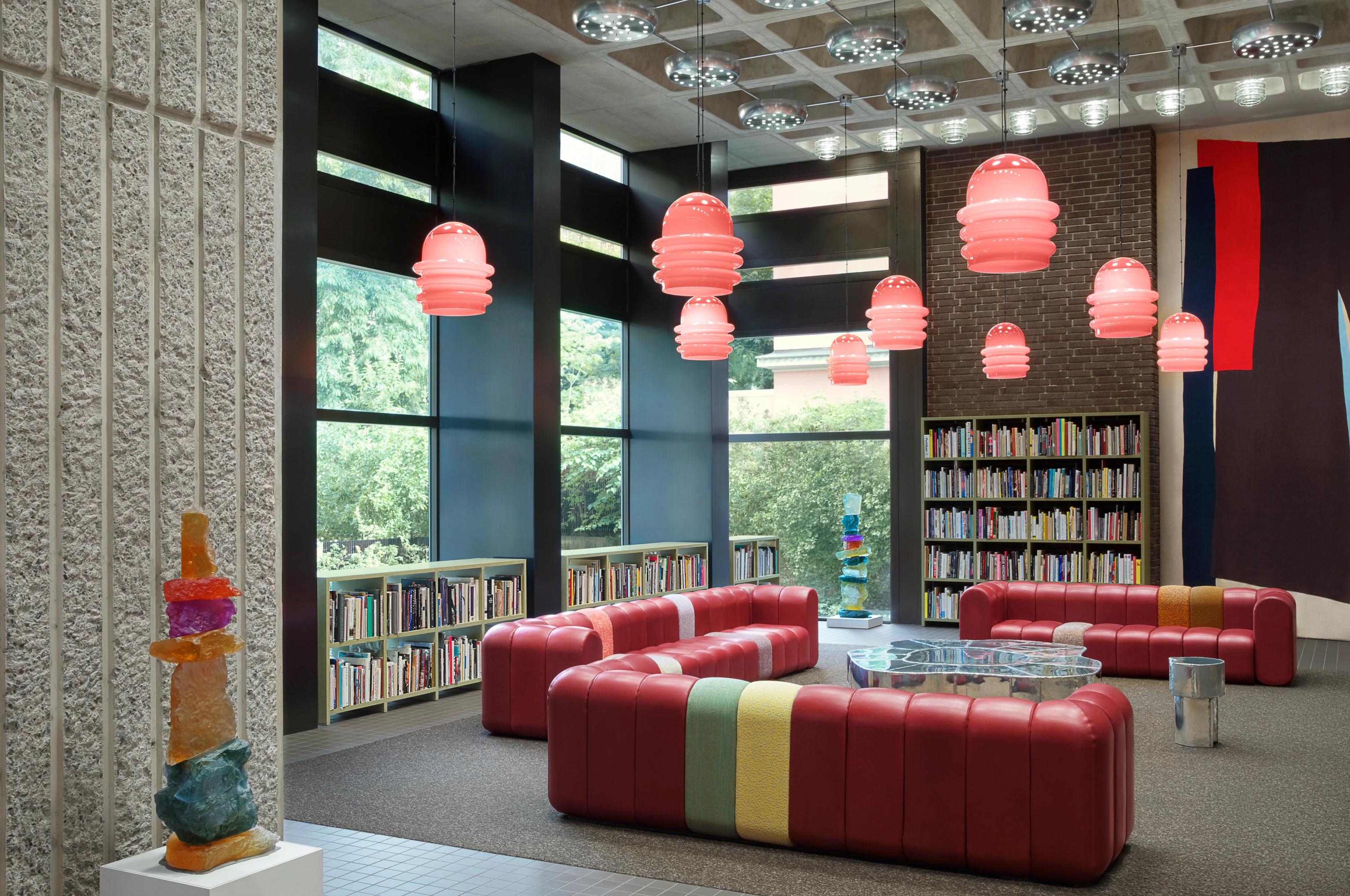
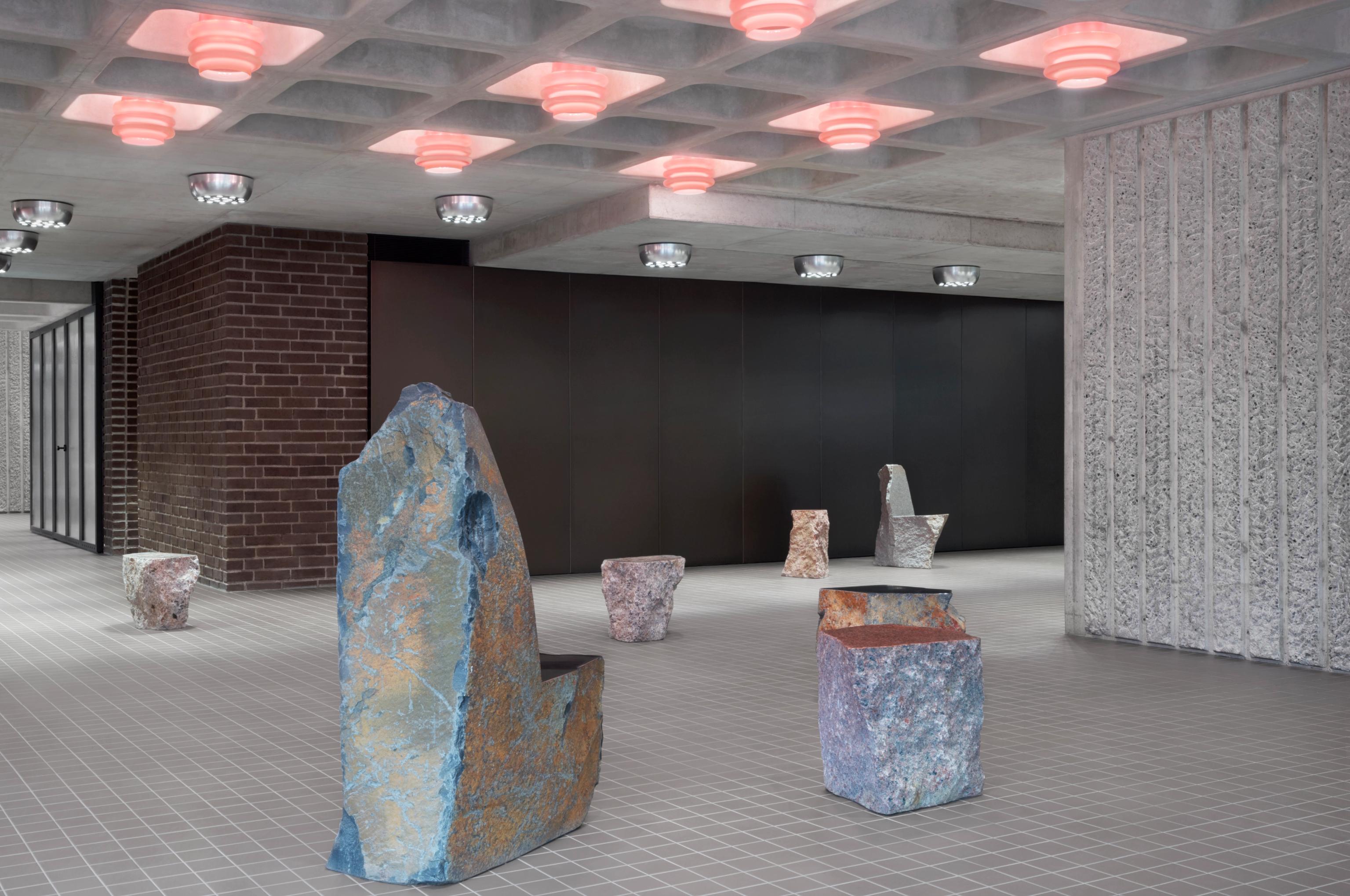
The interiors of Floragatan 13 feature bespoke furniture and artistic interventions by long-term collaborators. British designer Max Lamb contributed Viking-inspired stone seating, tactile pewter tables, and chiseled wooden boardroom tables that evoke medieval roundtables. London-based artist Daniel Silver created abstract collages using surplus Acne Studios fabric, bringing a sense of continuity with the brand’s creative history. French designer Benoit Lalloz crafted handblown lamps in the label’s signature pink, illuminating the spaces with soft, organic forms that contrast the building’s rigid brutalism. These collaborations unify the interior design with Acne Studios’ global store aesthetic, blending historical references, experimental forms, and a contemporary fashion sensibility.


Living and Working in Floragatan 13
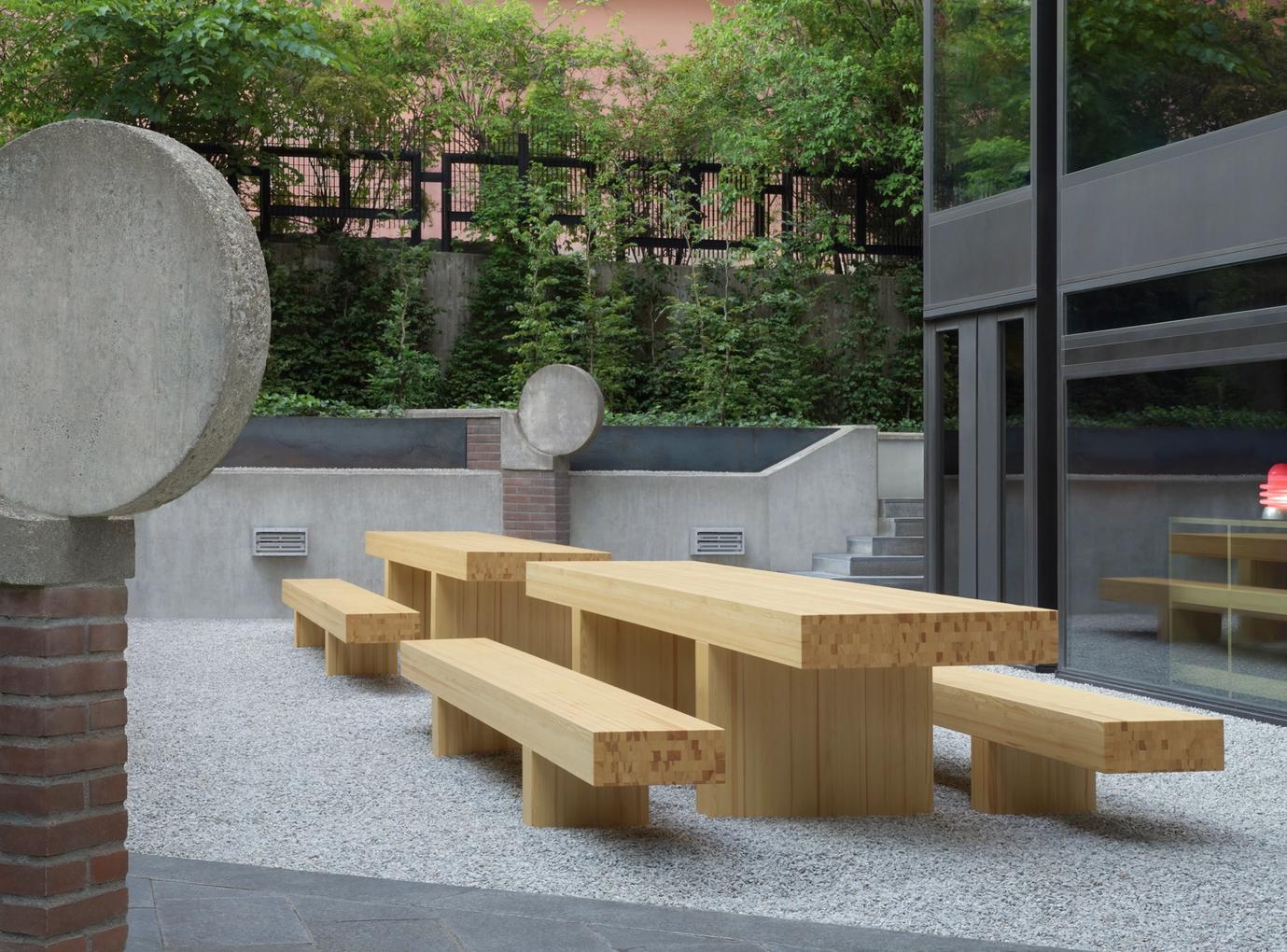
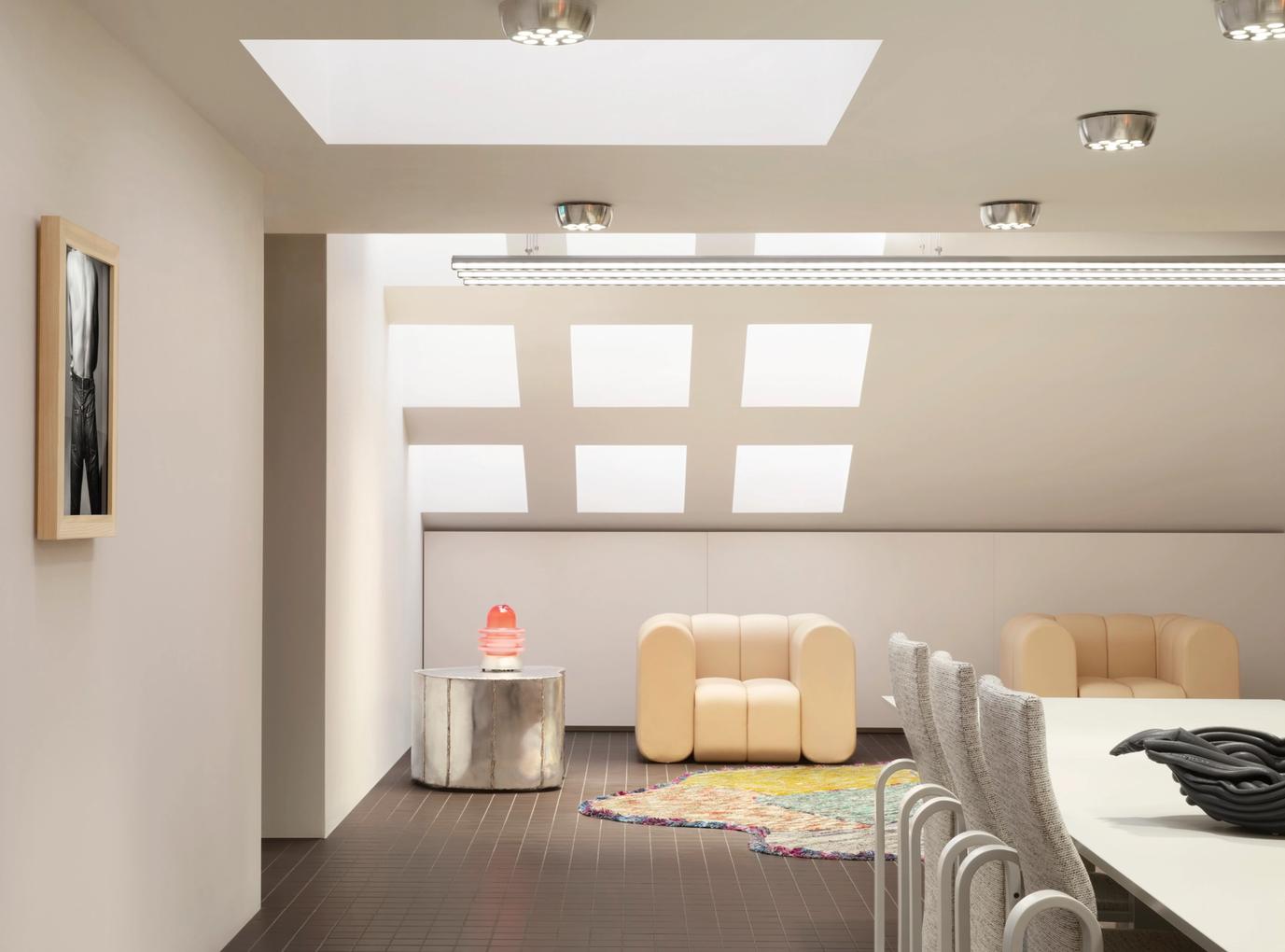
The headquarters is designed to encourage interaction, learning, and creativity across all levels of the company. The library on the ground floor is open to all staff, supporting knowledge sharing and inspiration, while outdoor seating invites the public into the space. The canteen in the basement fosters informal encounters and community, and the top-floor studio and boardroom, formerly the ambassador’s residence, blend historical grandeur with modern functionality. Johansson emphasizes that the space is intended to evolve alongside the brand, reflecting Acne Studios’ ethos of constant innovation. Floragatan 13 is not just a workplace, it is a living, adaptive environment that embodies the ambition, creativity, and experimental spirit at the core of Acne Studios.