
Mesura
Aesop Diagonal Barcelona
- ArchitectMesura
- PhotographerMaxime Delvaux
Carsten in der Elst This project feels like a light at the end of the tunnel and gives me a lot of hope. It shows that some of my core beliefs around sustainability, process and materiality can still exist within a more commercial context. To me, it’s close to perfect.

Aesop in Barcelona
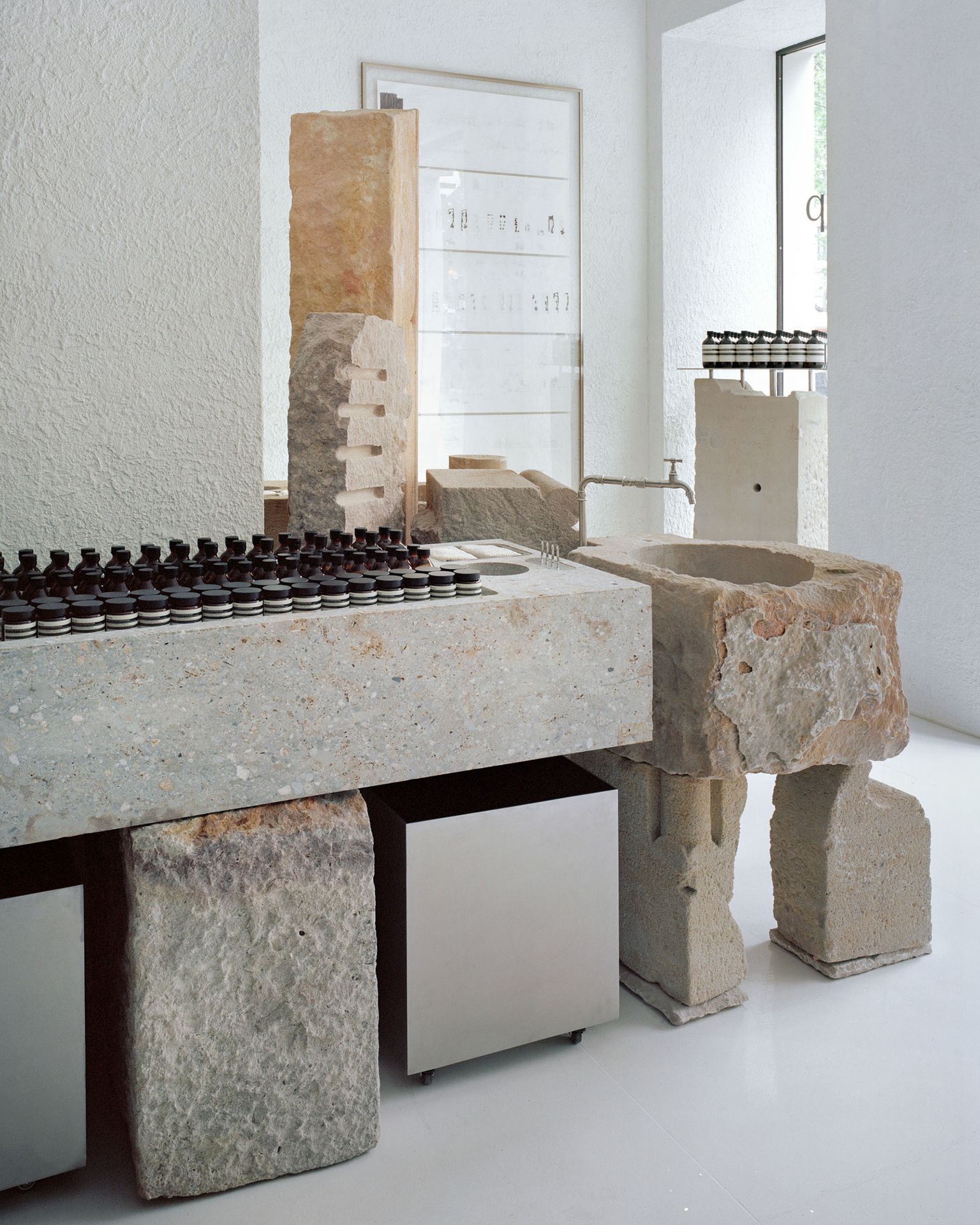
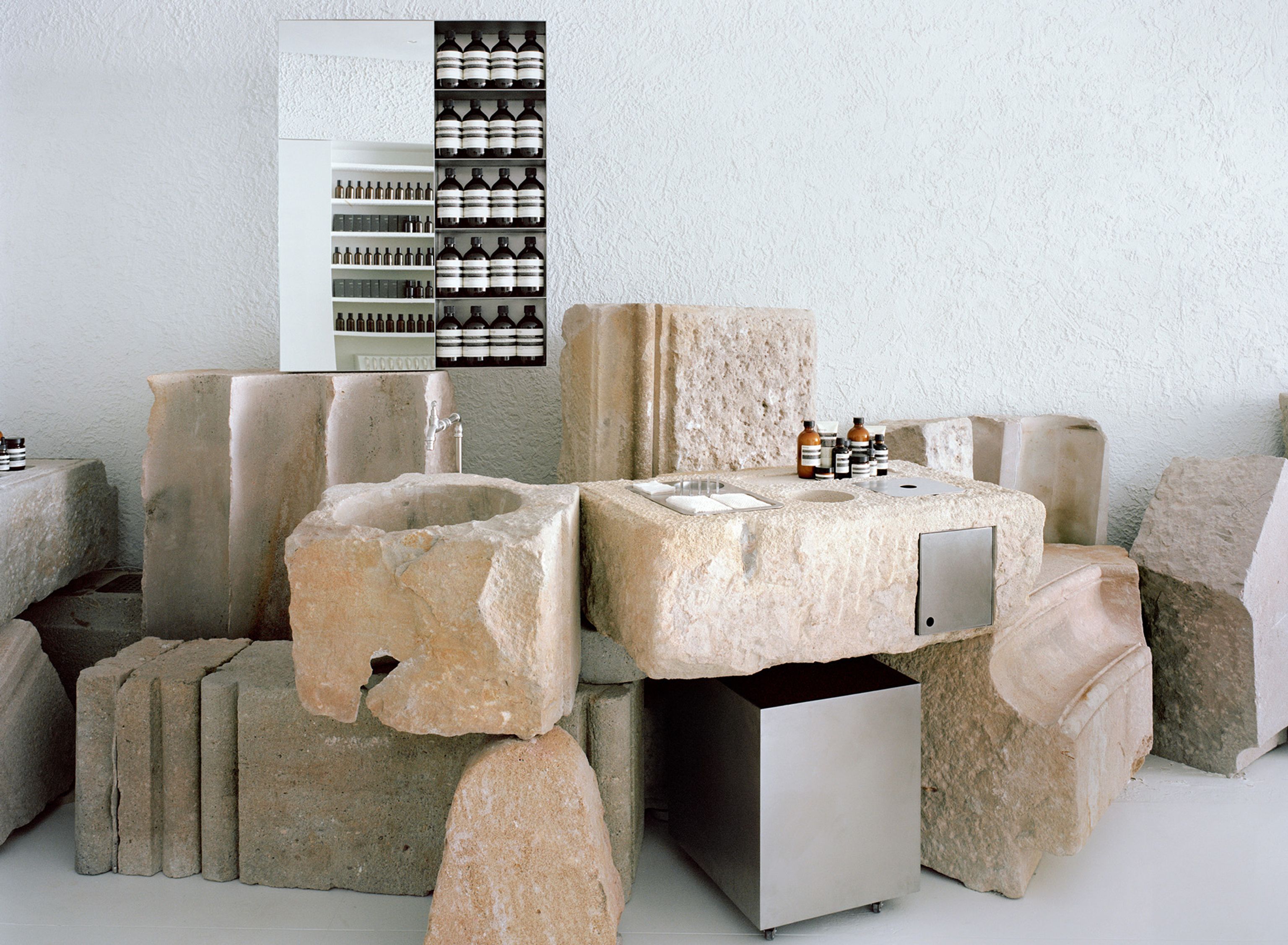
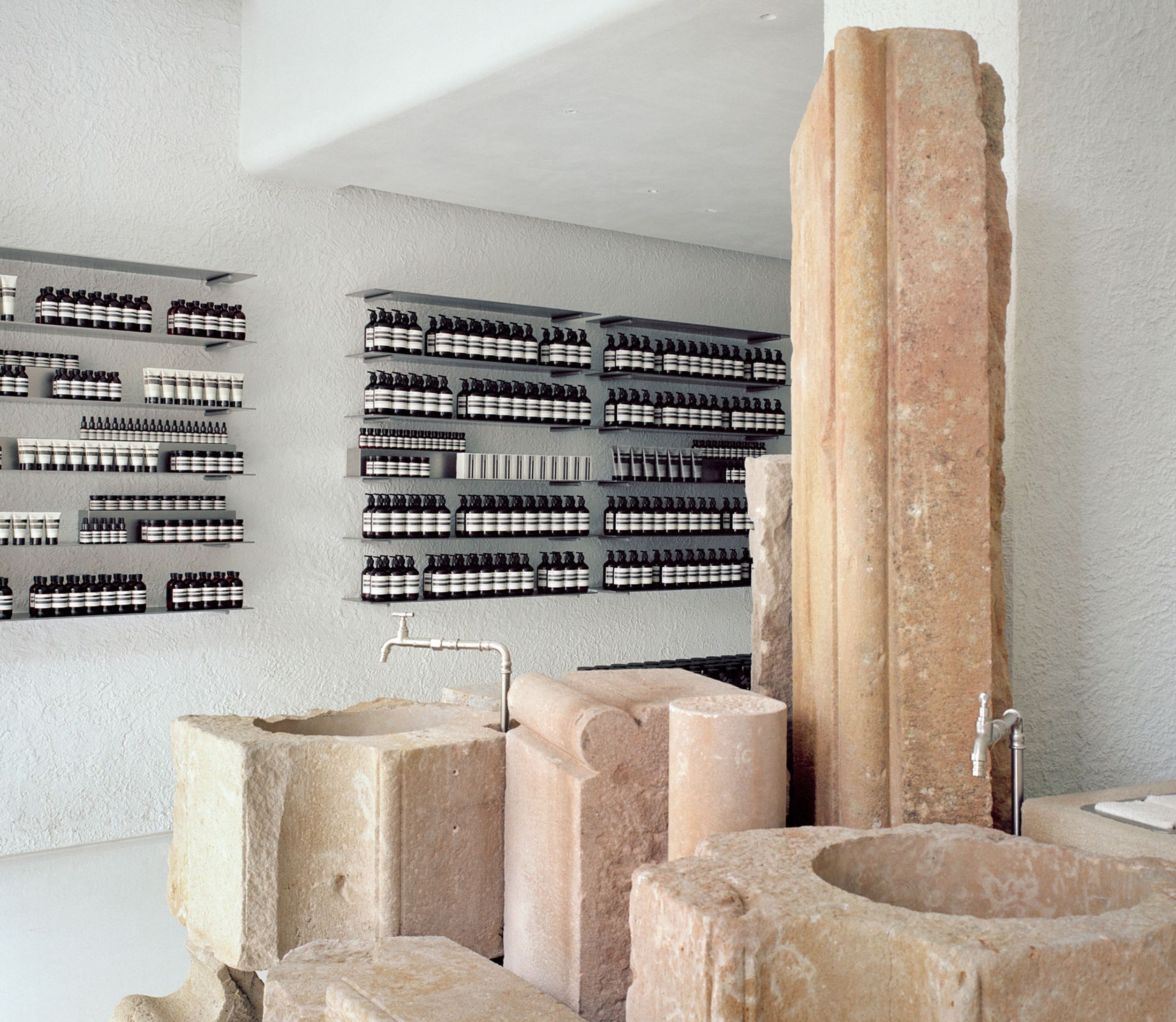
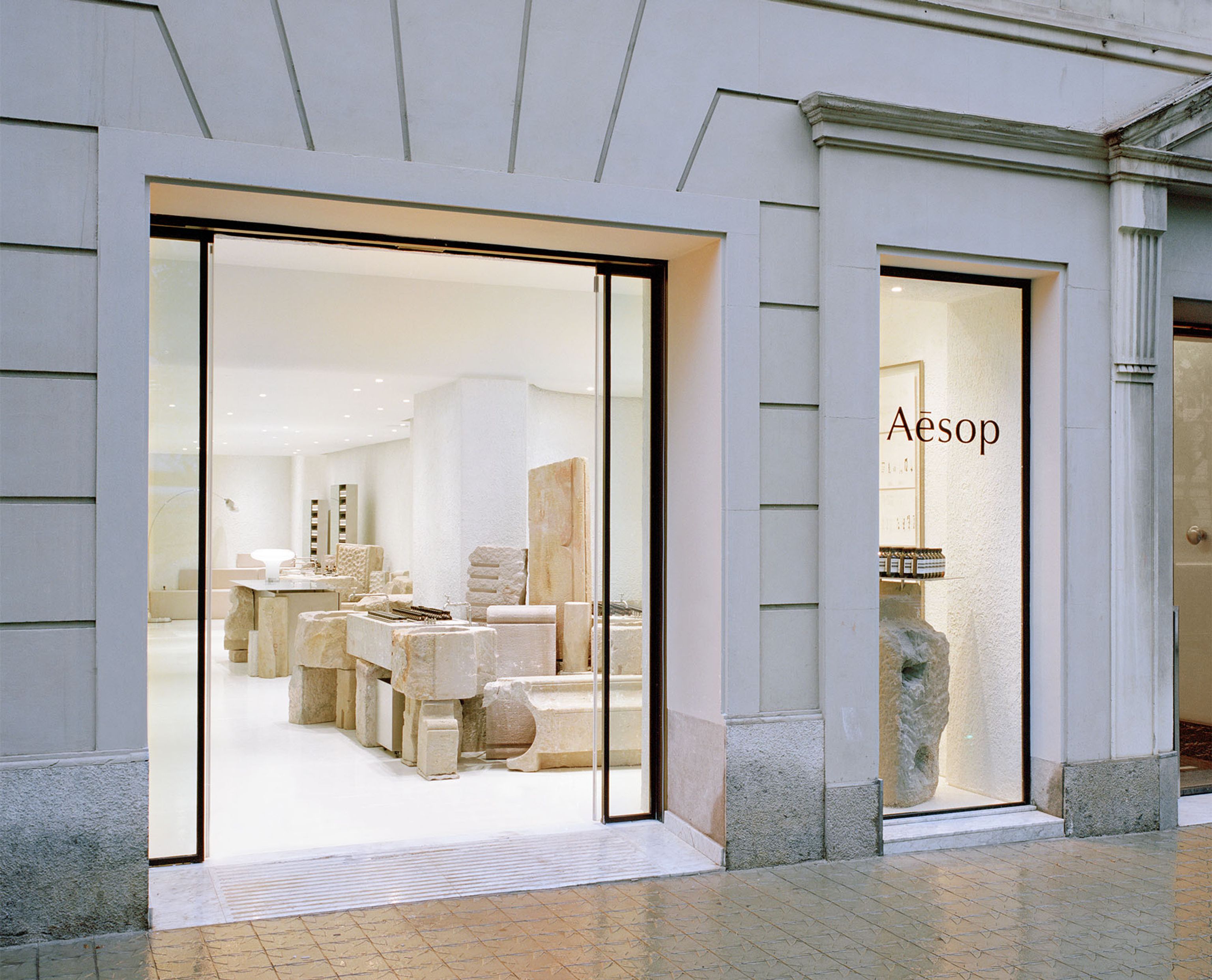
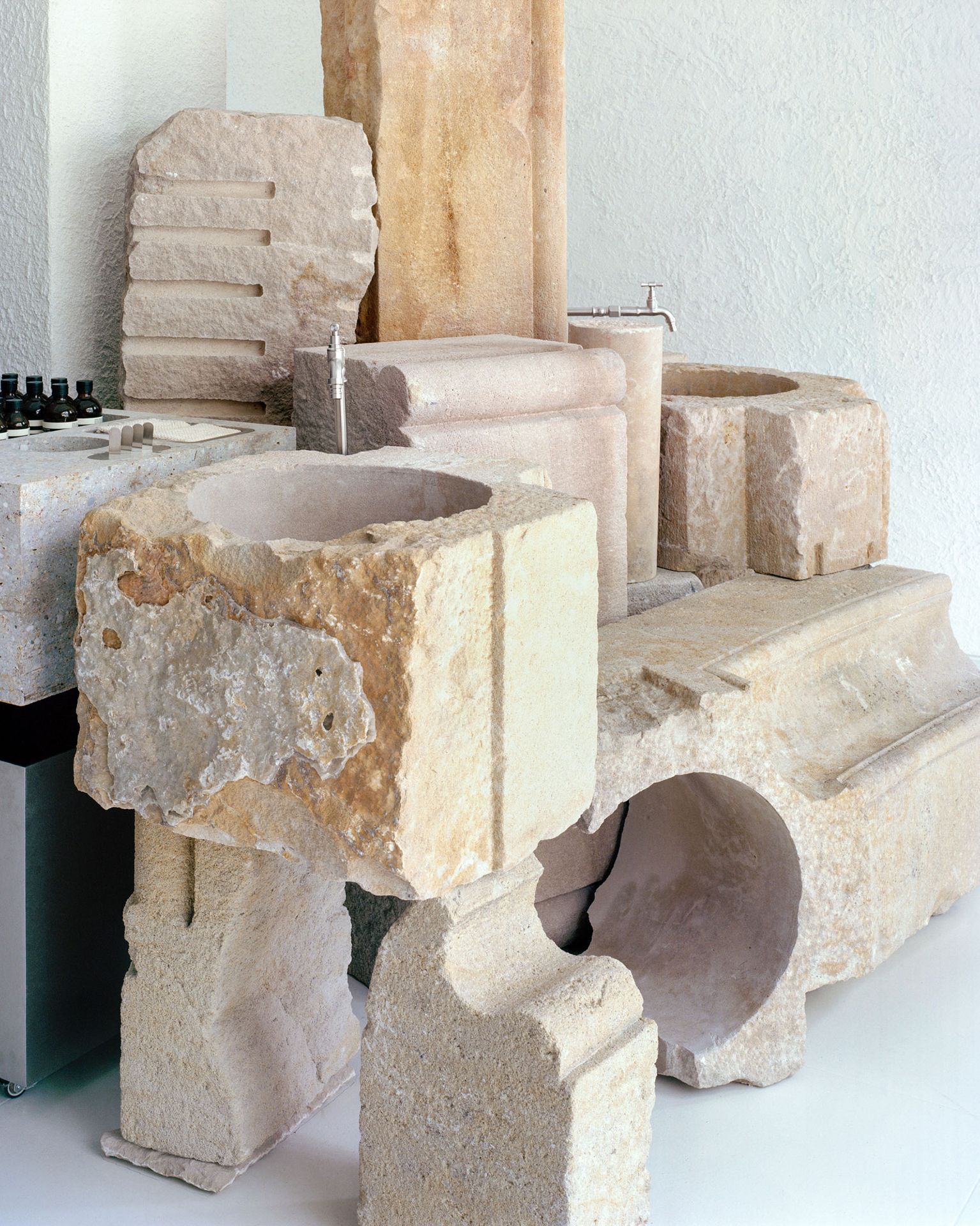
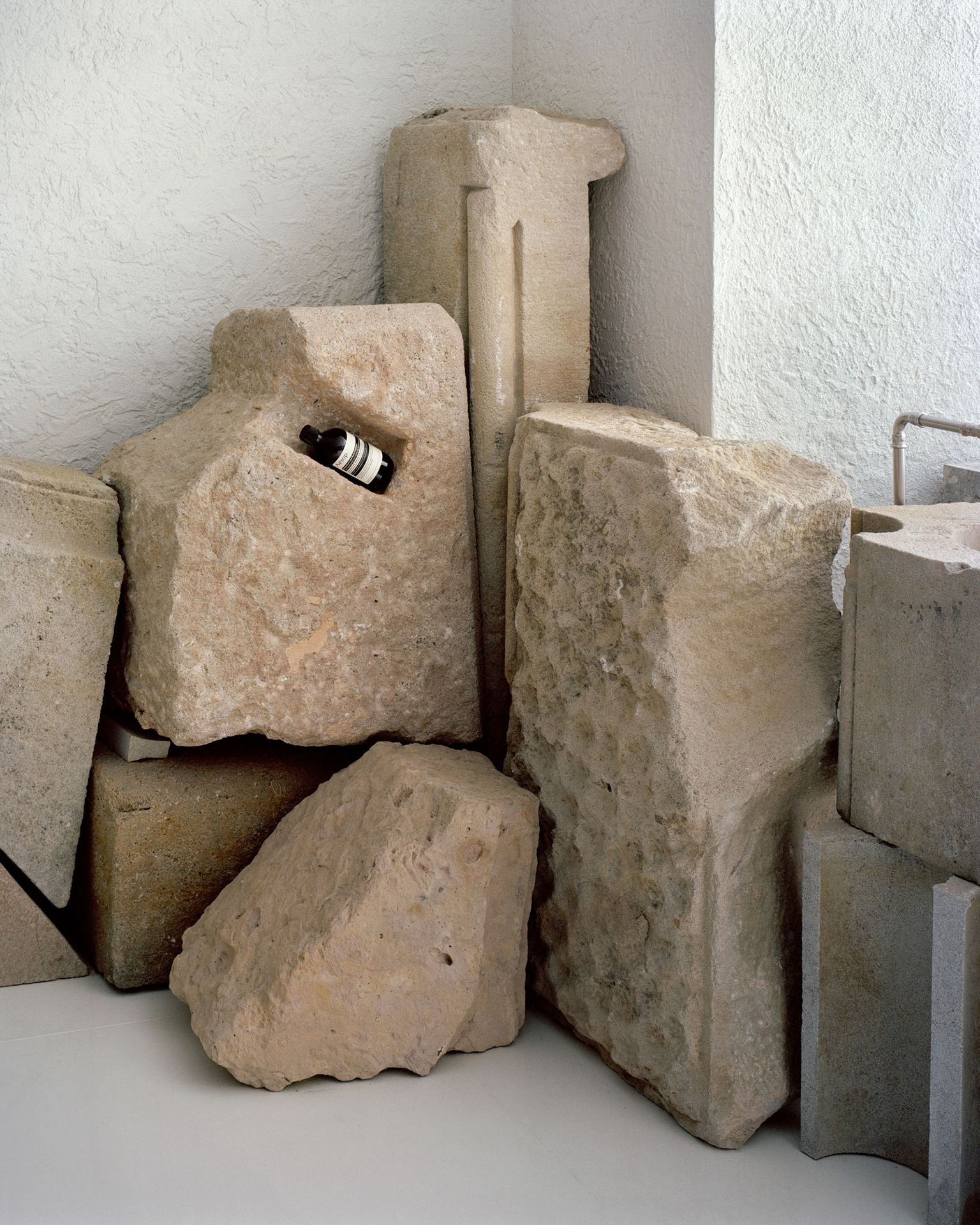
For Aesop’s second store in Barcelona, Aesop Diagonal, local architecture studio Mesura created an interior built almost entirely from reclaimed Montjuïc stone, a material deeply tied to the city’s architectural history. Located on Avinguda Diagonal, the project moves away from the polished, placeless feeling of many retail interiors and instead focuses on reuse, craftsmanship, and local identity. Old stone fragments from demolished buildings, fountains, and public structures were collected and carefully assembled into the centre of the store, forming sinks, counters, and display surfaces. The result feels less like a conventional shop and more like a space carrying visible traces of the city’s past.
The project originally began in a different location on Rambla Catalunya, where Mesura started researching Catalan modernism and Barcelona’s architectural identity before the site unexpectedly fell through. When a new space was later secured, the original research still shaped the direction of the project. Aesop wanted a store that felt timeless, social, and local, while Mesura added another layer to the conversation: sustainability through reuse rather than constant production of new materials.

The Story Inside the Stone
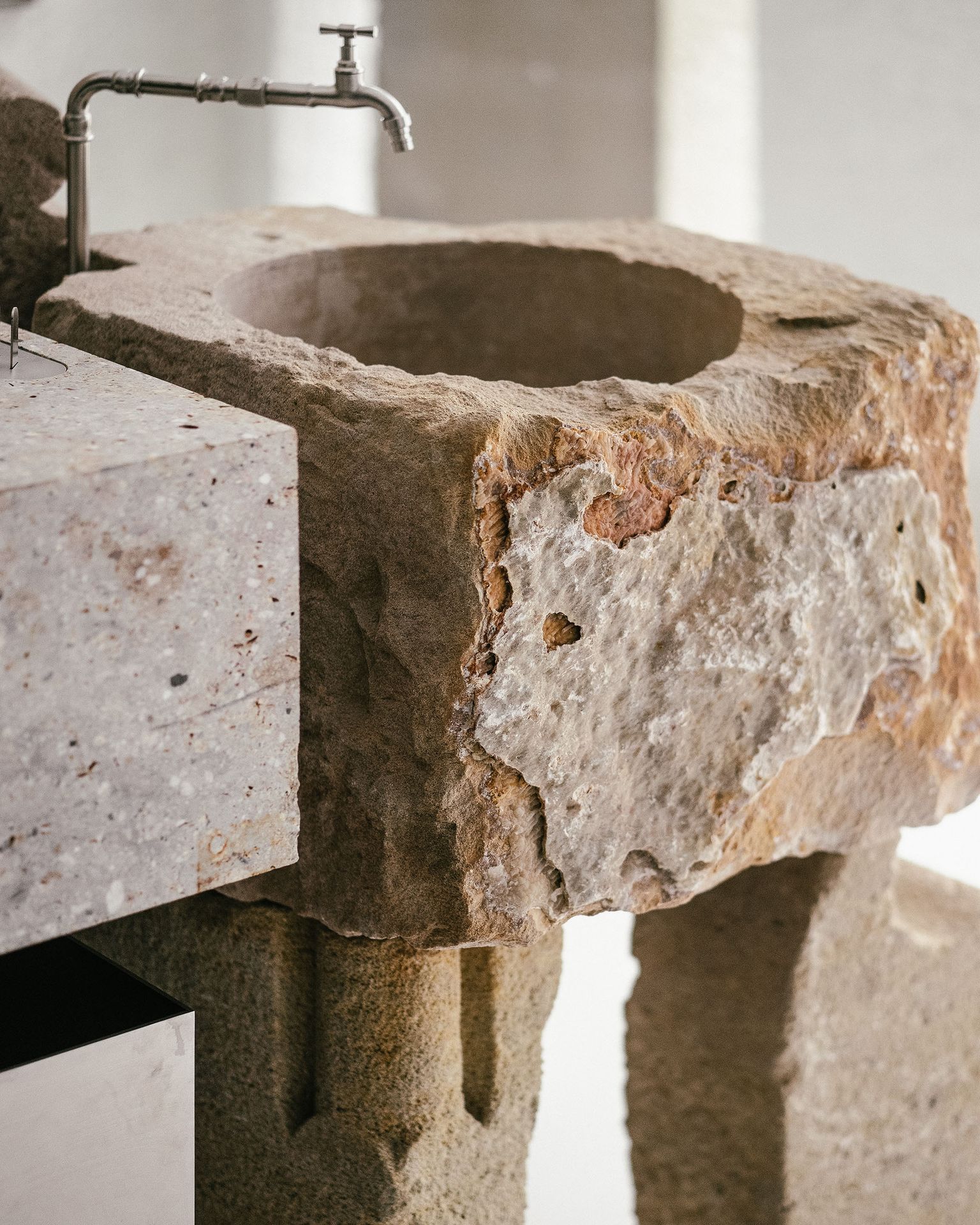
The entire project revolves around Montjuïc stone, which was used throughout the city for centuries because of its durability and warm tones. Since the material is no longer quarried, Mesura began searching for existing fragments that could be repurposed instead. That search eventually led them to the Barbany family, master stonemasons with more than 130 years of experience working with the stone.
Over decades, the family had preserved fragments from demolished buildings across the city, including pieces from fountains, Gothic Quarter structures, pedestals, and decorative architectural elements. Hidden in an abandoned quarry, the stones carried marks of age, weather, and previous use. Mesura catalogued seventy-eight pieces in total, selecting each one according to its texture, shape, and potential function inside the store.

Designing from Existing Fragments
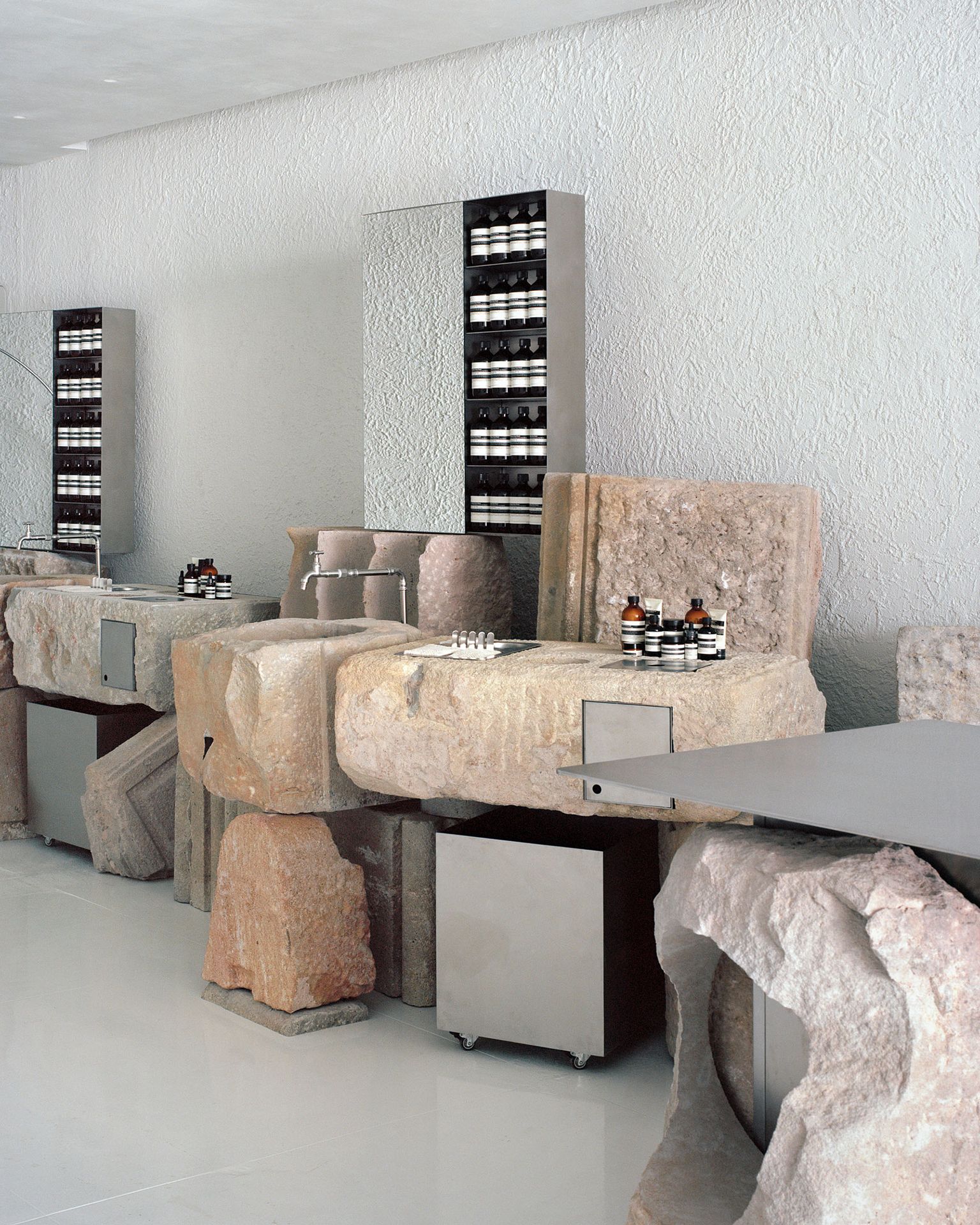
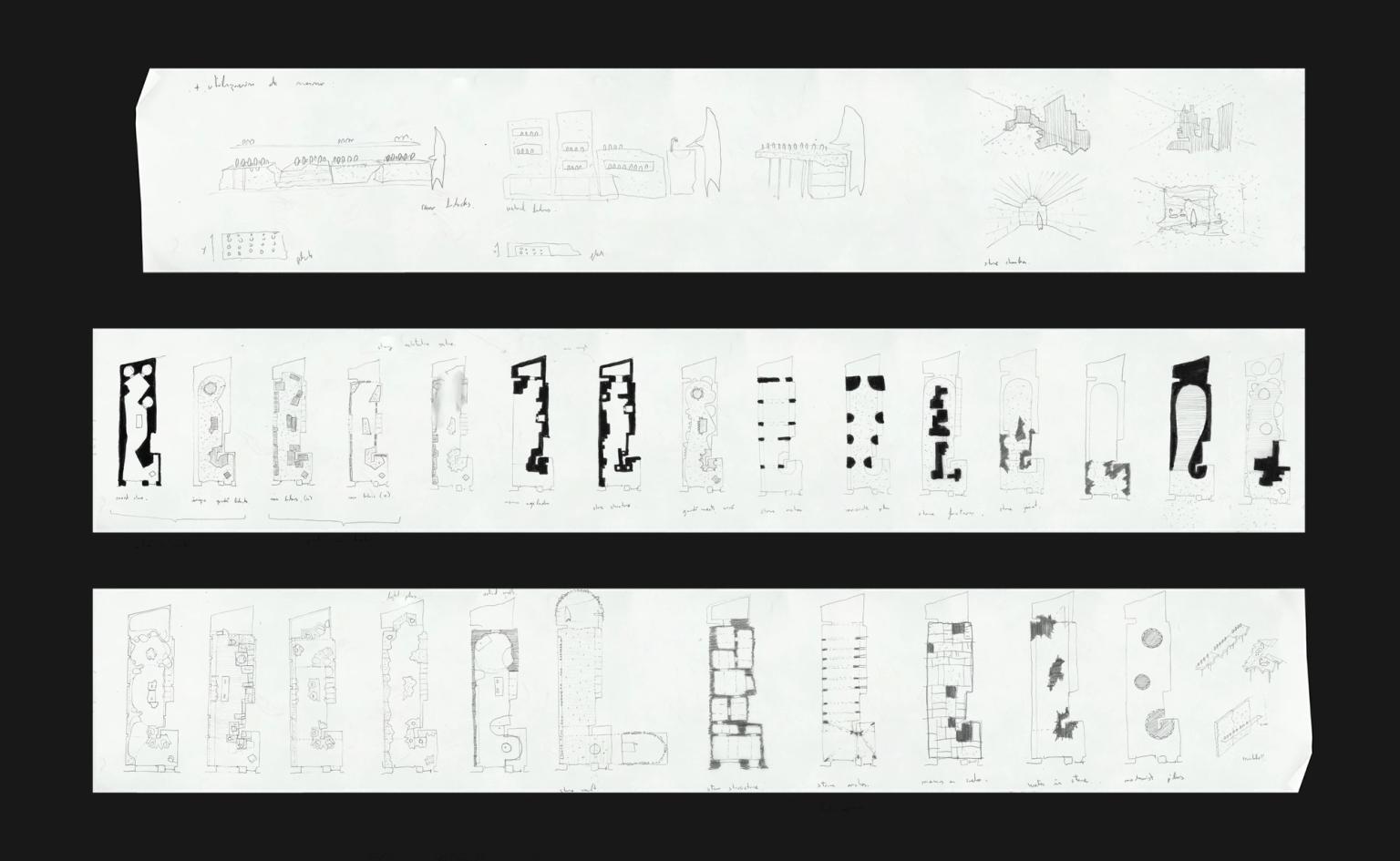
Unlike most interior projects, Aesop Diagonal was designed around the materials from the beginning. Mesura describes the process as “Creative Anastylosis,” inspired by the reconstruction of ancient ruins from original fragments. Instead of drawing the space first and sourcing materials later, the studio allowed the reclaimed stones to define the architecture.
Inside the Barbany workshop, the team built full-scale mock-ups and repeatedly tested how the stones could balance and connect within the narrow proportions of the store. The process became highly physical and precise. Although the fragments appeared rough and heavy, each piece was irreplaceable and had to be handled carefully during installation. Over time, the stones stopped feeling like leftover materials and began forming a completely new architectural composition together.



A Quiet Interior
Once the stone arrangement was established, the rest of the interior was intentionally kept restrained. Textured stucco walls and ceilings create softness around the heavy stone elements, while pale tiled floors and stainless steel details introduce a sharper, more contemporary contrast. Taps, shelving inserts, trays, and mirrors were designed carefully to support the material palette without competing against it.
The atmosphere of the store comes from this balance between roughness and precision. Mesura deliberately preserved scratches, irregularities, and signs of wear instead of restoring the stone completely, allowing the material to keep its history visible. Nothing feels overly decorative. The space relies on texture, weight, and material honesty to create character.

More Than a Retail Space
At its core, Aesop Diagonal is also a response to the increasingly generic feeling of global retail design. Mesura wanted to create a store that could only belong to this specific city, using local materials and local craftsmanship rather than universal aesthetics. The project reflects the studio’s interest in genius loci, the spirit of a place, and shows how architecture can remain deeply connected to its surroundings even within a global brand.
The idea of reuse also continues beyond the life of the store itself. None of the stones were permanently fixed into place, meaning the entire composition can eventually be dismantled and reused again. If the store closes one day, the fragments will return to the Barbany family rather than becoming waste. The project treats materials as something ongoing, capable of carrying history through different lifetimes and uses.


Mesura
Founded in Barcelona in 2010, Mesura works across architecture, interiors, landscape, furniture, and editorial design. The studio has become known for projects shaped by material research, strong contextual thinking, and an interest in process as much as final form. Across their work, architecture is approached less as the creation of isolated objects and more as a way of working with what already exists.
That mindset defines Aesop Diagonal. Rather than creating a neutral luxury interior, Mesura used the project to explore how forgotten materials could gain a second life while preserving a strong connection to place. The store ultimately becomes both a retail space and a larger argument for reuse, memory, and local identity within contemporary design.