Alejandro González Iñárritu
Amore Perros
- DirectorAlejandro González Iñárritu
- CinematographerRodrigo Prieto
Nono Ayuso Still, to this day, one of my favourite films. Pure, raw and direct. A true masterpiece. Three stories that brush against one another without ever fully intersecting. An extraordinary script, a brilliant execution.

Amores Perros
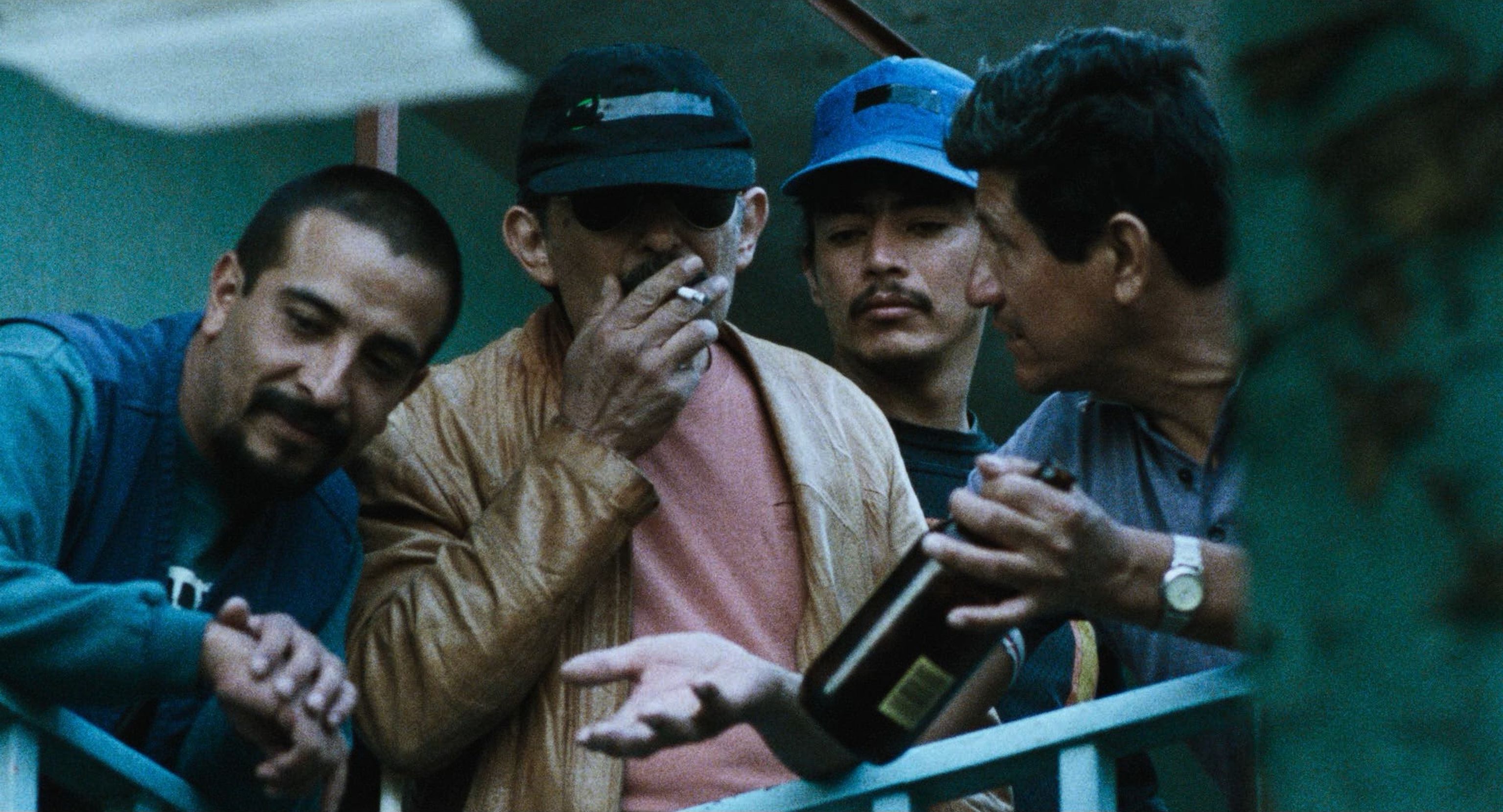
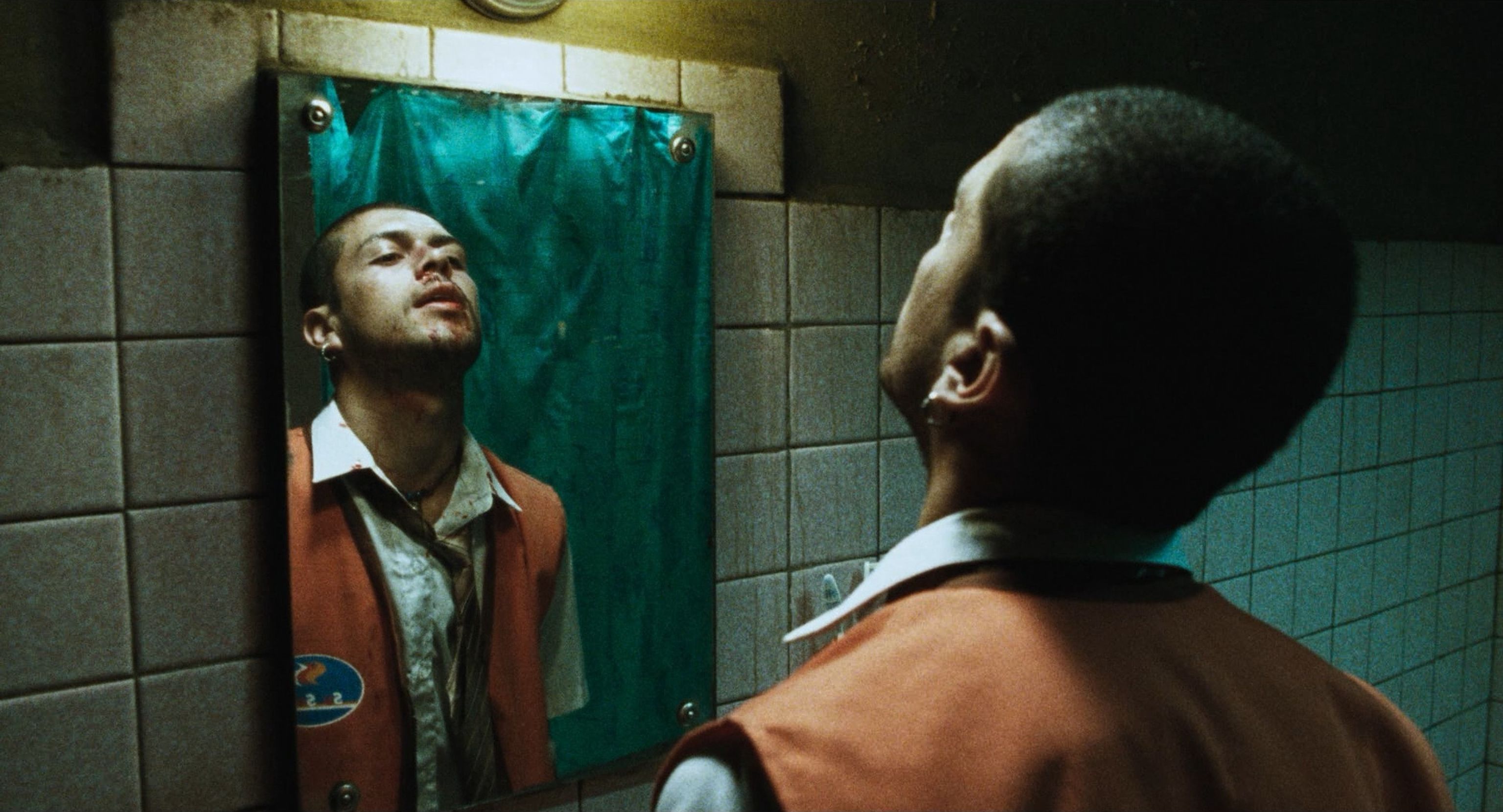
Alejandro González Iñárritu’s Amores Perros (2000) emerged as a seismic debut, immediately marking him as a visionary in global cinema. The film weaves three interlocking stories, all triggered by a violent car crash in Mexico City, threading together lives, loves, and losses in a tense, urban tapestry. Far from conventional storytelling, Iñárritu’s narrative collapses linear time, echoing the chaotic pulse of the metropolis itself. The result is a raw, immersive exploration of human desire, desperation, and the fragile bonds connecting people - and dogs - across social divides.
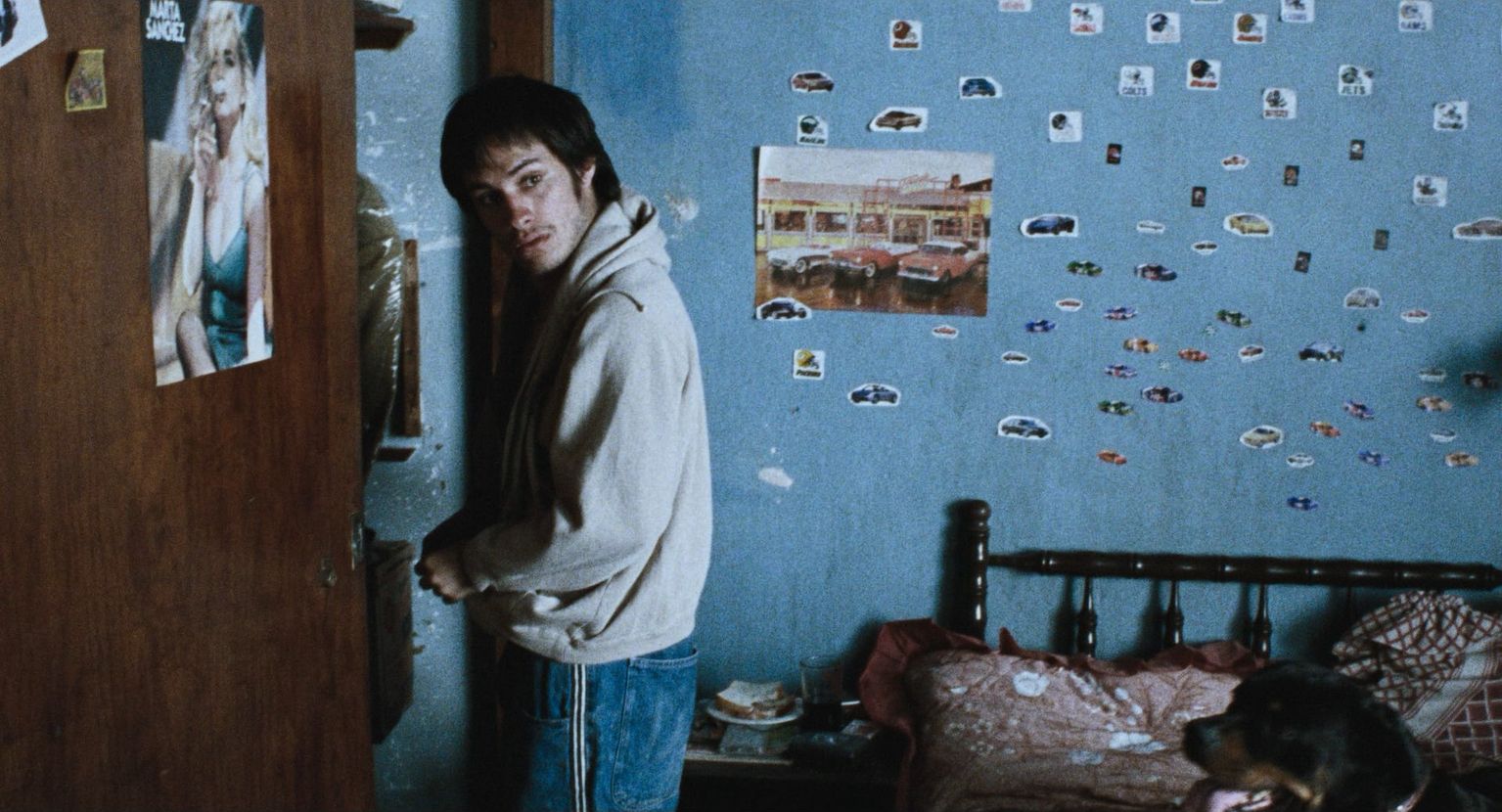
Beyond the narrative, the film introduced the world to Gael García Bernal, whose performance as Octavio cemented his international stardom. Amores Perros also became a cultural milestone for Mexican cinema, earning eleven Ariel awards and a historic Academy Award nomination for Best Foreign Language Film after a 25-year absence. The film’s success was both critical and commercial, affirming Iñárritu as a bold new voice capable of elevating local stories to universal resonance.

Cinematography as Living Matter
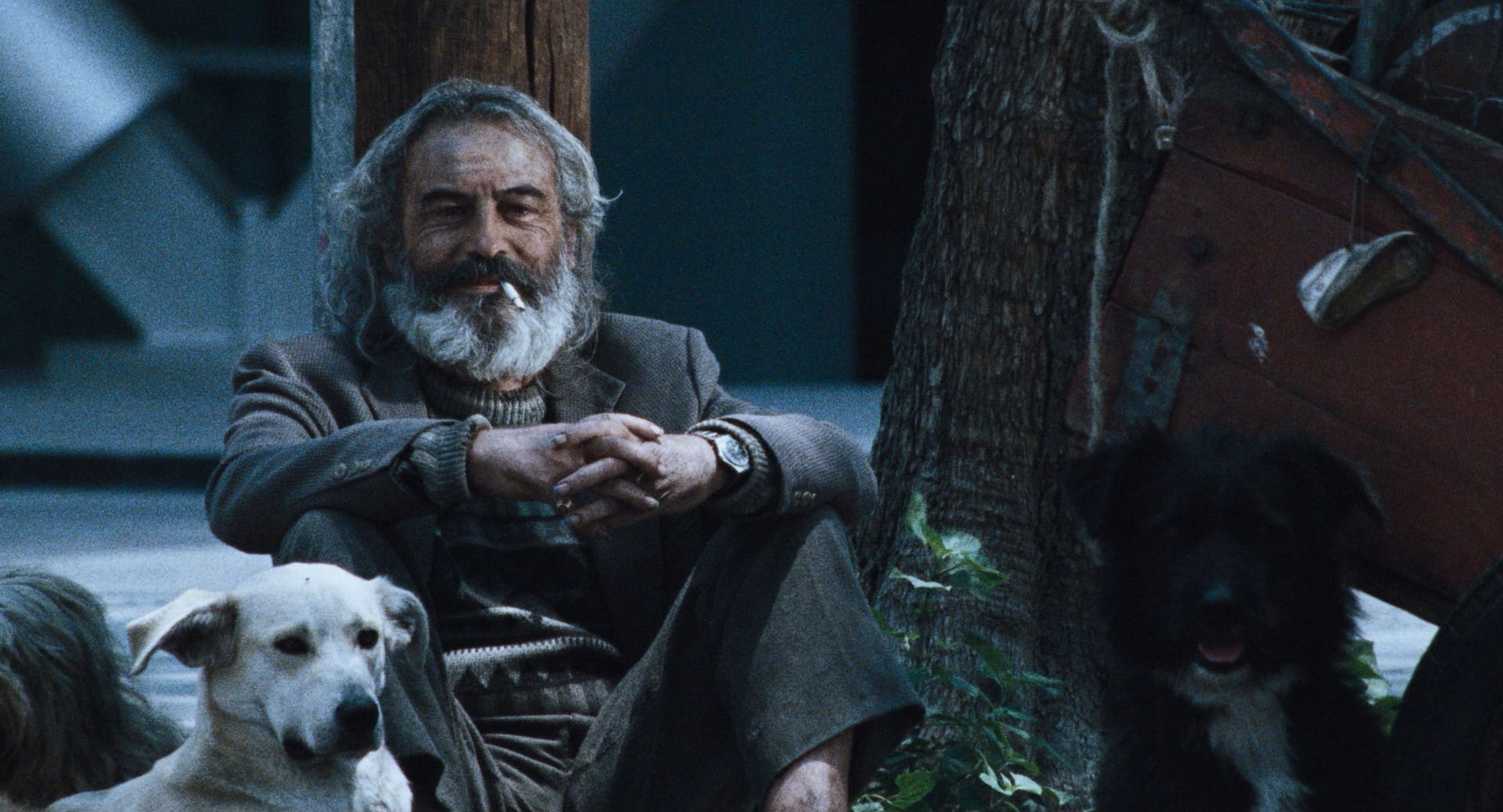
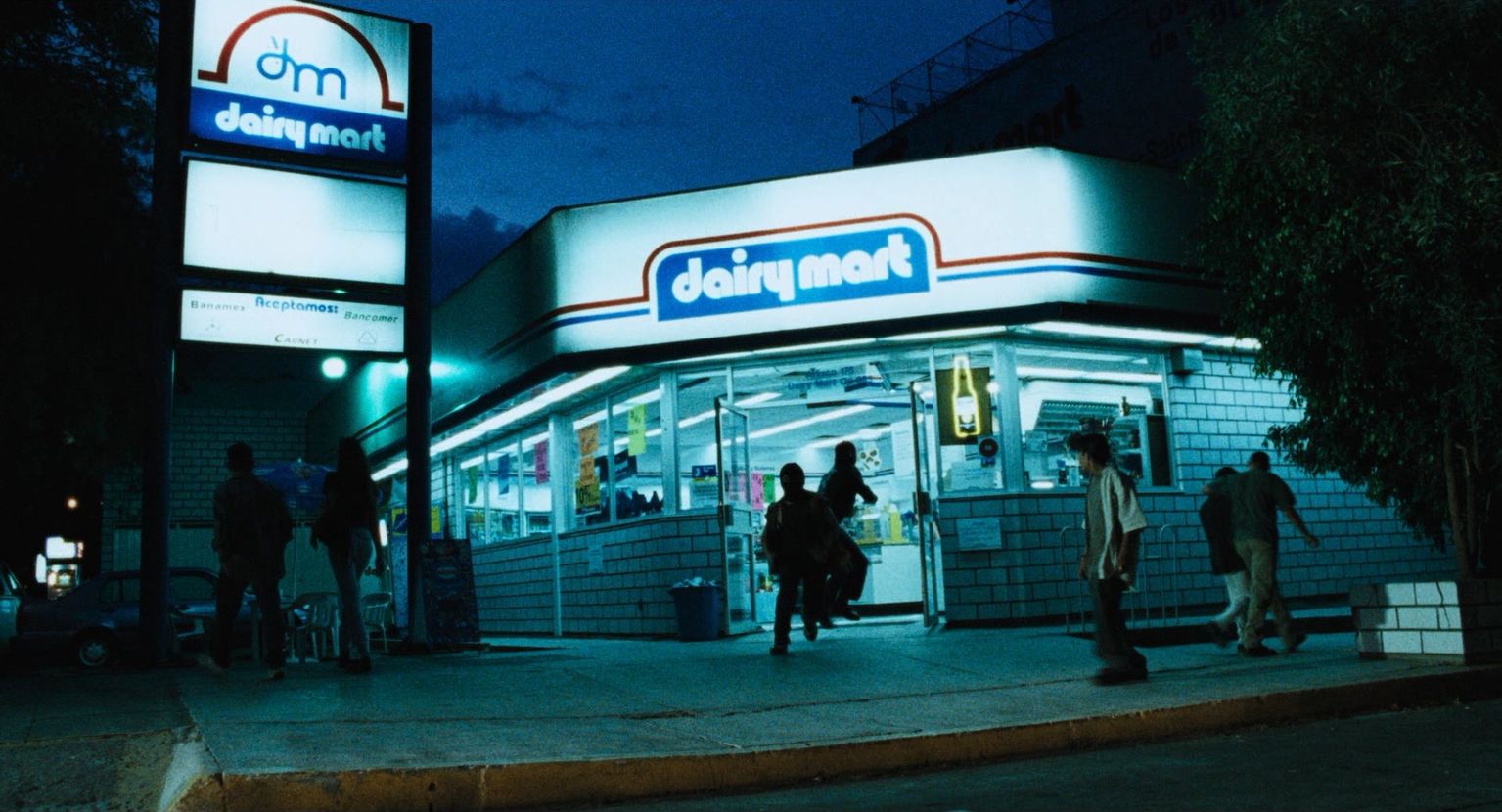
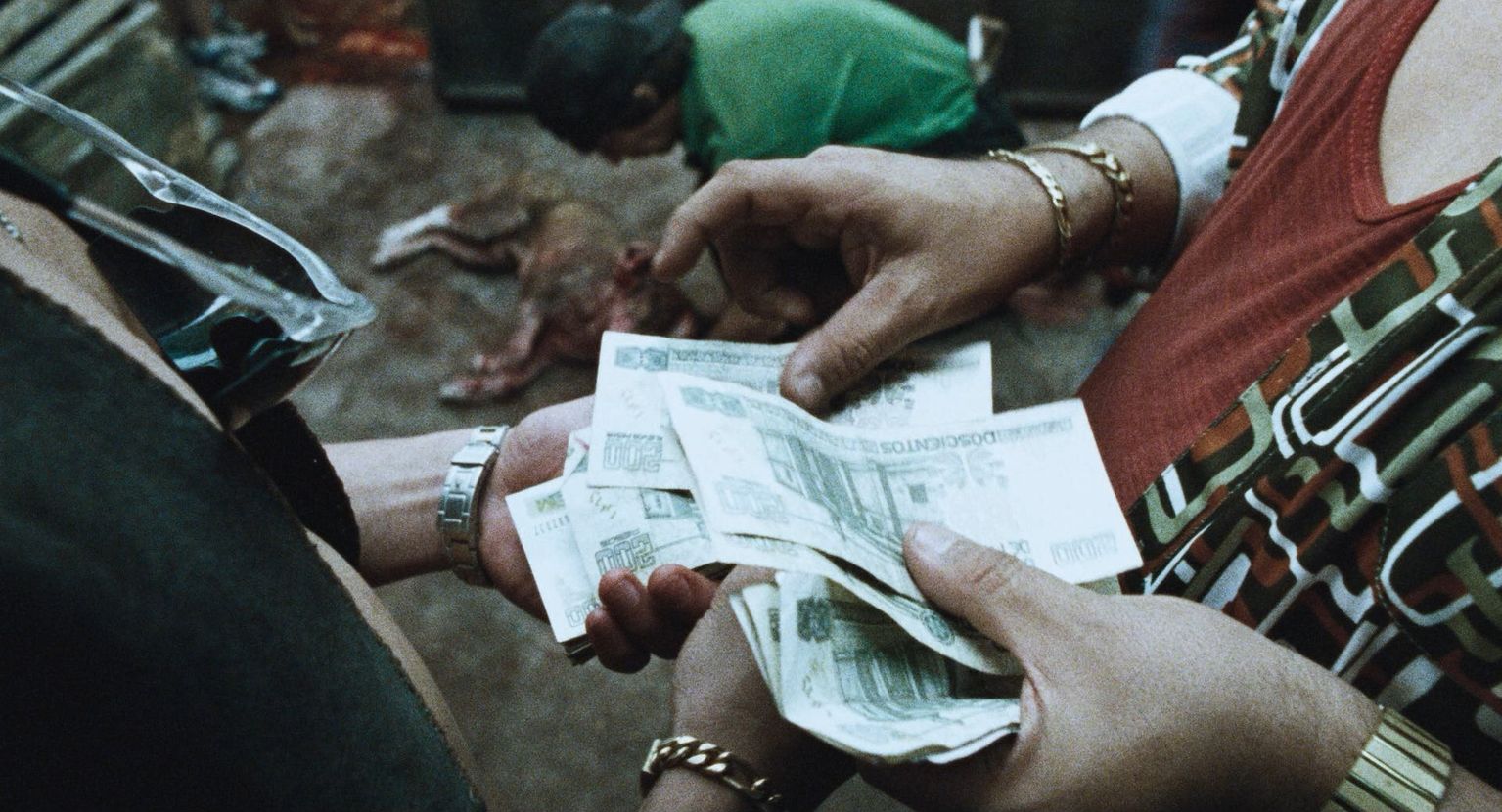
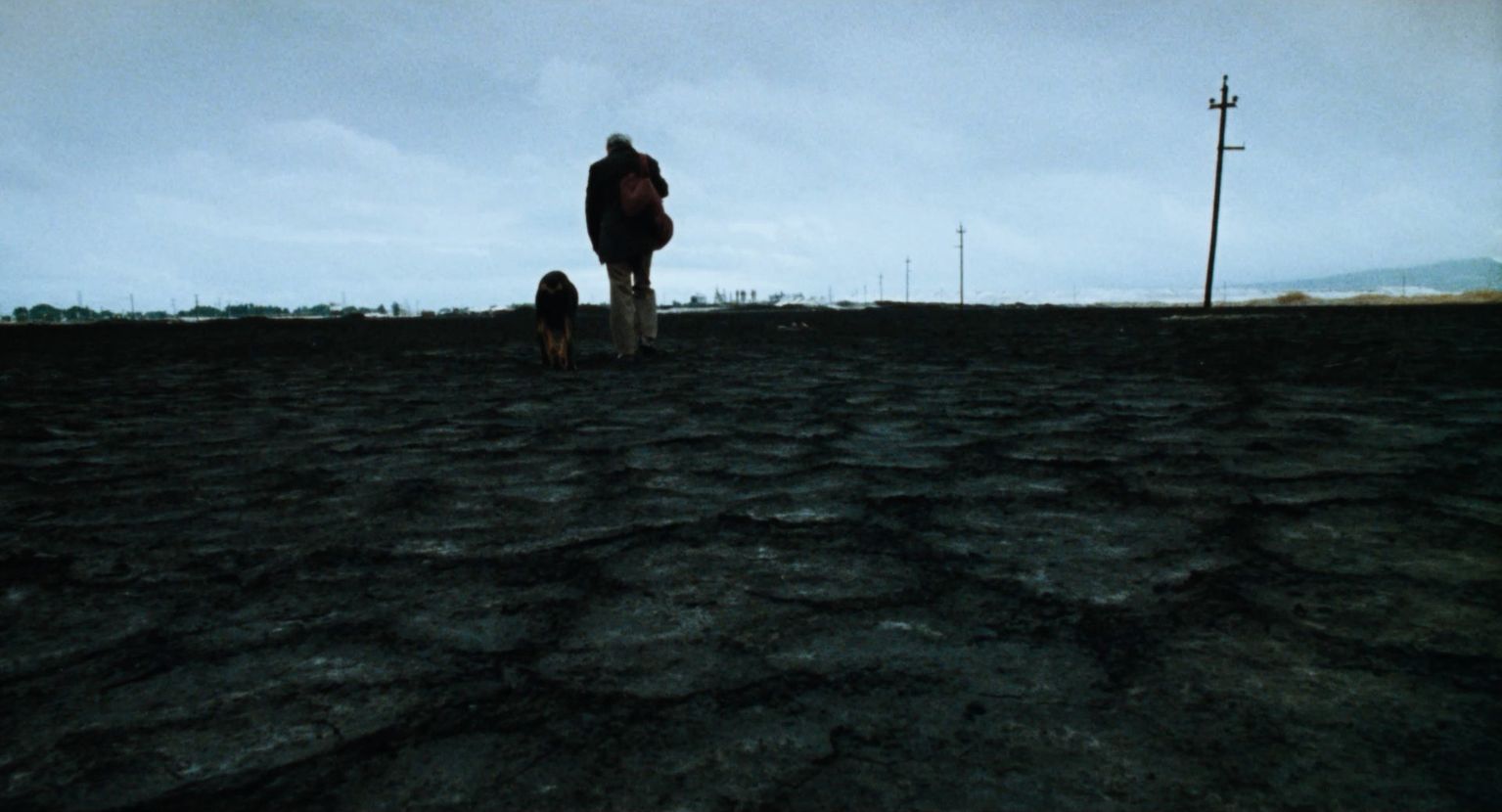
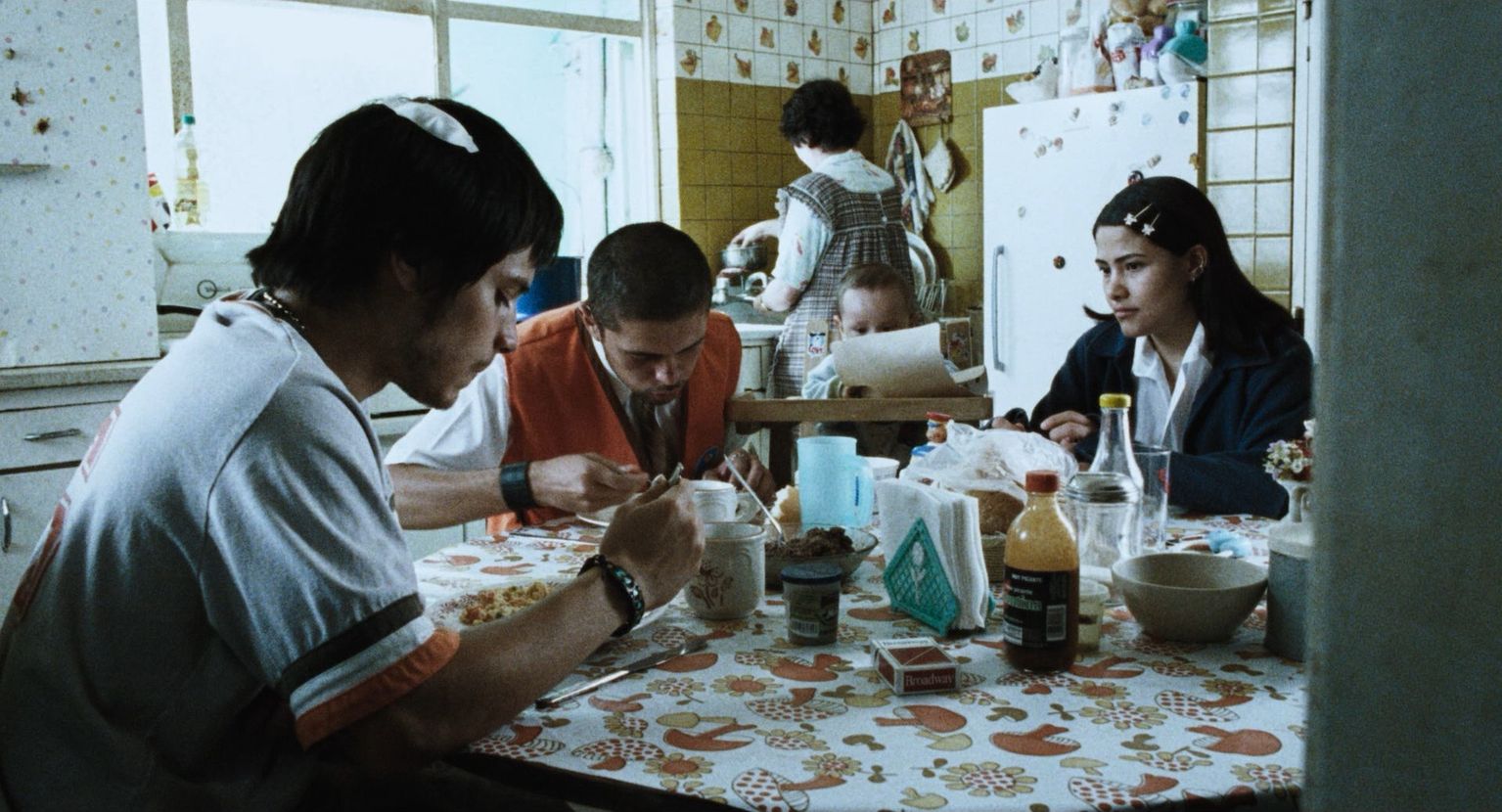
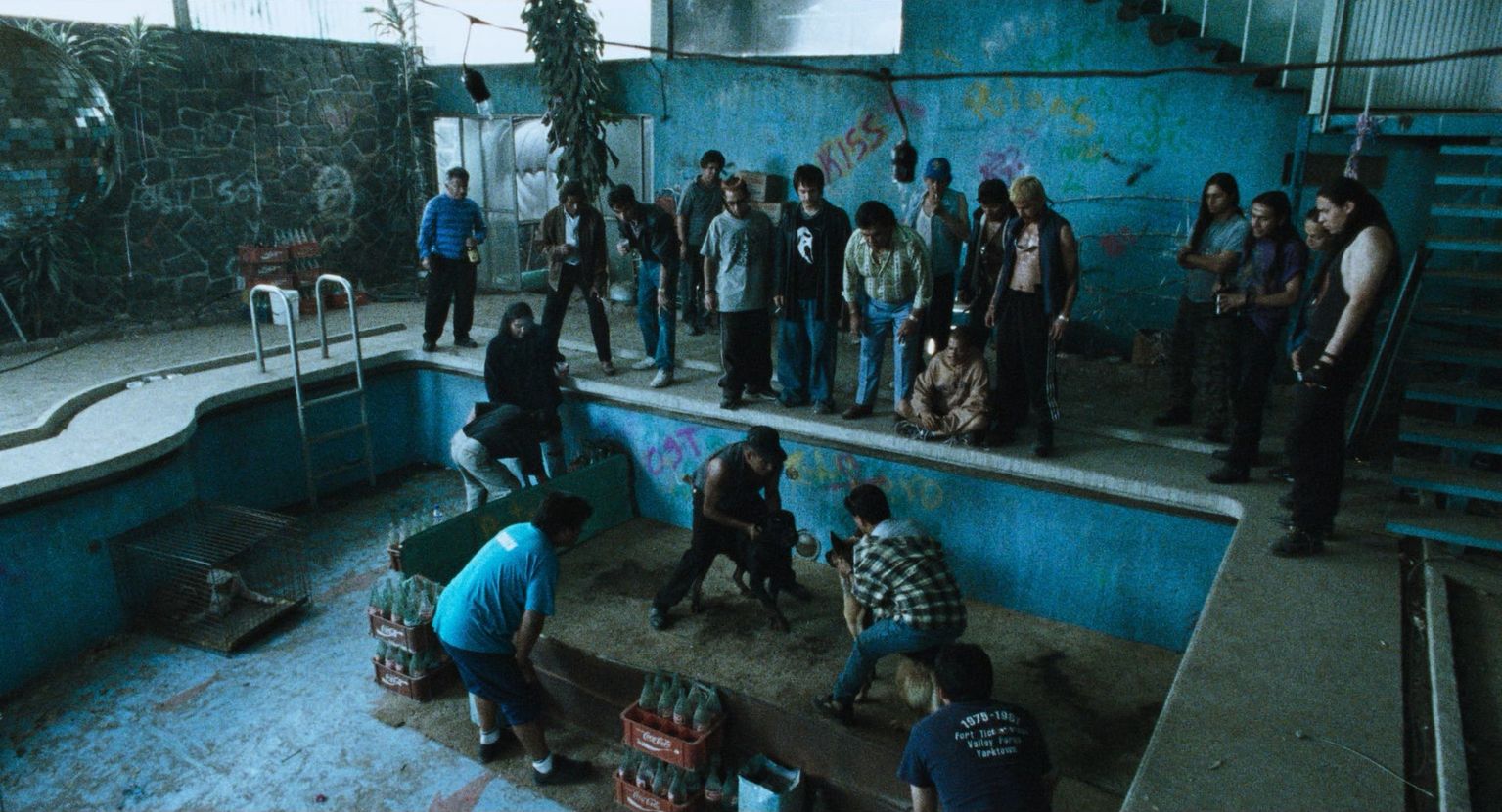
Rodrigo Prieto’s cinematography transforms Mexico City into a breathing organism, where streets, alleys, and slums function as extensions of the characters’ emotional states. The handheld camera moves with restless energy, plunging the audience into the city’s feverish rhythm. Close-ups, wide shots, and grainy textures create a visual choreography that mirrors the unpredictability of life itself. Sound design - sirens, barking dogs, traffic, shouts - serves as an invisible connective tissue, binding the narrative into a sensory experience that is both brutal and beautiful.
In this, Amores Perros exemplifies the postmodern “choral cinema” approach: stories overlap, intersect, and reverberate, while urban architecture becomes a silent protagonist. The film’s visual language treats the city as an emotional laboratory, where violence, love, and survival coexist in a tightly wound ecosystem. Every frame conveys urgency, every cut intensifies stakes, and every composition heightens the tension between human fragility and the chaos of modern life.





Legacy and Influence
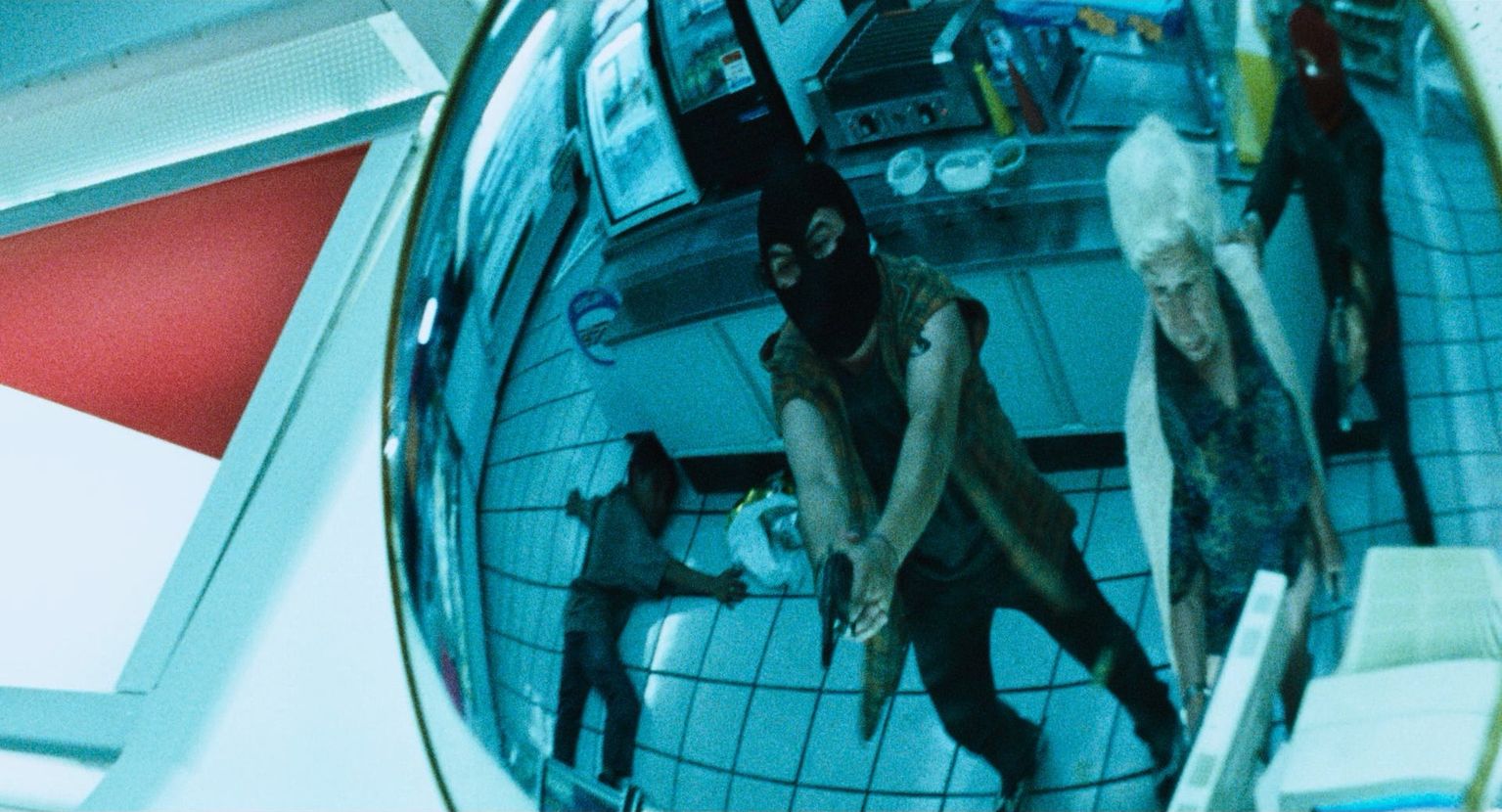
Amores Perros is more than a film; it is a manifesto for Iñárritu’s cinematic philosophy. Its success launched his internationally acclaimed “Death Trilogy,” which includes 21 Grams and Babel, establishing a signature style of fragmented, multi-narrative storytelling. The film’s impact extends beyond narrative techniques, influencing a generation of filmmakers in Latin America and worldwide to embrace urban realism, nonlinear structure, and the interplay between environment and character.
The film’s influence continues in contemporary exhibitions like Iñárritu’s Sueño Perro at Fondazione Prada, where unseen footage from the original shoot is reimagined as an immersive, sensory labyrinth. Here, the film’s essence, its chaos, texture, and raw emotionality, is preserved, while new layers of meaning emerge, highlighting cinema as a living, tangible material. This installation underscores Iñárritu’s ongoing exploration of memory, space, and identity, showing that Amores Perros remains a touchstone for understanding the intersection of city, body, and narrative.






An Urban Symphony of Life and Loss
Ultimately, Amores Perros captures a Mexico City at the threshold of the 21st century: vibrant, unequal, and alive with both hope and despair. Its stories are tragic, tender, and violent, yet they resonate with universality. Iñárritu’s debut remains a masterclass in cinematic architecture, where time, space, and human emotion are interwoven into a palpable, living fabric. Decades later, the film continues to inspire, provoke, and enthrall - an enduring testament to the power of cinema to map not just the streets of a city, but the intricate geography of the human heart.