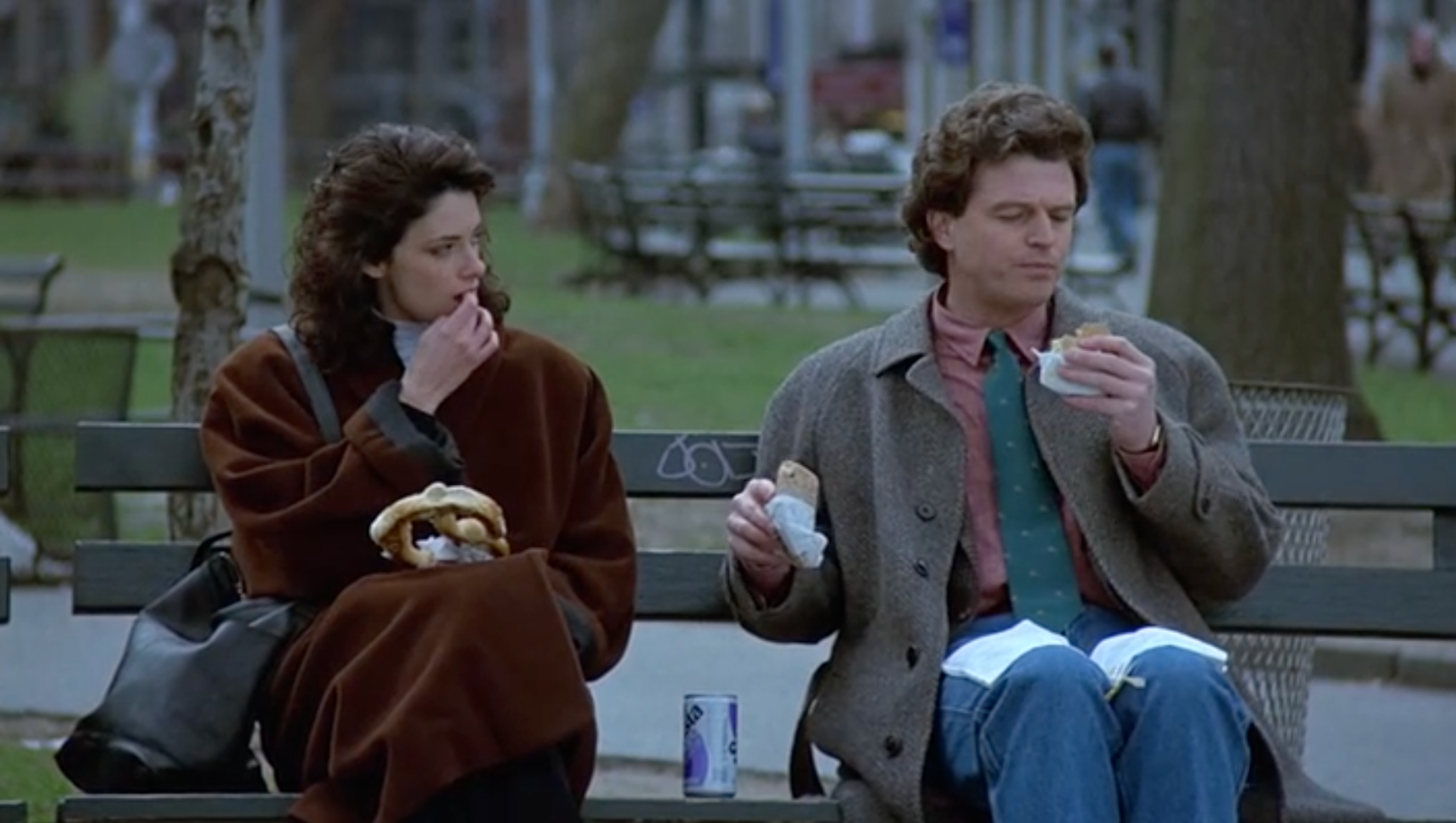

Sollace Mitchell
Call Me
- DirectorSollace Mitchell
- CinematographerZoltán Dávid
- StarringPatricia Charbonneau, Stephen McHattie, Boyd Gaines, Sam Freed, Steve Buscemi, Patti D'Arbanville, John Seitz and David Strathairn
AMANDA KRASS Patricia Charbonneau is an absolute miracle for very soft softcore. telephone calls are terrifying in the best films about caller-stalkers, and this one is so hip it's deranged. what a sick, sad world that we have to watch derpy dorky text bubbles pop up onscreen instead of the sexually charged twirling of the phone cord. in the depths of my soul i believe that never again will people be so aesthetically with-it as they were while casually designing everything inside this celluloid. no one likes a hack job/second rate try at auteurship, but sometimes just attempting to be depalma will go way farther than anything in your own brain.
An Unlikely Connection
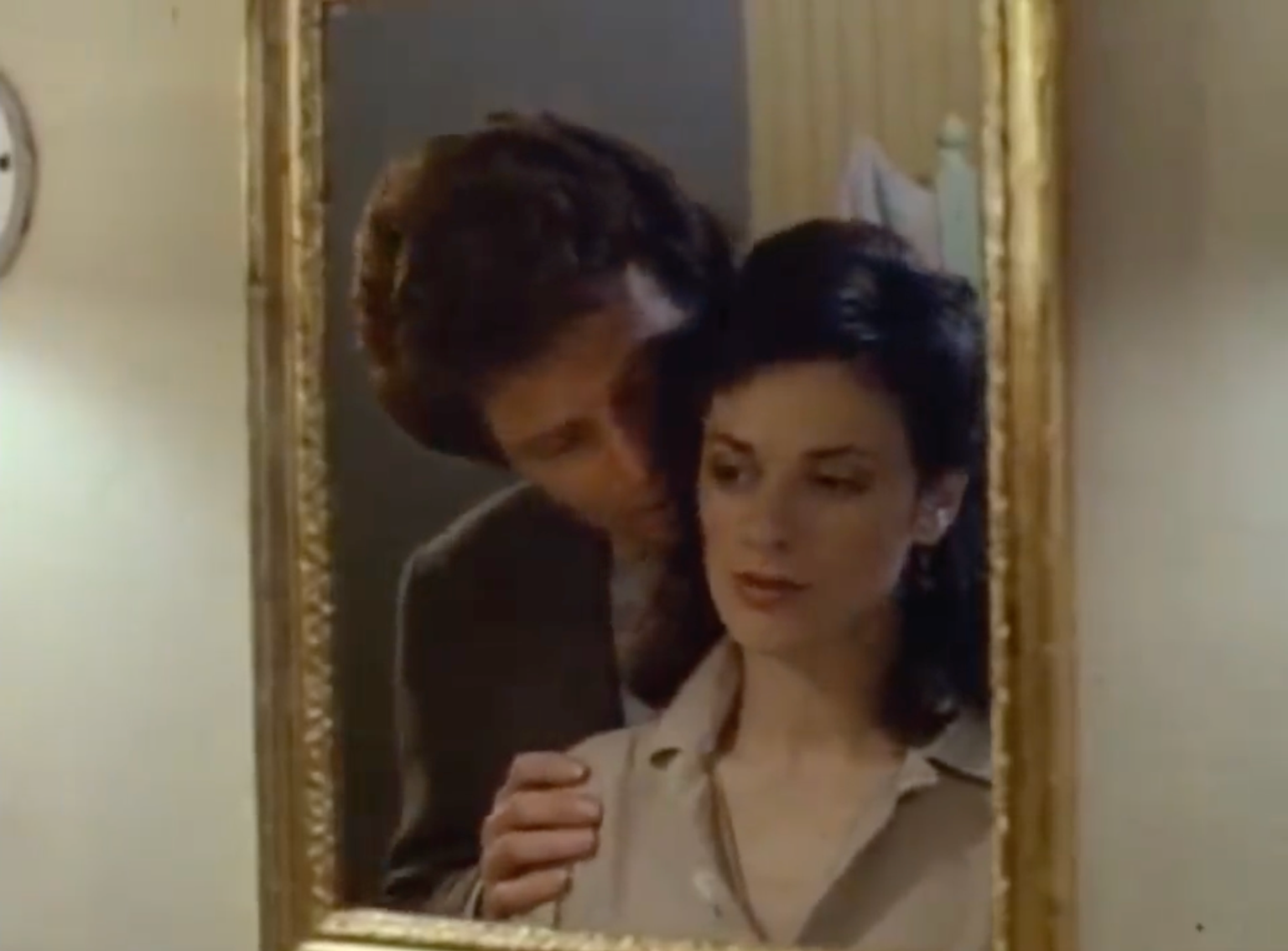
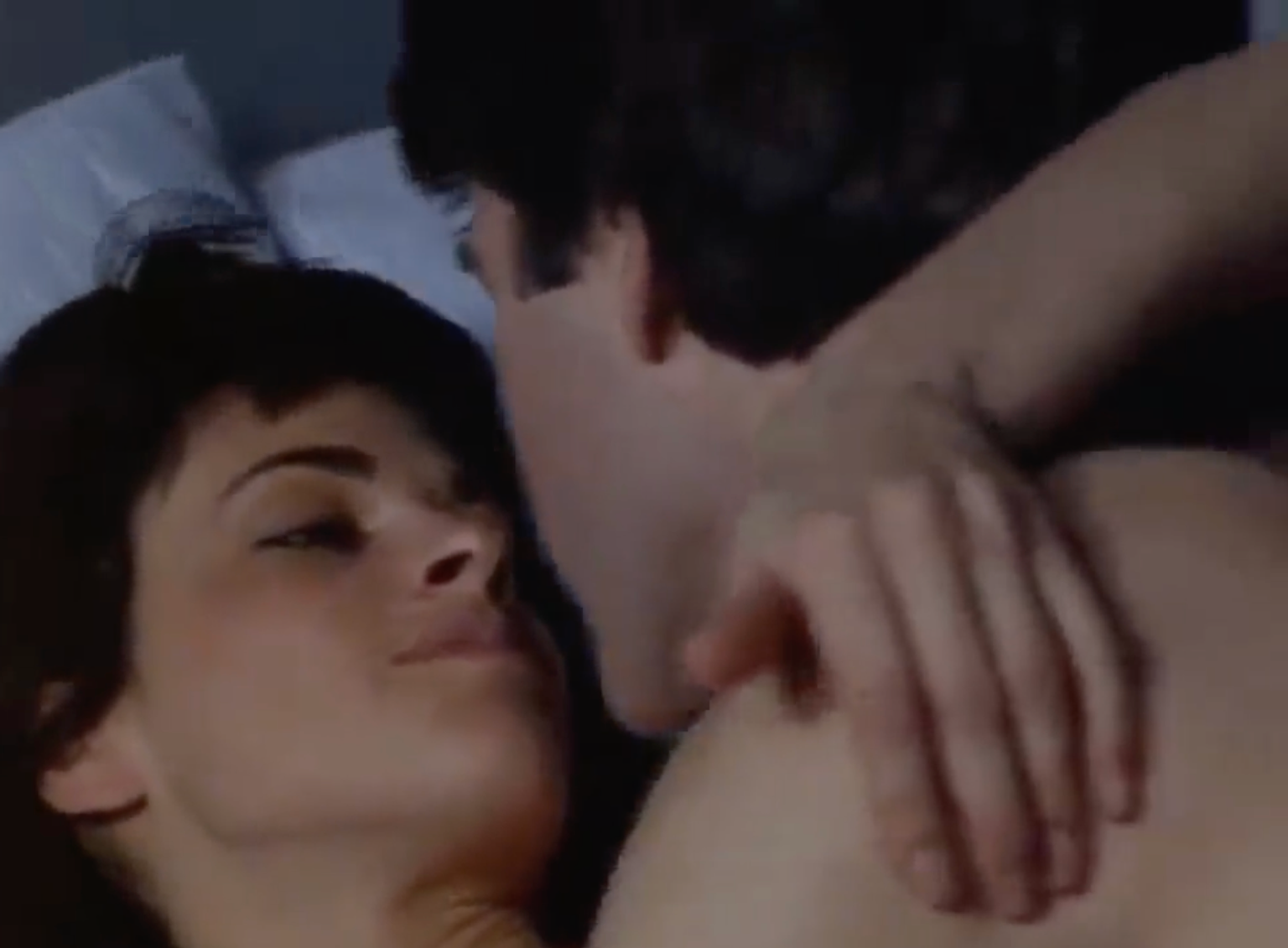
Directed by Sollace Mitchell and released in 1988, Call Me is an erotic thriller that combines crime, desire, and urban paranoia into a distinctly late-eighties story. Written by Karyn Kay from a story developed together with Mitchell, the film follows journalist Anna, played by Patricia Charbonneau, whose life is disrupted by an anonymous phone call. What begins as a mistaken assumption that the caller is her boyfriend soon develops into something far more complicated. A meeting arranged through the call leads Anna to witness a murder, setting in motion a chain of events that draws her into a dangerous world of secrets, obsession, and violence. Balancing noir influences with the seductive appeal of the erotic thriller, Call Me explores how quickly curiosity can turn into fixation.

The Story
The film centres on Anna, a young New York journalist searching for more excitement than her routine relationship seems able to offer. After receiving a sexually charged phone call from a stranger, she agrees to meet him at a local bar, only to find herself in the wrong place at the wrong time. There, she becomes the sole witness to a brutal killing connected to missing money, criminal networks, and police corruption. As the investigation unfolds, Anna finds herself pursued by multiple figures, each with their own motives for finding her. At the same time, the mysterious caller continues to contact her, creating a parallel storyline in which attraction and danger become increasingly difficult to separate. The film builds its suspense through this collision of crime thriller and psychological drama, allowing both narratives to gradually converge.

Themes of Desire and Danger
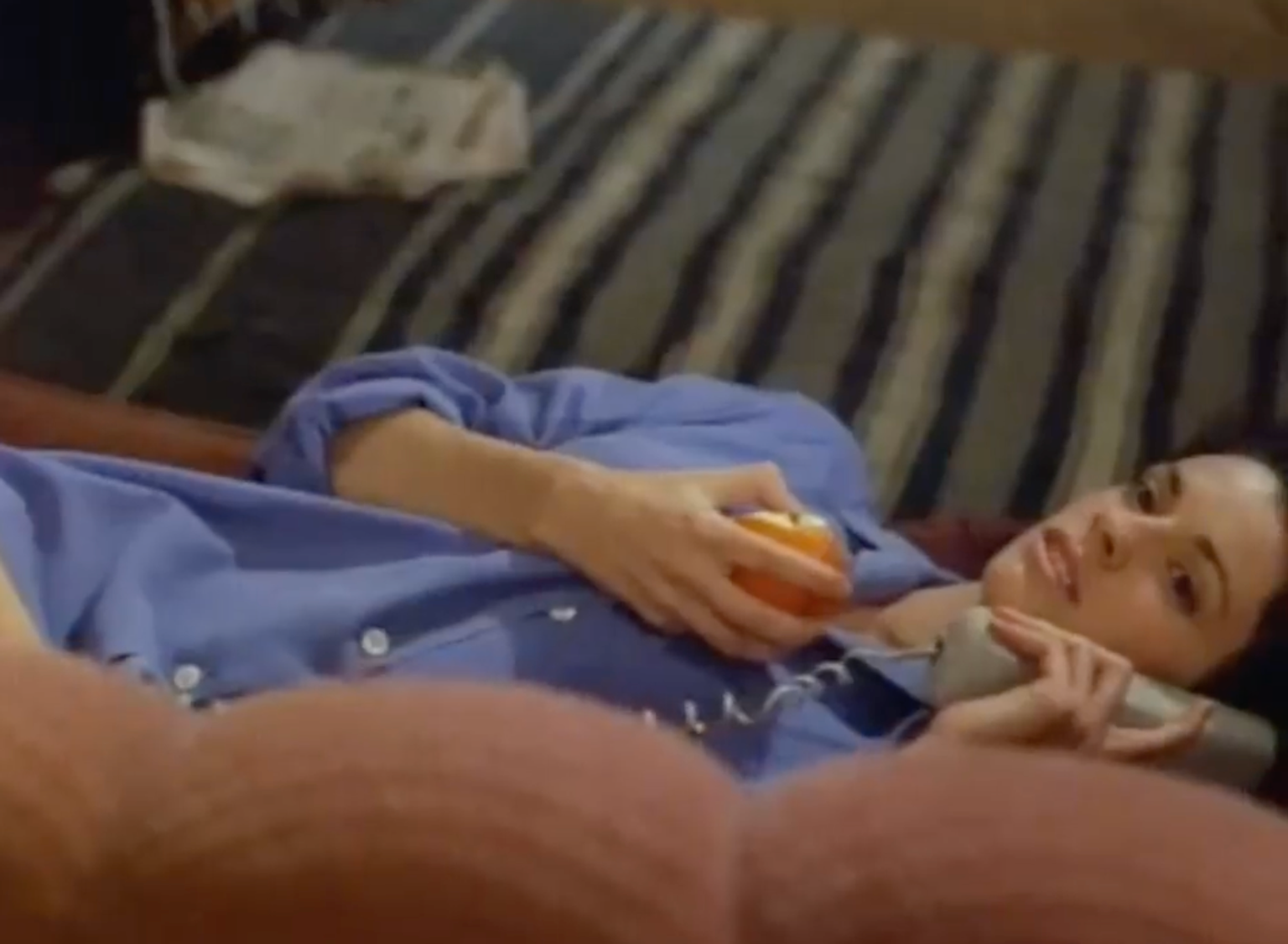
More than a conventional murder mystery, Call Me is interested in the relationship between intimacy and anonymity. The telephone becomes a tool that allows strangers to reveal themselves while remaining hidden, creating a sense of connection built entirely on imagination. Anna's growing fascination with the caller reflects the film's broader exploration of loneliness, desire, and the risks people take when searching for emotional or physical fulfilment. Long before digital communication became part of everyday life, the film explored questions that still feel relevant today: how much can we trust someone we have never truly met, and how easily can fantasy distort reality? Throughout the story, desire functions as both an escape and a threat, driving many of the decisions that propel the narrative forward.



Direction by Sollace Mitchell
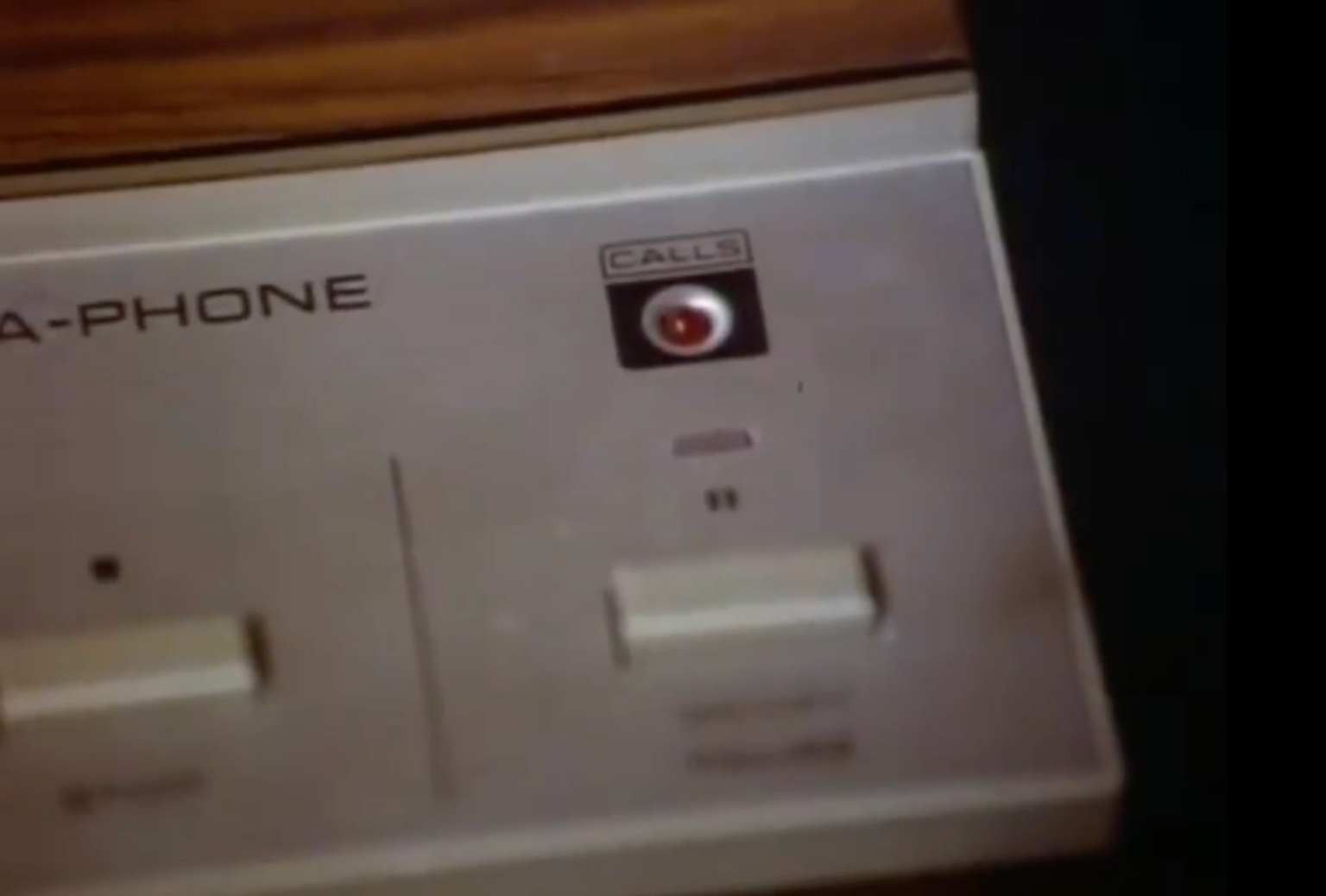
Call Me marked the feature directorial debut of Sollace Mitchell, a filmmaker whose career would later extend into screenwriting and independent cinema. Mitchell approaches the material with a clear interest in atmosphere and character psychology, allowing tension to emerge through uncertainty rather than constant action. His direction places equal emphasis on the thriller elements and the emotional state of the protagonist, creating a film that often feels more interested in obsession and vulnerability than in solving a crime. Although critics were divided on the final result, the film reveals a director willing to blend genres and take creative risks. Mitchell later gained wider recognition as co-writer of the acclaimed independent film In the Soup (1992), demonstrating the same fascination with unconventional characters and stories that sit slightly outside the mainstream.
Cinematography and Atmosphere
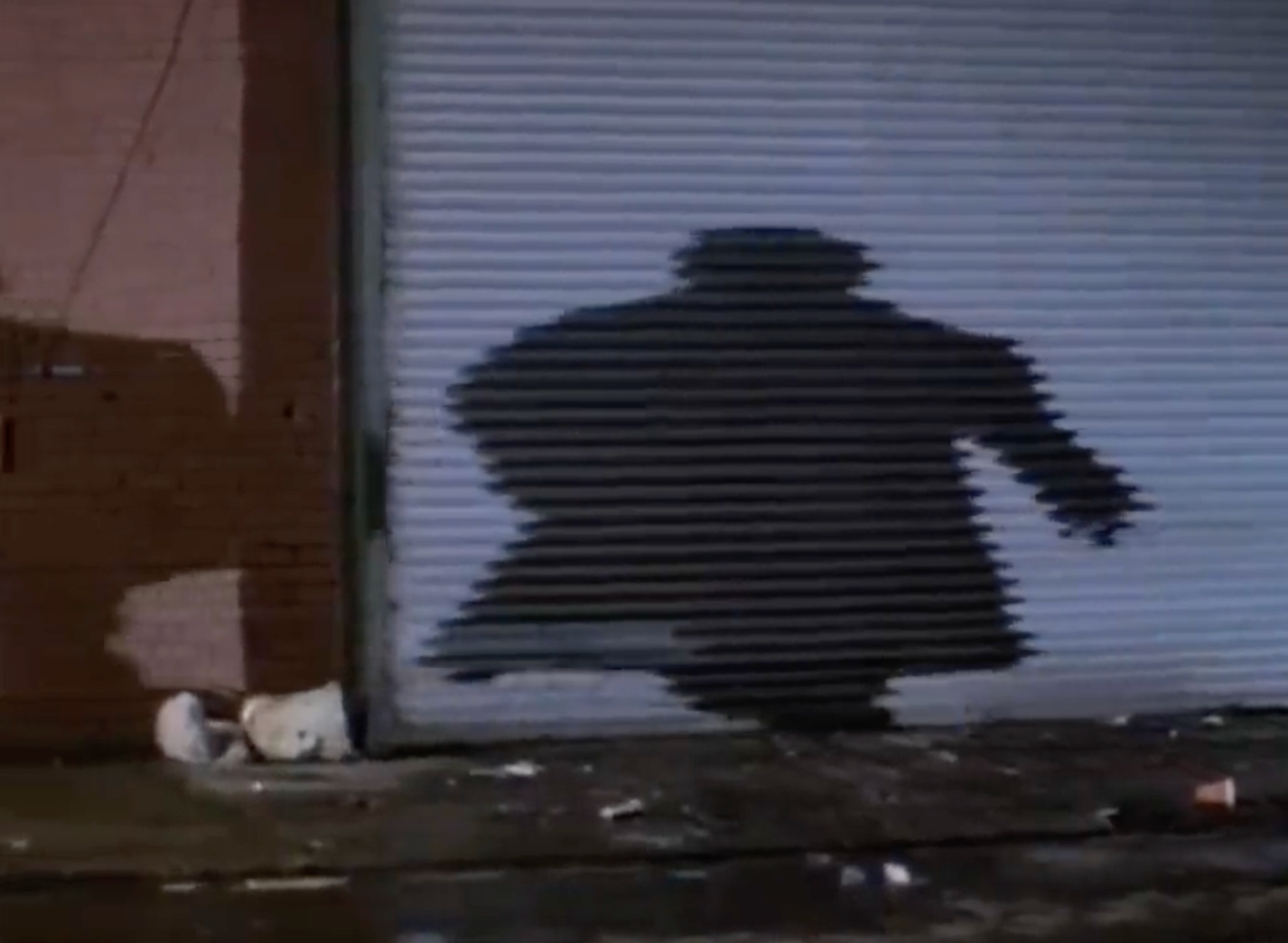
A large part of the film's appeal comes from its visual portrayal of New York City in the late 1980s. Shot on location and photographed by cinematographer Zoltán David, Call Me embraces the grit, unpredictability, and energy of the city before its major transformation in the decades that followed. Dark bars, narrow apartments, empty streets, and neon-lit interiors create an atmosphere that feels both seductive and threatening. The camera often lingers on reflections, shadows, and confined spaces, reinforcing the sense that Anna is trapped within a situation she can no longer control. Combined with David Michael Frank's synthesiser-driven score, the visuals help establish a mood that sits comfortably between classic noir and contemporary thriller.


Cast and Creative Team
Patricia Charbonneau delivers the film's strongest performance, bringing both confidence and vulnerability to the role of Anna. Her portrayal grounds the film even when the plot moves into increasingly dangerous territory. Stephen McHattie provides an enigmatic presence as Jellybean, while Boyd Gaines, Patti D'Arbanville, David Strathairn, and Sam Freed contribute to a cast filled with memorable character actors. The film also features one of Steve Buscemi's earliest screen appearances, offering a glimpse of the distinctive performer he would later become. Behind the camera, writer Karyn Kay shaped much of the film's voice, creating dialogue that often feels natural and conversational, particularly in scenes between Anna and her friends or during the increasingly intimate phone conversations that drive the story.

Reception and Legacy
Upon its release, Call Me received mixed-to-negative reviews, with many critics questioning its narrative logic and uneven balance between eroticism and suspense. Yet the film has endured in a different way. Over time, it has developed a modest cult following among viewers interested in forgotten thrillers, neo-noir cinema, and the distinctive mood of late-eighties independent filmmaking. Today, it is often appreciated less for its plot mechanics and more for its atmosphere, performances, and snapshot of a pre-digital world where anonymous phone calls could still feel genuinely mysterious. While it never achieved mainstream success, Call Me remains an intriguing entry in the erotic thriller genre and a fascinating example of a film caught between character study, urban noir, and psychological suspense.