
Malerie Marder
Carnal Knowledge
- PhotographerMalerie Mader
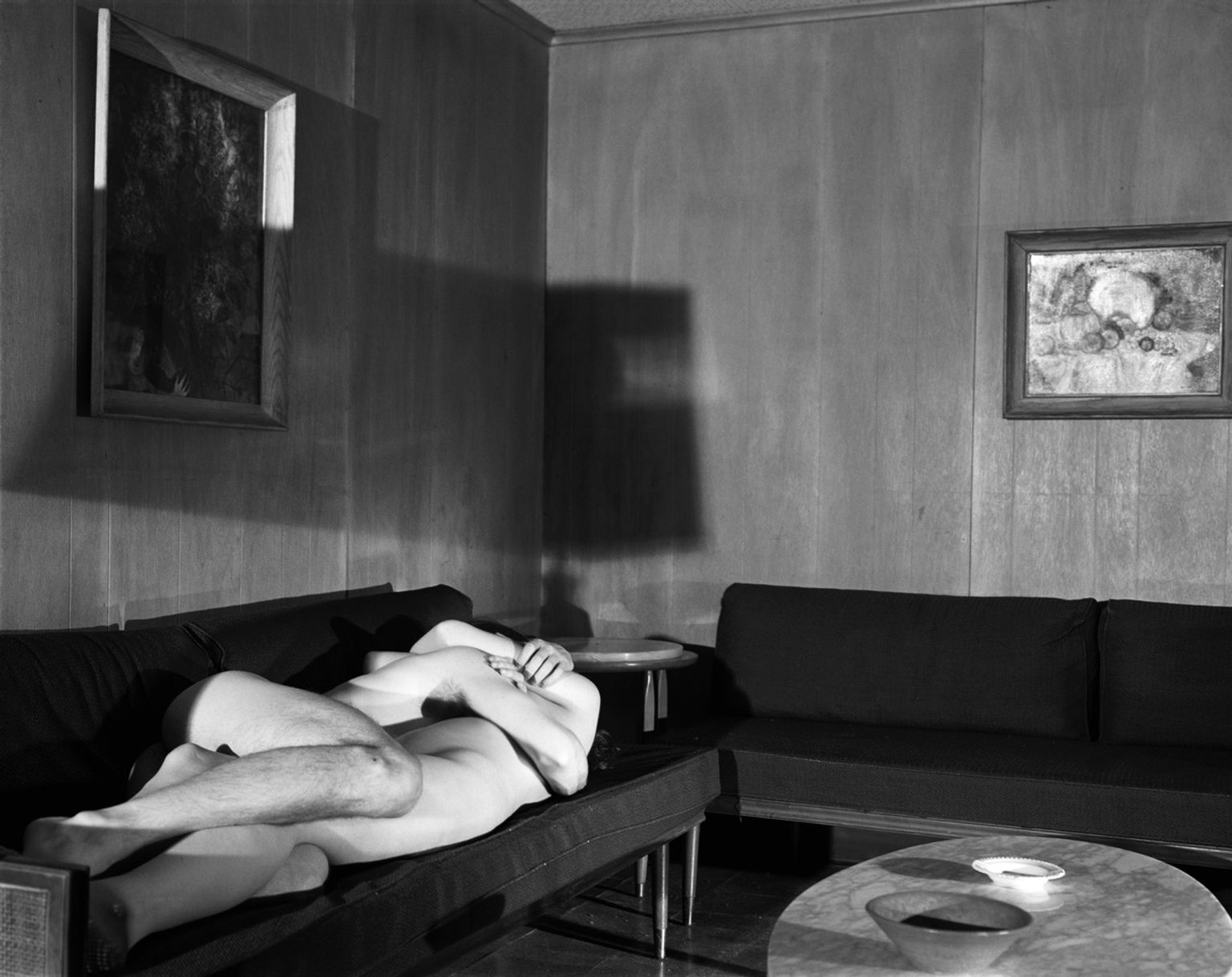
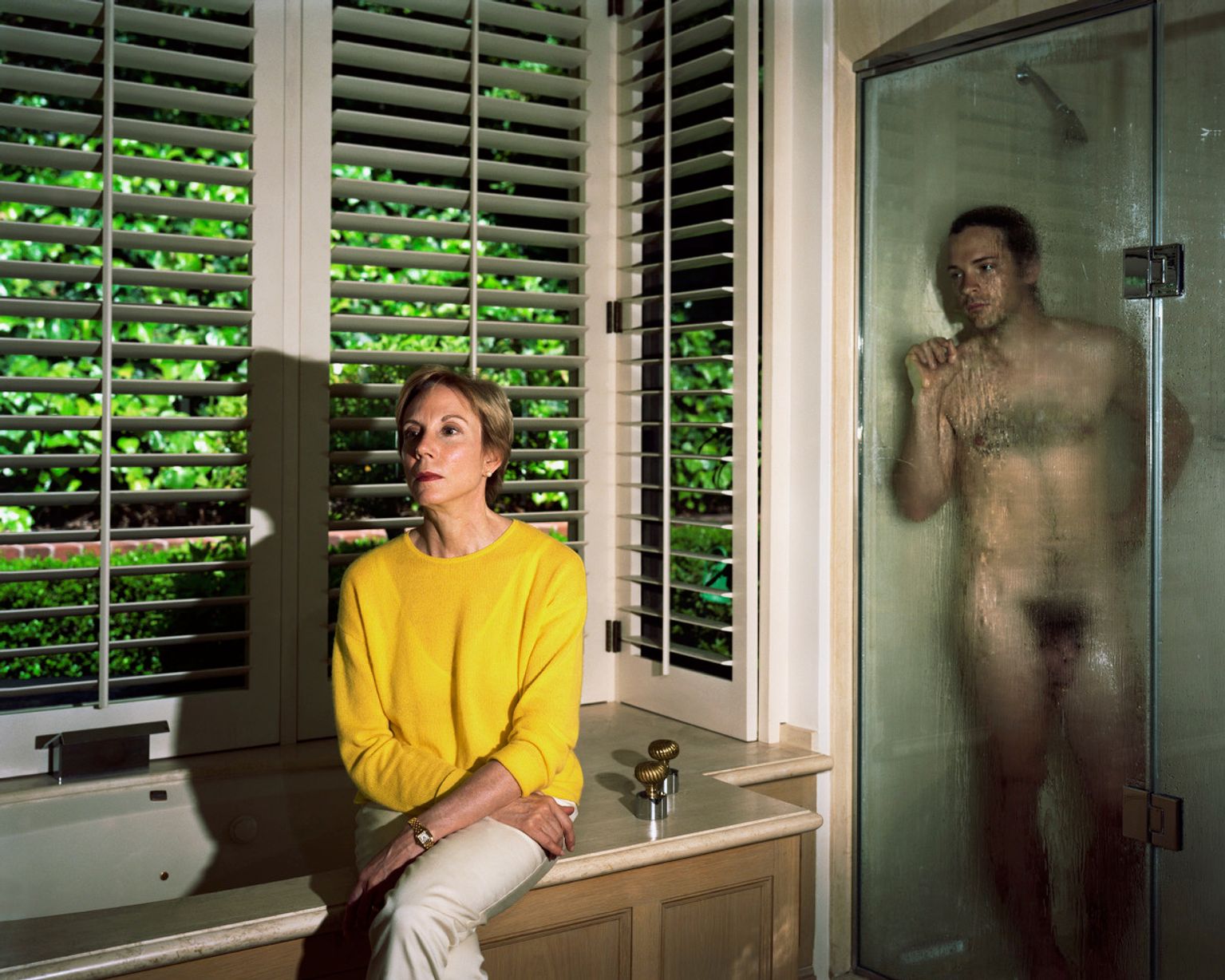
GREGORI CIVERA Intimacy as a kind of a theater. Beautiful and precise images of physical intimacy within the familar / domestic.


Carnal Knowledge: Intimacy Without Performance
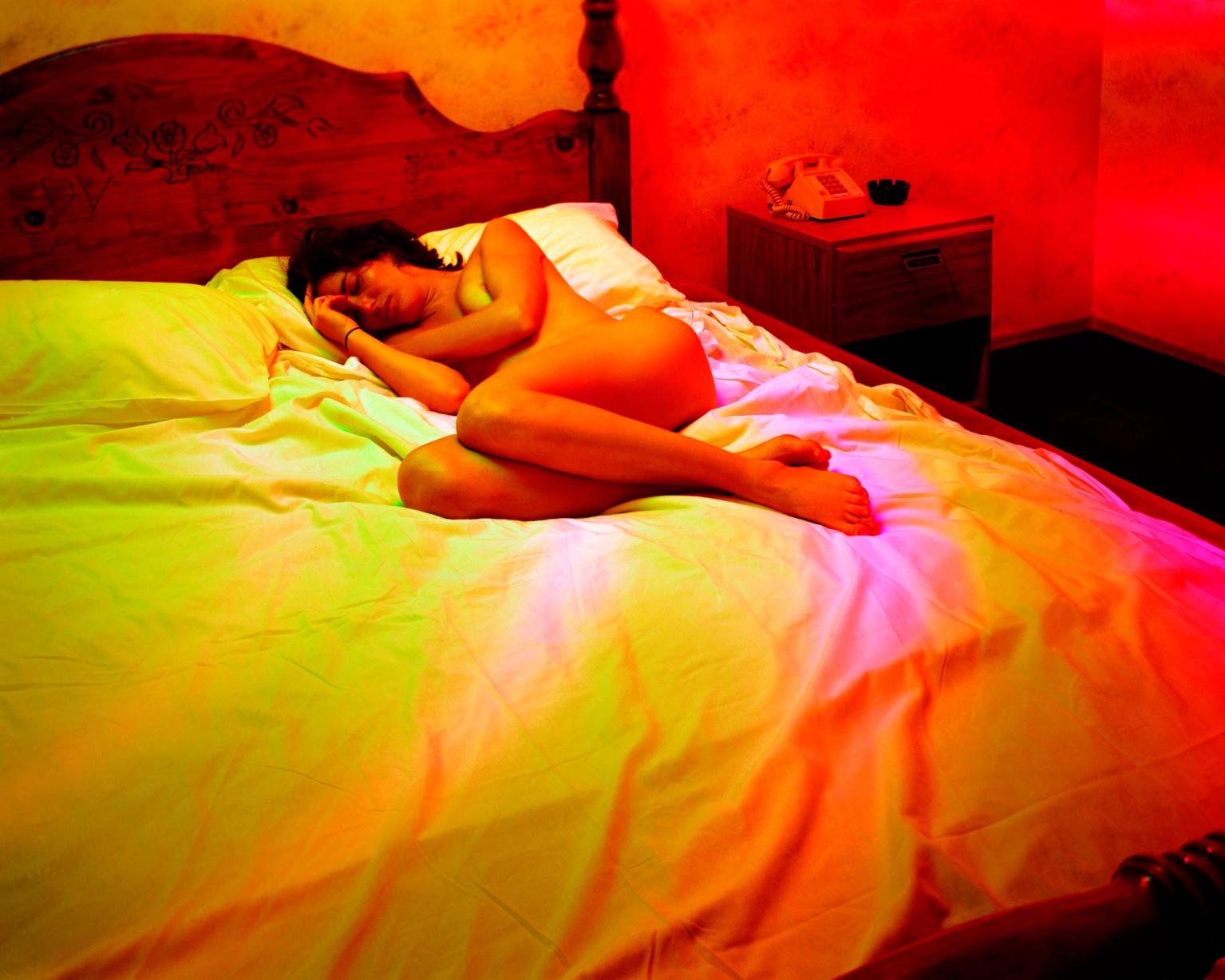
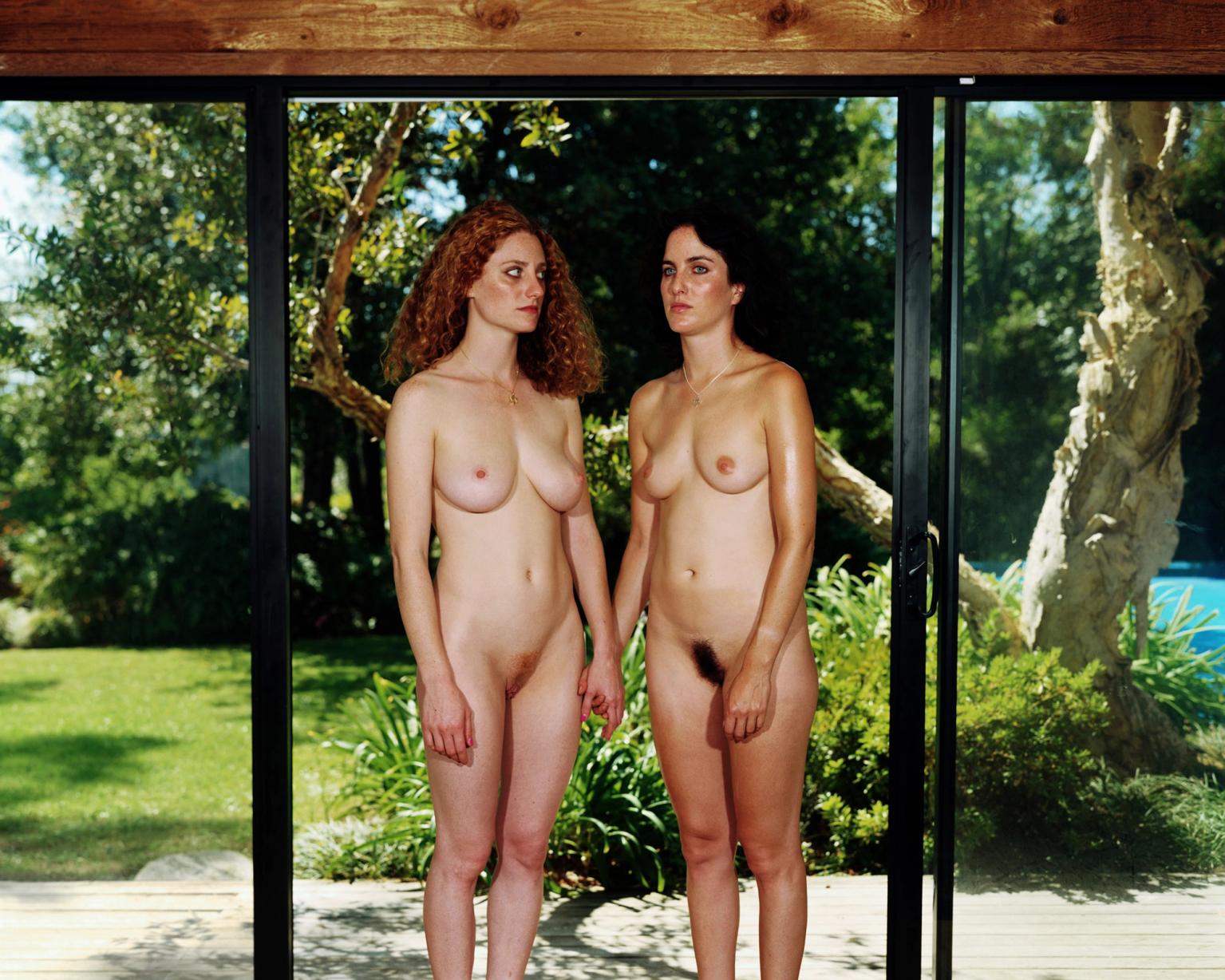
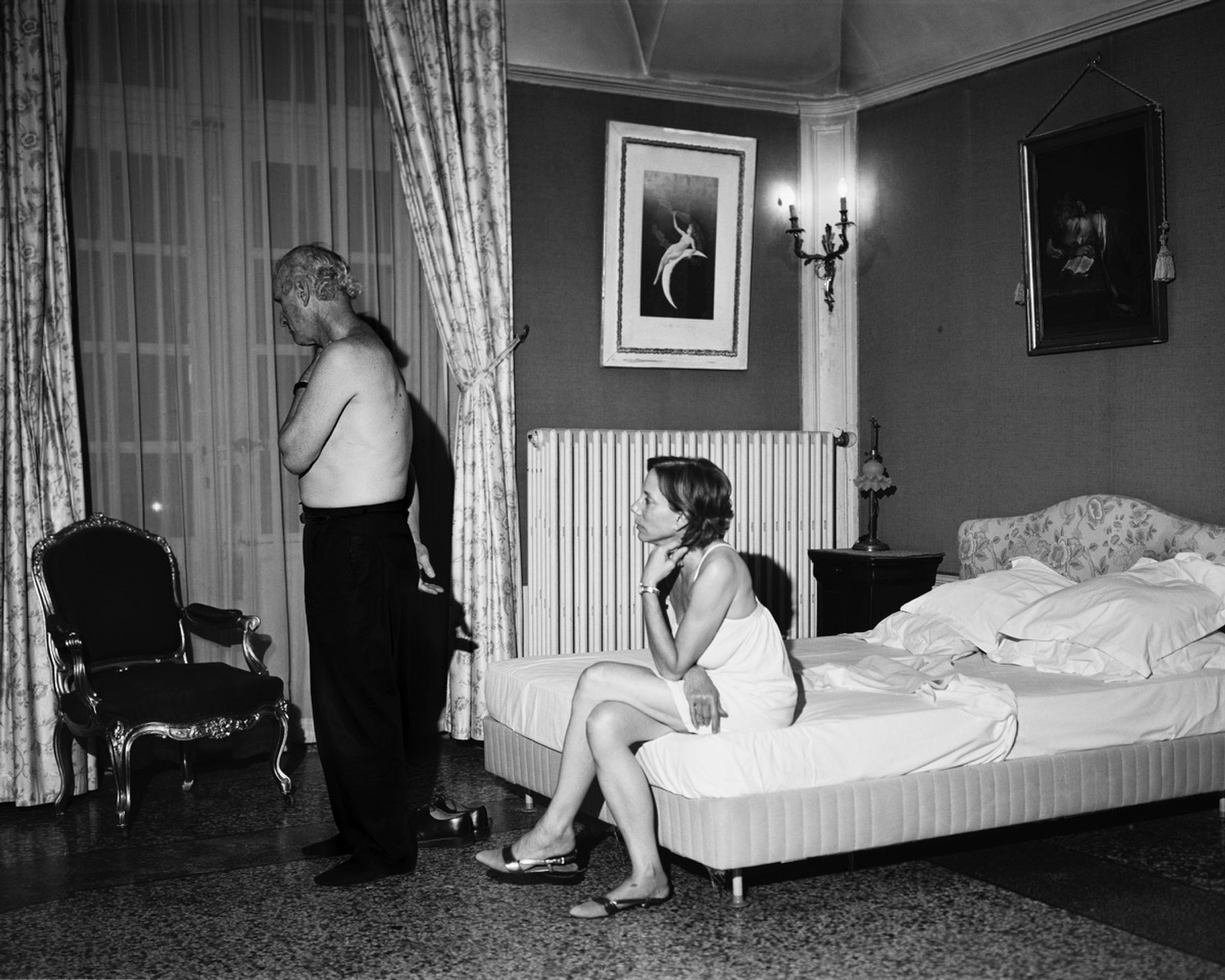
When Malerie Marder published Carnal Knowledge in 2011, she presented something that felt less like a traditional photography book and more like a private emotional archive. Released in a very limited edition of only 25 copies, with texts by major figures such as Gregory Crewdson and Philip-Lorca diCorcia, the publication immediately positioned itself within a lineage of psychologically driven contemporary photography. The images show people she knew personally, friends, lovers, and members of her immediate circle, photographed inside bedrooms, bathrooms, and quiet domestic interiors. Many are unclothed, yet the absence of clothing does not function as spectacle. Instead, it removes social signals and places the viewer face to face with the psychological presence of the subject.
Marder’s approach rejects the distance often found between photographer and model. Her subjects are not performing roles. They appear introspective, sometimes distracted, sometimes emotionally distant, as if caught between moments rather than posed within them. The camera becomes less an instrument of observation and more a participant in an existing relationship built on trust.

The Emotional Reality of the Body
The title Carnal Knowledge suggests physical familiarity, but Marder expands the meaning toward emotional understanding. The body becomes a surface that reflects vulnerability rather than desire. Skin is not idealized or dramatized. Instead, it exists alongside ordinary surroundings such as rumpled bedsheets, dim light, and personal objects. These environments reinforce the sense that intimacy is inseparable from everyday life.
What makes the work compelling is its ambiguity. The viewer is given no clear narrative. There is no explanation of who these people are to one another or what has just happened. This uncertainty allows the photographs to exist in a suspended emotional space where closeness and distance coexist. The images feel quiet, sometimes uneasy, emphasizing that intimacy can contain hesitation as much as connection.


Trust, Memory, and Psychological Presence
Marder’s work is rooted in familiarity. By photographing those within her own life, she collapses the boundary between documentation and personal experience. The images function as fragments of memory, suggesting the way private moments are remembered not as complete stories but as impressions, gestures, and atmospheres.
In this sense, Carnal Knowledge is less concerned with the body itself and more with what the body reveals about emotional proximity. The photographs challenge viewers to reconsider how intimacy is represented and understood. Rather than presenting certainty, Marder offers presence. Her work lingers in the quiet space between people, where vulnerability becomes visible and where knowing someone is never entirely complete.