
Edwin Lutyens
Castle Drogo
- ArchitectEdwin Lutyens
- PhotographerNicolas Schuybroek
Nicolas Schuybroek A castle conceived in the twentieth century, yet rooted in older ideas of mass and shelter. Heavy walls, deep openings, and disciplined geometry. It feels defensive, calm, and strangely tender. Architecture as refuge.

A Modern Castle with Historic Ambition
Castle Drogo is widely recognized as the last castle built in England, constructed between 1911 and 1931 for Julius Drewe, a self-made millionaire and founder of Home and Colonial Stores. Commissioned as a personal vision of lineage and permanence, the building was designed by Sir Edwin Lutyens, one of the most influential architects of the early 20th century. Although the term “castle” suggests medieval origins, Drogo is better understood as a reinterpretation of that typology, an architectural statement that combines historical reference with the needs and technologies of its time.
The project reflects Drewe’s desire to establish a family seat tied to a perceived ancestral identity, while Lutyens translated that ambition into a built form that balances symbolism, domestic function, and monumentality. Its Grade I listing today acknowledges both its architectural quality and its unique position within English architectural history.

Granite, Terrain and Embedded Landscape Logic
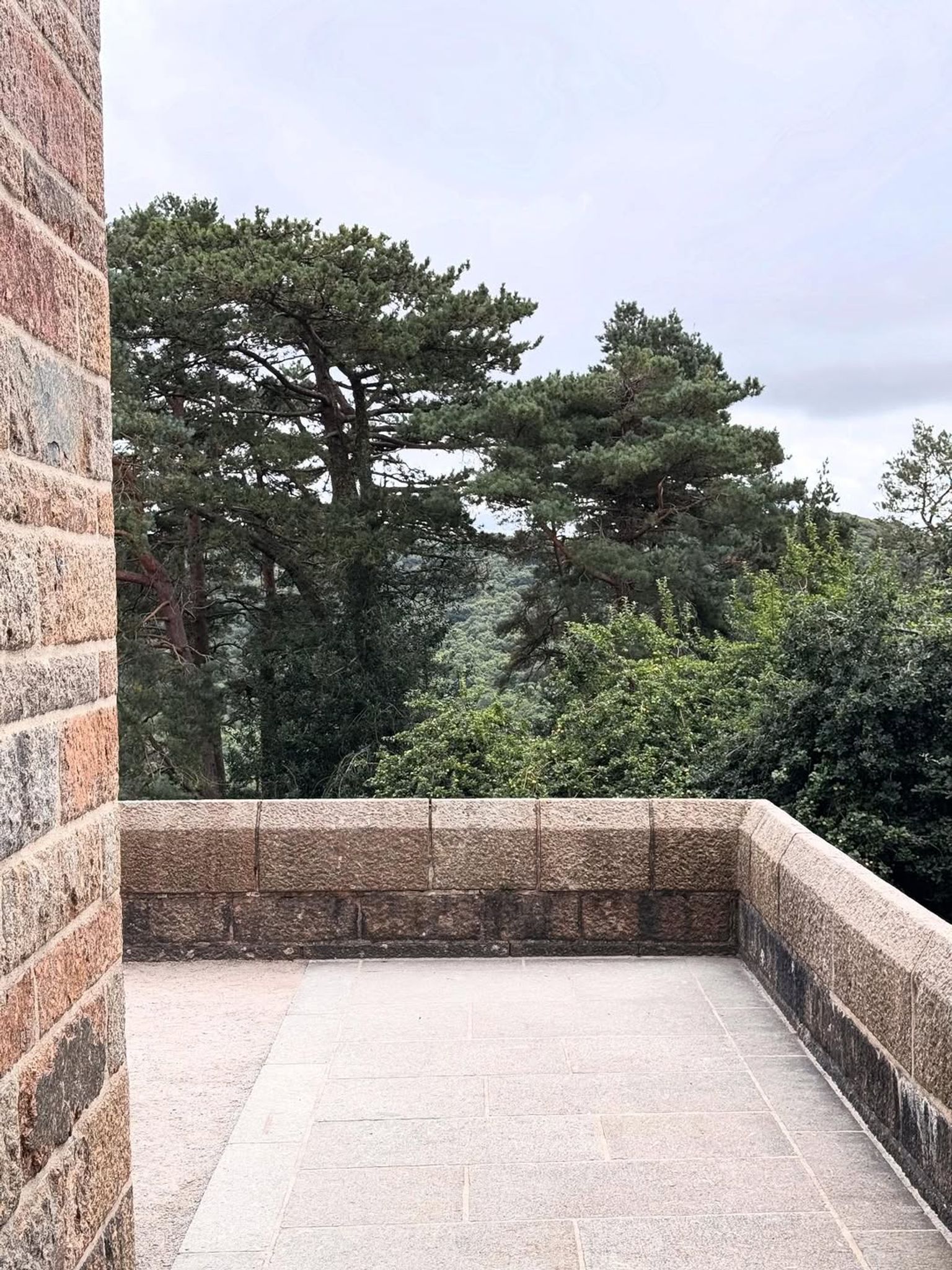
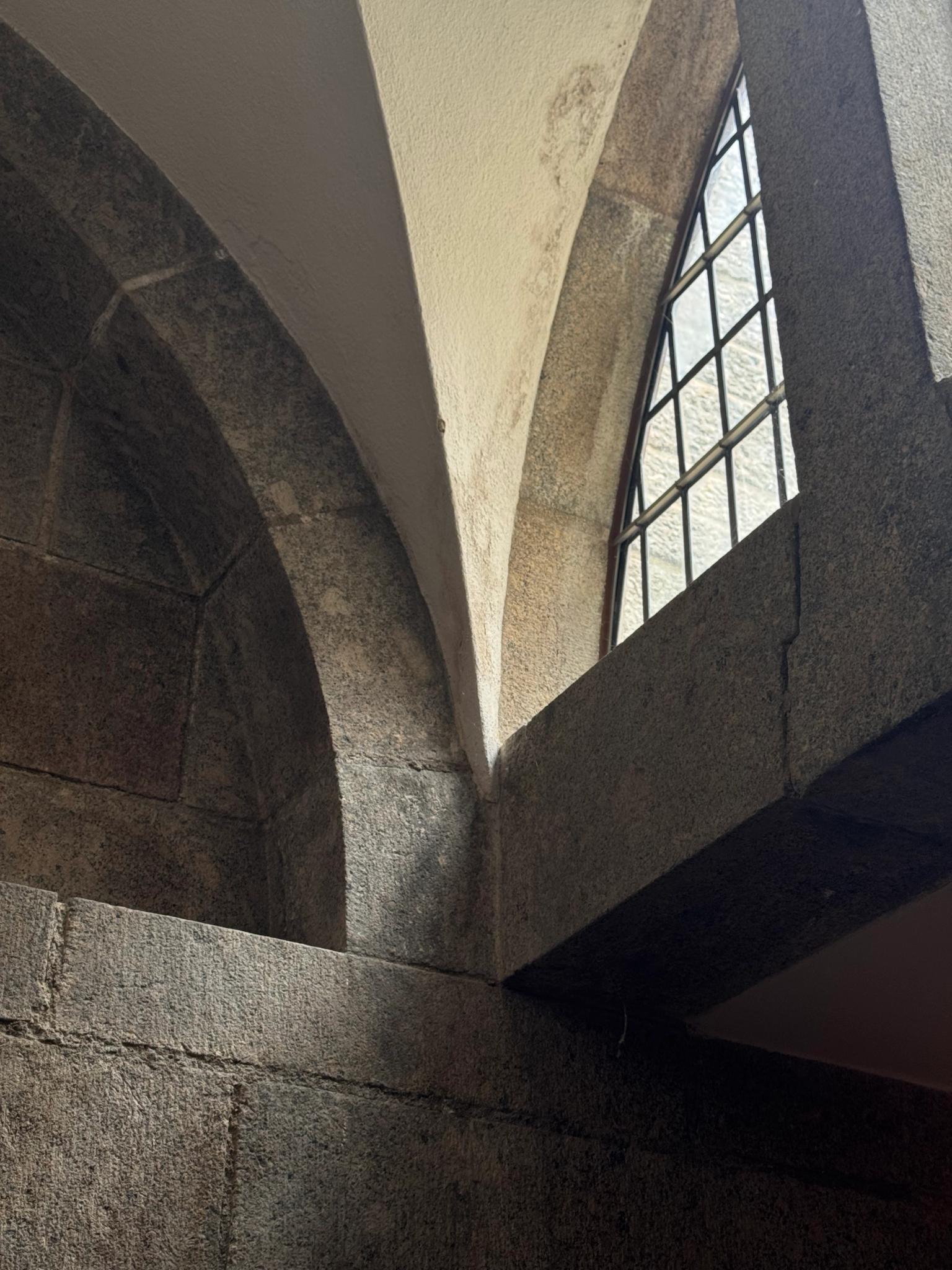
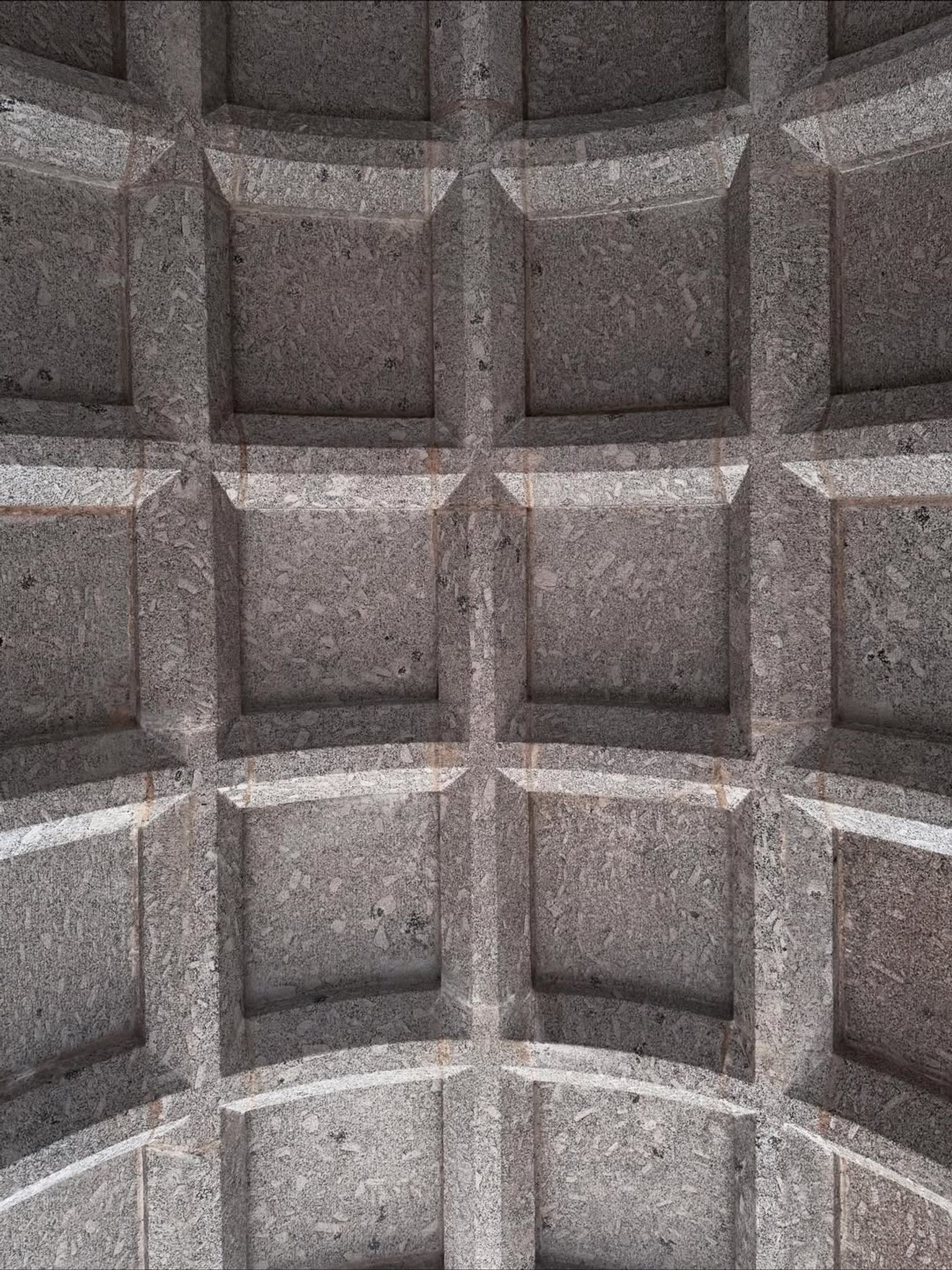
The siting of Castle Drogo is inseparable from its identity. Positioned on a granite promontory above Dartmoor National Park, the building engages directly with the surrounding terrain rather than dominating it. The choice of granite as the primary material reinforces this relationship: much of the stone was sourced from quarries within a 30-mile radius, allowing the castle to visually and materially align with its environment.
This continuity between site and material results in a building that appears grounded and enduring, almost as if it has emerged from the landscape itself. The massing and coloration of the granite soften the transition between architecture and nature, while the elevated position enhances exposure to light, weather, and long-distance views. In this sense, the landscape is not a backdrop but an active condition shaping both the perception and performance of the building.

Hybrid Architecture: Between Defense and Domestic Life
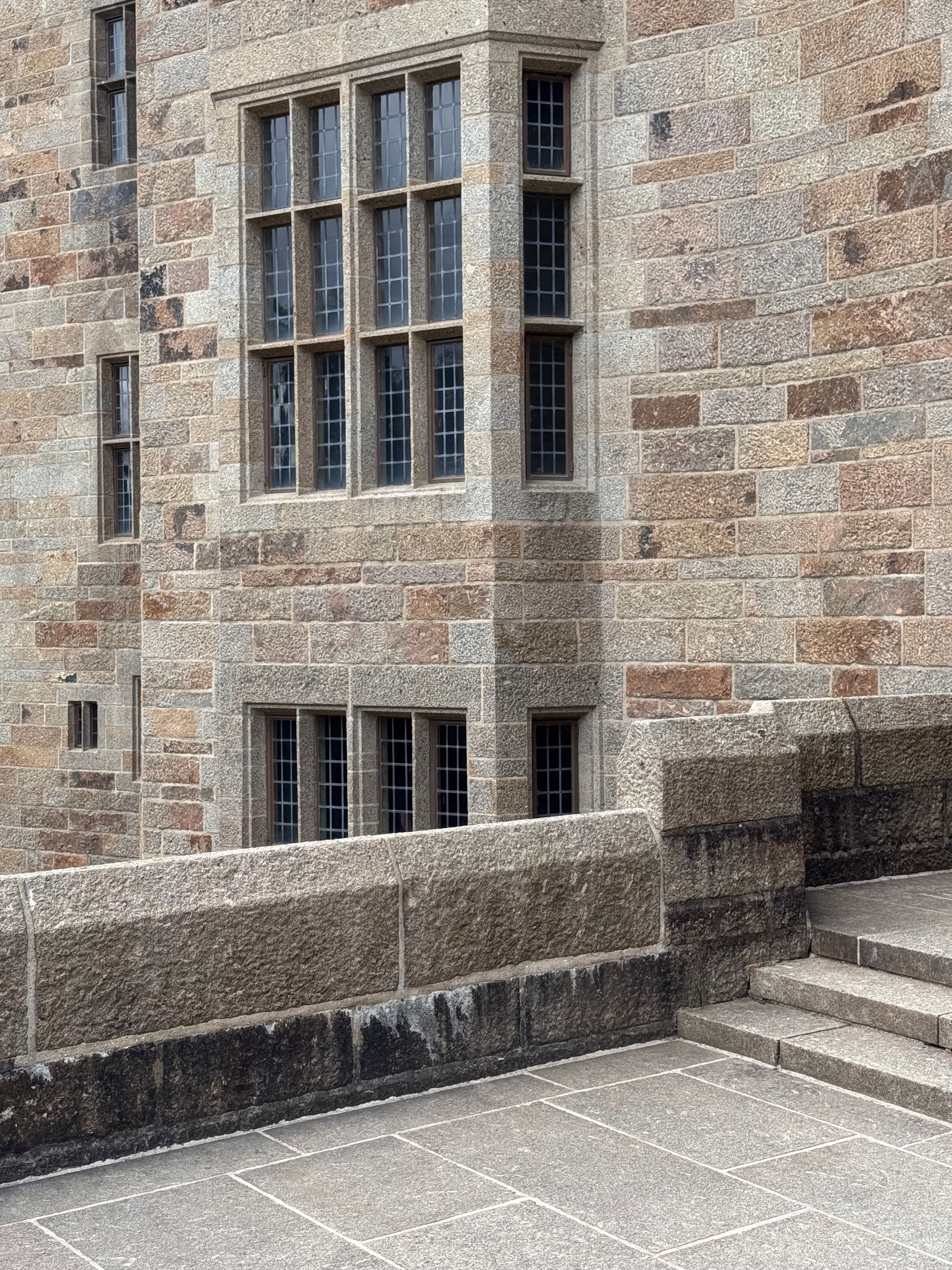
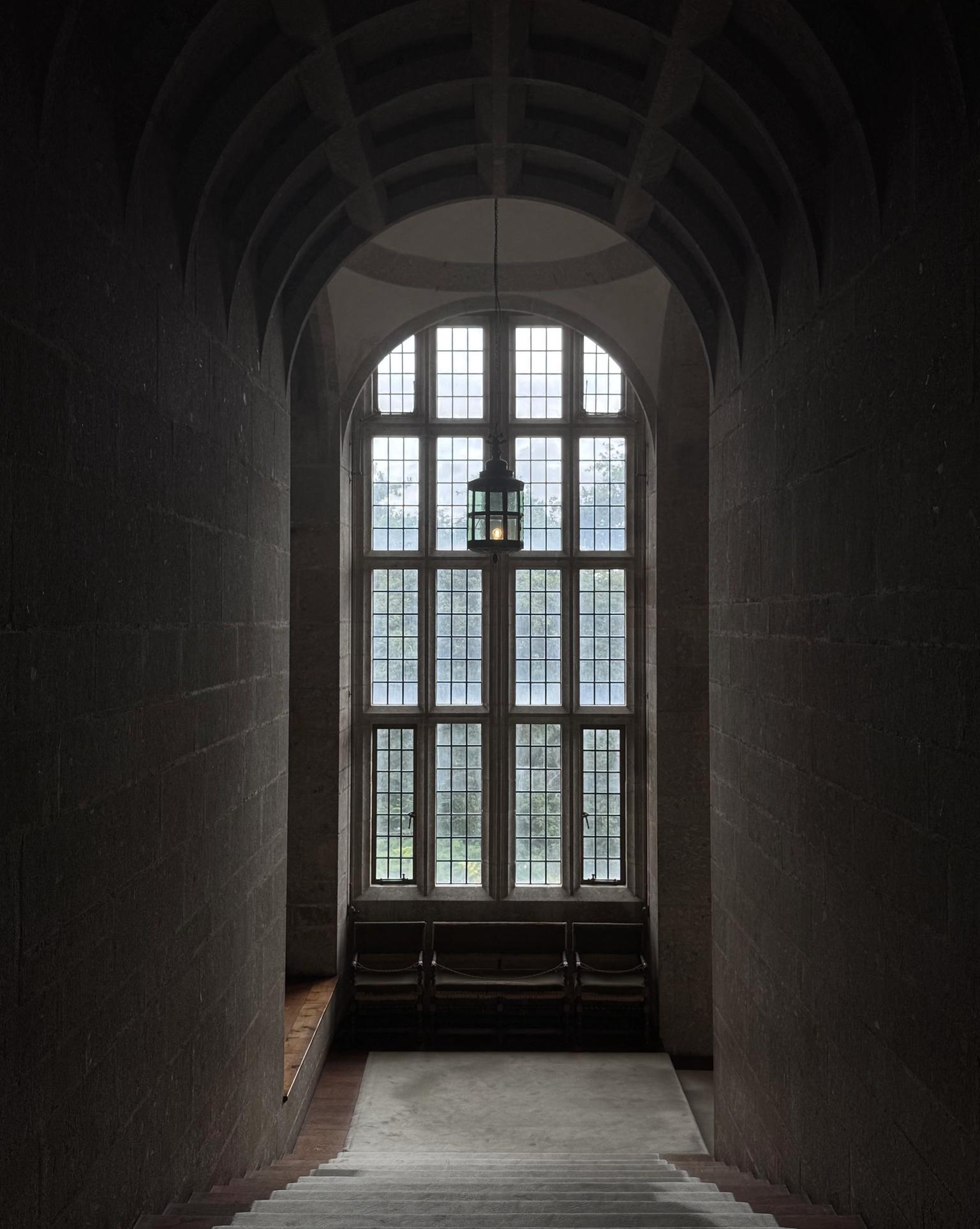
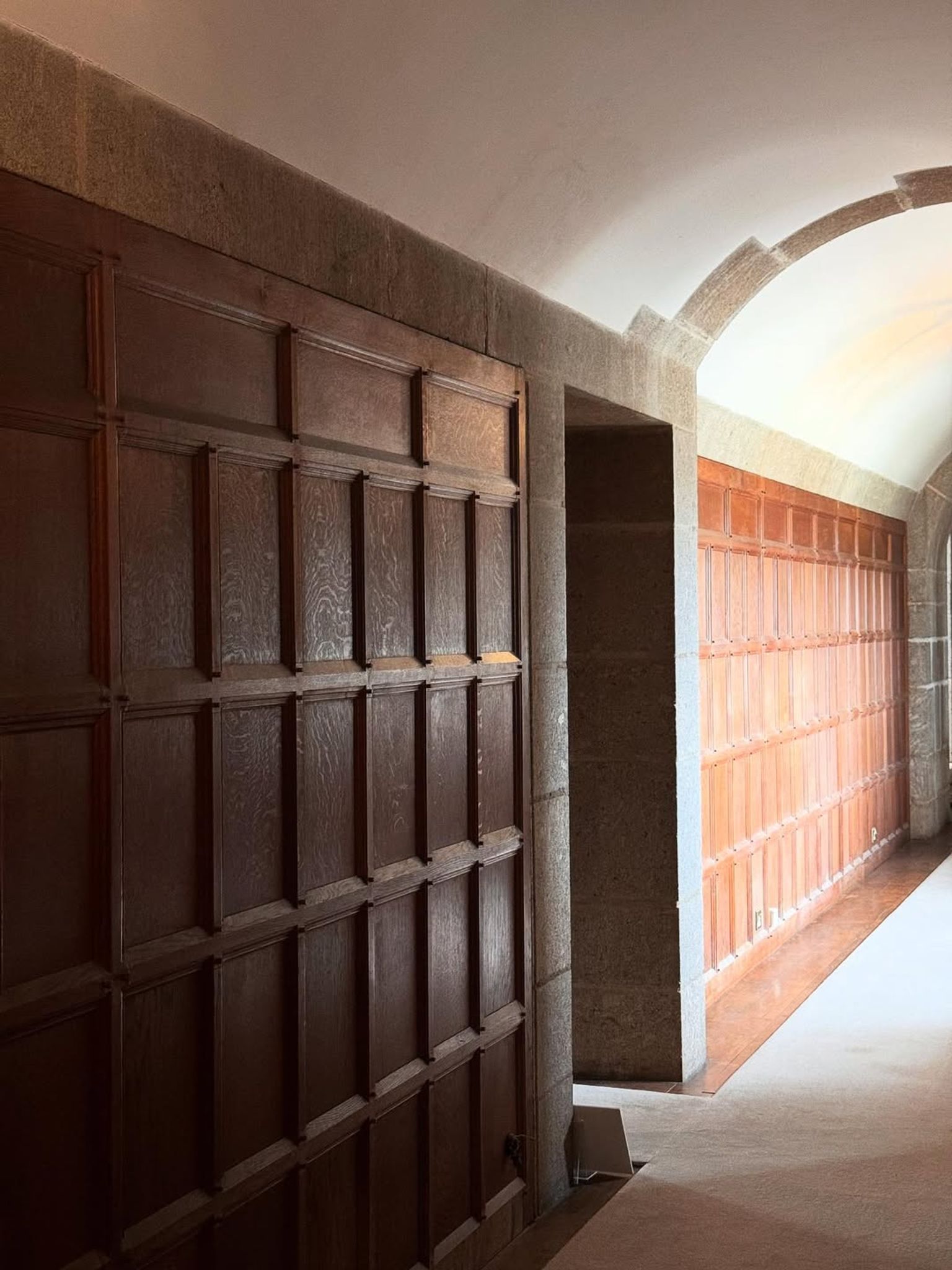
Lutyens developed Castle Drogo as a hybrid architectural language, combining references from Norman fortifications, Tudor manor houses, and later Georgian domestic traditions. The exterior communicates a sense of solidity and restraint, with thick granite walls, parapets, and a portcullis that evoke defensive architecture, though these elements are largely symbolic rather than functional. Behind this formal exterior lies a more layered and adaptable interior organization, where spatial sequences are designed to support both everyday living and more ceremonial uses.


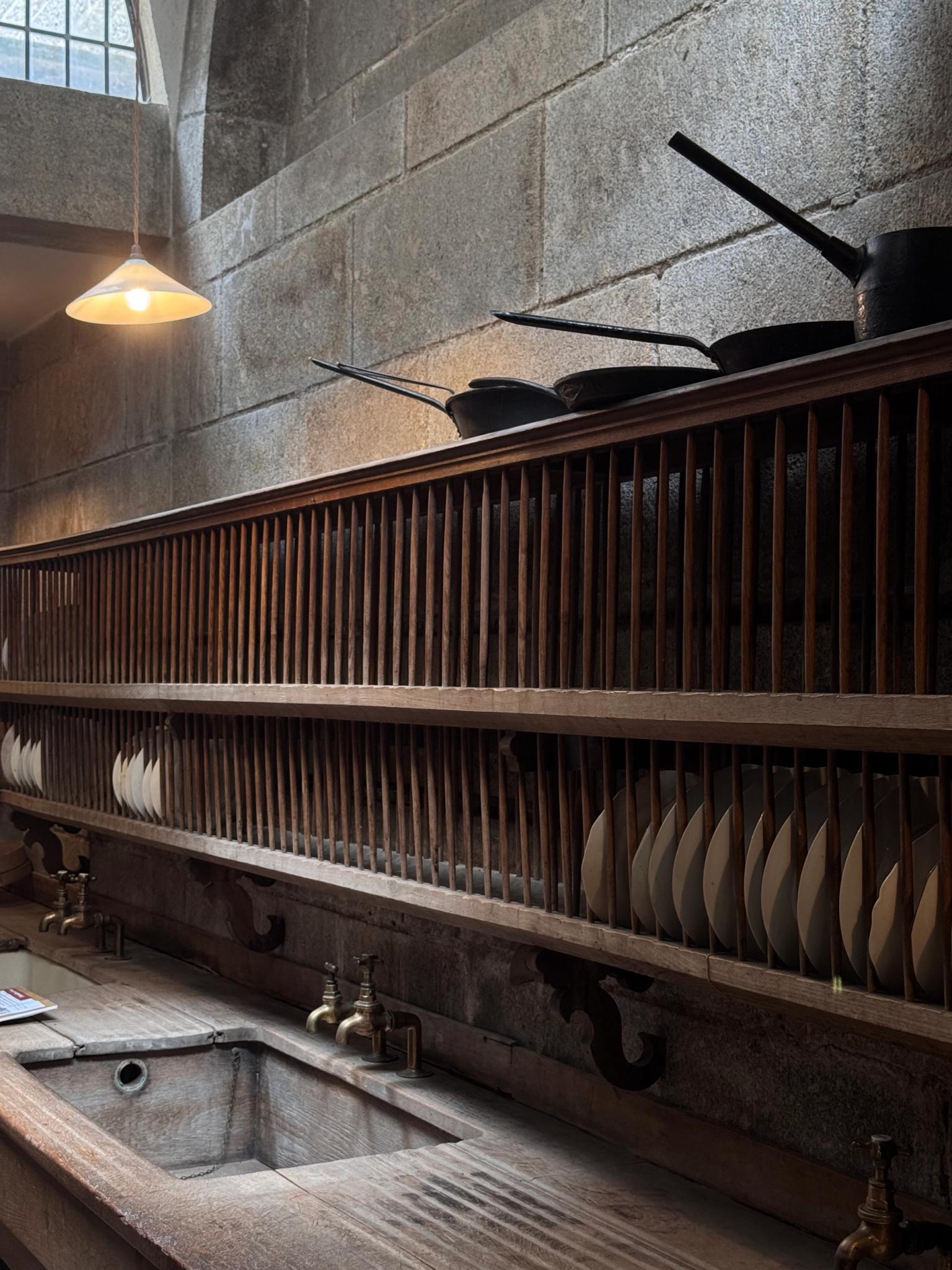
Key rooms such as the hall, library, dining room, and drawing room are arranged to create a progression of spaces that shift in scale, atmosphere, and function. At the same time, modern infrastructural elements, electric lighting, lifts, and mechanical power generated from river turbines, were integrated from the outset, positioning the building at the intersection of tradition and technological progress. This duality gives Drogo its distinctive character: visually rooted in the past, yet functionally aligned with modern living.

A Construction Shaped by Time, Loss and Adaptation
The realization of Castle Drogo was not linear but extended over two decades, heavily influenced by global events and personal circumstances. The First World War significantly disrupted construction, as labor shortages and economic constraints slowed progress and forced changes to the original ambitions. The loss of Drewe’s eldest son during the war had a profound emotional impact, contributing to a shift in the client’s engagement with the project and ultimately affecting its scale. As a result, the completed building represents only a portion of Lutyens’s initial design, with large sections of the intended complex never built. The construction relied on a relatively small group of highly skilled craftsmen, and the use of thick load-bearing granite walls required careful coordination between quarrying, transport, and on-site assembly.
Over time, the project evolved through practical compromises, but it retained a clear architectural coherence, demonstrating how long-term building processes can reshape original intentions while still preserving design integrity.

Water, Failure and the Long-Term Work of Conservation
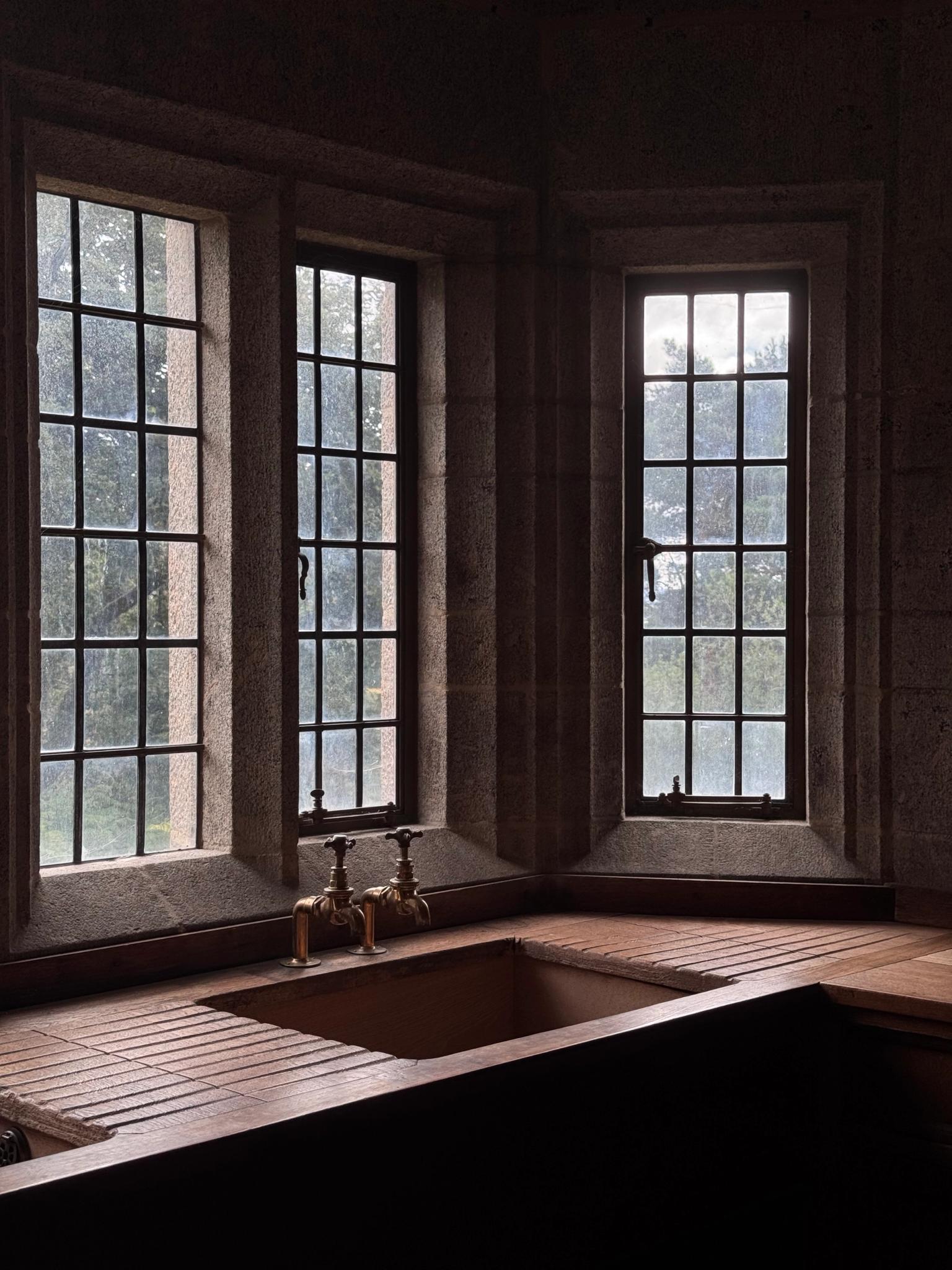
Despite its monumental appearance, Castle Drogo has been defined as much by its vulnerabilities as by its strengths. From the earliest stages, the building experienced water ingress due to the limitations of its original construction methods, particularly the use of asphalt flat roofing and insufficient accommodation for structural movement. Exposed to the harsh climatic conditions of Dartmoor, characterized by persistent wind, rain, and moisture, the building’s envelope began to fail in multiple areas, including roofs, windows, and masonry joints.
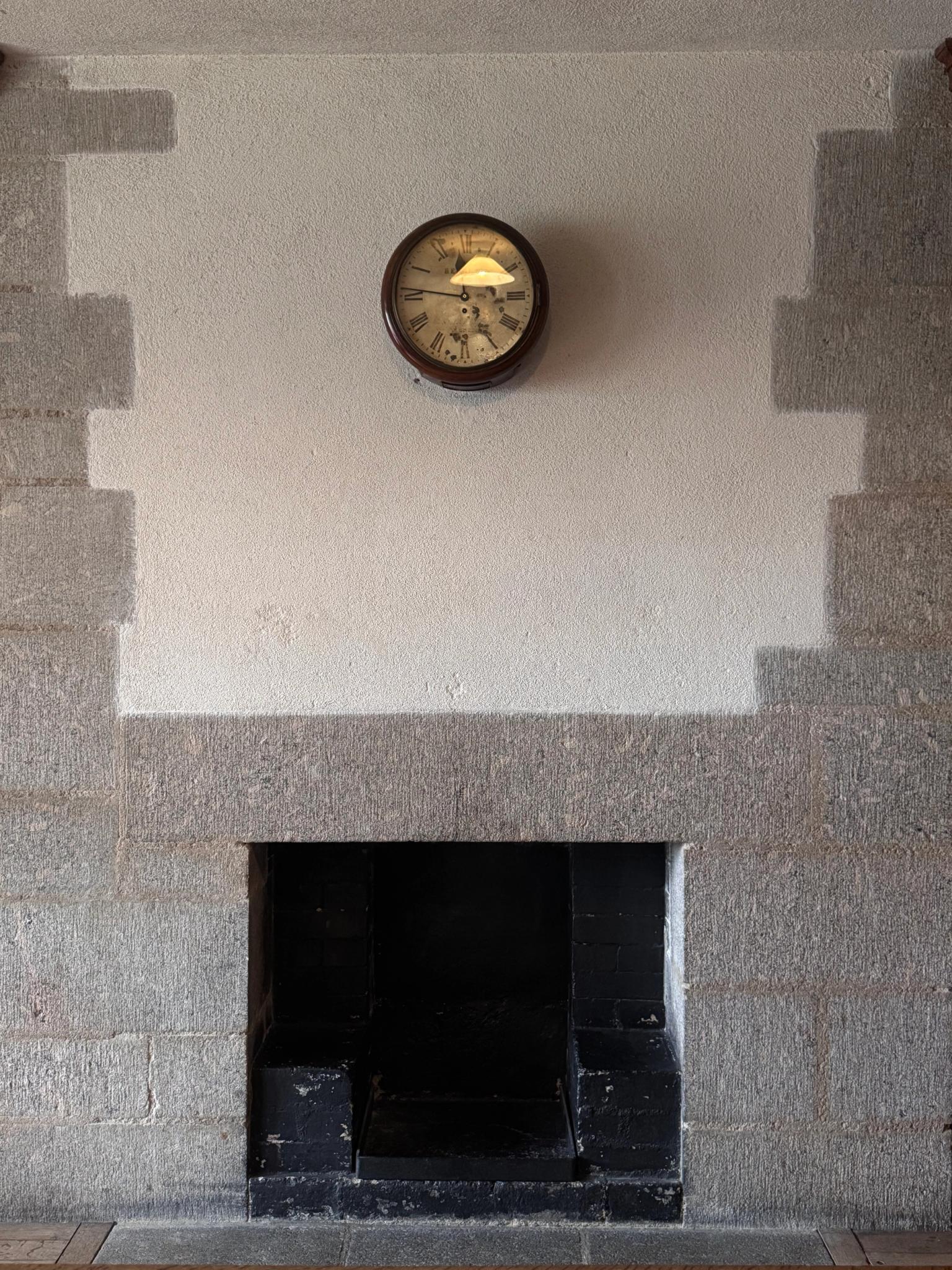

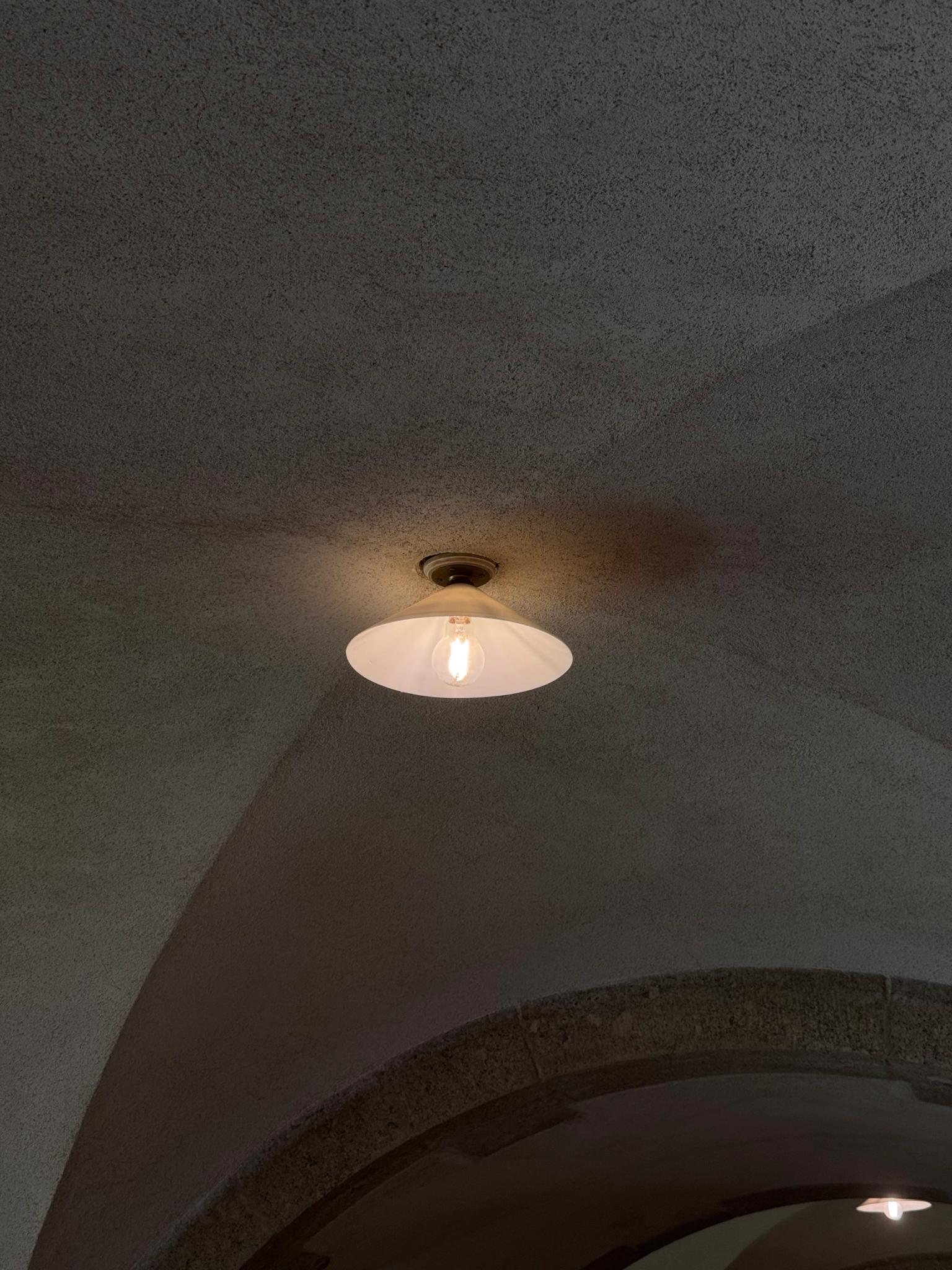

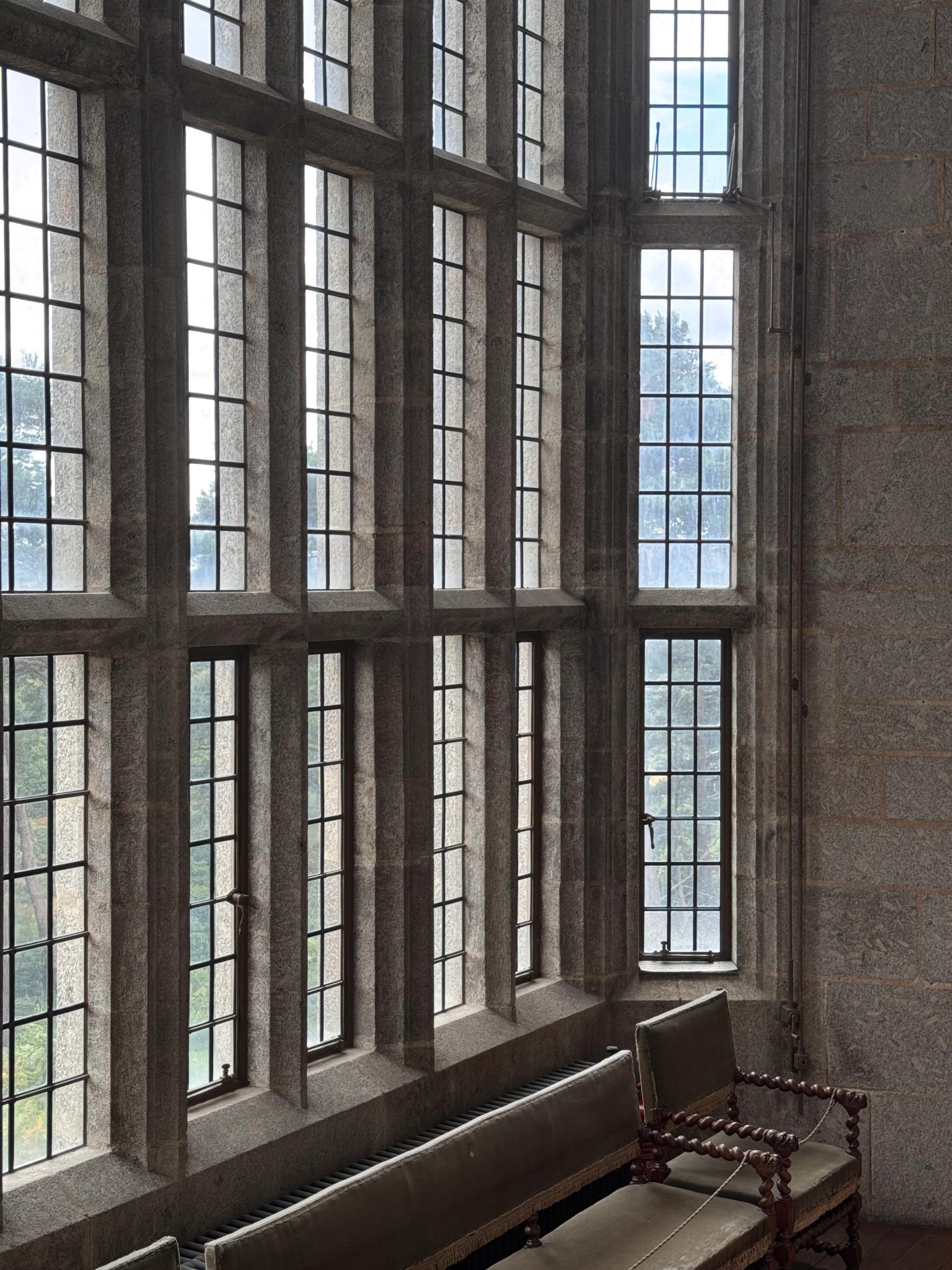
Over the decades, repeated attempts at repair addressed symptoms rather than underlying causes, leading to further interventions and material substitutions that sometimes compromised the original design intent. More recent conservation strategies have taken a more systematic approach, involving detailed investigation, material testing, and the introduction of modern waterproofing systems designed to accommodate movement and environmental stress. This includes large-scale operations such as removing and reinstating hundreds of granite blocks for roof upgrades, refurbishing thousands of window panes, and repointing extensive lengths of masonry.
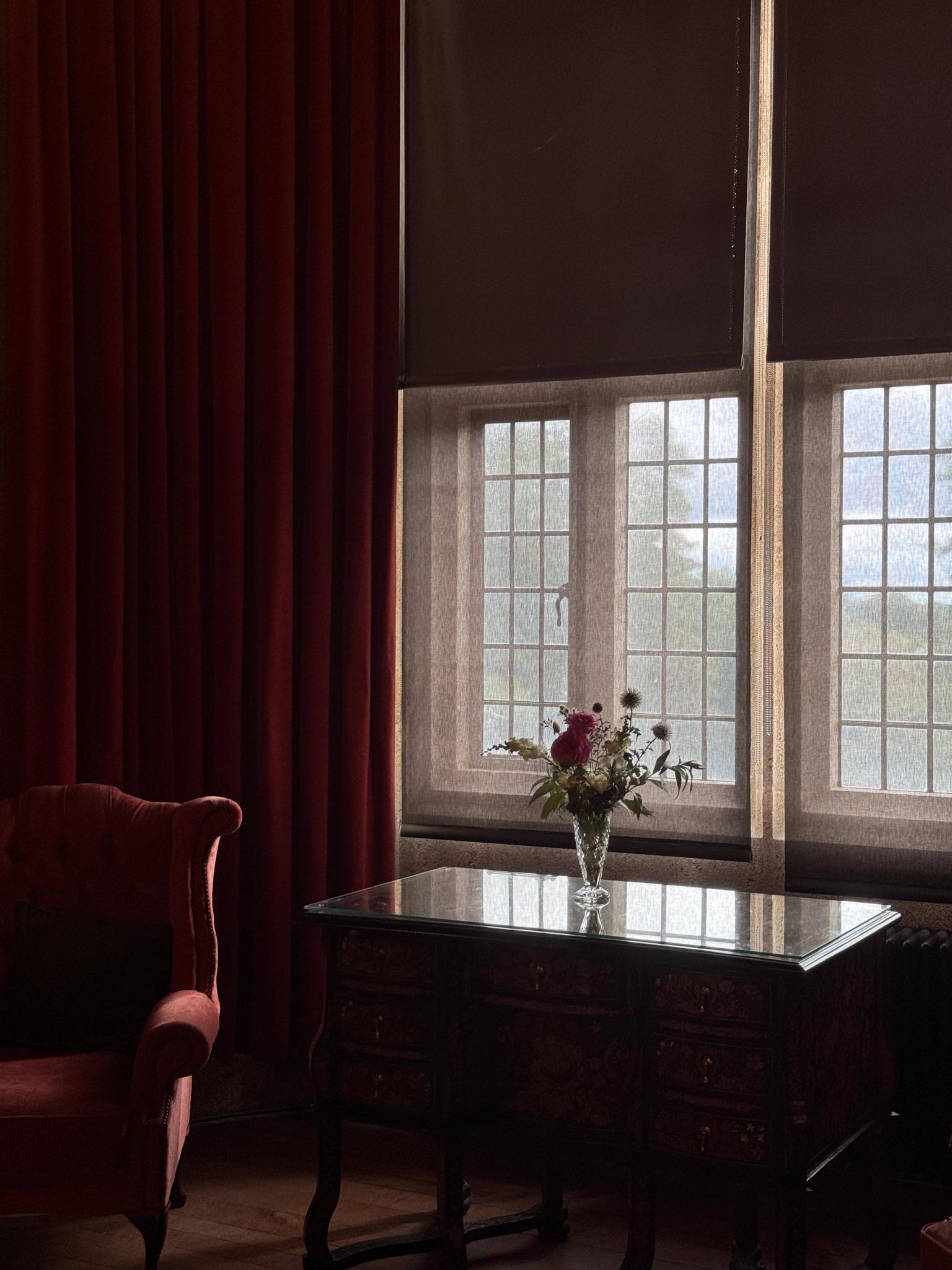

These efforts are not simply restorative but also interpretive, aiming to reconcile the architect’s vision with the realities of long-term durability, ensuring that Castle Drogo can continue to function as both a historic monument and a living building.