
Ronan Bouroullec
Chapelle Saint Michel de Brasparts
- DesignerRonan Bouroullec
- PhotographerClaire Lavabre courtesy of Studio Bouroullec
Thomas Lykke Ronan’s approach is so minimal, yet so powerful. With simple means, he creates an experience that feels almost divine. It’s beautiful, calm, and deeply connected. You’re left with a sense of something larger - something more universal.

A Chapel Reimagined
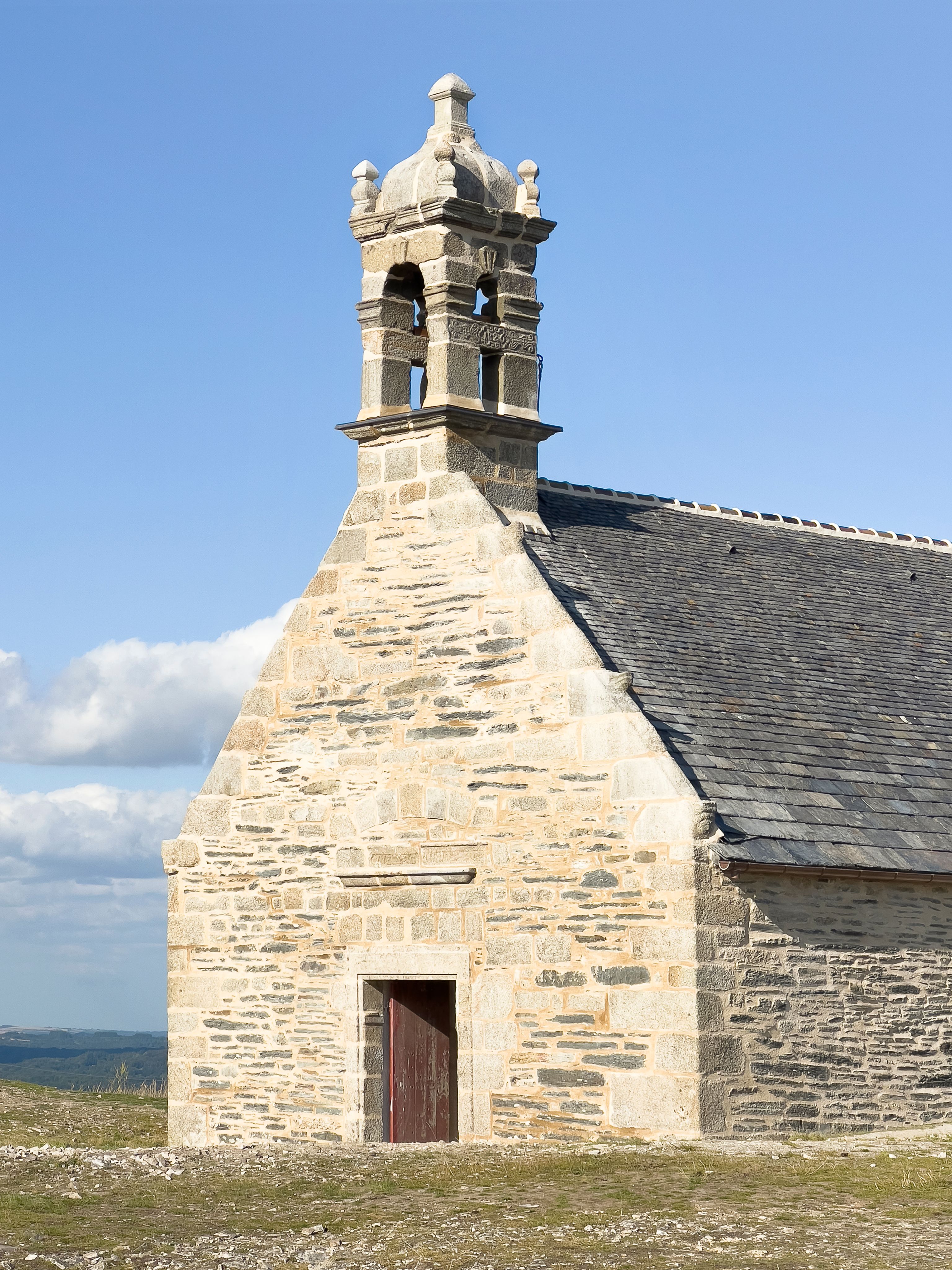
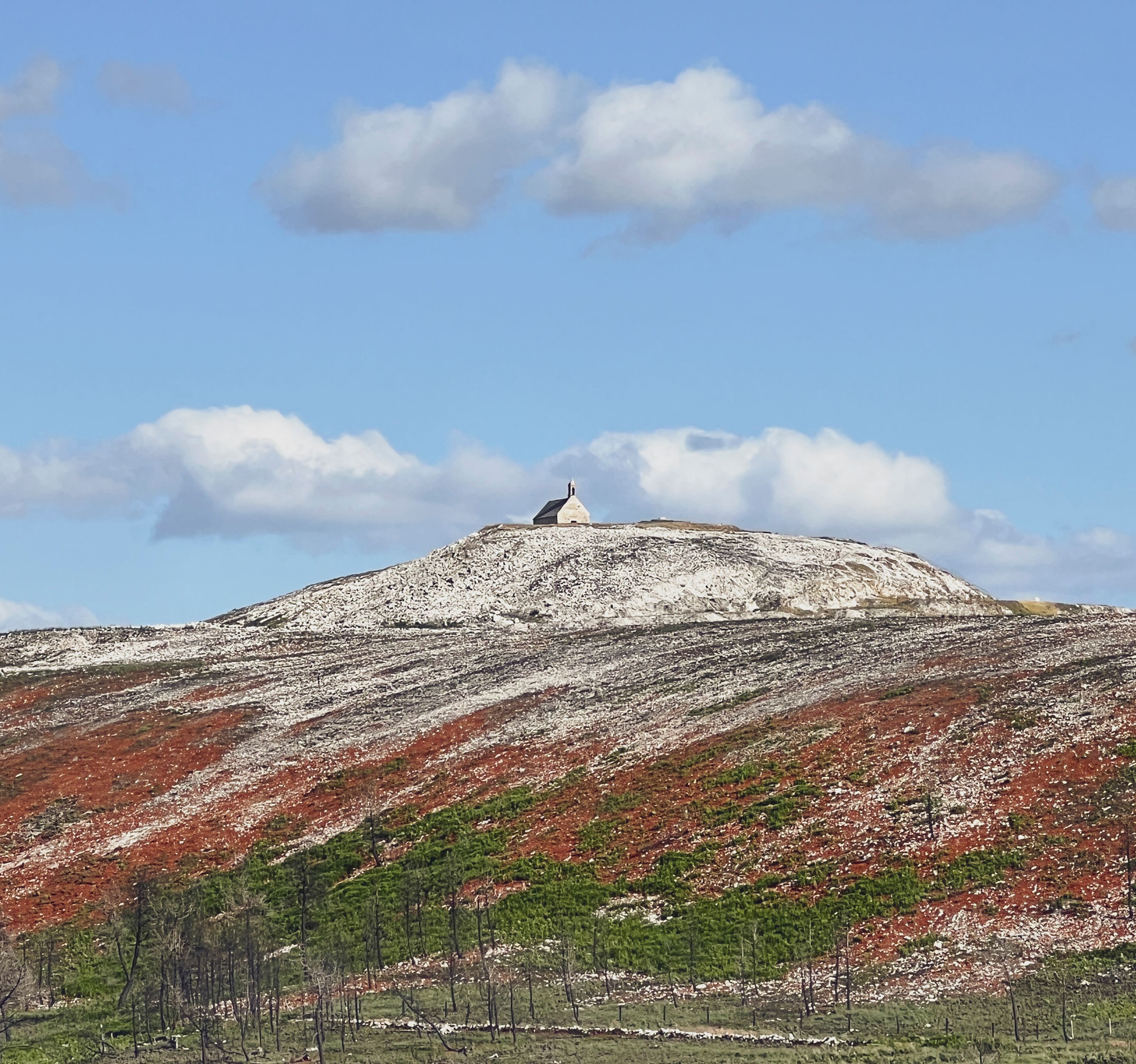
Perched at the top of the Monts d’Arrée in Brittany, the 17th-century Chappelle Saint-Michel de Brasparts has always felt more like a quiet refuge than a monumental religious building. Surrounded by rugged moorland and exposed to wind, rain, fog, and vast open skies, the chapel carries a raw simplicity that defines the landscape around it. After the devastating wildfires that swept through the region in 2022, the building underwent a complete restoration supported by François Pinault.
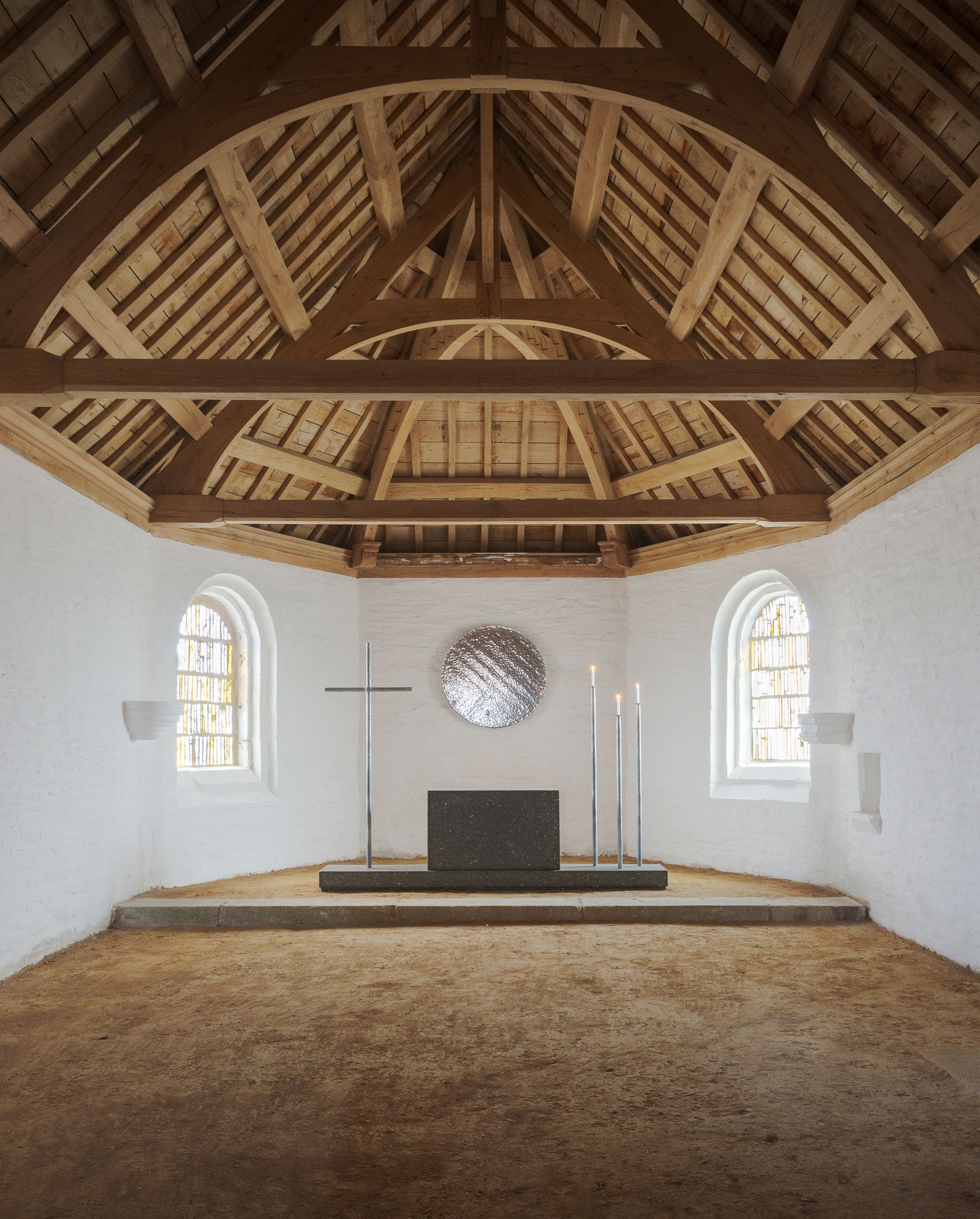
Rather than transforming the chapel into something polished or overly restored, the project focused on preserving its humble atmosphere: metre-thick stone walls, rammed-earth floors, lime-rendered surfaces, and the exposed oak structure beneath the slate roof were all carefully repaired and maintained. Into this restrained setting, French designer Ronan Bouroullec introduced a new series of liturgical furnishings that feel deeply connected to both the architecture and the surrounding landscape. His intervention does not compete with the chapel’s history, it quietly amplifies it.

Light, Silence, and Material
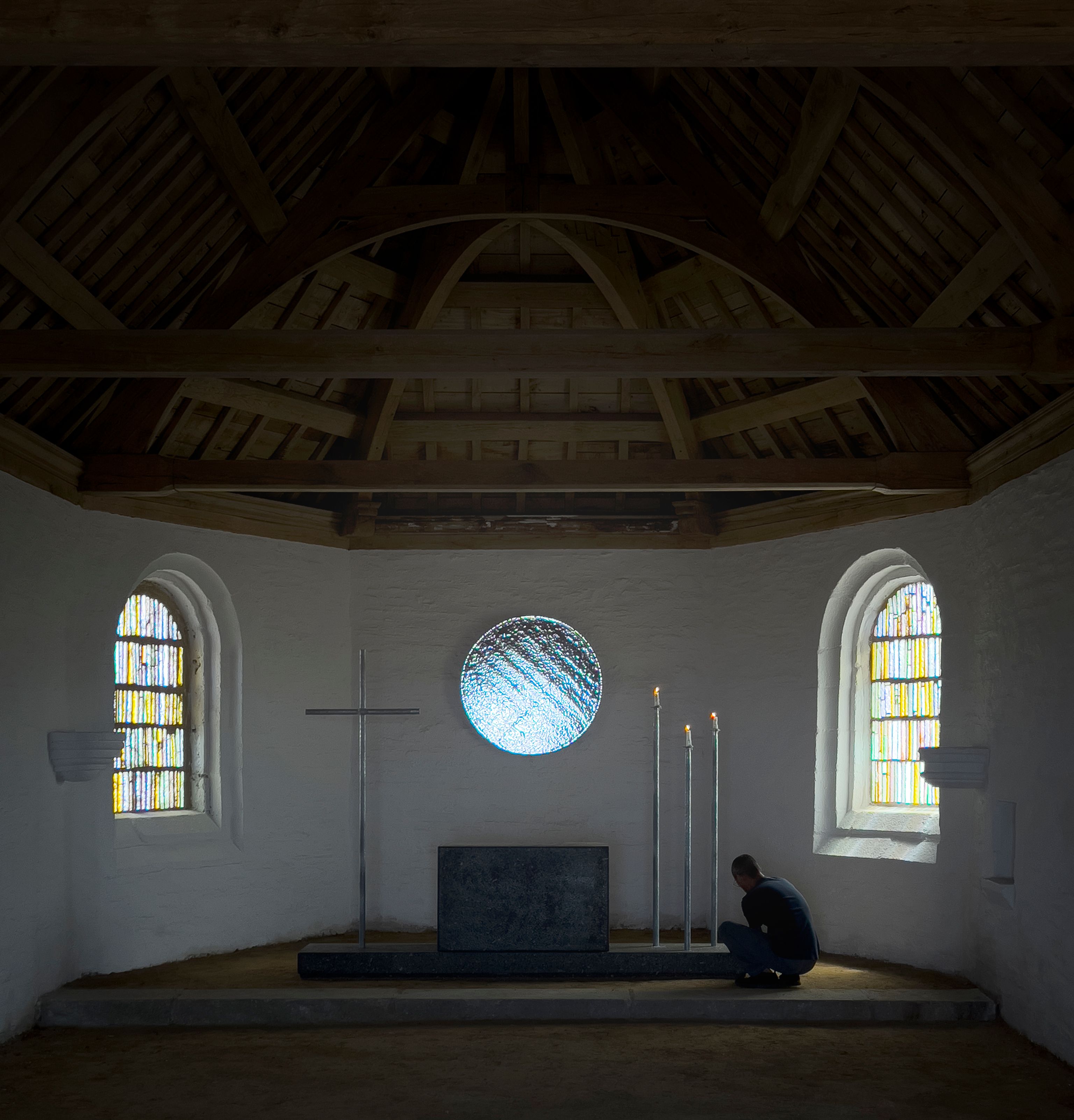
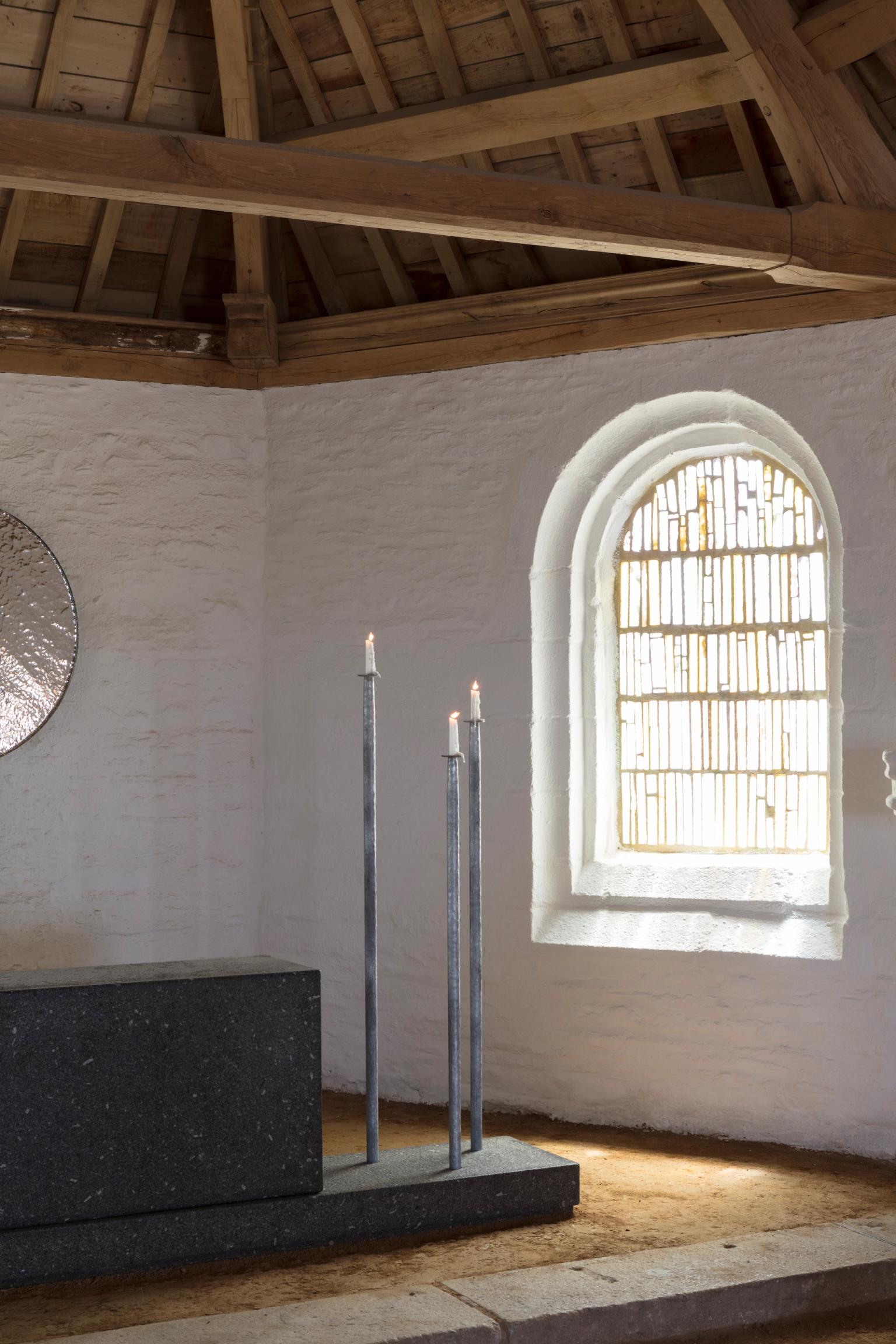
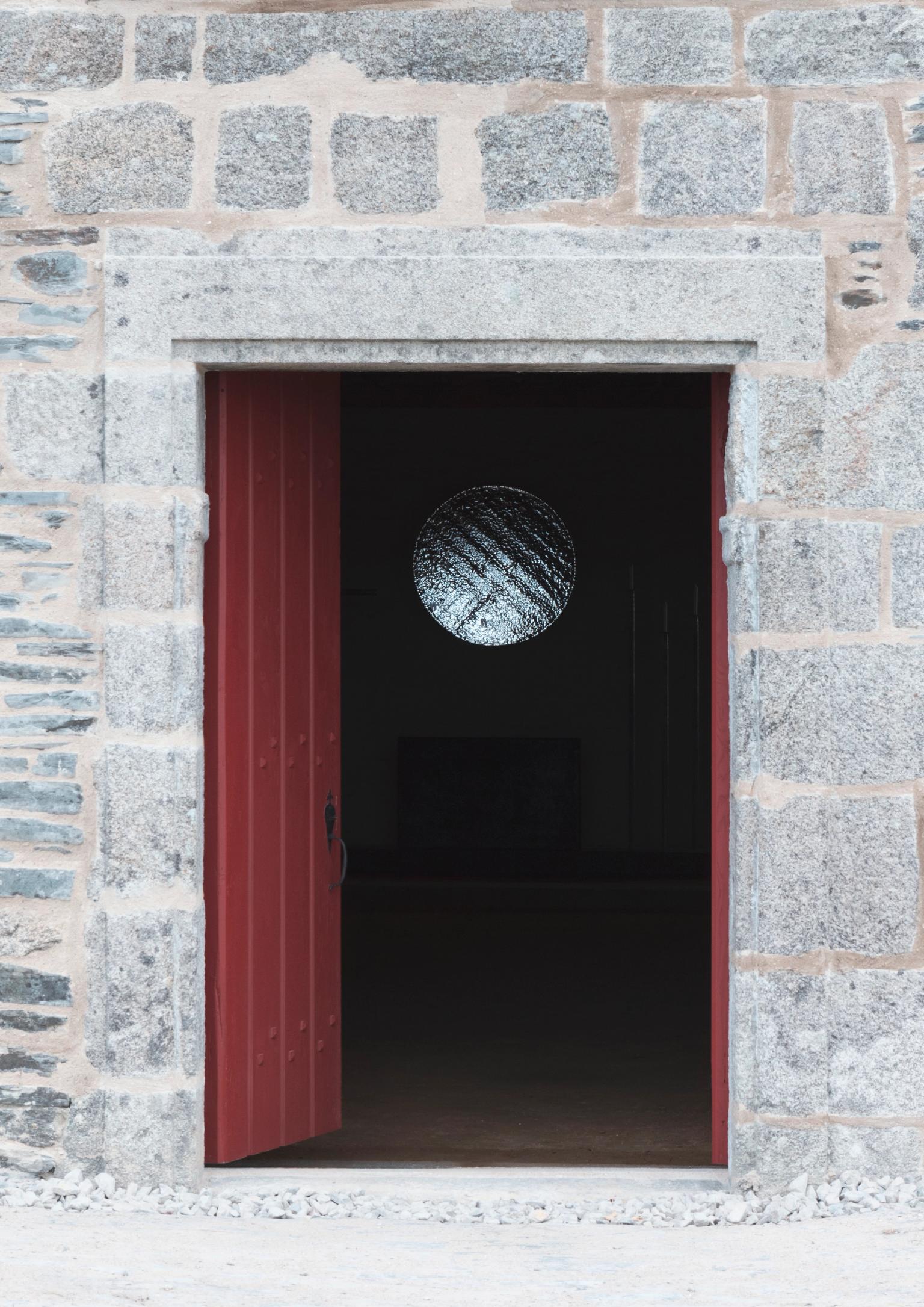
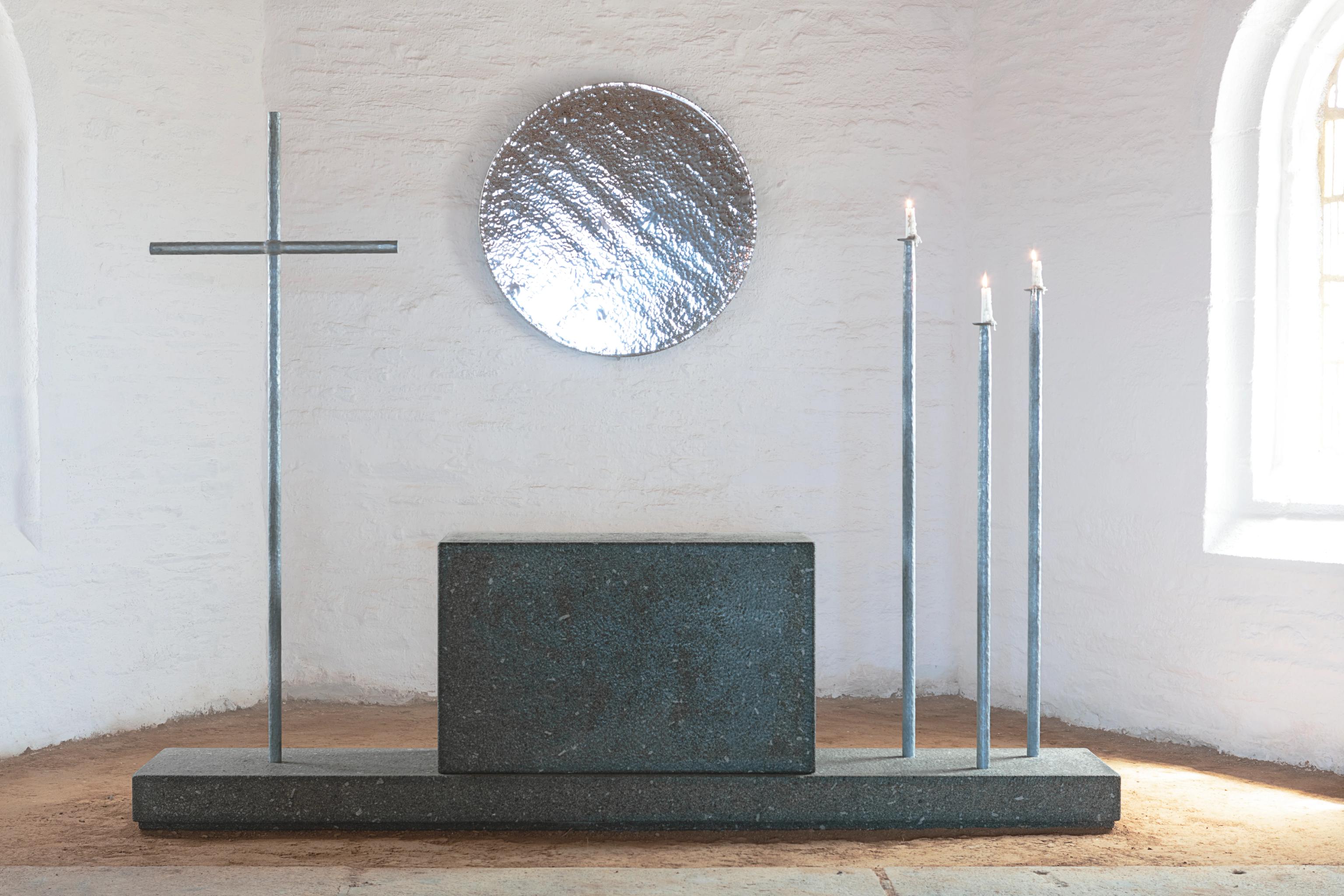
What makes the project so powerful is its understanding of atmosphere. The chapel has no electricity and almost no decoration. Light enters only through two stained-glass windows and the open doorway that welcomes hikers, pilgrims, and visitors throughout the day. Bouroullec embraced these limitations instead of correcting them. Working with only three materials, granite, steel, and glass, he created an altar, candlesticks, a console table, and a large circular mirrored disc placed behind the altar.

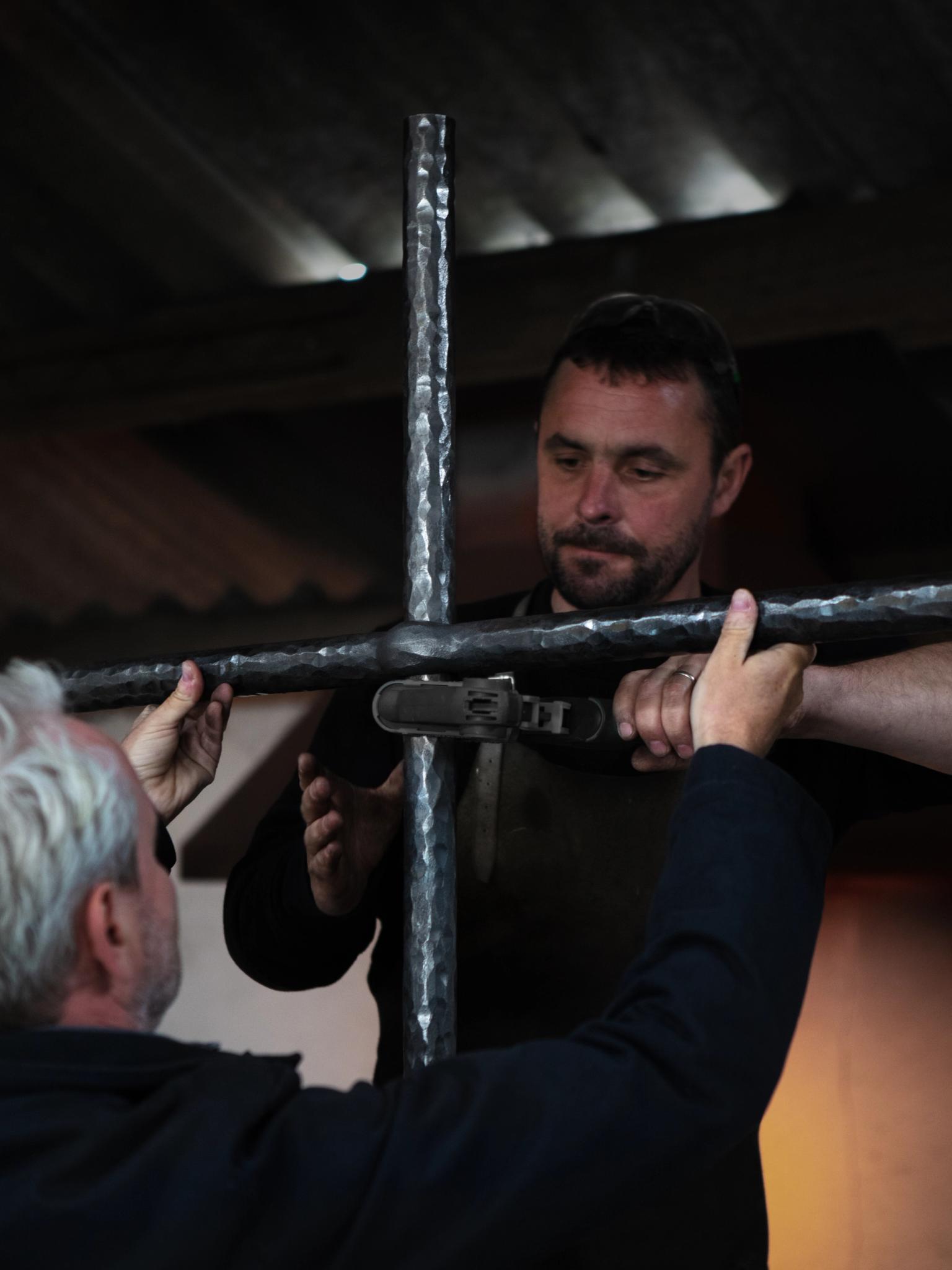
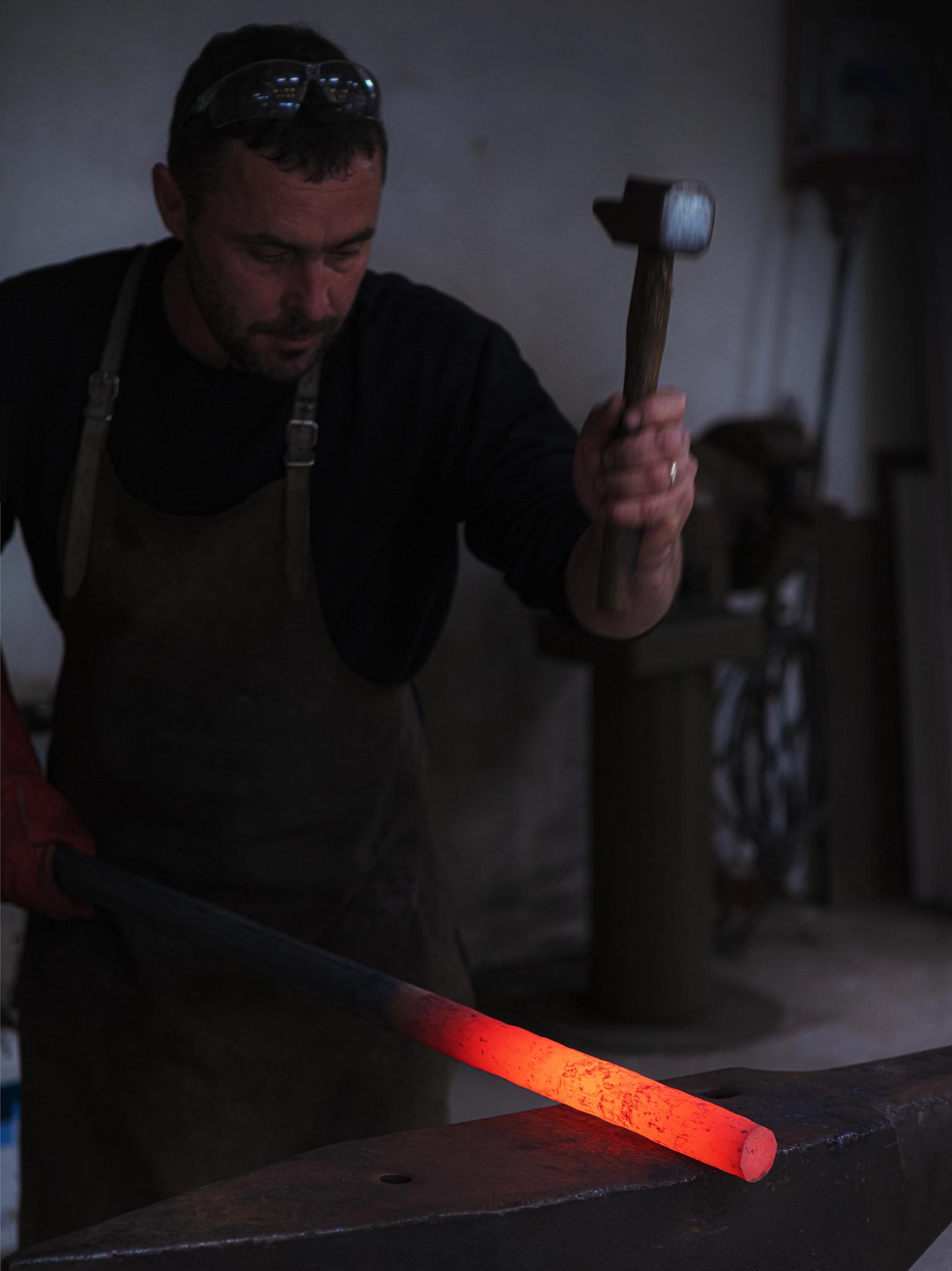
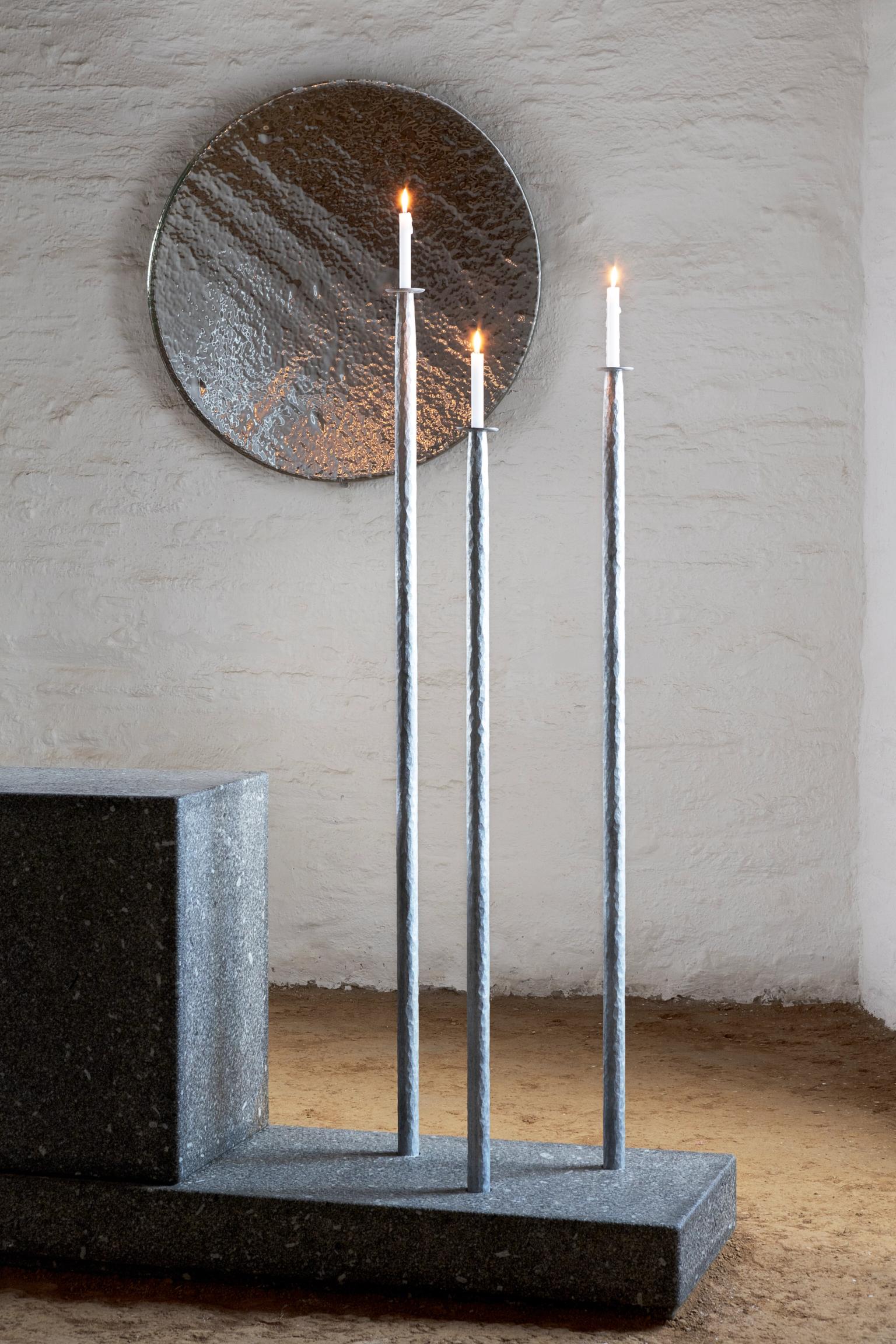
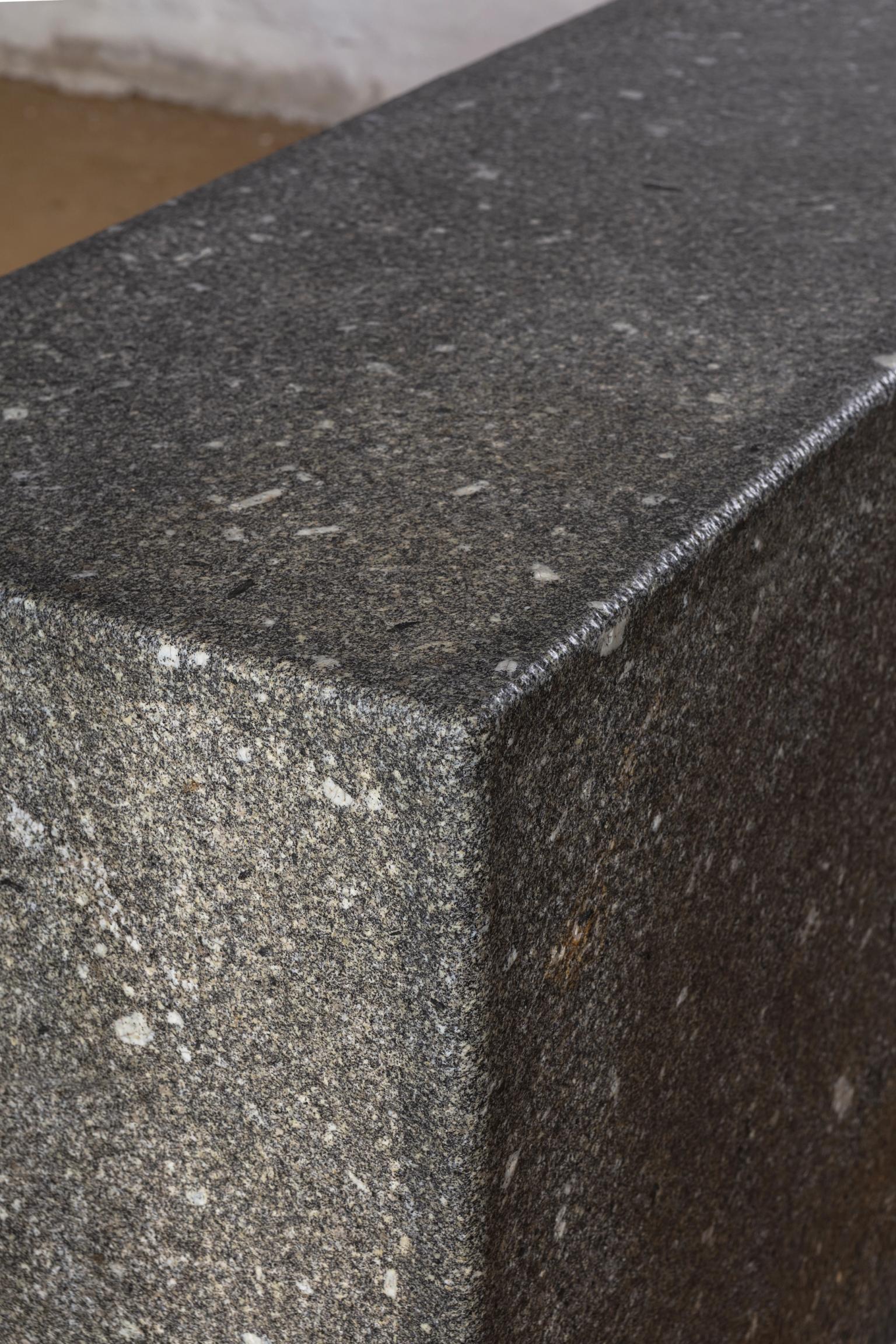
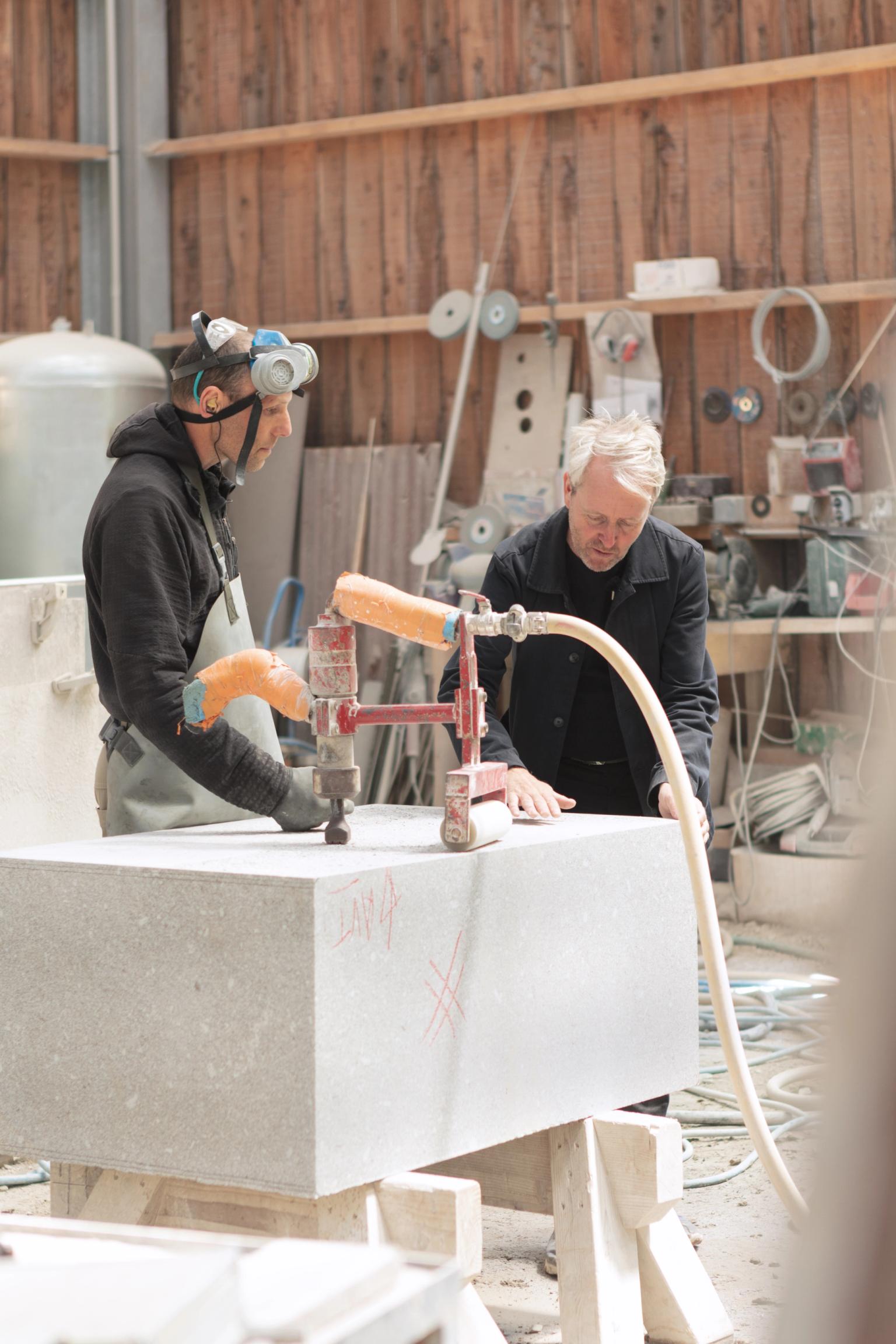
Each material feels elemental, almost as if it already belonged to the site. The granite was sourced less than fifteen kilometres away from the chapel and worked by local stone mason Christophe Chini. The steel elements were hand-forged with metalworker Mathieu Cabioch, while the mirror was produced with glassmakers from the Venice region, continuing Bouroullec’s long relationship with Murano craftsmanship. Together, these pieces create an interior that feels incredibly quiet yet emotionally charged, where texture, reflection, and natural light become the main architectural language.

Creating Lightness From Mass
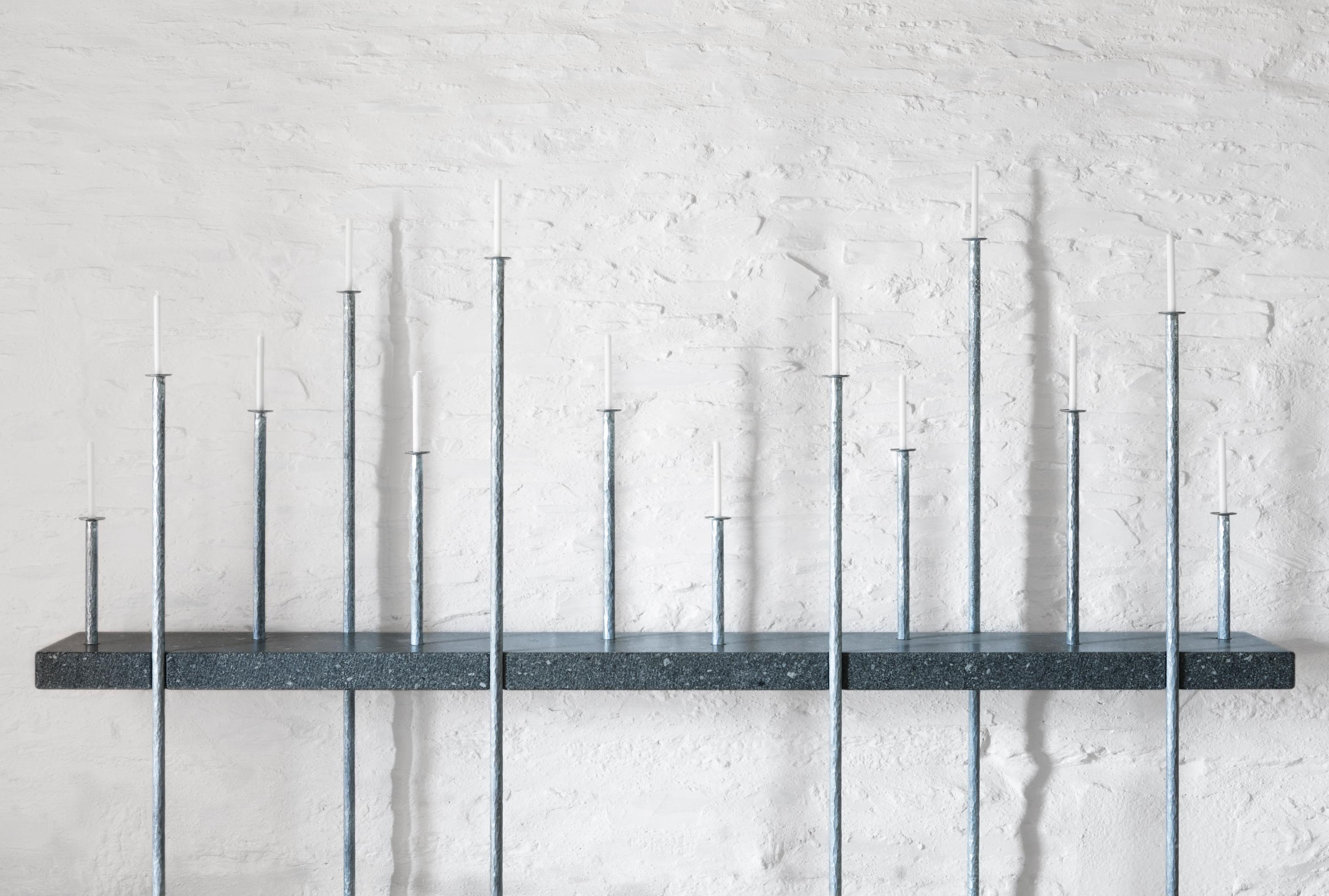
A central idea behind the project was the challenge of making heavy materials feel almost weightless. Bouroullec approached the chapel with extreme restraint, carefully balancing solidity and fragility throughout the space. The granite altar appears massive and grounded, yet subtle proportions and slight overhangs make it seem as though it gently hovers above the floor. The long console table extends this idea even further: a thick slab of stone appears almost suspended on slender steel candleholders that double as structural supports.
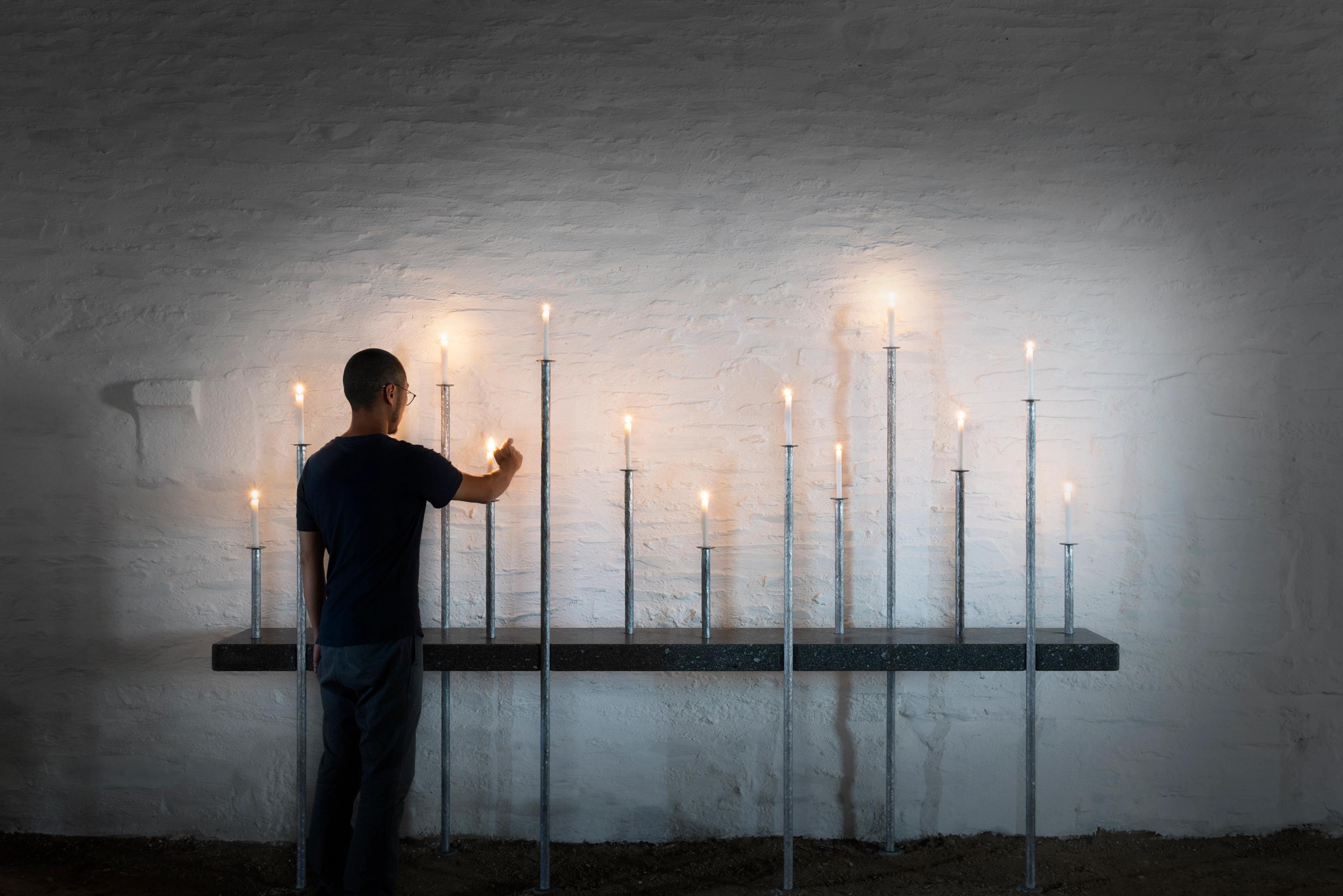

Nothing feels decorative for the sake of decoration. Every curve, surface, and connection has been simplified to its essence. The steel cross above the altar is reduced to the most minimal possible form, while the hammered finishes soften the contrast between the dark objects and the chapel’s pale walls. Bouroullec’s intervention is not about spectacle; it is about creating a sensory experience through balance, touch, silence, and proportion.


The Mirror as a Source of Light
Perhaps the most striking element inside the chapel is the large blurred mirror suspended behind the altar. More than a reflective object, it acts almost like another opening in the wall, a shifting source of light that changes constantly throughout the day. The rippled surface catches daylight softly and creates an almost immaterial glow inside the dark interior. Positioned in dialogue with the chapel’s stained-glass windows, the mirror introduces a contemporary layer without disrupting the historical character of the building.
This relationship between old and new is handled with remarkable sensitivity. Bouroullec does not imitate historical forms, nor does he introduce something aggressively modern. Instead, he creates a quiet tension between roughness and softness, permanence and reflection. The result feels spiritual without becoming symbolic in an obvious way. It allows visitors to experience the chapel emotionally rather than simply observe it visually.

Ronan Bouroullec’s Approach
Although best known internationally for furniture and industrial design, Ronan Bouroullec’s work has always extended beyond objects into atmosphere, material, and human experience. Born in Quimper, Brittany, in 1971, Bouroullec first gained recognition in the 1990s before forming the influential Bouroullec brothers studio with his brother Erwan. Together, they collaborated with brands such as Vitra, Hay, Flos, and Magis, helping redefine contemporary furniture design through a softer and more intuitive modern language.

Yet throughout his career, Ronan Bouroullec has remained deeply interested in craftsmanship, drawing, and emotional spatial experiences, interests that become especially visible in Saint-Michel de Brasparts. The project feels personal. He remembered the chapel from childhood journeys across Brittany, where it appeared almost like a distant landmark in the landscape. That memory shaped the entire intervention. Rather than approaching the chapel as a designer adding objects into a room, Bouroullec treated it as an atmosphere to protect and intensify.

A Quiet Form of Contemporary Sacred Space
What makes the interior of Chappelle Saint-Michel de Brasparts so compelling is how little it relies on excess. There are no dramatic gestures, no technological effects, and no attempt to modernise the chapel through contrast alone. Instead, the project works through reduction. Bouroullec strips everything back to material, proportion, light, and presence. The candlesticks embedded into stone, the rough hammered steel, the blurred mirror, and the dark Breton granite all contribute to a space that feels deeply rooted in its landscape and history while still unmistakably contemporary.
The project shows how restoration can become more than preservation, it can create a renewed emotional connection between architecture, memory, and place. In Saint-Michel de Brasparts, contemporary design does not overpower the sacred atmosphere of the chapel. It simply helps reveal it more clearly.