Johan Renck
Chernobyl
- DirectorJohan Renck
- CinematographerJakob Ihre
RICKARD EDHOLM Johan Renck’s direction in Chernobyl is topclass thanks to perfect casting and strong, controlled storytelling. The drama builds tension in a calm but powerful way. Combined with the clean, striking visuals, the series feels both real and unforgettable.

Chernobyl
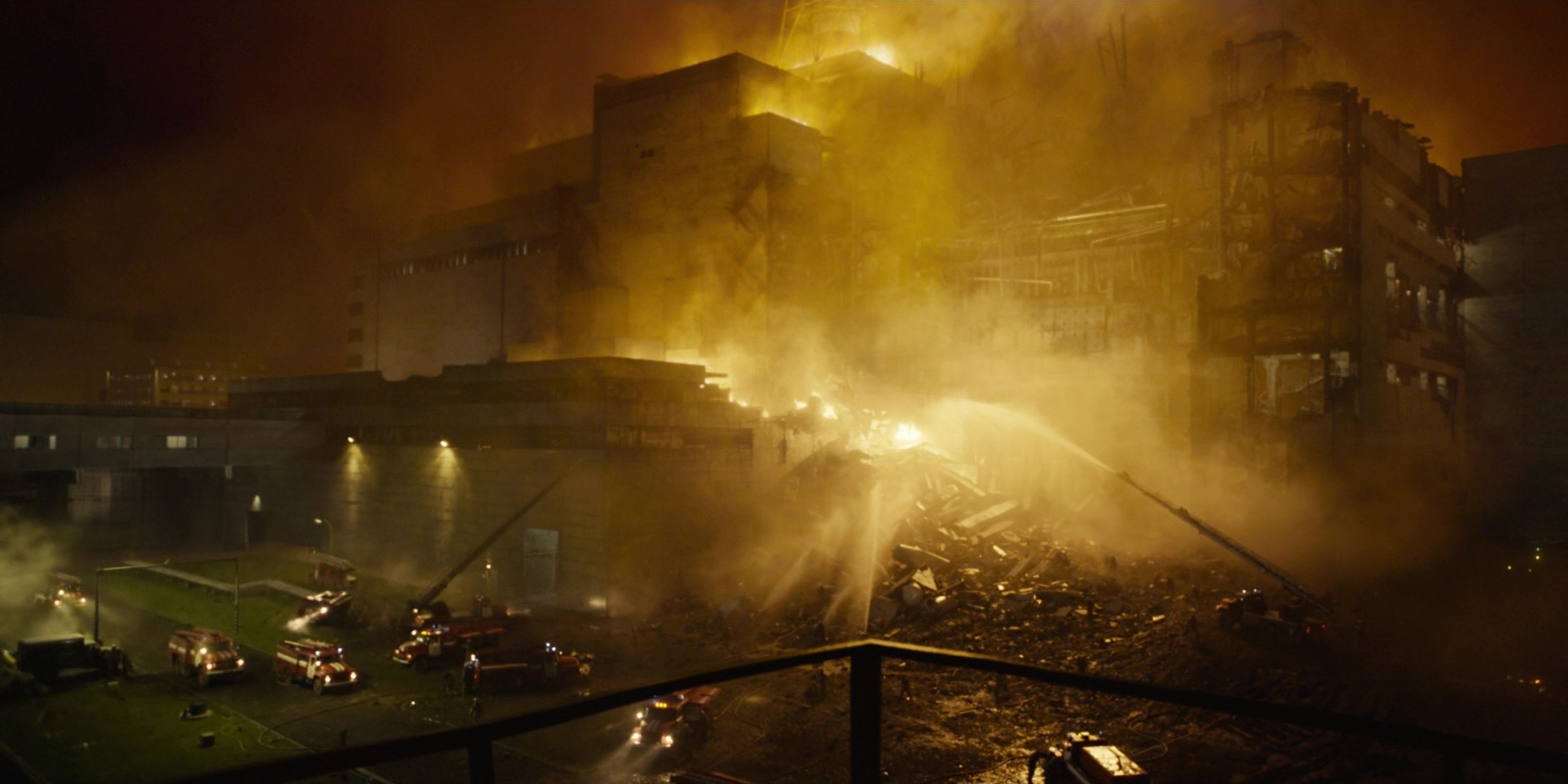
When Chernobyl aired in 2019, it felt less like a historical drama than a recovered memory - something unearthed rather than staged. That effect was no accident. Director Johan Renck and cinematographer Jakob Ihre built the series around a shared principle: the horror should emerge from reality itself, not from cinematic exaggeration.
Direction without spectacle
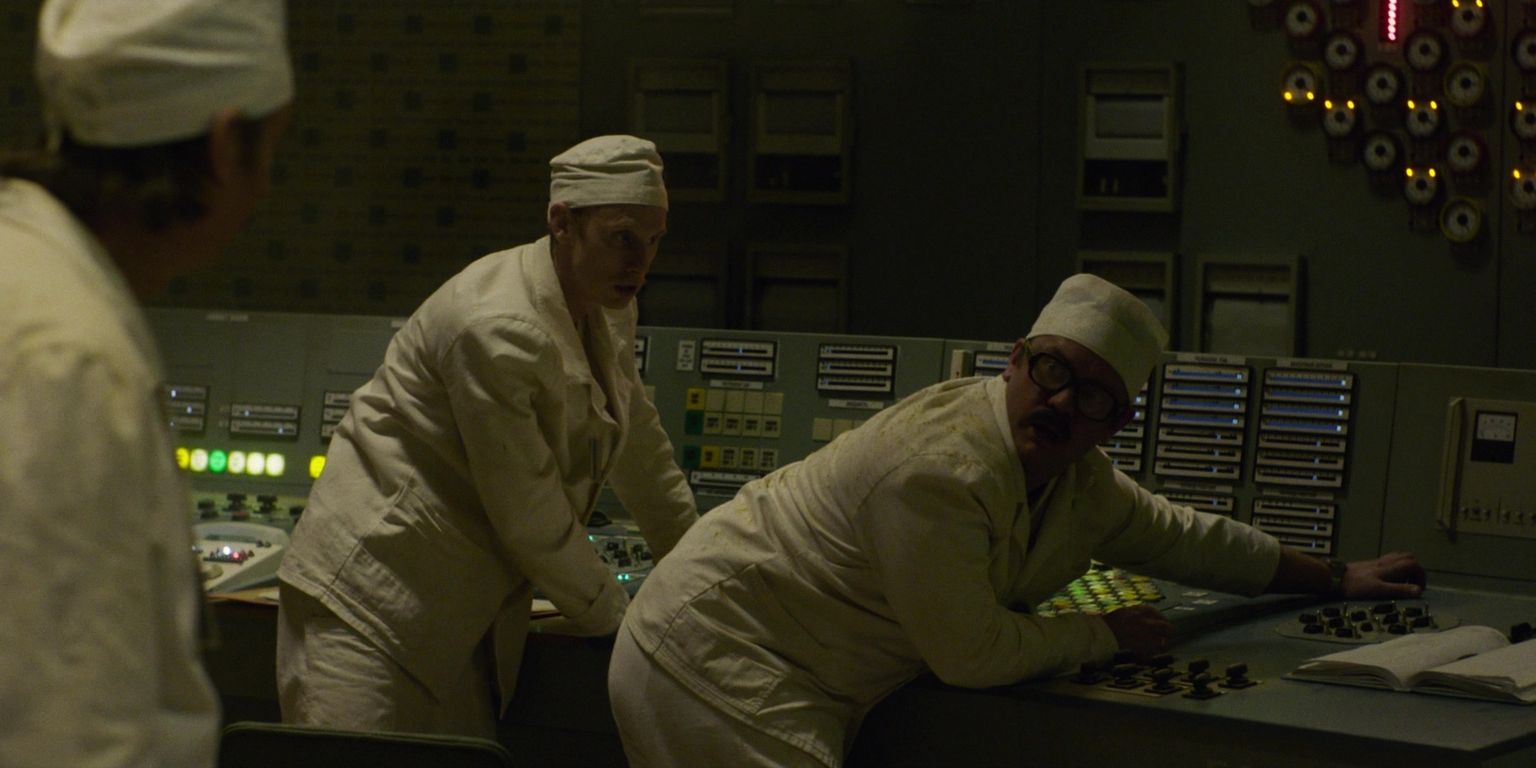
Renck approached the material with restraint bordering on austerity. Instead of emphasizing explosions or heroics, he focused on procedures, silences, and systems slowly grinding toward catastrophe. Doors close, phones ring, men argue over protocol while radiation spreads invisibly. The series’ tension comes from watching institutions fail in real time. Renck has often described his aim as observational rather than dramatic - placing the viewer inside events and letting the weight of truth do the work.
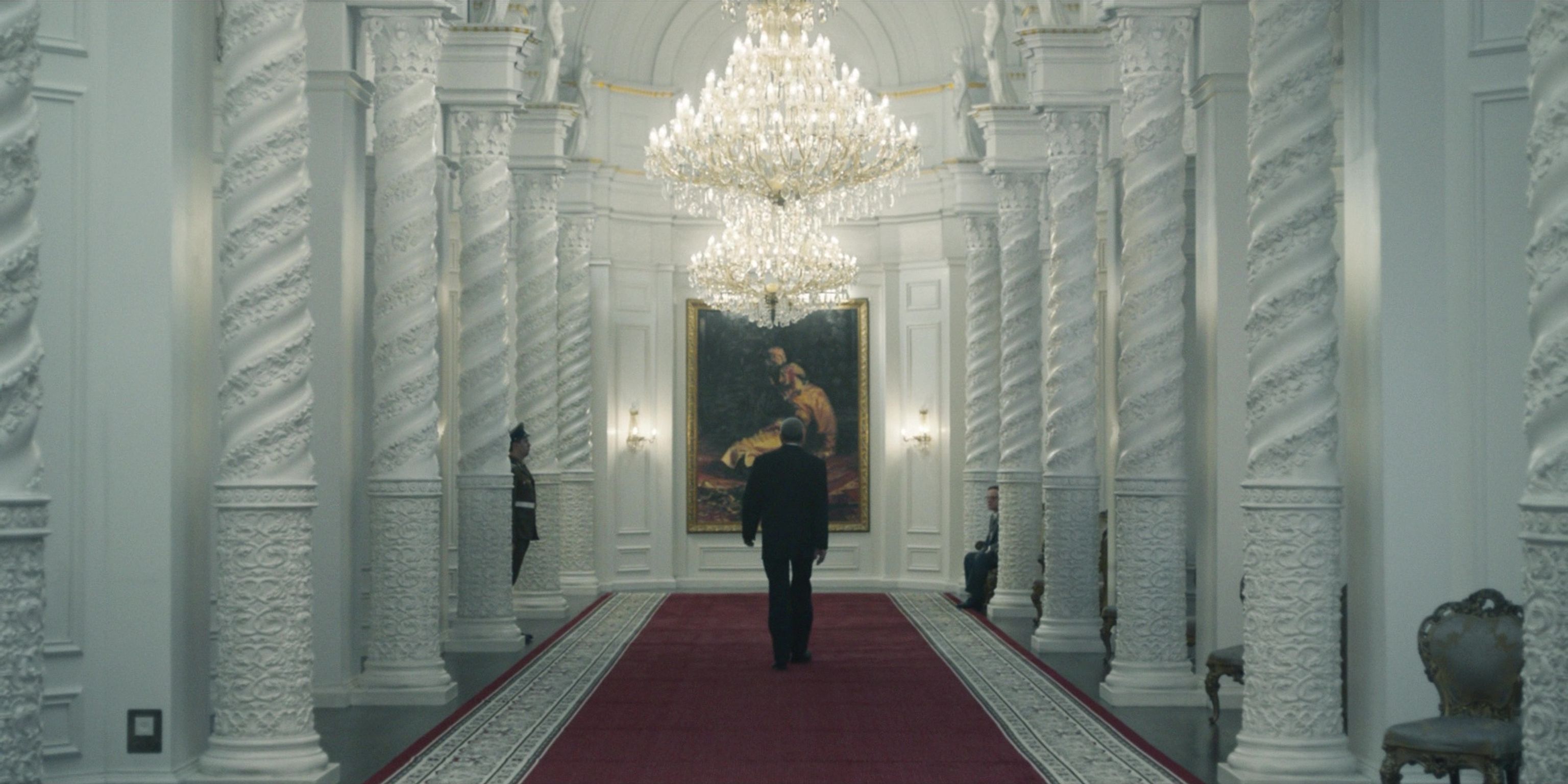
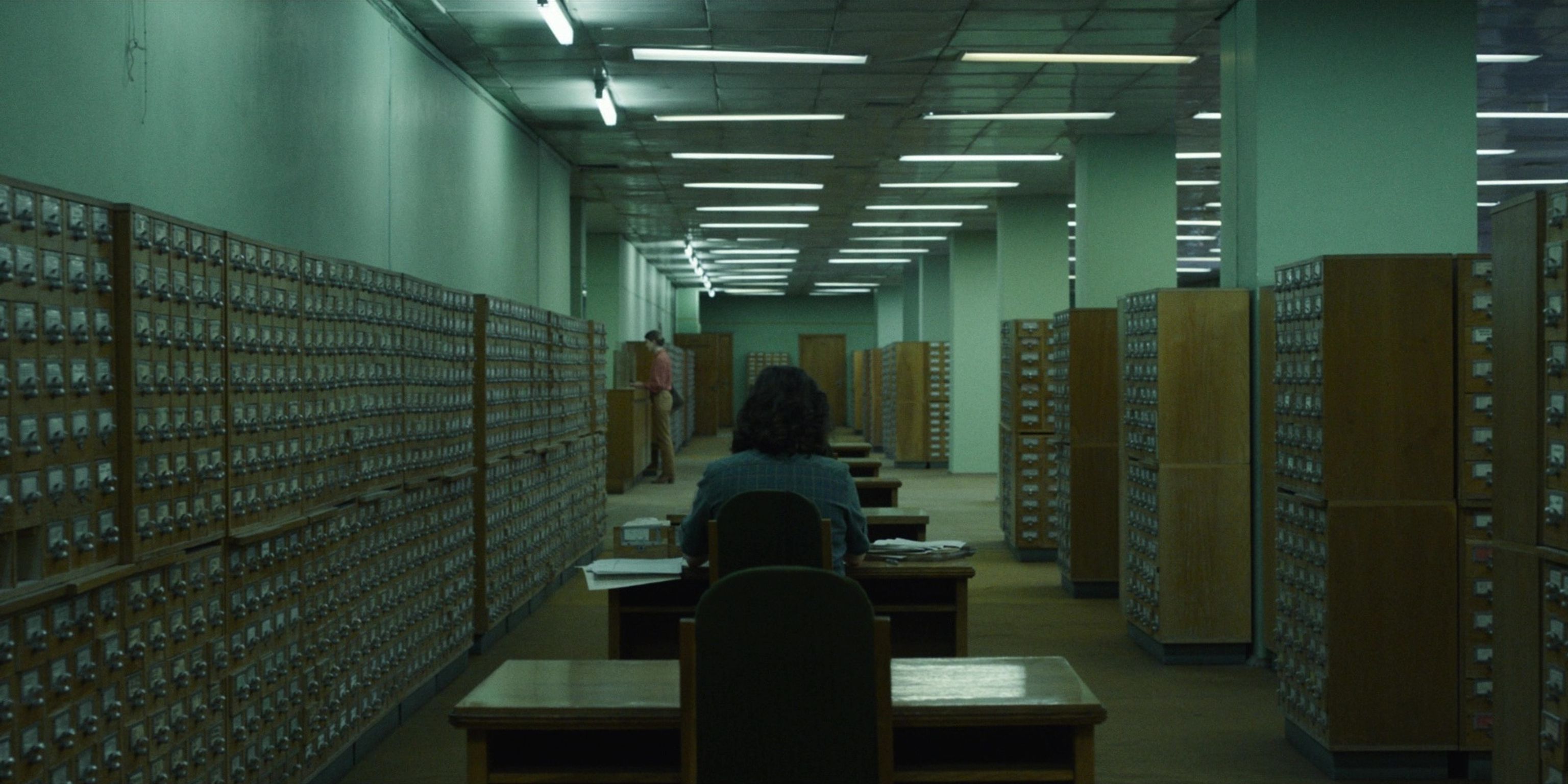
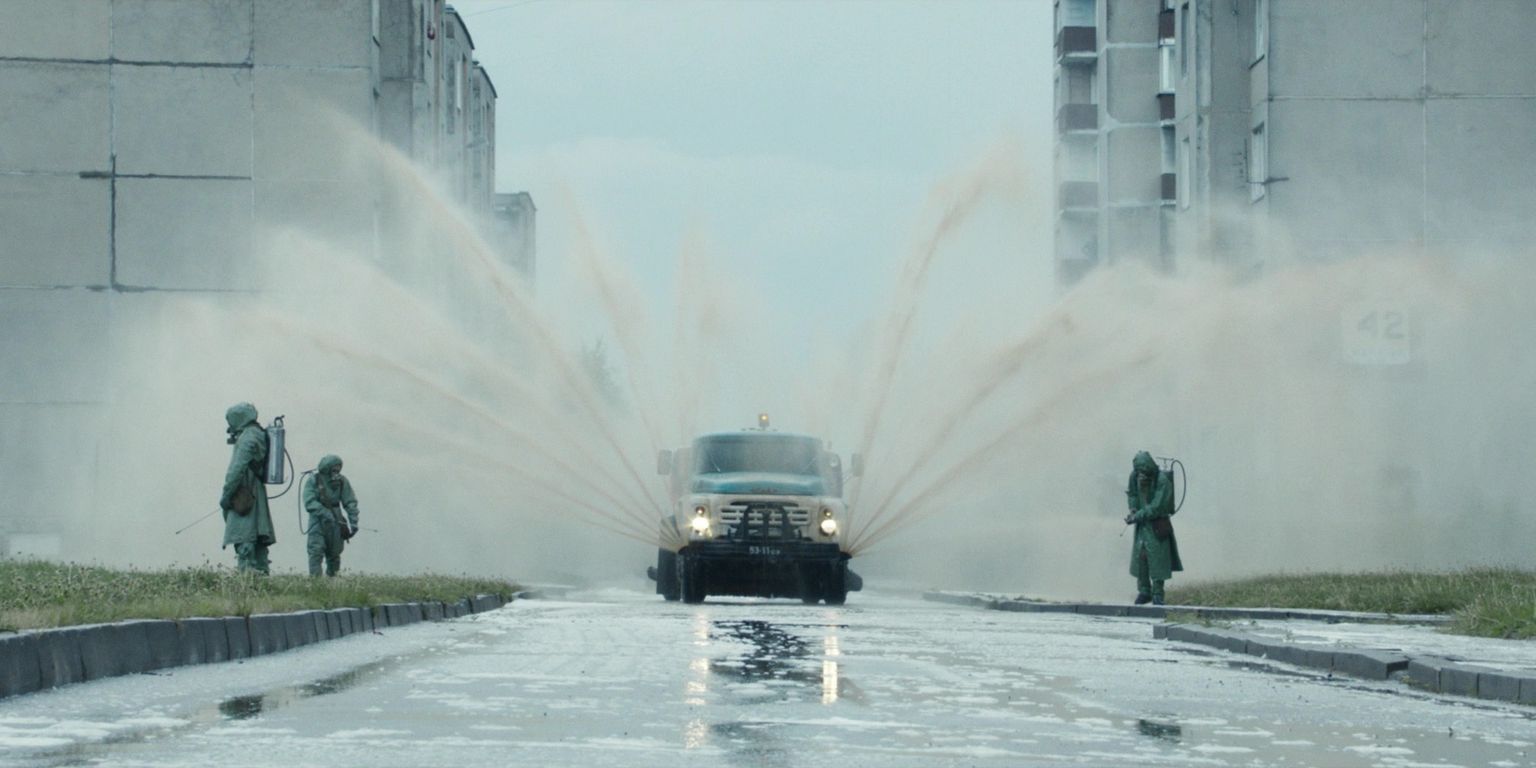
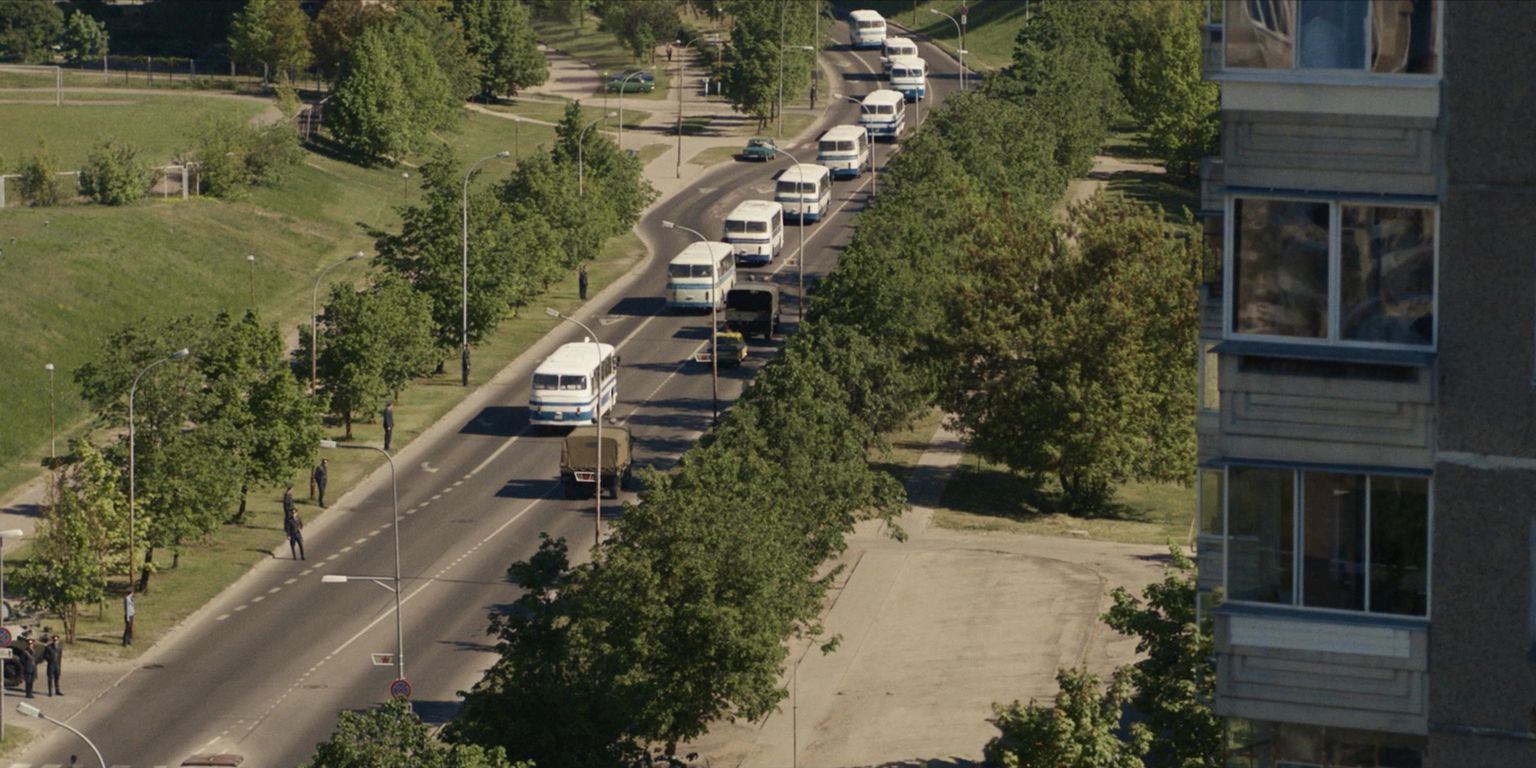
That attitude extended to the smallest details. Sets, costumes, wallpaper patterns, and even the dull bureaucracy of Soviet interiors were obsessively reconstructed. Renck personally photographed the production with a medium-format camera, treating the shoot almost like an archaeological record of a vanished world.


A “human” cinematography
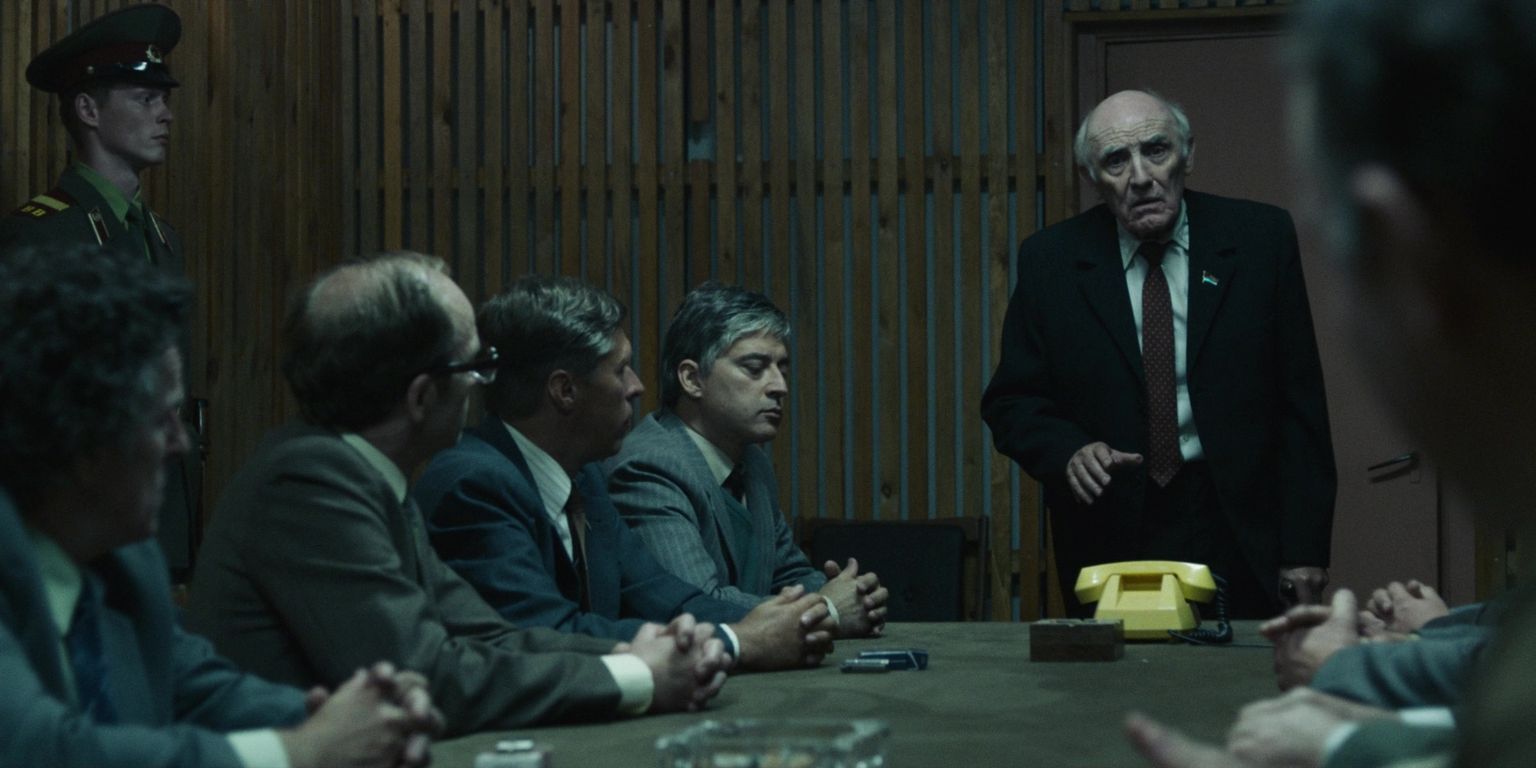
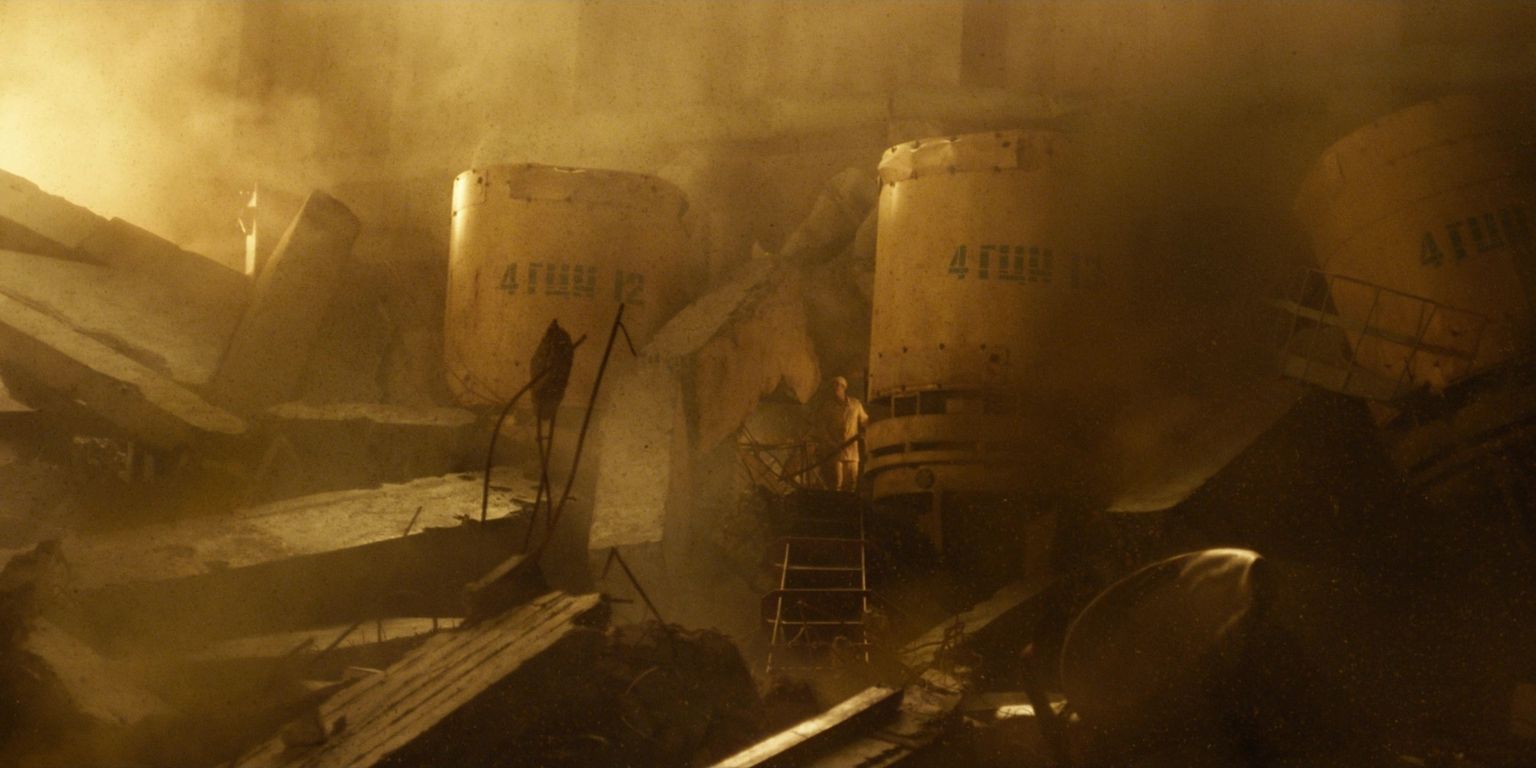
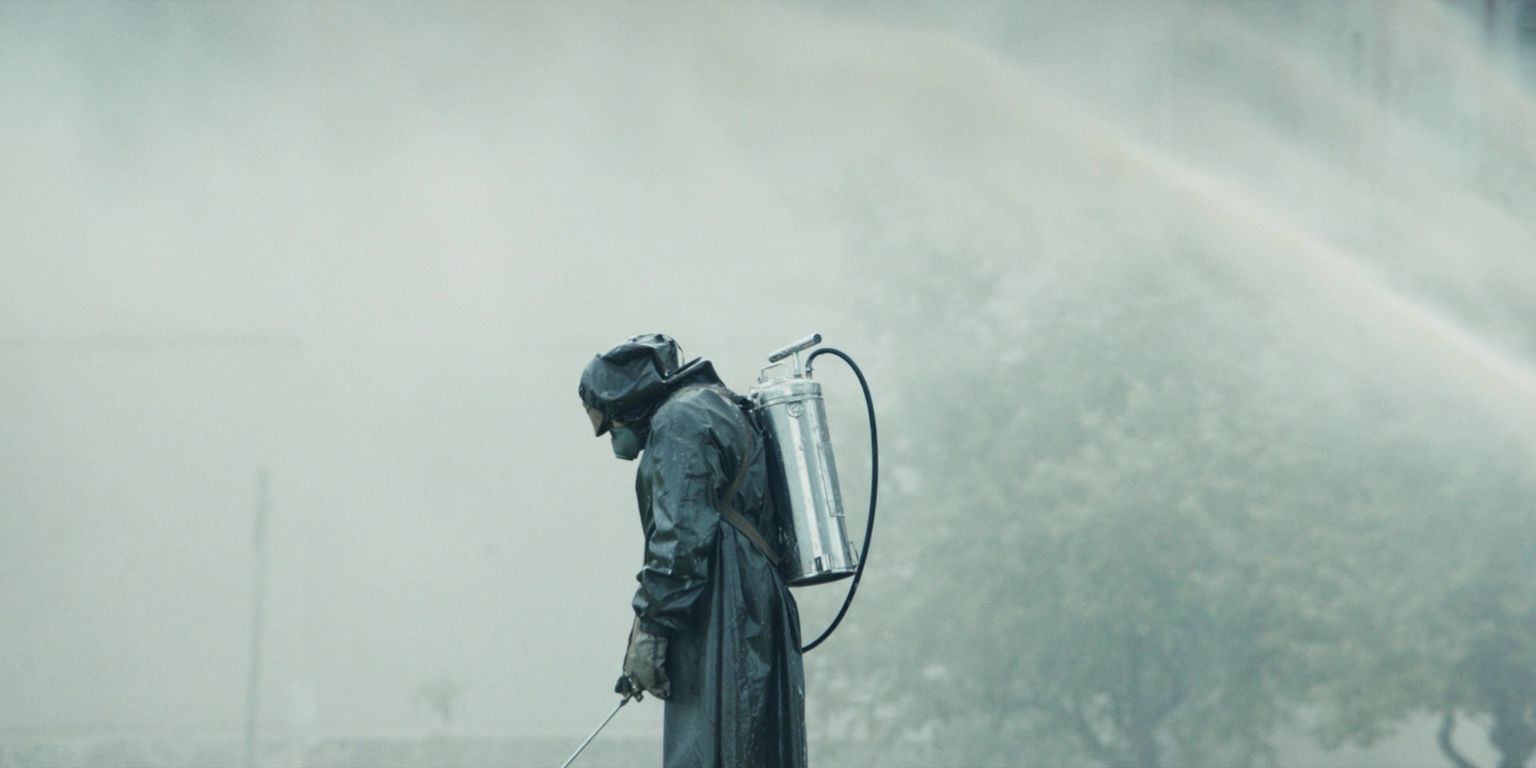
Ihre’s cinematography rejects visual grandstanding. Shot largely on ARRI Alexa Mini cameras with vintage Cooke Panchro lenses, the image is soft, imperfect, and intimate. The lenses introduce subtle falloff and warmth, countering the coldness usually associated with industrial disaster stories. The result feels tactile - skin, concrete, steam, and fabric all seem to carry memory.
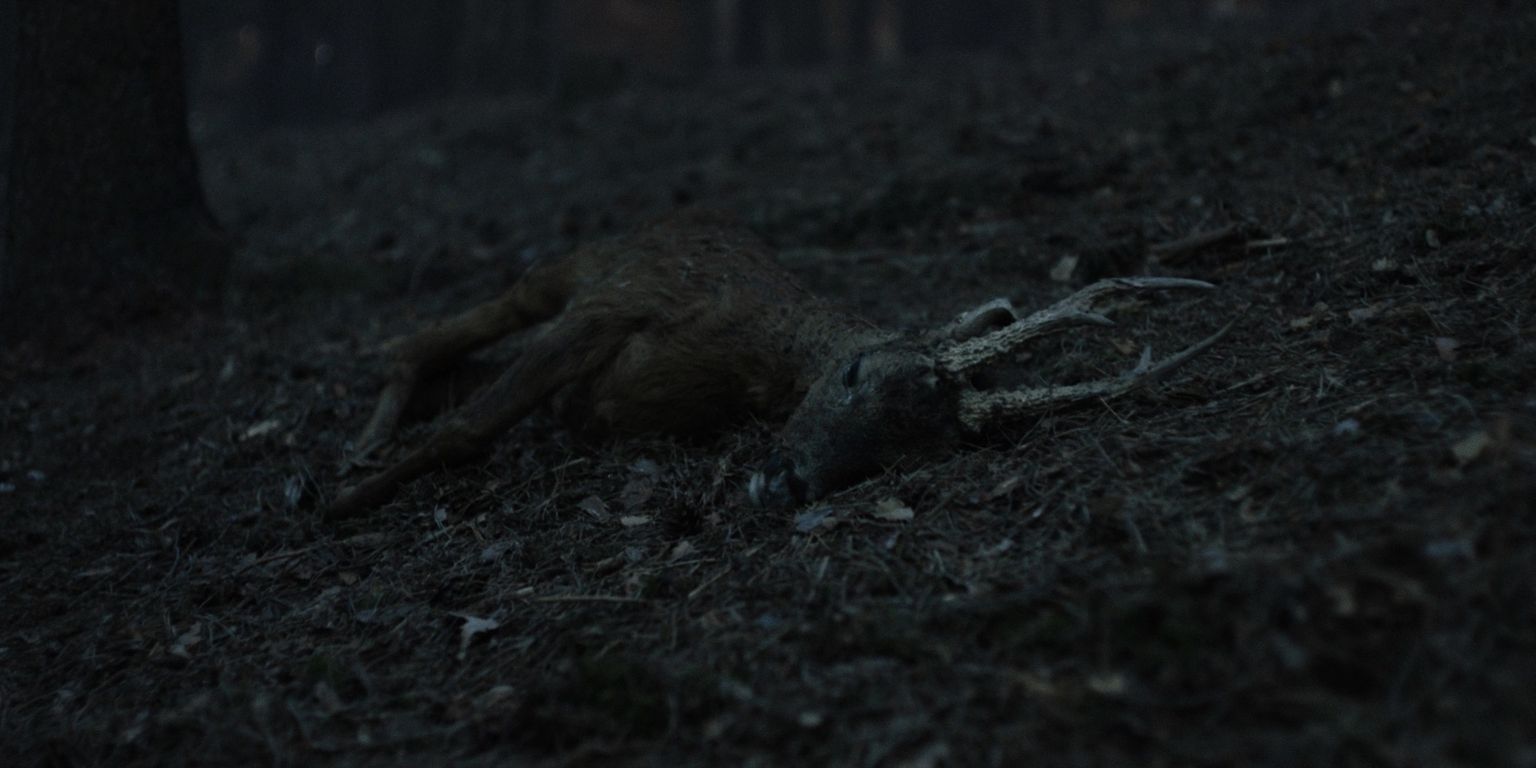
Light becomes a narrative force. Sunlight, usually comforting, is often dangerous here, a visual metaphor for radiation itself. Shafts of light cut through interiors like invisible threats. Exposure and intensity shift gently within shots, creating a barely perceptible instability that unsettles the viewer before they can articulate why.
Much of the series was filmed in Lithuania, with Soviet-era housing districts in Vilnius standing in for Pripyat. The Ignalina Nuclear Power Plant - architecturally similar to Chernobyl’s RBMK reactor - provided a rare authenticity for the power station scenes. These locations were not dressed to look old; they already carried the atmosphere the story required. The camera simply observed them.





A lasting legacy
Chernobyl quickly became a reference point for prestige television. It reshaped expectations of how historical tragedy could be portrayed - serious, restrained, and morally rigorous. Its awards recognition was significant, but its cultural impact was larger: renewed public interest in the disaster, debates about historical responsibility, and a sharp focus on misinformation as a systemic danger.
The series’ most quoted line - “What is the cost of lies?” - captures why it still resonates. Beyond the reactor meltdown, Chernobyl is about truth delayed, distorted, and denied. Renck and Ihre’s greatest achievement was visualizing that idea without shouting it. The camera doesn’t accuse; it watches. And in that watching, the horror becomes unavoidable.