
LEFEBVRE | LANNAUX
COMO WALL
- DesignerLEFEBVRE | LANNAUX
- PhotographerPilar Shoots - Thibault Debaene
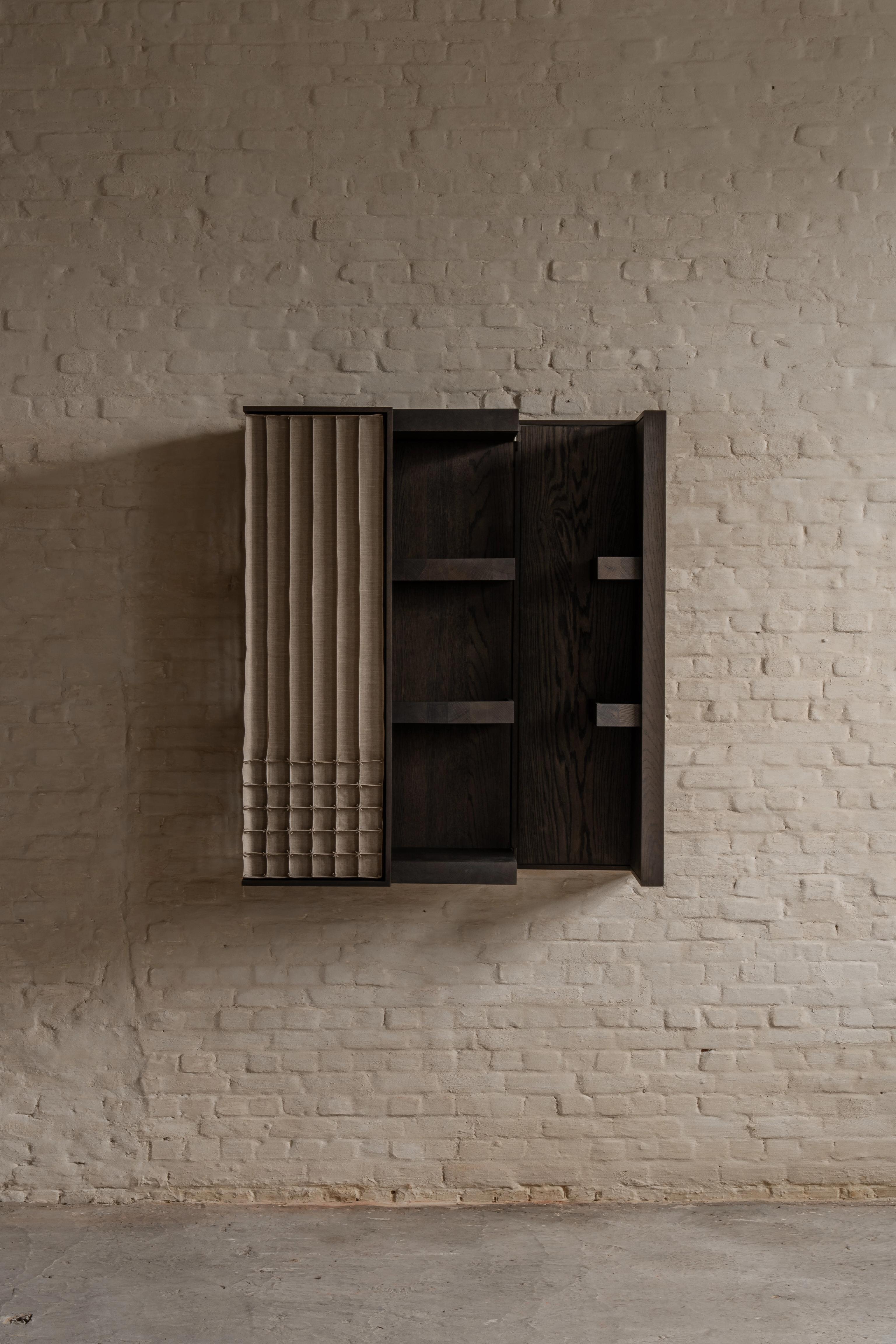
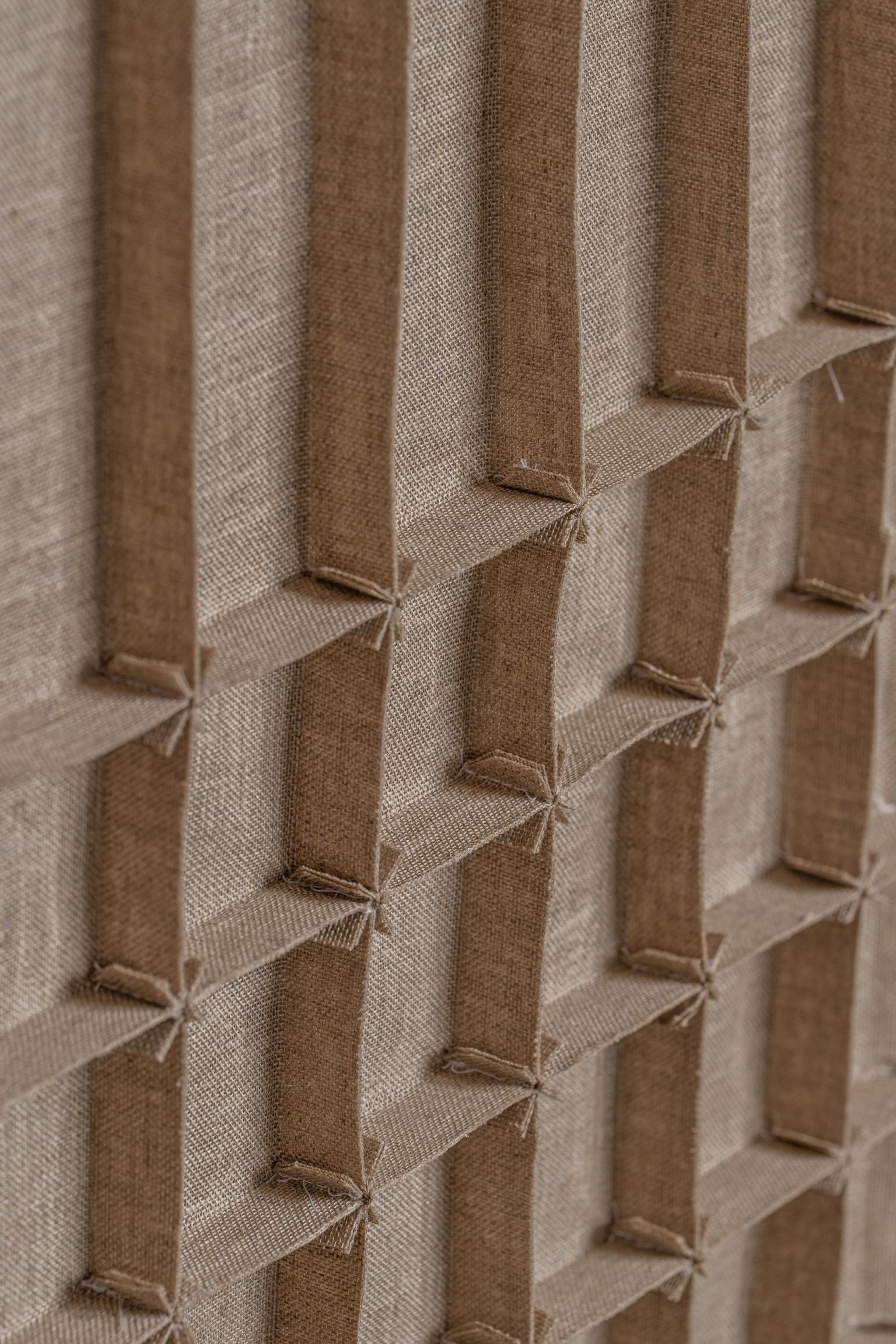
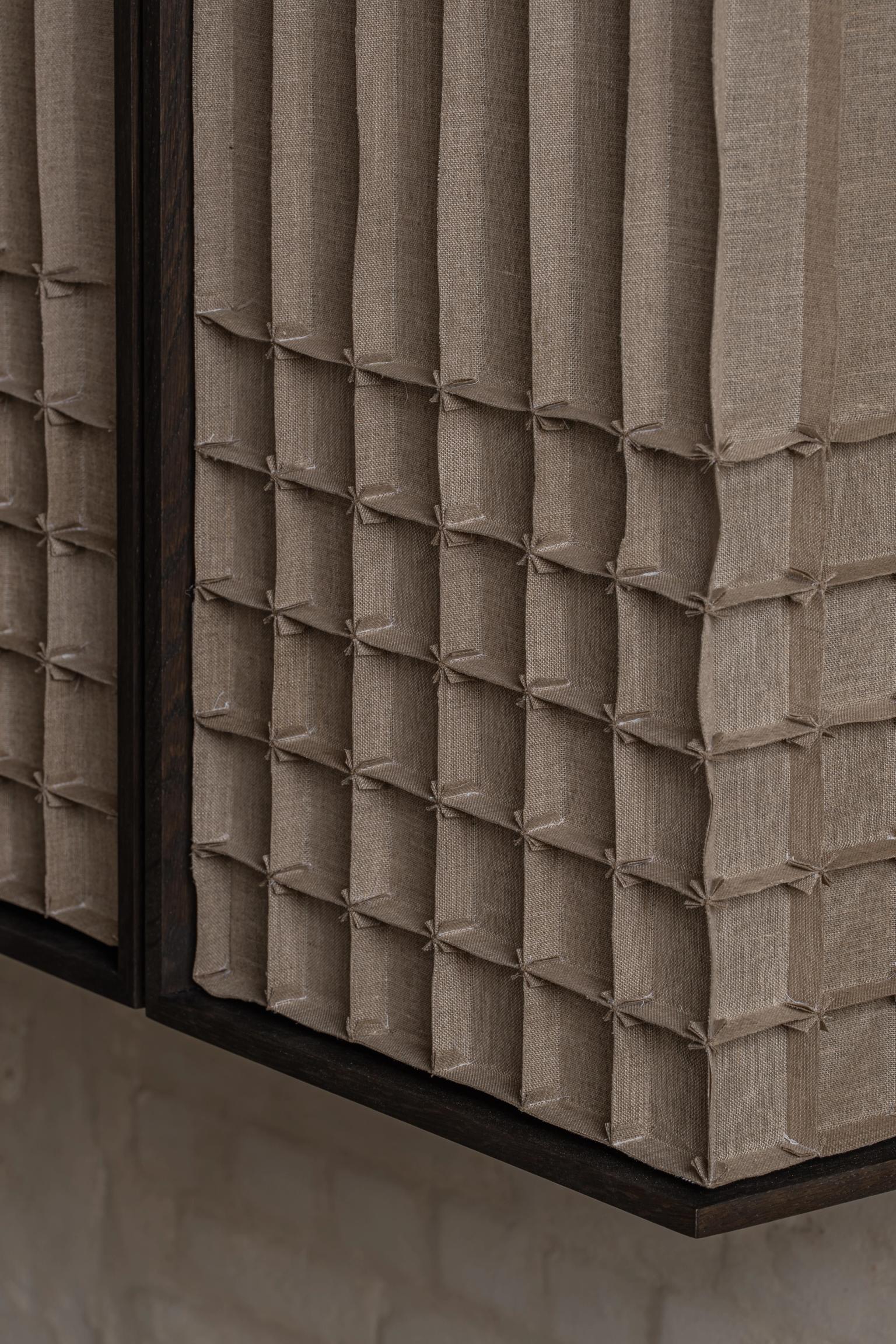
Desiree Groenendal Belgian designers Lefebvre | Lannaux works across furniture and objects, exploring the relationship between architecture, craftsmanship and visual art. The COMO wall is one of their recent collector pieces. What draws me to the piece is the way it sits somewhere between furniture, architecture and art. Its proportions and materials give it a strong presence without making it feel overly decorative. I was particularly drawn to the beautiful stitching in the fabric and the details that reveal themselves when you look closer. It is also a good example of the kind of work I look for at collectible design fairs: pieces by designers who may not yet be widely known, but whose work deserves to be noticed.

A Furniture Piece Rooted in Place
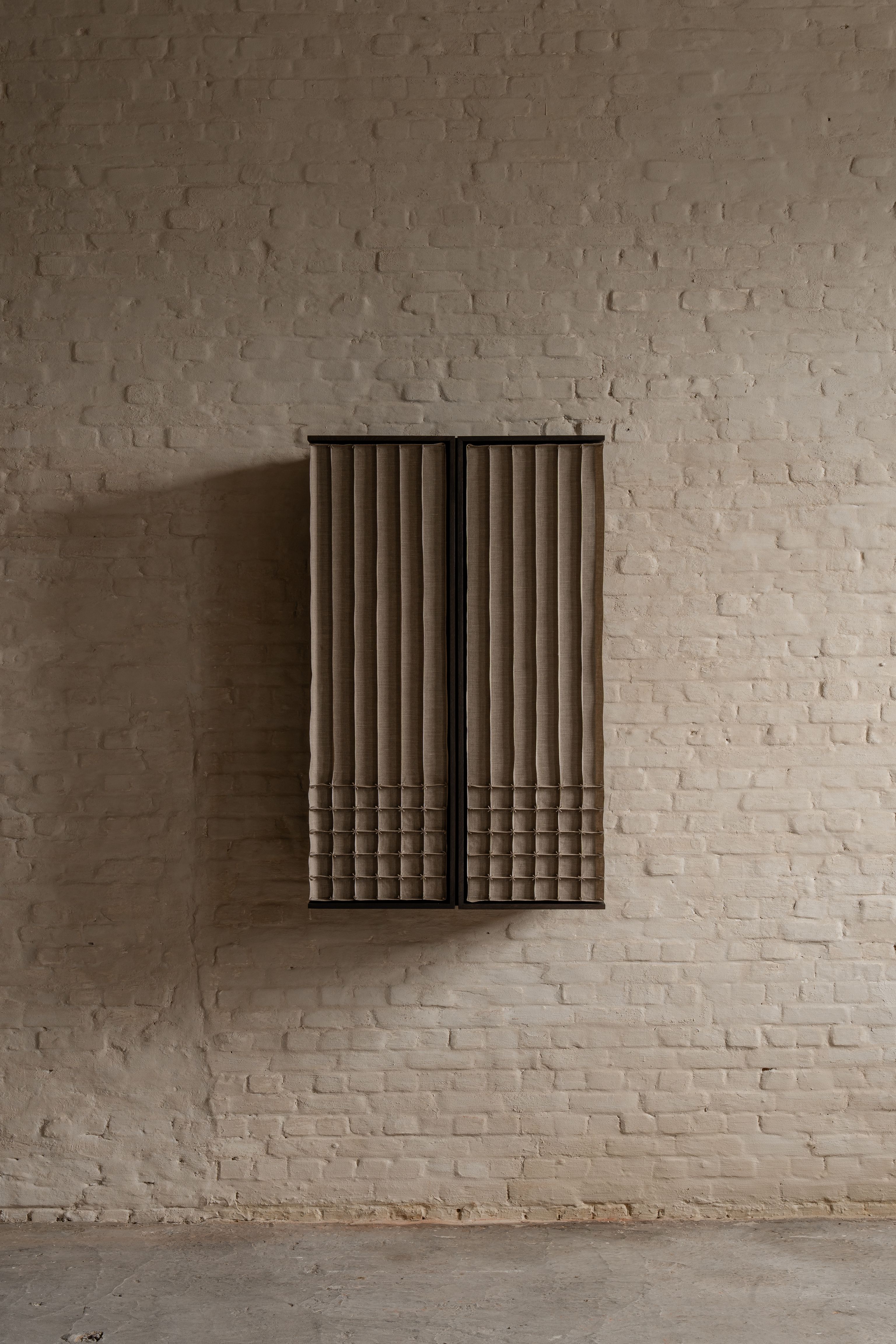
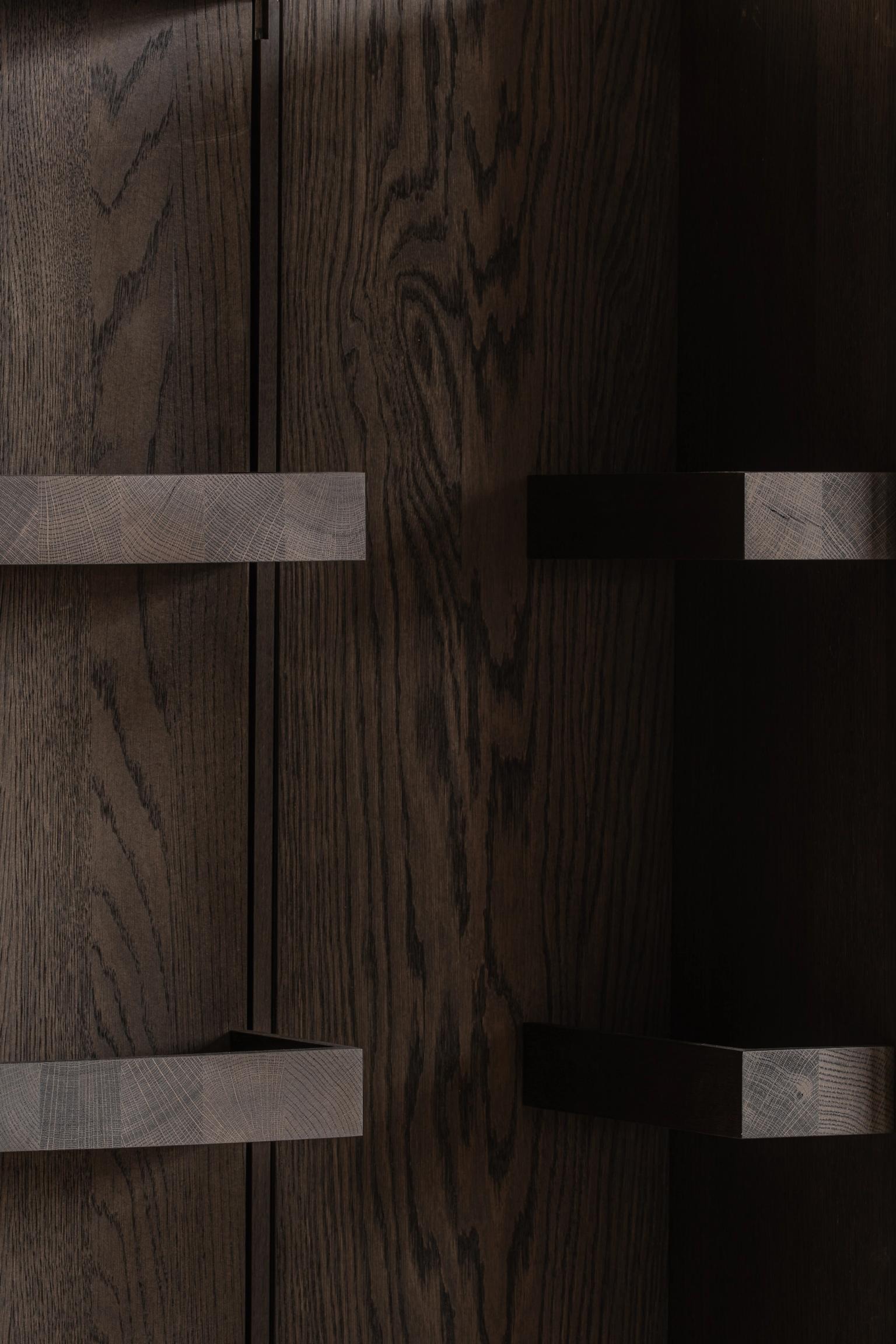
COMO Wall is a collector furniture piece by Belgian designers Corentin Lefèbvre and Maxim Lannaux, presented at Collectible 2026 in Brussels. The piece brings together the duo’s interest in architecture, material origins and craftsmanship, while drawing directly on their personal backgrounds. Solid oak harvested by Maxim’s father in the Sonian Forest is combined with Belgian linen canvas sourced from Corentin’s father’s studio, making the material history of the piece part of its design.


Architecture in Furniture
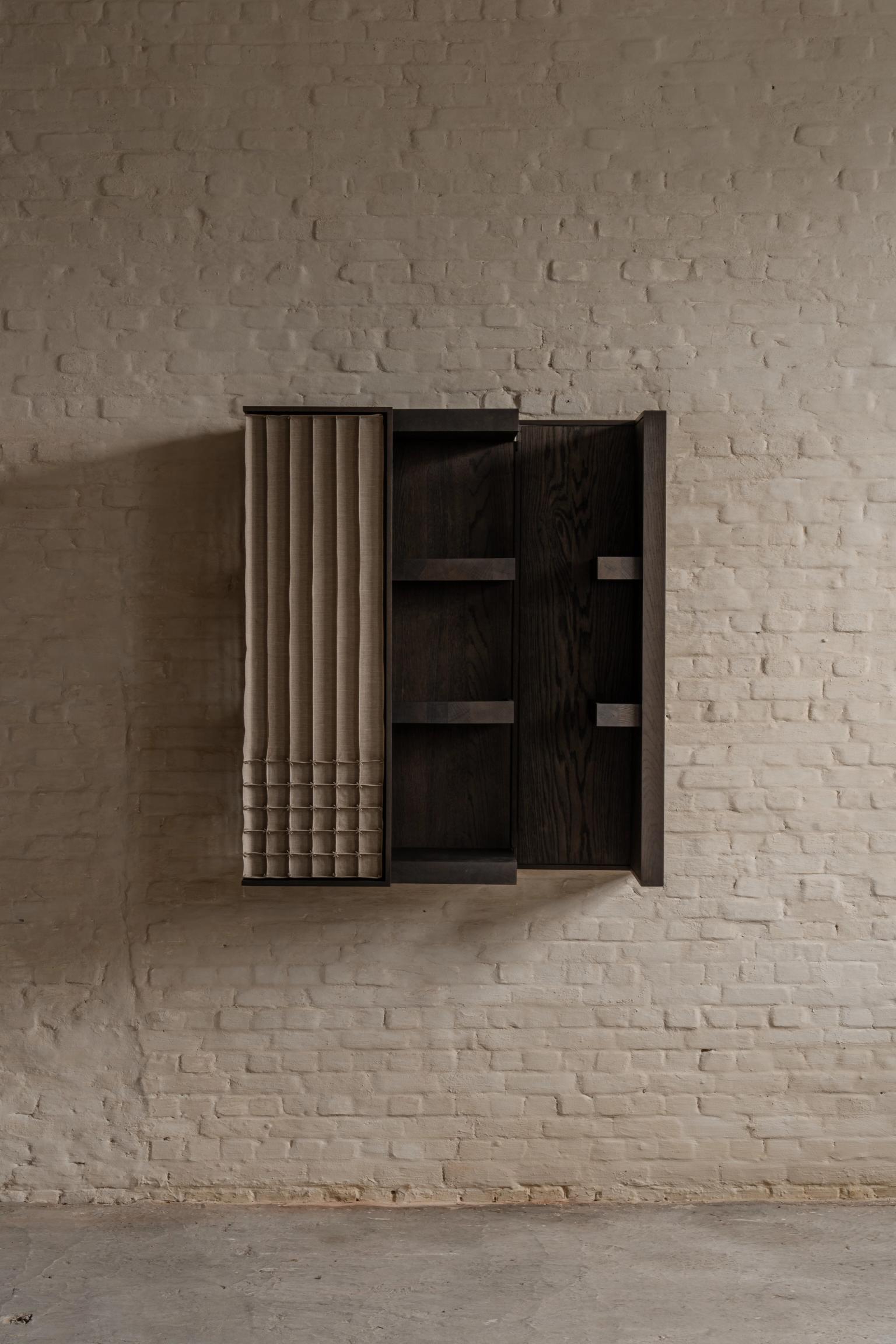
Formally, COMO Wall draws from the architecture of ecclesiastical polyptychs, structures made up of multiple panels that traditionally bring together painting, sculpture and architecture. Lefebvre | Lannaux reinterpret this format as a contemporary wall piece, using a sequence of panels to create a relationship between surface, depth and structure. The design follows their characteristic 5:8 proportional system, which provides the underlying framework for the dimensions and relationships between the different elements.

A Surface of Its Own
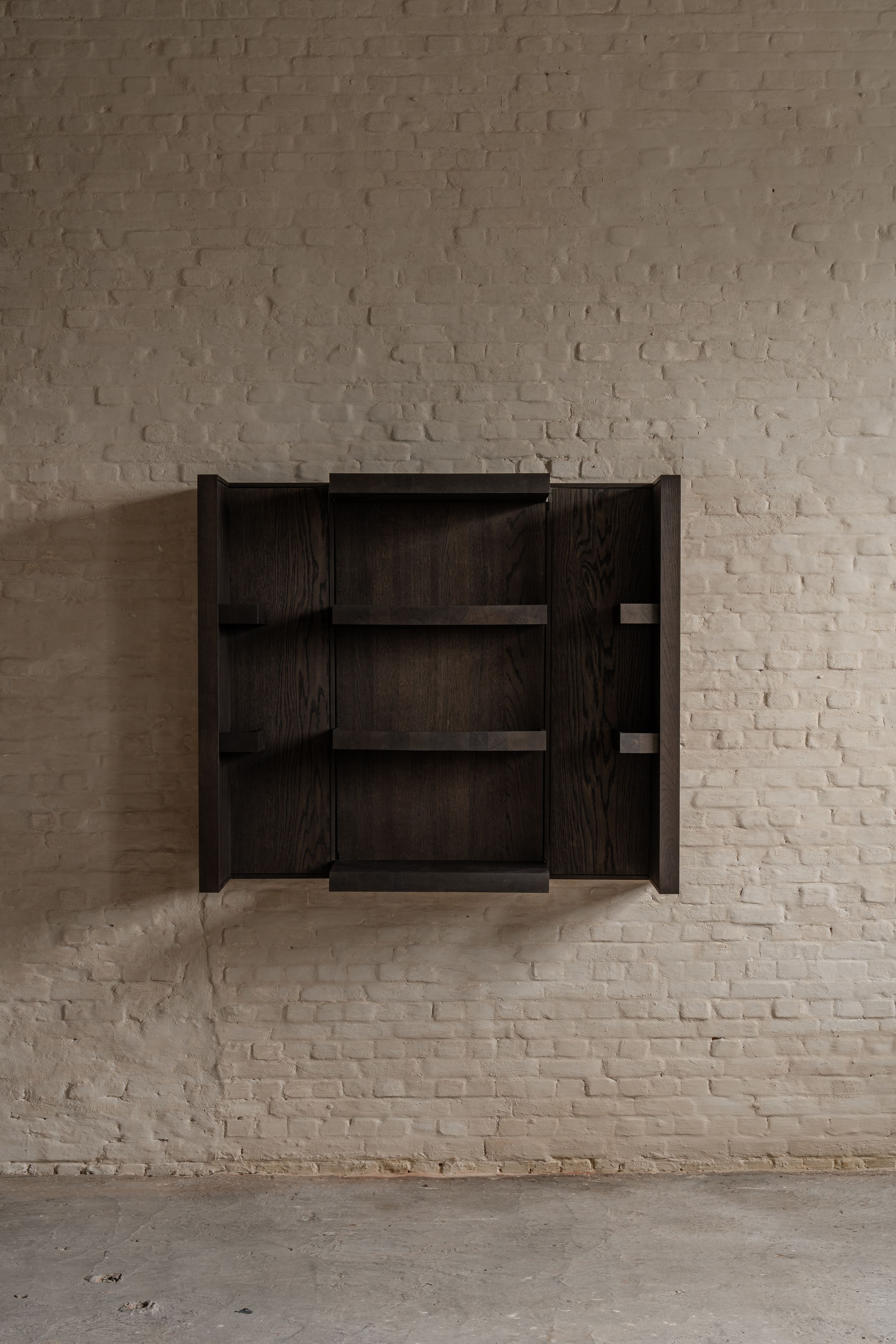
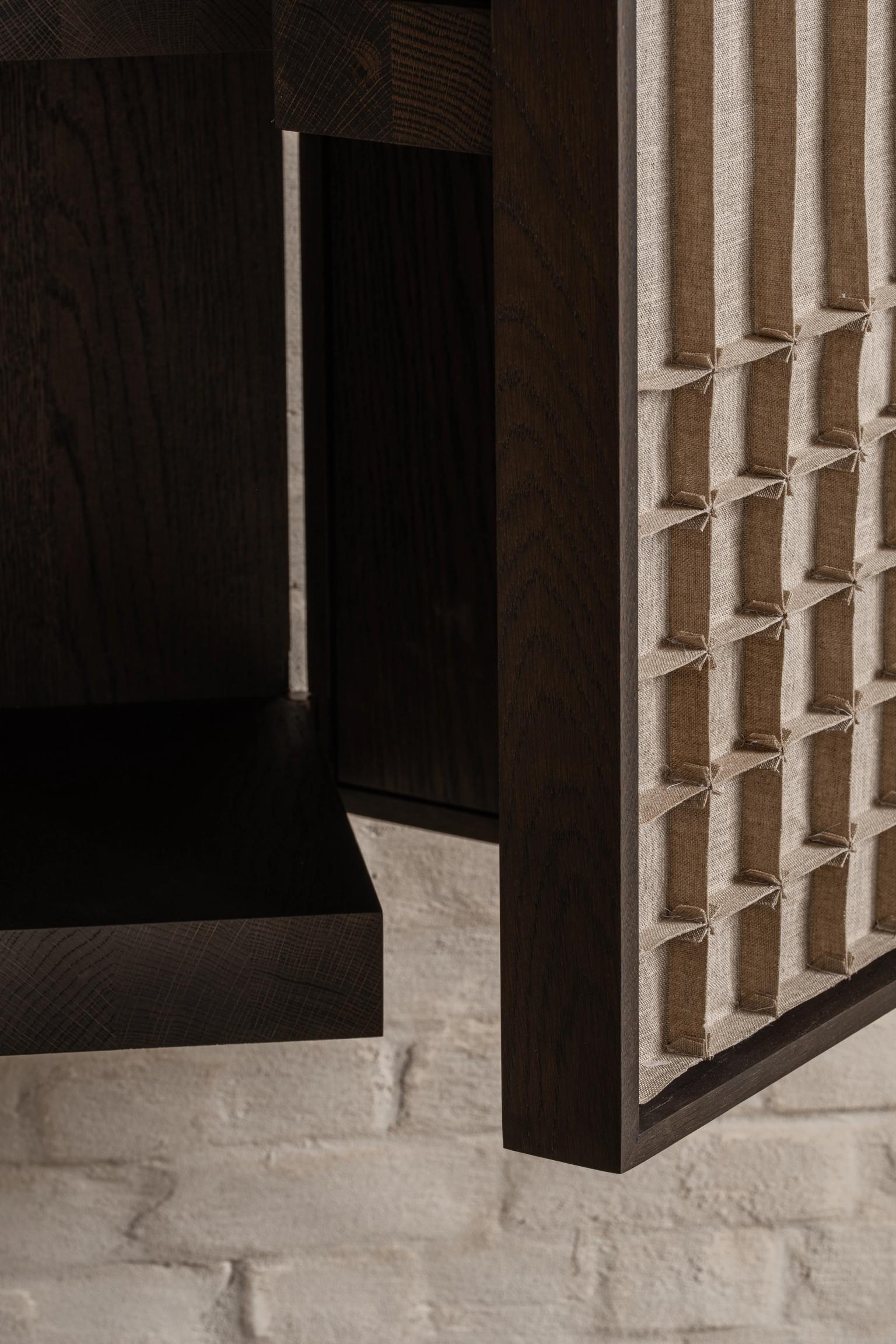
The front is made from individually folded pieces of linen that are manually stitched together into one continuous relief. Rather than simply covering the furniture, the textile was conceived as an autonomous composition, with its folds creating rhythm, depth and shifting shadows across the surface. It is then set within an angled wooden frame, giving the piece a distinctly architectural profile while allowing the linen to flow around its softened corners. Inside, dark-stained oak shelves provide a more solid counterpoint to the tactile exterior.


Made from the Ground Up
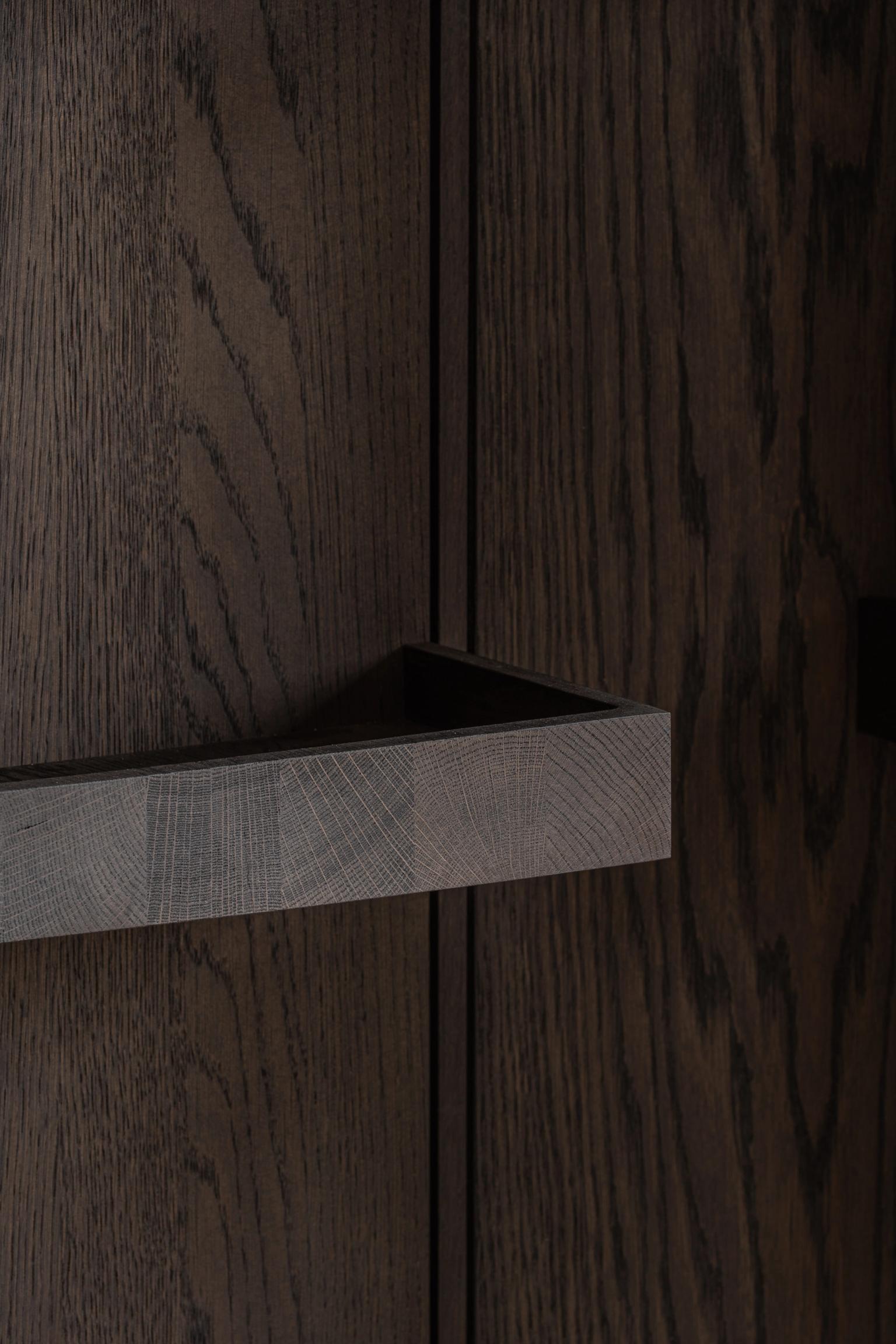
Every component of COMO Wall was developed specifically for the piece, including the timber construction, joints, wrought-iron hinges and fittings. Nothing is standardised, and each element is dimensioned according to the 5:8 system before being executed by hand. This level of control reflects the duo’s approach to making, where the design and production process remain closely connected from the initial concept through to the finished object.

Lefebvre | Lannaux
Corentin and Maxim’s shared approach grew from their studies in interior design at Thomas More University of Applied Sciences in Mechelen and later architecture at Sint-Lucas School of Architecture in Ghent. Their interest in making also began early: Corentin worked alongside his father Frédéric Lefèbvre in his joinery workshop, while Maxim grew up in his family’s Belgian forestry business. Today, the duo develops its work in Antwerp and produces it in its workshop in Mechelen. This combination of architectural thinking, local materials and hands-on production forms the basis of their practice, with COMO Wall bringing these different strands together in a single piece.