
Francisco Goya
Disasters of War
- ArtistFrancisco Goya
TROELS CARLSEN Still the strongest insight in merciless brutality. A tough lesson in the atrocities of war. These cobber etchings are straight out masterful. Published 35 years after his death.


The Story Behind Francisco Goya’s Disasters of War
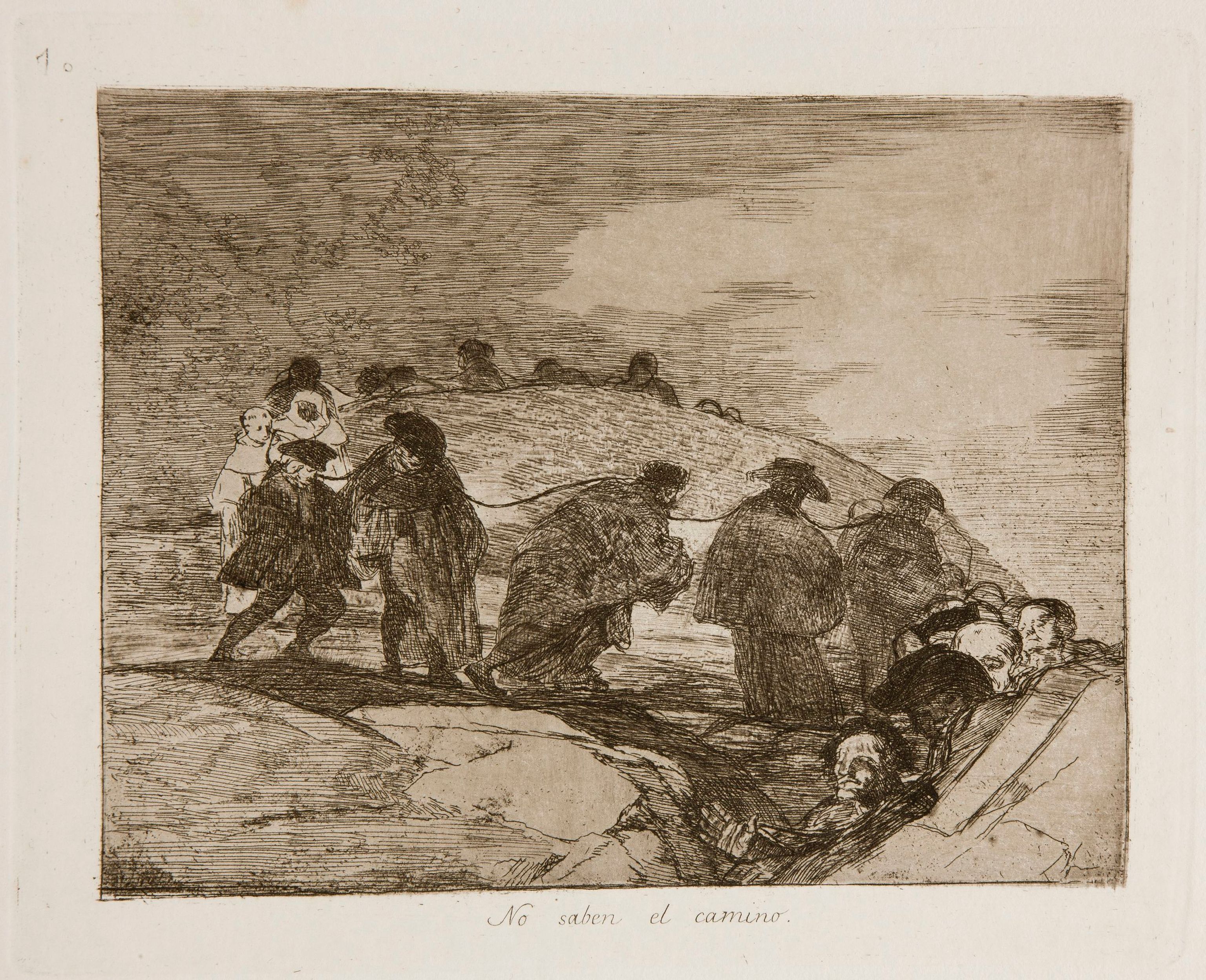
When Francisco Goya began working on Los Desastres de la Guerra, Spain was in the grip of violence. Napoleon’s troops had invaded, and the countryside became a stage for executions, famine, and revenge killings. Goya was already famous as a court painter, but these prints show another side of him. Not the artist of velvet gowns and royal smiles, but a witness who refused to look away.
He did not make these images for public display. They were private, almost secret. Etched between 1810 and 1820, they stayed hidden for decades. Only in 1863 were they finally published. By then, the events they showed were history. The emotions were not.

A War Without Heroes
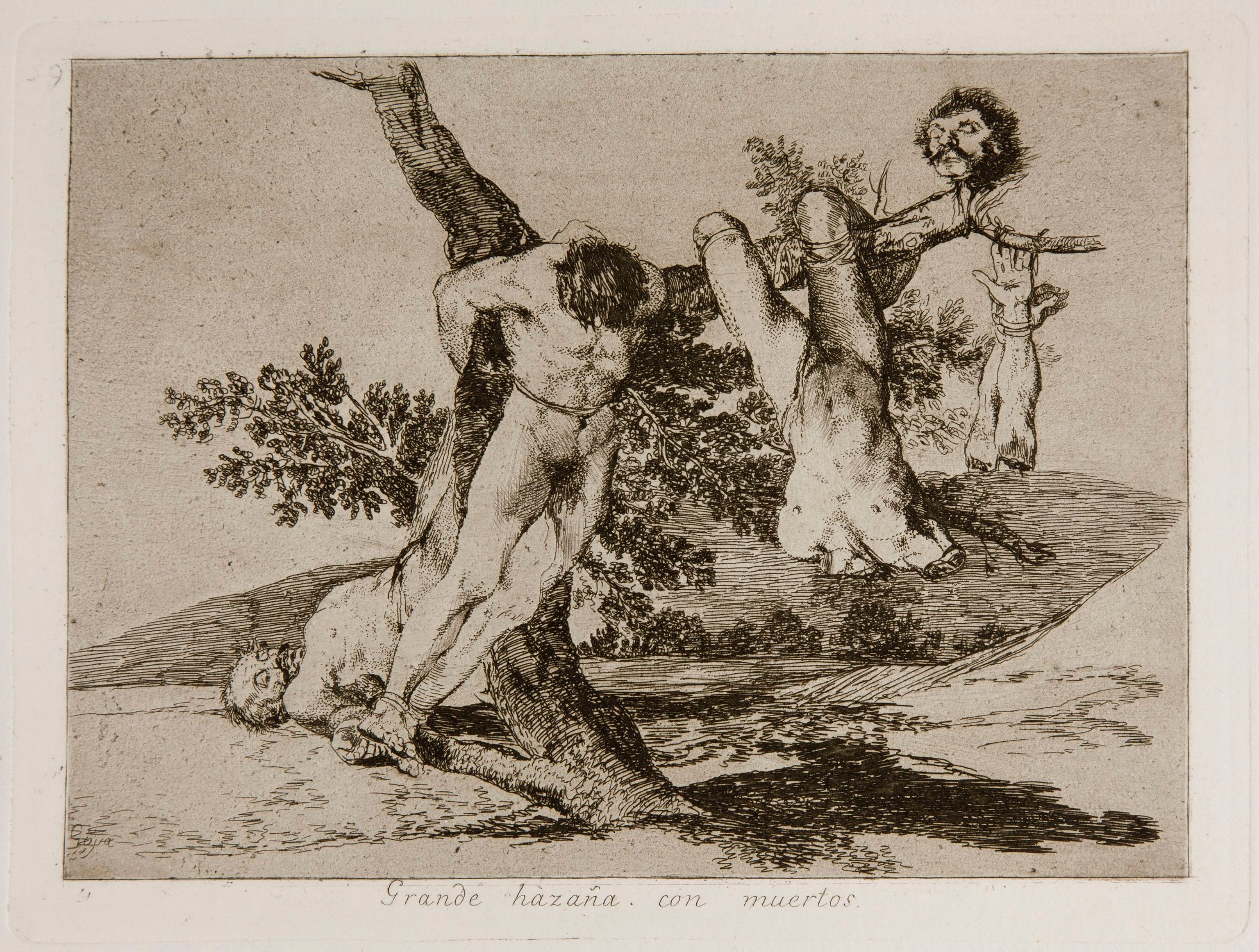
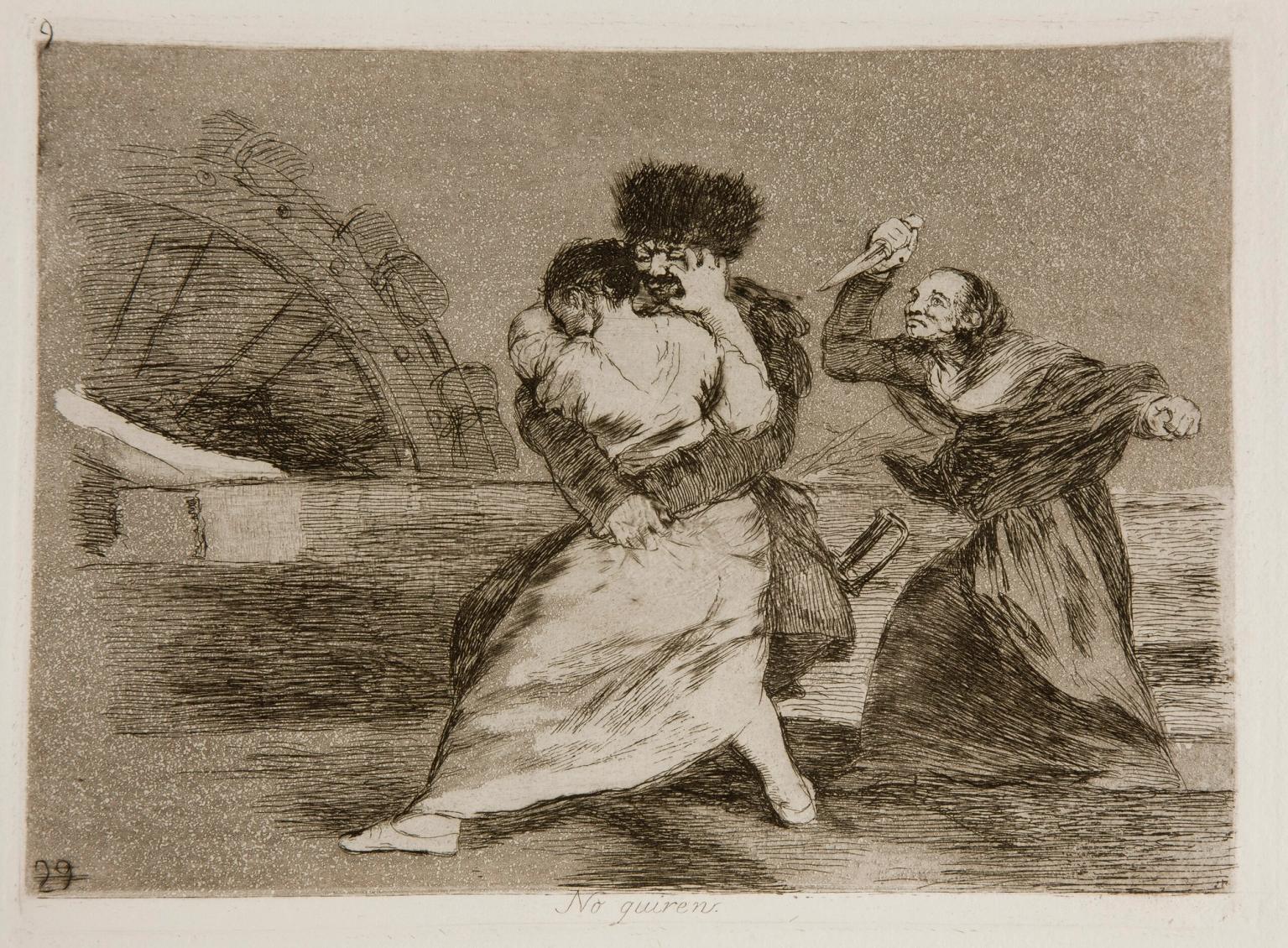
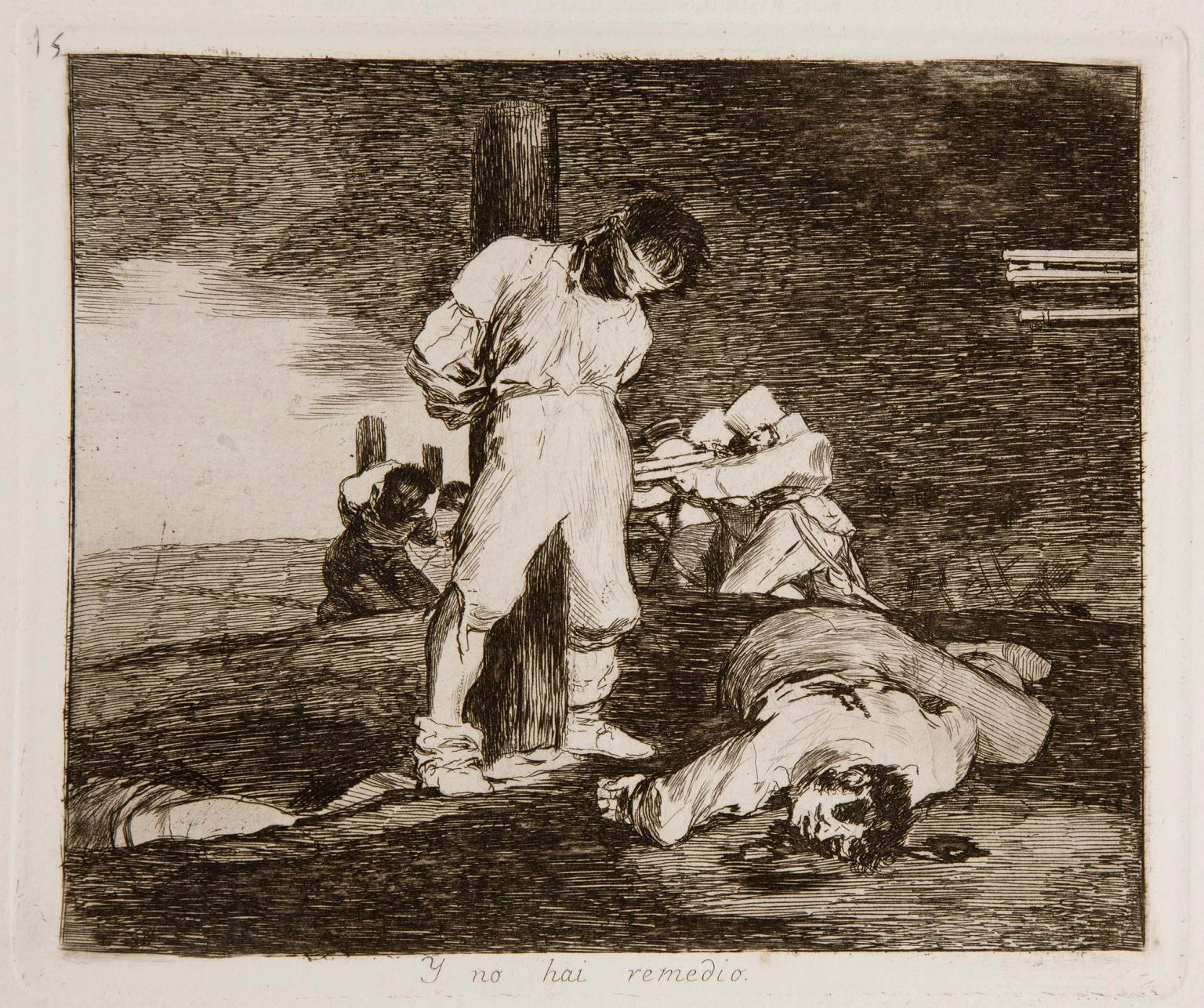
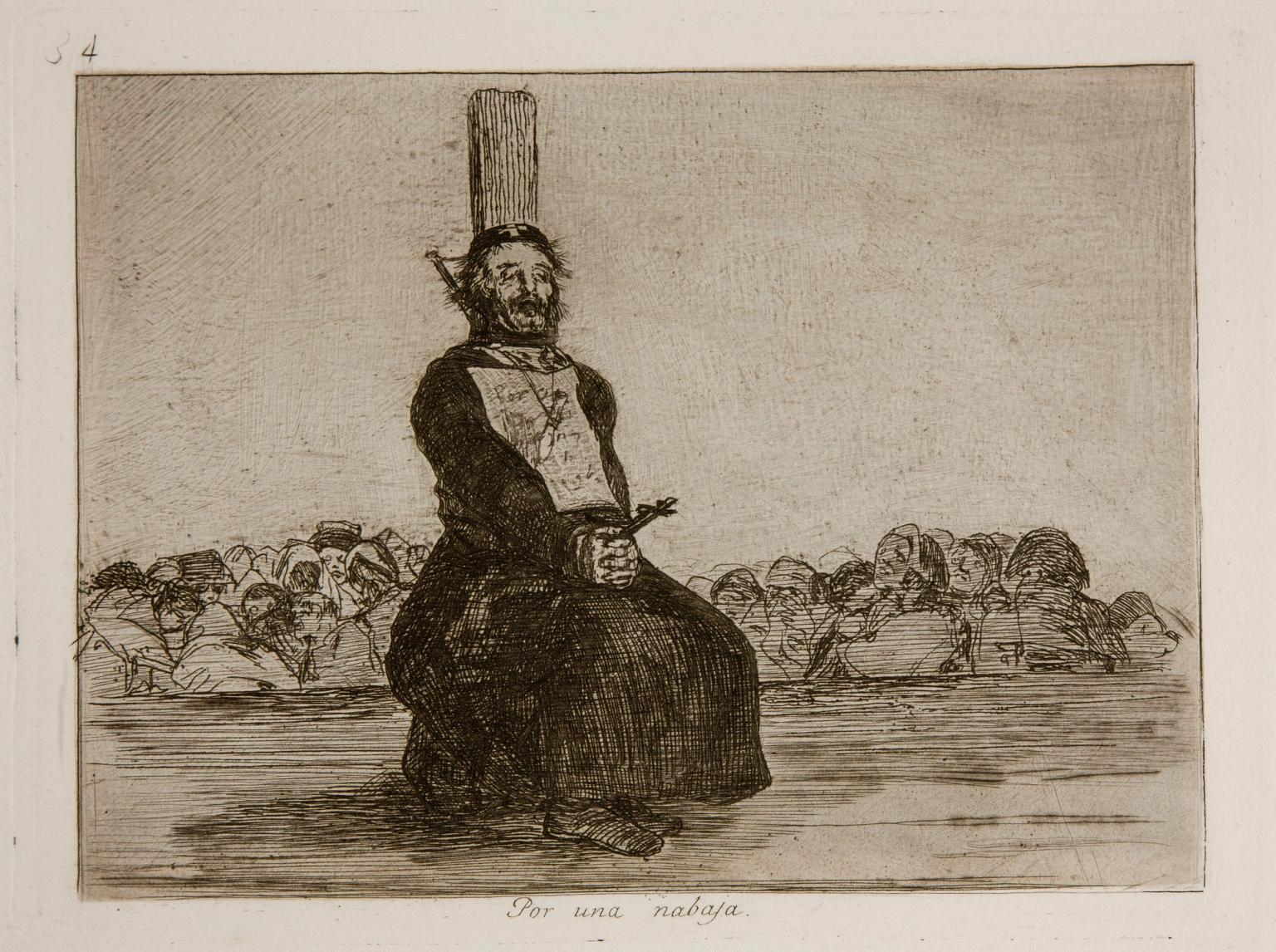
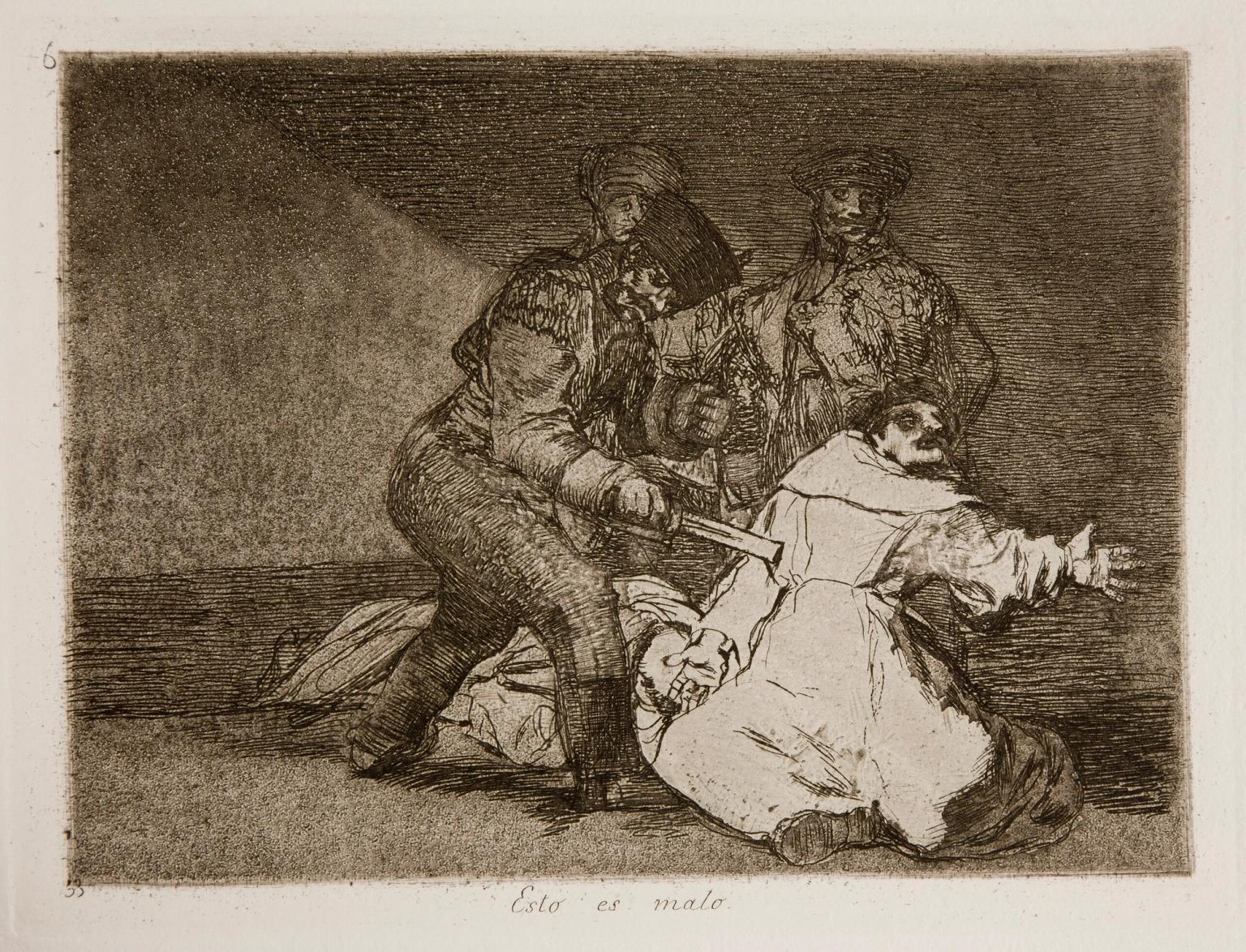
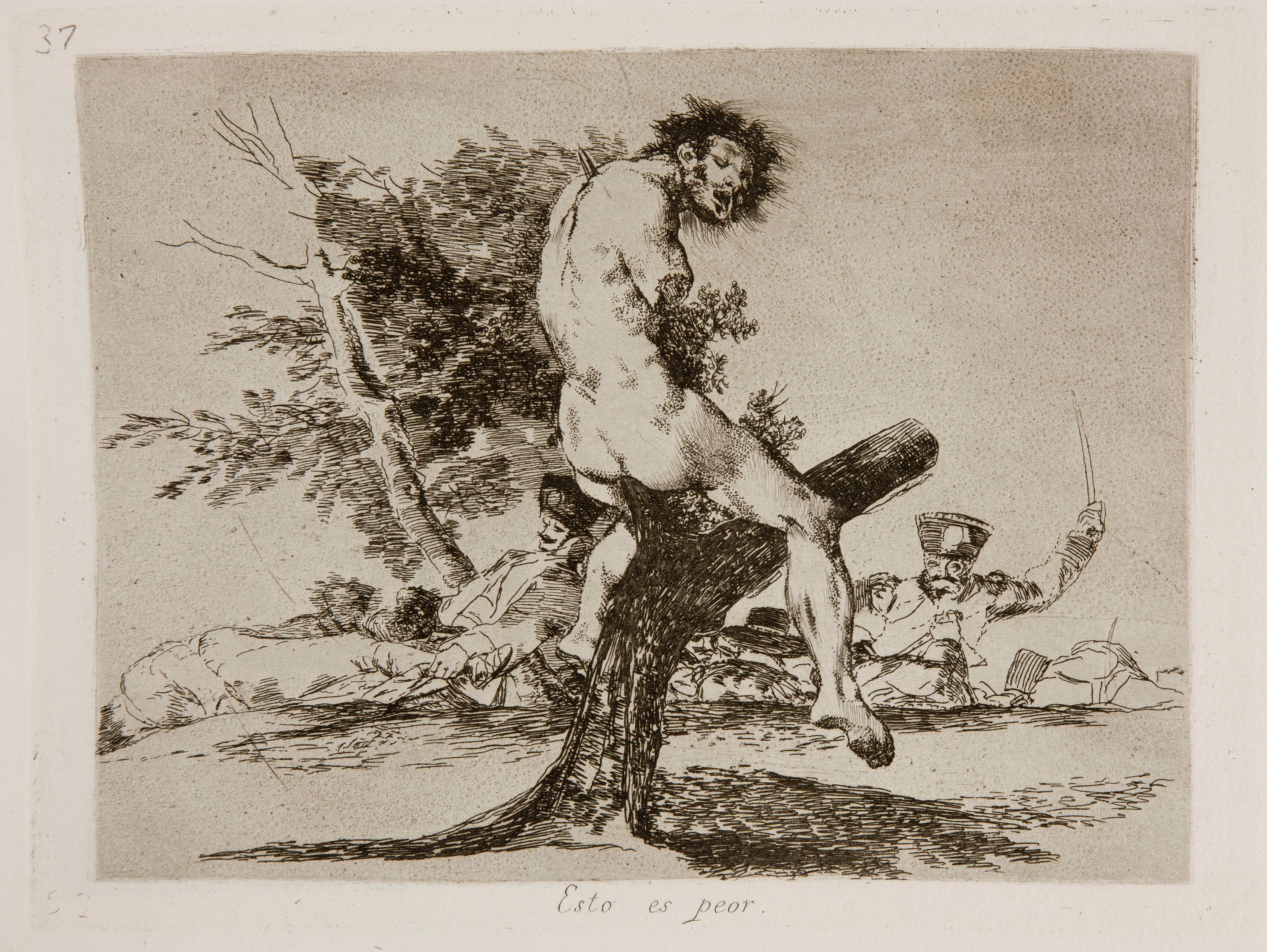
Most war art before Goya celebrated victory. Generals posed on horseback. Battles looked clean and glorious. Goya tore that idea apart. In his plates, soldiers and civilians suffer in the same way. There are no triumphant flags. There are bodies hanging from trees. Mothers clutching dead children. Prisoners waiting for execution.
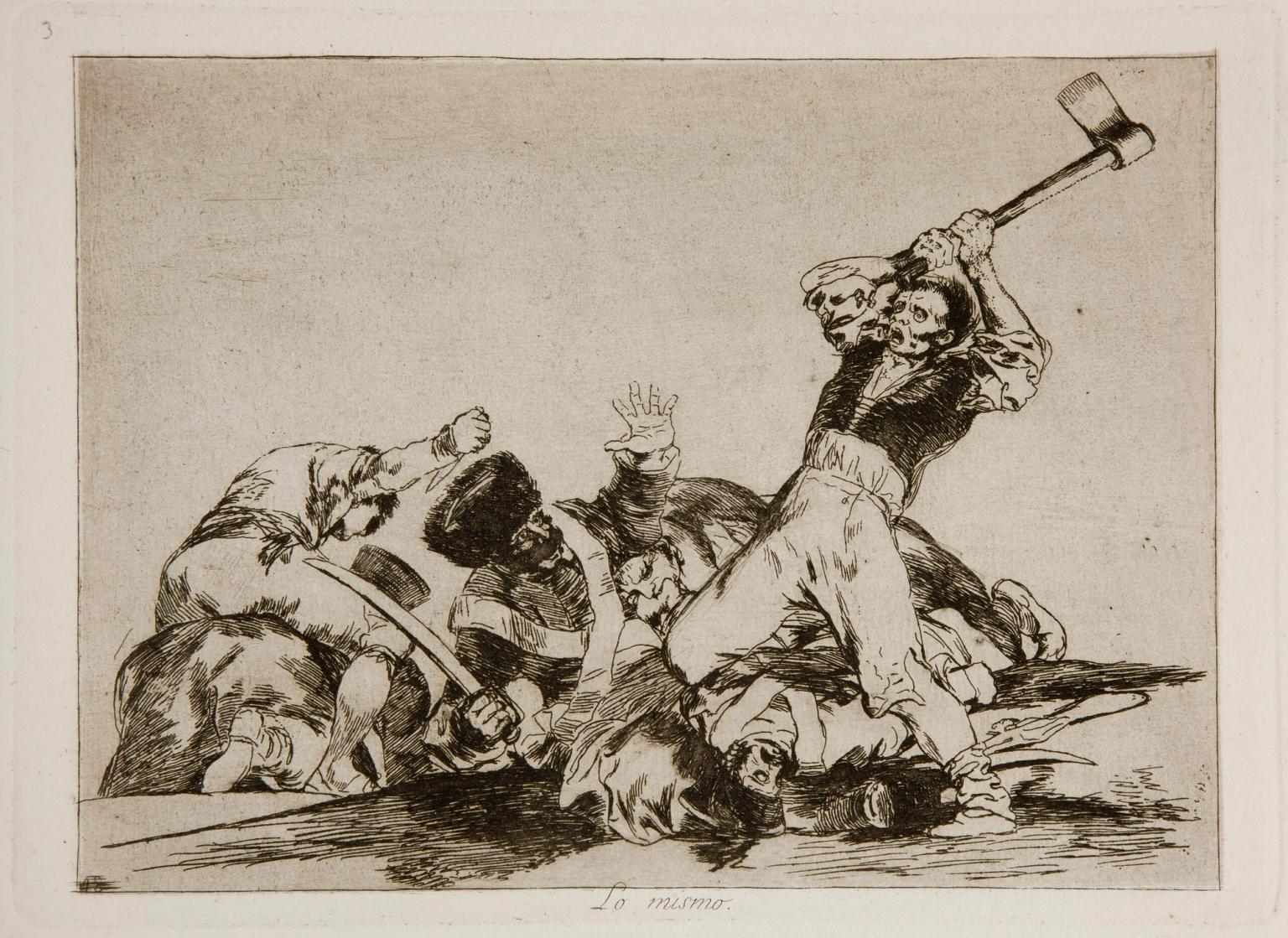
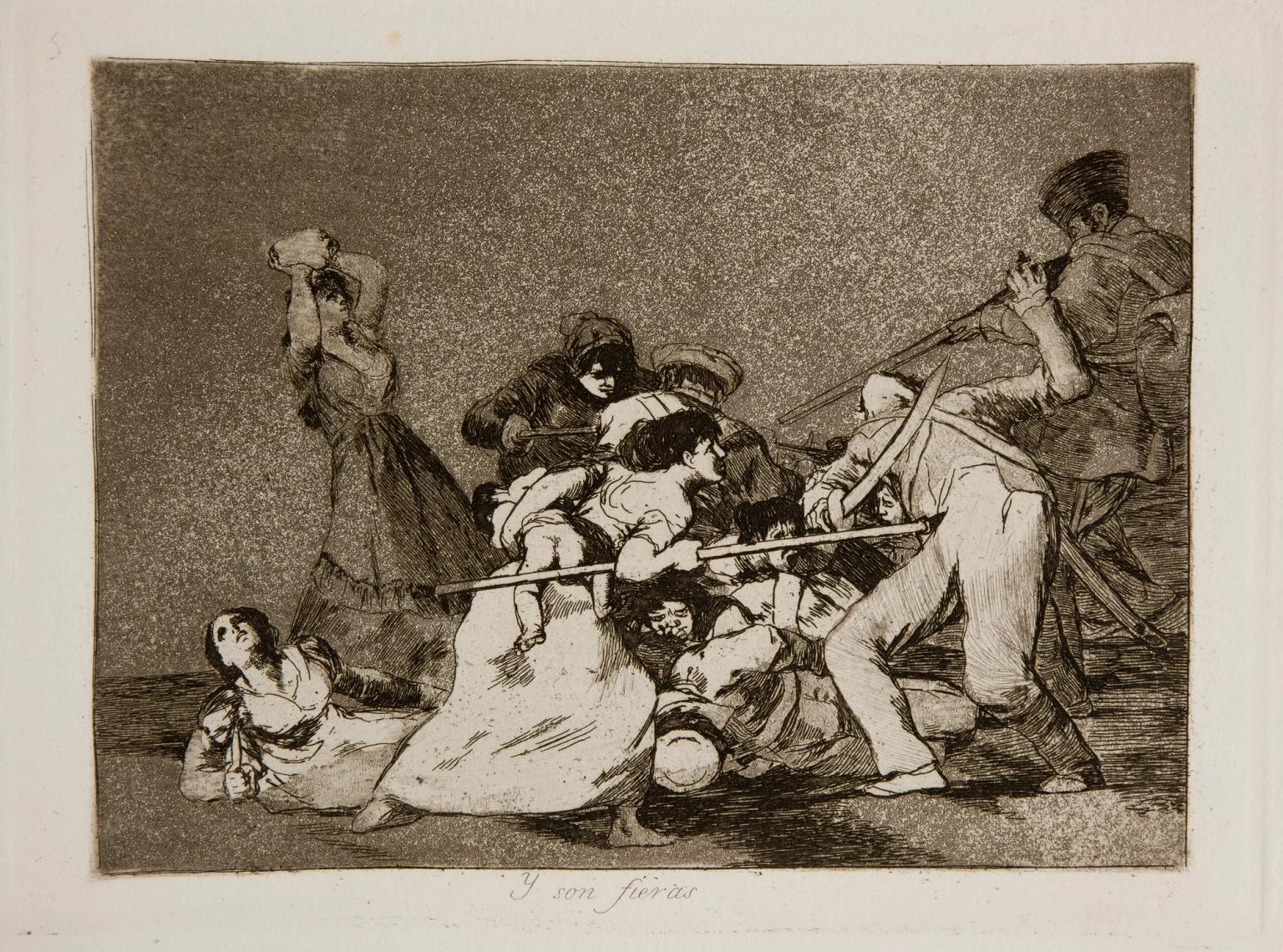
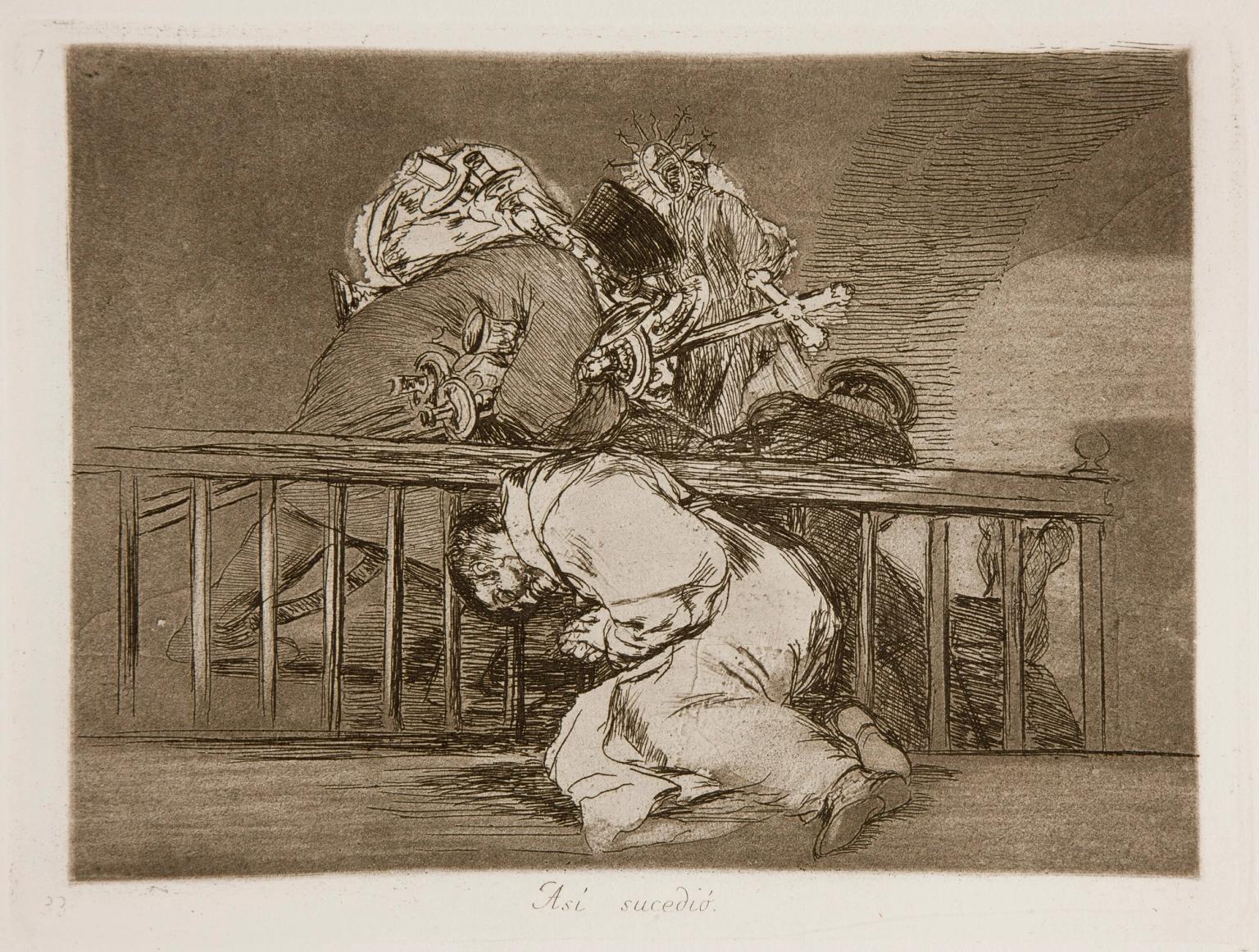
Many prints carry bitter captions. This is worse. Why. I saw this. These words make the scenes feel like journal entries rather than official records. Goya was not reporting strategy. He was reporting pain.
The Artist as Witness
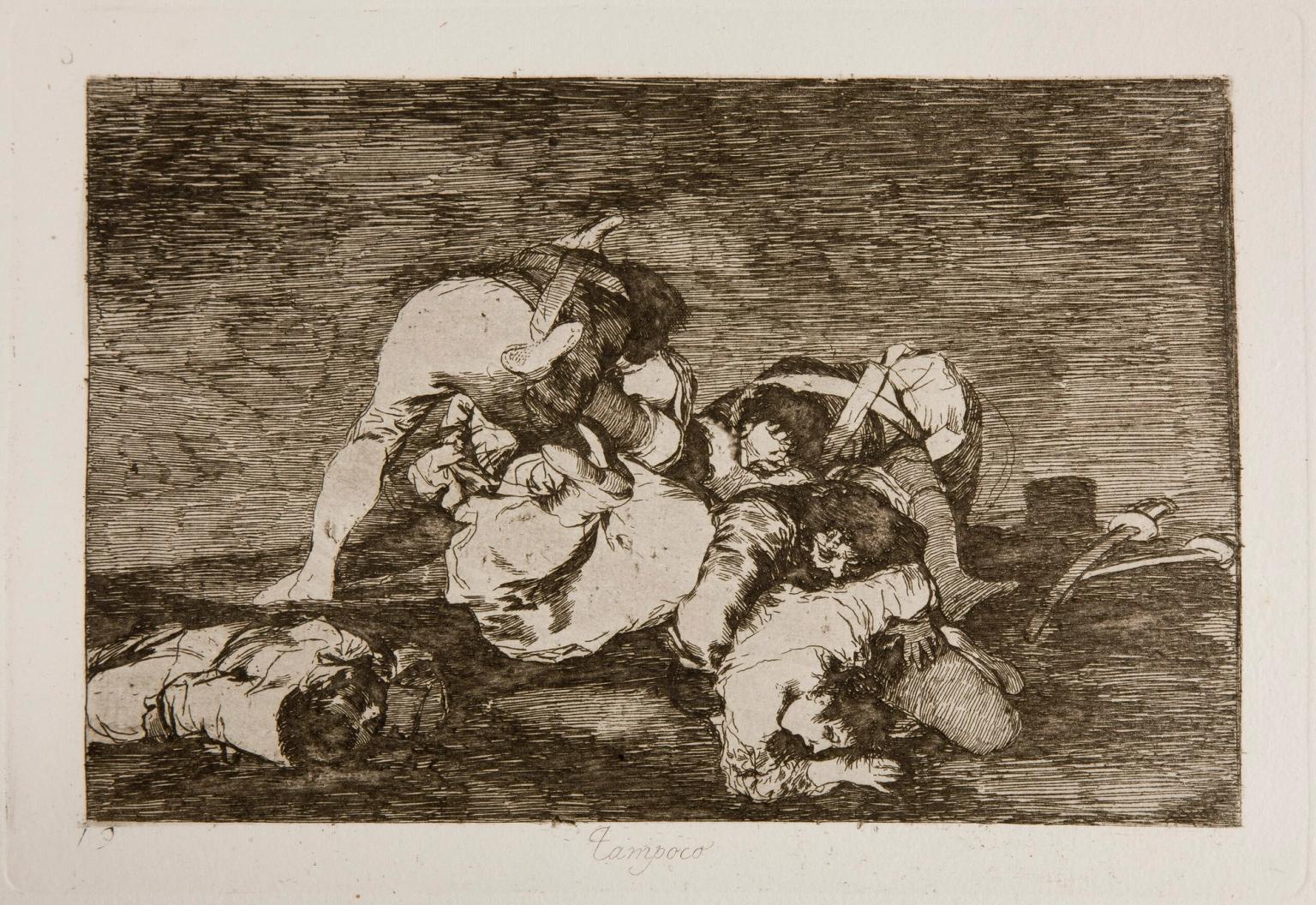
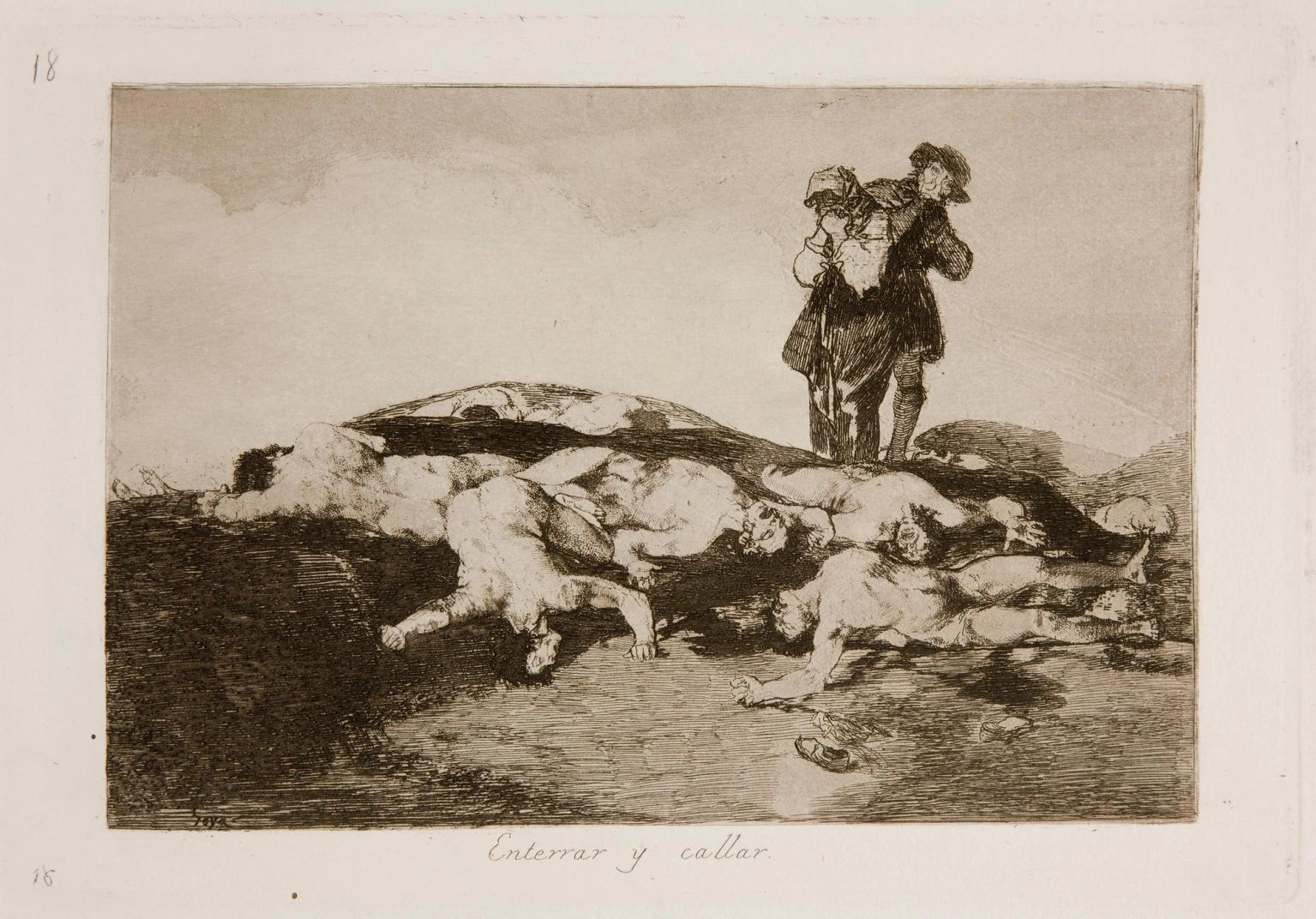
Goya never shows himself in the images, but his presence is felt everywhere. Some plates suggest he saw these acts with his own eyes. Others feel imagined but emotionally true. Starving peasants scrape for food. Corpses pile up in the streets. Faces are twisted in terror and disbelief.
What makes the series powerful is its refusal to choose sides. French troops commit atrocities. Spanish fighters do too. Violence spreads like a disease. Goya’s message is not about which army was right. It is about what war does to human beings.






Darkness and the Birth of Modern Art
The style of the prints is rough and direct. Heavy shadows swallow the figures. Light falls like a spotlight on suffering. There is no decorative background, no comforting distance. The viewer stands inside the scene.
This approach changed how later artists thought about conflict. Goya did not beautify horror. He exposed it. In doing so, he became a bridge between classical art and modern realism. His war is not a myth. It is a nightmare.

Why These Images Still Matter
More than two centuries later, the scenes still feel uncomfortably current. Civilians trapped in violence. Executions carried out in silence. Hunger as a weapon. Goya’s prints do not belong only to one war. They speak to every war.
That may be why they remain so disturbing. They offer no moral comfort, no promise of justice at the end. Only a record of what happens when power crushes ordinary lives.
Goya once painted kings. In The Disasters of War, he painted humanity stripped bare. It is not a story of glory. It is a story of what war really costs.