
the work of
Edward Burtynski
- PhotographerEdward Burtynsky
- Gallery© Edward Burtynsky, courtesy Galerie Springer, Berlin
Nicola Bertellotti Burtynski’s monumental industrial landscapes operate at the intersection of awe and critique. His work presents the Anthropocene not merely as environmental degradation, but as a sublime, terrifying transformation of the Earth’s surface. What deeply captivates me is his ability to find a structured, almost classical painterly equilibrium within sites of extraction, prompting a contemplative gaze into the precarious beauty of human impact.

A Photographer of the Industrial Landscape
For more than four decades, Canadian photographer Edward Burtynsky has documented landscapes shaped by industry, infrastructure and resource use. Born in St. Catharines, Ontario, in 1955 to a family of Ukrainian heritage, Burtynsky grew up near the General Motors plant and the Welland Canal. The factories, machinery, ships and infrastructure surrounding him became an early point of reference for his photography. After studying Photography and Media Studies at Toronto Metropolitan University, he founded Toronto Image Works in 1985 while developing a practice focused on industrial and altered landscapes. His work has since taken him to mines, quarries, shipbreaking yards, oil fields, dams, agricultural sites, cities and remote regions around the world.

Working at a Distance
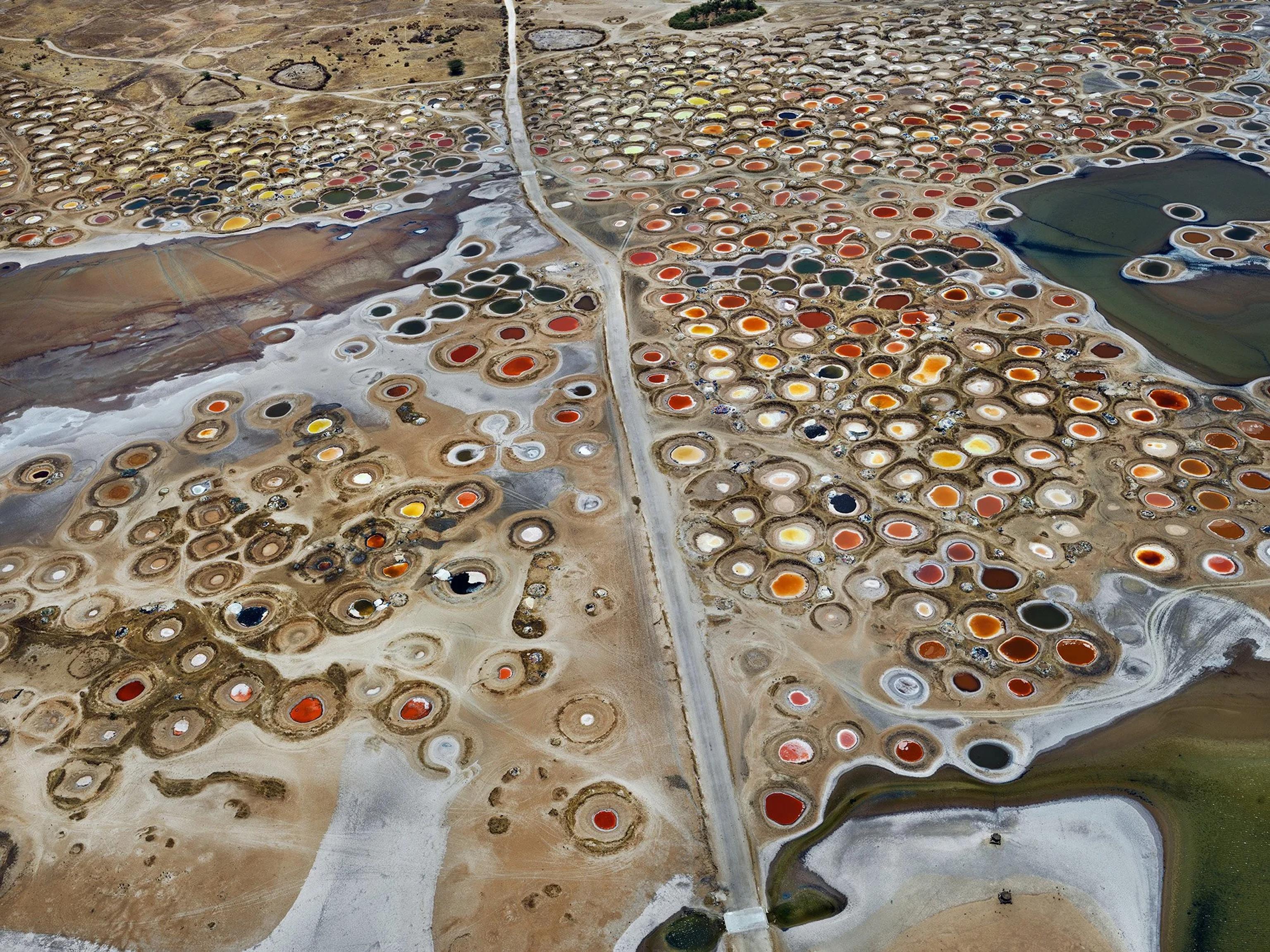
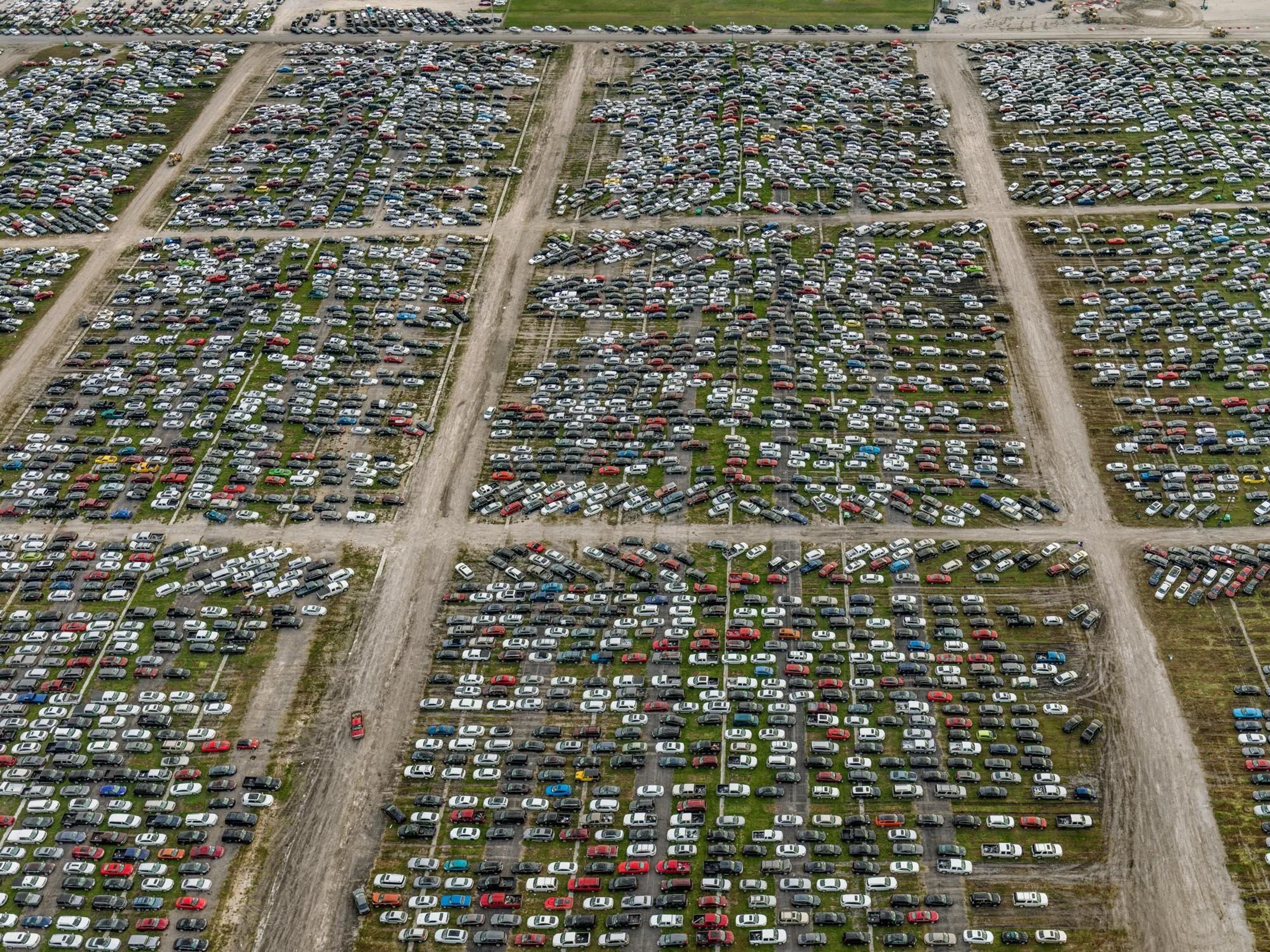
A defining characteristic of Burtynsky’s photography is his use of scale and distance. Working with large-format cameras and elevated viewpoints, he often photographs from far enough away that individual objects become part of larger patterns. This approach allows him to describe complex sites as a whole rather than focusing on a single event or structure. Excavated earth, rows of machinery, roads and industrial facilities can form unexpected geometries and colour fields. The photographs therefore operate on two levels: they record specific places and processes while also drawing attention to the visual structures created by human activity. This method has shaped some of his best-known bodies of work, including Mines, Quarries, Tailings, Oil and Water.

From Mines to Manufactured Landscapes
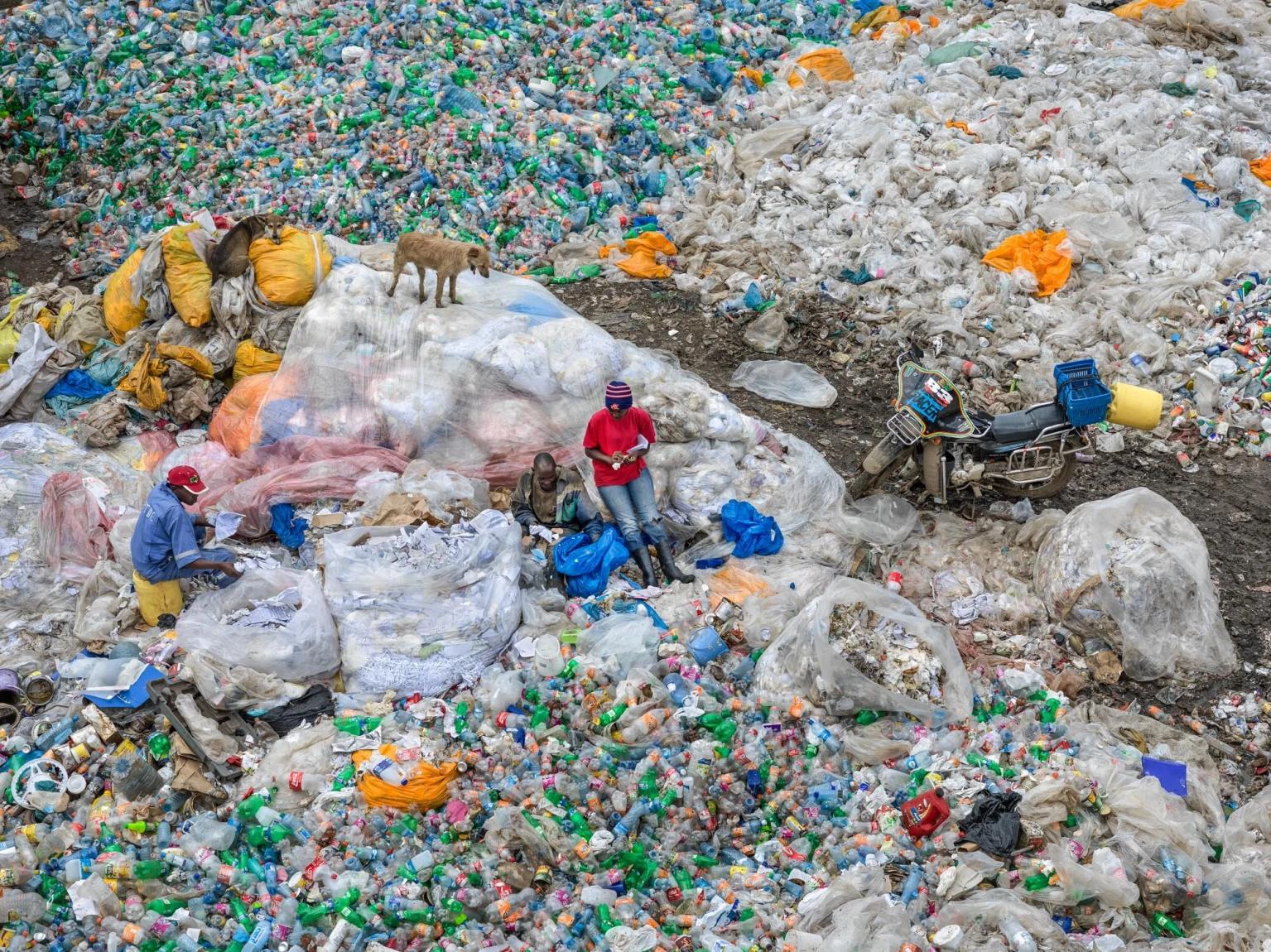
Burtynsky’s projects often develop over many years, allowing him to follow a particular subject across different locations. His work has examined mining, oil, water, agriculture, recycling, transportation and urban development, building an extensive record of the systems that support contemporary life. His 2006 documentary Manufactured Landscapes, directed by Jennifer Baichwal, followed Burtynsky through factories, mines, recycling yards and other industrial environments and introduced his work to a wider audience. It also marked the beginning of a long-term collaboration with Baichwal and cinematographer Nicholas de Pencier, which later continued with Watermark and Anthropocene.
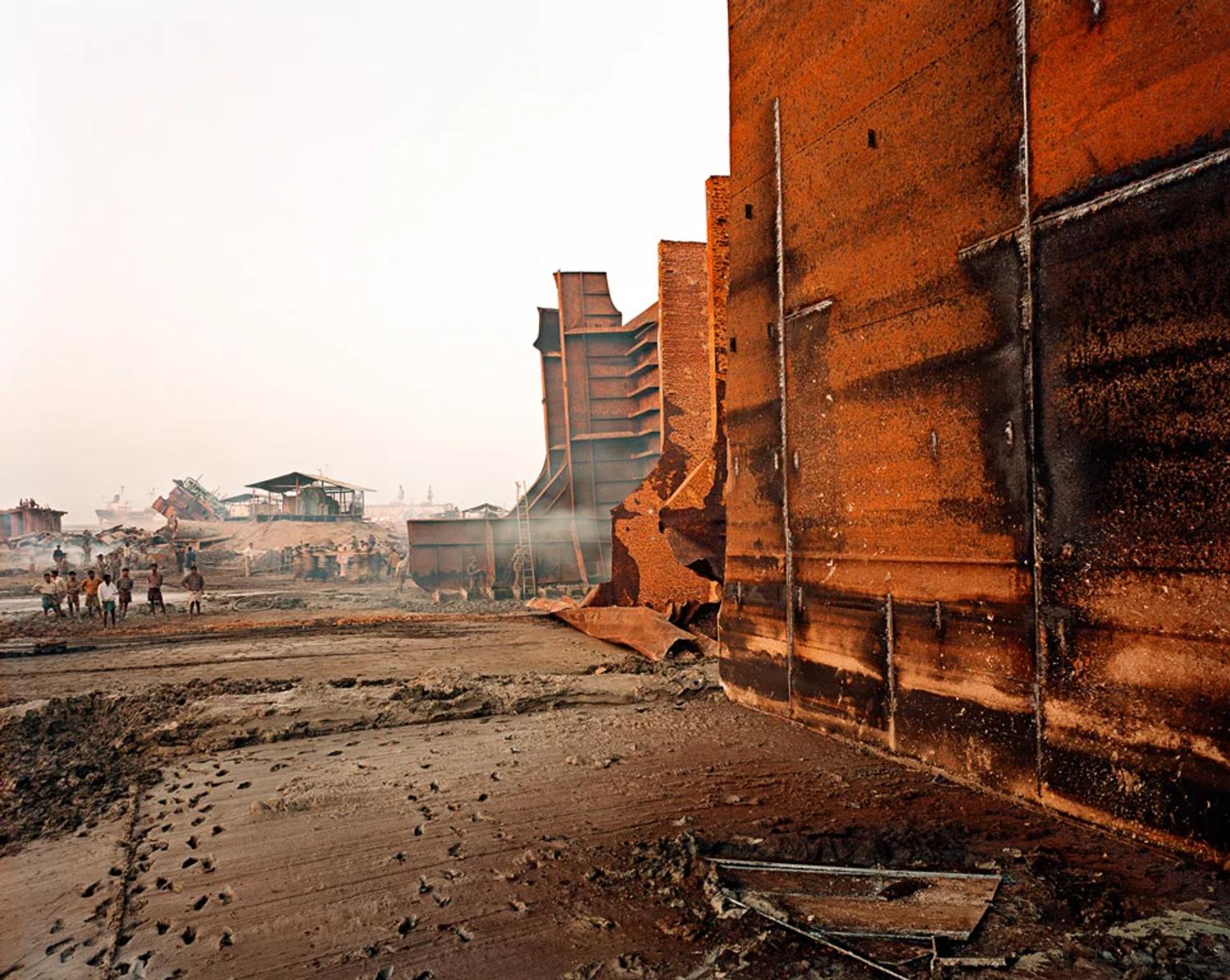

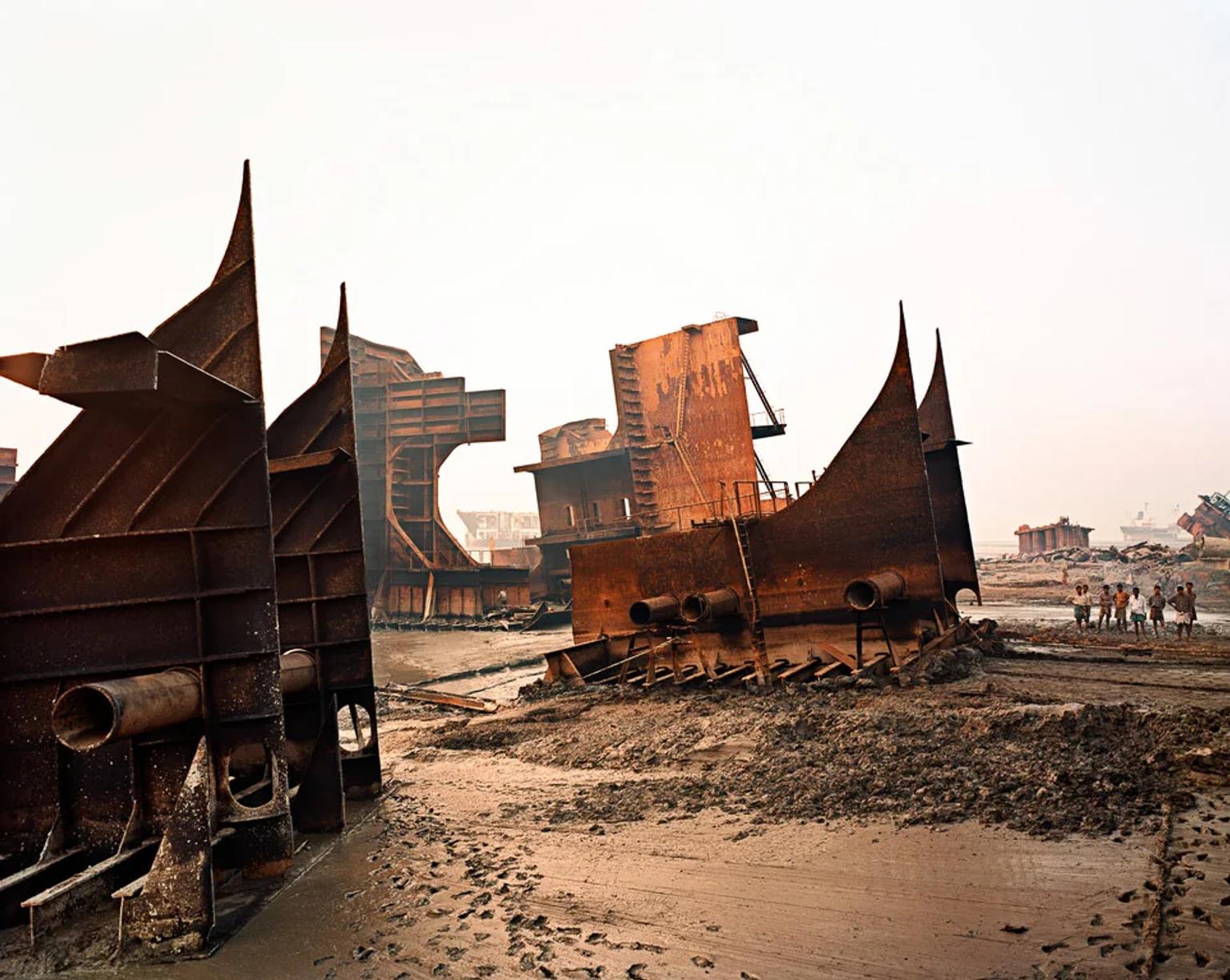

Shipbreaking
For Shipbreaking, Burtynsky turned his attention to what happens to some of the largest structures produced by modern industry once they reach the end of their working lives. The project began after he heard a radio programme about the risks associated with single-hulled ships and the regulations that would eventually force many of them out of service. This led him to shipbreaking sites in India and Bangladesh, where enormous vessels are dismantled by hand and machinery.
Burtynsky initially saw the process as a remarkable form of recycling: ships are taken apart and their materials returned to circulation. His photographs, however, also document the difficult conditions and physical remains of the process. The project became an example of how a single industrial system can involve both resource recovery and significant environmental and human consequences.
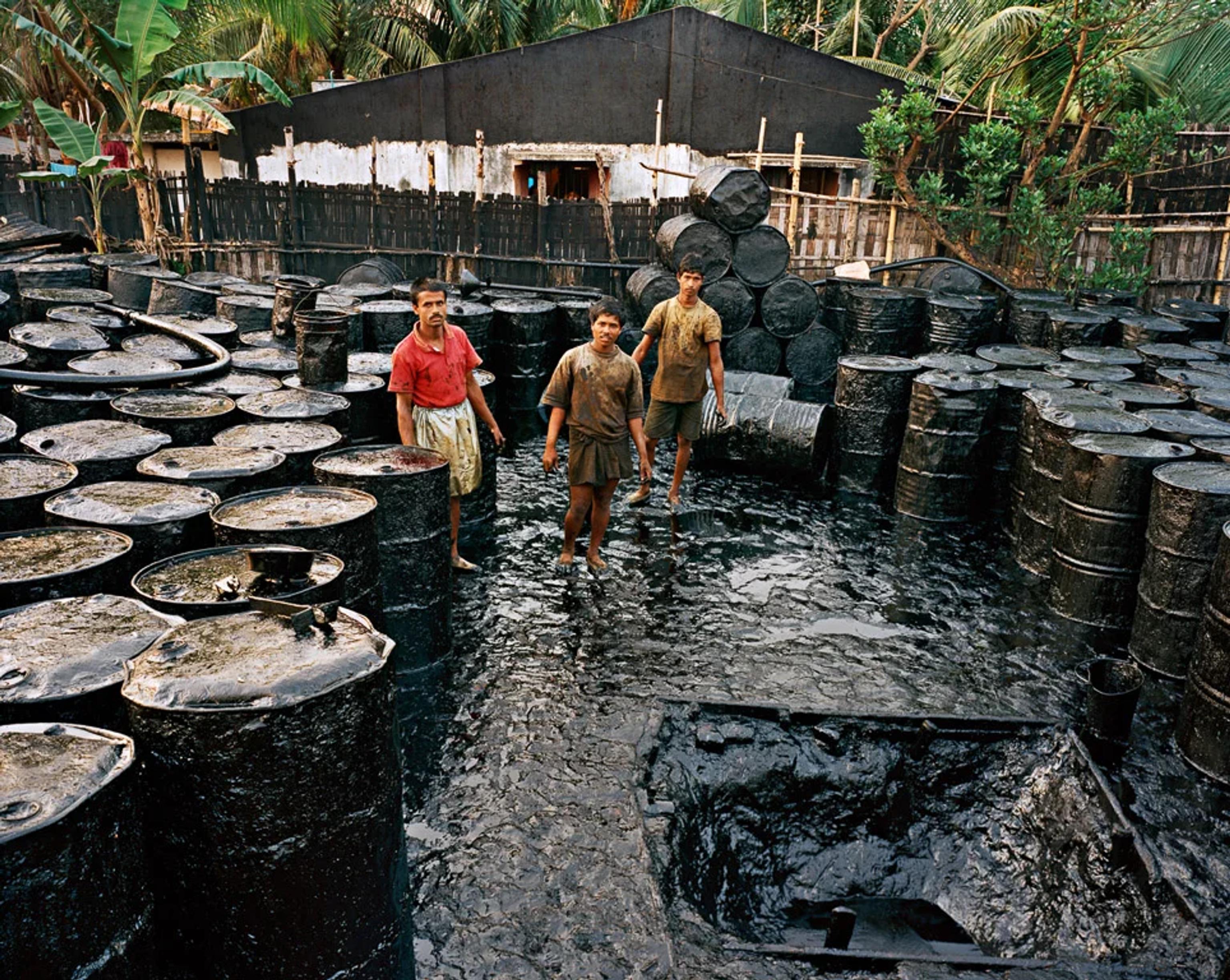

Looking Across a Continent
Burtynsky’s interest in large-scale systems extends beyond individual industries. For African Studies, he spent seven years travelling through sub-Saharan Africa, visiting Kenya, Nigeria, Ethiopia, Ghana, Senegal, South Africa, Botswana, Namibia, Madagascar and Tanzania. The project brings together environments and economies that differ widely, from natural landscapes and agriculture to artisanal mining and mechanised extraction.
Rather than presenting Africa as a single subject, the series reflects the variety of places he encountered while examining the effects of resource use, development and changing land use. Some photographs focus on highly altered environments, while others record landscapes where natural and human systems exist alongside one another. Published by Steidl in 2022 as a 208-page book, African Studies brings together seven years of observations across the continent.


A Local Crisis, A Larger Question
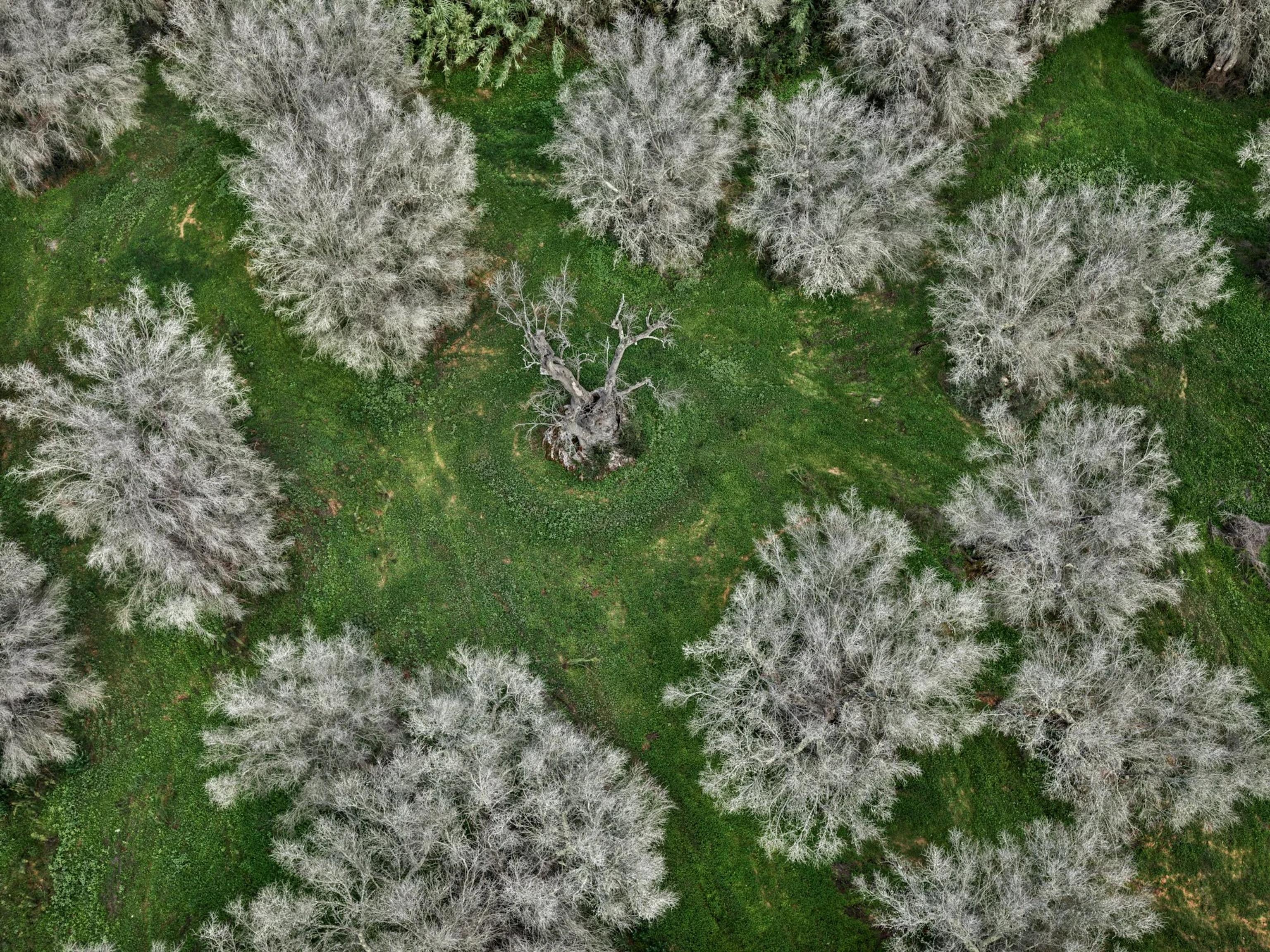
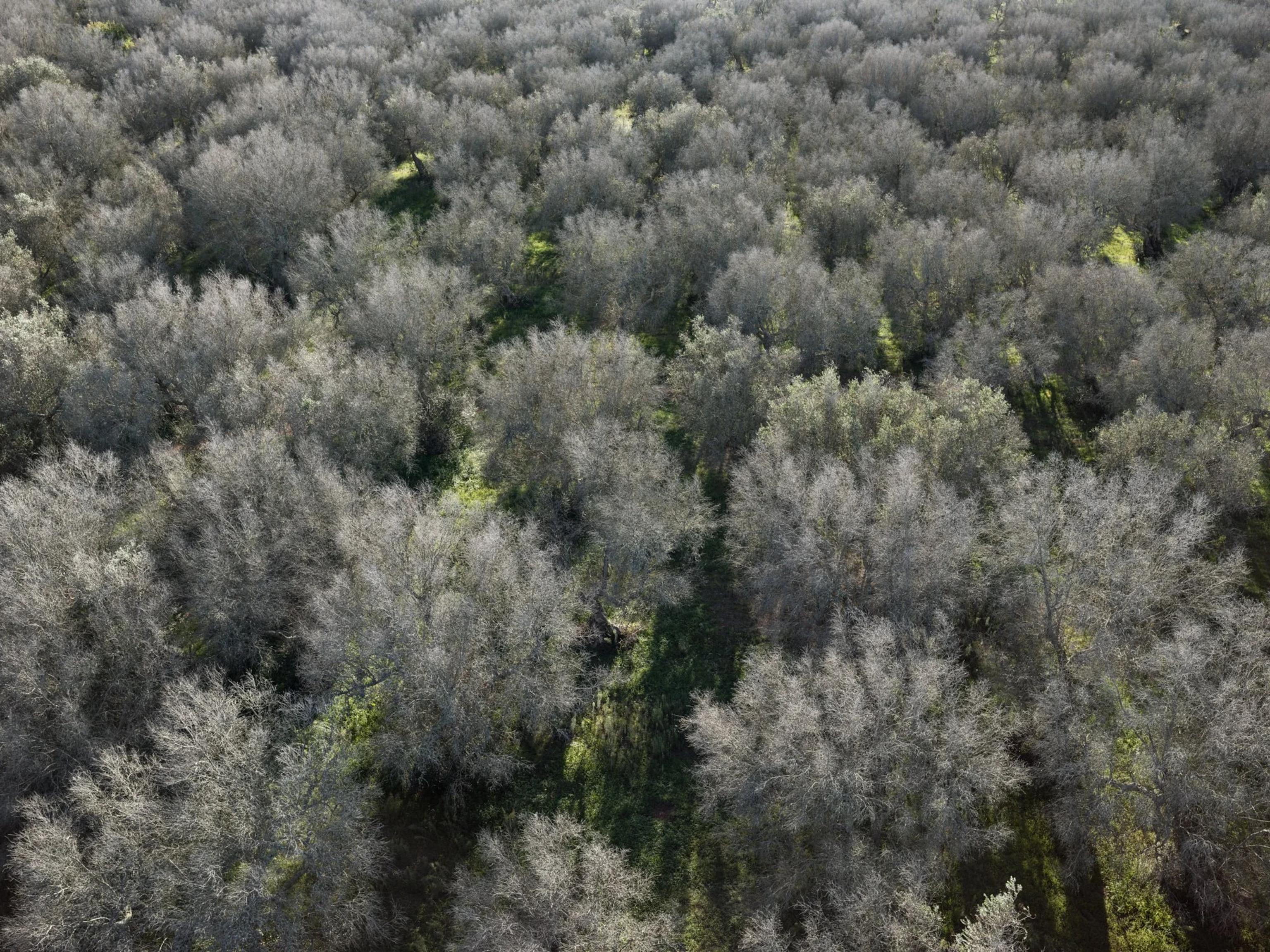
In Xylella Studies, Burtynsky focused on a specific environmental crisis in Puglia, southern Italy. Commissioned in 2021 by Fondazione Sylva, the project documents olive groves affected by Xylella fastidiosa, a bacterial pathogen first detected in European olive trees in Puglia in 2013. By 2015, the disease had affected up to a million olive trees in the region.
The resulting work records the physical changes to the groves while also pointing to their agricultural and cultural significance. The project consists of 12 large-format photographs and a video, later exhibited at the Museo Sigismondo Castromediano in Lecce. Unlike the vast industrial sites found elsewhere in Burtynsky’s work, Xylella Studies begins with a local event, showing how an ecological change can have consequences for an entire landscape and the communities connected to it.
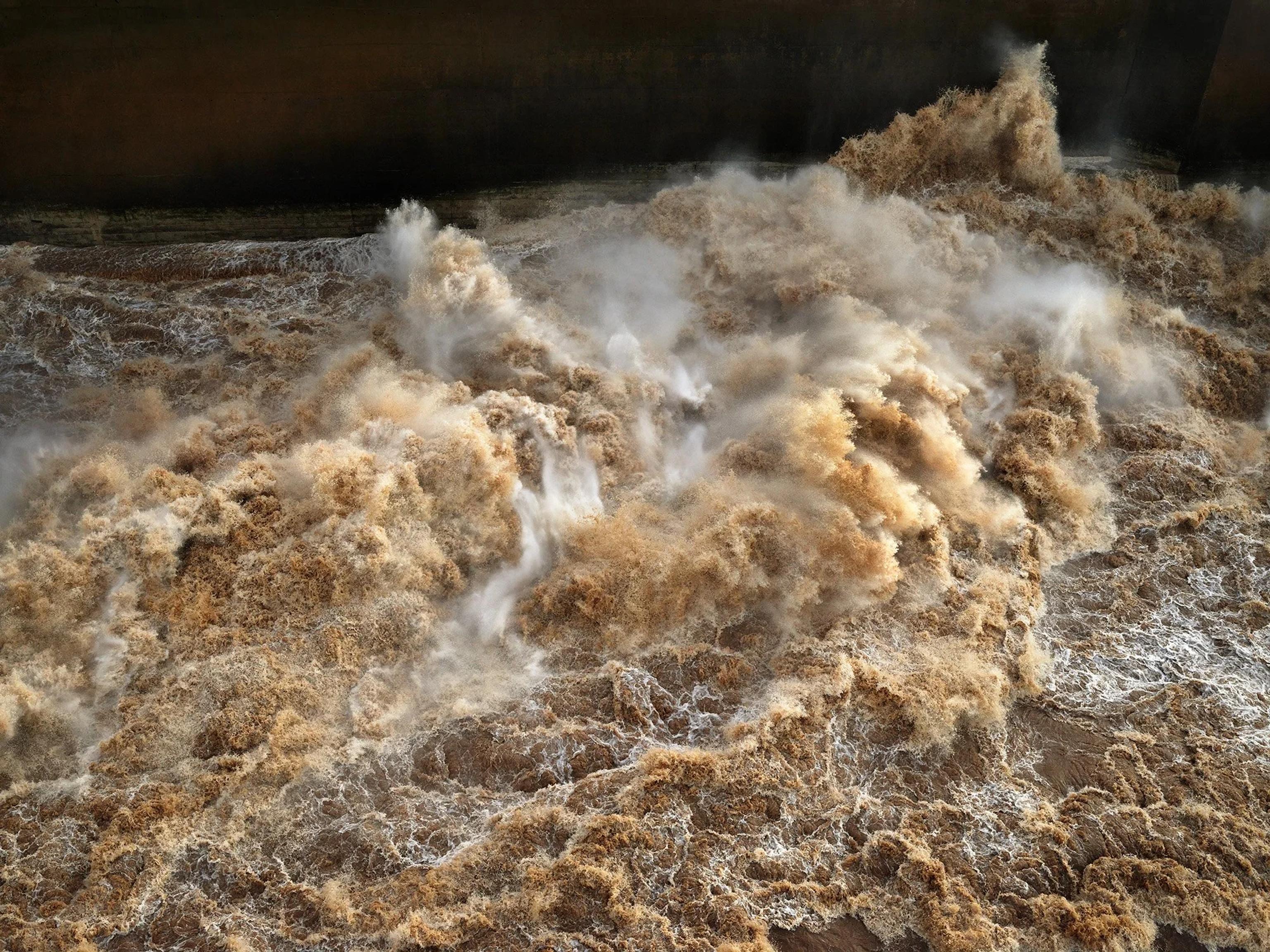

The Anthropocene
These different strands of Burtynsky’s practice come together in Anthropocene, a multidisciplinary project developed with Jennifer Baichwal and Nicholas de Pencier. Its starting point is the research of the Anthropocene Working Group, which examines the extent to which human activity has become a defining force in the Earth’s geological systems. The project considers the effects of population growth, industrialisation, extraction, technology and consumption on the planet. It developed beyond photography into a travelling museum exhibition, feature documentary, photobook, virtual and augmented reality experiences and educational material. Together, these formats expand the subject from individual photographs to a broader investigation of how human activity is altering environments on a planetary scale.

Beauty, Evidence and Responsibility
Burtynsky’s photographs do not always explain their subjects immediately. Their elevated perspectives and formal compositions can initially draw attention to colour, geometry, repetition or texture before the viewer recognises a mine, quarry, shipbreaking yard or industrial facility. This shift in perception is central to how the work operates. Rather than presenting environmental change only through images of visible destruction, Burtynsky focuses on the systems and processes behind it. His photographs make large-scale activities easier to see and consider, from the extraction of raw materials to the production, movement and disposal of goods. Across different countries and subjects, his work forms an ongoing record of the physical traces left by contemporary civilisation.