Alan Clarke
Elephant
- DirectorAlan Clarke
- ProducerDanny Boyle
Luis Rojo Monumental, sculptural, mechanical. A bulldozer moving forward without stopping, flattening everything in its path. Bleak. Impeccable. A wake-up call – worth revisiting from time to time to avoid getting lost in lyricism.

Elephant
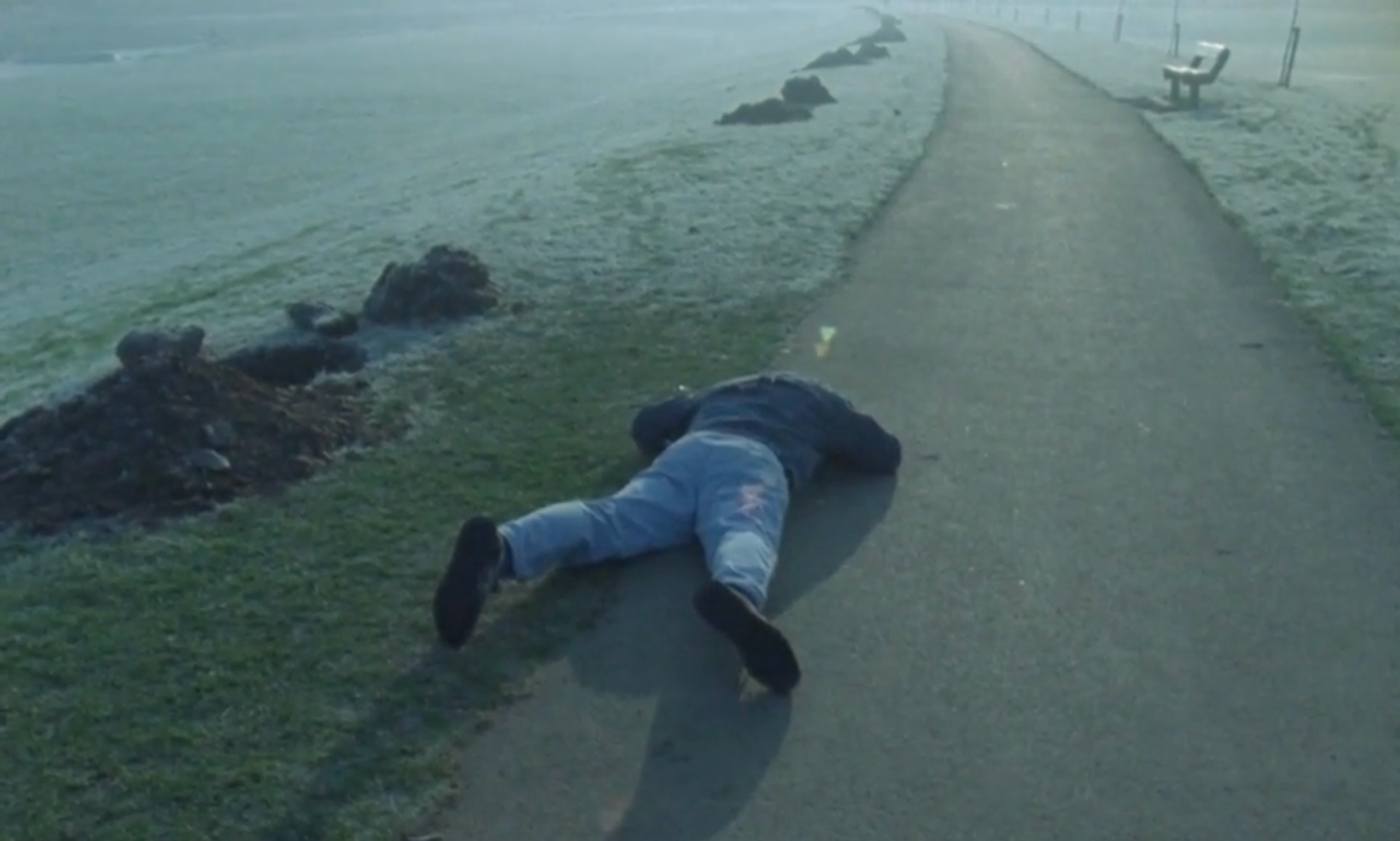
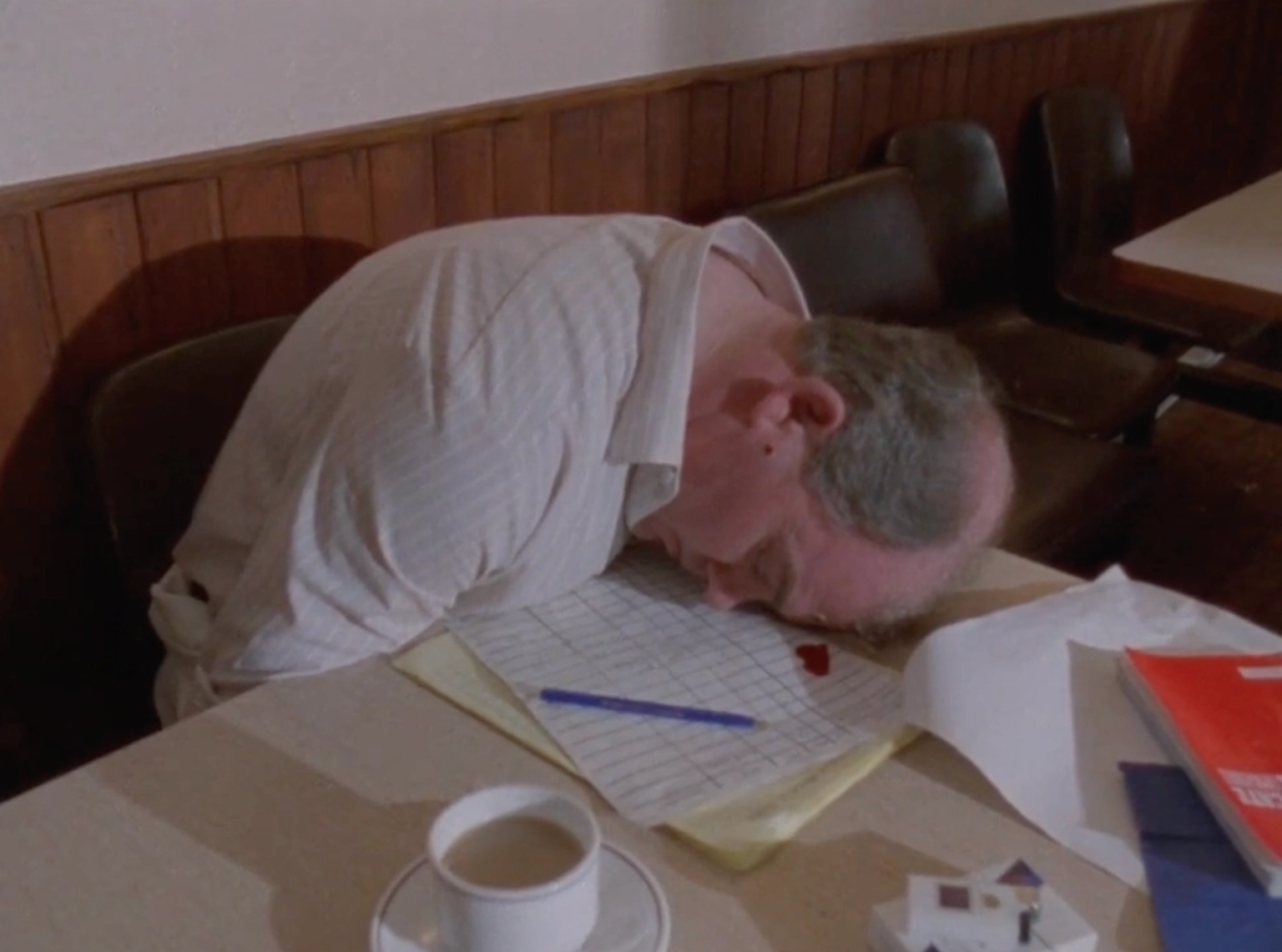
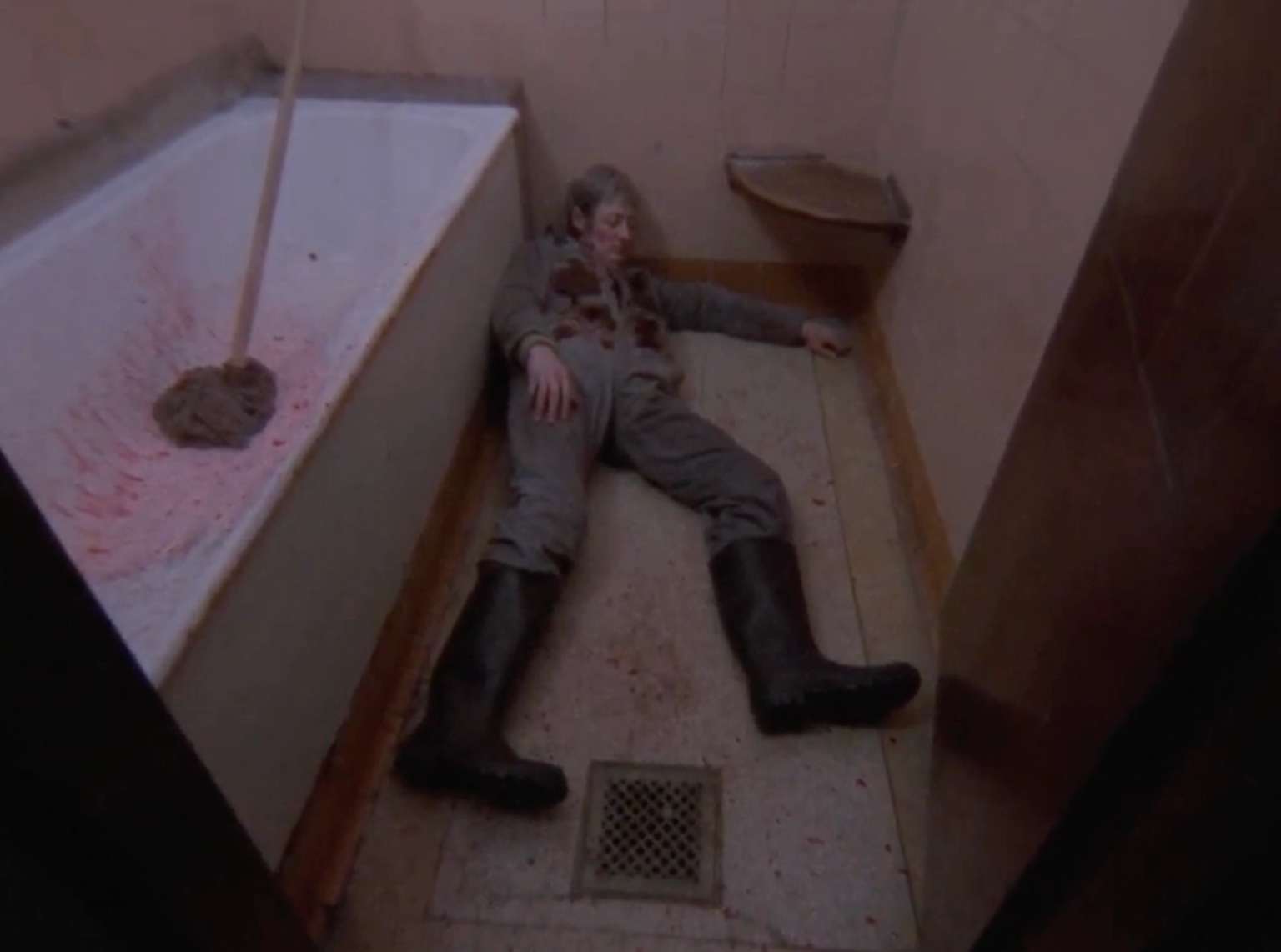
Elephant, directed by Alan Clarke and produced by Danny Boyle in 1989, is a stark short film set during Northern Ireland’s Troubles. Running just under 40 minutes, it depicts eighteen murders based on real police reports, deliberately avoiding plot, dialogue, or characterisation. The title refers to Bernard MacLaverty’s metaphor of the Troubles as “the elephant in our living room,” highlighting society’s pervasive denial of violence. Clarke presents each killing as a factual, unadorned event, compelling audiences to confront the relentless and mechanical nature of sectarian murder. The absence of political framing, backstory, or explanation intensifies the ethical tension, forcing viewers to witness the human cost of conflict without narrative comfort or resolution.
Visual Language
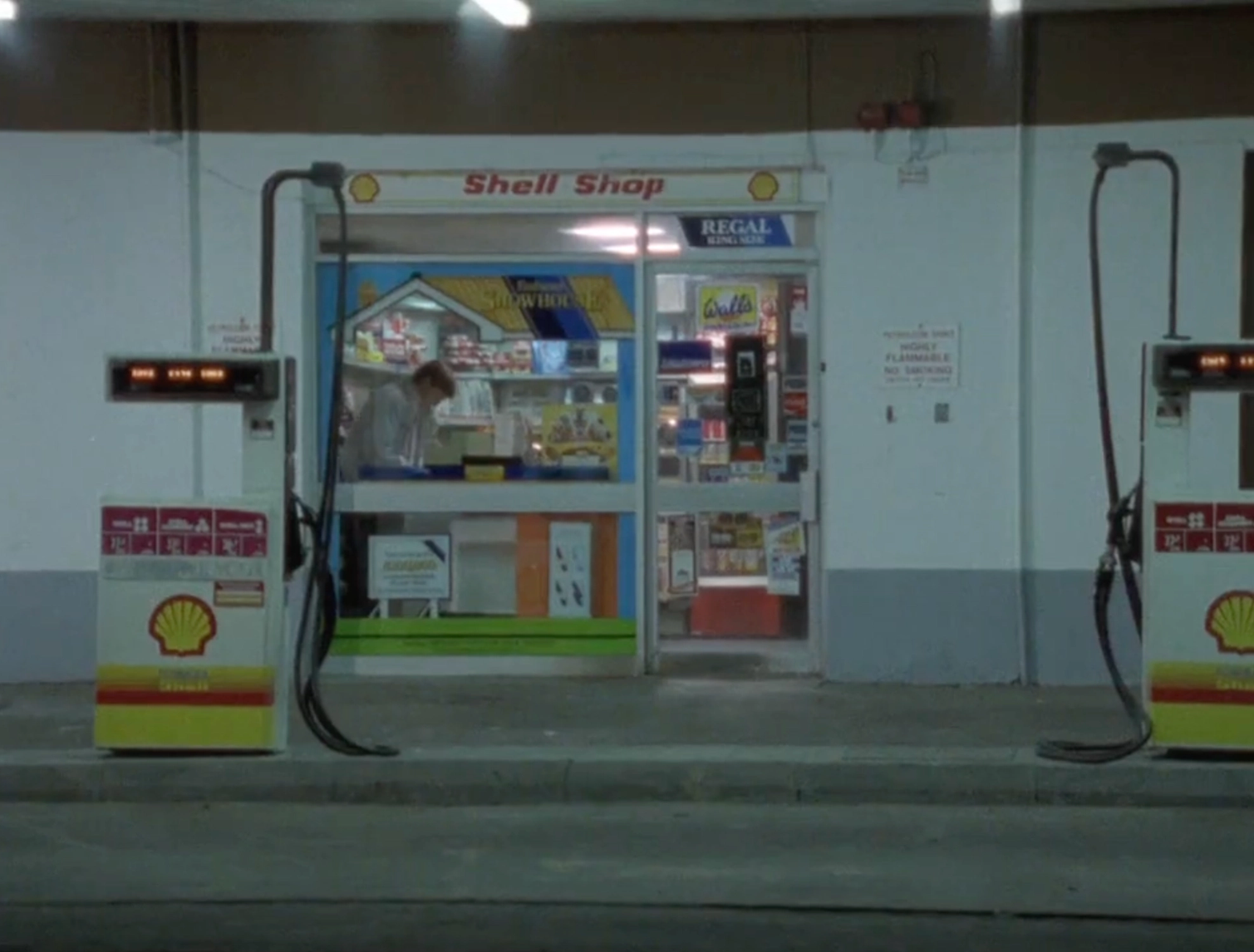
The film’s visual style is central to its impact. Shot on 16mm, Elephant employs a muted, grainy palette that emphasizes the bleak urban environments of Belfast – streets, factories, homes, parks – under natural light. Extended Steadicam tracking shots follow killers and victims through these spaces in long, uninterrupted takes, allowing viewers to absorb the setting, the act, and its aftermath. Ambient sounds such as footsteps, traffic, distant voices, and gunfire dominate the soundscape; there is no music or artificial effect, creating an immersive, documentary-like immediacy.
The careful choreography of movement, combined with minimal editing, underscores the structured, almost ritualized quality of the killings while highlighting the pervasive, normalized nature of violence in everyday life during the Troubles.
Themes and Impact
Thematically, Elephant explores the futility, impersonality, and banality of sectarian killing. By stripping away identity, motivation, or ideology, Clarke presents murder as an almost procedural act, emphasizing its repetition and cumulative effect. The film critiques societal desensitization to everyday brutality, illustrating how repeated violence erodes moral and psychological boundaries. Its observational style challenges audiences to confront both the horror of these acts and the ethical complexity of watching them unfold, transforming the film into a meditation on human complicity, societal denial, and the psychological weight of living amidst unending conflict.
Upon its BBC Two broadcast on 25 January 1989, Elephant elicited strong reactions: critics praised its unflinching realism and immersive style, while viewers in Northern Ireland recognized the locations and events, responding with both discomfort and reflection.


Legacy
Elephant’s legacy extends far beyond its original broadcast. Its minimalist structure, long Steadicam sequences, and observational approach influenced Gus Van Sant’s 2003 film of the same name, as well as directors such as Andrea Arnold, Harmony Korine, and Larry Clark, whose works explore violence and societal alienation with similar immersive techniques. Danny Boyle credits the collaboration as formative for his later gritty realism in films like Trainspotting and Shallow Grave.
The film continues to be studied for its formal innovation, ethical engagement, and cultural significance, particularly in understanding the Troubles. By presenting eighteen real-life inspired murders without narrative mediation, Elephant demythologizes violence, emphasizes its human cost, and demonstrates the power of cinema to confront viewers with stark reality without moralizing or sensationalism.