
én jord and ReVærk
En Naturlig Pavillon
- ArchitectReVærk Arkitektur
- Creatorsén jord and Byggevirke & Datter
Rasmus Alstrup én jord is a combined architectural / design studio and building-material enterprise that specialises in repurposing ‘overskudsjord’ (surplus or waste soil) into circular, low-impact building materials. In collaboration with artists, architects and craftsmen, they offer a climate-conscious alternative for construction, creating buildings and installations rooted in local materiality.
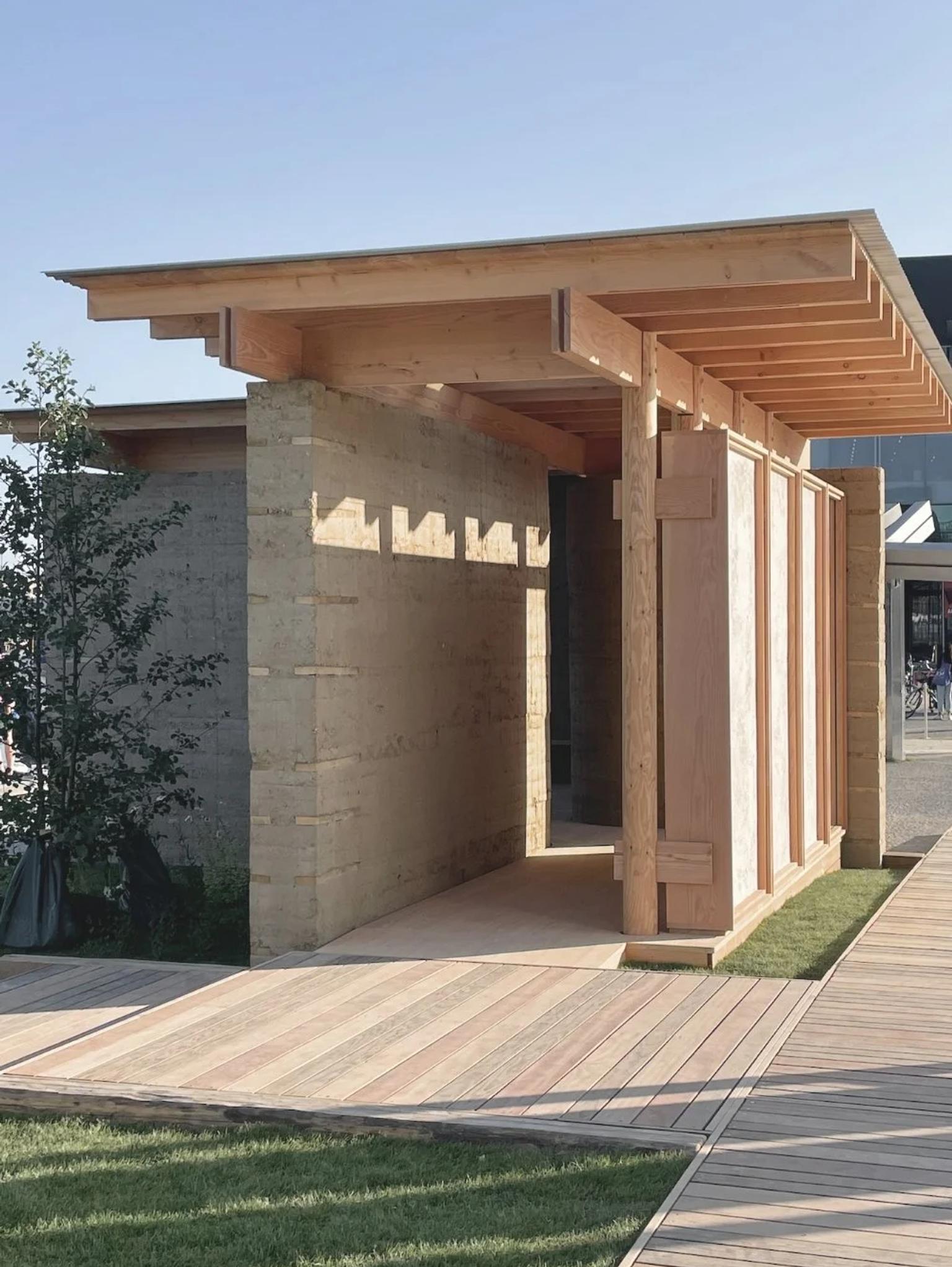
The project ‘En Naturlig Pavillon’ (2023) is an exhibition pavilion built using compressed clay and timber, demonstrating how raw, local earth can serve as a structural and aesthetic material in contemporary architecture. The project showcases sustainable construction techniques while emphasising circularity, material honesty, and low‑carbon alternatives to conventional concrete and masonry.

En Naturlig Pavillon: Rethinking Sustainable Building
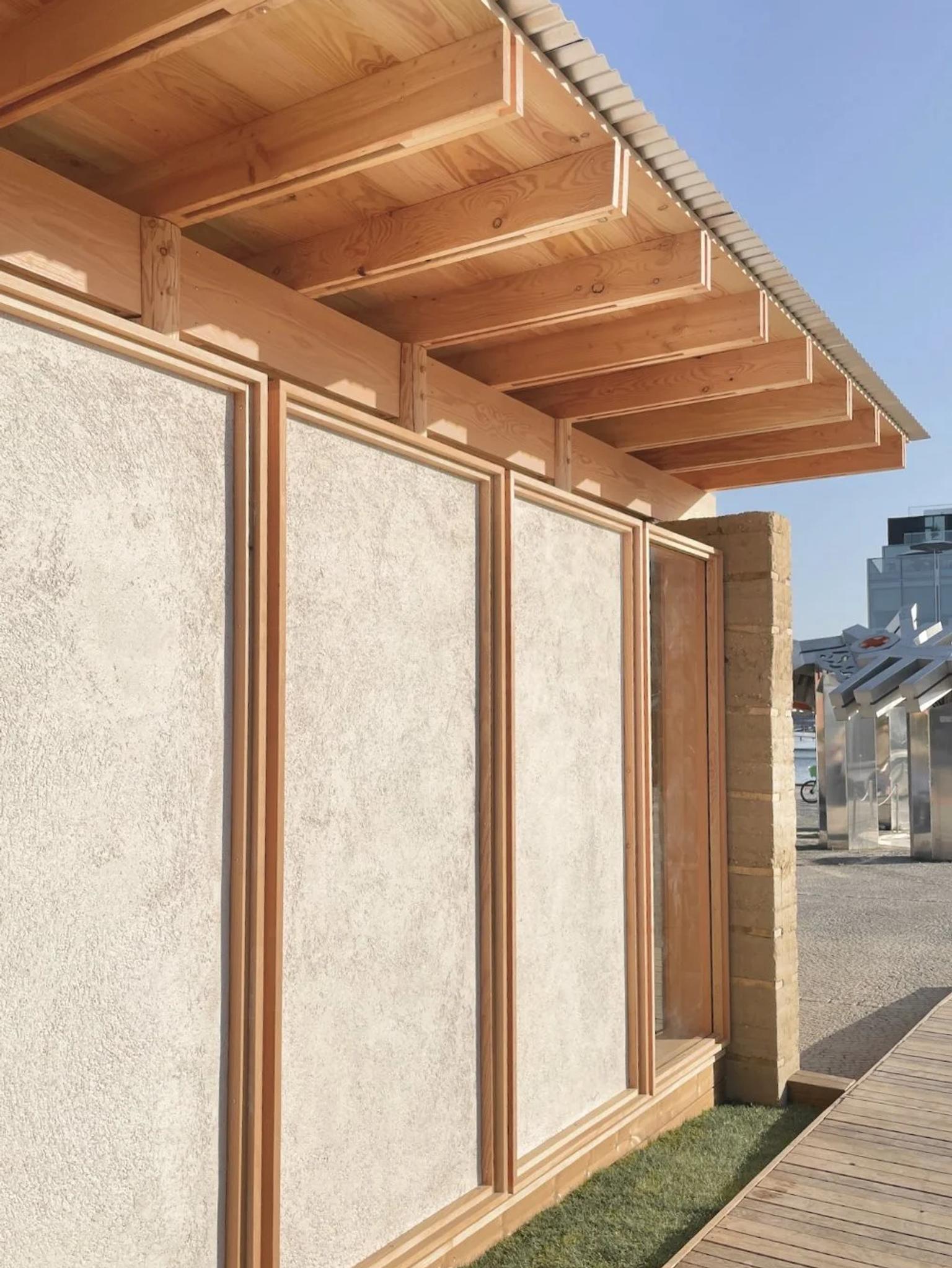
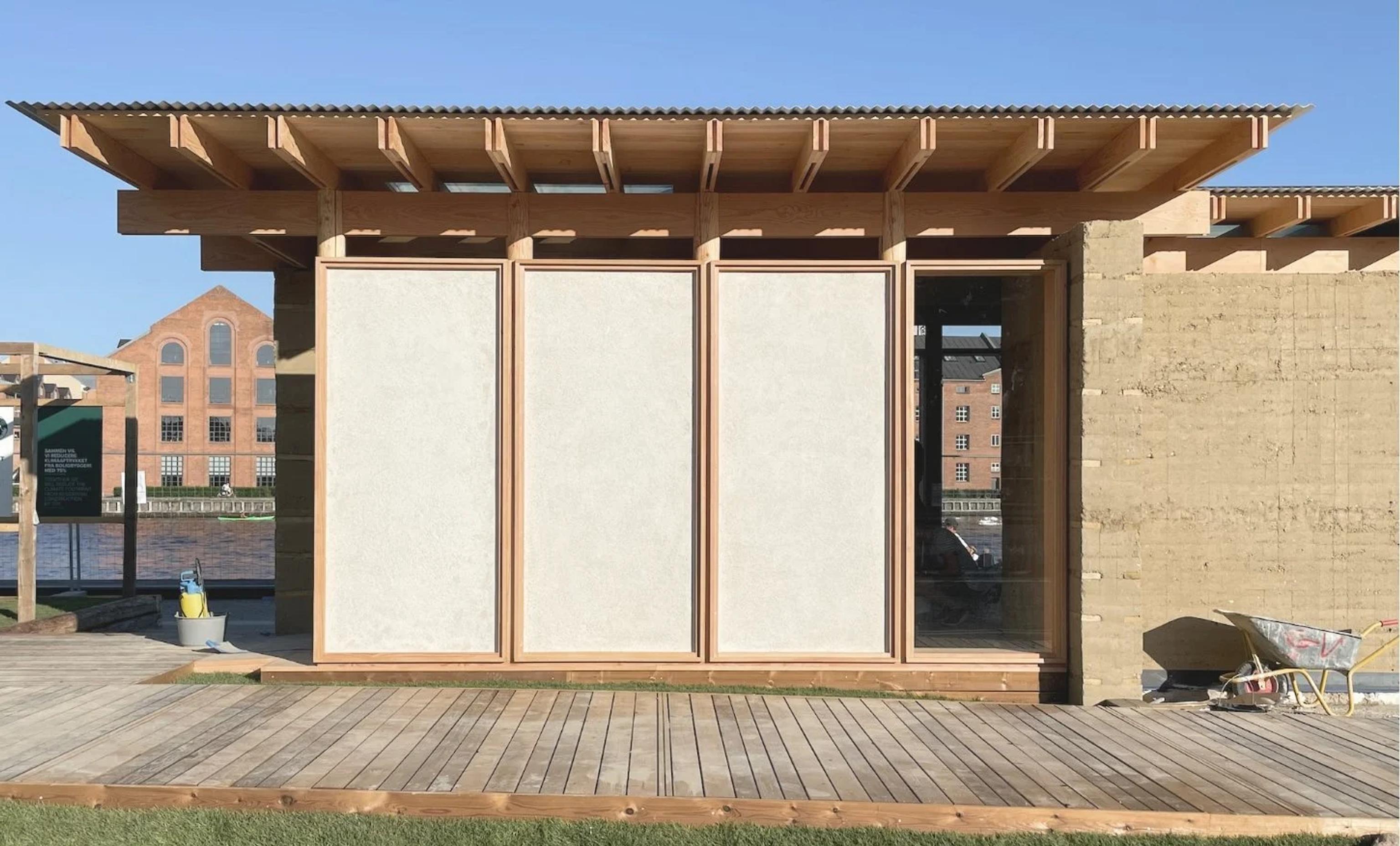
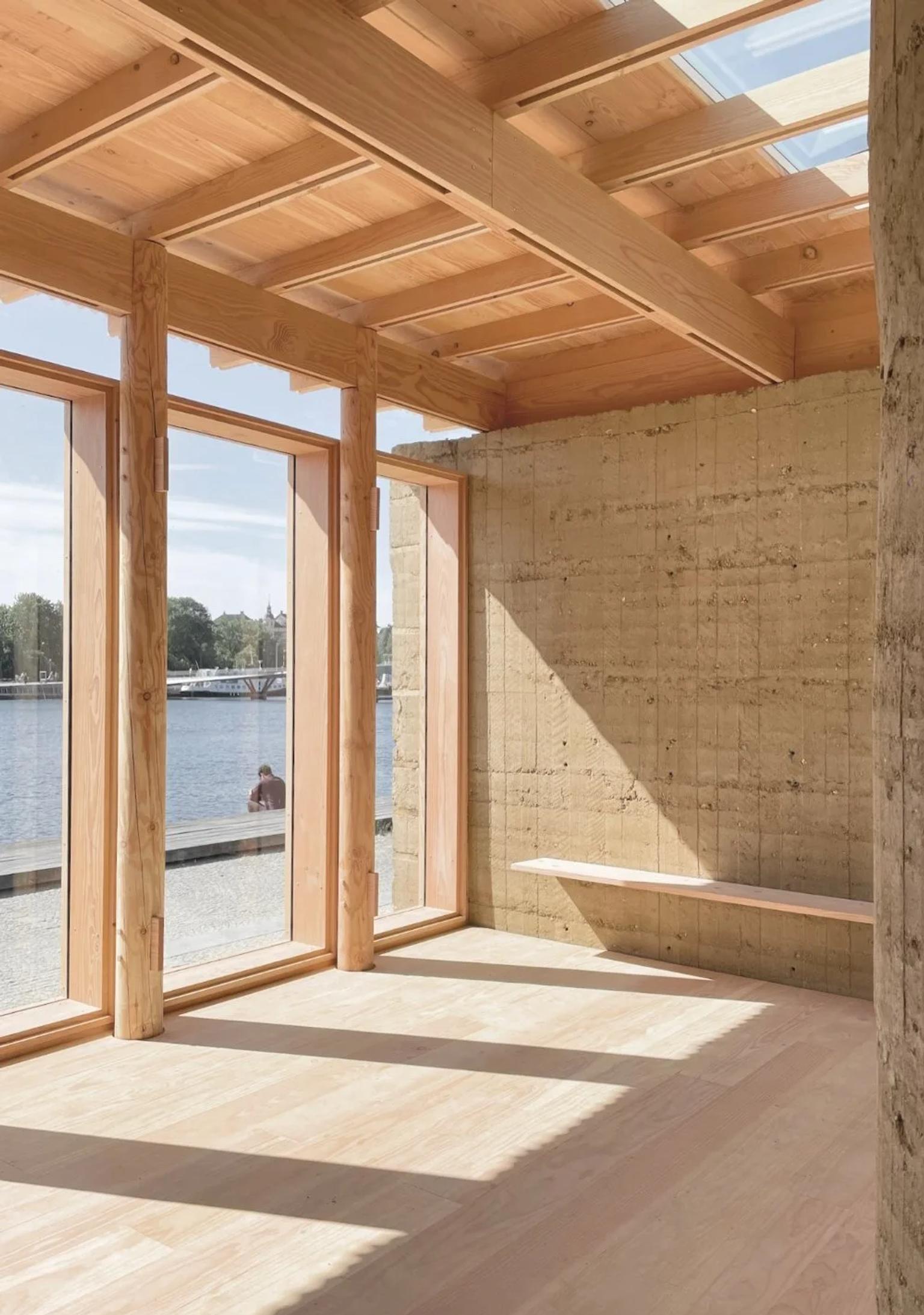
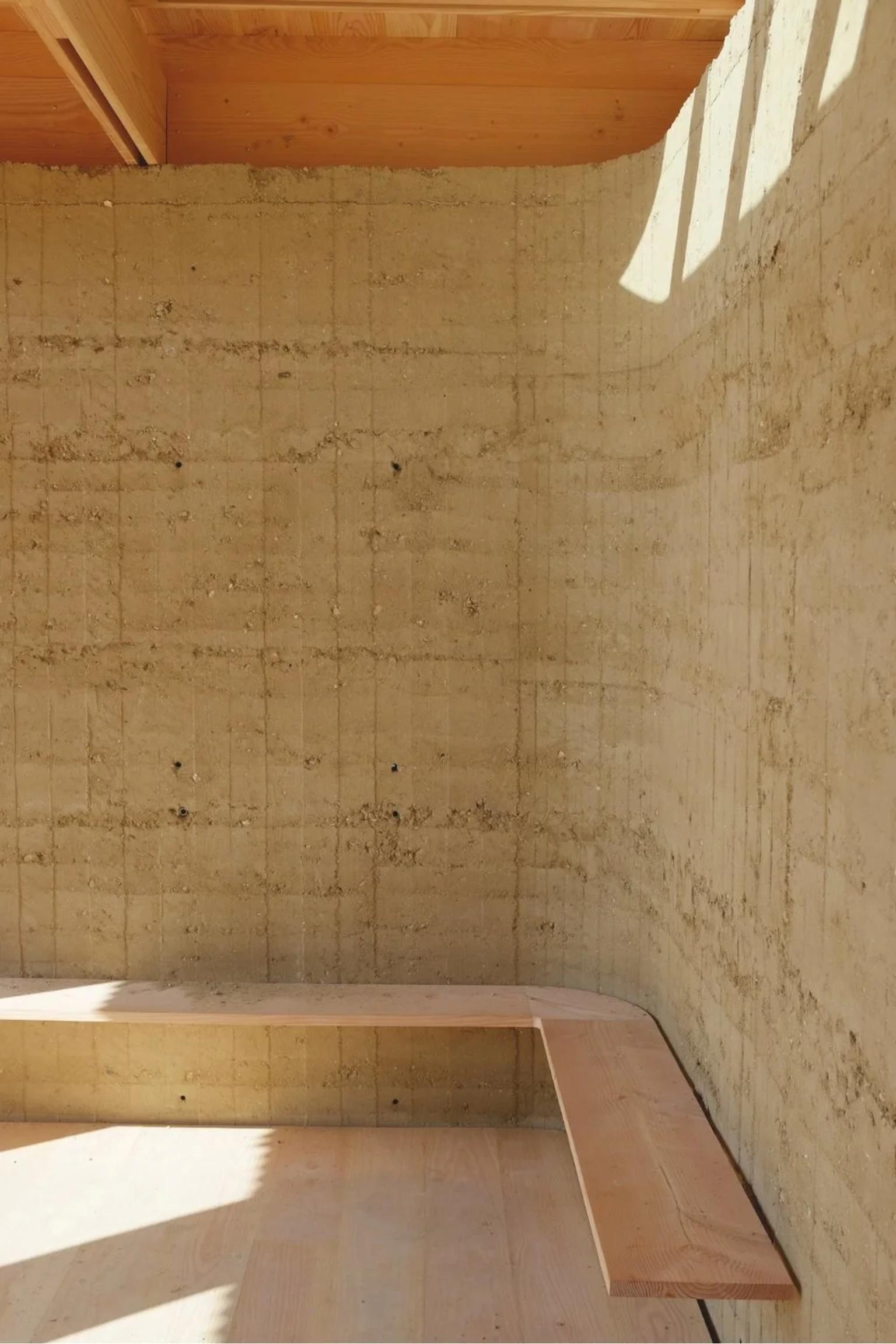
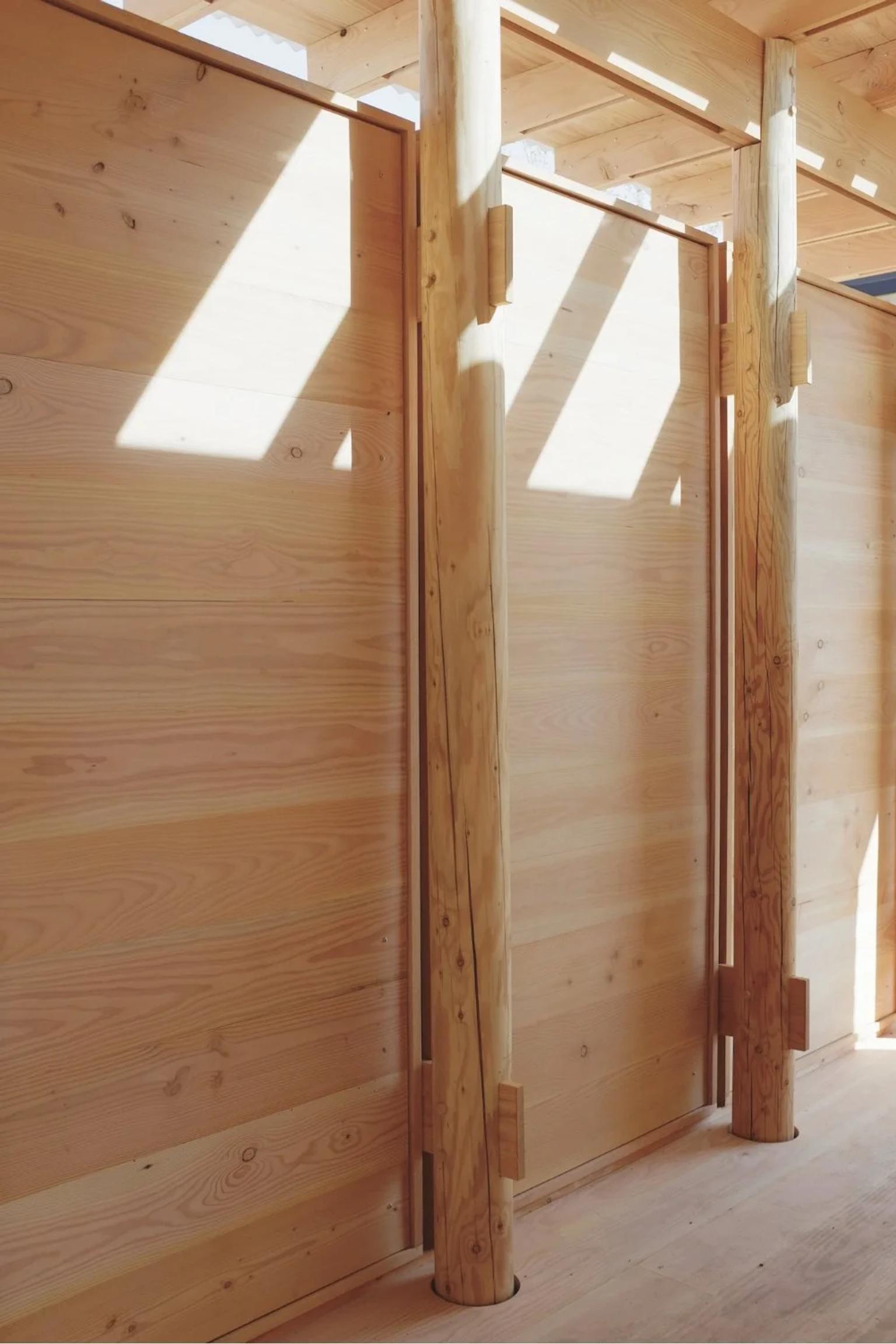
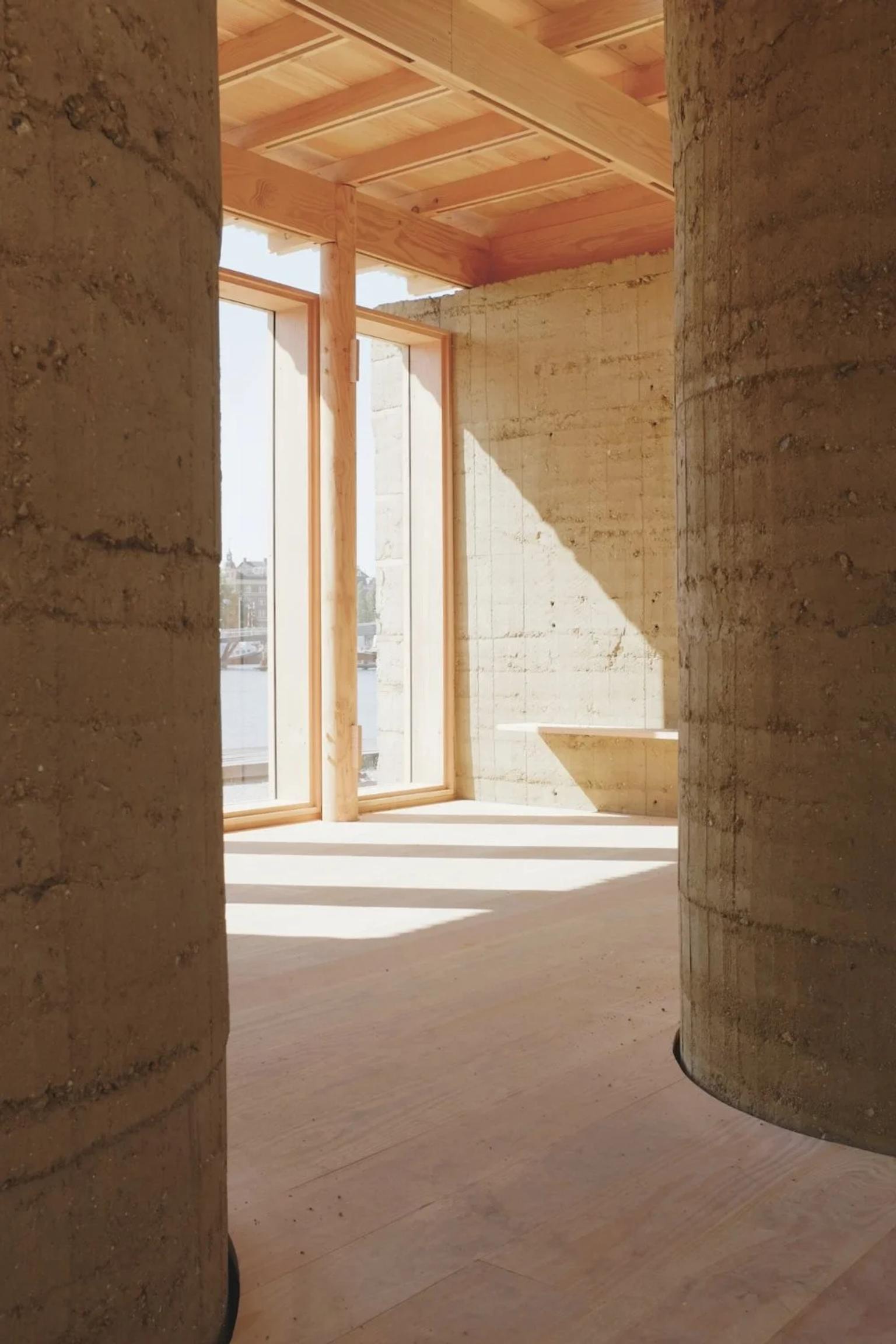
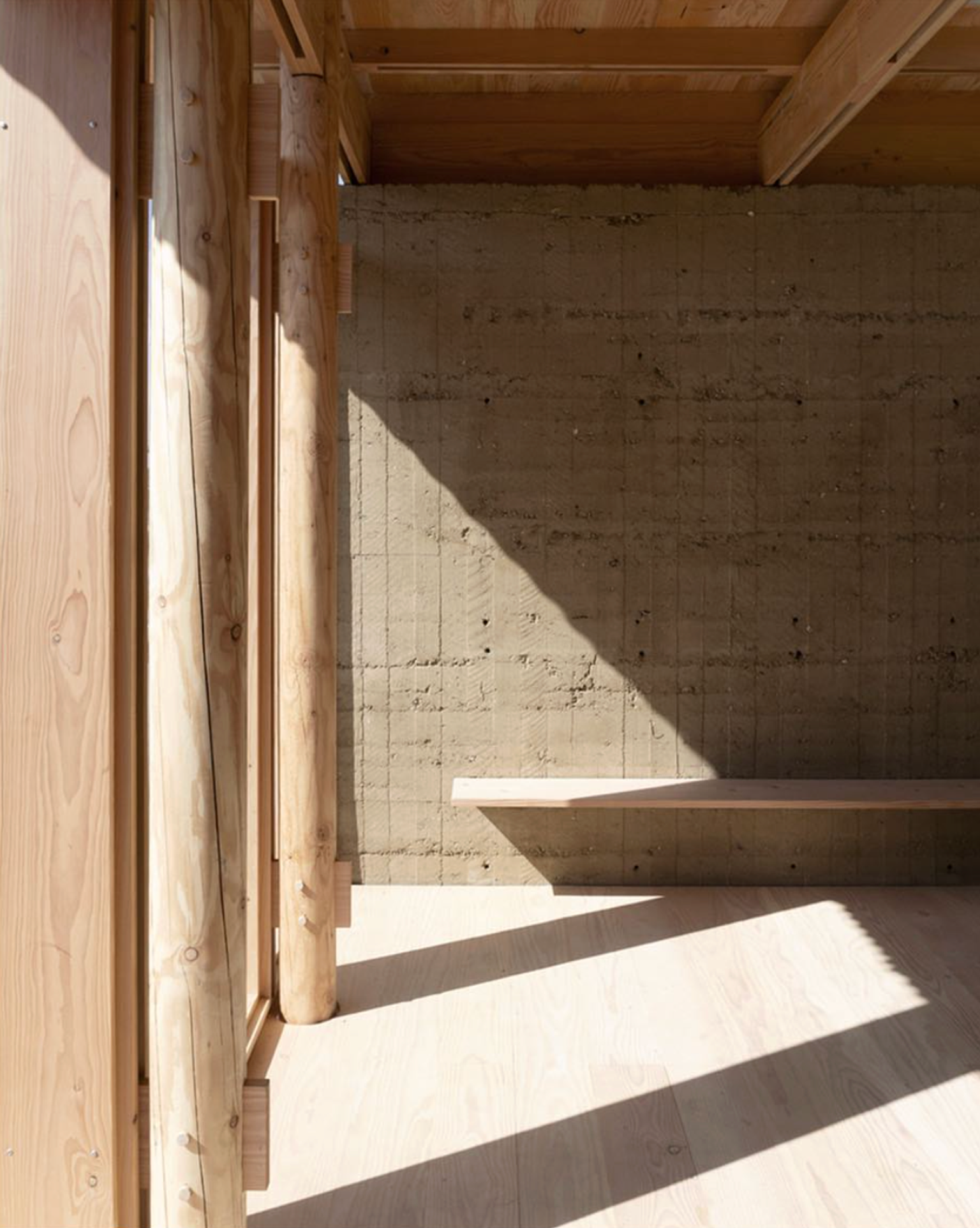
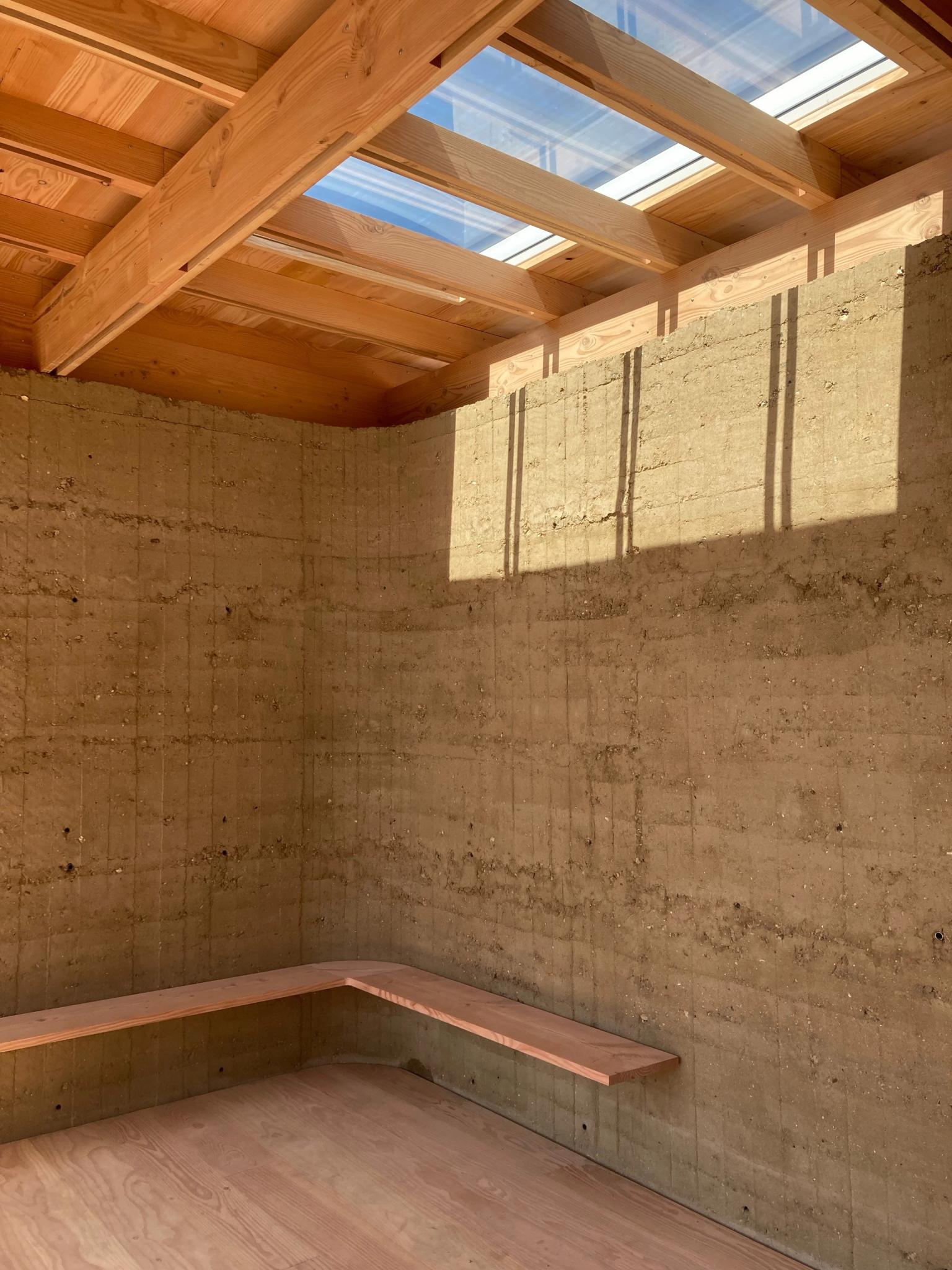
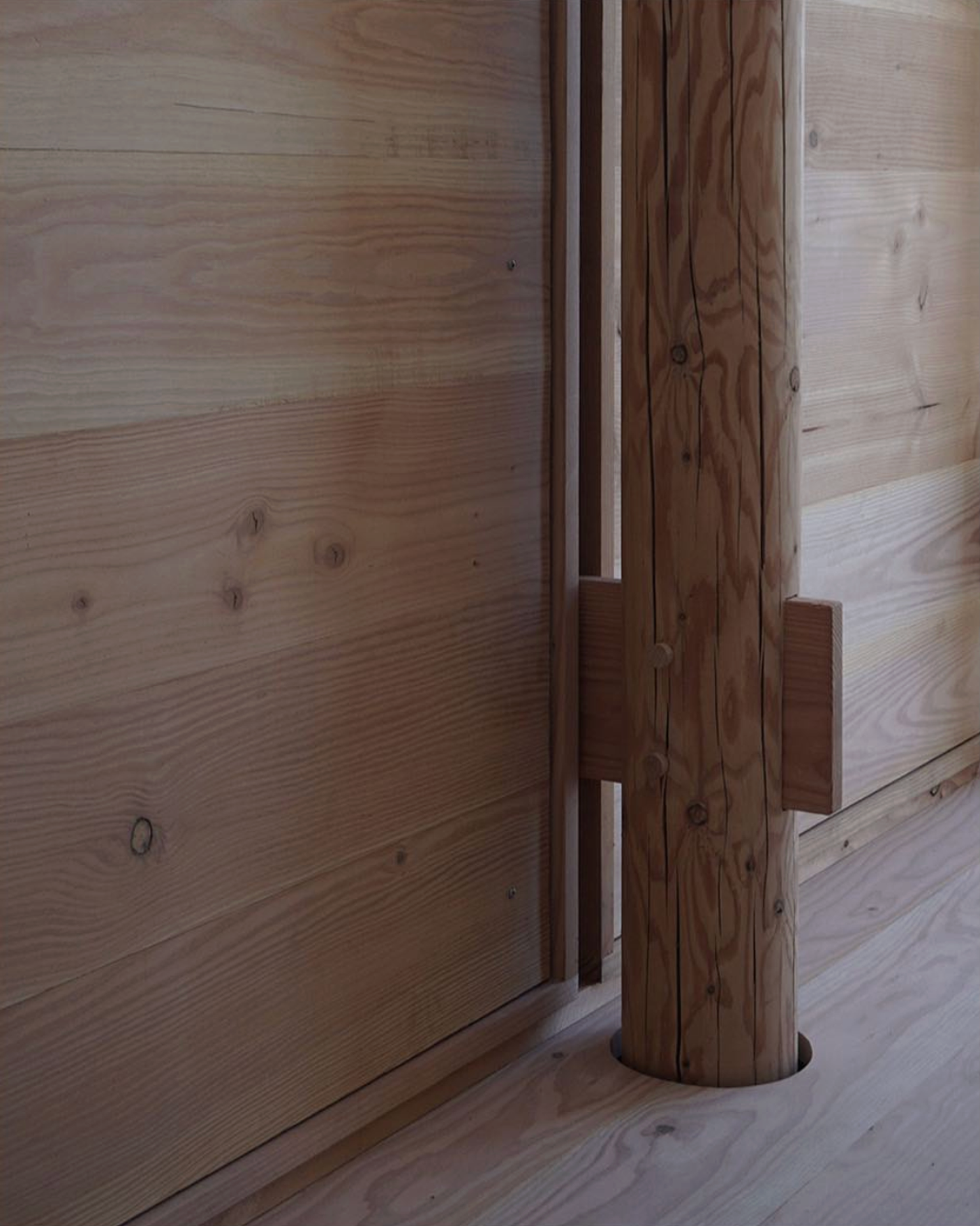
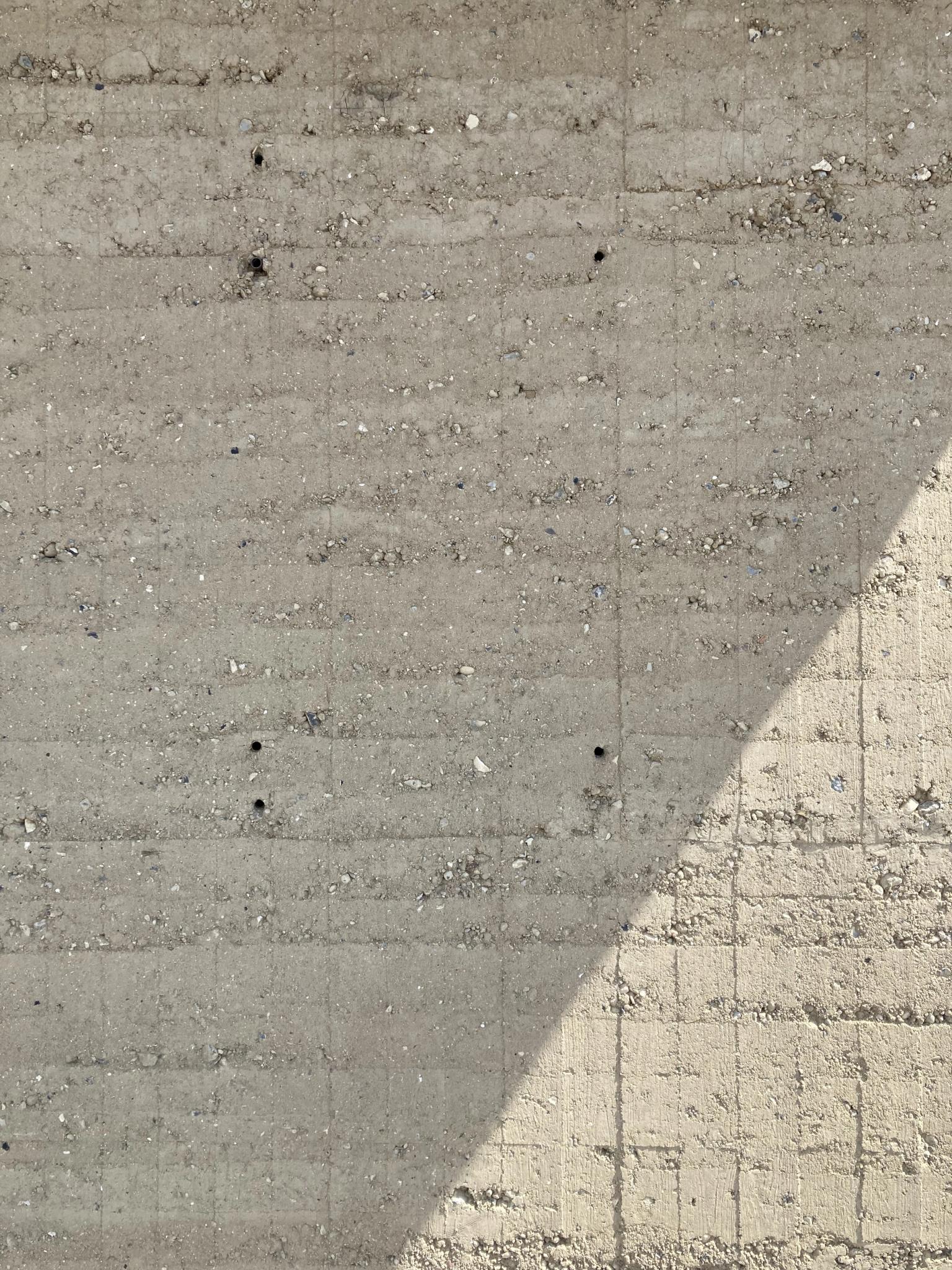
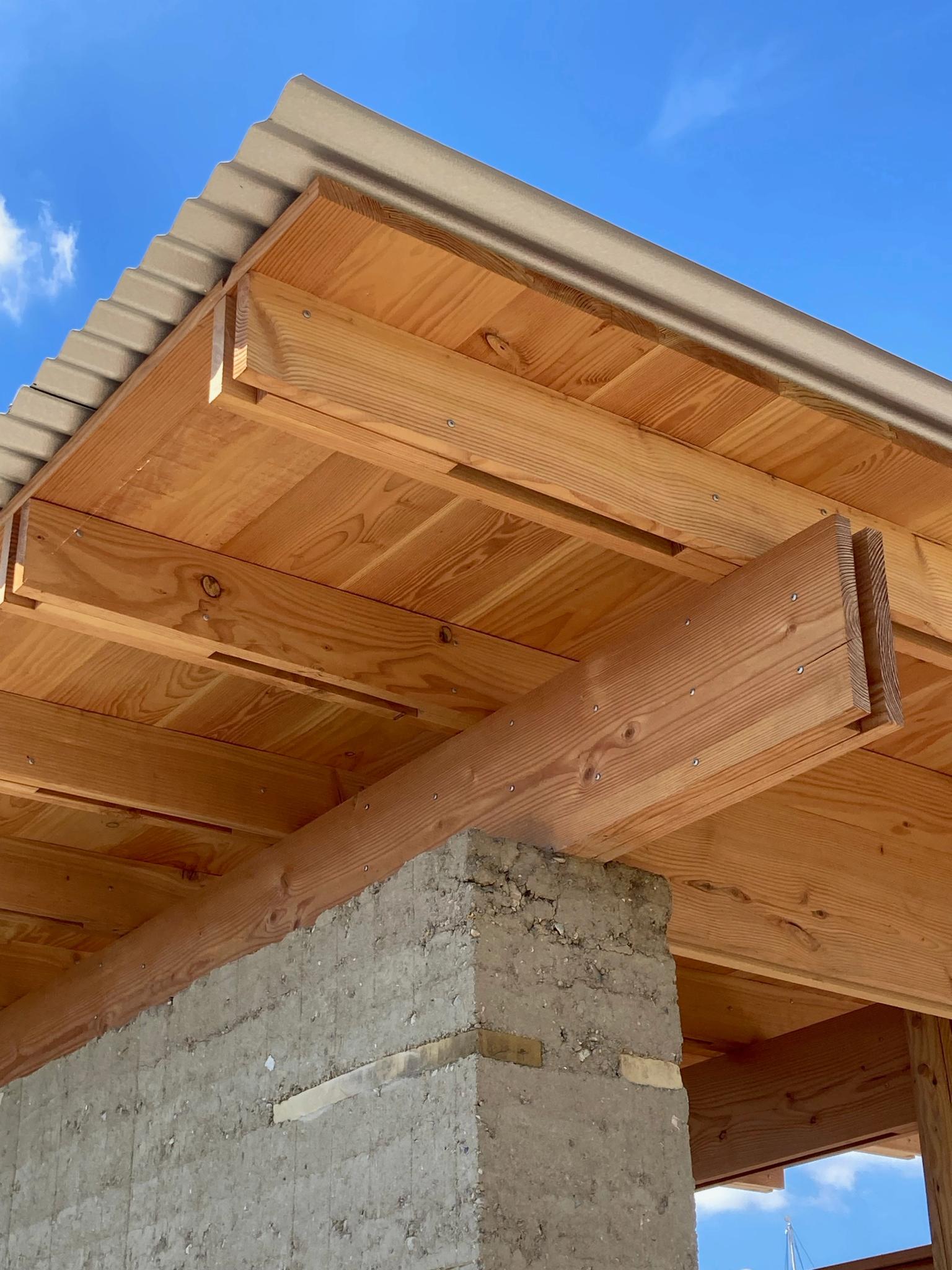
At Søren Kierkegaards Plads in Copenhagen, En Naturlig Pavillon stands as a tangible example of how architecture can dramatically reduce its environmental impact. Designed by ReVærk Arkitektur for the initiative Housing from 4 to 1 Planet, the 45 m² pavilion demonstrates how traditional and local materials can be harnessed for low-carbon construction. The structure combines rammed earth walls crafted on-site by Én Jord with a timber frame constructed from reclaimed douglas fir floorboards, repurposed into beams, rafters, window frames, and curving floorboards. This combination of geo- and bio-based materials highlights both ecological responsibility and the aesthetic potential of natural resources, offering a blueprint for carbon-conscious architecture.







én jord: Masters of Rammed Earth
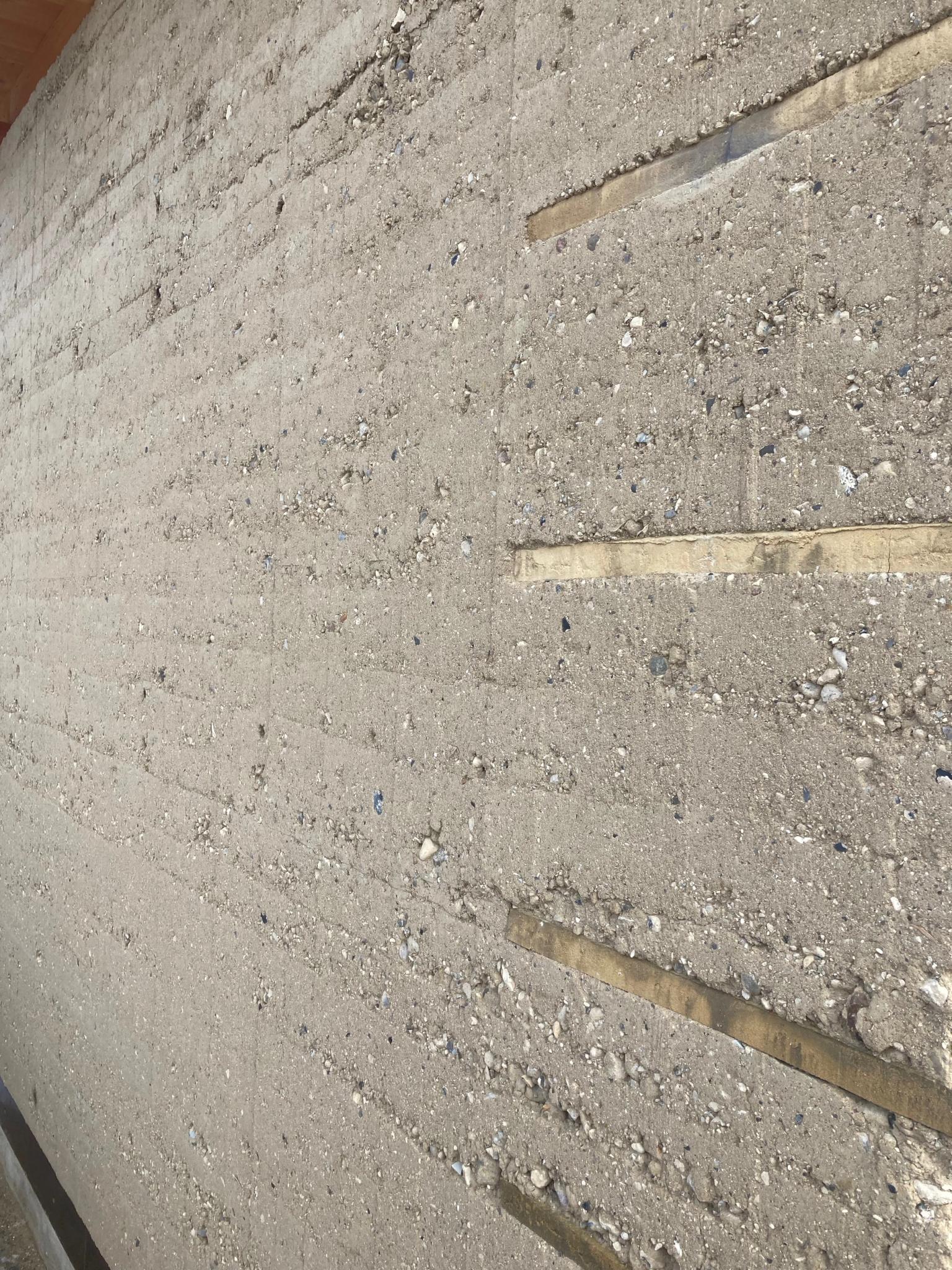
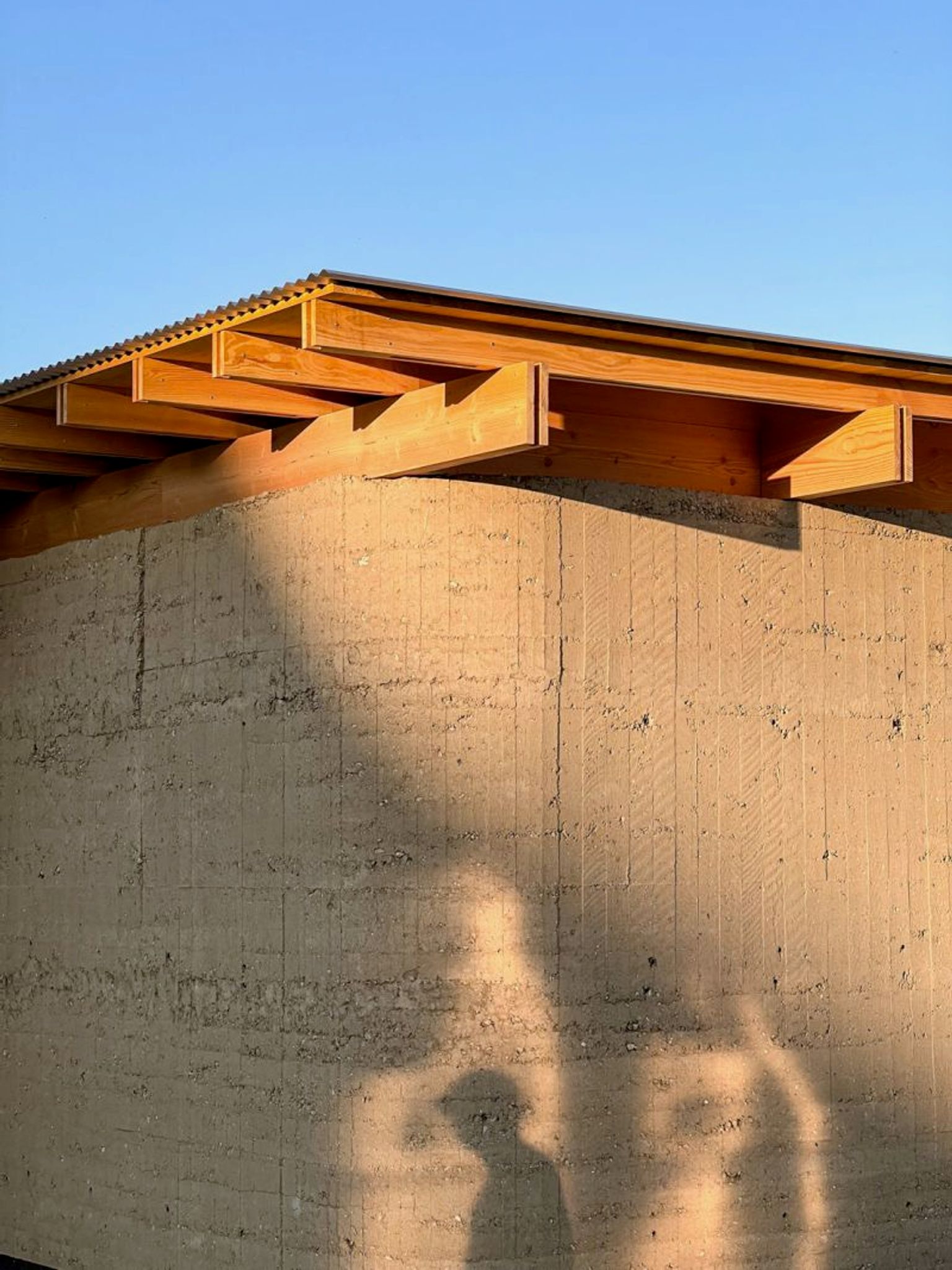
én jord is a hybrid design studio and construction company dedicated to rammed earth as a building material. Their practice emphasizes circularity and reuse, drawing on local surplus soil and wood to create structures with minimal environmental impact. Co-founder Johan Klejs explains that rammed earth not only has a remarkable sustainability profile, it also naturally regulates humidity, temperature, and acoustics while providing fire resistance. The material’s raw, tactile qualities give the pavilion a distinctive presence, with curved walls that convey both structural integrity and aesthetic warmth. By combining technical know-how with artisanal craft, én jord elevates rammed earth from a traditional building technique to a contemporary architectural statement.

Craft, Innovation, and the Mobile Future
The construction process itself reflects én jord’s commitment to hands-on craft and material innovation. While the pavilion’s walls were manually stamped on-site, the firm is developing a mobile prefabrication system to produce larger rammed earth elements efficiently, which can be transported and assembled directly on construction sites. This system aims to automate parts of the stamping process without sacrificing texture or quality, enabling broader adoption of sustainable building practices. By merging centuries-old methods with modern prefabrication, én jord demonstrates that ecological building can be both practical and scalable, transforming a labor-intensive craft into a reproducible solution for low-carbon housing.


Engaging the Public and Sharing Knowledge
Beyond construction, En Naturlig Pavillon functions as a space for education, experimentation, and public engagement. Visitors are invited to experience the technical and sensory qualities of rammed earth, attend workshops, and even try stamping the walls themselves.
én jord actively shares its technical drawings and research to encourage wider adoption of the material and stimulate dialogue about sustainable building. The pavilion exemplifies the firm’s holistic approach: blending aesthetics, functionality, and environmental stewardship, while prompting the public and industry to reconsider what modern housing could look like in a world with finite resources.