
Albert Frey
Frey House II
- ArchitectAlbert Frey
- Photographer© Palm Springs Art Museum
- CreditAlbert Frey, American, born Switzerland, 1903 - 1998, Frey House II, 1963-1964, addition 1970-1971, 1200 square feet, Collection Palm Springs Art Museum, Bequest of Albert Frey, 55-1999.1
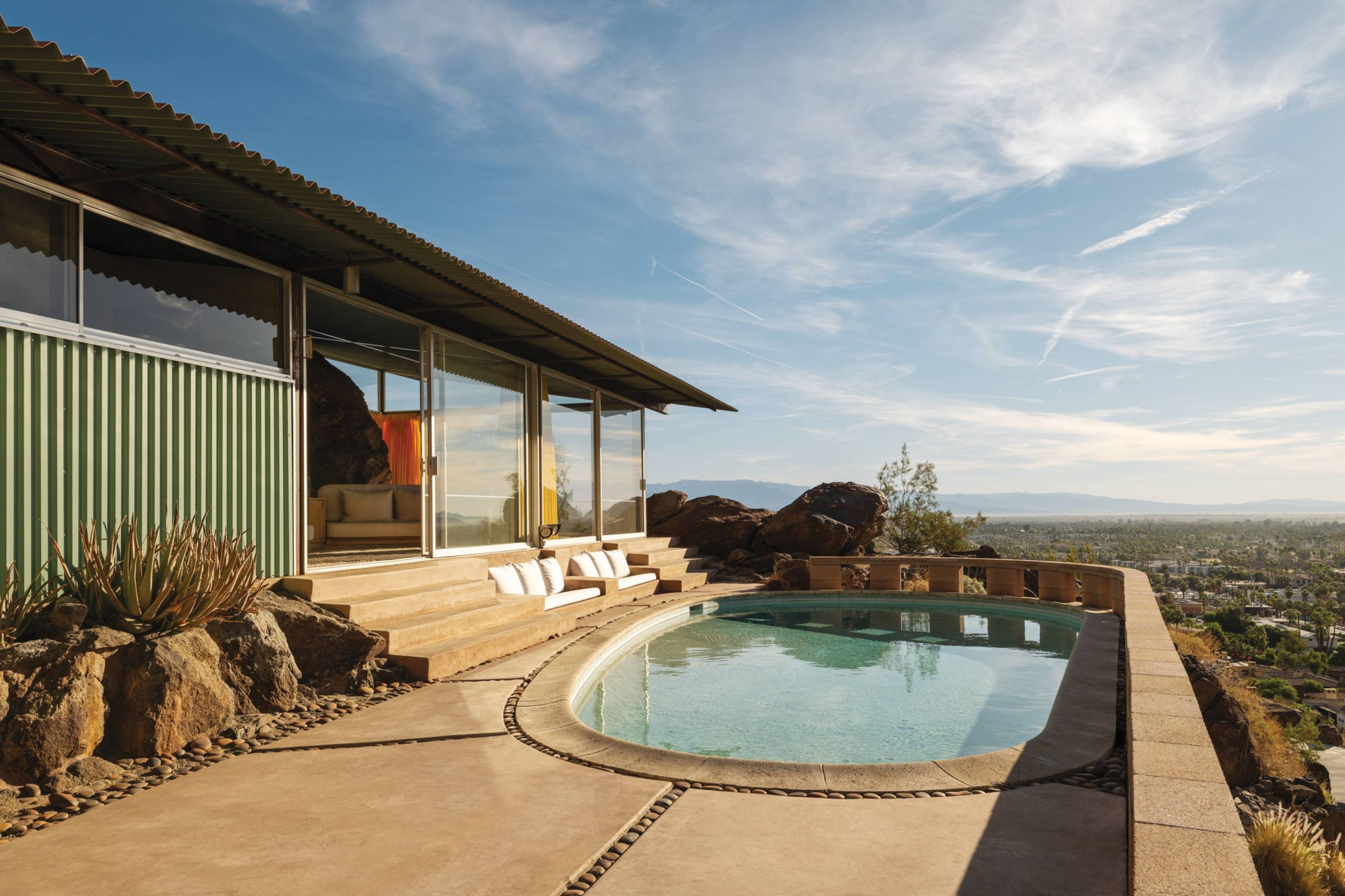
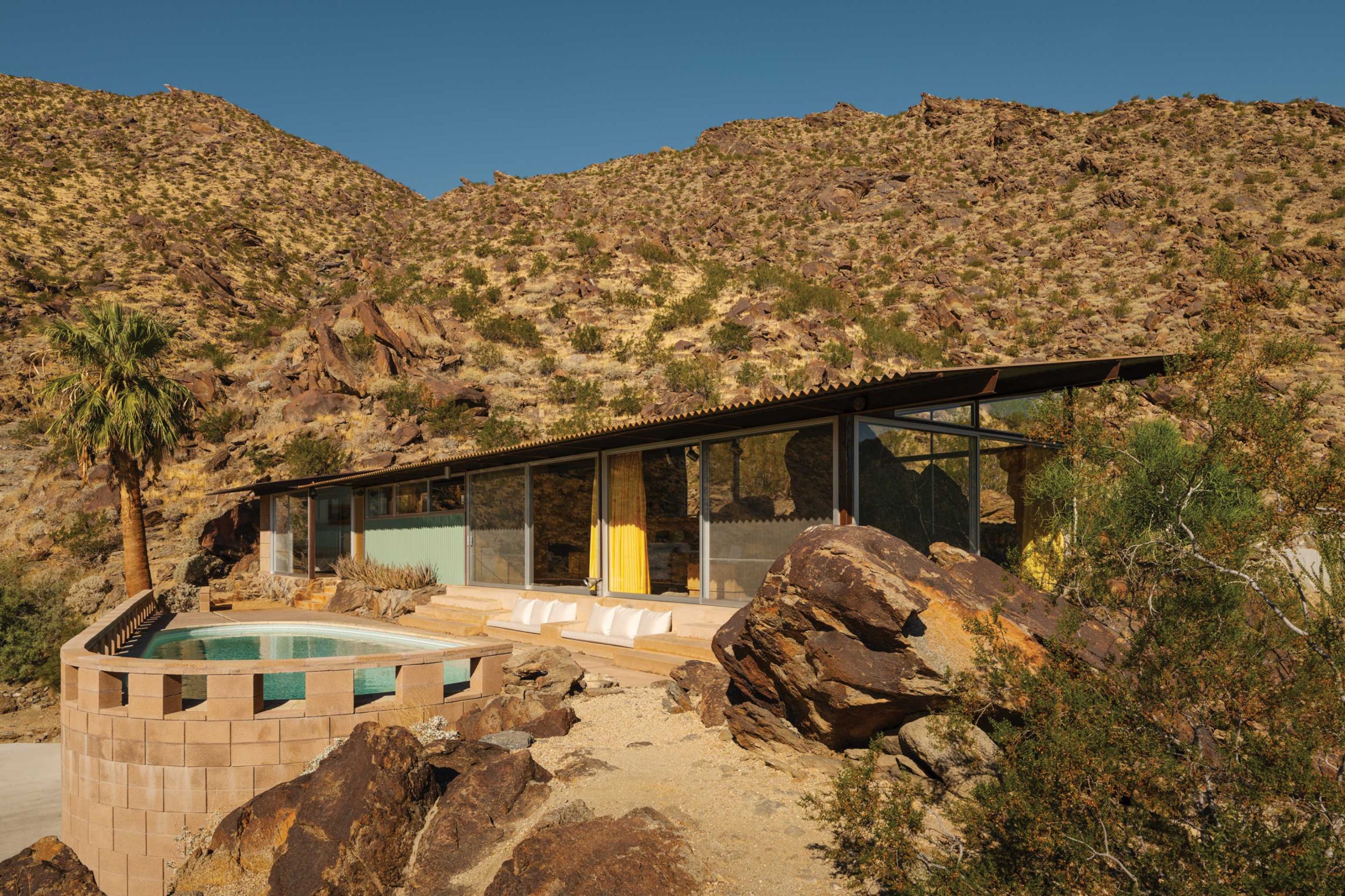
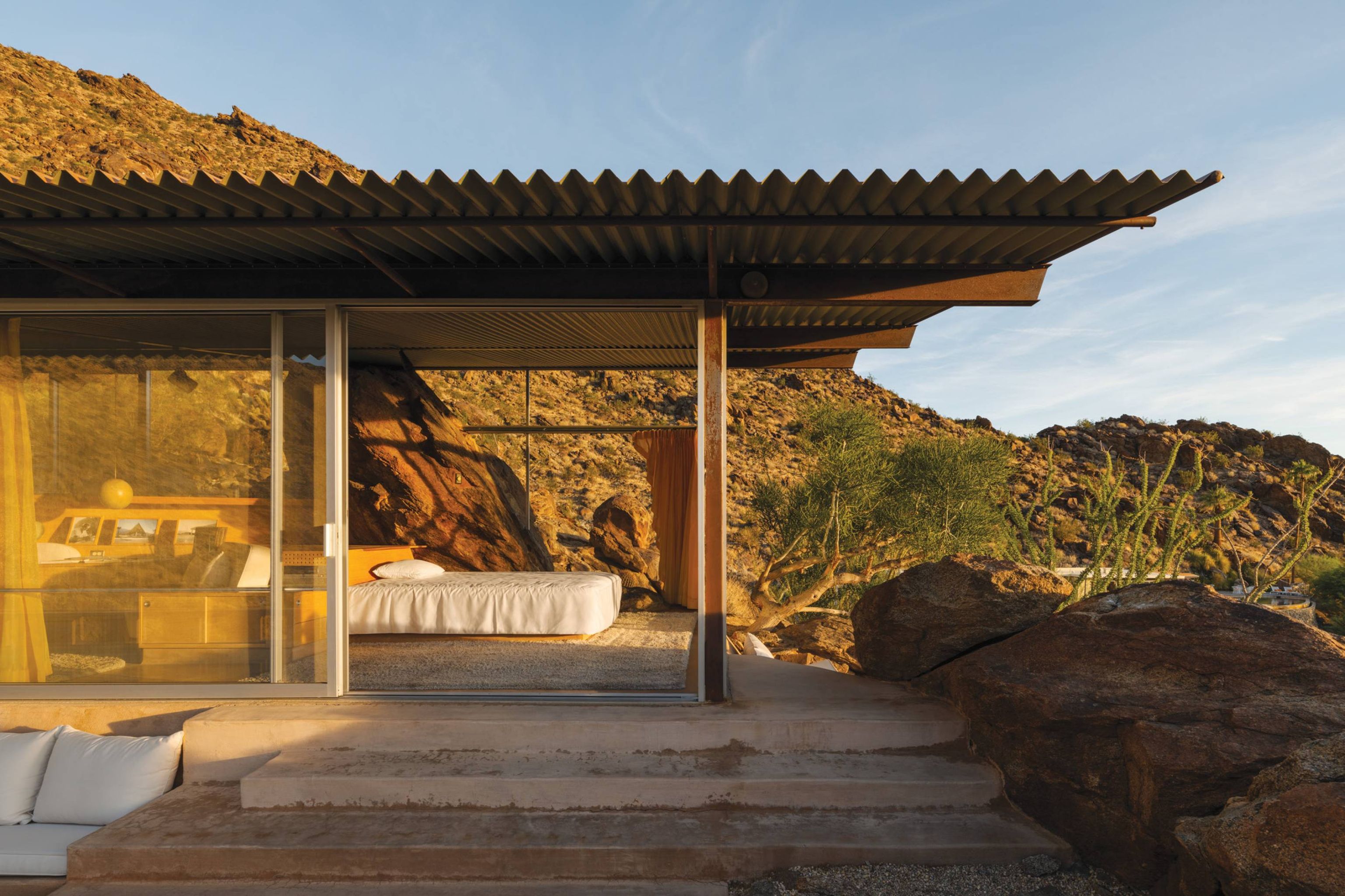
Linda Bergroth No picture can translate what it feels like in this small house by Albert Frey, which he designed for himself and built into the rocky hills of Palm Springs. I’ve read texts about the process and that the house was intended to disrupt the surrounding environment as little as possible, but they hardly explain the end result: a massive rock partly inside the house, with an integrated light switch. It’s simply wonderful and an example of great creative freedom when outside validation was not required.

Frey House II: Modernist Masterpiece in the Desert
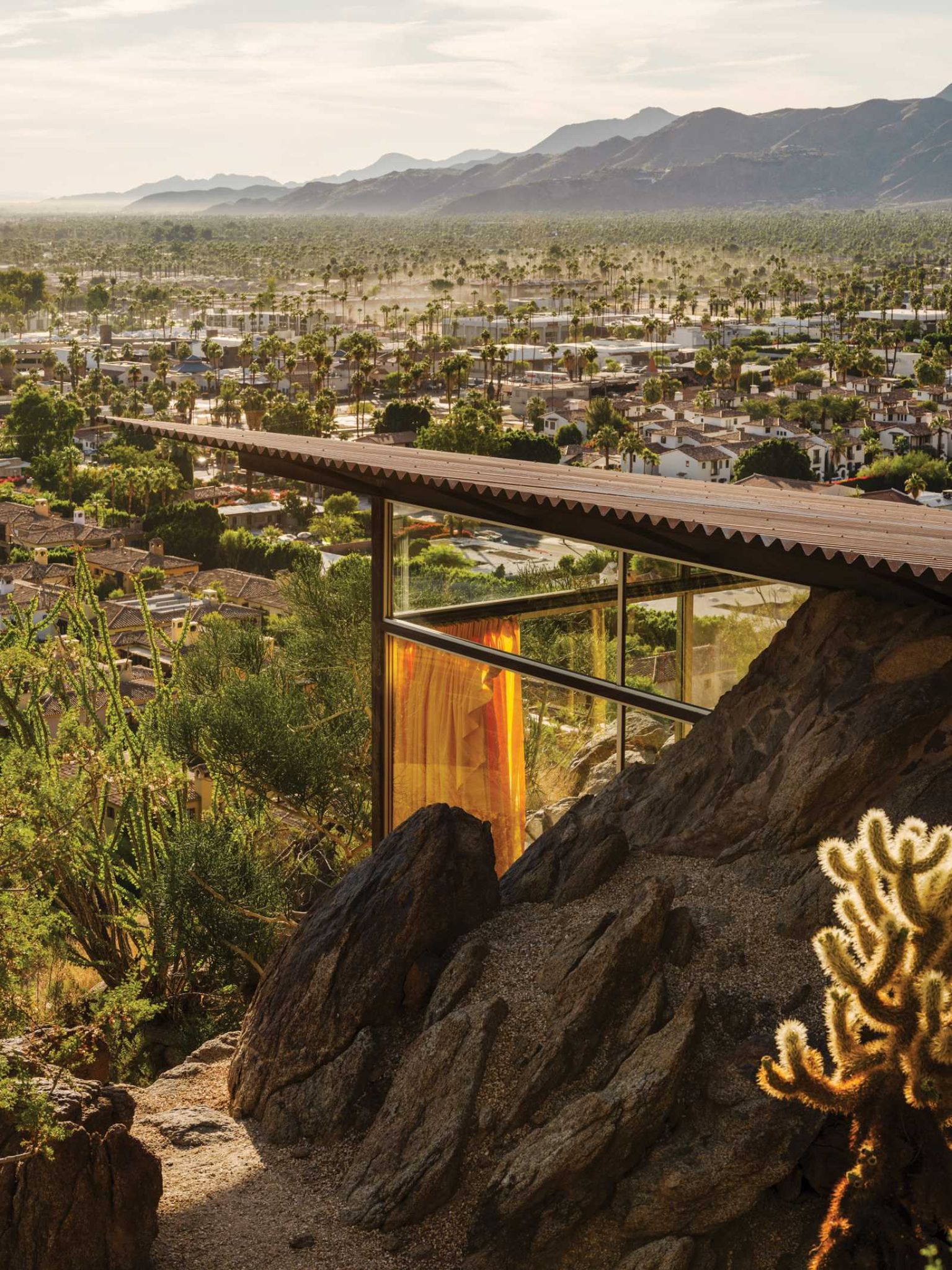
Frey House II, architect Albert Frey’s second personal residence in Palm Springs, was completed in 1964 and perched at the highest residential elevation in the city at the time. Frey carefully selected the hillside site over five years, spending a year measuring the sun’s movement with a ten-foot pole to optimize light and orientation. The compact 1200-square-foot home sits on a concrete block podium, with a steel frame, expansive glass walls, and painted corrugated metal sheathing.
Frey designed the roof slope to follow the terrain, and incorporated a large boulder inside the house as a structural and symbolic element, bridging the natural landscape with the built environment. The flat aluminum roof, overhangs, and sliding glass doors open interiors to the exterior, while the cantilevered pool deck doubles as the roof for the carport below.

Design Principles and Spatial Experience
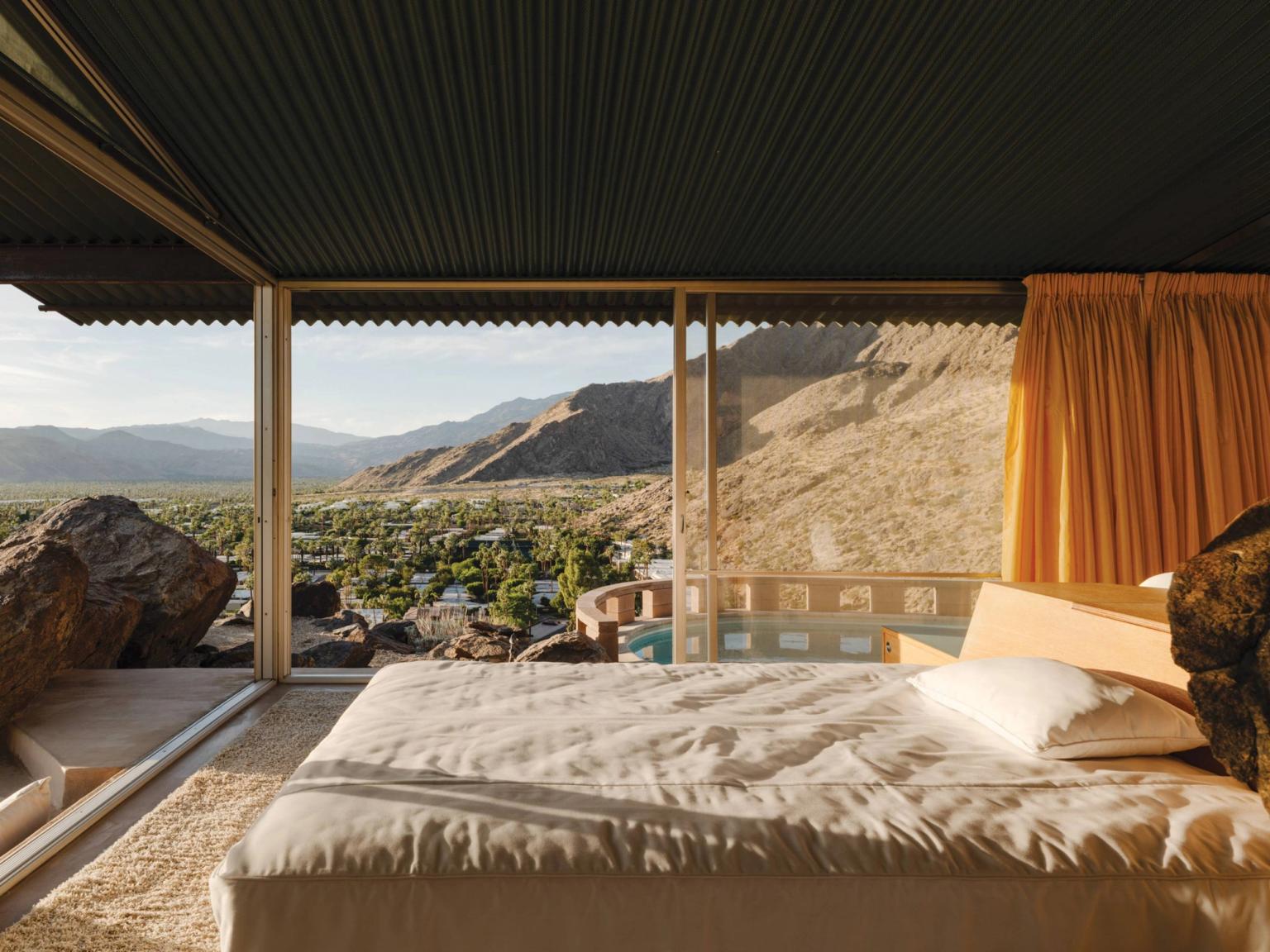
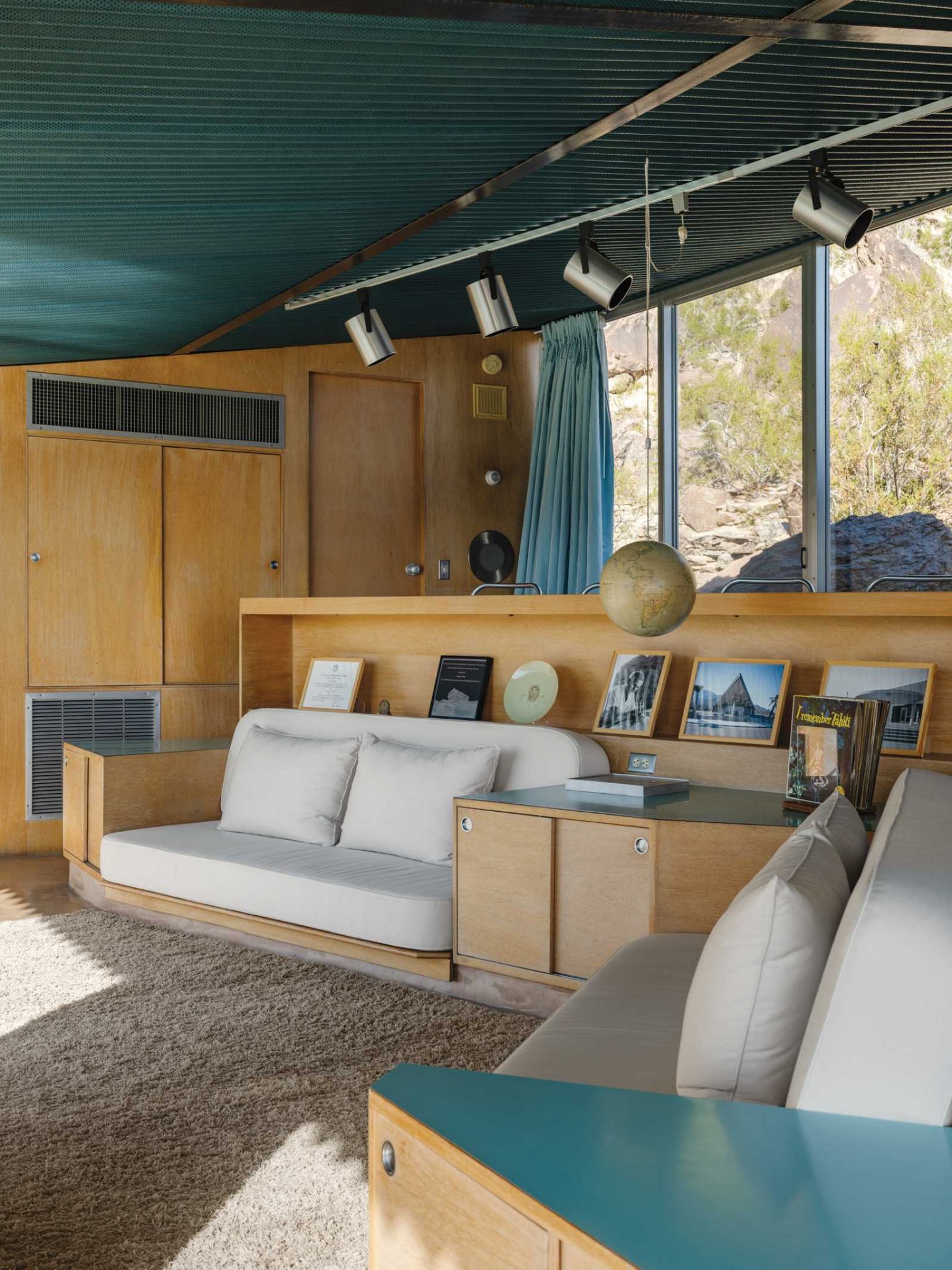
Minimalism, functionality, and harmony with the natural environment define Frey House II. The interior is organized around the central boulder, separating spaces while preserving sightlines. The upper level contains a dining/work area and bathroom, while the lower level includes the sitting area, master bedroom, and kitchen; a guest bedroom was added in 1967. Sliding glass walls frame sweeping views of the Coachella Valley, connecting the interiors with the desert landscape.
Frey carefully selected colors to reflect the surroundings: curtains match the yellow Encilla flowers, exterior and interior walls echo local flora, and the ceiling is painted sky blue. Built-in furniture, alternating sliding and pull-out cabinetry, and other subtle design interventions maximize functionality in compact spaces.


Albert Frey: Visionary Architect and Legacy
Albert Frey (1903-1998), a Swiss-born architect and pioneer of modernism, shaped the architectural identity of Palm Springs through over 200 projects, including the Palm Springs City Hall and Aerial Tramway Valley Station. Frey House II reflects his dedication to integrating architecture with nature, pioneering innovative materials and construction techniques while emphasizing simplicity, clarity, and efficiency.
As Frey’s personal retreat, the house exemplifies his design philosophy: a dialogue between high-tech materials and natural landscape, with each detail - from carport perforations to the pool deck - crafted to enhance spatial experience. Today, Frey House II is both a living testament to his vision and an enduring landmark of desert modernism.