
Gio Ponti
Villa Nemazee
- ArchitectGio Ponti
- Photographer© Salvatore Licitra - Gio Ponti Archives / Archivio Storico Gio Ponti
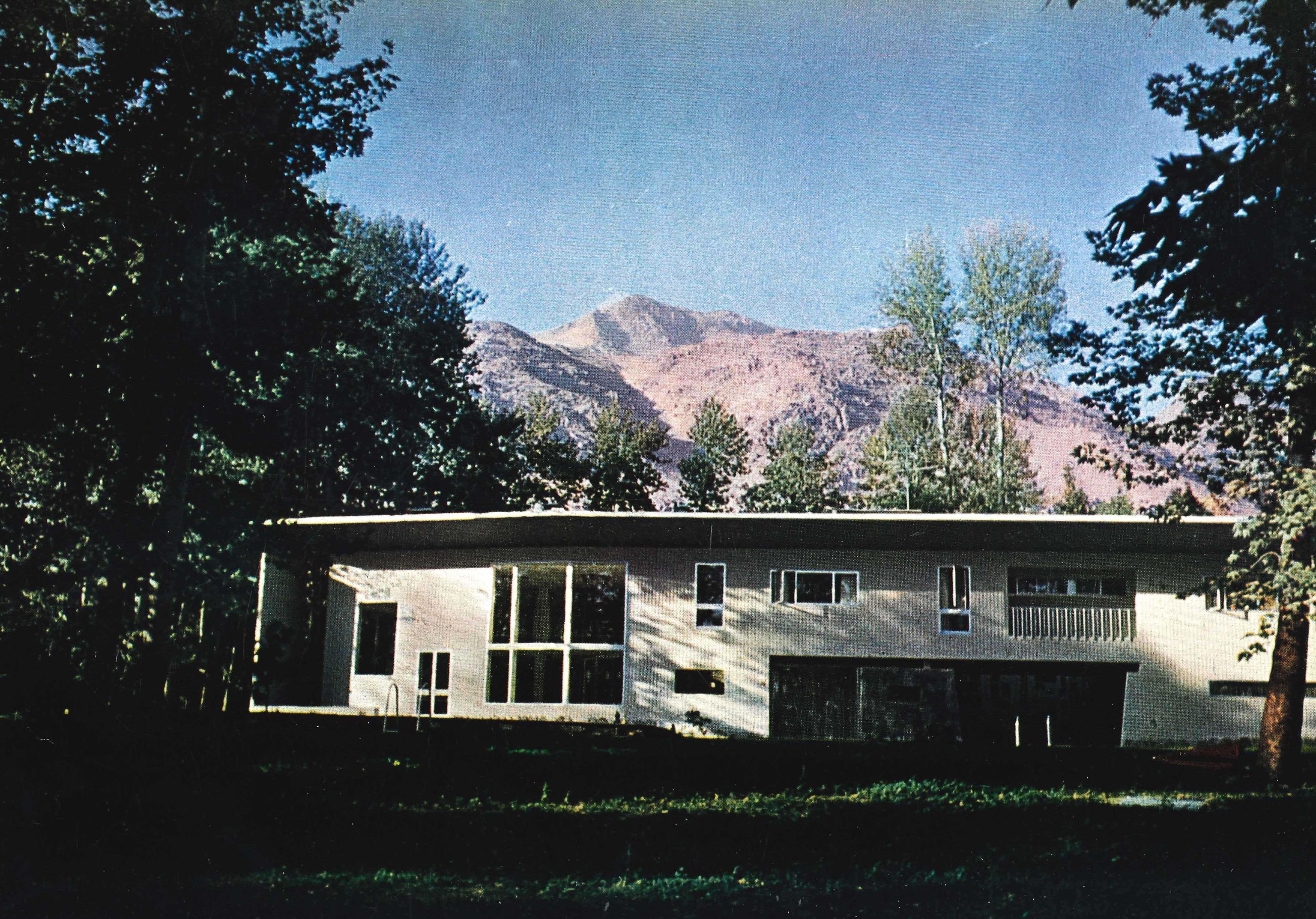
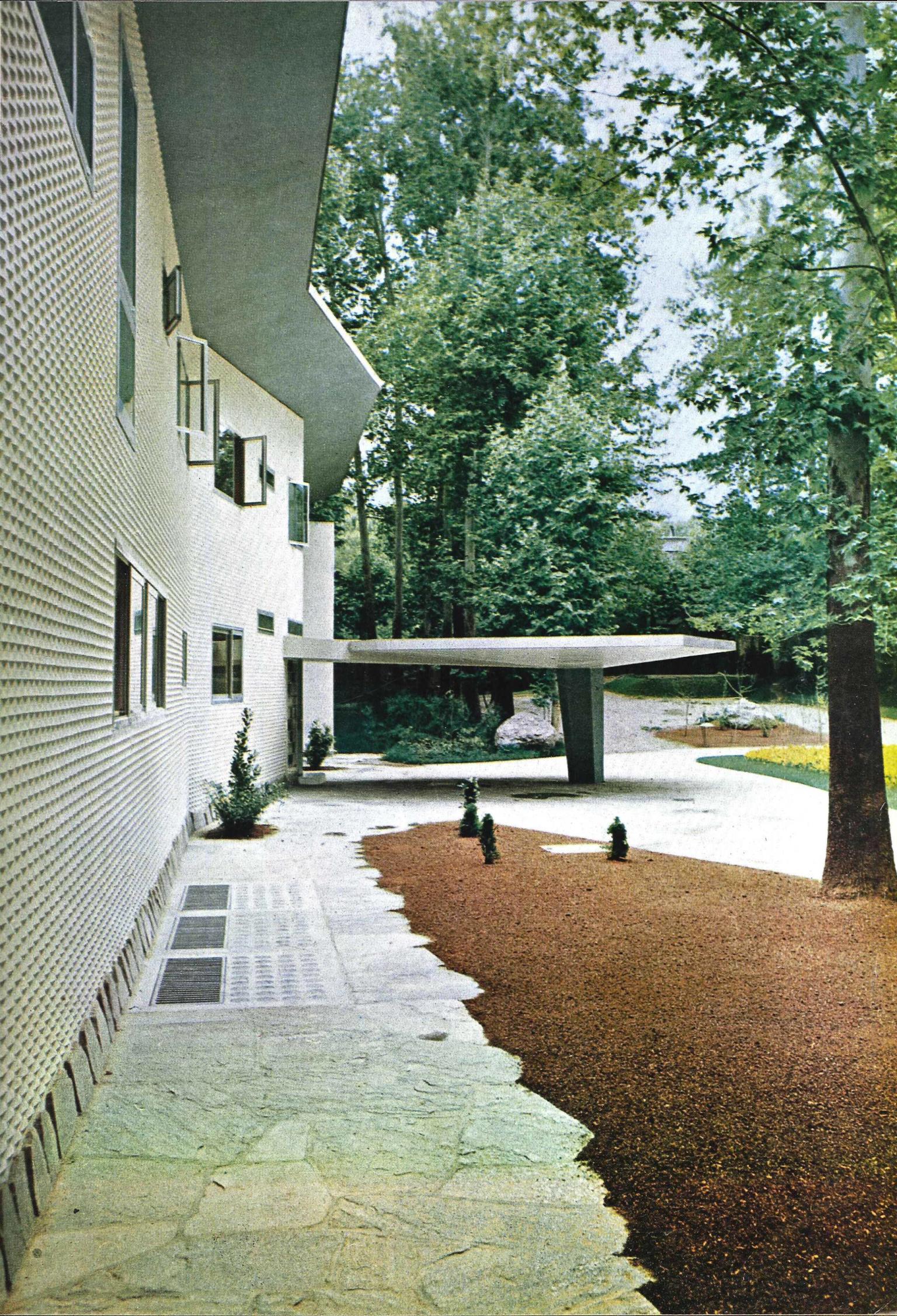
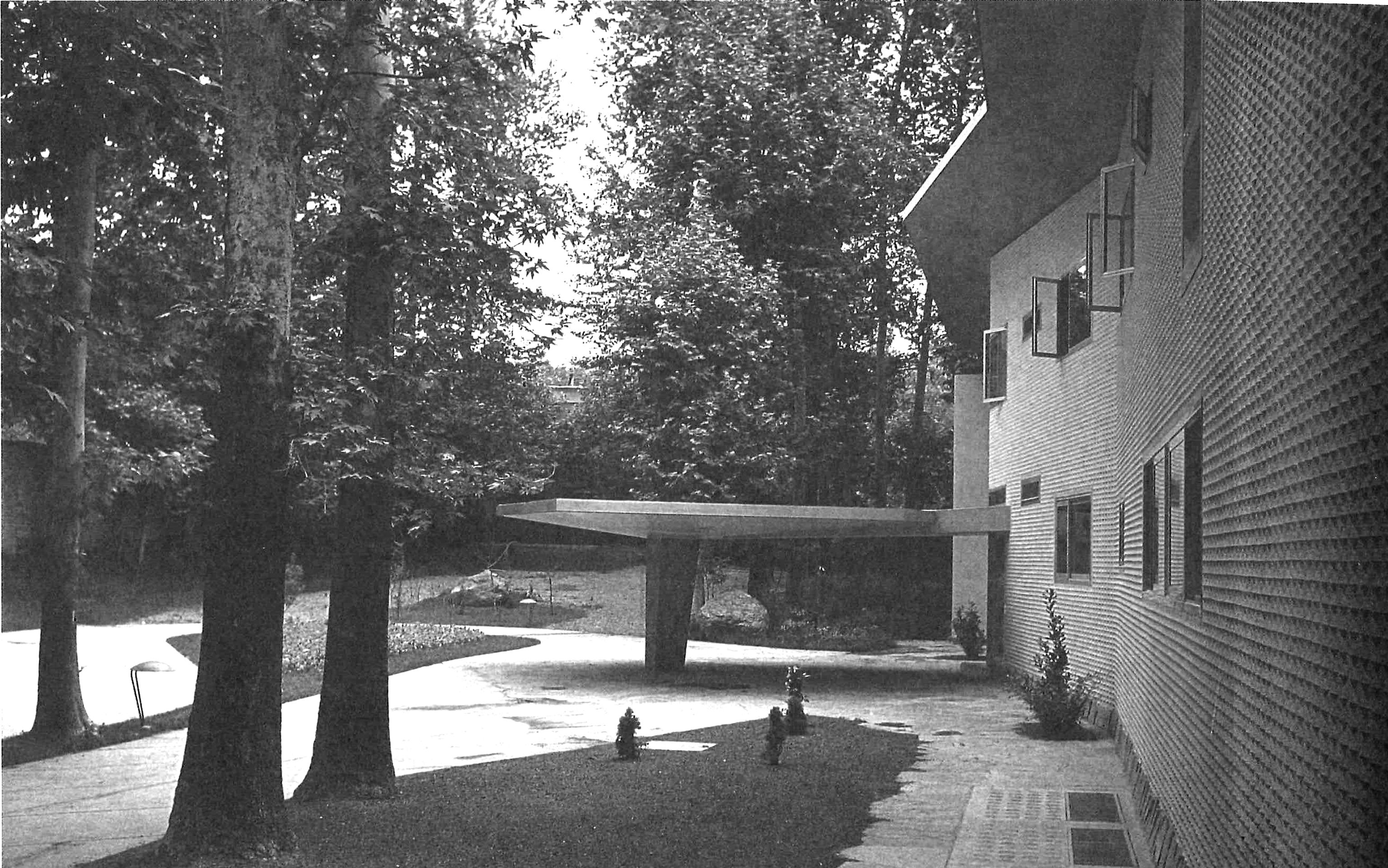
Isaac Michan and Alexandra Bové Looking at the elevation is pure joy through composition. Openings and stone ornamentation blend to create a dialogue between mass and ornament.

A Mediterranean House Reimagined
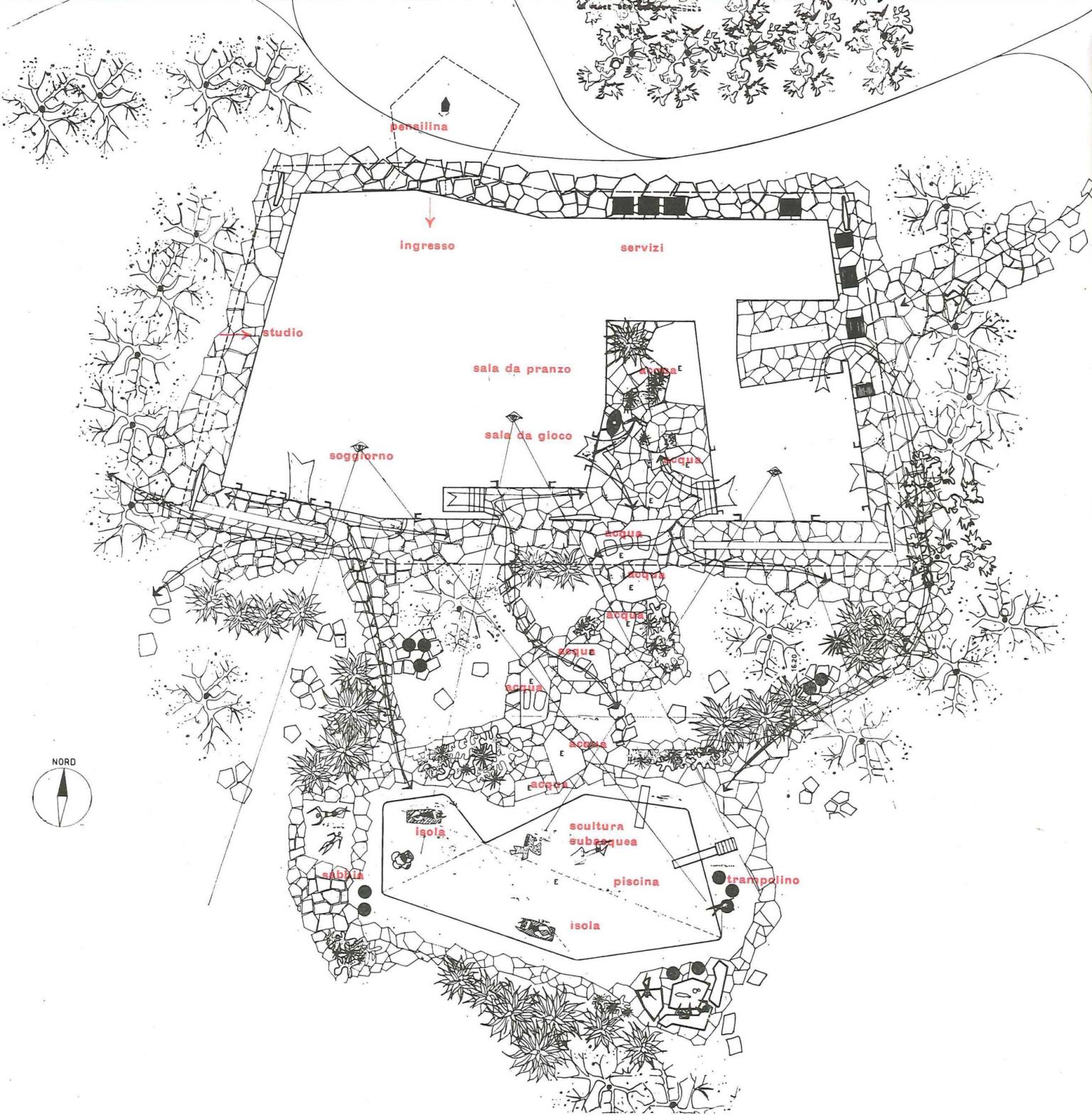
When Gio Ponti designed Villa Nemazee for Shafi and Vida Nemazee in Tehran, he was not simply exporting Italian modernism into Iran. Instead, the project became an attempt to merge different architectural traditions into a single domestic language shaped by climate, landscape, and everyday life. Completed in the early 1960s, the villa reflects Ponti’s long-standing fascination with Mediterranean architecture and his idea of the casa all’italiana, a home where architecture extends naturally into gardens, terraces, courtyards, and open-air rooms. In Tehran, those ideas were carefully adapted to Persian spatial traditions, particularly the Iranian courtyard house, creating a building that feels both international and deeply rooted in place. Rather than appearing monumental or rigid, the villa unfolds with a sense of warmth and openness, designed around the experience of living rather than formal display.

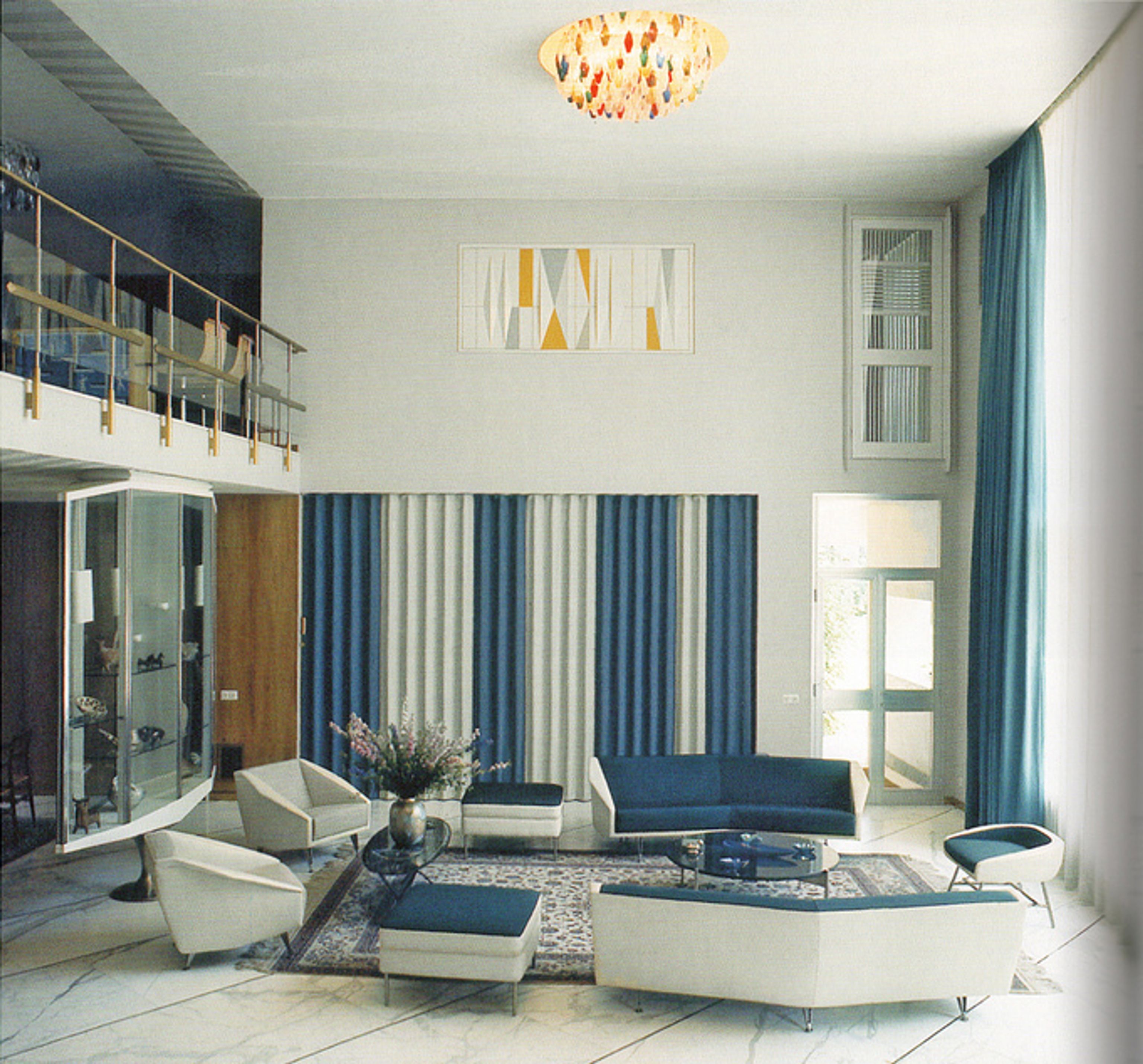
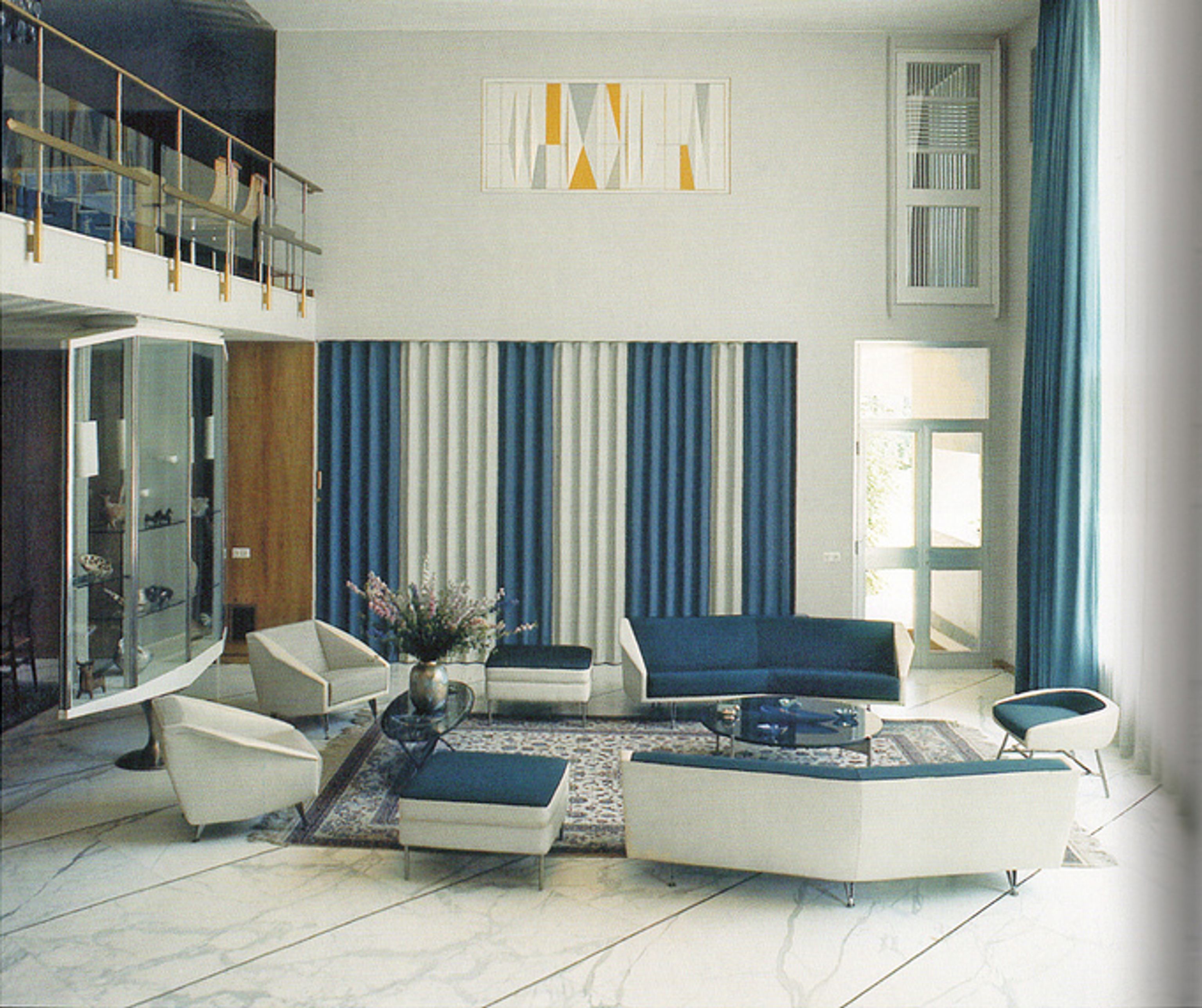
Ponti approached the house almost as a complete environment rather than a single architectural object. Every part of the project, from the layout and structure to the furniture, ceramics, lighting, and artworks, was designed to work together as one coherent atmosphere. The villa was developed in close collaboration with architect Lolo Foroughi during construction in Tehran, while artists such as Fausto Melotti and Paolo De Poli contributed ceramic surfaces and decorative elements integrated directly into the architecture itself. Ponti often described architecture as something “alive,” animated by people and movement, and Villa Nemazee reflects that philosophy throughout. Rooms connect through shifting perspectives, interior balconies, framed openings, and changing levels, creating a house that reveals itself gradually rather than all at once.

A House Built Around Light and Movement
The experience of moving through Villa Nemazee is central to the project. Ponti designed the house as a sequence of connected spaces where views constantly open, overlap, and redirect attention. From the entrance, the eye travels across the reception spaces toward the garden, while large windows, double-height rooms, and sliding partitions create a sense of visual continuity without removing intimacy. The architecture never feels static; instead, it changes continuously depending on where the body stands, how light moves across the surfaces, or how rooms are opened and closed throughout the day.
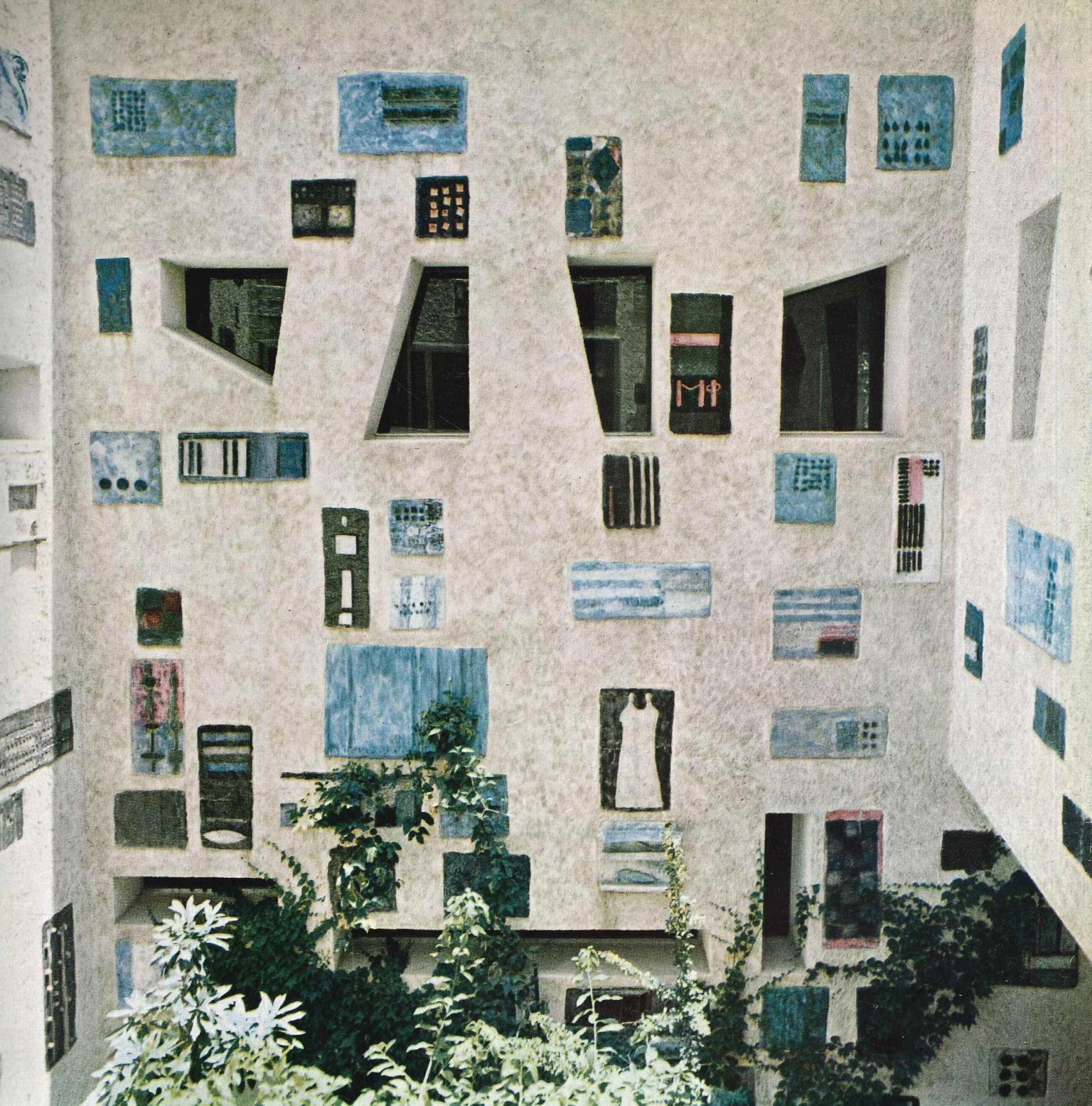
At the centre of the villa sits the internal courtyard, one of the defining architectural gestures of the project. Inspired by traditional Iranian domestic architecture, the courtyard functions as an outdoor room that brings light, air, and landscape directly into the middle of the house. Ponti filled this space with irregular openings, geometric rhythms, and ceramic artworks by Fausto Melotti, allowing art and architecture to merge together completely. Throughout the villa, walls are treated less as solid boundaries and more as surfaces for framing views, filtering light, or creating moments of pause. Ponti believed architecture should be discovered physically through movement, and Villa Nemazee becomes a carefully choreographed experience of shifting atmospheres rather than a fixed composition.

Material, Craft, and Modernism
One of the most striking aspects of Villa Nemazee is its material language. Ponti used ceramics extensively across both the interiors and exterior surfaces, continuing an approach that appeared throughout many of his projects during the 1950s and 60s. Blue and white tiles cover sections of the villa with changing geometric patterns that catch light differently throughout the day, giving the building a sense of texture and movement. These surfaces connect the villa simultaneously to Mediterranean architecture and Persian decorative traditions, while also reflecting Ponti’s fascination with lightness and visual rhythm.
The house combines refined craftsmanship with industrial modernity in a way that feels highly characteristic of Ponti’s work. Diamond-shaped supports, folded roof forms, suspended surfaces, and asymmetrical openings create an architecture that appears unusually delicate despite its concrete structure. Inside, Ponti designed interiors filled with custom furniture, layered lighting, Murano glass pieces, built-in elements, and carefully selected materials intended to create what he described as “serene living.” Nothing in the villa feels purely decorative; every object contributes to the atmosphere of the house and to the relationship between people and space. The result is an architecture where design, art, and domestic life become inseparable.

Villa Nemazee Today
Over time, Villa Nemazee has become more than an architectural masterpiece; it has also become a symbol of cultural memory and preservation in Tehran. After the 1979 Iranian Revolution, the villa was confiscated and later subjected to neglect, insensitive renovations, and periods of abandonment. Original details were damaged, interiors altered, and parts of the building deteriorated significantly. In 2017, the villa was removed from Iran’s national heritage list to allow for the construction of a luxury hotel on the site, prompting major backlash from architects, historians, and preservation groups internationally.
The campaign to save Villa Nemazee highlighted the building’s importance not only as one of Gio Ponti’s most significant residential works, but also as a rare example of architectural exchange between Iran and postwar European modernism. Public pressure eventually prevented demolition, allowing the villa to survive as one of the few remaining modernist landmarks of its kind in Tehran. Today, the house stands as a reminder of a period when architecture in Iran was deeply engaged with international ideas while still maintaining a strong local identity. More than sixty years after its completion, Villa Nemazee continues to demonstrate how modern architecture can remain sensitive to culture, climate, craftsmanship, and human experience without losing clarity or ambition.