
Before the Dawn of Civilisation
Göbekli Tepe
Elora Hardy Göbekli Tepe makes me wonder about the human drive to create places.
Elora Hardy on Göbekli Tepe
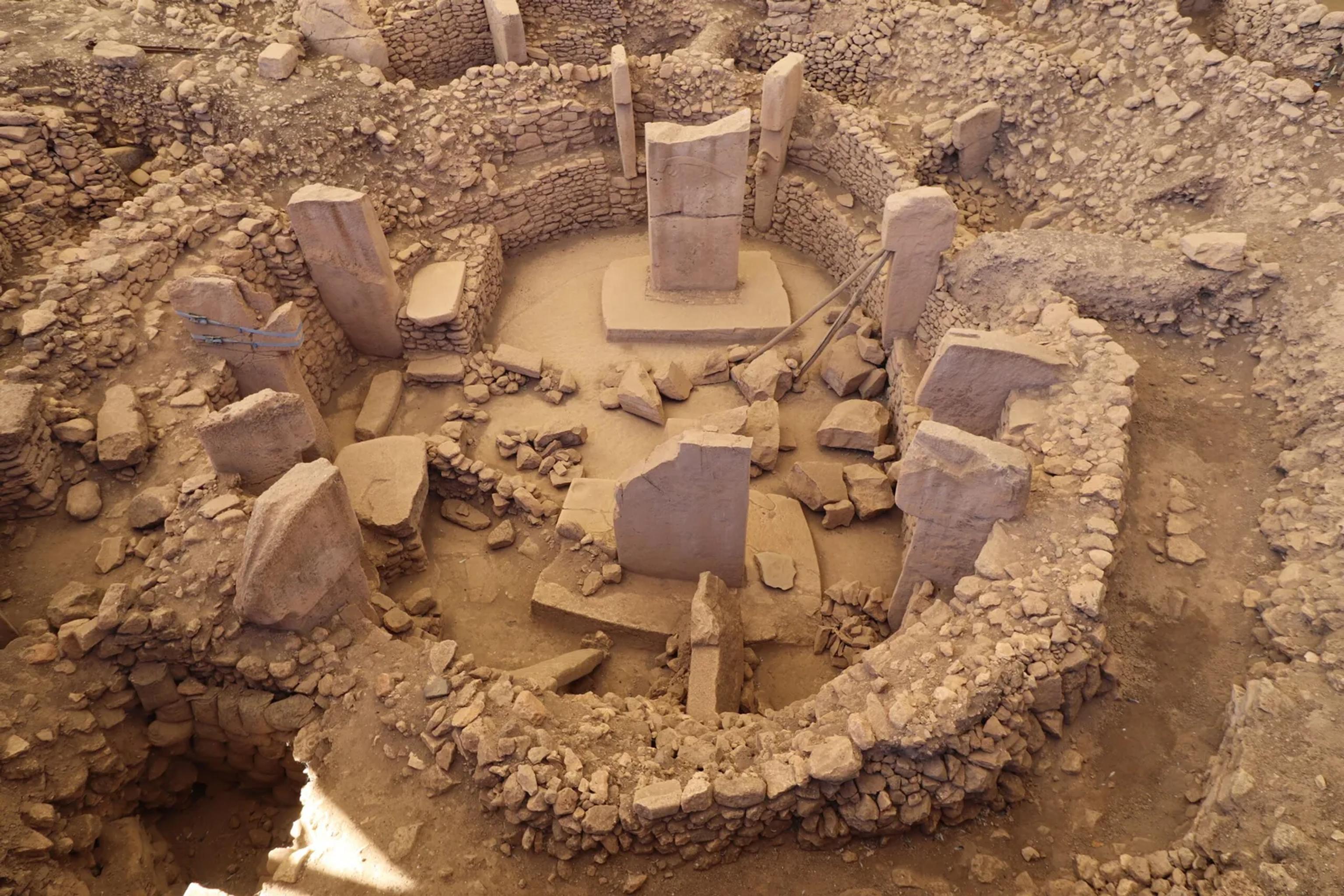
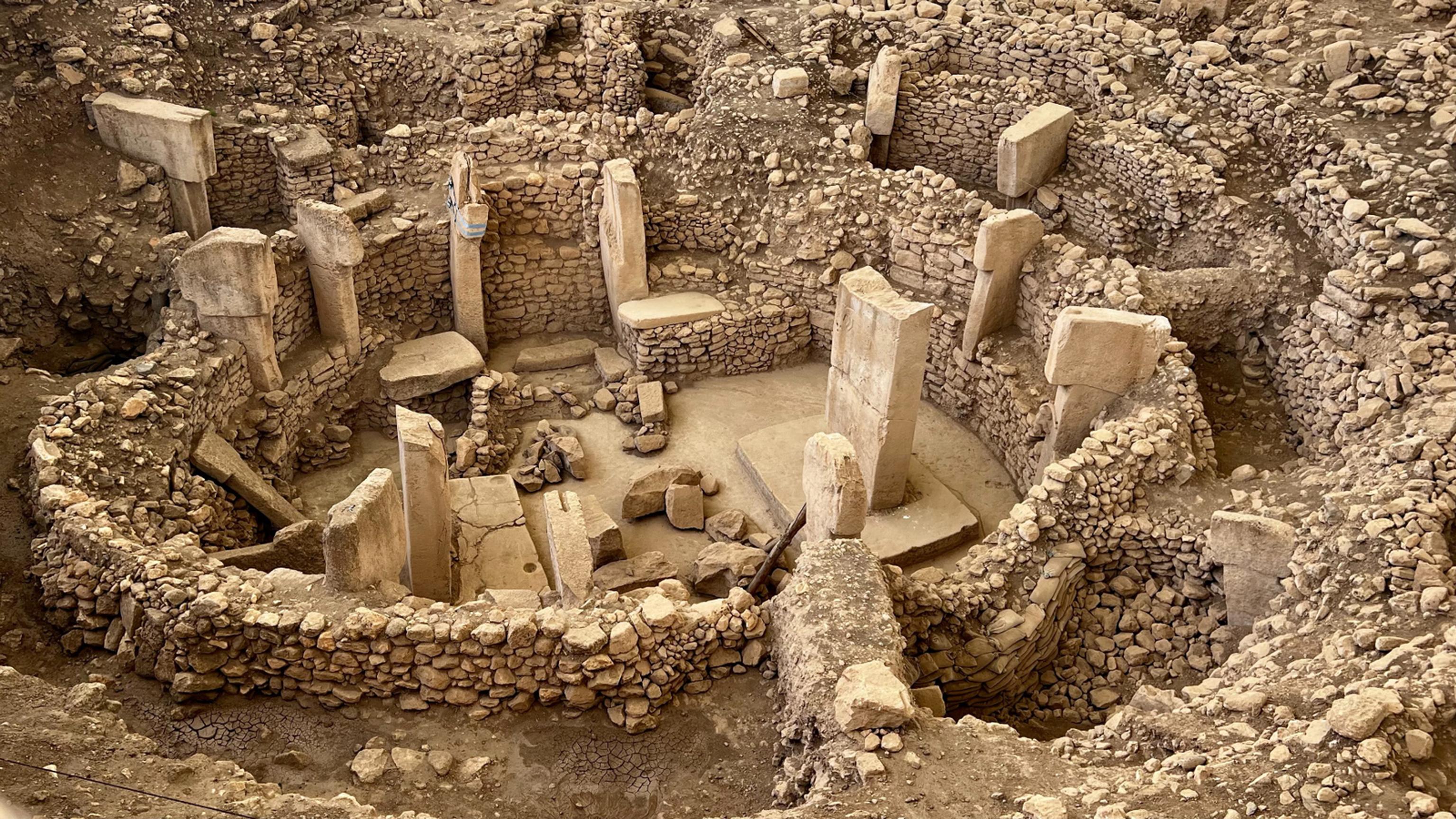
Göbekli Tepe makes me wonder about the human drive to create places. We rearrange rocks, hills and trees, give stones positions and meanings, and create stories and rituals around them. Before this place was found, we didn't know hunter-gatherer groups created monumental structures, let alone enclosures up to 30 metres across, ringed with 5-metre stone pillars. Eleven thousand years later, we still don't know what happened here, why they built it, what it meant, or why it was buried. One constant is that we keep making meaning. And there's something wonderful about a place that is both such a shock to what we thought we knew, and that still remains such a mystery.

A Monument at the Beginning of Time
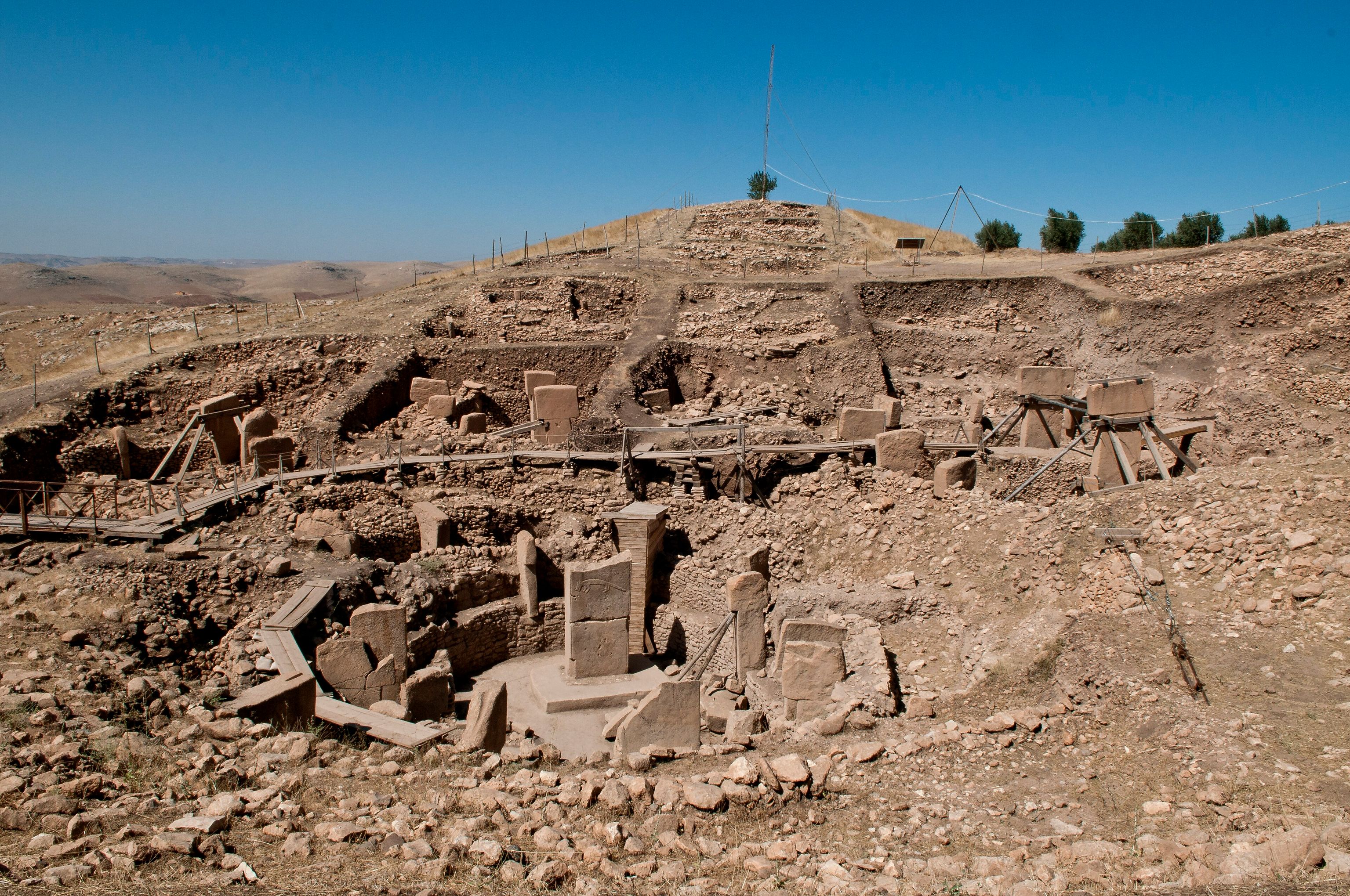
On a limestone plateau in southeastern Türkiye, overlooking the rolling landscape of Upper Mesopotamia, stands Göbekli Tepe, an archaeological site that has profoundly changed our understanding of early human civilisation. Built approximately 11,500 years ago, long before the invention of writing, the wheel or pottery, its monumental stone enclosures were created by communities who still lived largely by hunting and gathering. Their achievement challenges the familiar narrative that monumental architecture emerged only after humans settled into agricultural societies.
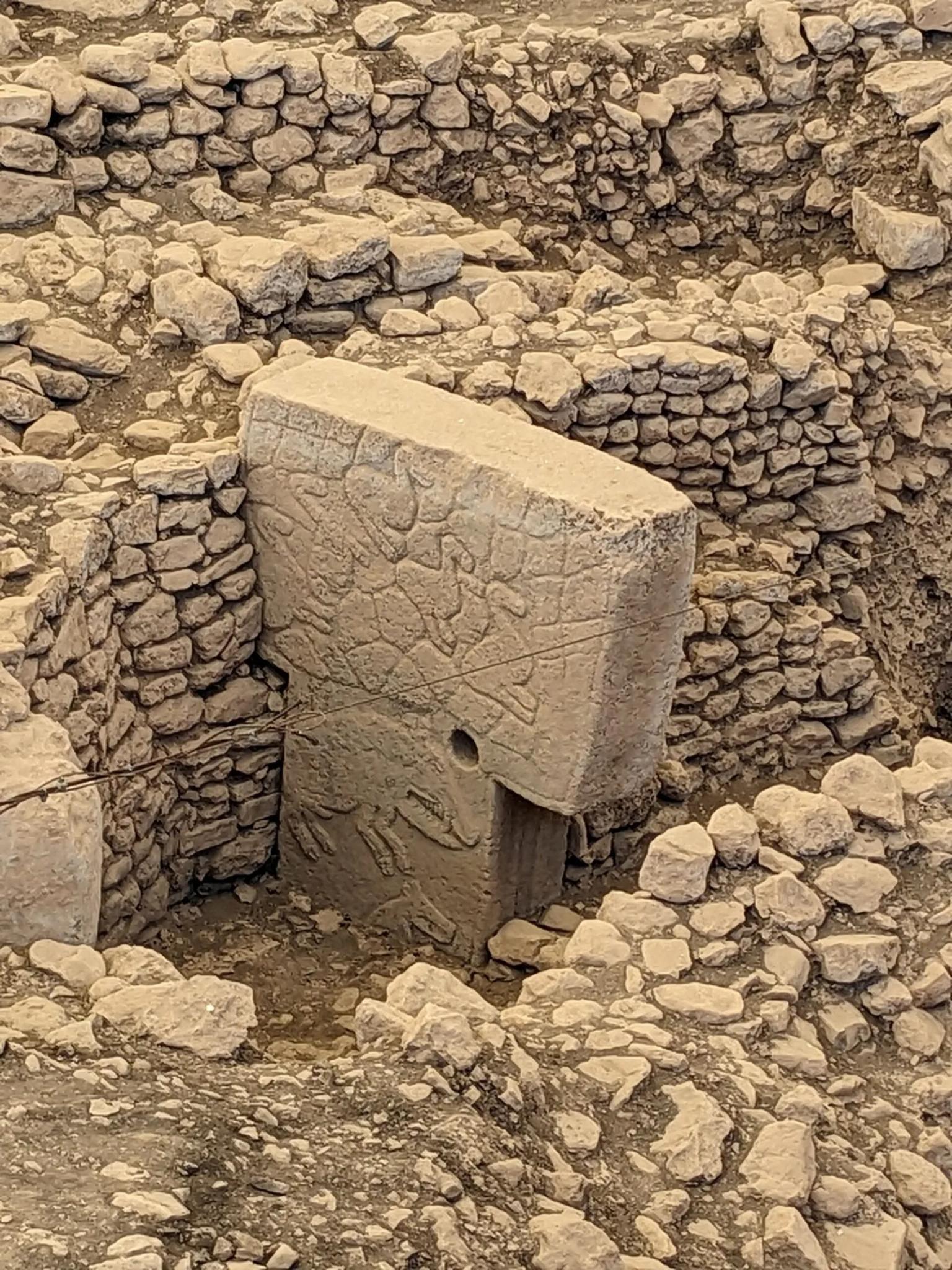
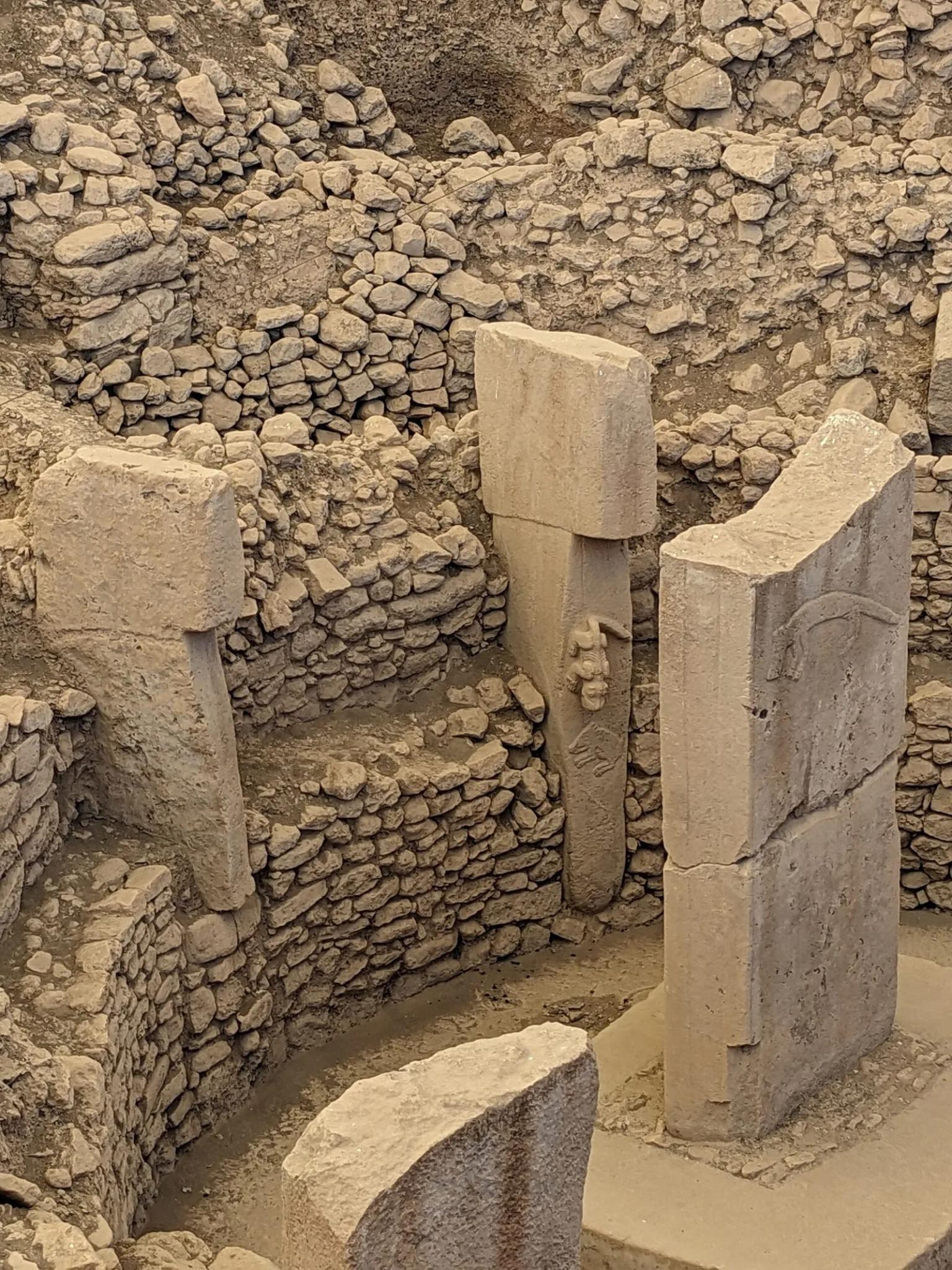
The site consists of a series of circular and oval enclosures, some reaching 30 metres in diameter, defined by massive limestone pillars carved into distinctive T shapes. The tallest rise to approximately 5.5 metres, standing like silent figures within the stone chambers. Cut from the surrounding bedrock and transported into position, the pillars reveal an extraordinary understanding of materials, construction and collective organisation. Their scale suggests a shared ambition that extended far beyond the needs of everyday survival.
Göbekli Tepe was first recognised as an extraordinary archaeological site in the 1990s, when systematic excavations began to reveal the complexity of its structures. Since then, it has become one of the most significant discoveries in the study of prehistory, offering a rare glimpse into a period when human societies were beginning to develop new forms of social and cultural life.

Stone, Symbols and the Invisible World
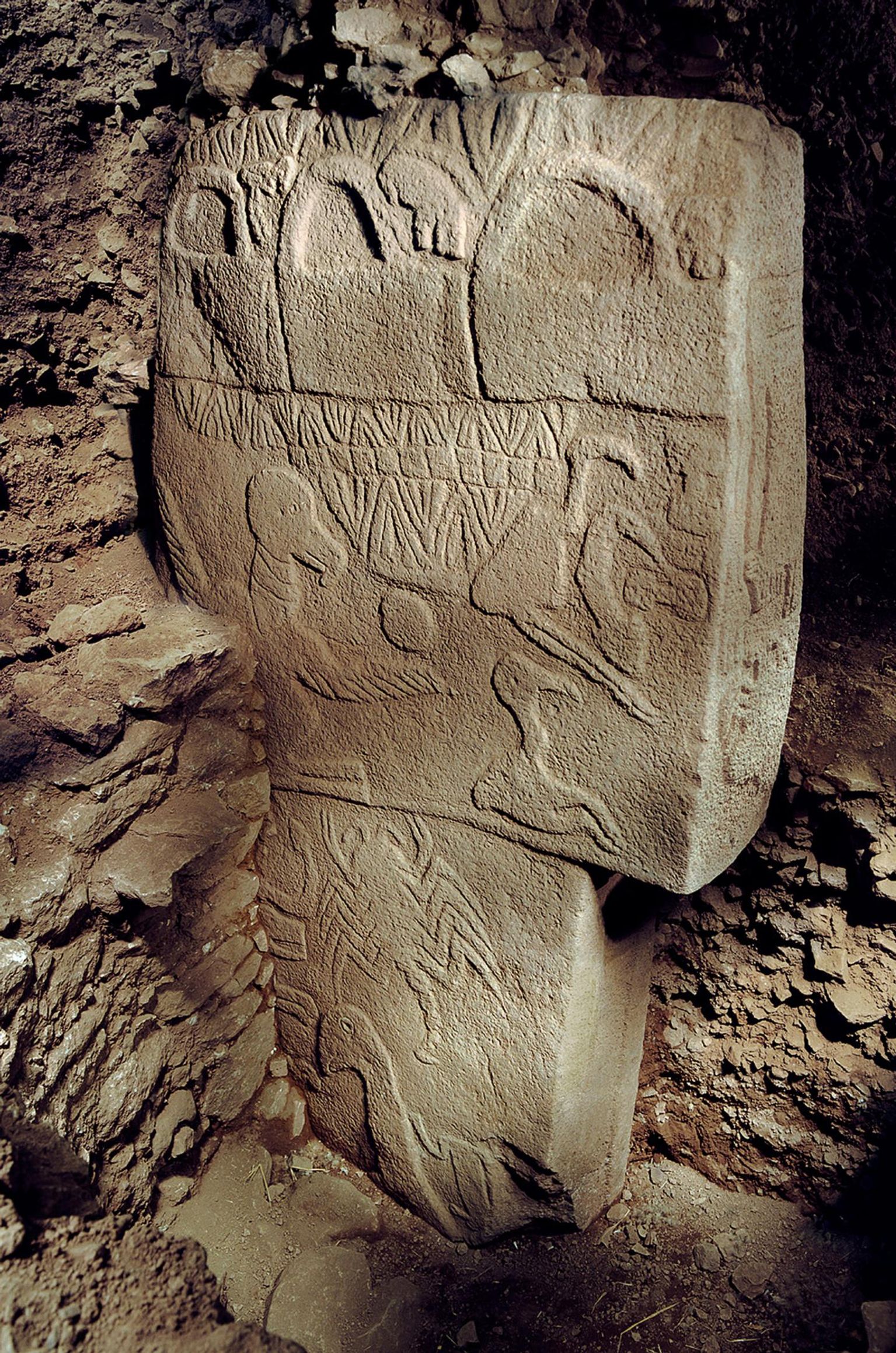
The pillars are distinguished not only by their monumental presence but also by the rich imagery carved into their surfaces. Foxes, snakes, wild boars, birds and other animals emerge from the limestone in carefully rendered reliefs. Some figures are naturalistic, while others appear stylised or abstract, creating a visual language whose full meaning remains elusive. Certain pillars incorporate arms, hands and details resembling belts or garments, suggesting that their T shaped forms may represent highly stylised human figures.
These carvings offer more than a record of the surrounding wildlife. They suggest a complex symbolic world in which animals, human identity and spiritual beliefs were closely intertwined. Archaeologists generally interpret the monumental enclosures as spaces for communal gatherings and ritual activities, although their precise purpose remains a subject of debate. They may have been places where groups came together for ceremonies, feasting and the reaffirmation of shared beliefs, perhaps connecting the living with ancestors or other unseen forces.
What makes Göbekli Tepe particularly compelling is the relationship between its architecture and the society that produced it. The construction of such large structures would have required considerable labour, planning and cooperation among people who did not yet possess the agricultural systems traditionally associated with permanent settlements. The site therefore invites a fundamental question: did shared beliefs bring people together to build monuments, or did the demands of monumental construction itself help shape new forms of social organisation?


The Architecture of a New World
Göbekli Tepe belongs to a transformative moment in human history, when hunter gatherer communities across the region were gradually moving towards settled life and the cultivation of plants and domestication of animals. The relationship between this transition and the construction of monumental architecture remains complex. Rather than offering a simple origin story for civilisation, the site reveals how sophisticated social and symbolic practices could emerge before farming became the dominant way of life.
The enclosures were built, used and rebuilt over centuries. Eventually, they were deliberately filled with stone, earth and debris, preserving much of their extraordinary contents beneath the surface. The reasons for this burial remain uncertain, adding another layer of mystery to a site that continues to challenge interpretation. Today, the exposed structures represent only part of a much larger archaeological landscape, and ongoing research continues to deepen our understanding of the people who created them.
Inscribed on the UNESCO World Heritage List in 2018, Göbekli Tepe is not simply an ancient monument. It is evidence of a time when architecture began to assume a new role in human life, becoming a place for collective memory, symbolic expression and communal experience. Its stone pillars stand at the threshold between the known and the unknown, reminding us that the origins of civilisation may lie as much in the human desire to gather, believe and create meaning as in the practical demands of survival.