
Jean-Paul Goude
Grace Jones
- Graphic DesignerJean-Paul Goude
ALASTAIR PHILIP WIPER Goude, a French graphic designer and image-maker (and Grace Jones’s partner), helped create some of the most iconic images of the 1980s. The way he reshaped her image into a futuristic, androgynous yet sexy figure is unforgettable.

Jean-Paul Goude & Grace Jones
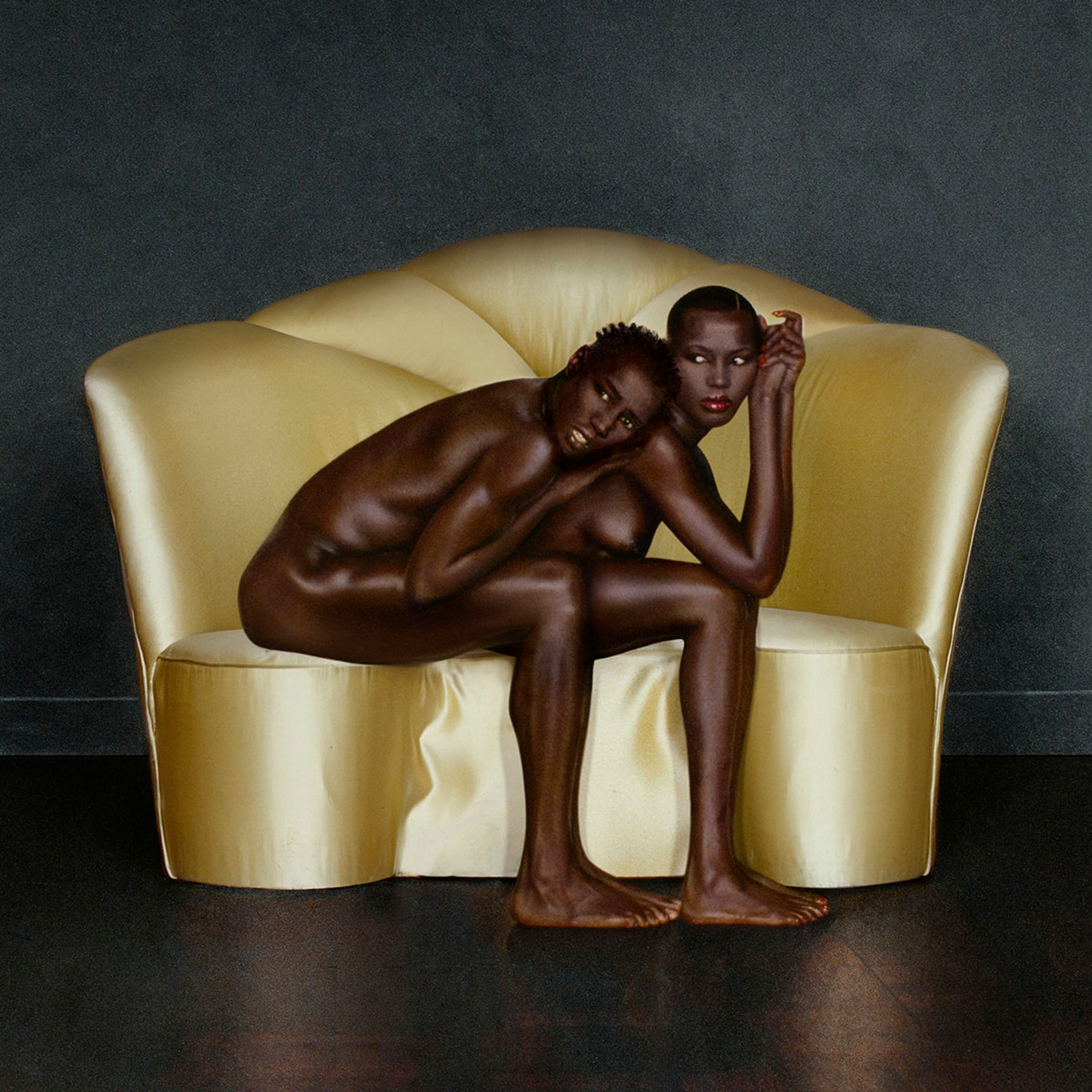
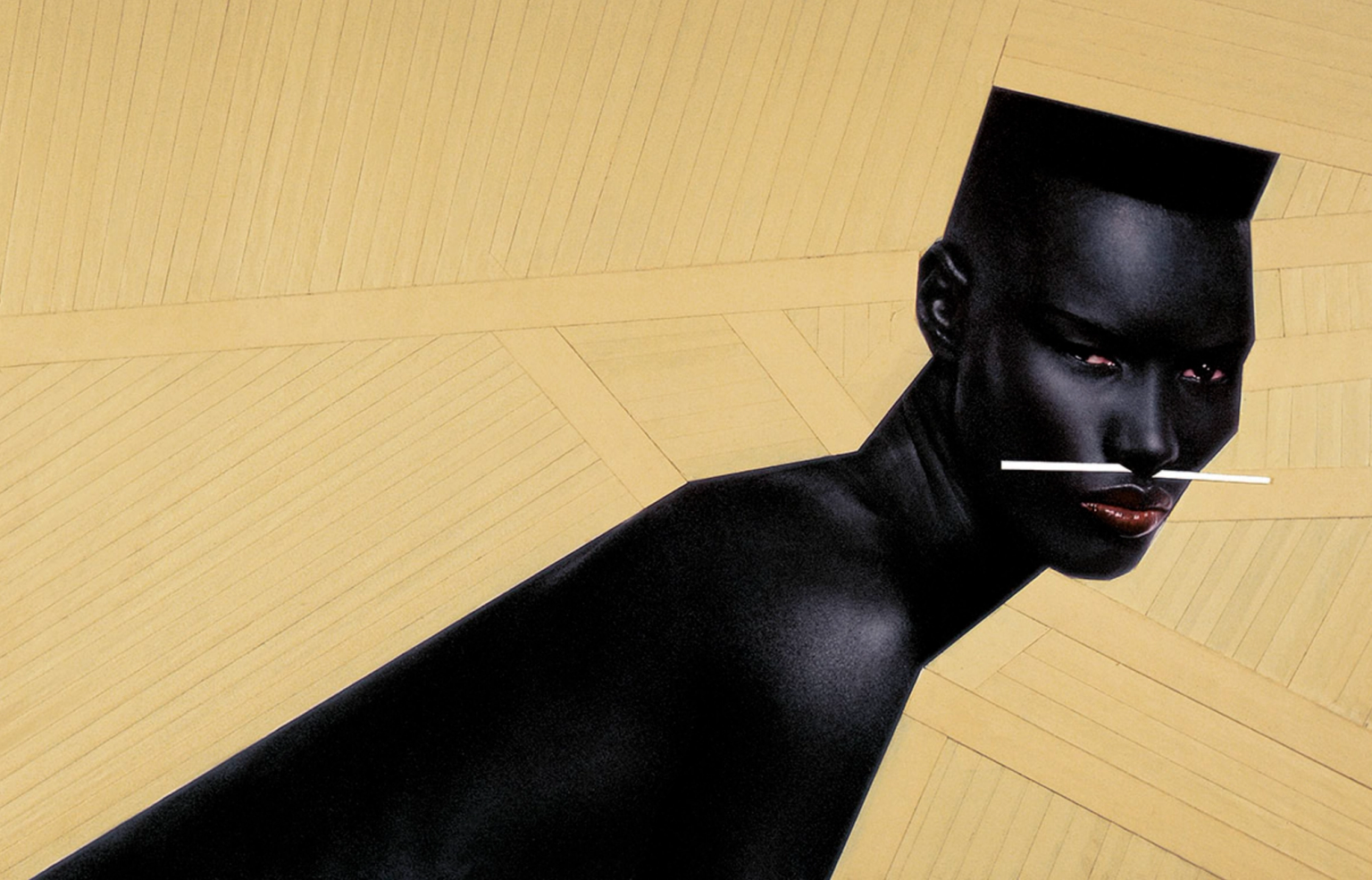
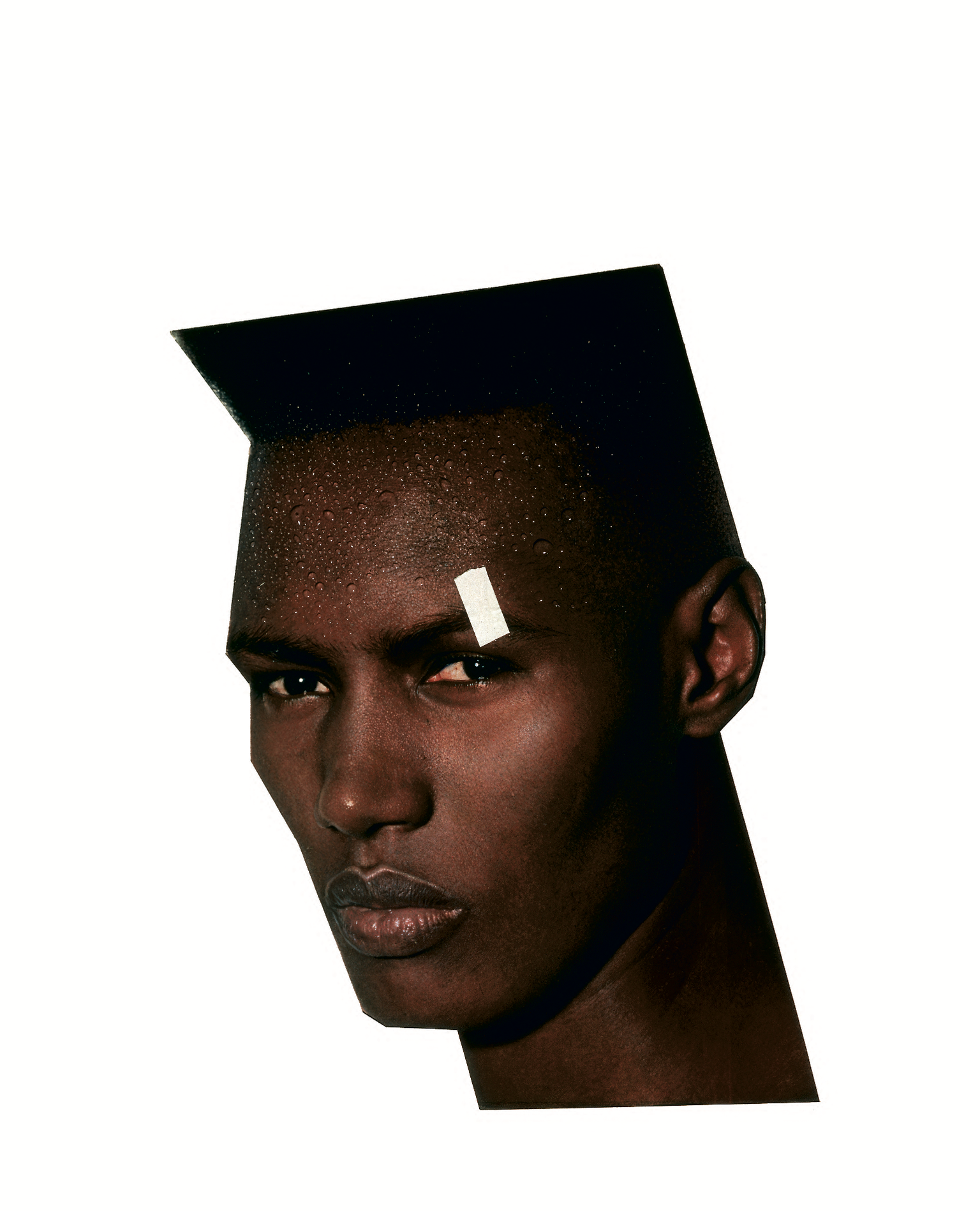
Jean-Paul Goude’s collaboration with Grace Jones fundamentally redefined what pop imagery could be in the late 1970s and 1980s. Rather than presenting Jones through conventional glamour or documentary photography, Goude constructed a tightly controlled visual system in which the body became graphic material — sculpted, rearranged, and designed.

Credible Illusions
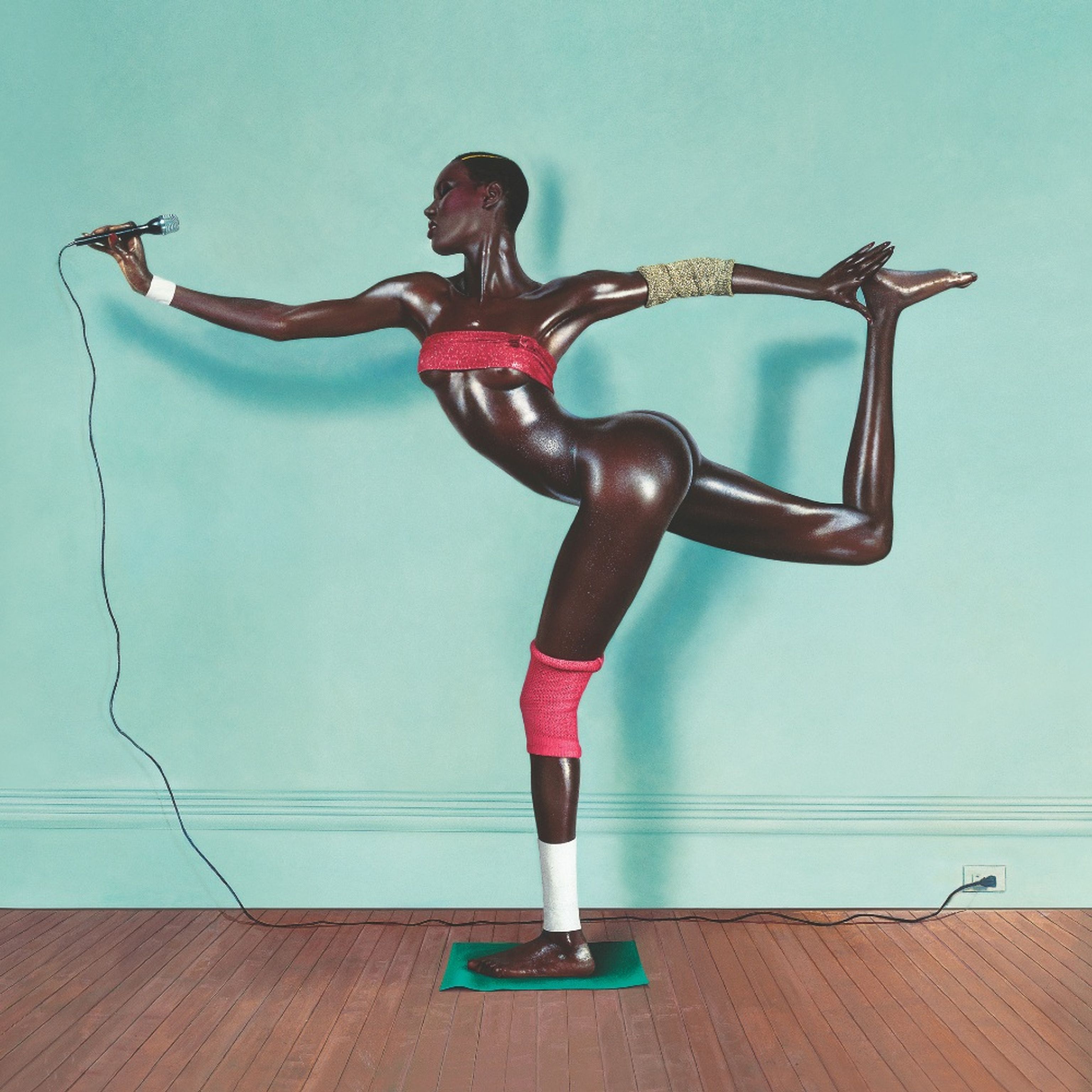
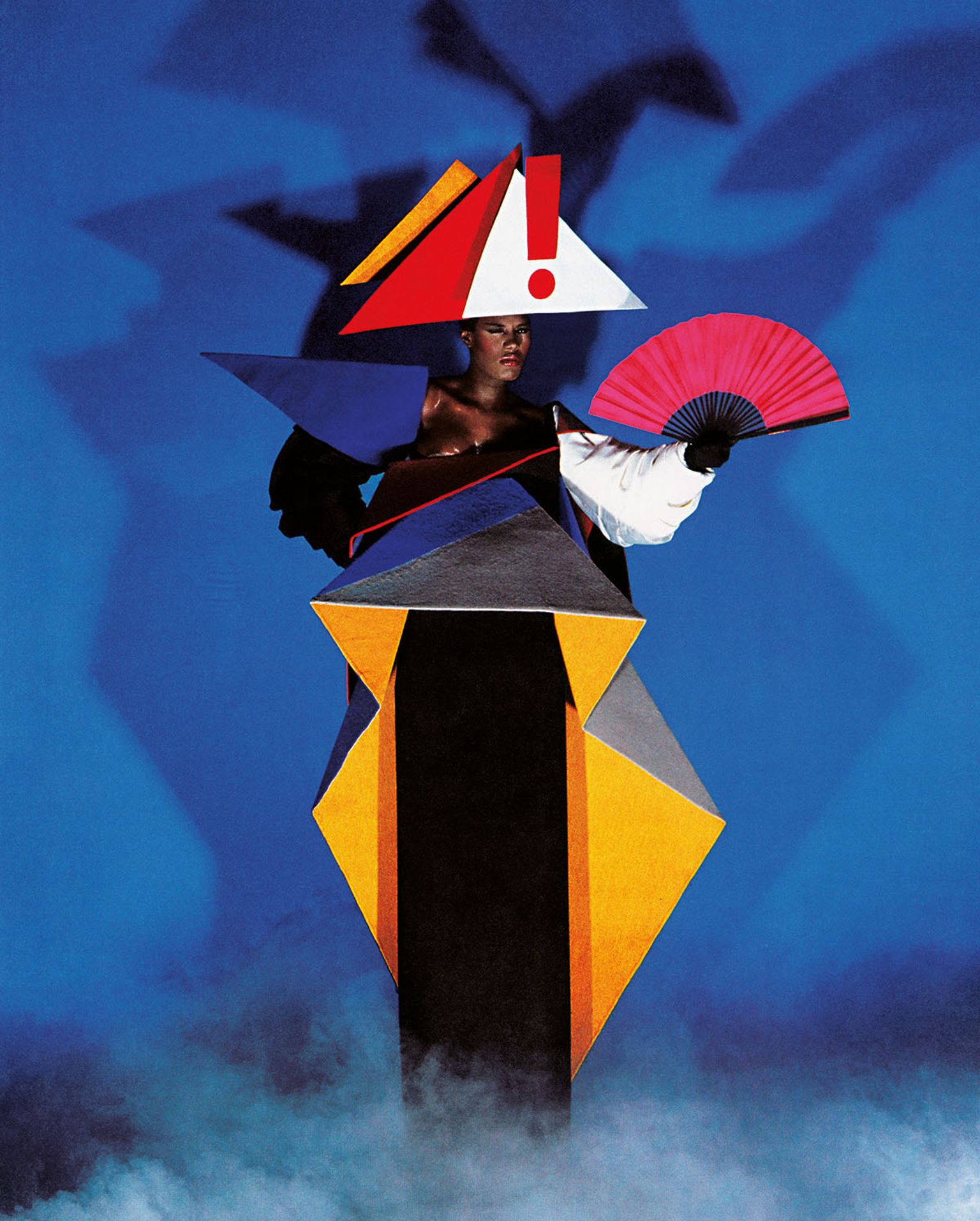
Drawing on his background in illustration, advertising, and collage, Goude developed what he described as “credible illusions”: images that initially read as natural but reveal themselves as carefully engineered. This method reached its most iconic expression on the Island Life (1985) album cover, where Jones’ body is elongated and reassembled into a dynamic, gravity-defying pose. Created through darkroom montage rather than digital manipulation, the image operates as both photography and graphic design, instantly recognizable and endlessly referenced.
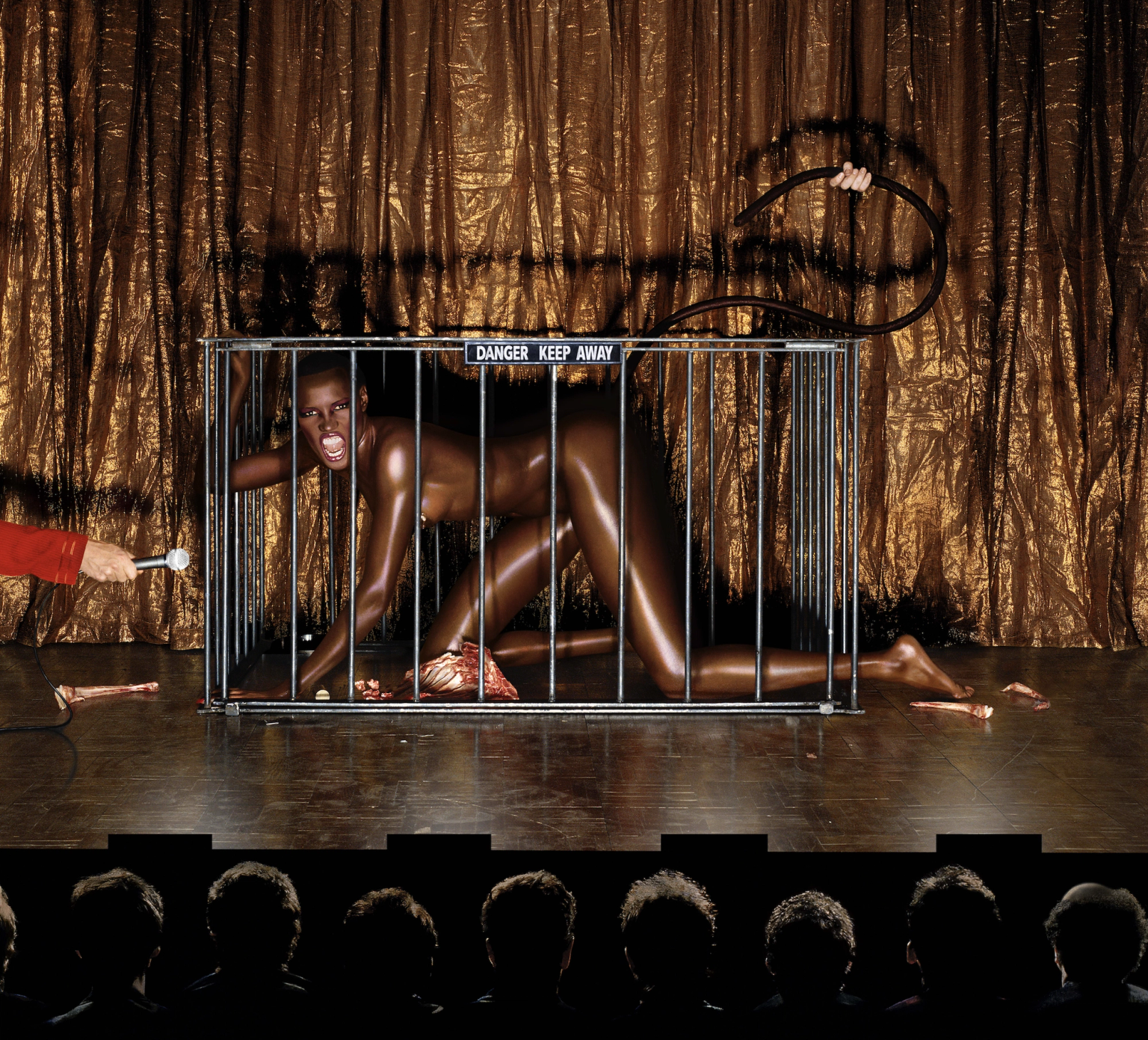

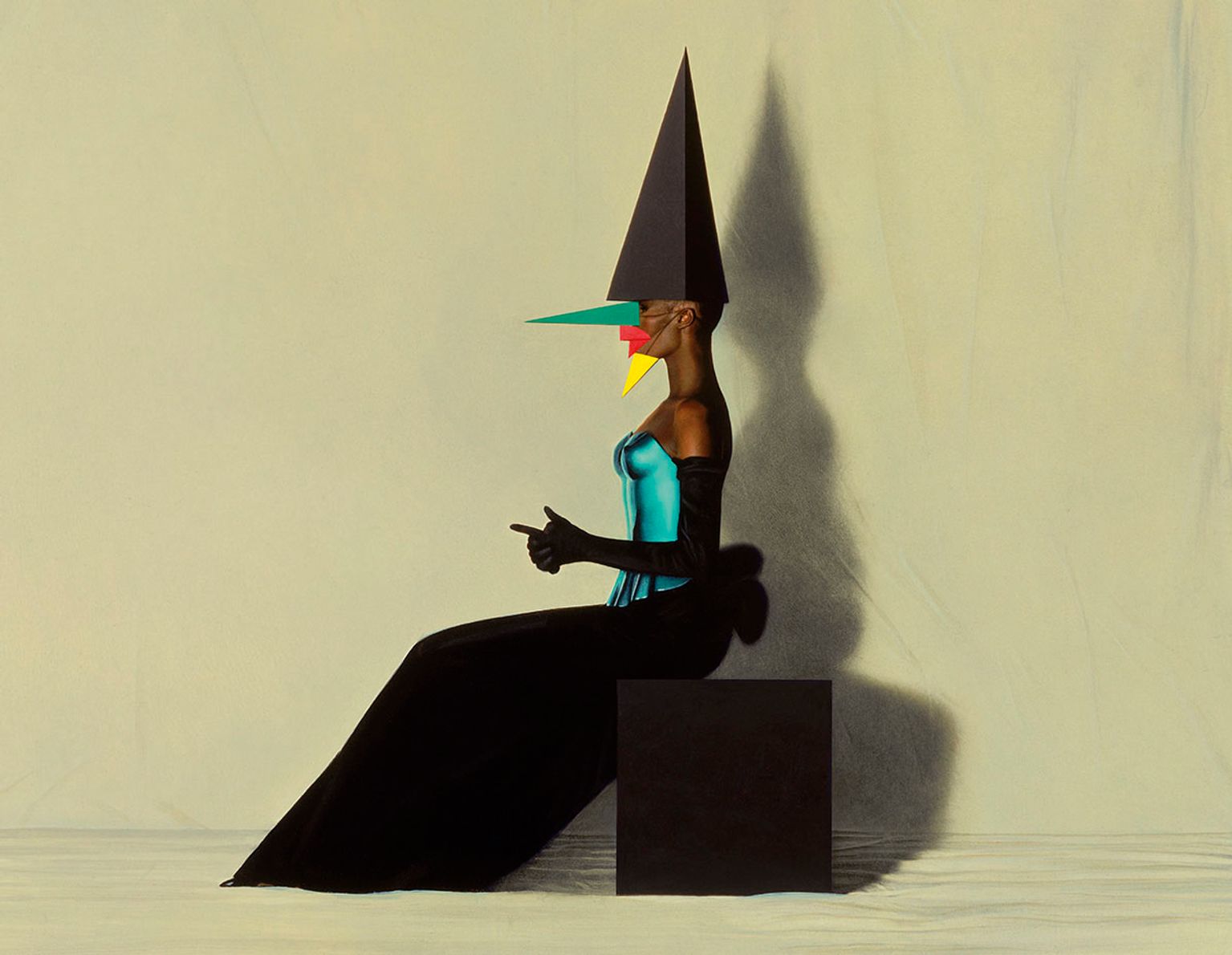

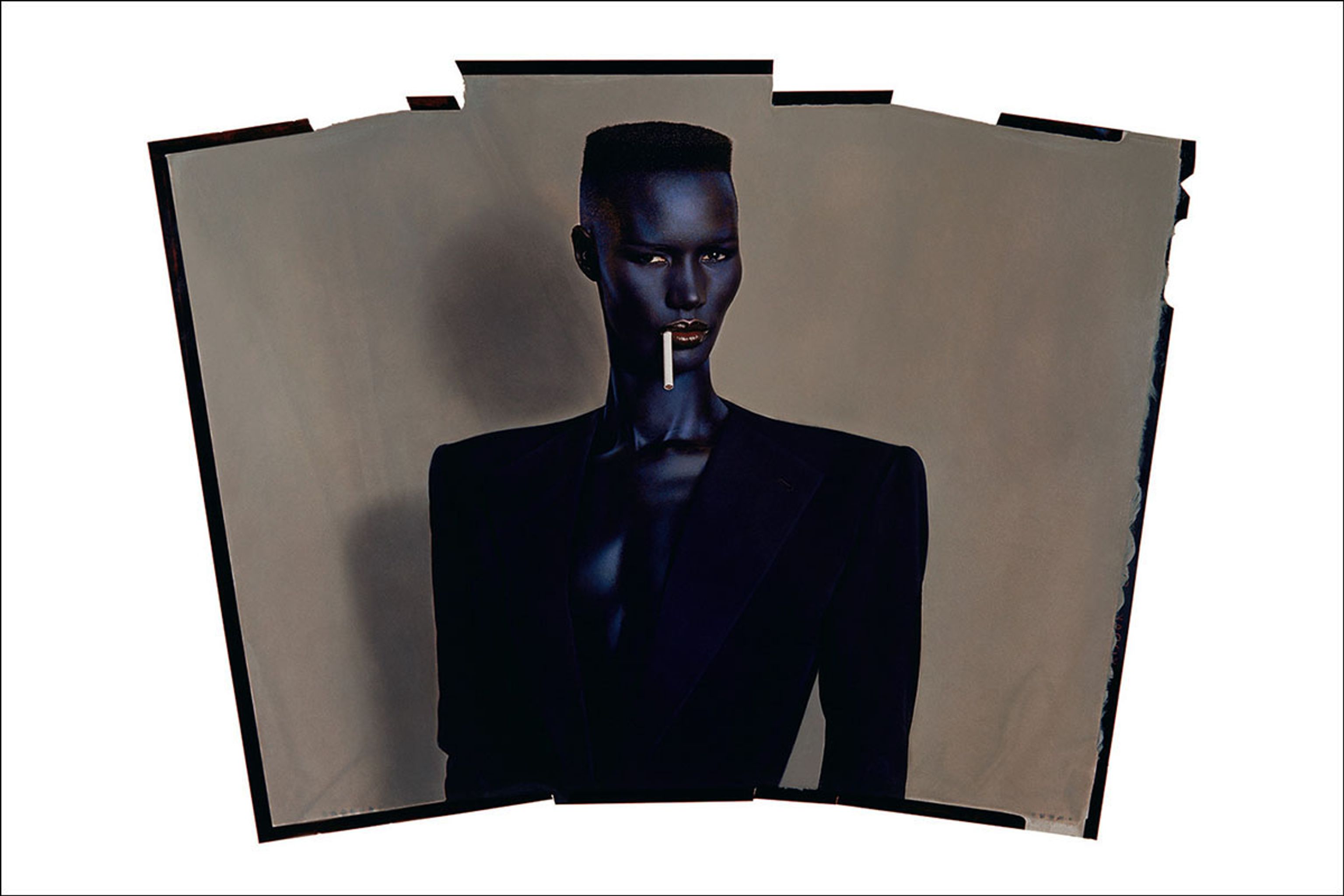
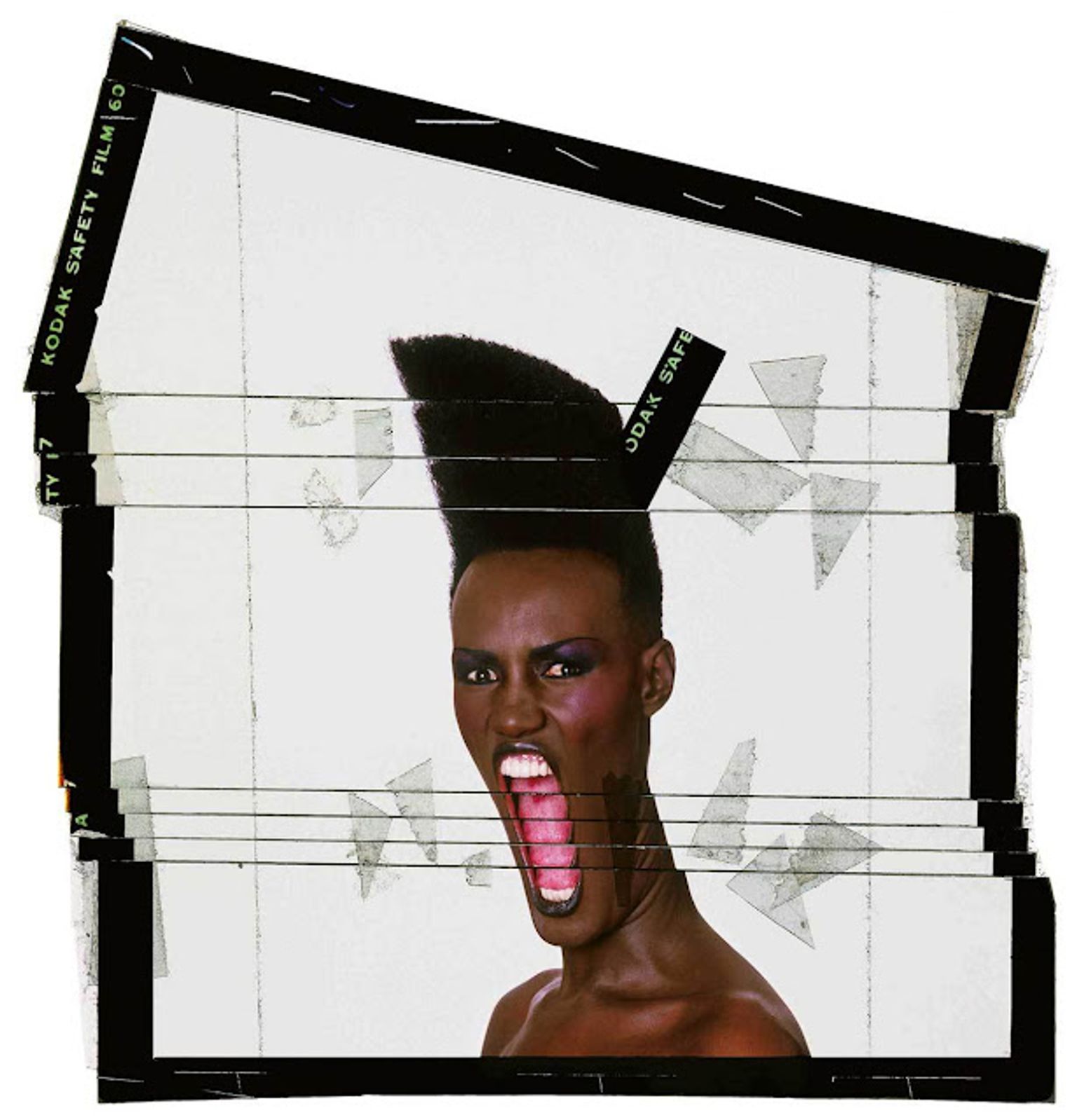
Earlier works such as Nightclubbing (1981) established the visual grammar of the collaboration: stark backgrounds, hard lighting, architectural poses, and an emphasis on angularity and control. Styling - severe flat-top hair, tailored suits, sculptural silhouettes - aligned Jones with modernist design and performance art, distancing her from prevailing ideas of femininity and pop stardom. On Slave to the Rhythm, this approach became even more stylized, reinforcing Jones as a constructed icon rather than a naturalistic subject.




Legacy
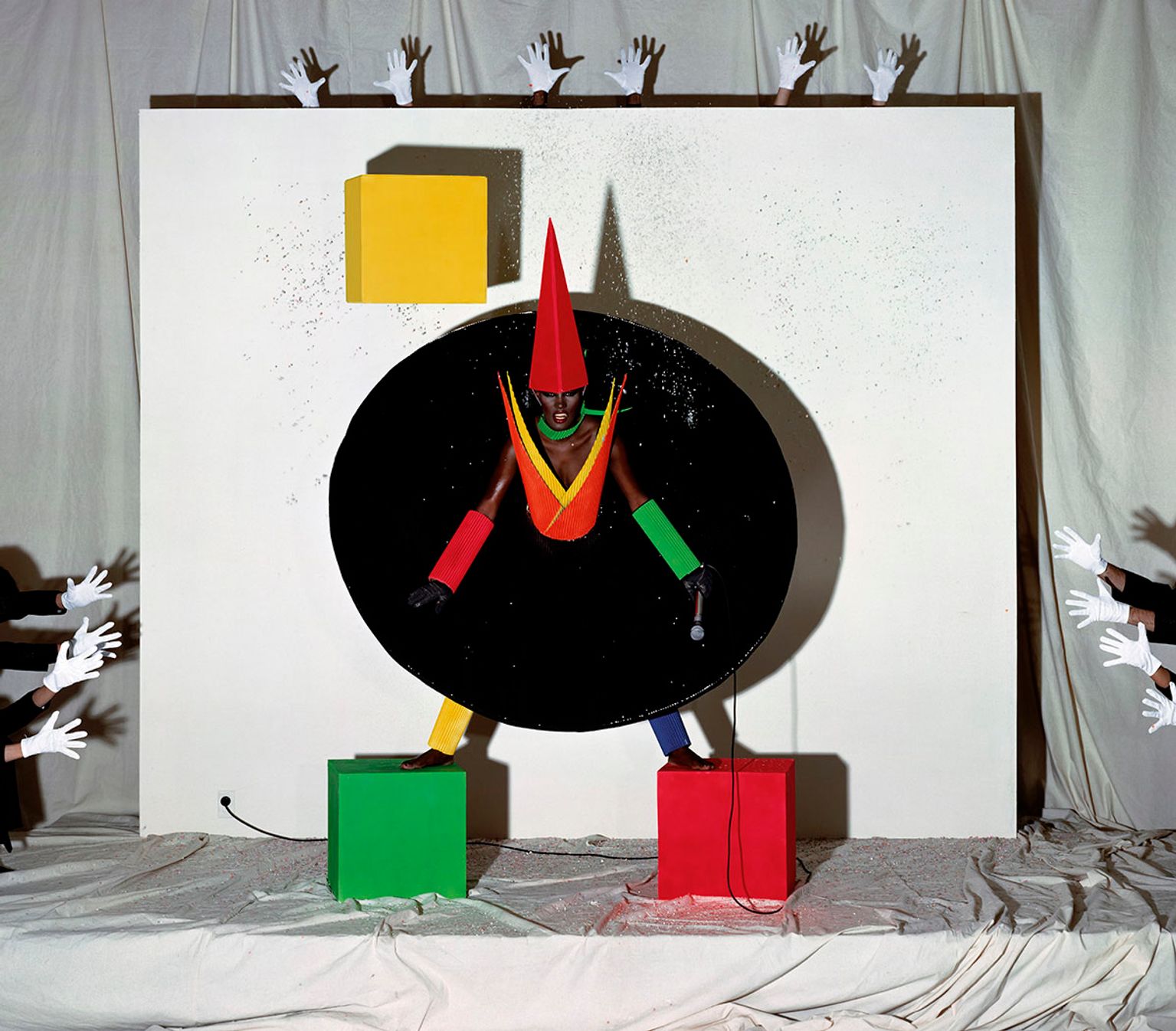
Goude extended these ideas into moving image with A One Man Show (1982), which merged live performance with staged tableaux and graphic interventions. The result was not promotional footage but a total visual statement, positioning Jones as confrontational, self-possessed, and visually dominant.
Together, Goude and Jones produced a body of work that challenged norms of gender, race, and beauty in mainstream culture. Its lasting influence lies in showing how a pop artist’s visual identity can be authored with the same conceptual rigor and ambition as the music itself.