
Guillermo Santomà
Gimaguas Barcelona
- DesignerGuillermo Santomà and TEST
- Photographer©Gregori Civera
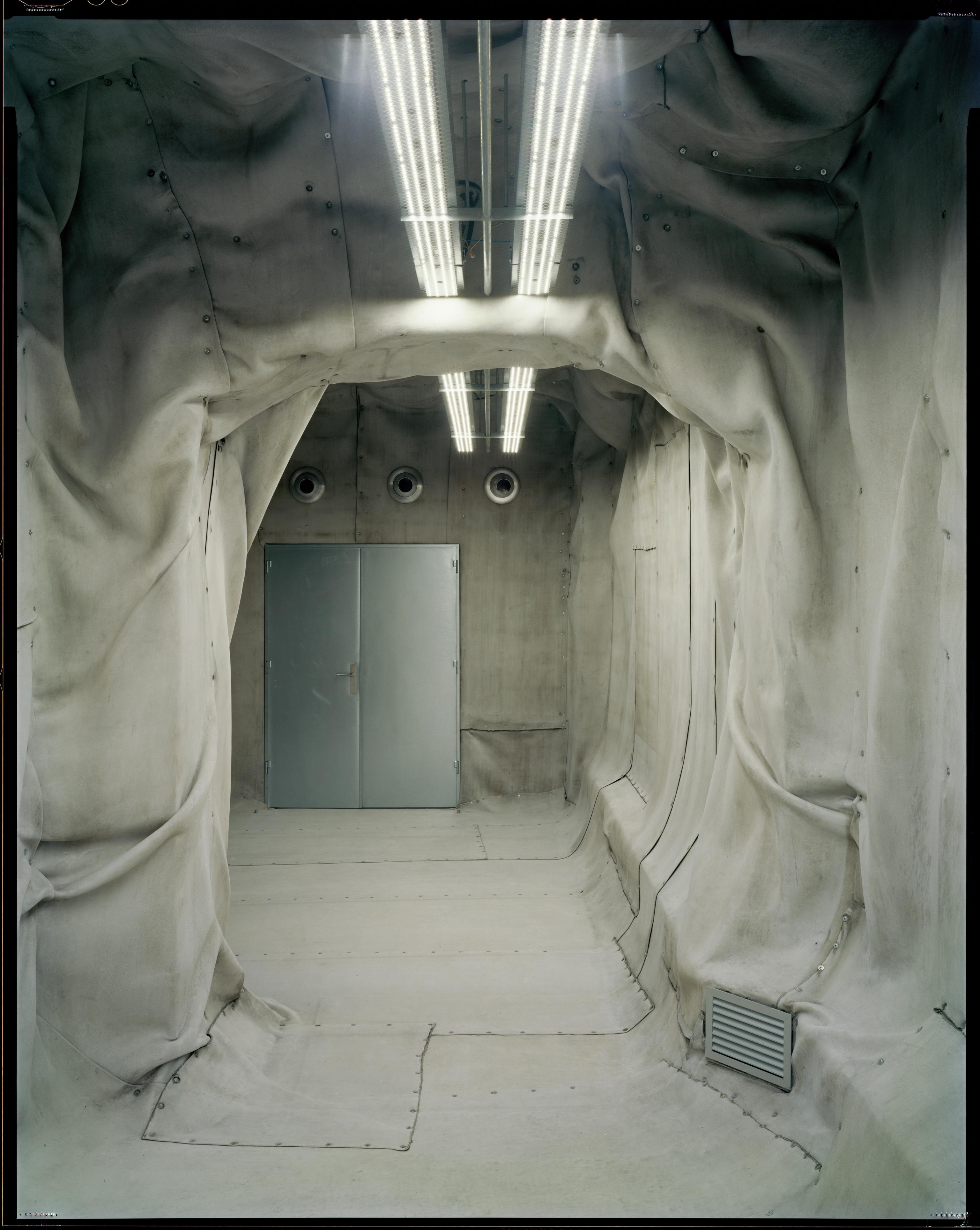
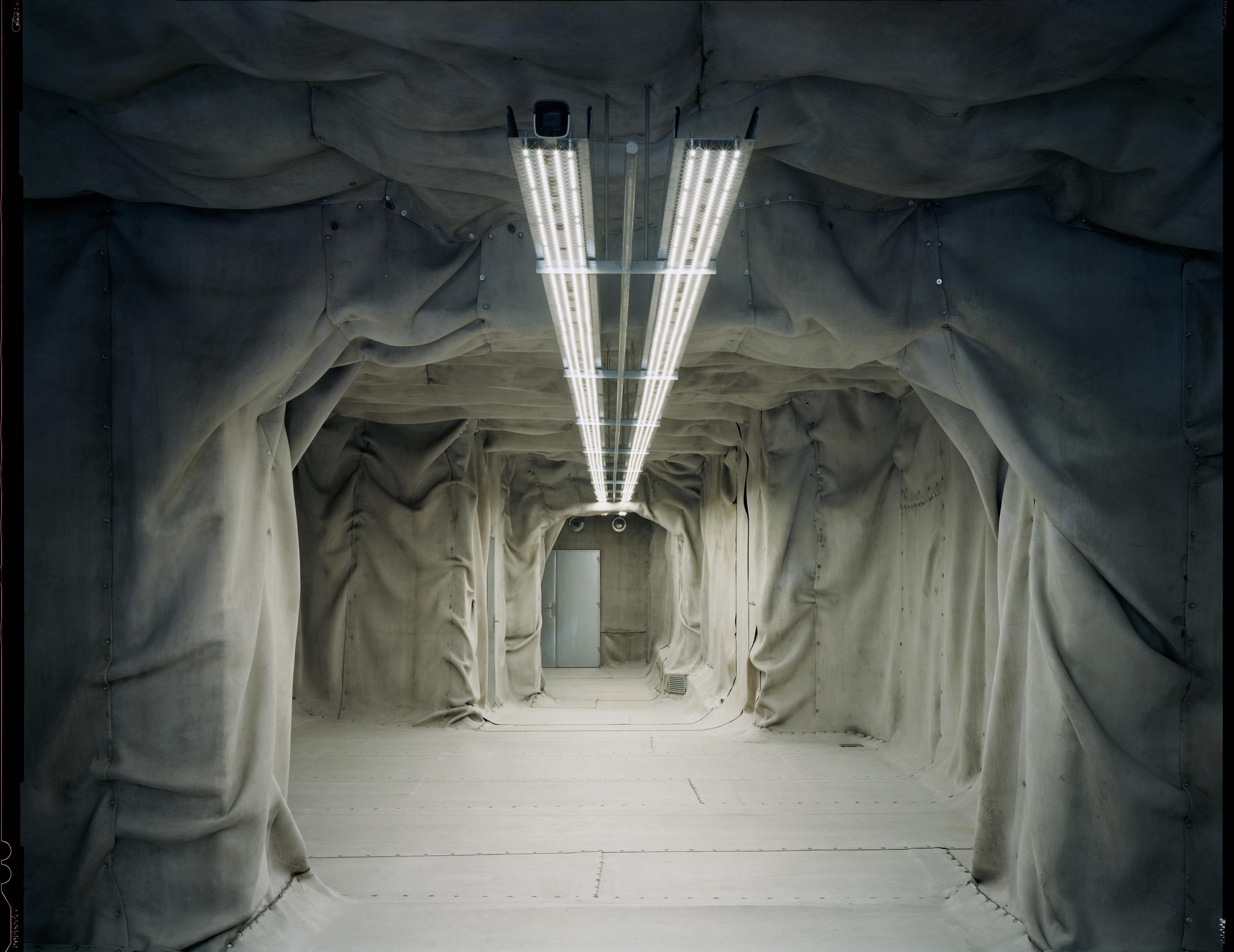
Jacob Egeberg The Gimaguas store by Guillermo Santomà and TEST turns a narrow space into a sculptural environment, with “concrete fabric” draping and folding walls and ceilings like textile. Lighting guides visitors and highlights the contrast between raw material and handcrafted garments. Santomà merges architecture, sculpture, and scenography into spaces both intimate and monumental.

Gimaguas Store: Spatial Narrative
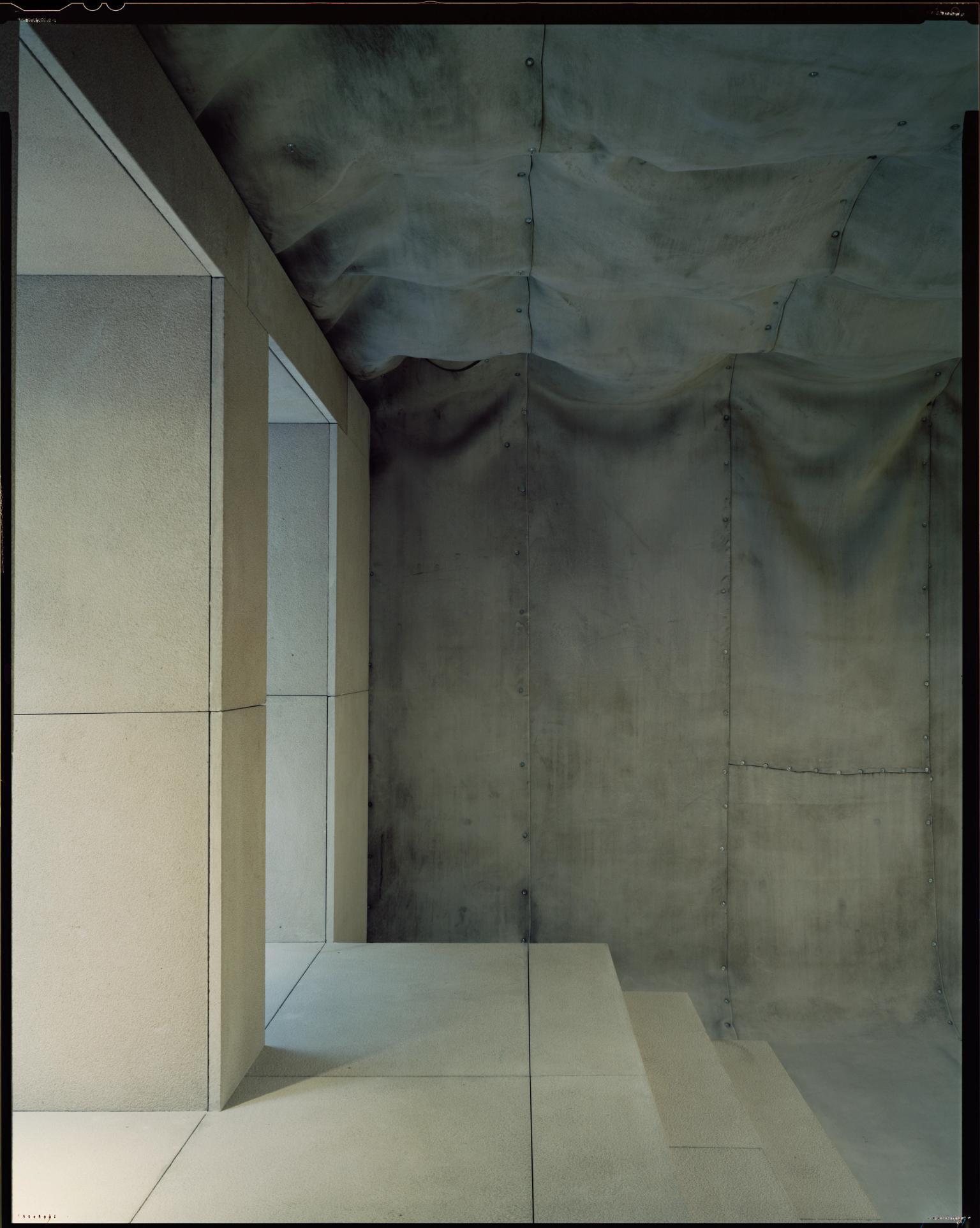
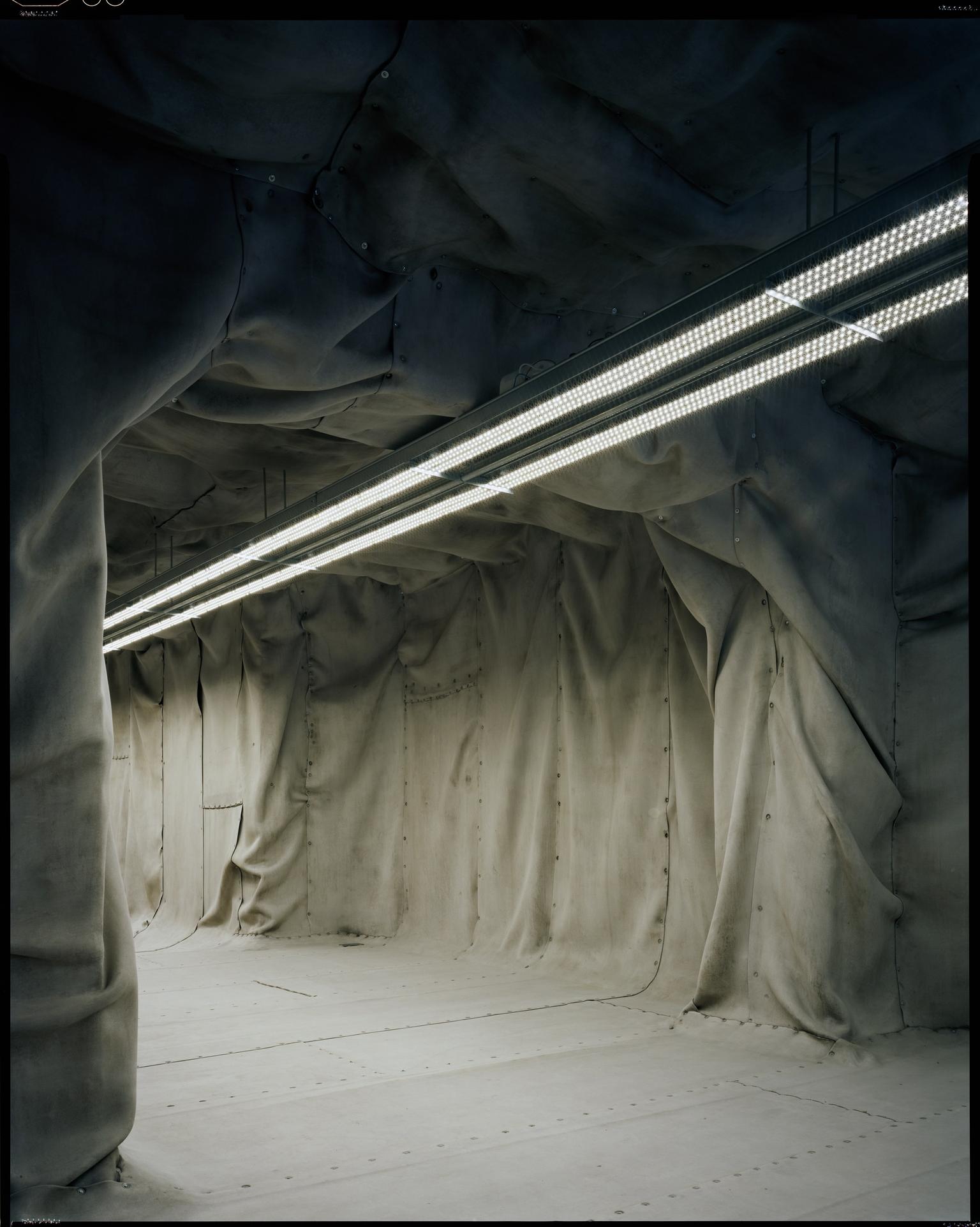
The Gimaguas store in Barcelona, designed by Guillermo Santomà and TEST, transforms a long, narrow ground-floor space in the Eixample into an immersive retail environment. Rather than seeing the site’s challenging proportions as a limitation, the design uses its linearity to orchestrate a guided experience, directing visitors through a deliberate path that unfolds the brand’s story. The interior reframes retail as narrative, emphasizing the tactile and visual qualities of each display. Stone thresholds, concrete canvas walls, and carefully positioned openings create a rhythm between enclosure and exposure, turning circulation itself into a curated exploration of fashion, craftsmanship, and artistic collaboration. Every element is arranged to highlight the brand’s ethos of handmade, spirited pieces, giving visitors the sense of moving through a continuous, coherent narrative rather than a traditional shop.


Materiality and Light as Design Tools
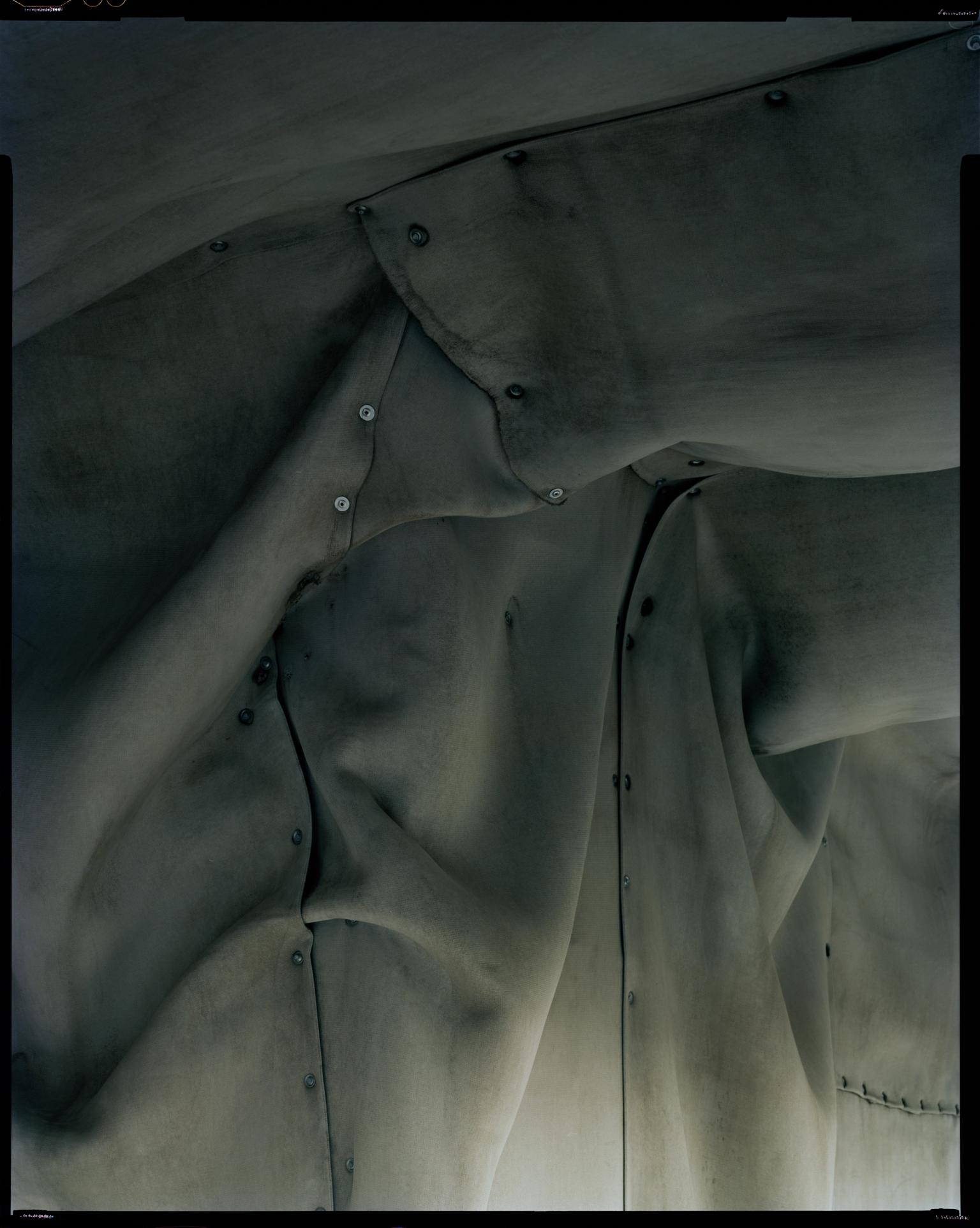
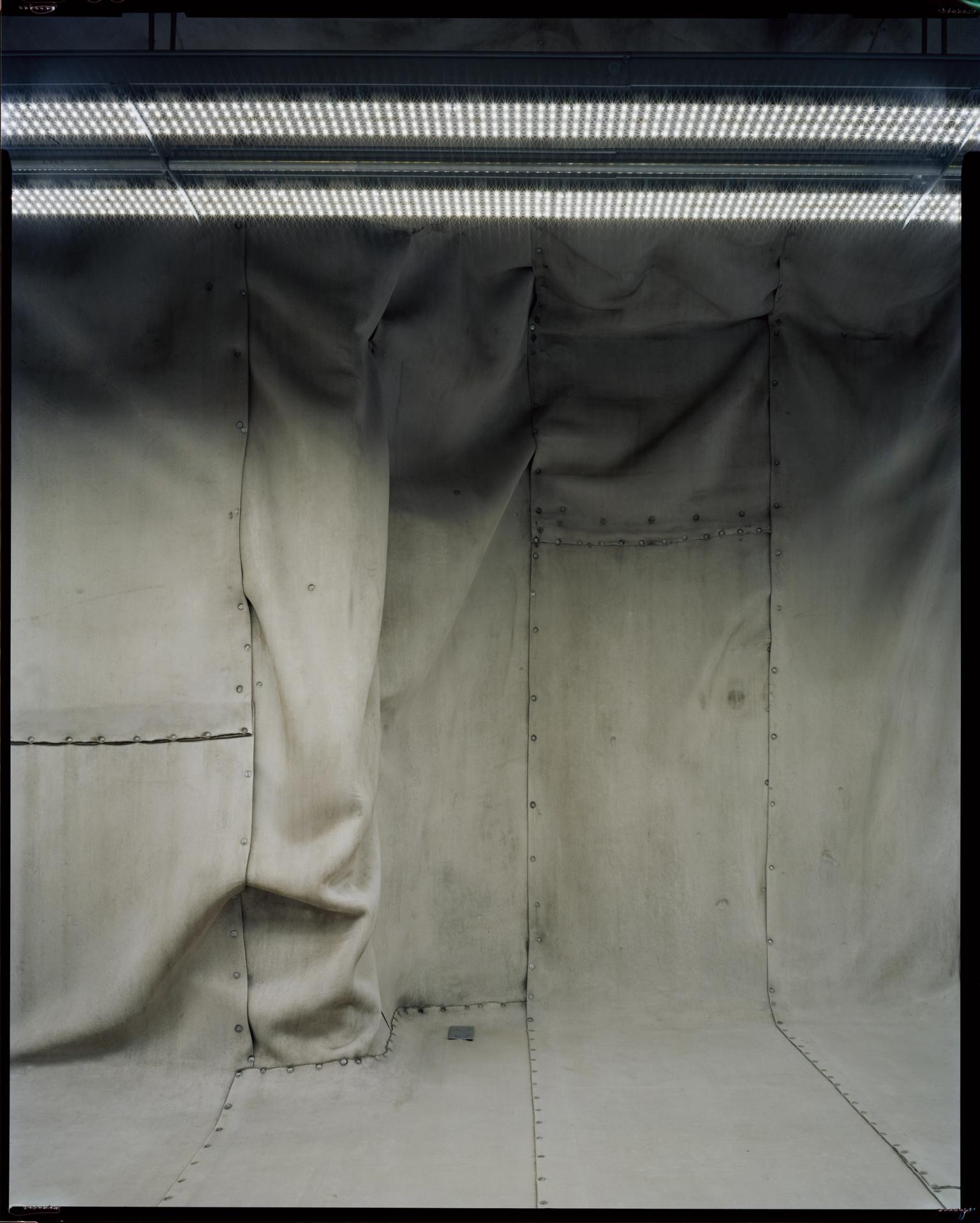
Concrete canvas, a geosynthetic fabric that hardens upon hydration, lines the walls and hides functional storage, creating an uninterrupted tactile surface throughout the store. A tray of uniform lighting runs along the ceiling from entrance to rear, accentuating folds and shadows, giving the material a sculptural quality reminiscent of monastic robes. The interplay of stone, fabric, and light balances warmth and austerity, while occasional wooden elements add intimacy to the industrial palette. The hanging installations and draped fabrics act as both enclosure and display, reflecting Santomà’s interest in Semper’s Bekleidung, where surfaces carry narrative and spatial meaning. In this way, the interior communicates both function and story, and material, texture, and light together define the experiential logic of the store.

Guillermo Santomà: Process and Philosophy
Guillermo Santomà (b. 1984) is a Barcelona-based designer known for transforming objects, interiors, and entire architectural spaces through deformation and material experimentation. His work spans design, sculpture, architecture, and scenography, exploring how familiar forms can be altered to create new environments. Santomà’s process often begins with simple interventions – melting, folding, coating, or repurposing existing materials – and evolves into full-scale spatial narratives. From his early interventions in Casa Horta to installations in museums and galleries, he has developed a practice where the boundaries between object, environment, and storytelling blur. In the Gimaguas store, his approach is evident in the way every surface, hanging, and fixture is simultaneously functional, sculptural, and narrative-driven, creating a space that is alive with transformation, material presence, and spatial experimentation.