
Edward Larrabee Barnes
Haystack Mountain School of Crafts
- ArchitectEdward Larrabee Barnes
- PhotographerCourtesy of Haystack Mountain School of Crafts, Deer Isle, Maine. Photography by Joseph Molitor, Dan Rajter, Audi Culver and Ivy Siosi, Amanda Kowalski, and OPAL Architecture / Research / Design; architectural drawings courtesy of Frances Loeb Library, Harvard University Graduate School of Design.
Omar Gandhi A building that gets out of the way of the landscape and the making – which is the hardest thing to do, and the most generous.

A School Built Around Making
Set on the rugged coastline of Deer Isle, Maine, the Haystack Mountain School of Crafts is widely regarded as one of the most influential centres for contemporary craft in the United States. Founded in 1950, the school was established with the ambition of creating a place where artists could step away from everyday life and immerse themselves in making. After relocating to its permanent site on the Atlantic coast in 1961, Haystack developed into far more than a summer school. It became a creative retreat where artists, designers, architects and makers gather to experiment, exchange ideas and explore new ways of working. Rather than focusing on academic degrees or traditional education, Haystack is built around the idea that learning happens through making, conversation and shared experience. The remote setting reinforces this philosophy, allowing the surrounding landscape to become an active part of daily life.

Edward Larrabee Barnes
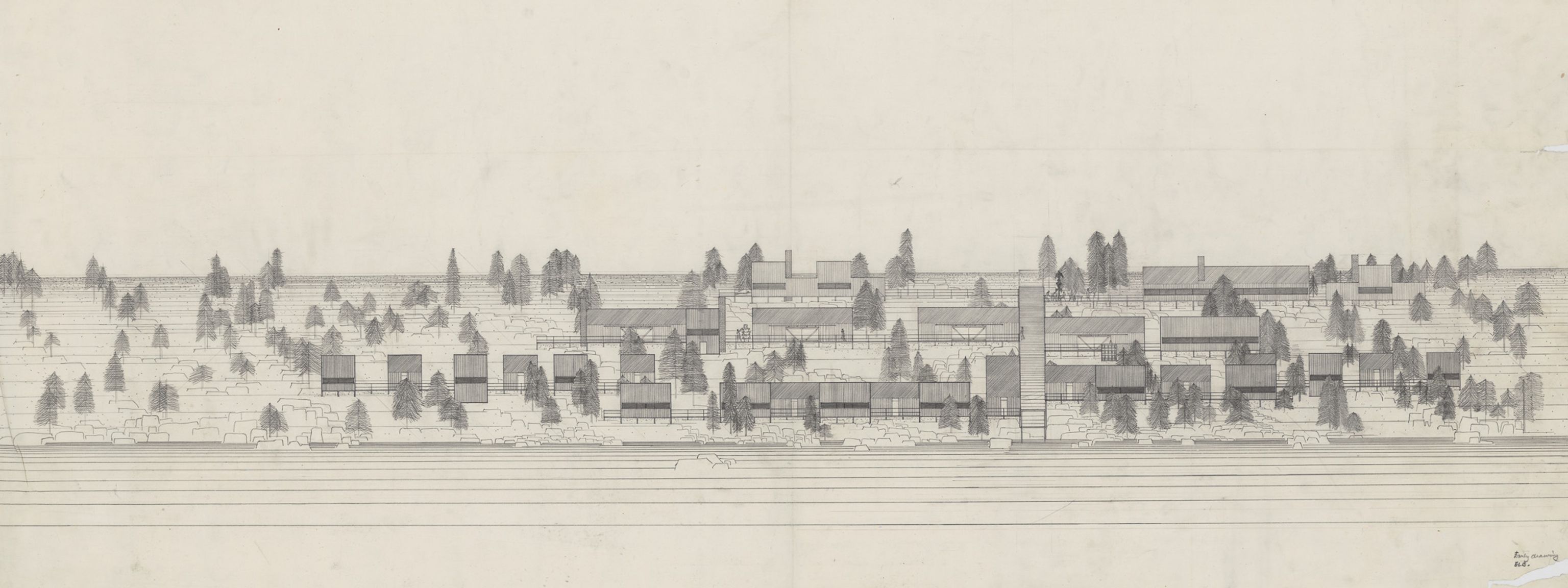
The campus was designed by American architect Edward Larrabee Barnes, whose work is recognised for its clarity, restraint and deep respect for place. Barnes belonged to a generation of modernists who believed architecture should never overpower its surroundings, but instead reveal their qualities. At Haystack, he approached the dramatic coastal site with remarkable sensitivity, designing a collection of buildings that feels almost inevitable within the landscape. Rather than creating a singular architectural statement, he imagined the school as a small village, where individual structures work together as a whole. His careful use of natural materials, simple forms and thoughtful proportions allows the architecture to blend effortlessly into the forest, while framing carefully composed views of the sea beyond.


Architecture in Dialogue with Nature
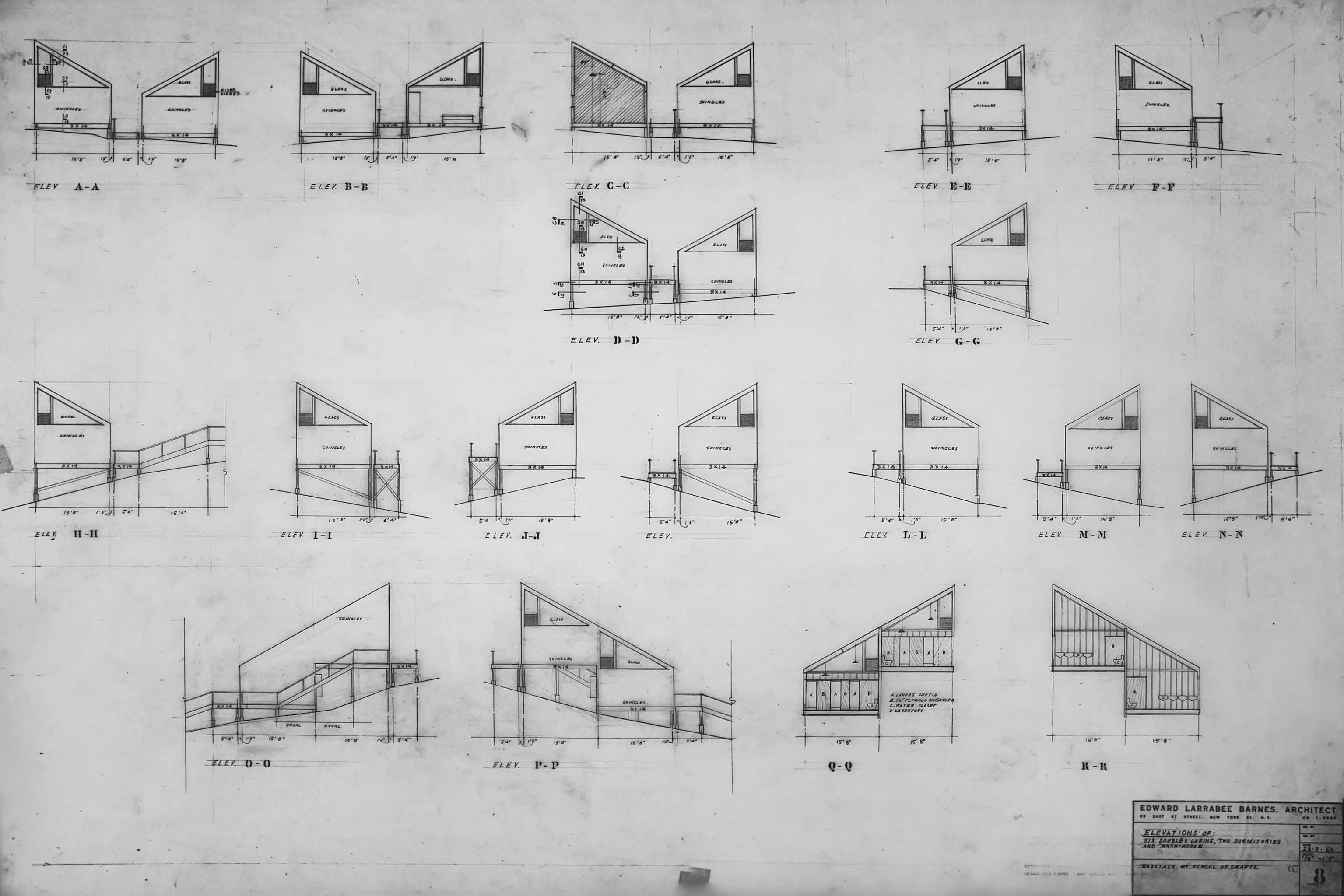
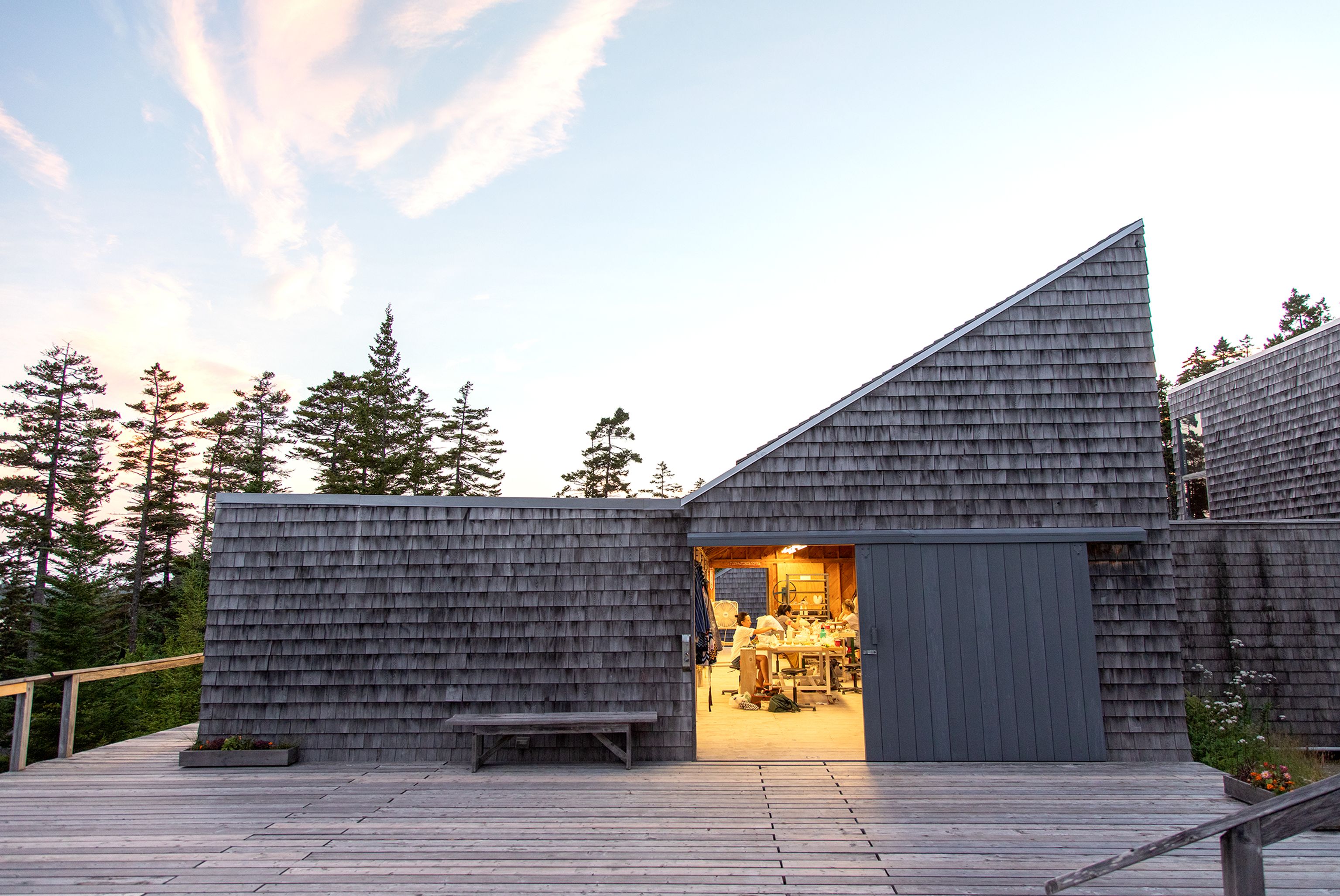
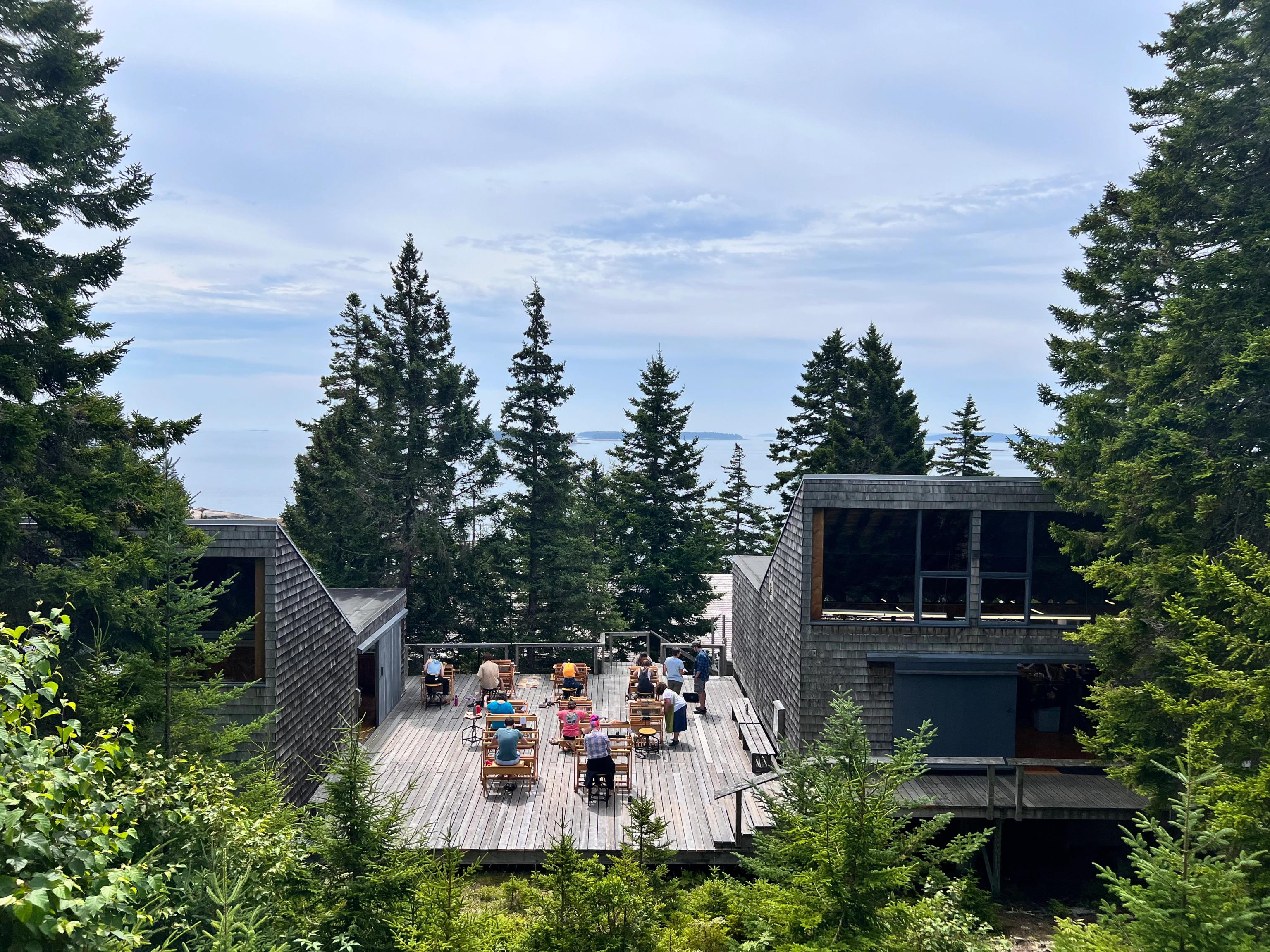
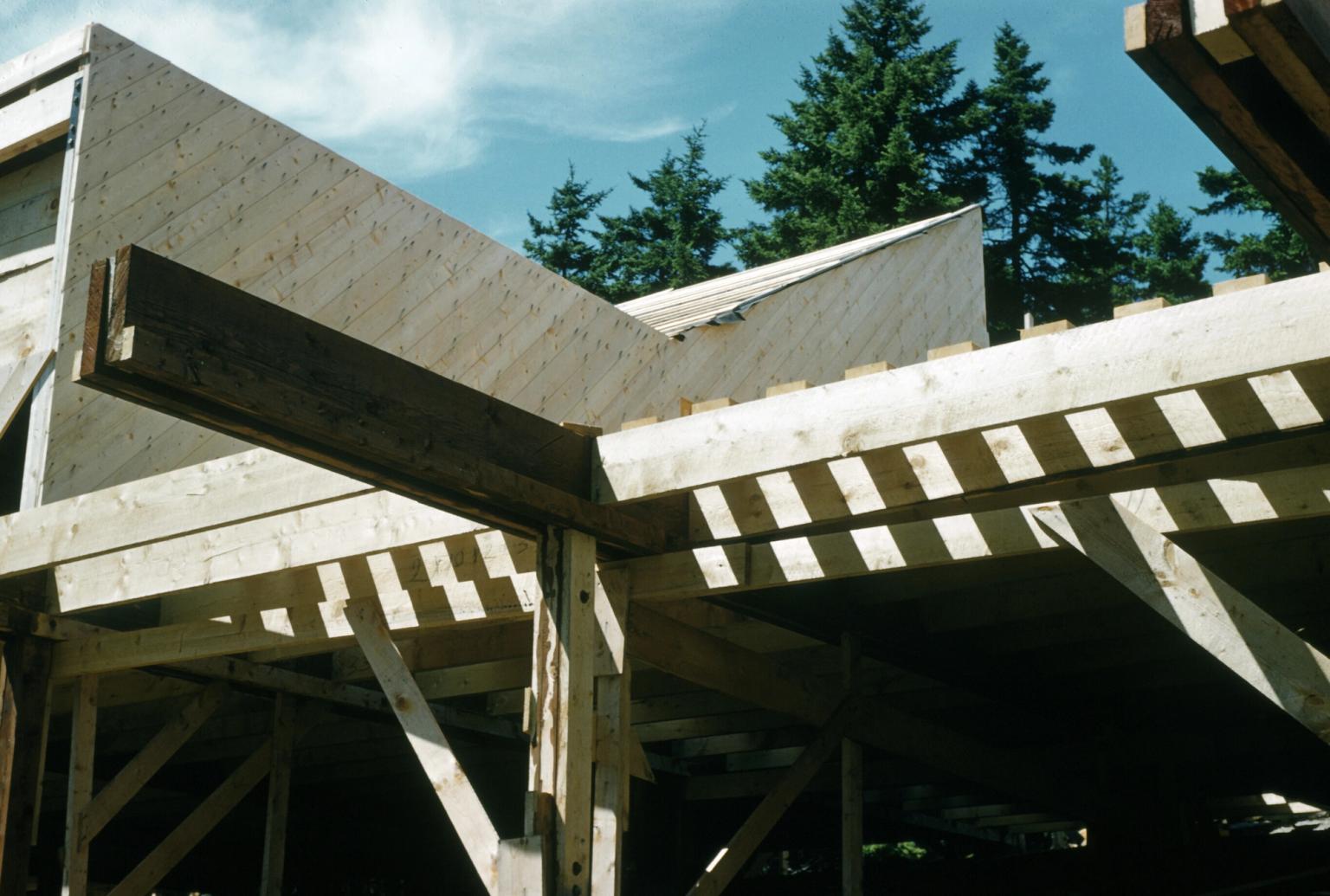
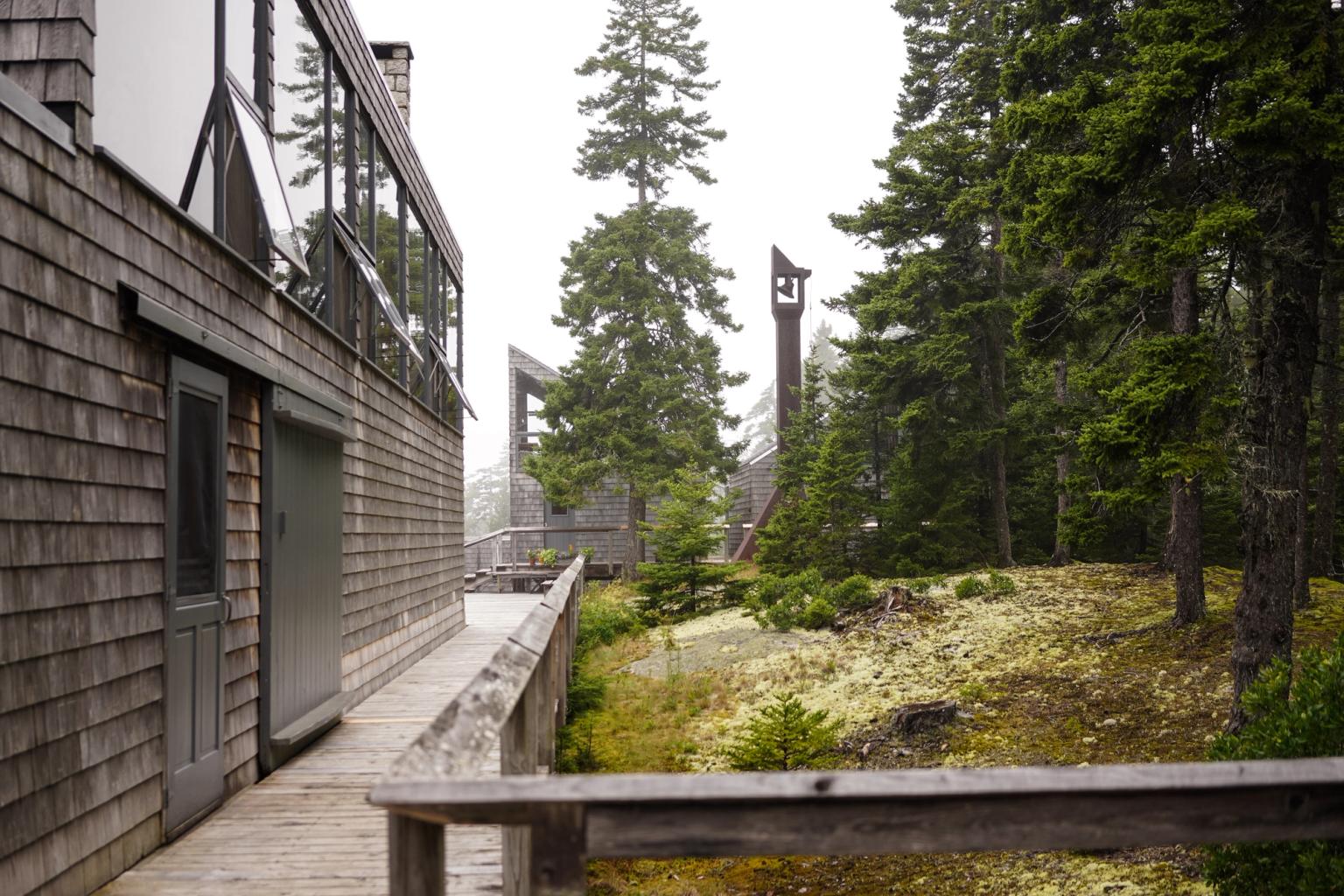
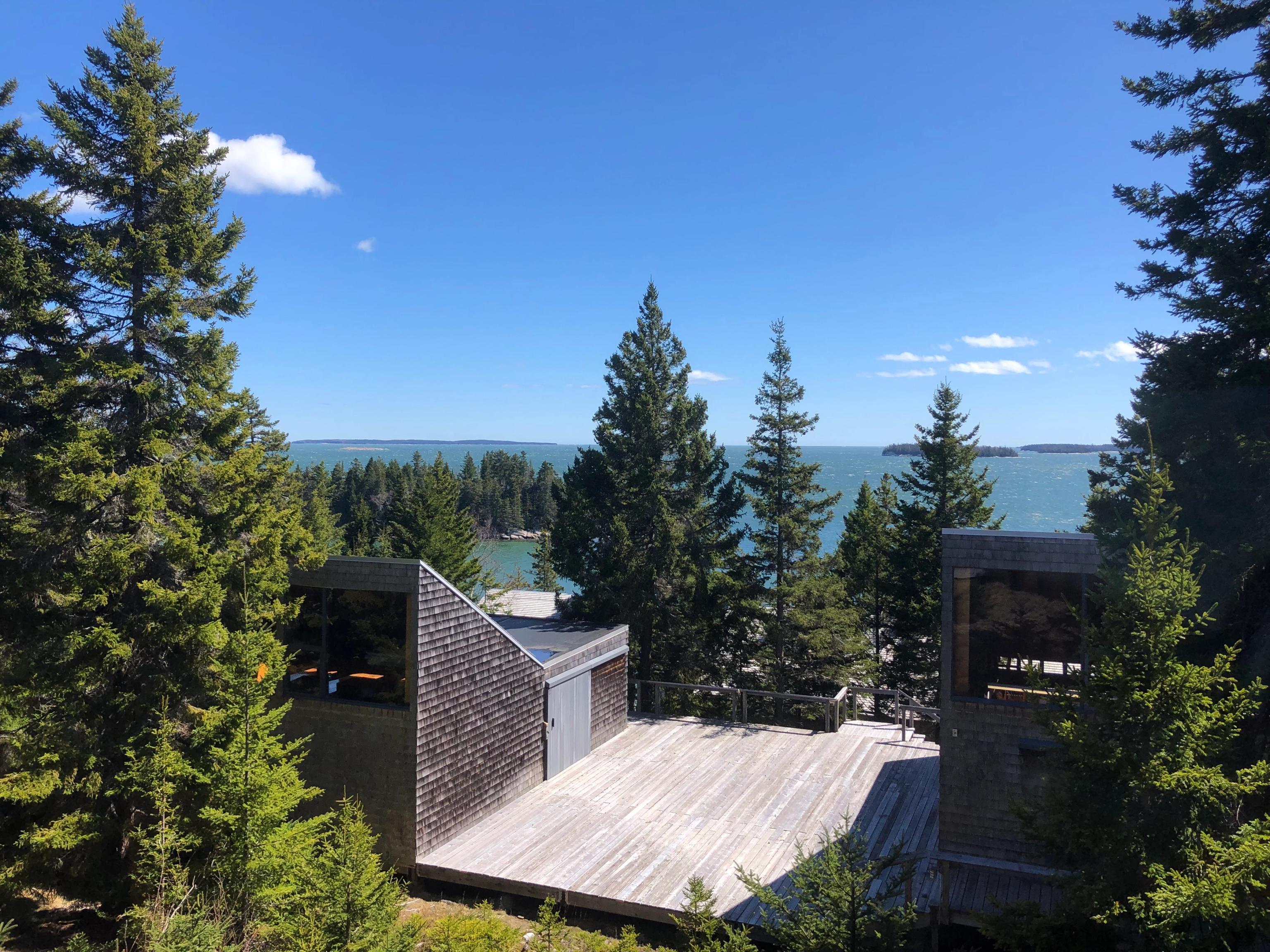
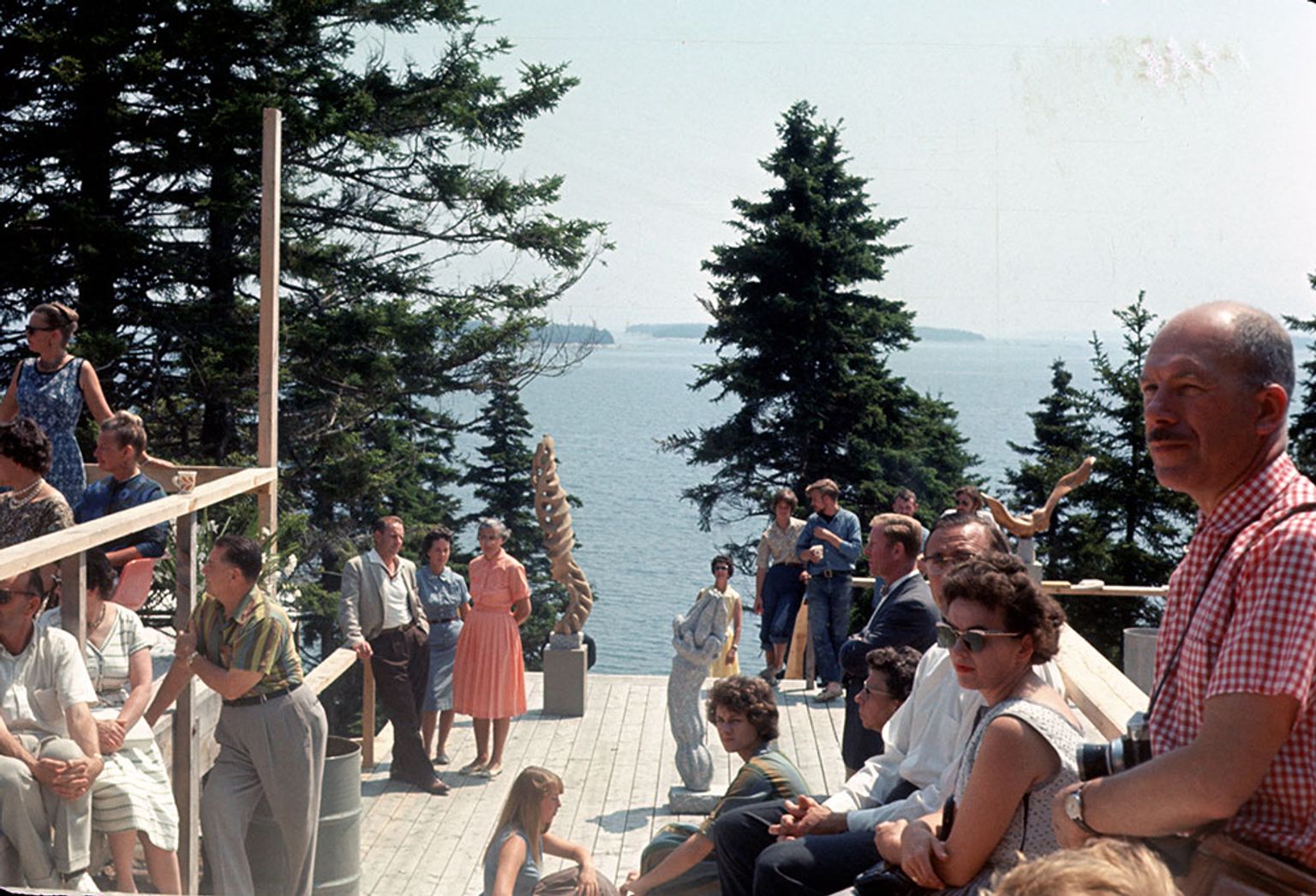
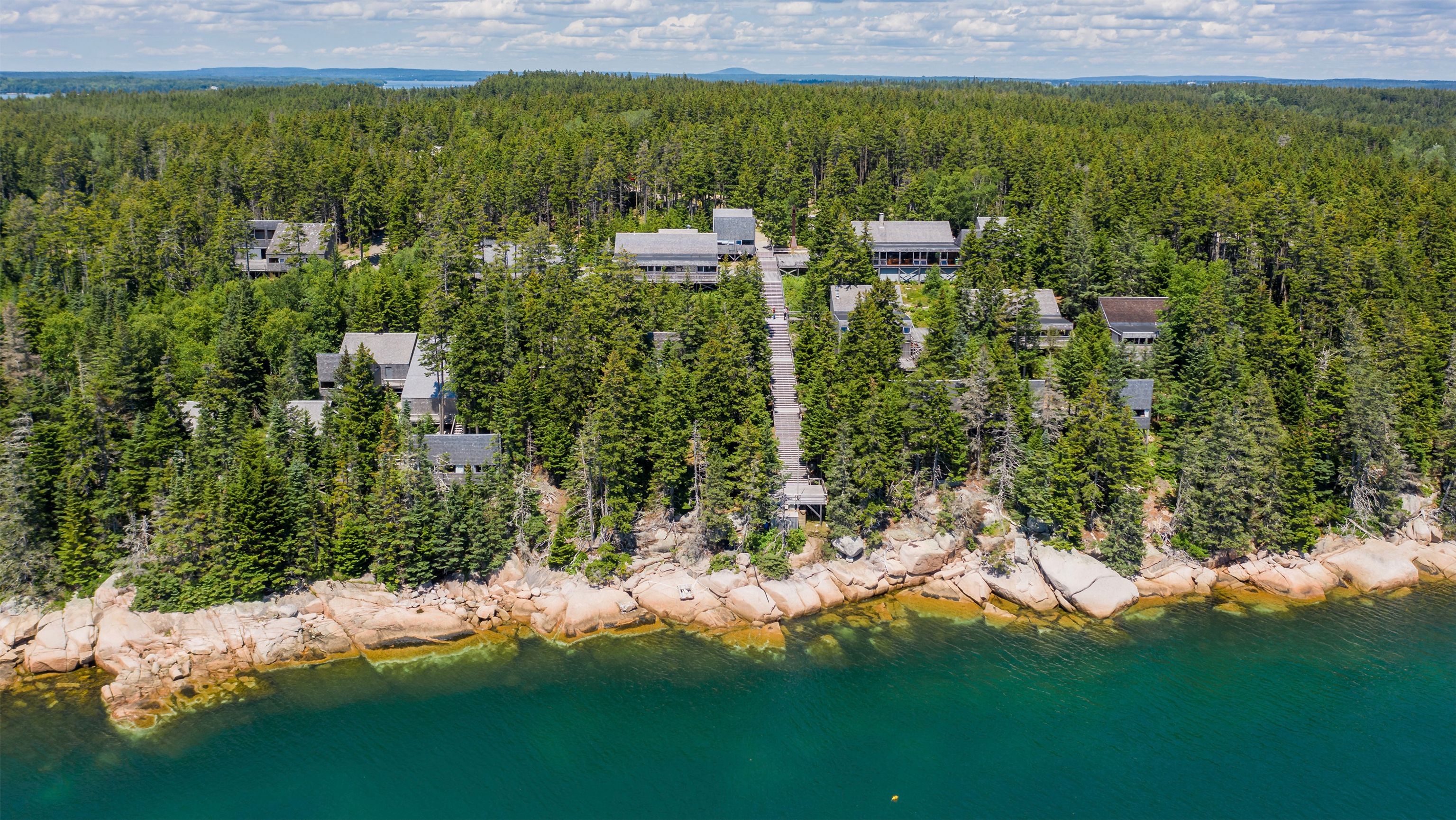
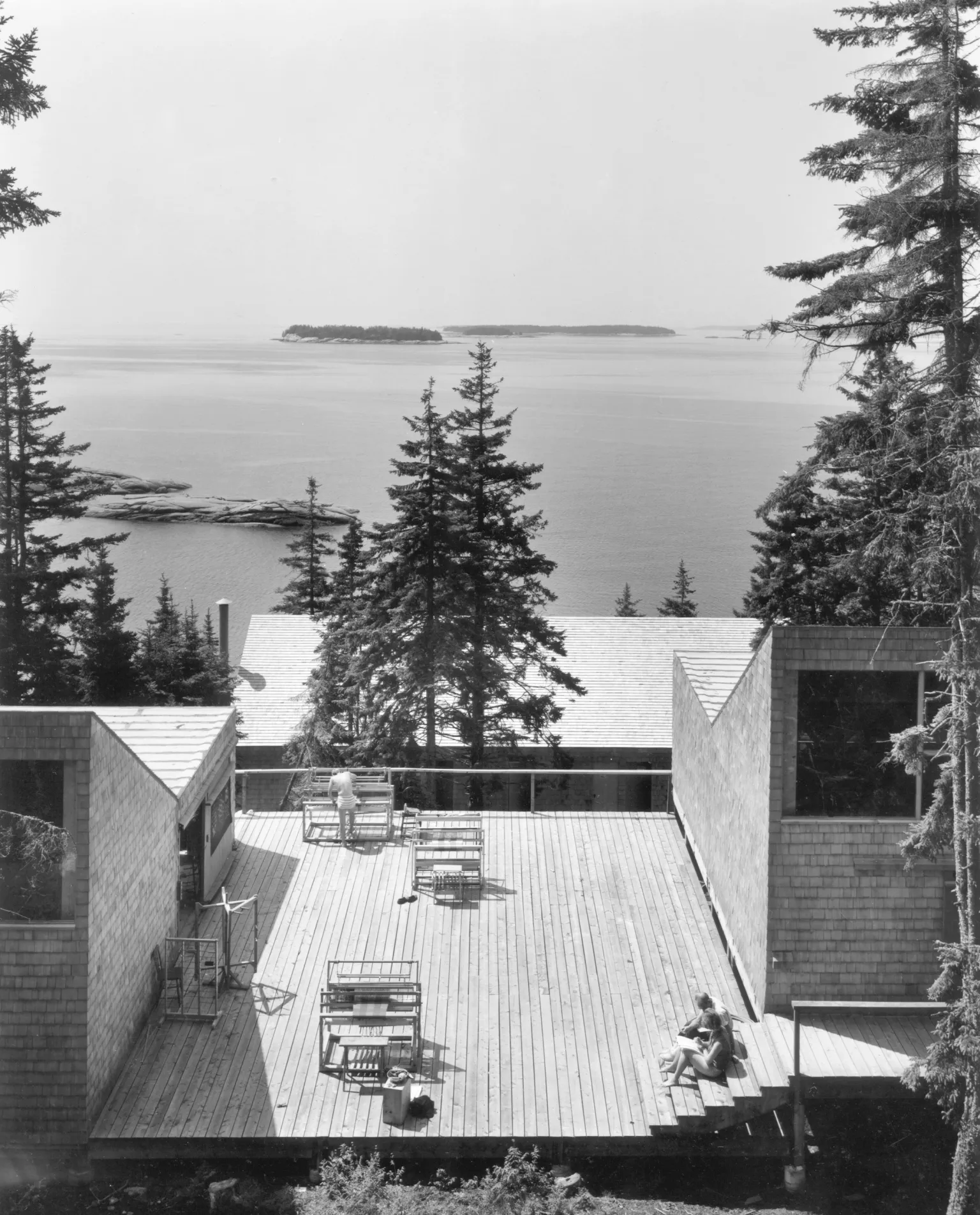
Instead of one monumental building, Barnes designed a campus of 34 cedar-shingled structures spread across a steep, wooded hillside overlooking Jericho Bay. Raised lightly above the ground on timber posts, the buildings appear to float between the trees, minimising their impact on the landscape while preserving the natural terrain beneath. Elevated walkways and wooden decks connect studios, cabins and communal spaces, creating a continuous route through the campus.

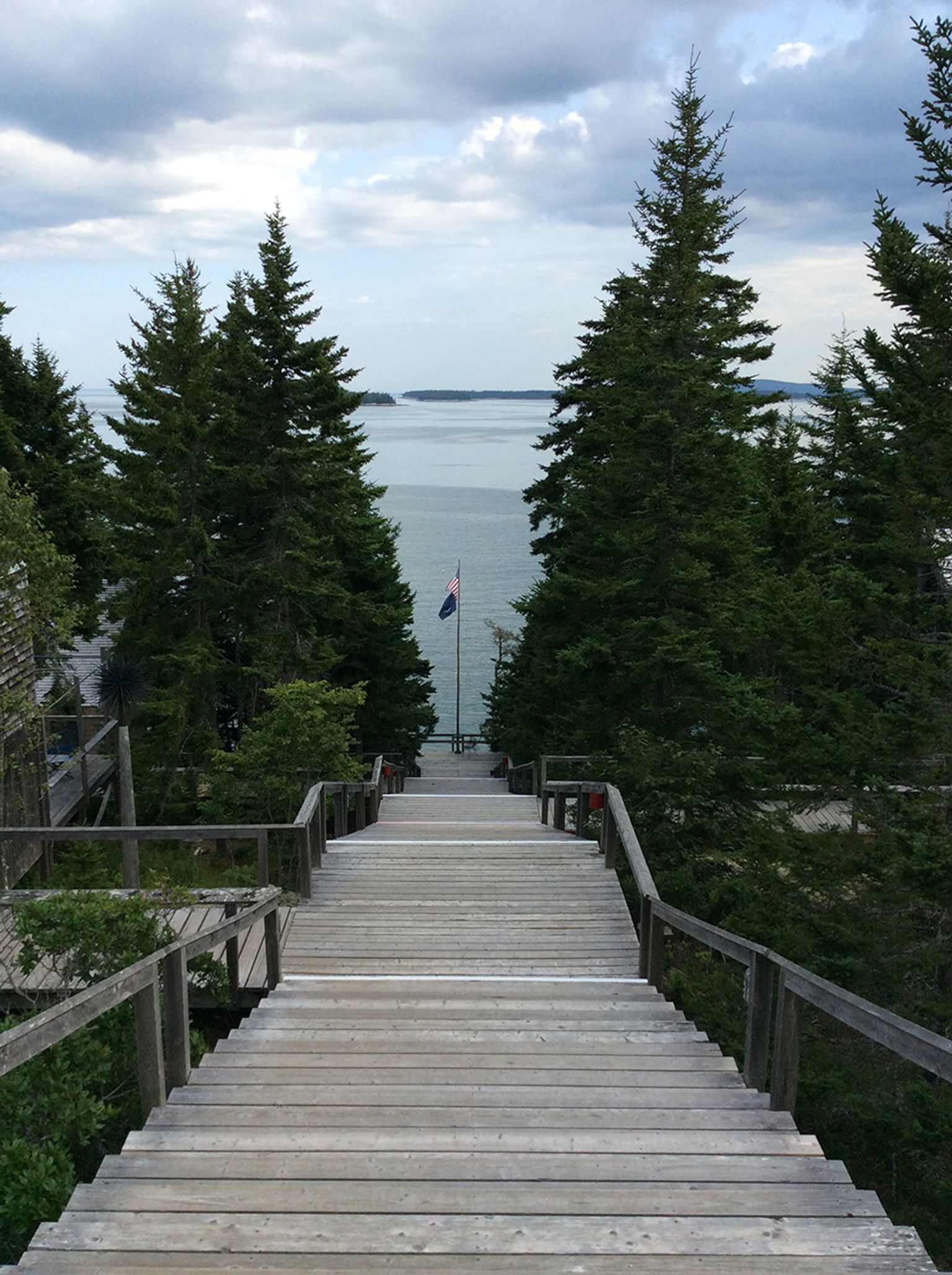
At its centre, a dramatic staircase descends towards the water, drawing visitors through the site while constantly revealing new perspectives of the surrounding coastline. The weathered cedar gradually blends with the colours of the forest and granite shoreline, making the architecture feel increasingly connected to its environment as it ages. Every movement through the campus becomes part of the experience, where architecture and nature remain in constant dialogue.


Spaces for Community and Craft
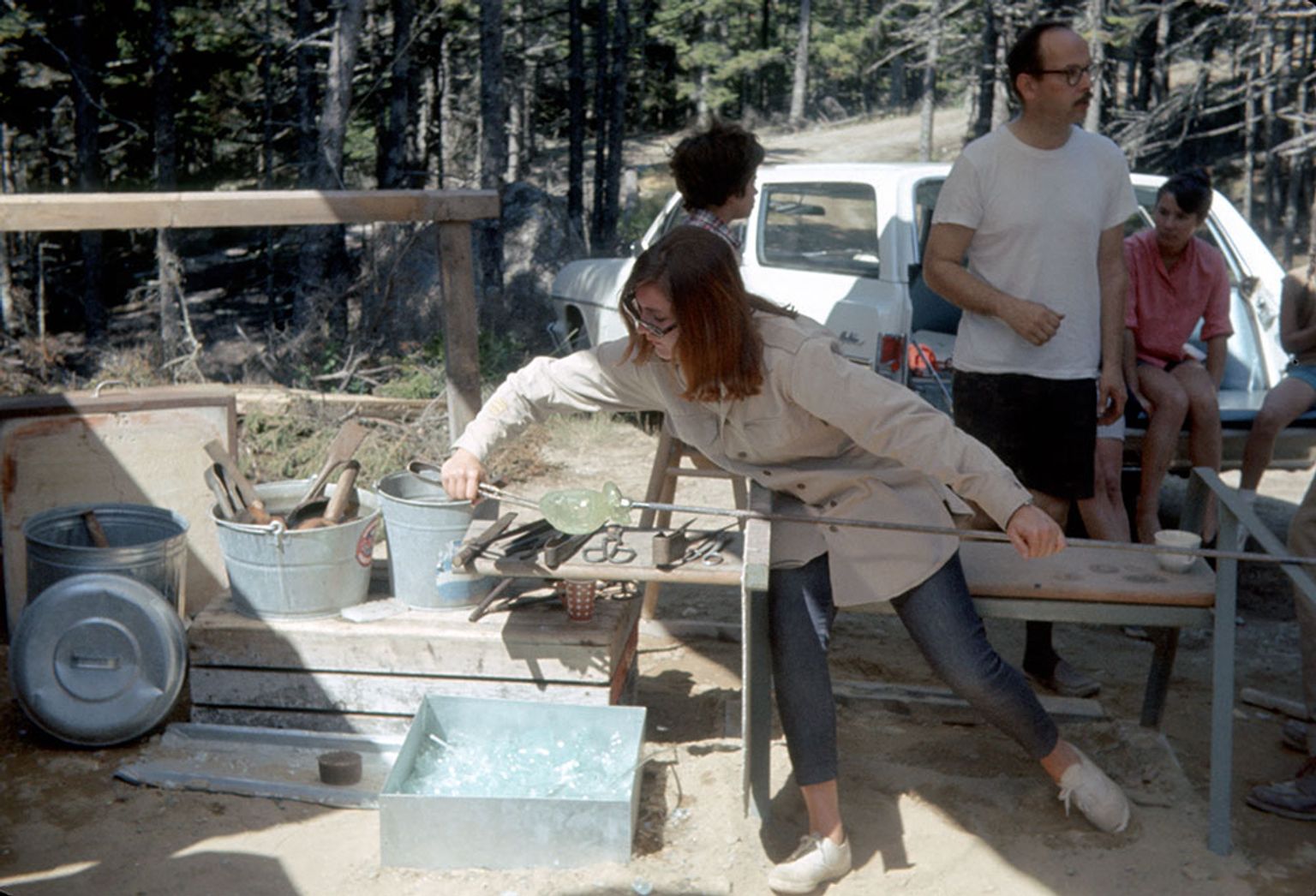
Haystack was designed around the rhythms of creative work. Purpose-built studios for ceramics, wood, glass, metals, fibre, graphics and blacksmithing sit alongside shared spaces including the dining hall, library, auditorium and, more recently, the Haystack Fab Lab for digital fabrication. Rather than separating disciplines, the campus encourages artists to move freely between workshops, observe one another's processes and engage in conversations that continue long after studio hours. Open circulation, shared gathering spaces and uninterrupted access to the studios foster an atmosphere where collaboration happens naturally.

This sense of community has become one of Haystack's defining qualities, attracting generations of artists who value the exchange of ideas as much as the work itself. The architecture quietly supports these encounters, creating spaces that are functional, welcoming and deeply connected to everyday creative life.

An Enduring Modern Classic
More than six decades after its completion, Haystack continues to be celebrated as one of the defining works of American modern architecture. In 1994, the campus received the American Institute of Architects' prestigious Twenty-five Year Award, recognising buildings whose original vision has successfully stood the test of time, before being listed on the National Register of Historic Places in 2006.
Its lasting influence comes not from monumental gestures, but from its remarkable balance between architecture, landscape and human experience. Barnes demonstrated that modern architecture could be both understated and deeply memorable, creating spaces that encourage reflection, creativity and connection. Haystack remains a rare example of architecture that quietly disappears into its surroundings while shaping every aspect of how the place is experienced.