
Sou Fujimoto
House NA
- ArchitectSou Fujimoto Architects
- Photographer© Iwan Baan
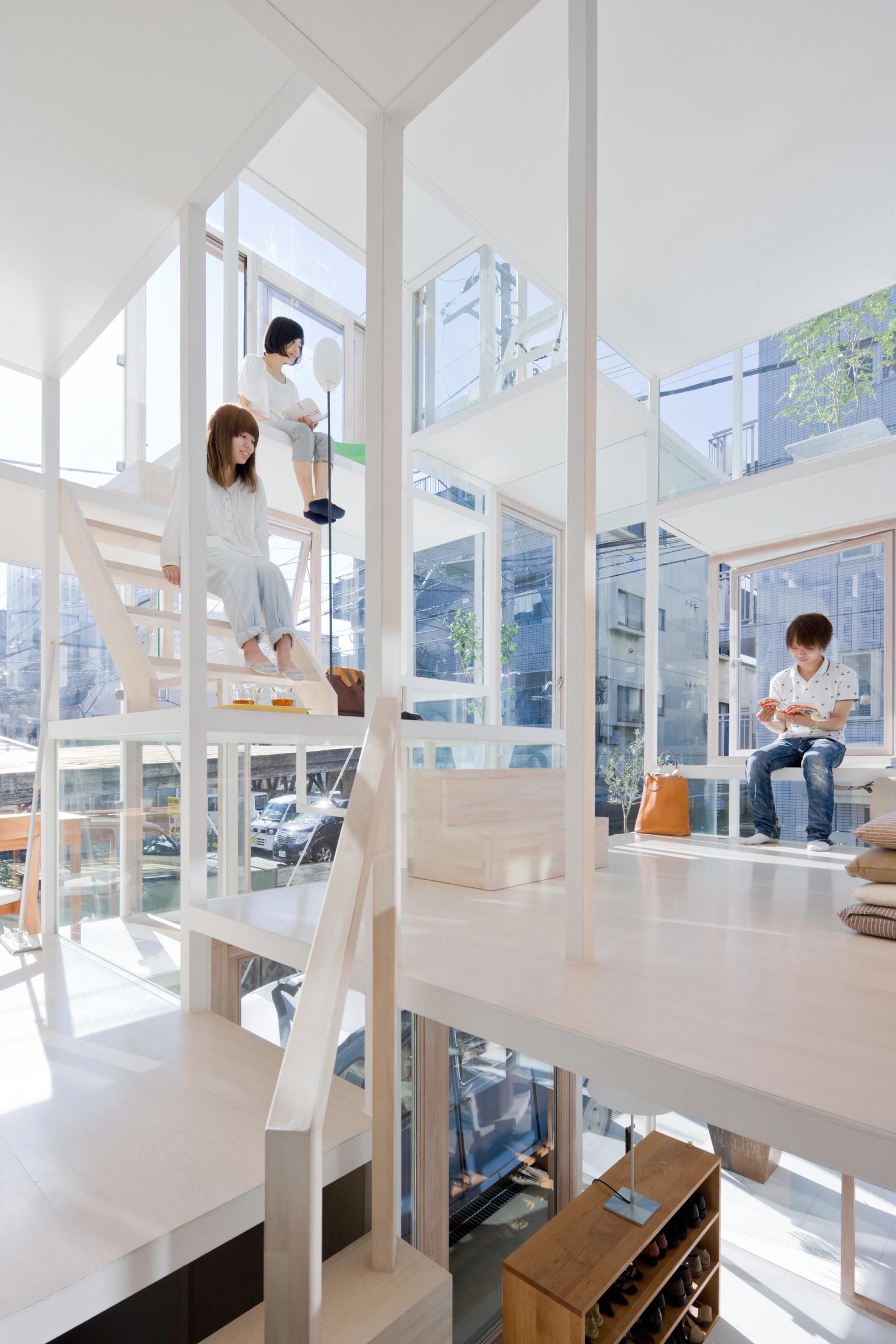
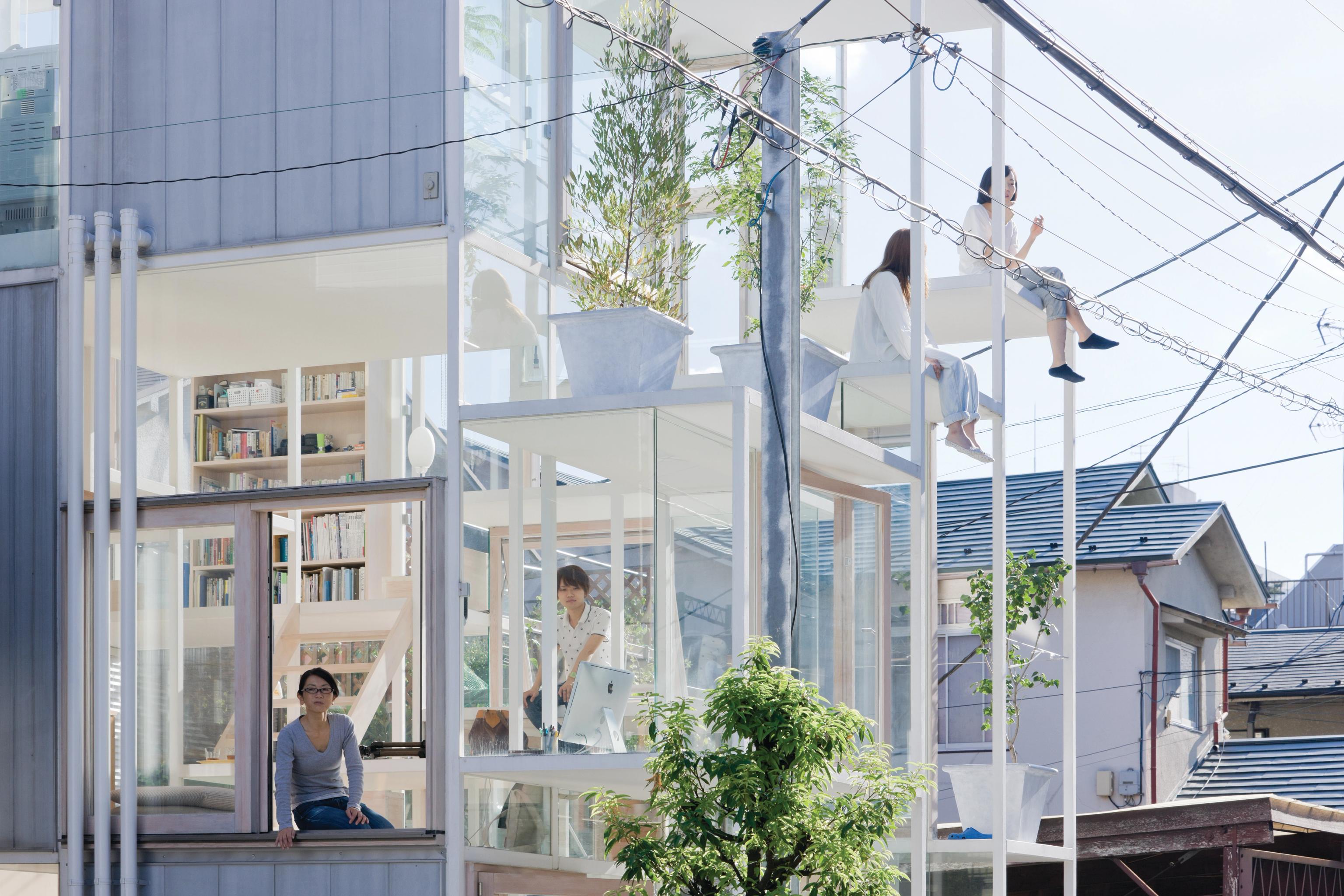
Linda Bergroth Japan is a country I cannot get enough of and where I try to spend one month a year. I remember visiting House NA when it had recently been finished, roughtly 15 years ago and thinking how wonderfully uncompromising, from both the architects and the inhabitants side. I looked exactly like in the pictures and structure dimensions looks completely surreal.

House NA: Living Within a Tree
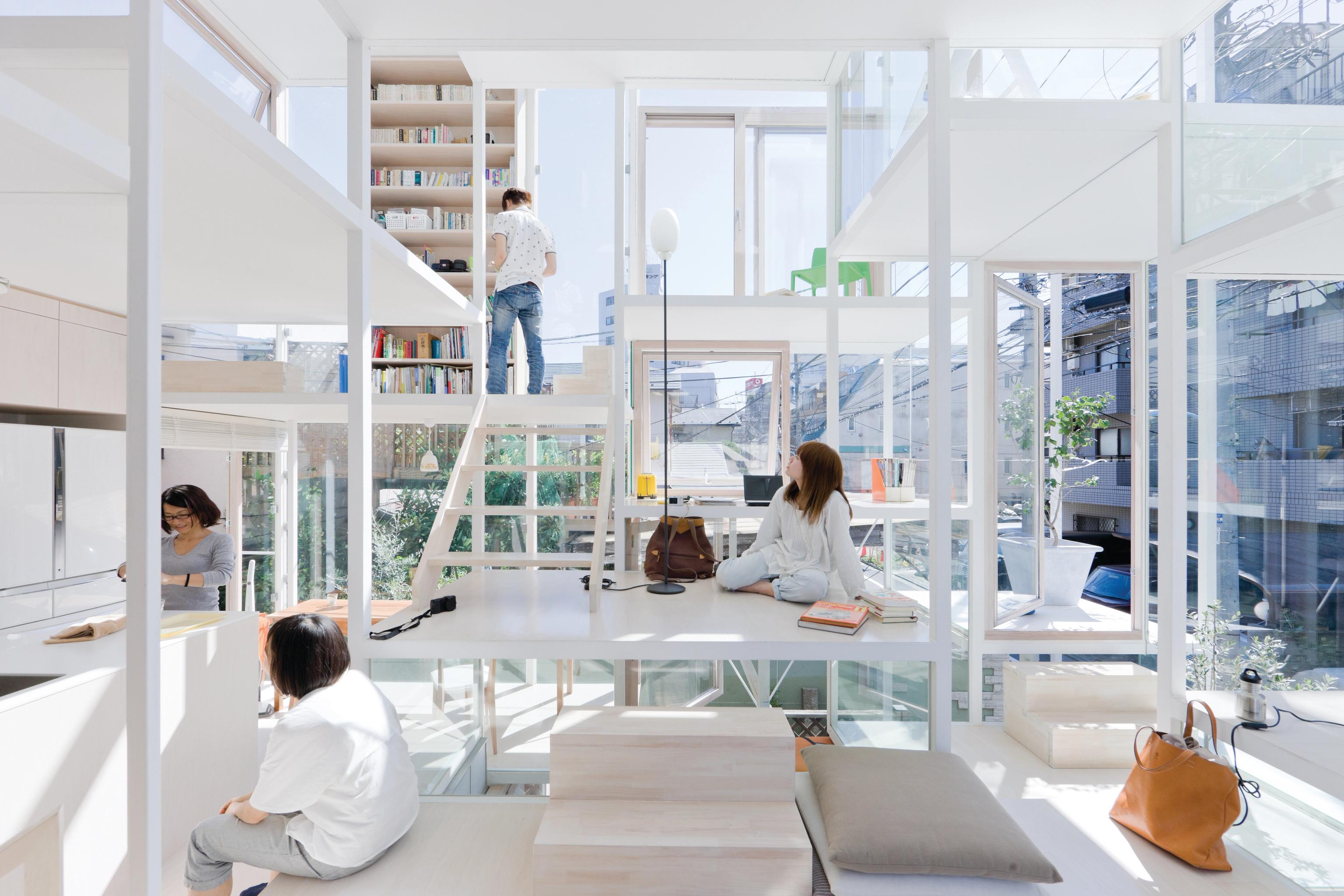
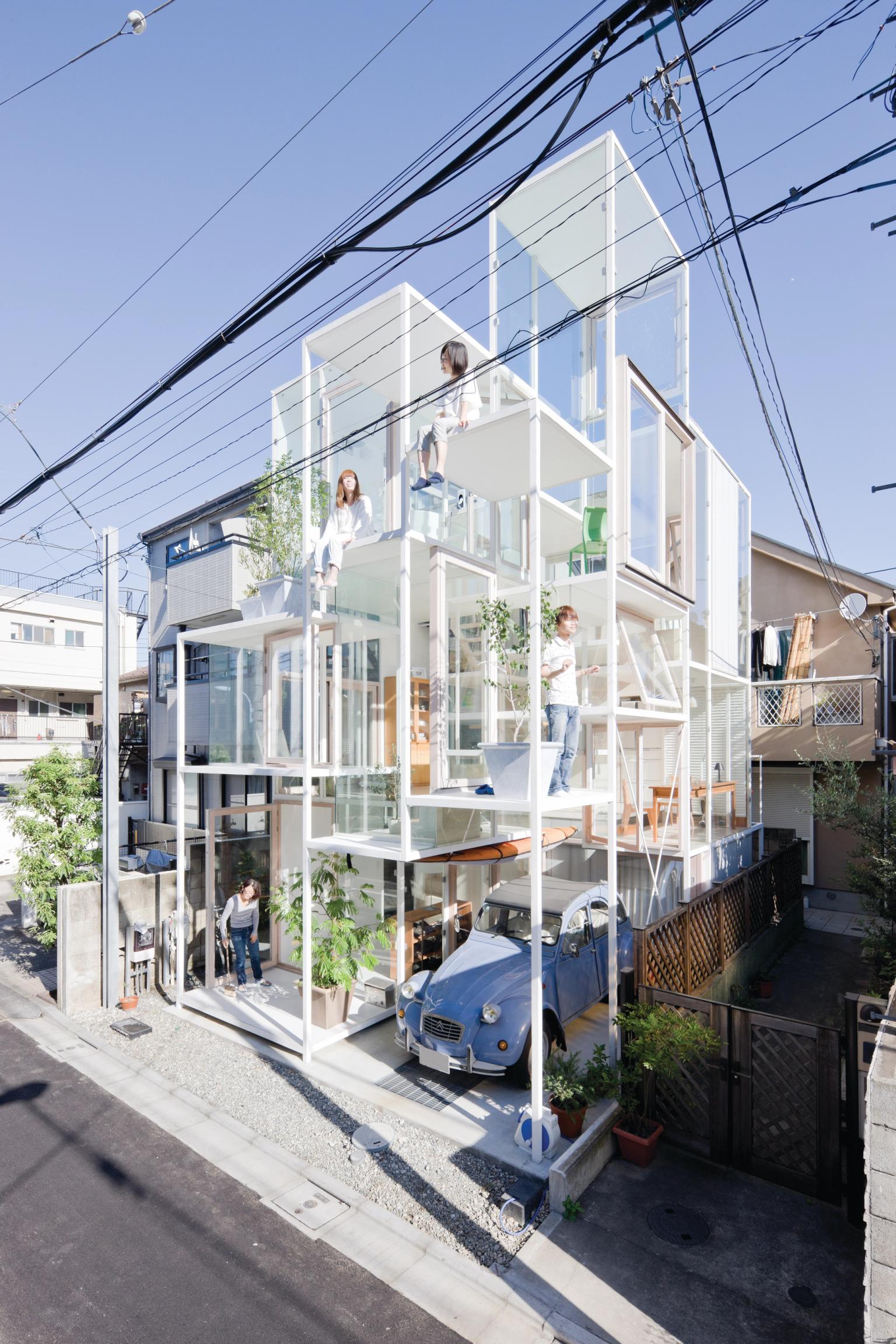
House NA, designed for a young couple in central Tokyo, redefines how one can inhabit a dense urban environment. The 914-square-foot home arranges 21 individual floor plates at varying heights, floating like furniture within the open space, creating layered zones for living, working, and socializing. Some plates serve as desks or seating, while others define territories, and together they allow for multiple scales of interaction - from intimate moments between two residents to dynamic gatherings where guests occupy every level. Light filters through the structure like leaves in a canopy, and the transparent walls open the interior to the city outside. Strategic design choices, including in-floor heating, integrated storage, and carefully placed ventilation, ensure comfort without compromising the house’s openness. Curtains provide flexible privacy, while the structure’s thin white steel frame and birch flooring maintain a delicate balance between minimalism and material presence.
House NA embodies a living philosophy that is simultaneously a single continuous room and a complex network of interconnected spaces, reflecting the richness of spatially dense living inspired by nature.

Sou Fujimoto: Architect and Visionary
Sou Fujimoto (born 1971, Hokkaido, Japan) established Sou Fujimoto Architects in 2000 after graduating from the University of Tokyo. His work is defined by light, permeable structures that respond to human behavior, blending architecture, furniture, and the body into fluid spatial experiences. Beyond House NA, Fujimoto has designed residences and public pavilions across Japan and Europe, including the 2013 Serpentine Gallery Pavilion in London, and has been involved in urban projects such as the 17th arrondissement in Paris.
Through the concept of Primitive Future, Fujimoto explores the intersection of natural and artificial, creating spaces that are open, adaptable, and experiential. House NA stands as a seminal example of this philosophy, transforming the act of inhabiting a home into a dynamic, tree-like exploration of space, light, and social interaction within the city.