
Paffard Keatinge-Clay
House on Mount Tamalpais
- ArchitectPaffard Keatinge-Clay
- Photographer© Paffard Keatinge-Clay
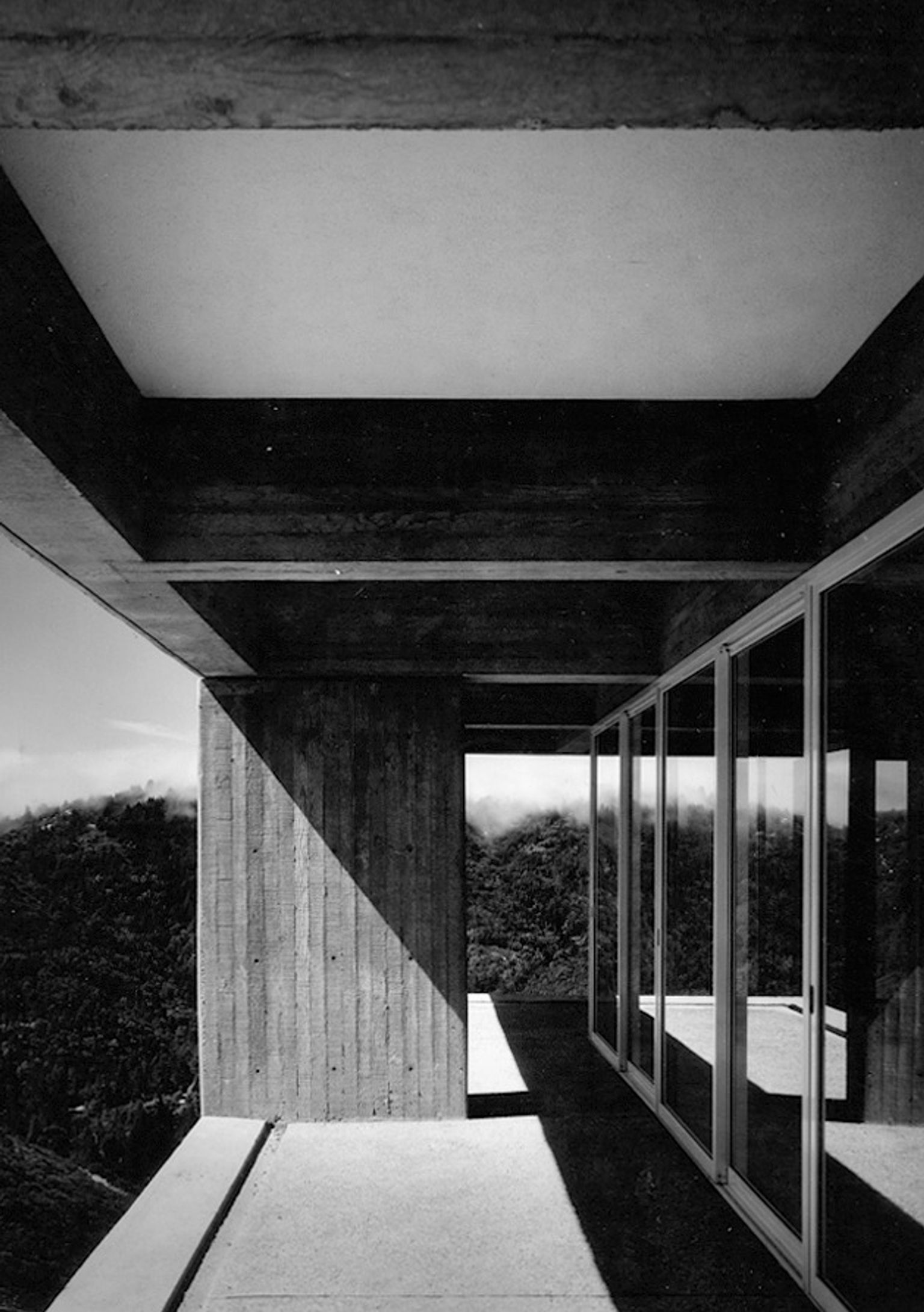
Ask og Eng Clay’s house on Mount Tamalpais embodies his modernist approach: sculptural geometry, expressive structure and a deep sensitivity to light. We’re inspired by his ability to treat a home as an architectural composition, where form and material are balanced with clarity and calm. This resonates with how we design kitchens and furniture - as carefully composed spaces where craftsmanship, materiality, and light define the experience.


A Hillside Masterpiece
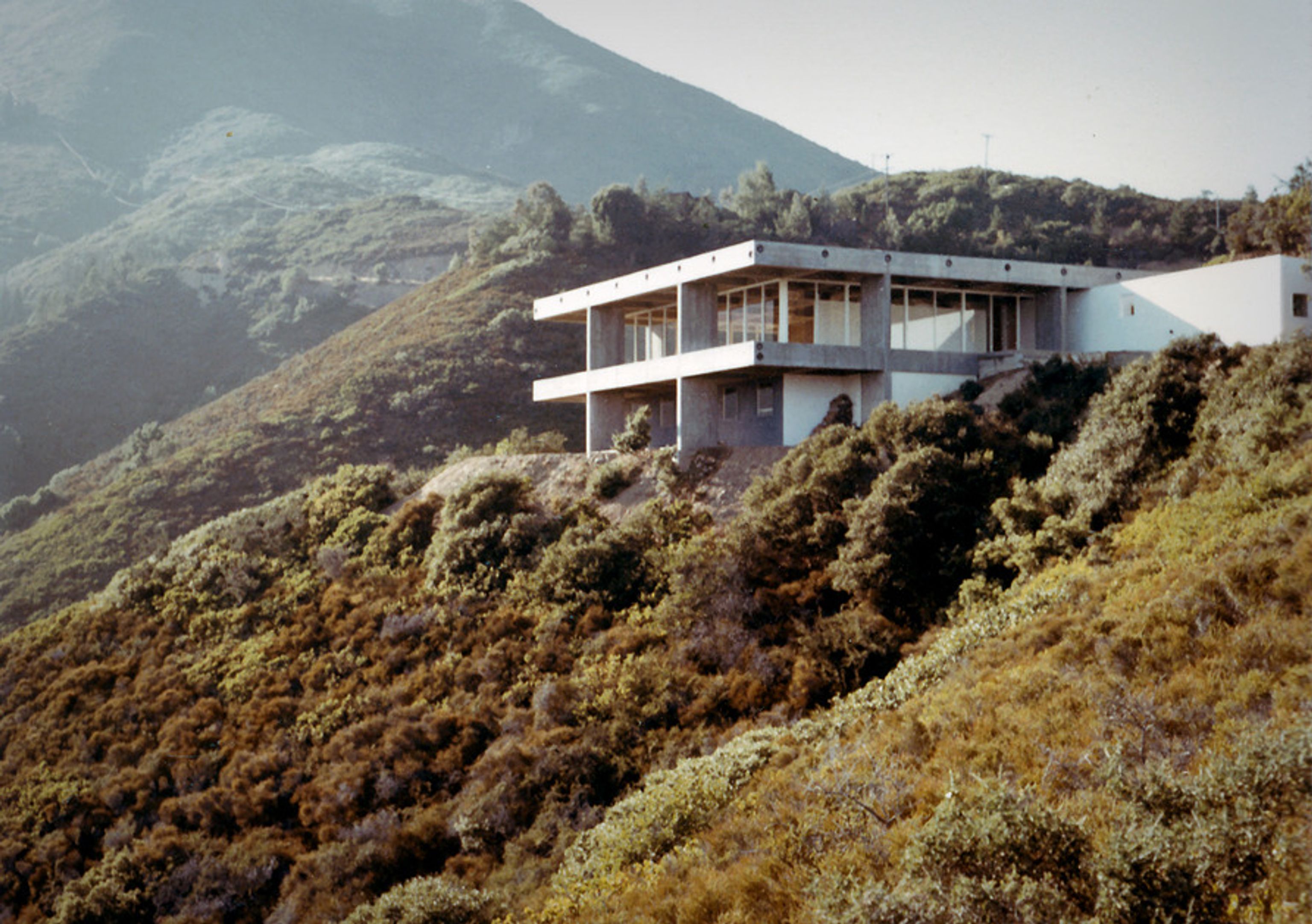
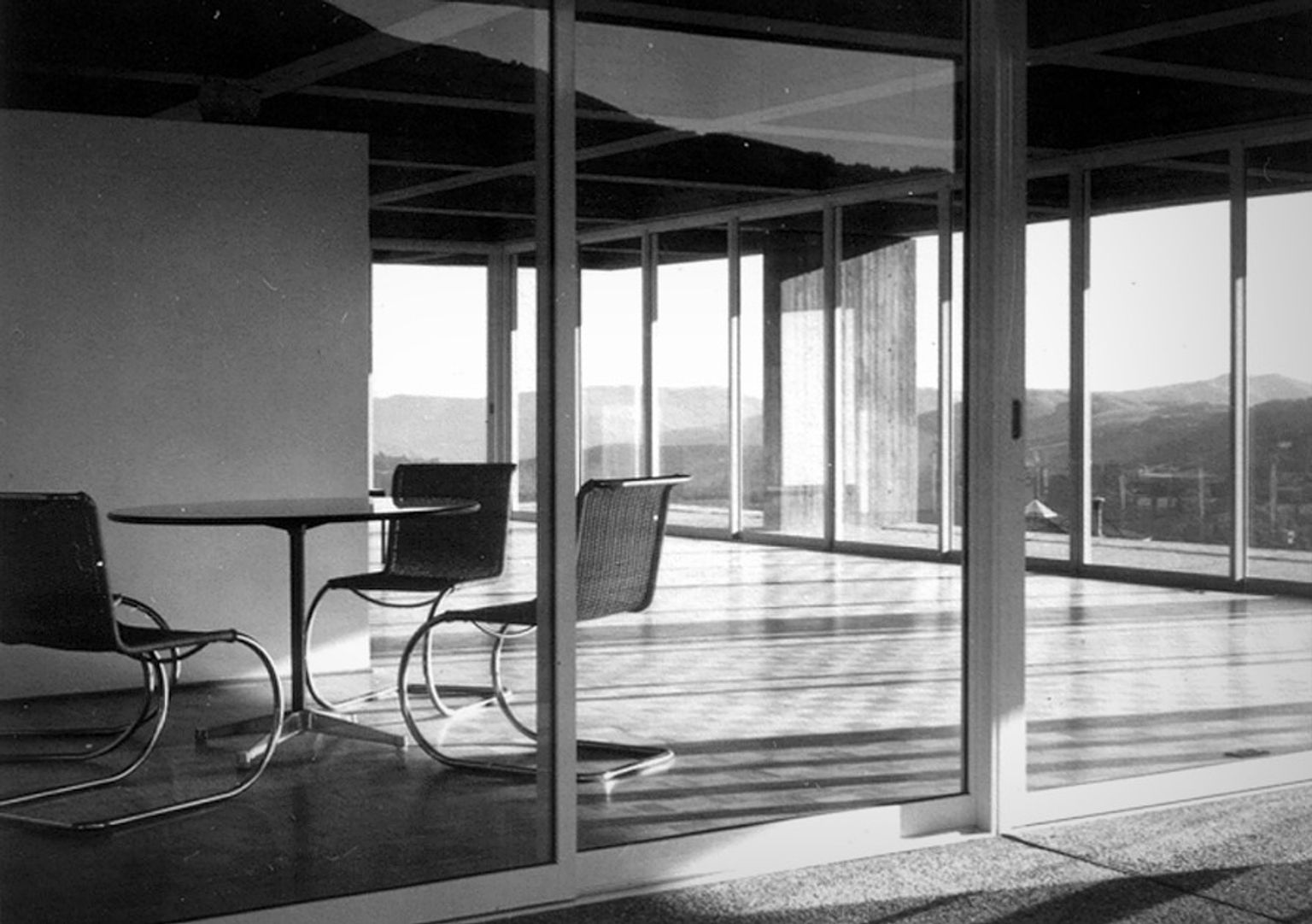
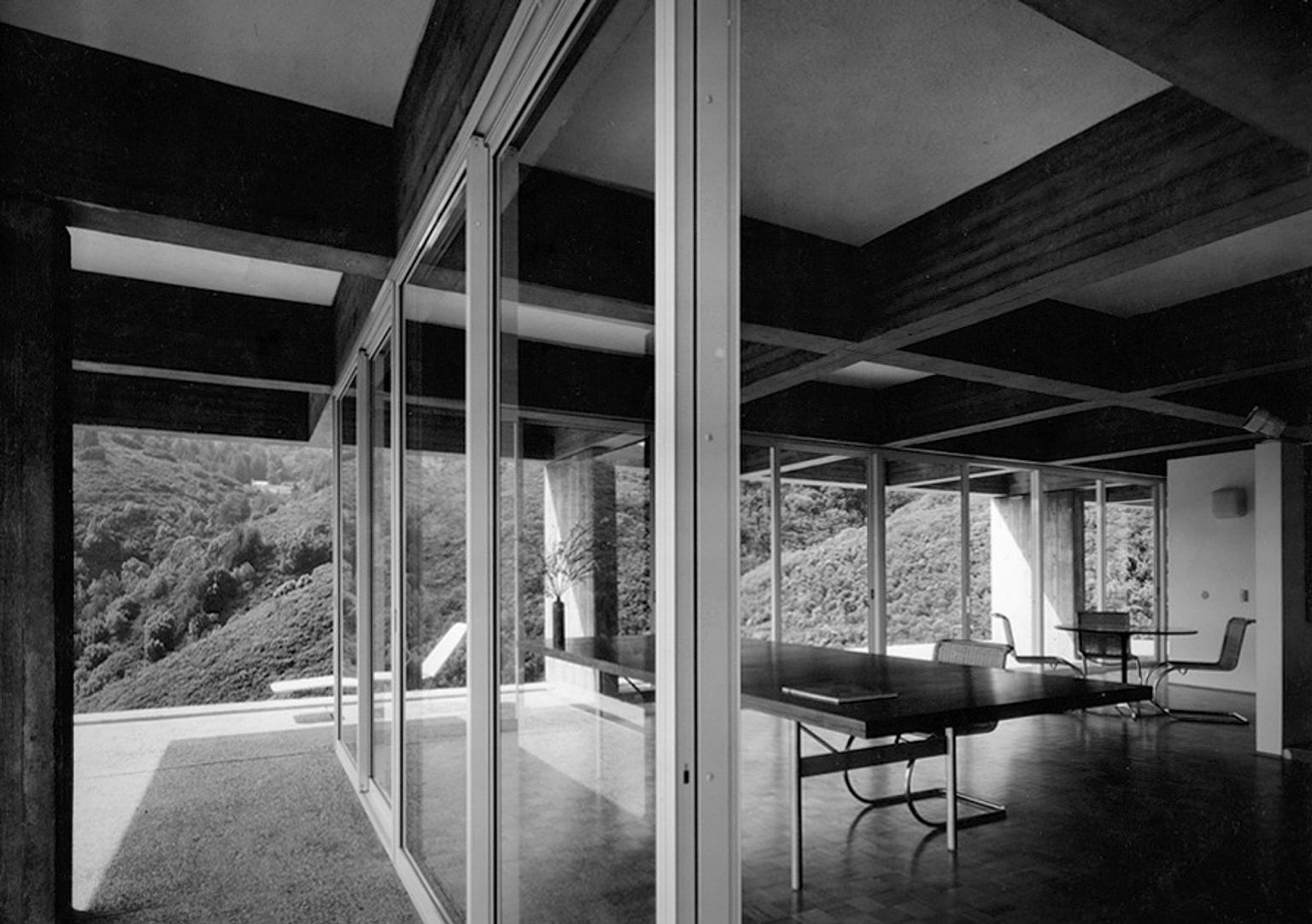
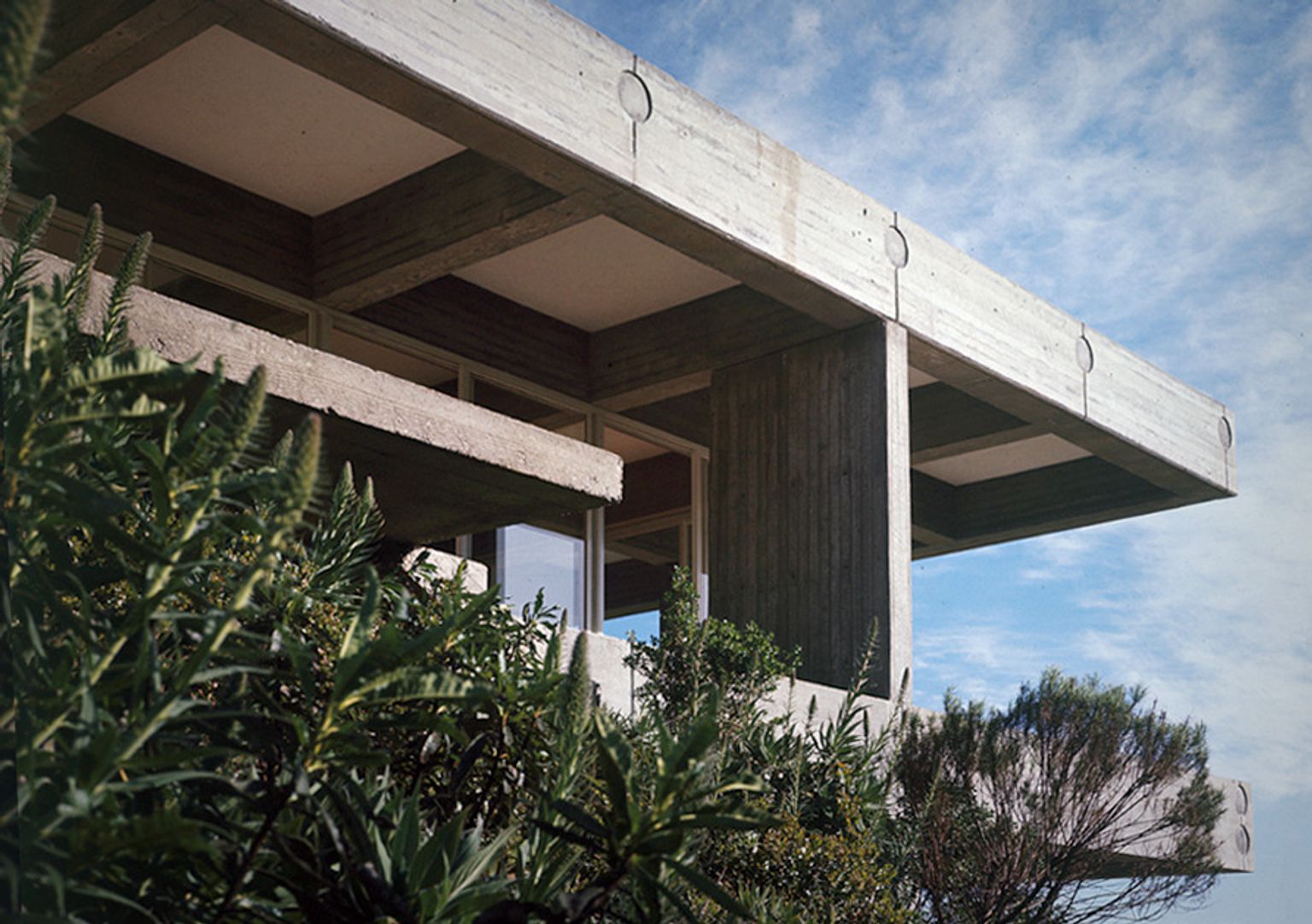
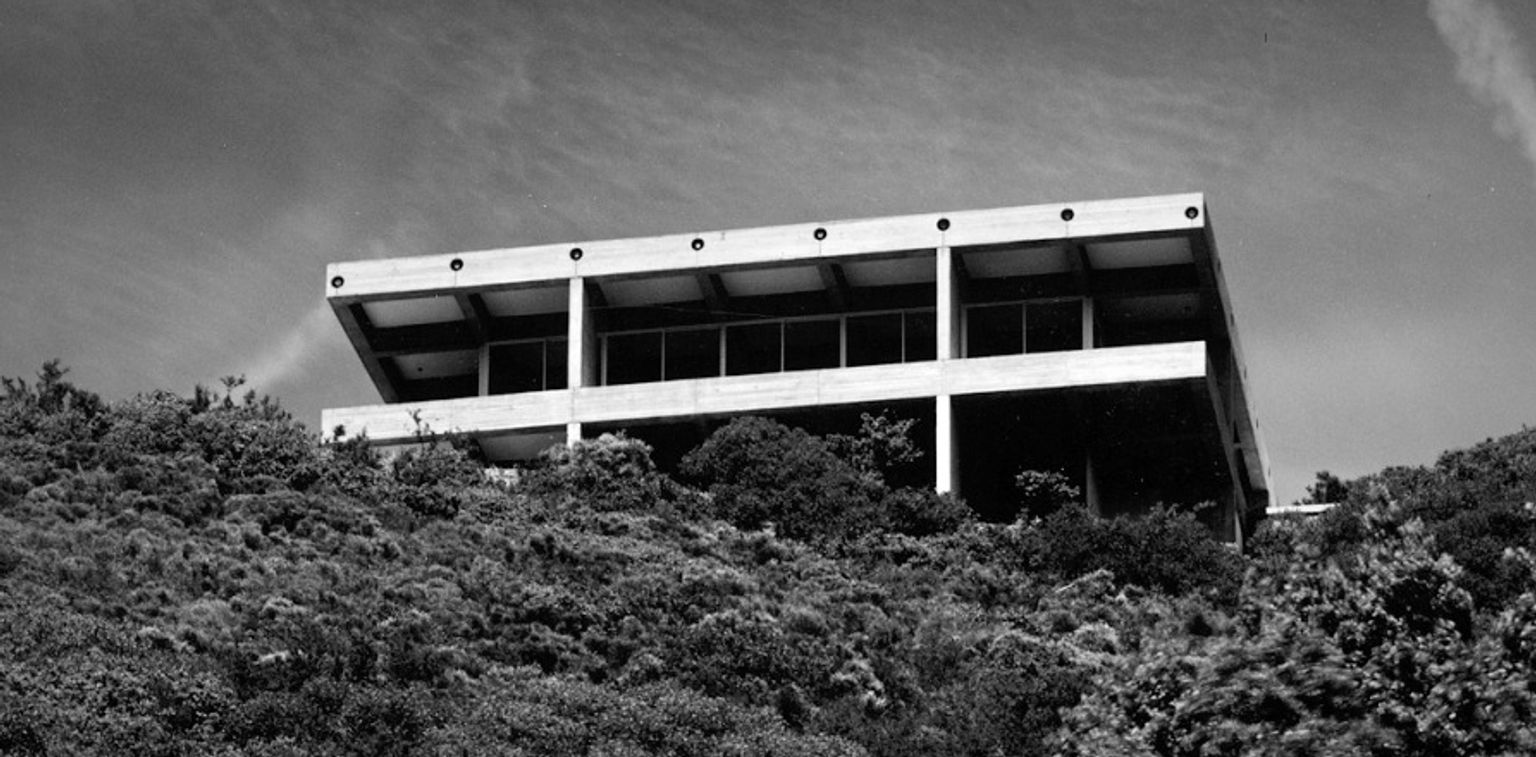
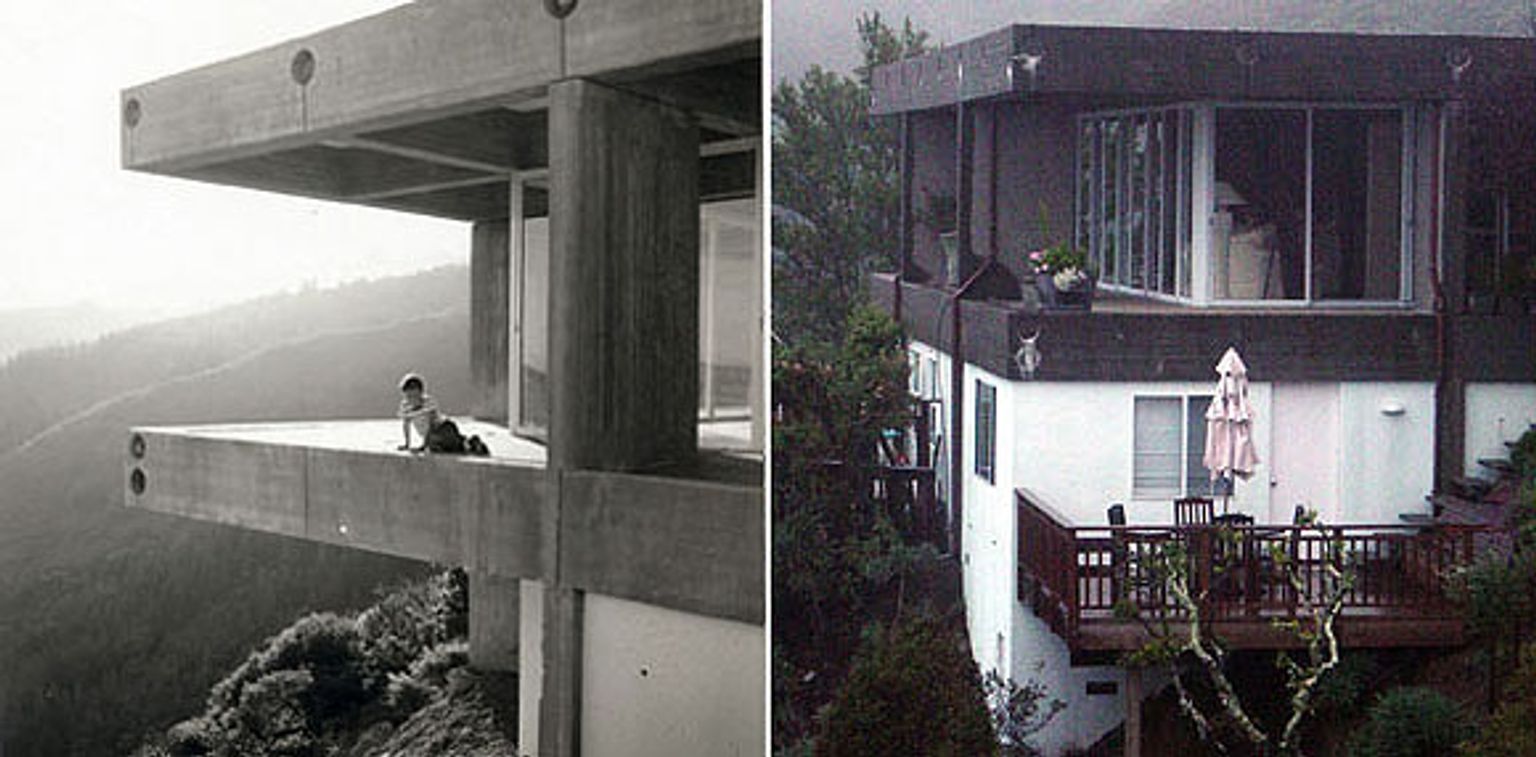
Perched on a steep, remote hillside in Mill Valley, California, the House on Mount Tamalpais - also known as the Mount Tamalpais Pavilion (1964-65) is a striking example of modernist residential architecture. Designed and built as the personal home of architect Paffard Keatinge-Clay, the house rises directly from the slope, almost like an inhabitable rock formation. Its eight freestanding pre-stressed concrete columns define the open floor plan, while sliding glass walls frame expansive views of the Bay Area.
Every aspect of the pavilion - from its orientation to the placement of each structural element - was carefully considered to integrate the home seamlessly with its natural surroundings.

Innovative Design and Construction
The house showcases Keatinge-Clay’s technical and creative ingenuity. Engineered with French structural engineer Jacques Kourkene, the house required all materials to be transported up the narrow hillside to accommodate a continuous concrete pour. Its minimalist steel and concrete structure, combined with large glass surfaces, allows light and landscape to flow throughout the interior. The design maximizes both functionality and visual impact, with interior spaces defined by the columns rather than walls, creating a flexible, airy environment. Despite its engineering complexity, the pavilion feels harmonious, as if it grew organically from the hillside itself.


Enduring Legacy
Although Paffard Keatinge-Clay (1932-2023) produced numerous landmark projects across the Bay Area, the House on Mount Tamalpais remains one of his most personal and daring works. Its innovative use of materials, dramatic siting, and open-plan spatial organization reflect his vision of architecture as both art and engineering.
Over the years, the house has undergone modifications, but the original structure endures, continuing to inspire architects and enthusiasts alike. The pavilion stands as a testament to a home designed with uncompromising creativity, blending technical mastery with a profound connection to its environment.