Denis Villeneuve
Incendies
- DirectorDenis Villeneuve
Nono Ayuso The way personal identity is shattered by inherited trauma feels brutal and inevitable, like uncovering a truth you were never meant to know.

The Film
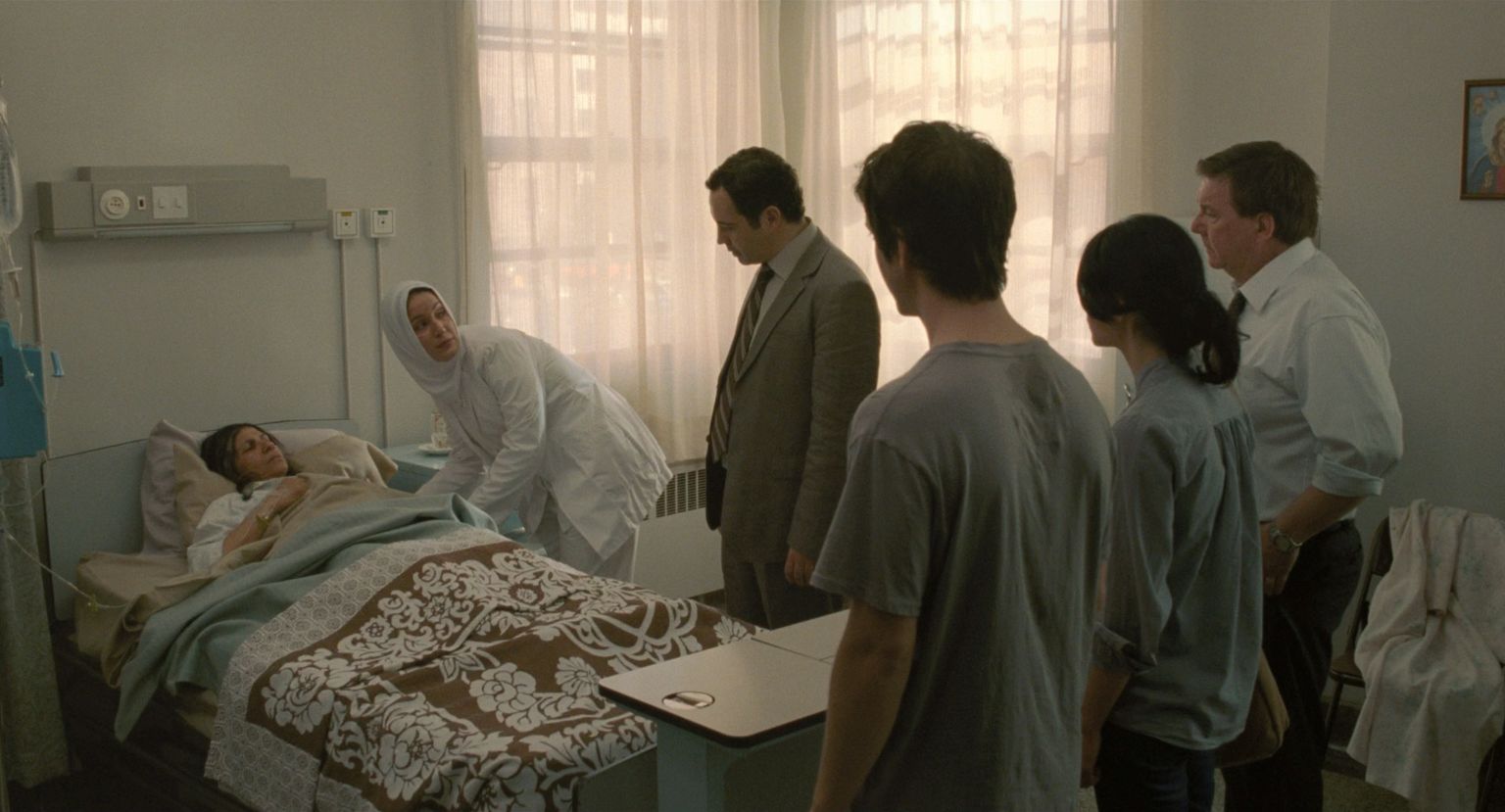
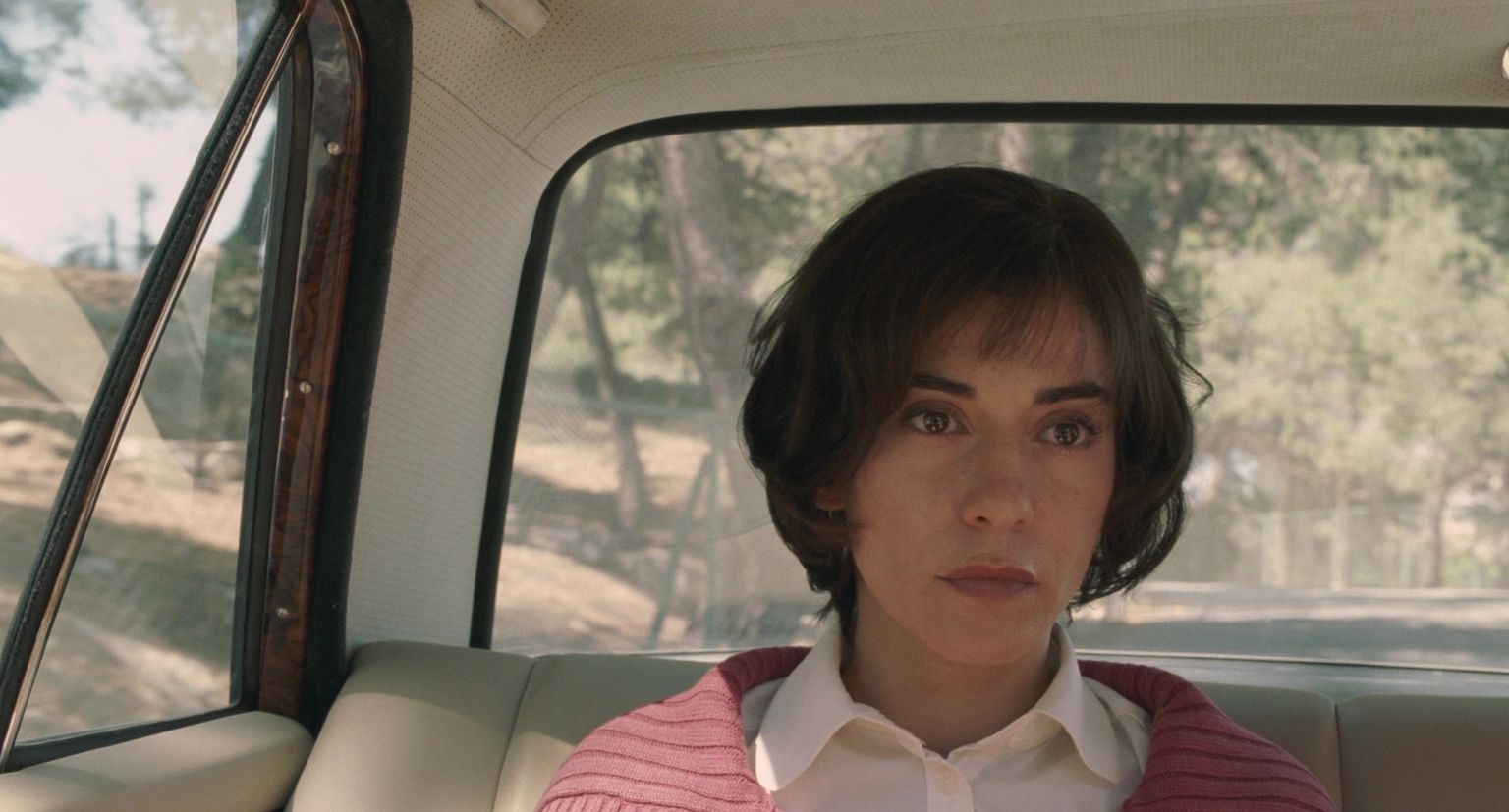
Incendies (2010) unfolds as both a personal reckoning and a mythic journey. Structured as a gradual excavation of truth, the film traces how a mother’s silences shape the lives of her children long after her death. By withholding specific national or historical markers, Denis Villeneuve abstracts the setting into a symbolic war zone - one that could belong to many countries, many histories. This deliberate ambiguity elevates the narrative from political drama to tragic archetype.
The film moves between generations, revealing how violence migrates through bloodlines, not as ideology but as unresolved emotion. What distinguishes Incendies is its refusal to offer narrative relief: revelation does not heal, but it clarifies, forcing characters, and viewers, to confront the cost of ignorance.





Cinematography
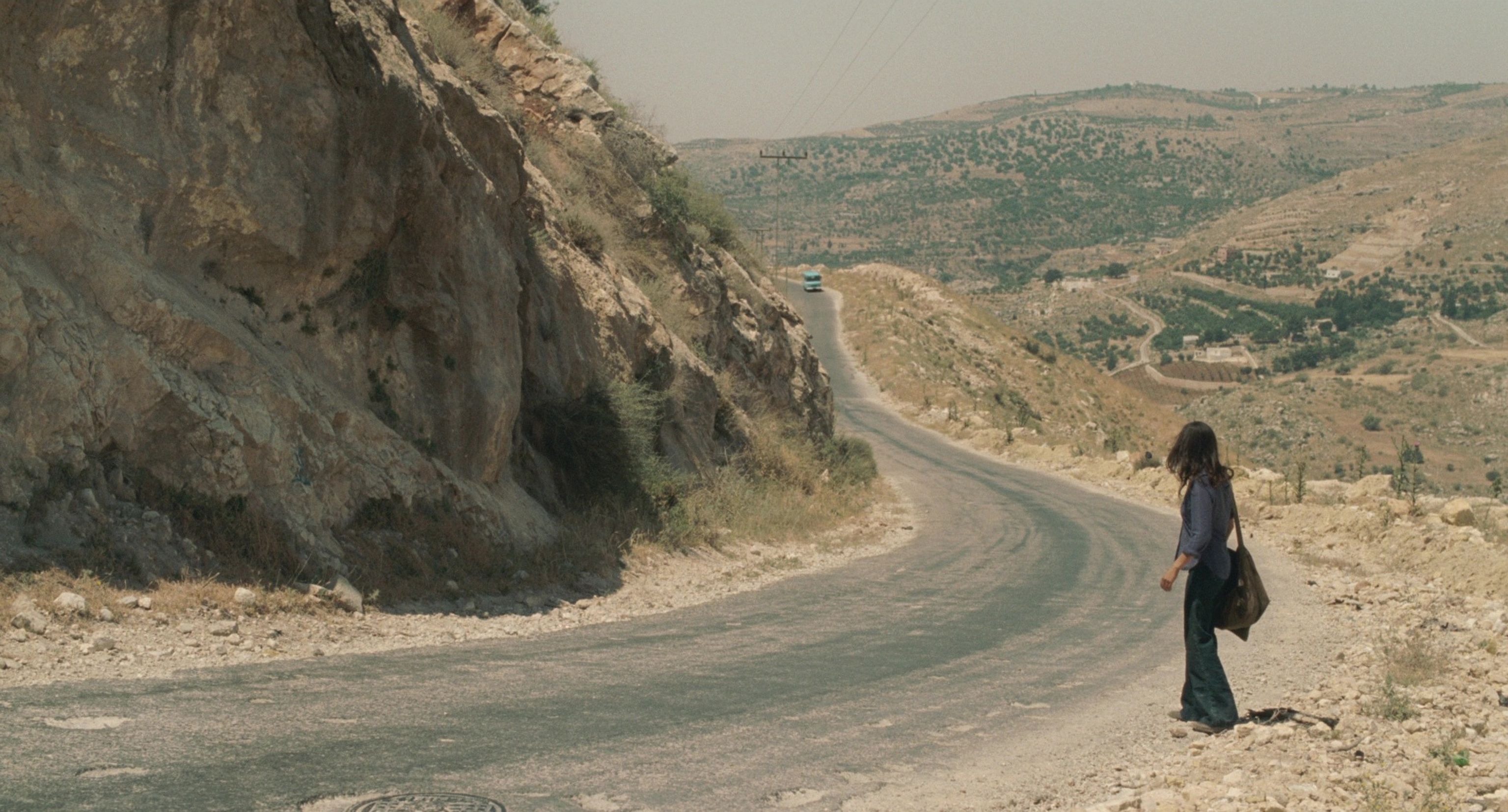
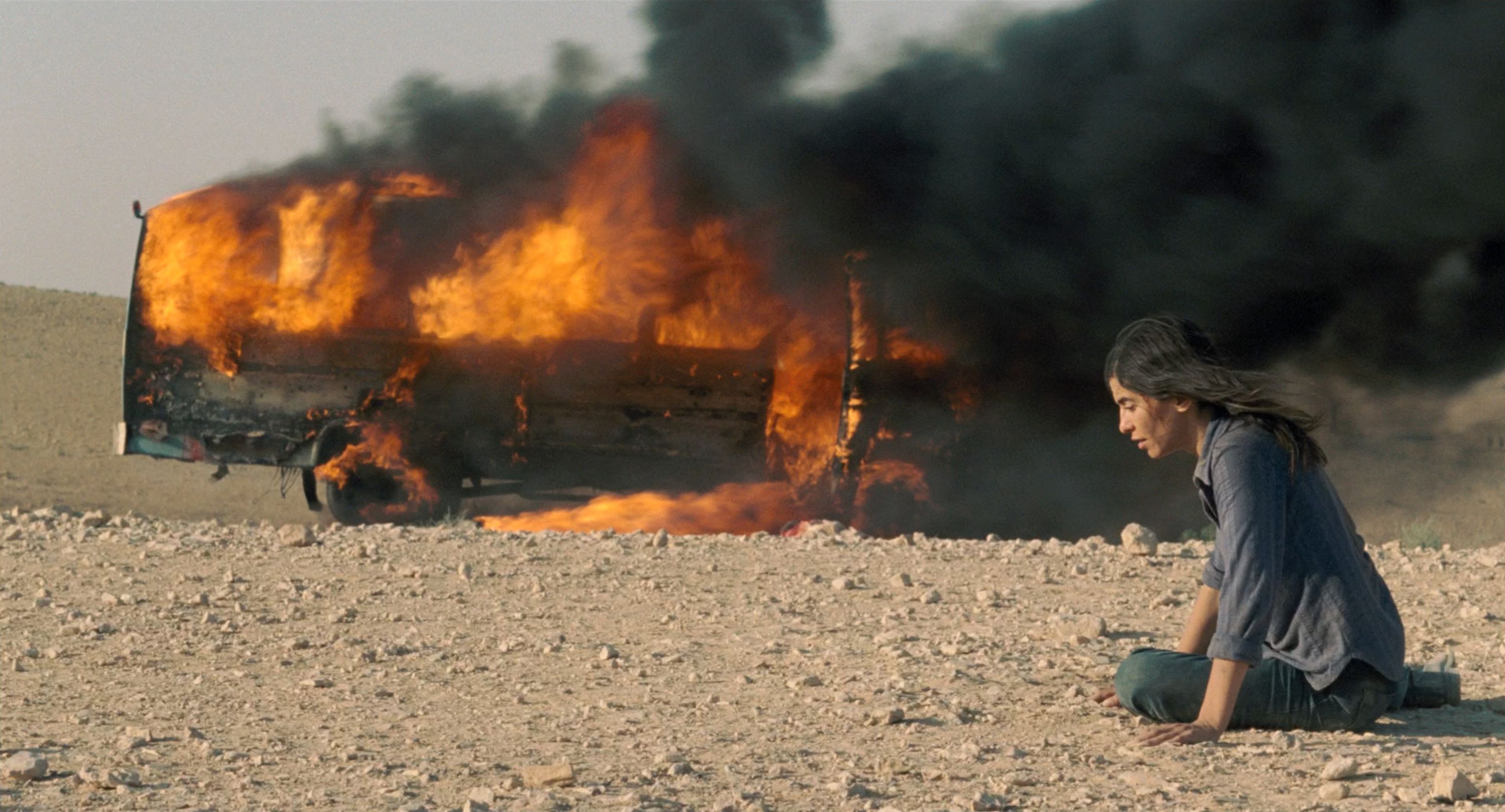
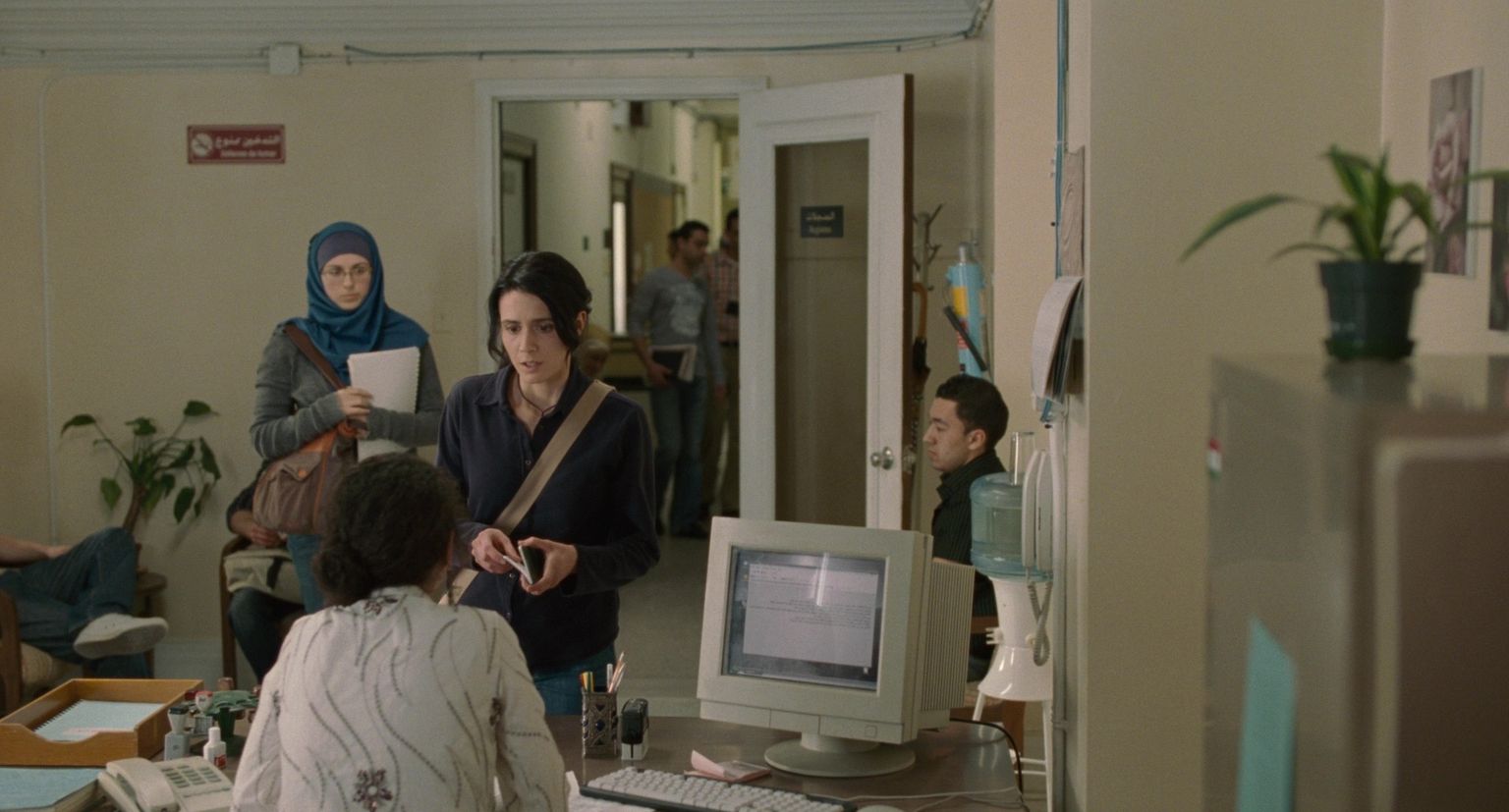
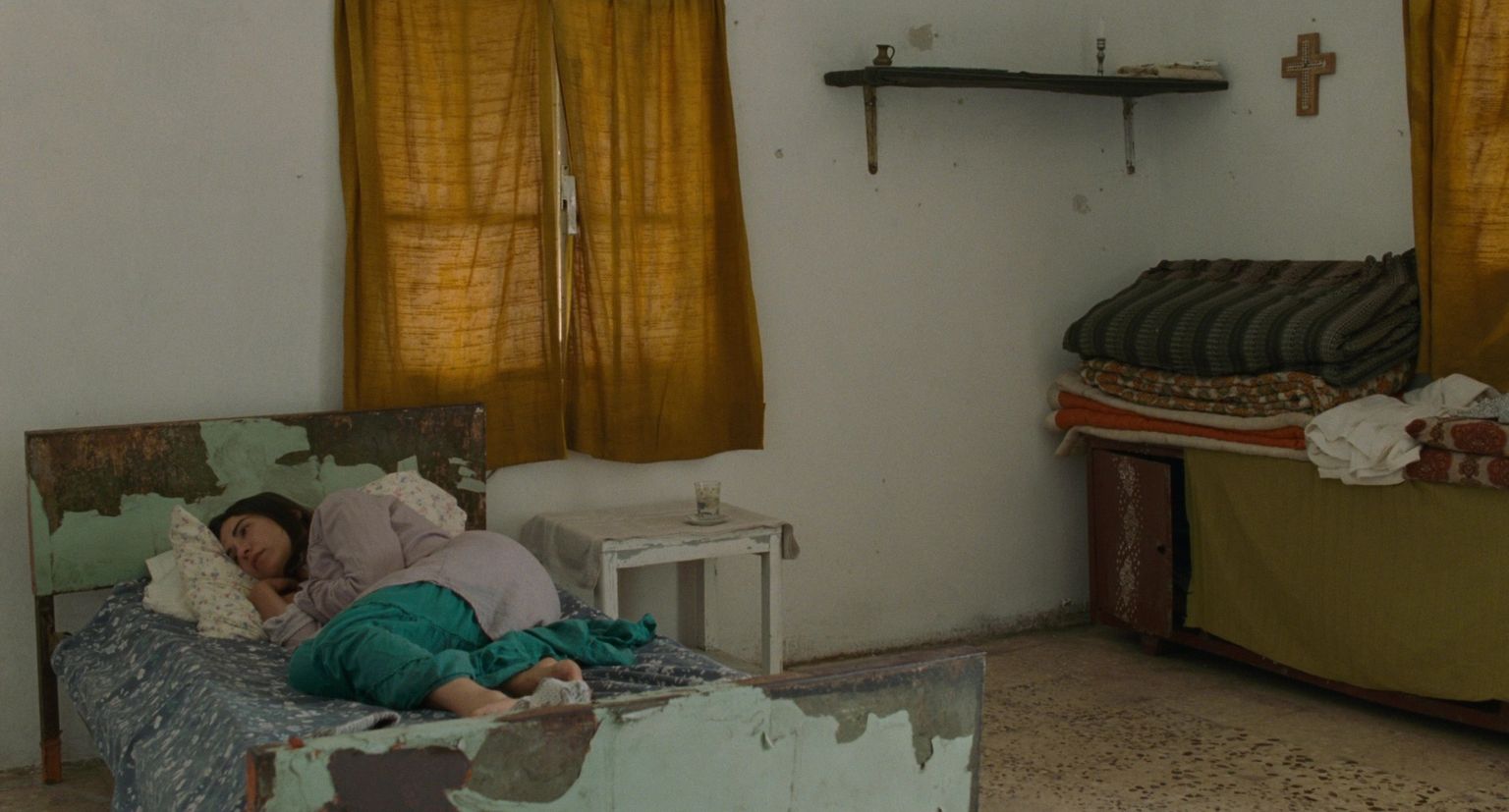
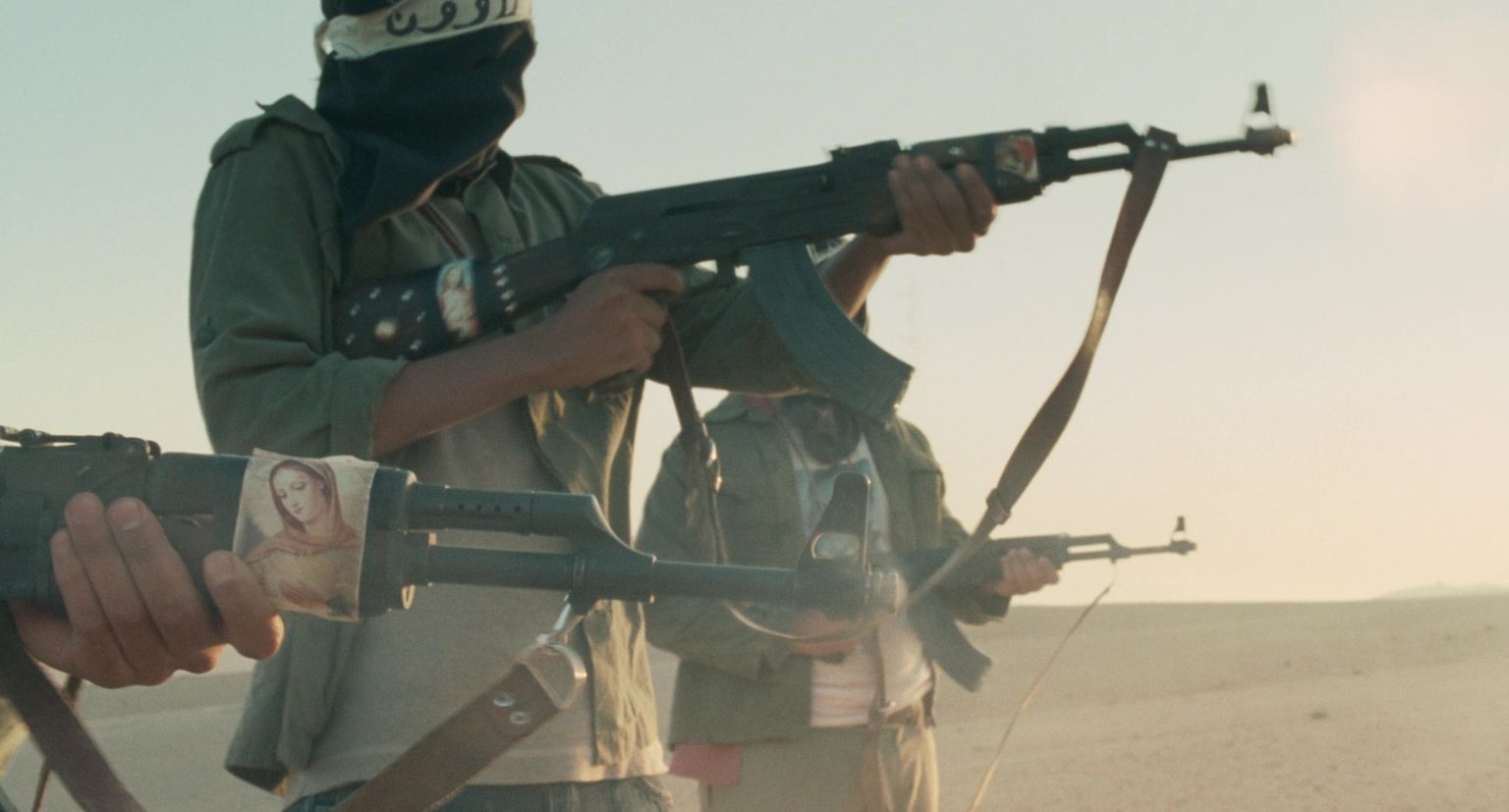
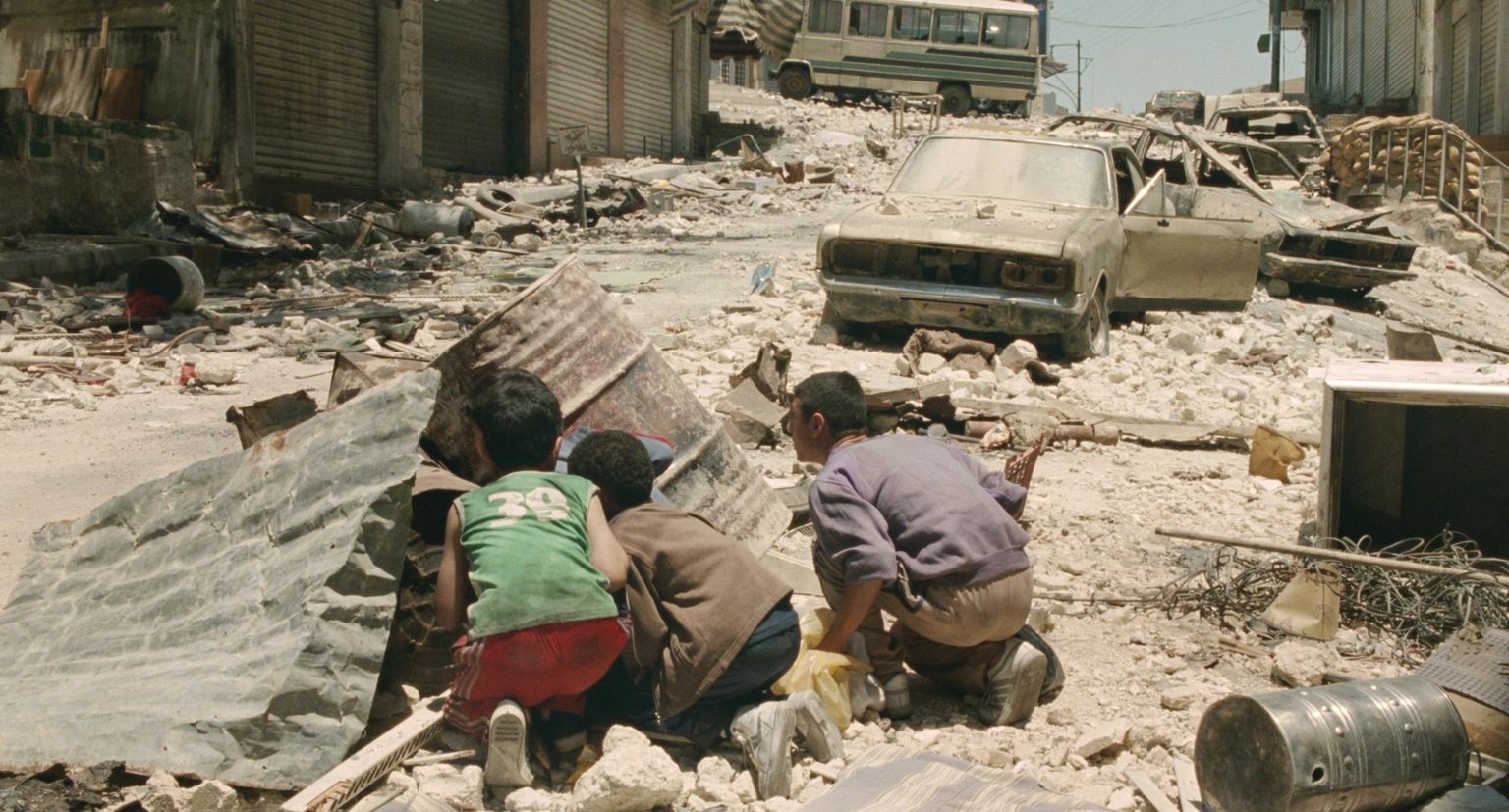
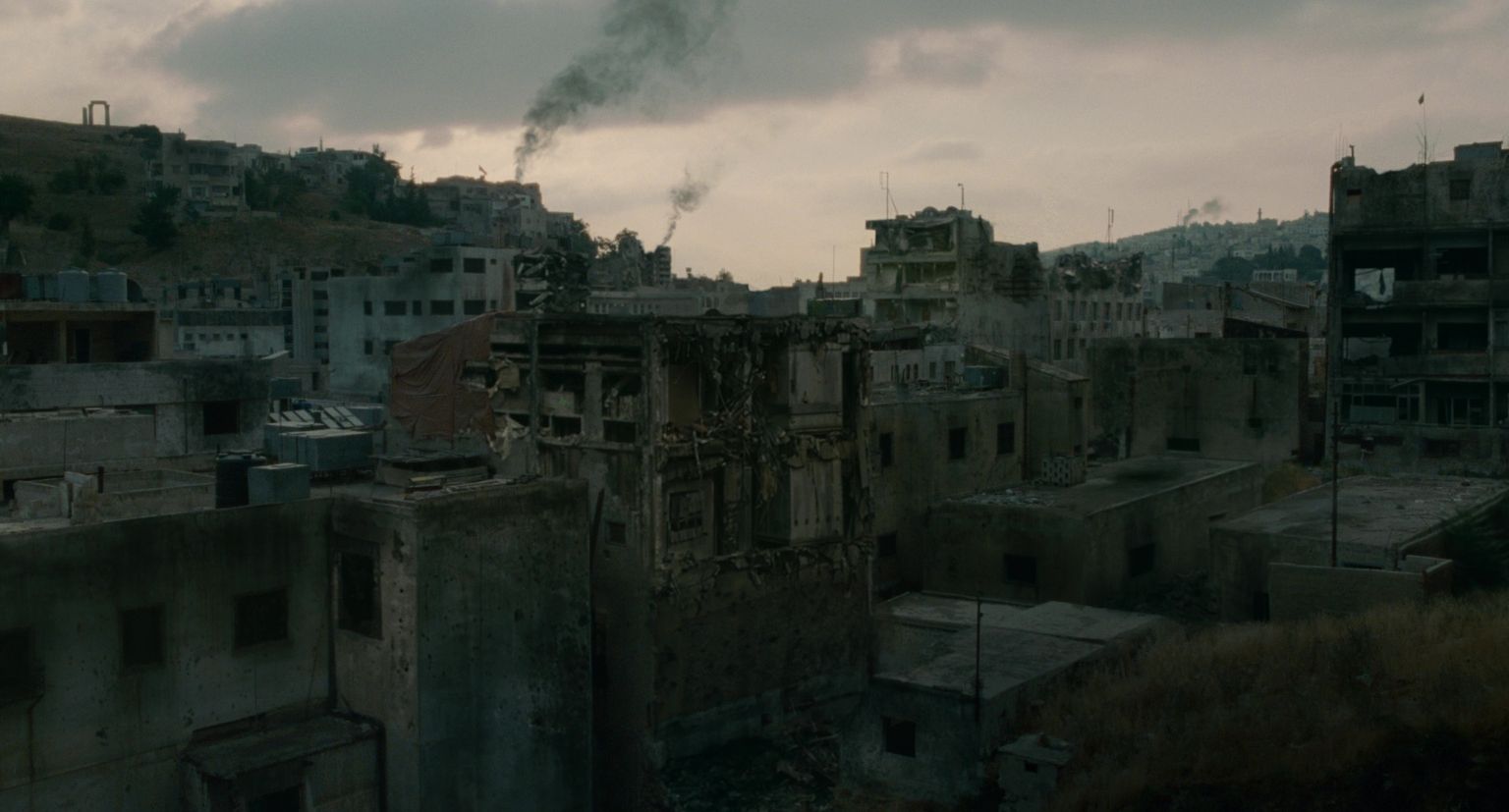
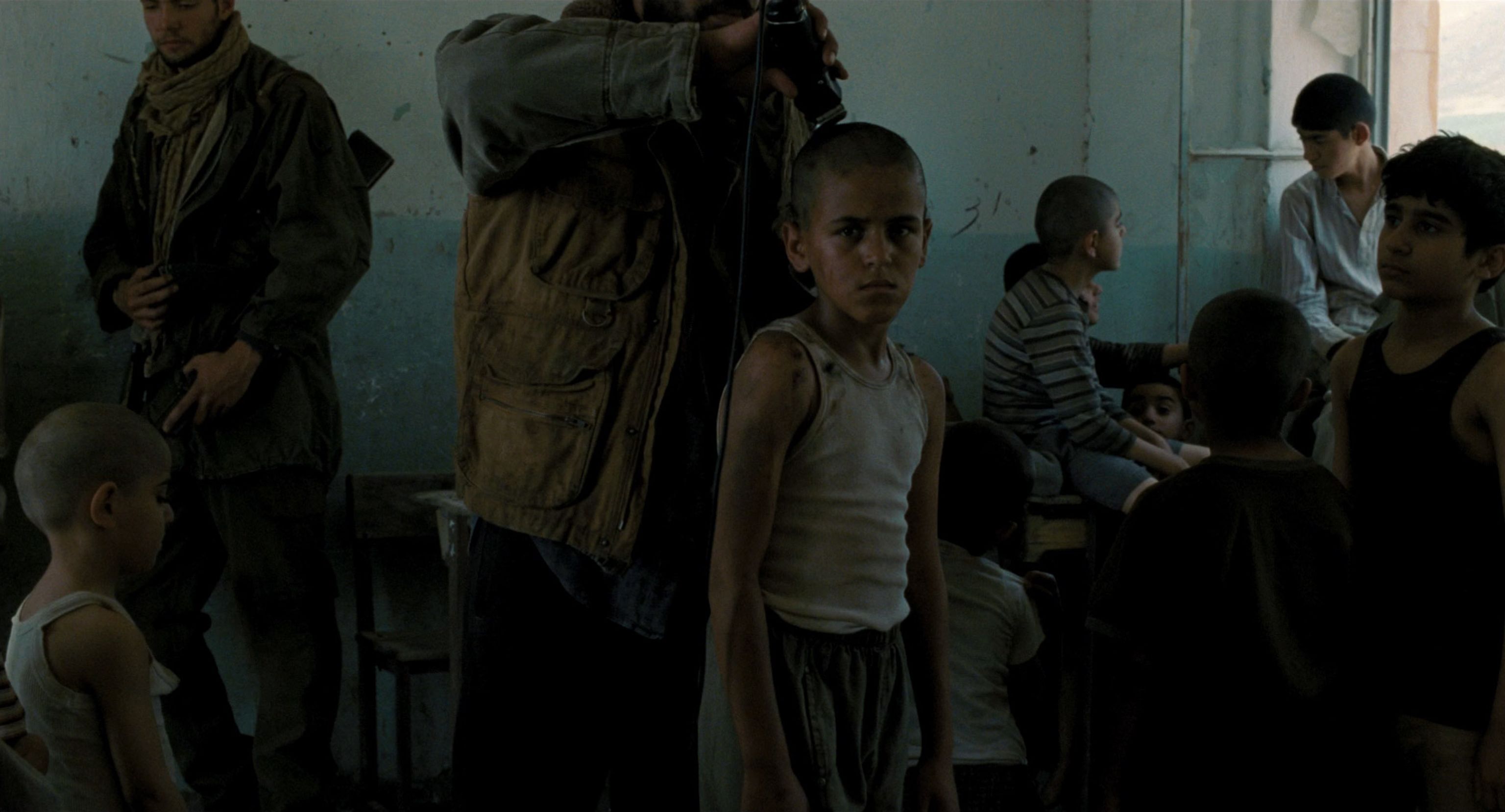
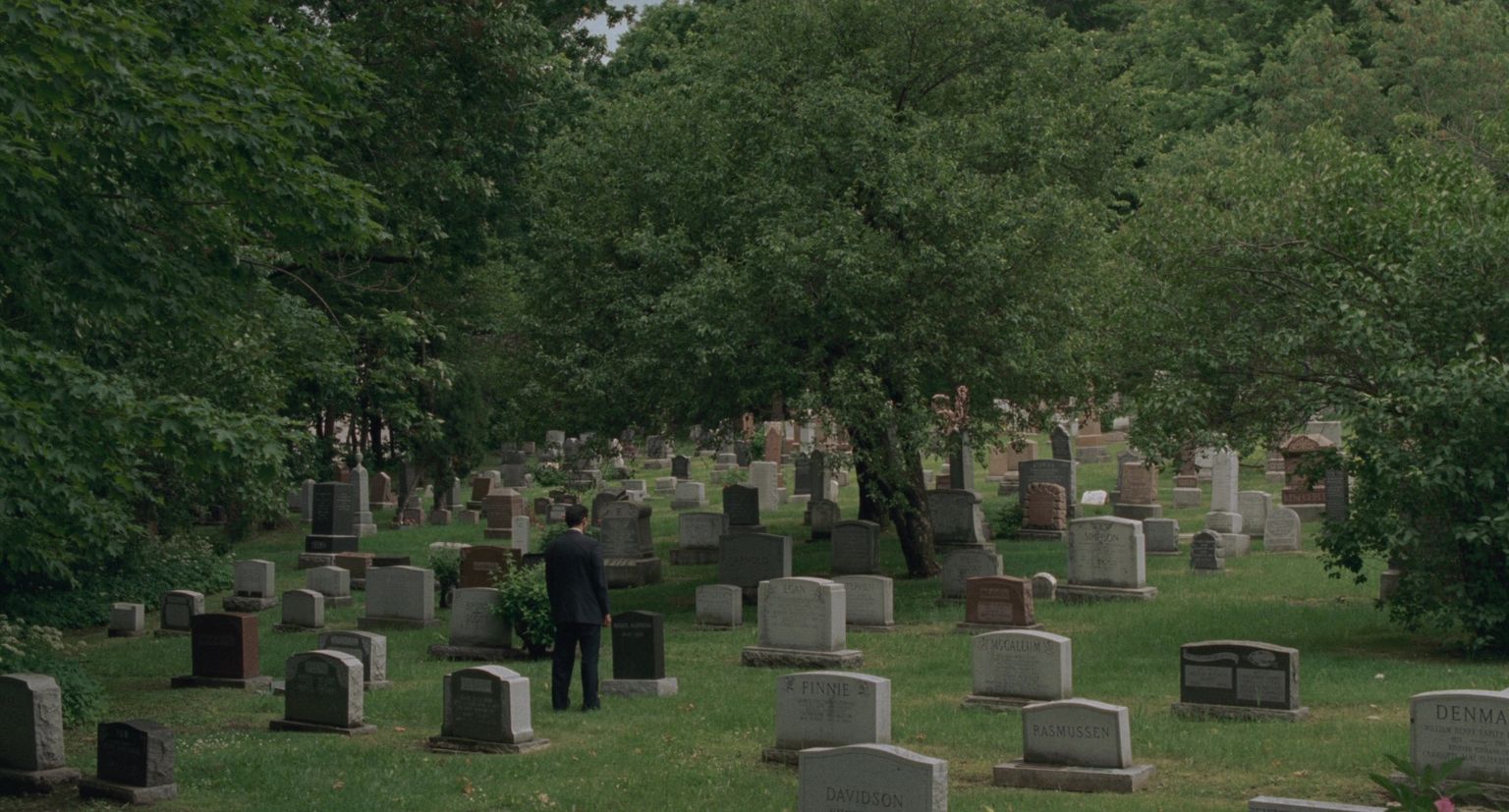
The cinematography in Incendies operates as a silent witness. Villeneuve favors austere compositions, allowing negative space, stillness, and duration to carry emotional weight. Landscapes are filmed as scarred bodies: deserts, burned villages, and abandoned structures echo the psychological damage endured by the characters. The camera often lingers after action has passed, emphasizing aftermath over event, consequence over spectacle.
This visual restraint creates a tension between beauty and devastation - images are composed with care, yet never romanticize suffering. Fire appears repeatedly, not as chaos but as a controlled, almost ritual force, reinforcing the film’s cyclical logic. The result is a visual grammar that transforms geography into memory and memory into fate.

Denis Villeneuve
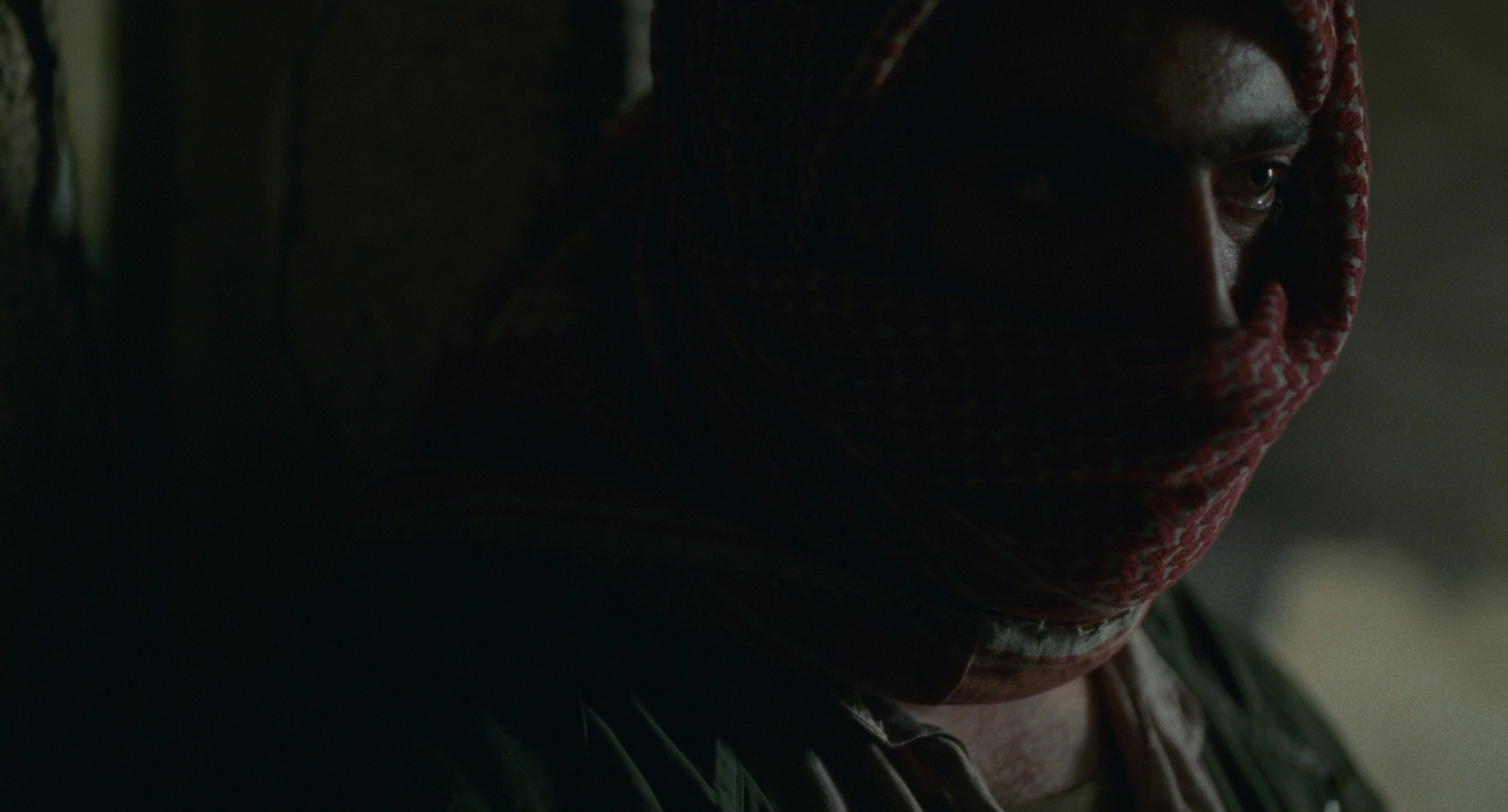
With Incendies, Denis Villeneuve articulated a moral vision that would become central to his later work. His direction is marked by patience and severity, trusting the audience to endure discomfort without narrative hand-holding. Villeneuve approaches the material not as political commentary but as an inquiry into human rage - how it is born, justified, and ultimately perpetuated.
His adaptation of Wajdi Mouawad’s play preserves its theatrical gravity while fully embracing cinema’s capacity for silence, movement, and spatial storytelling. The film’s fragmented structure mirrors the psychological fragmentation of its characters, aligning form with theme. In this sense, Villeneuve acts less as storyteller than as architect, constructing a narrative space the audience must inhabit rather than observe.





Legacy
Incendies stands today as a foundational work in Villeneuve’s filmography and a landmark in contemporary world cinema. Its Academy Award nomination brought international attention not only to the director but to Québécois cinema as a whole. More importantly, the film has endured because its themes remain painfully current: displacement, inherited trauma, and the failure of violence to resolve itself.
In academic and curatorial contexts, Incendies is often cited as an example of modern cinematic tragedy - one that replaces catharsis with confrontation. Its final revelation does not close the story but reframes everything that came before it, leaving the audience with a moral residue rather than resolution. This refusal of comfort is precisely what secures its lasting relevance.