
Keiji Ashizawa Design
Ishinomaki Laboratory
- ArchitectKeiji Ashizawa
- PhotographerMasaki Ogawa, Masaaki Inoue, Greg Mayo, Tomoyuki Kusunose, Jonas Bjerre Poulsen and Tomooki Kengaku
Rasmus Astrup Keiji Ashizawa is a Japanese architect and designer who believes deeply in ‘honest design’, simple, material-rooted, functional design that responds to context and real human needs. After the devastating 2011 earthquake and tsunami, he founded the Ishinomaki Laboratory as a community-driven workshop, where locals, volunteers, and designers collaborated to produce furniture and rebuild homes. Over time, what started as emergency relief evolved into a sustainable design brand. Ishinomaki Laboratory now offers furniture, benches, stools, tables, etc. designed to be assembled easily with simple materials and basic tools, combining social purpose with craftsmanship and global reach.

Keiji Ashizawa Design
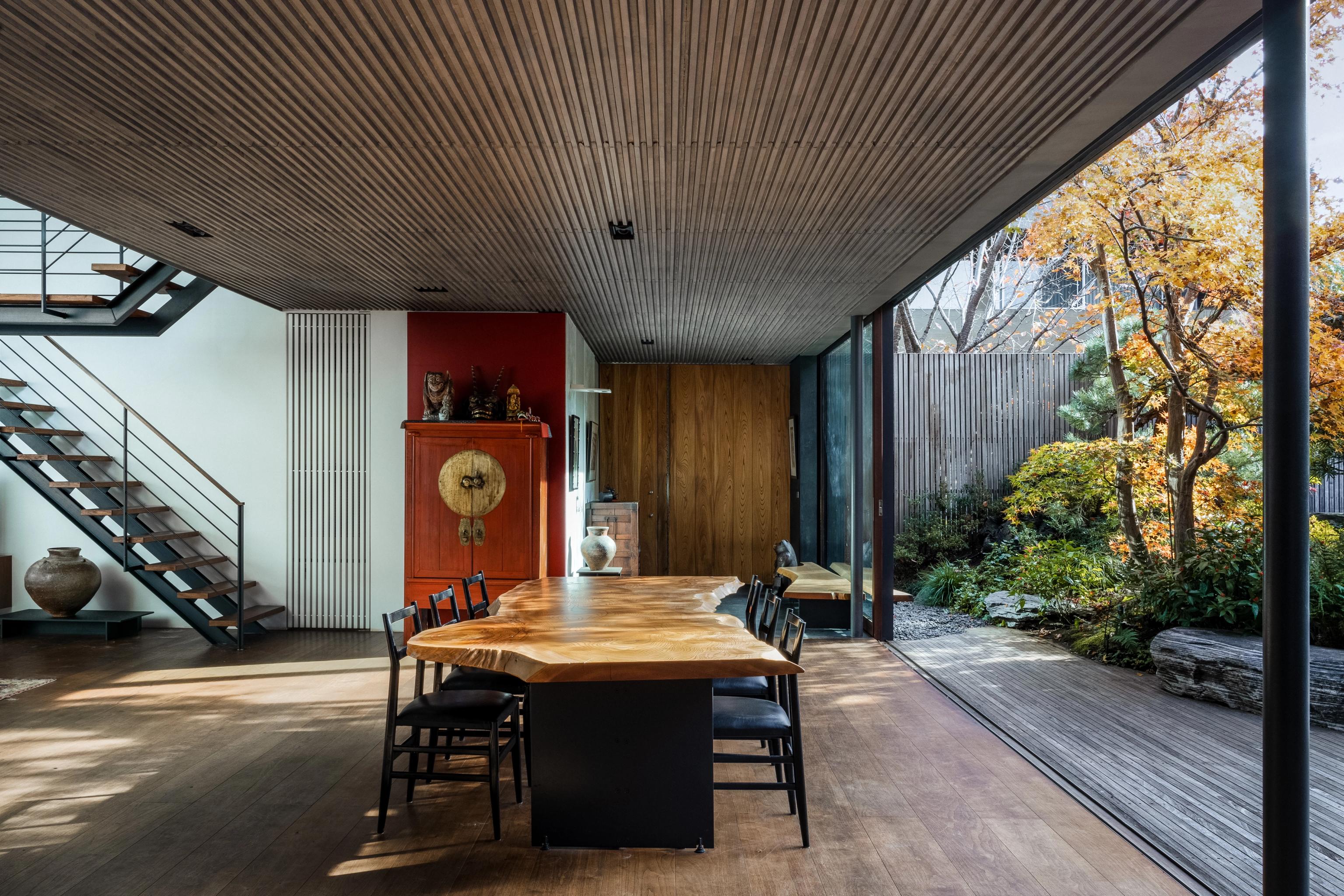
Keiji Ashizawa, born in 1973 in Japan, founded Keiji Ashizawa Design (KAD) in Tokyo in 2005. After graduating from the Department of Architecture and Building Science at Yokohama National University in 1996, Ashizawa began his career in architecture studios and refined his craft philosophy through furniture customization at Super Robots. His practice spans architecture, interiors, furniture, and product design, consistently guided by a commitment to honesty, functional clarity, and contextual sensitivity. Drawing on 20th-century modernist principles while embracing natural materials and traditional craftsmanship, Ashizawa creates designs that are both restrained and meticulously detailed, balancing modernity with a sense of timelessness. Across all scales, from buildings to bespoke furniture, every element – structure, surface, and object – is carefully integrated into its environment.
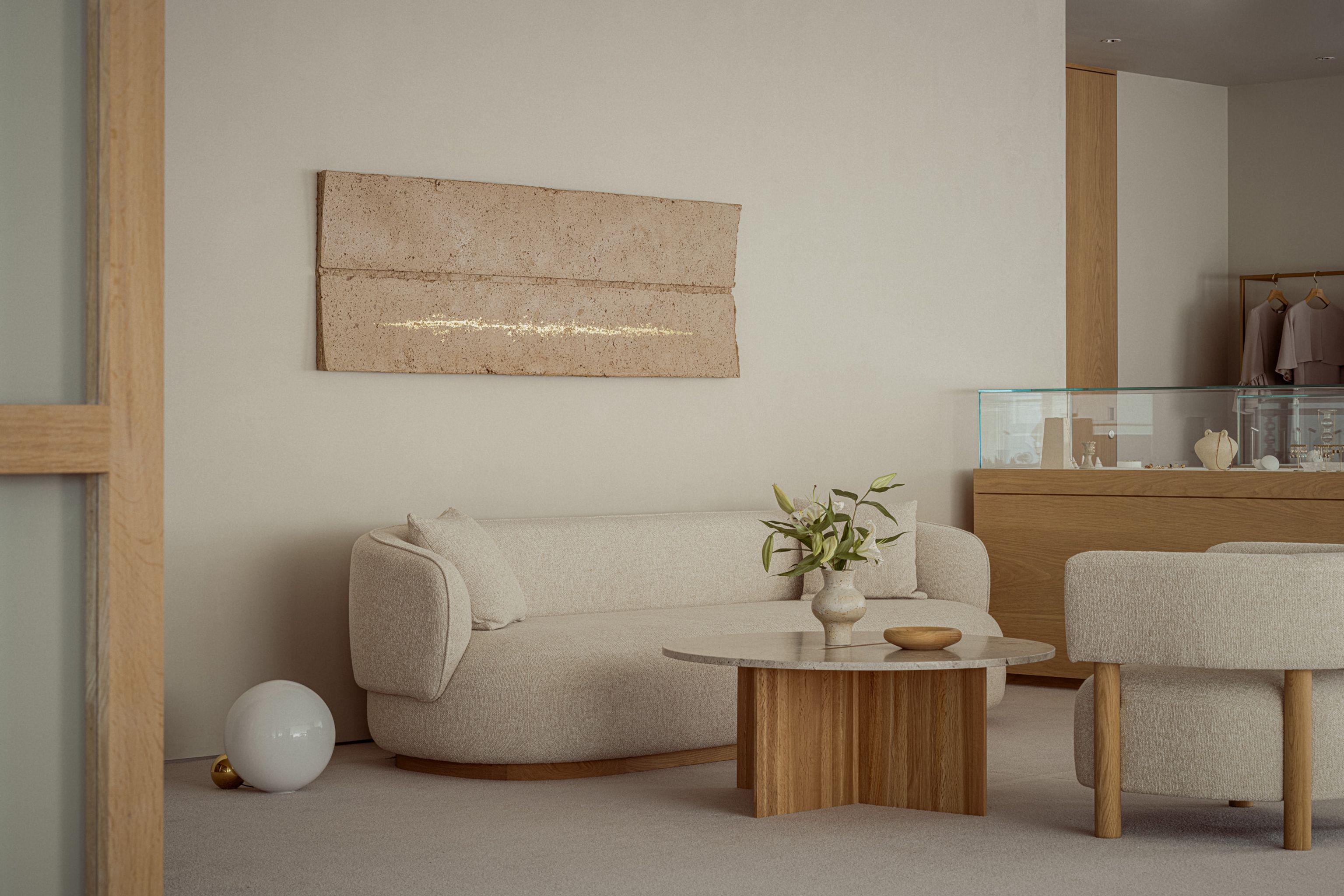

Honest Design
The studio’s philosophy, summed up in the term “Honest Design,” emphasizes communication with materials, production processes, and the people using the spaces or objects. Each project is derived from careful observation of context, purpose, and function, ensuring that design harmonizes with landscape, culture, and everyday life. KAD’s multidisciplinary team of architects, interior designers, and product designers works across scales to produce cohesive, integrated experiences. The studio has designed private residences, commercial interiors, and products for international brands such as Muji, Menu, Panasonic, and IKEA, always retaining its signature pared-back aesthetic while maximizing the potential of each material and function.

Ishinomaki Laboratory
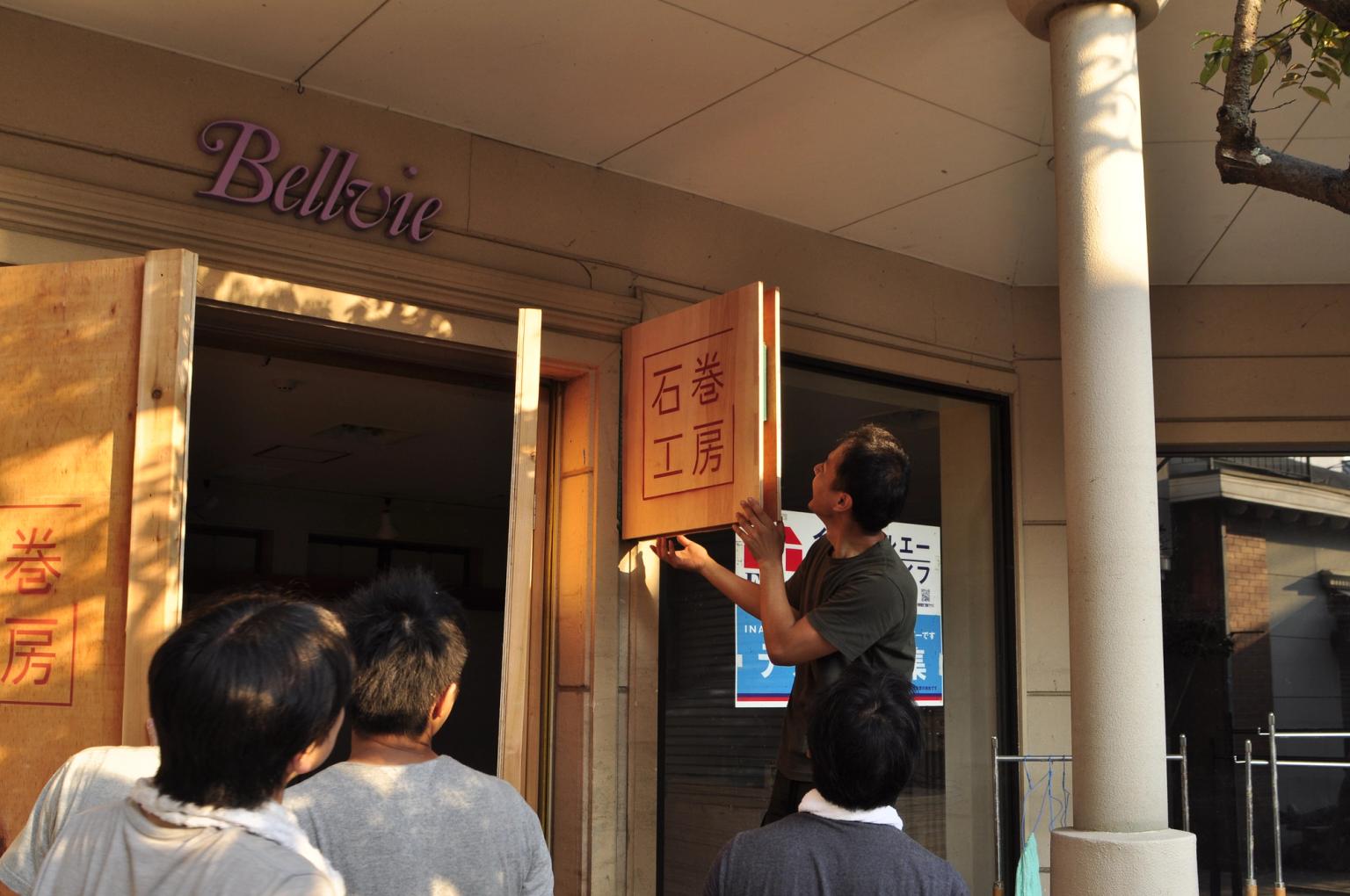
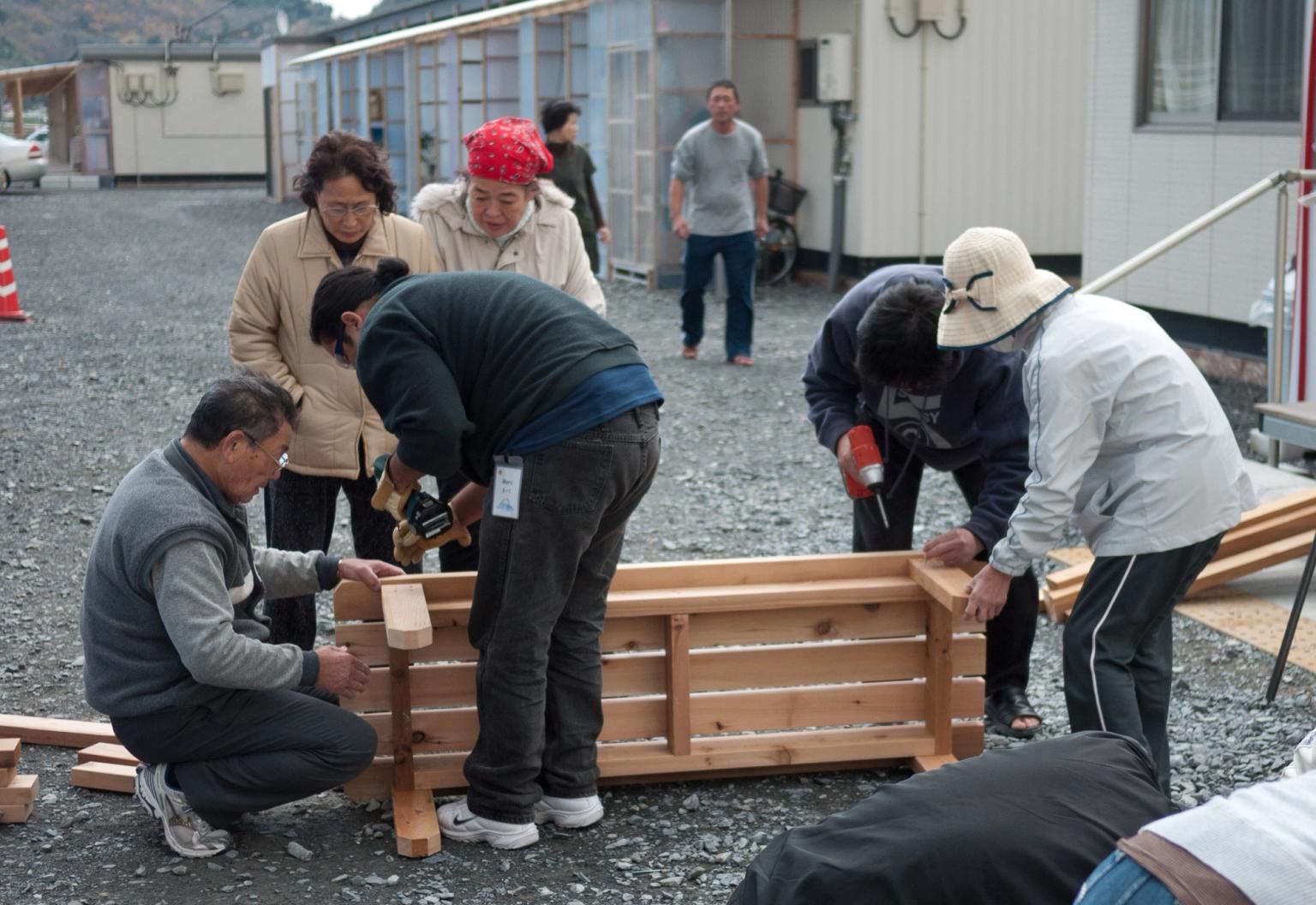
After the Great East Japan Earthquake in March 2011, architect Keiji Ashizawa found his way to Ishinomaki City, where his client was based, and founded Ishinomaki Laboratory as a public workshop to support the restoration of everyday life for local residents. In July of the same year, benches for an outdoor film festival were built together with local high school students. These benches continued to serve as places where people could gather, sit, and talk, becoming part of the community’s daily life.
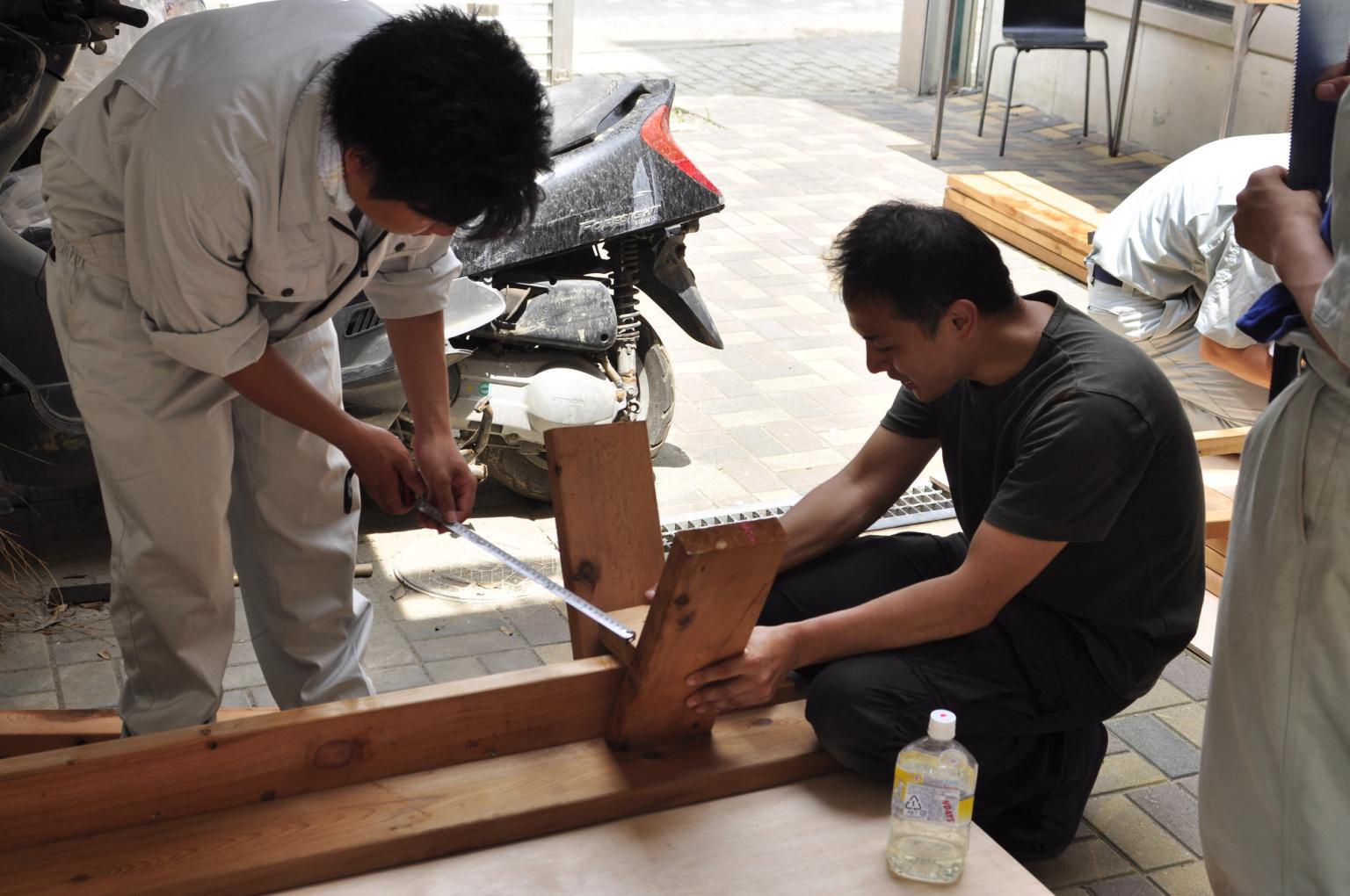

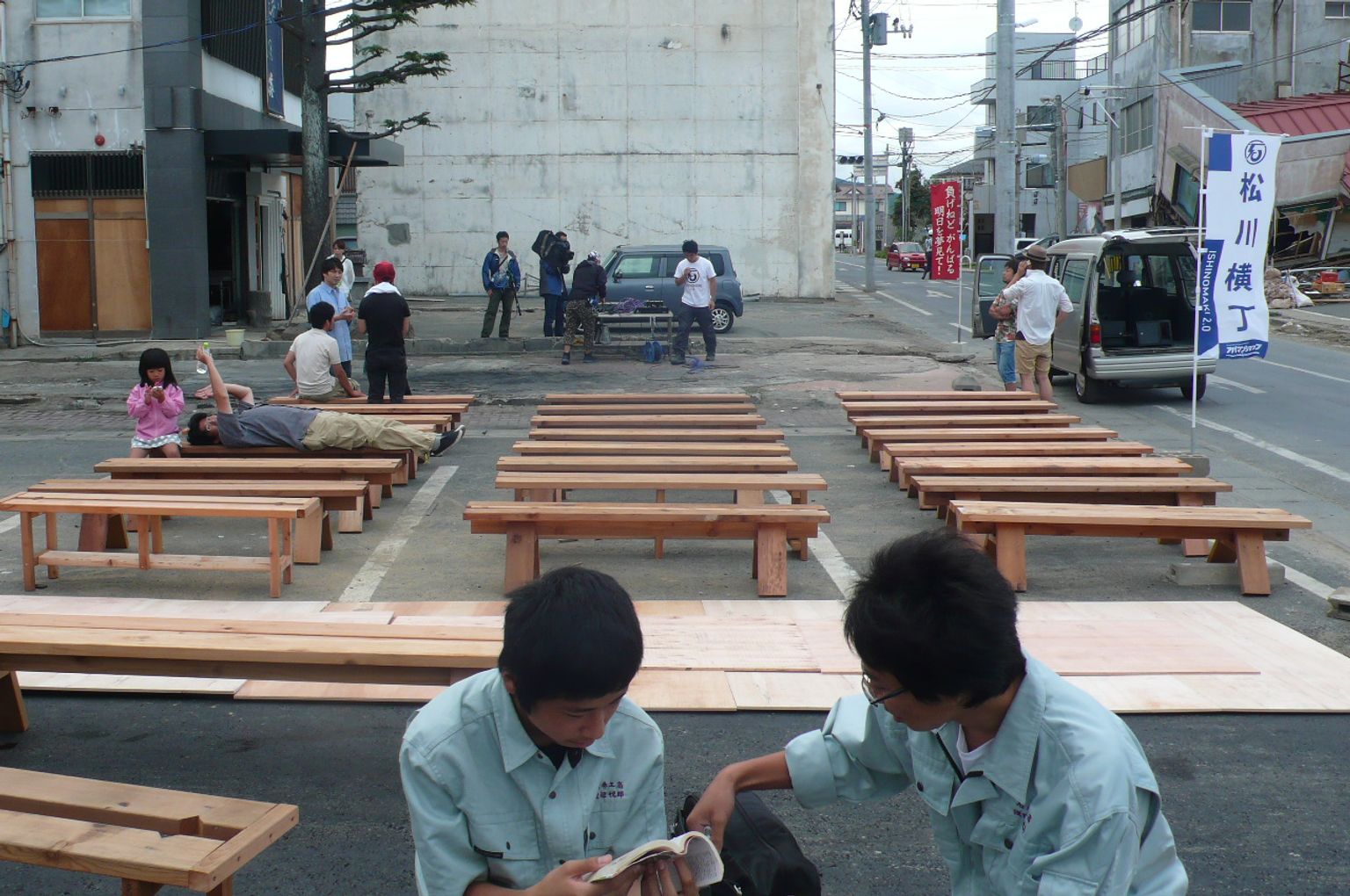

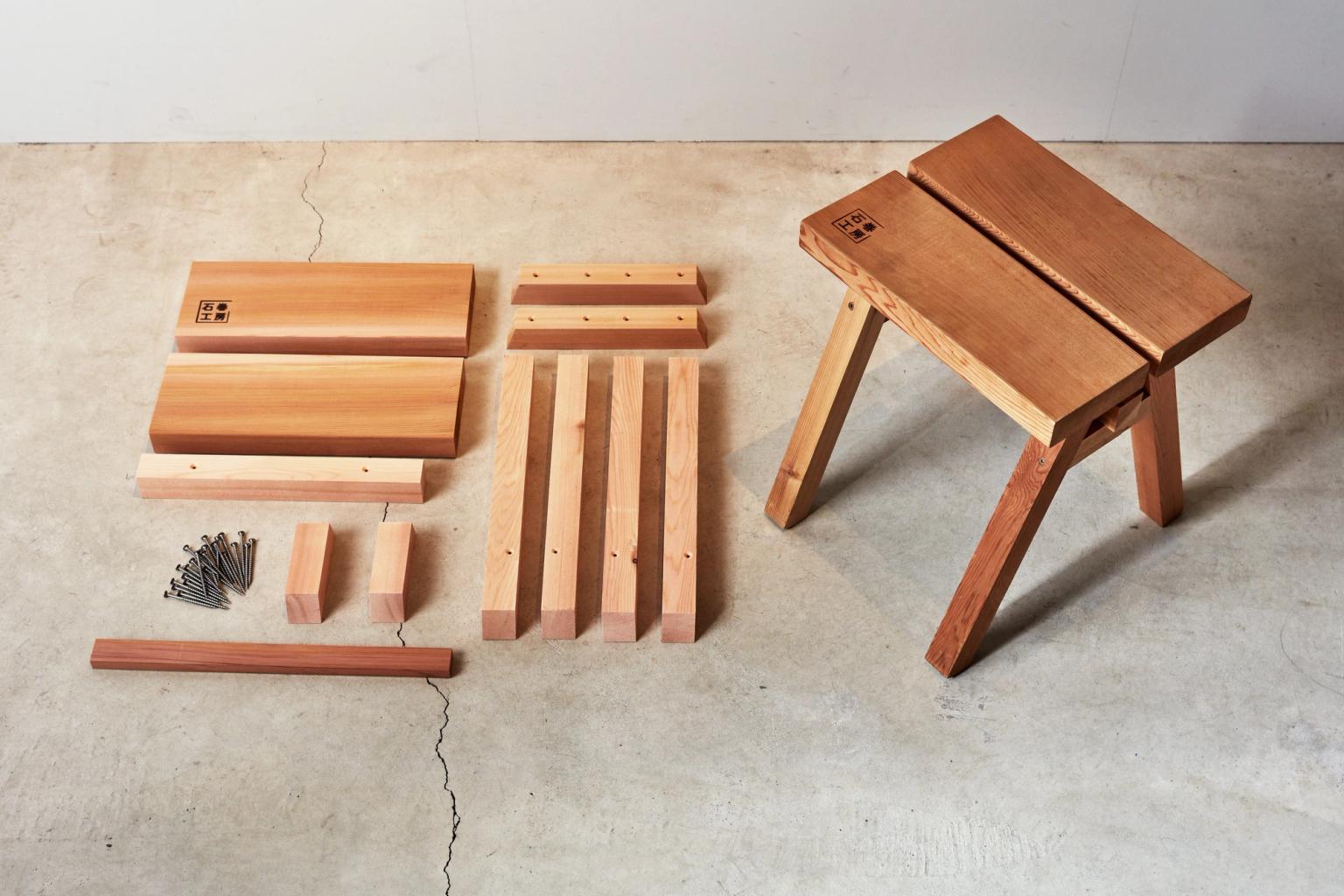
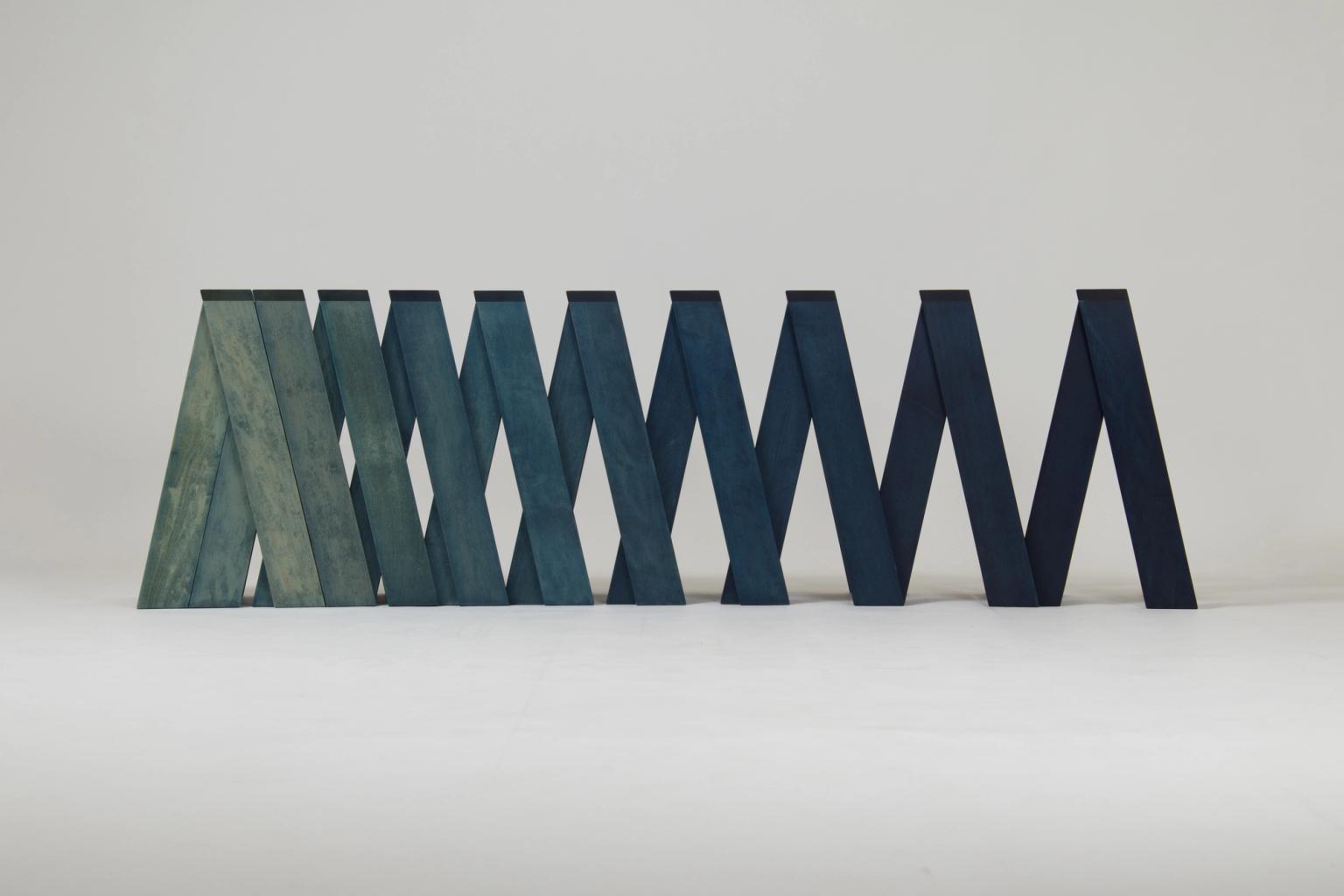
Through initiatives such as workshops to create benches for the eaves of temporary housing, DIY – making things with one’s own hands – gradually empowered both daily living and the spirits of the people involved. The ISHINOMAKI STOOL, which can be used in various ways, from sitting at an entrance to serving as a small step stool, was selected in 2015 for the permanent collection of the Victoria and Albert Museum in London.
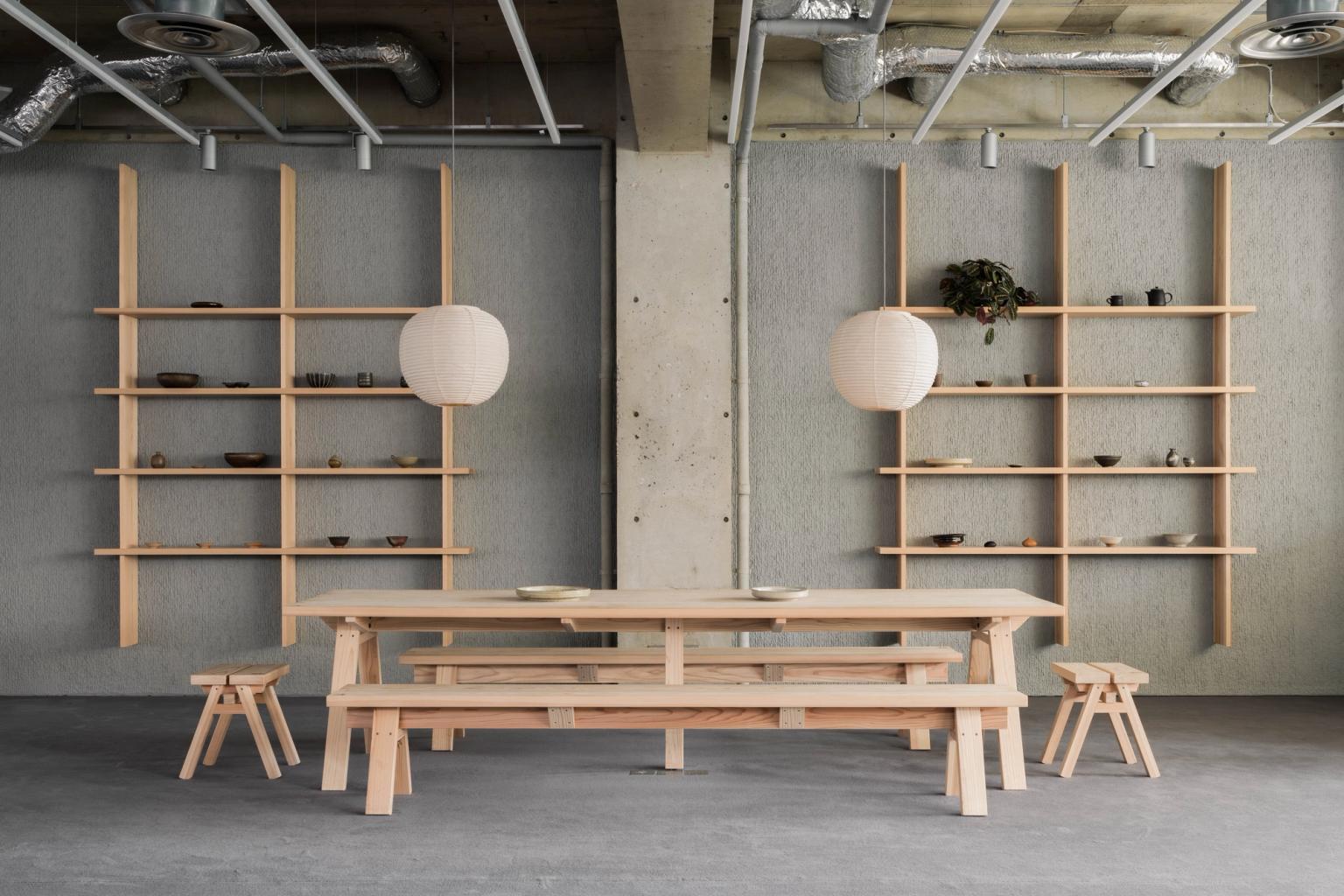
In 2014, Ishinomaki Laboratory was incorporated as a company. Since then, through collaborations with designers in Japan and abroad who resonate with its origins and spirit, the brand has introduced a wide range of furniture to the market. The DIY ethos remains central to its activities, with designers staying at the Ishinomaki workshop to develop and complete their designs on site. Today, Ishinomaki Laboratory’s Made in Local partners – who produce its furniture overseas – span more than ten countries.


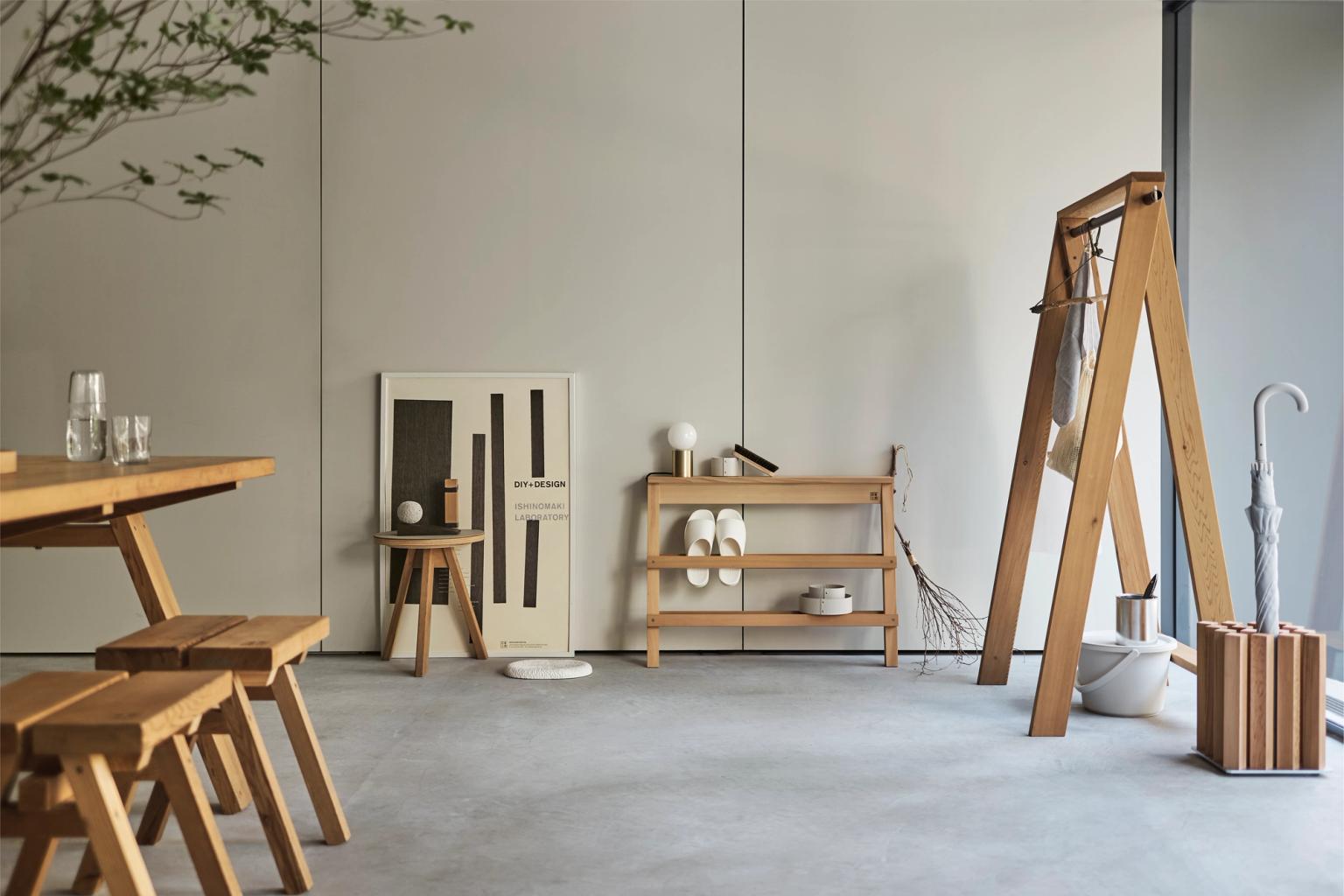

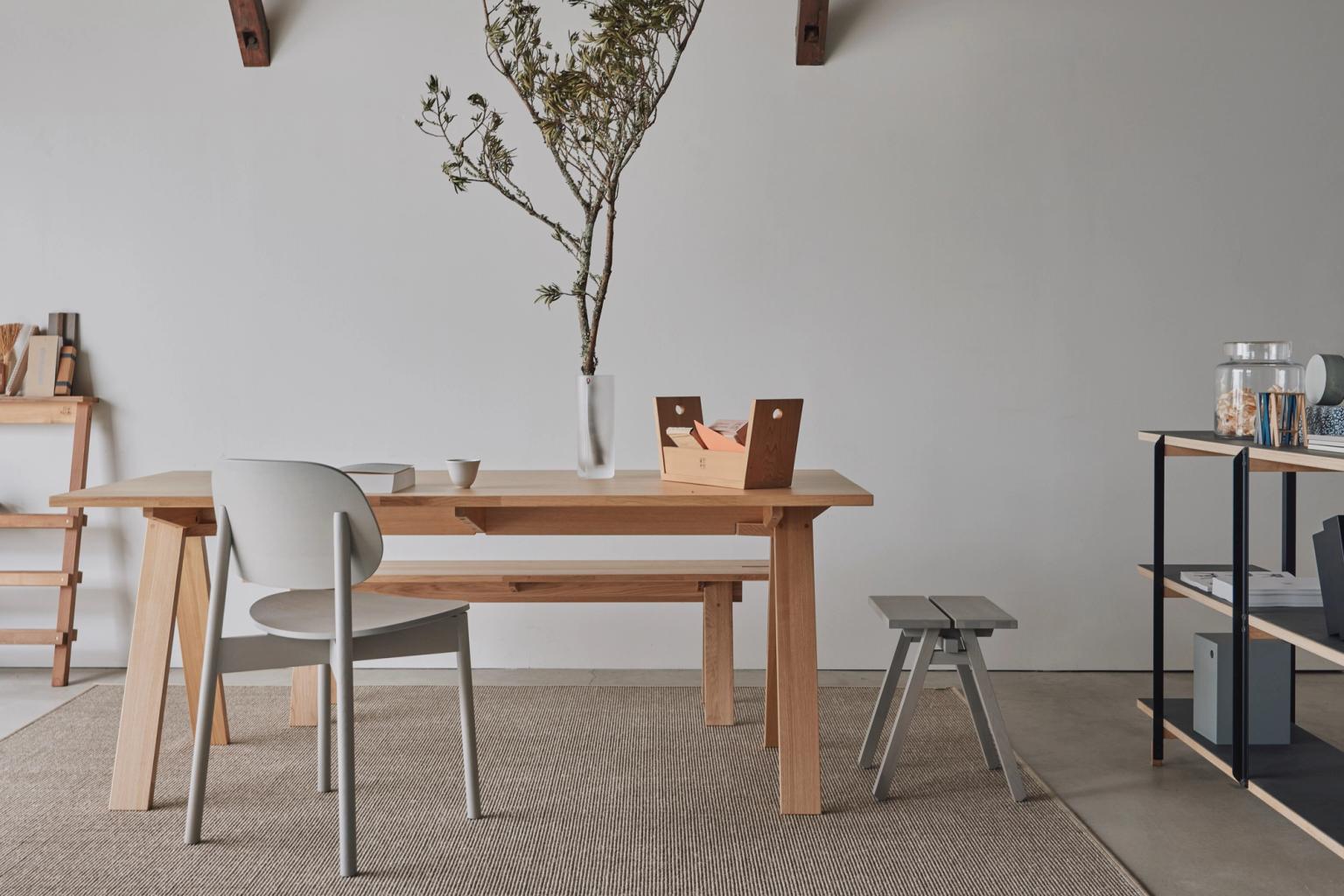

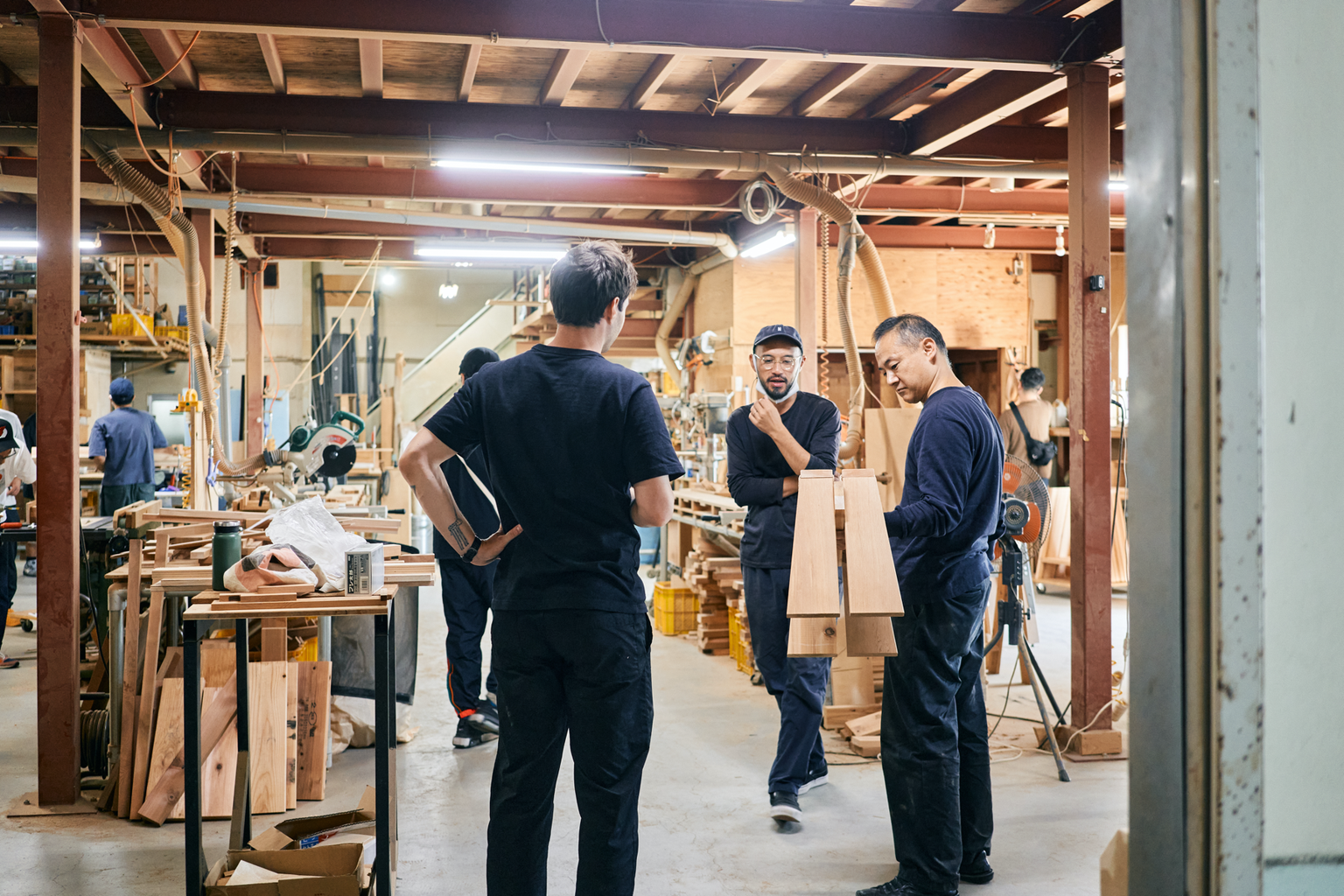

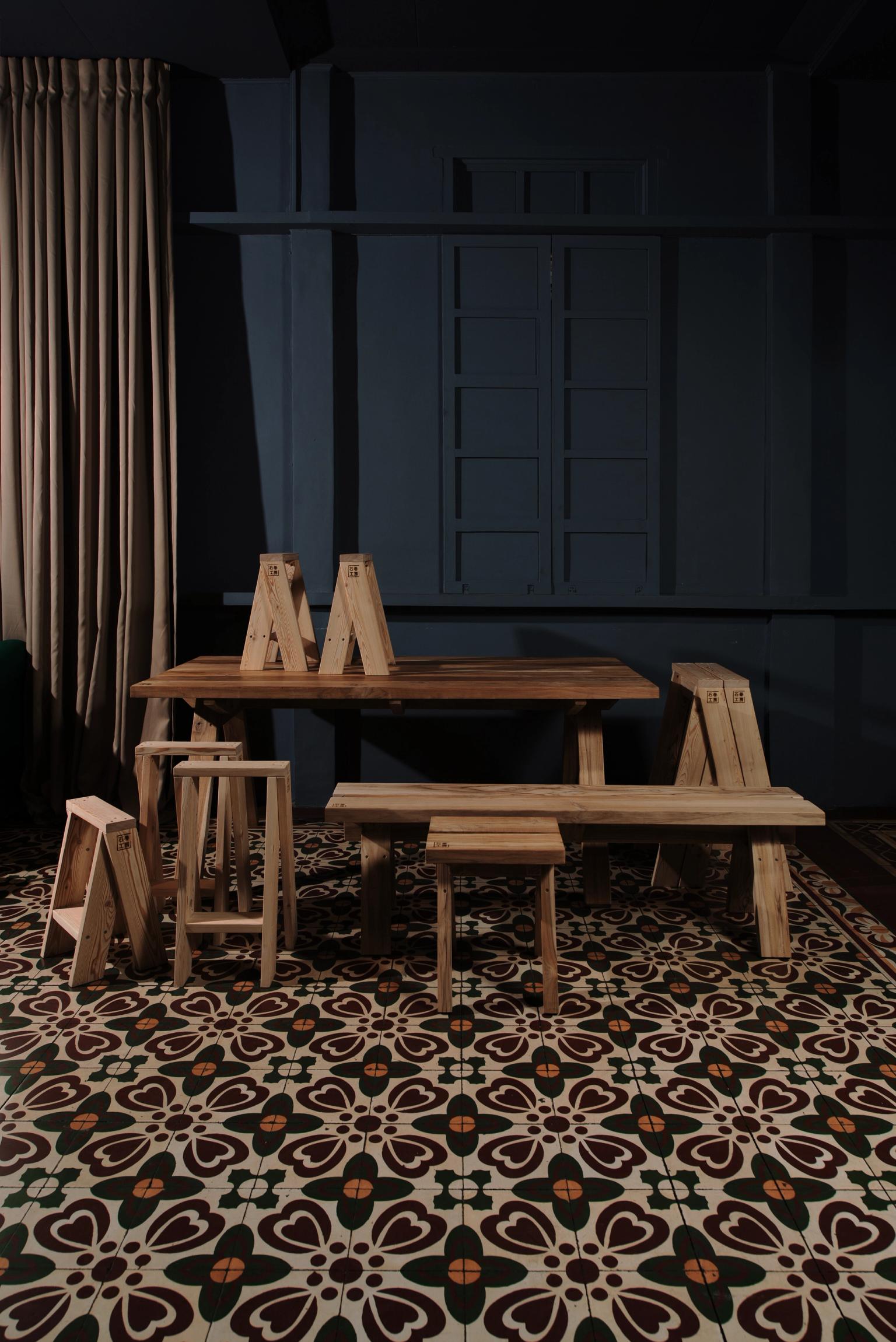

Near the workshop in Ishinomaki City, the brand also operates a facility with a showroom on the first floor and a guesthouse on the second floor, designed by designers closely connected to Ishinomaki Laboratory.
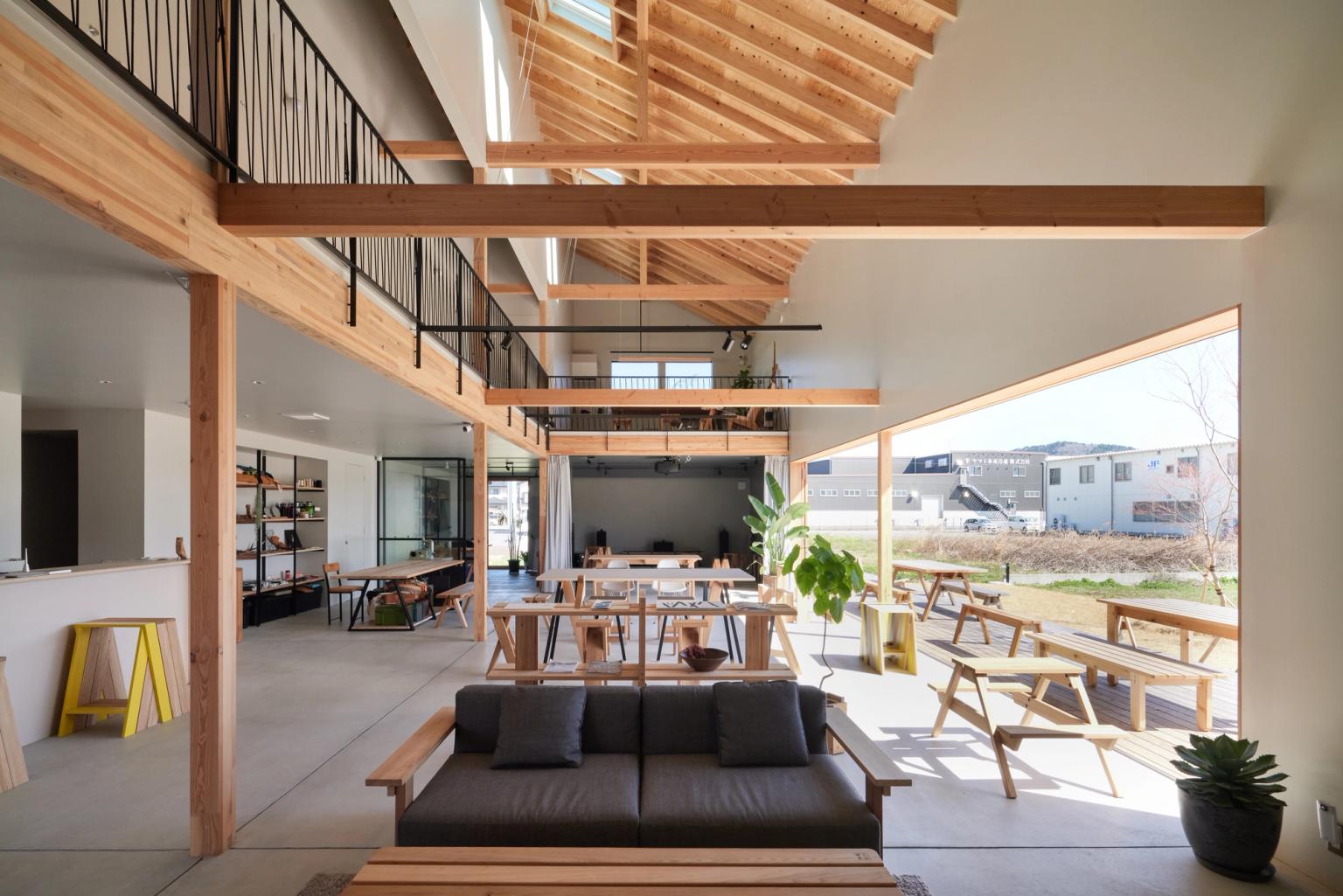

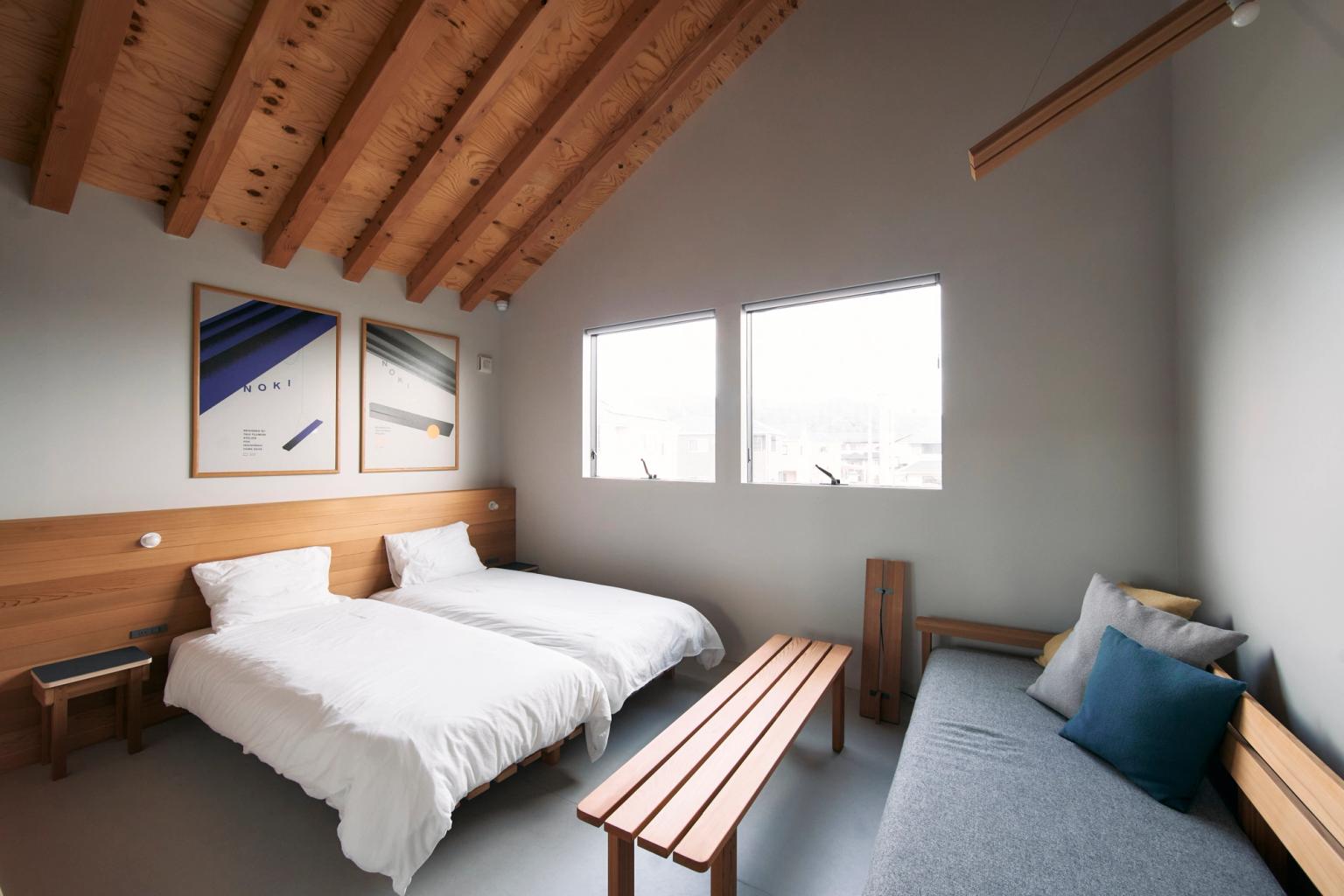

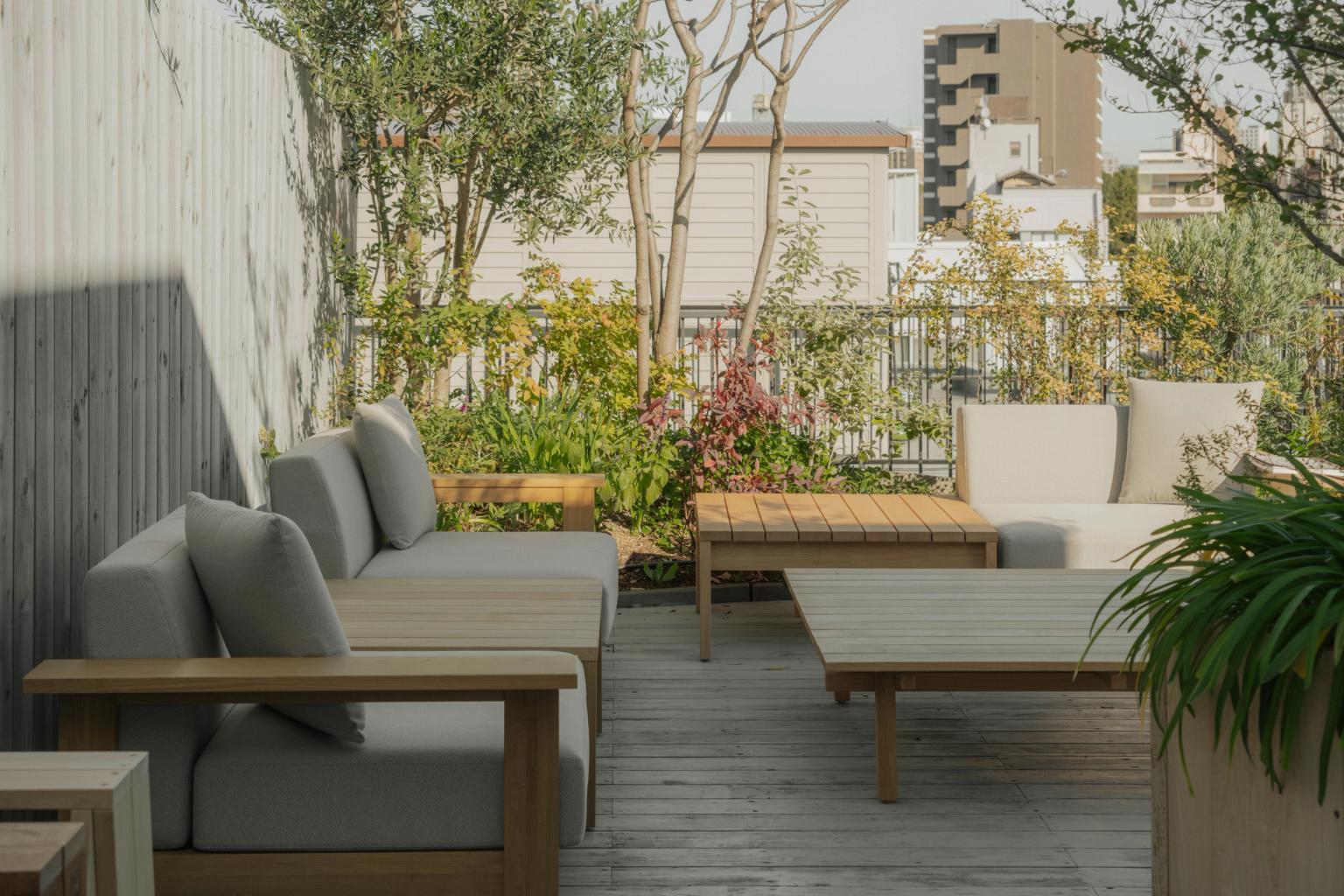
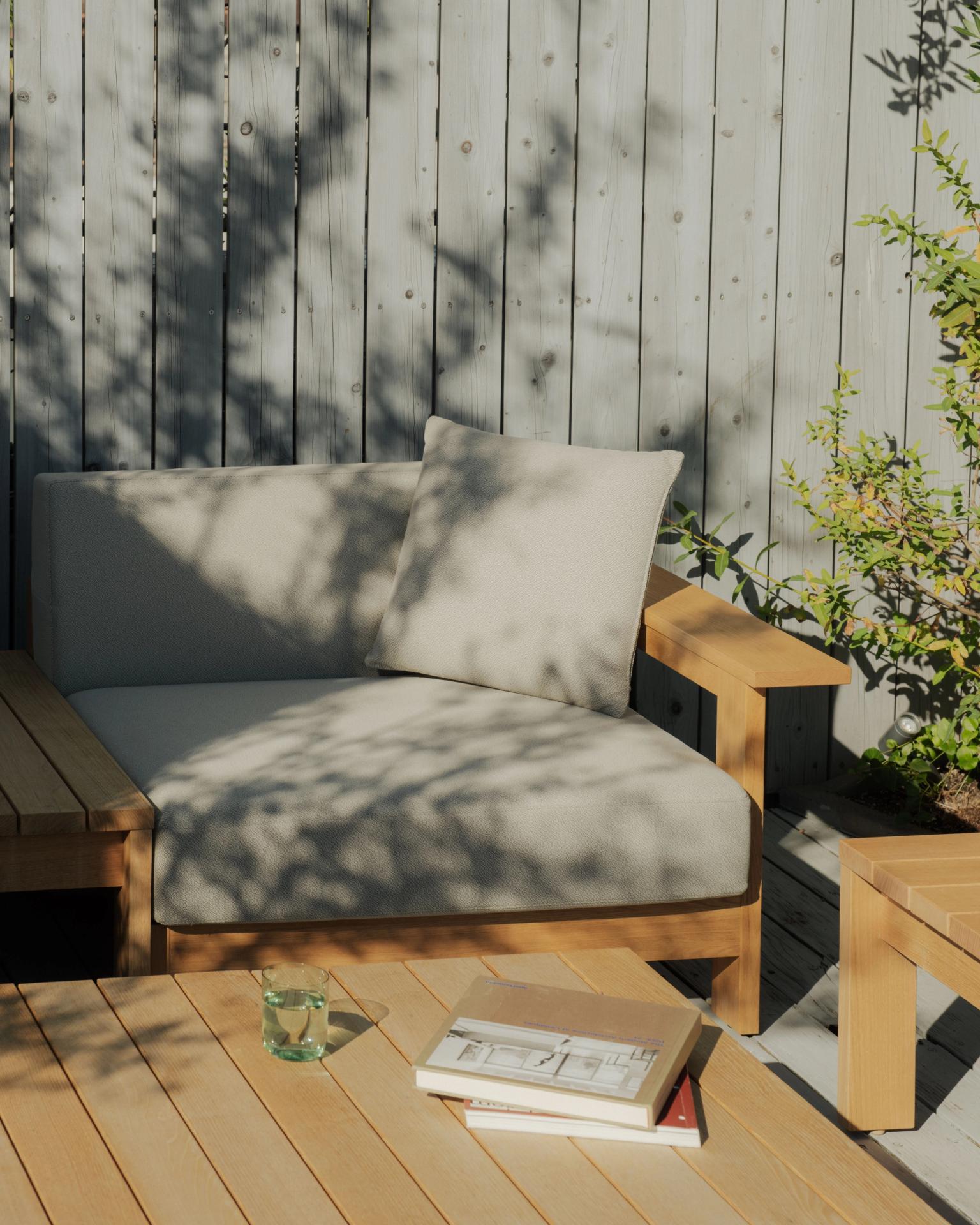
Actively engaging in contract projects and collaborations with brands, Ishinomaki Laboratory continues to expand its activities. In 2025, it introduced the KOBO LOUNGE SOFA, designed for flexible outdoor combinations and use.




KAD’s Work
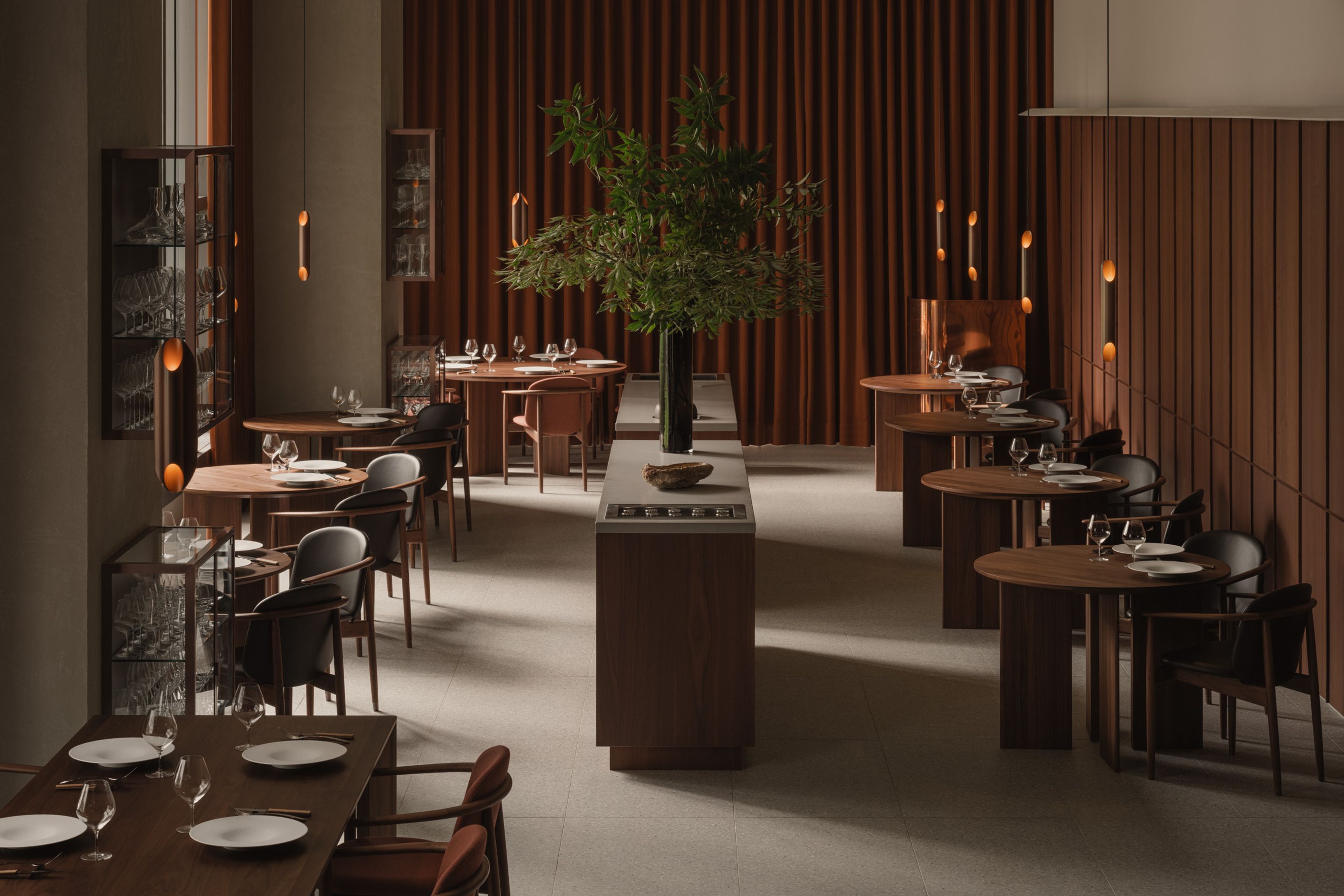
KAD’s recent projects showcase the studio’s ability to harmonize design with context, material, and human experience. In Taipei, the fine-dining restaurant Logy reflects this philosophy: brick, plaster, and walnut panelling combine with custom lighting inspired by bamboo stalks to create an intimate, sensory environment aligned with the chef’s Taiwanese and Japanese ingredients. Every detail, from furniture to finishes, is conceived to enhance the dining experience while respecting the local context.
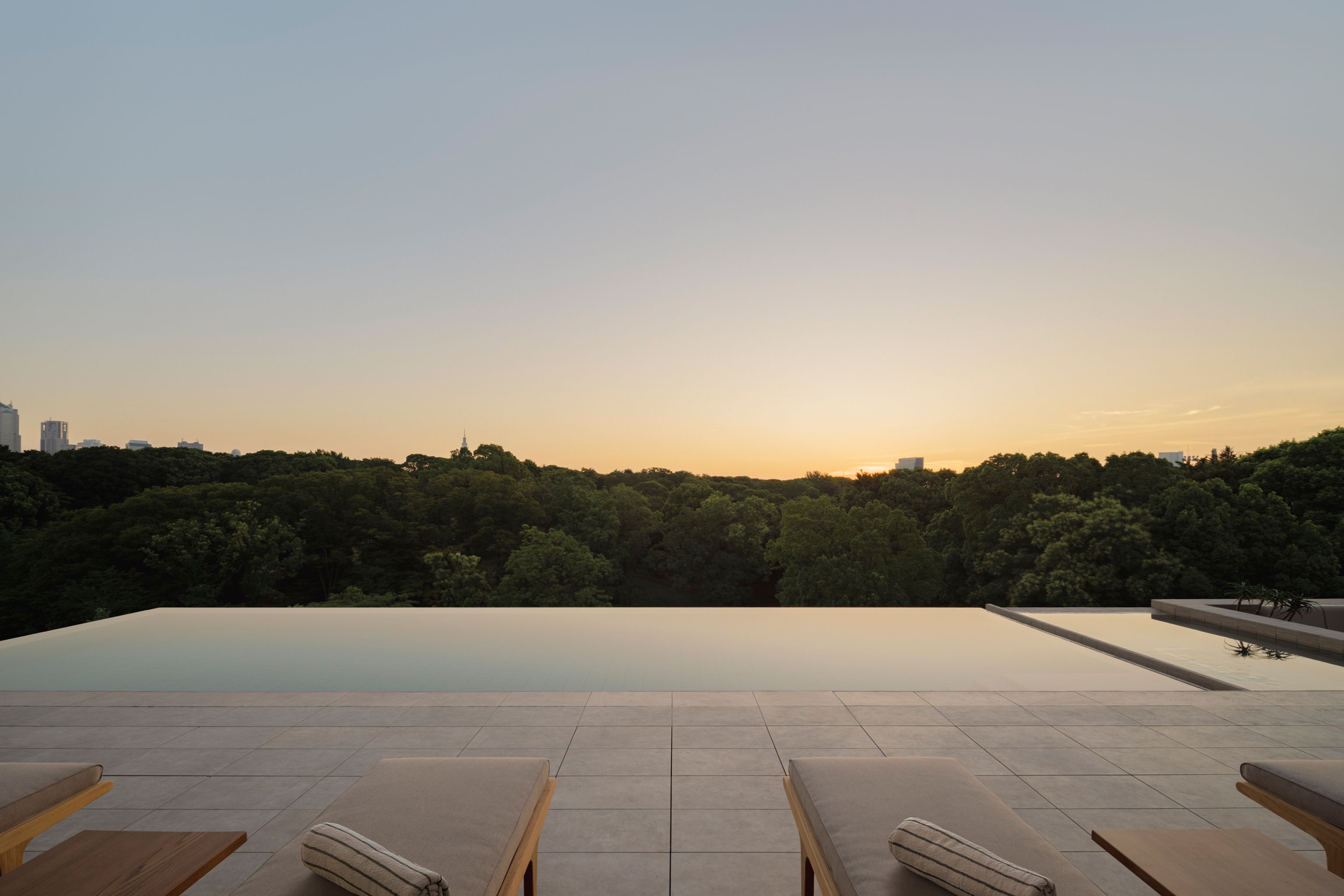
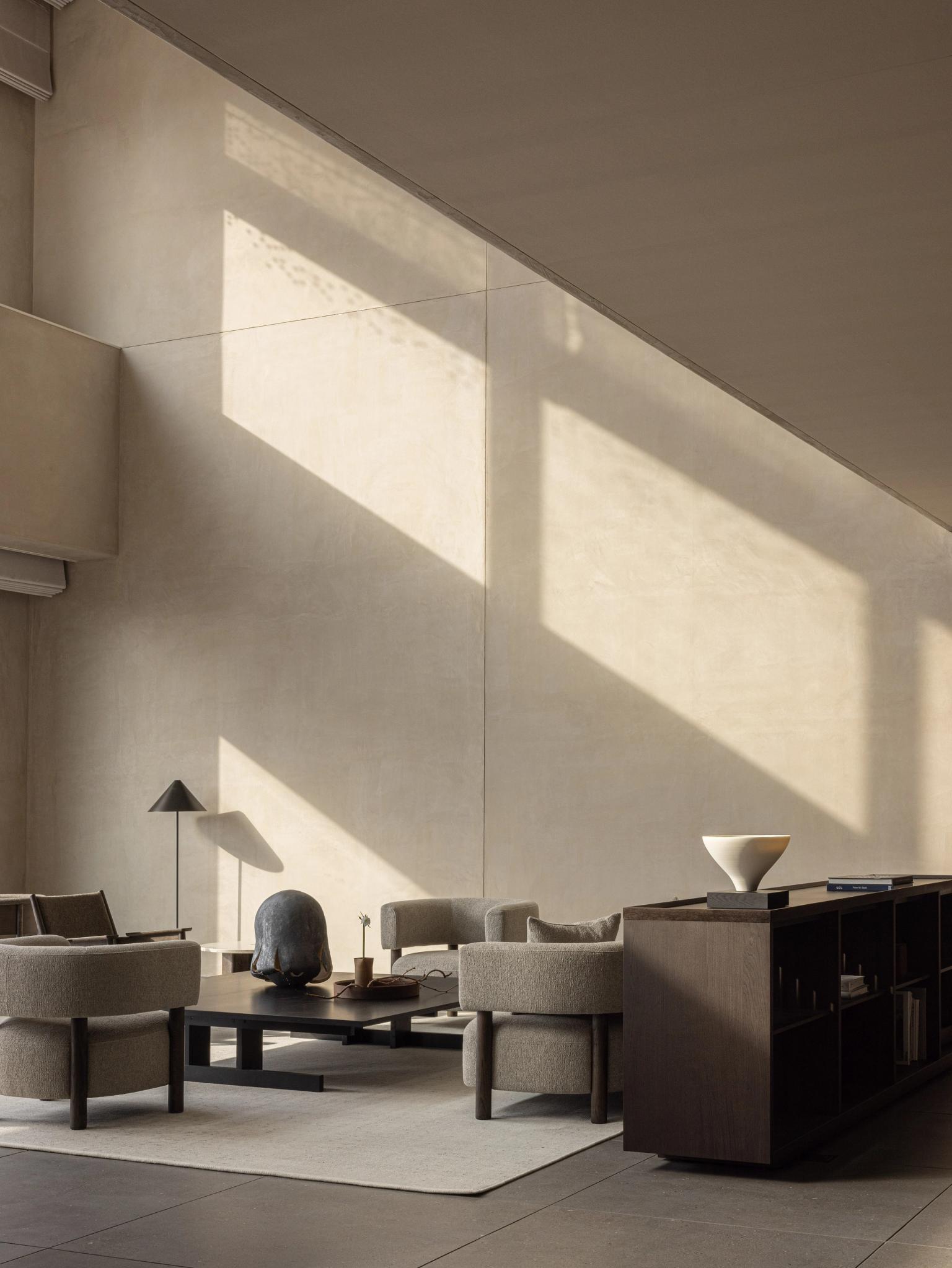
Similarly, TRUNK(HOTEL) YOYOGI PARK in Tokyo exemplifies KAD’s human-centered approach at a larger scale. Designed in collaboration with Norm Architects, the hotel merges the energy of the Oku-Shibu district with a concept of “Urban Recharge,” balancing city and nature, tradition and modernity, leisure and community. Materials, spatial flows, and landscape are orchestrated to offer both calm and stimulation, creating a retreat that embodies the integration of Japanese and European craft traditions. Together, these projects demonstrate KAD’s holistic approach, where architecture, interiors, and objects form cohesive, contextually grounded experiences.