Placebo
Jesus' Son
- BandPlacebo
- DirectorJoe Connor
- ProducerDom Murgia
- Production CompanyChief Productions
- Director of PhotographyJames Henry
- CopyrightElevator Lady Ltd.
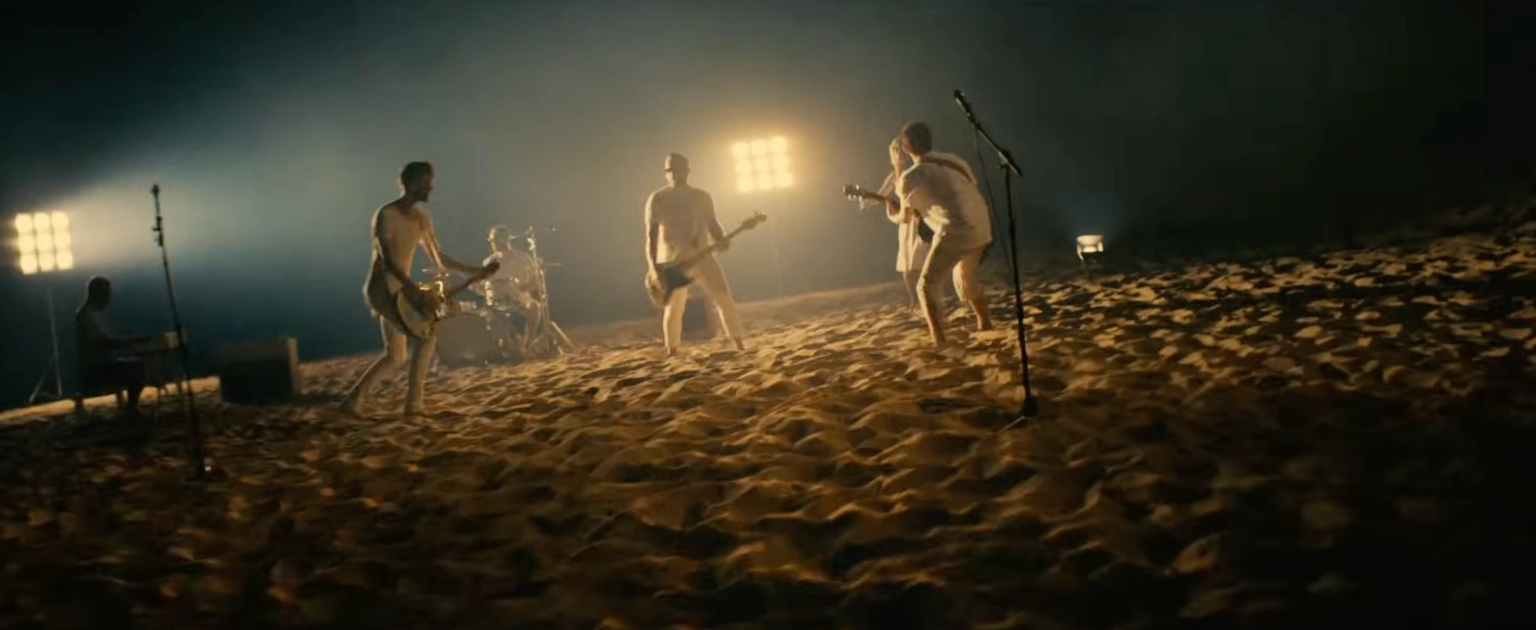
Desiree Groenendal Placebo has been one of my favourite bands for many years, and their video for Jesus’ Son holds a special place for me. Filmed in Sardinia, it brings together two things that are very close to me: the music of a band I have followed for years and the landscape, traditions and atmosphere of an island that has been part of my life since my early teens, where I have family roots.
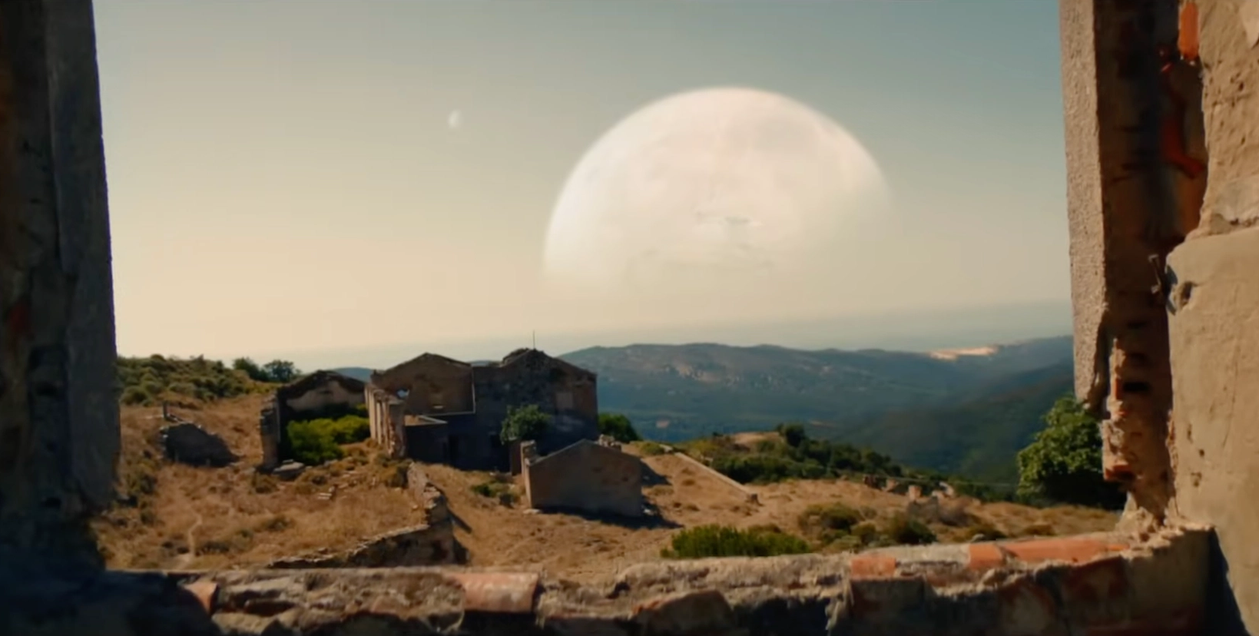
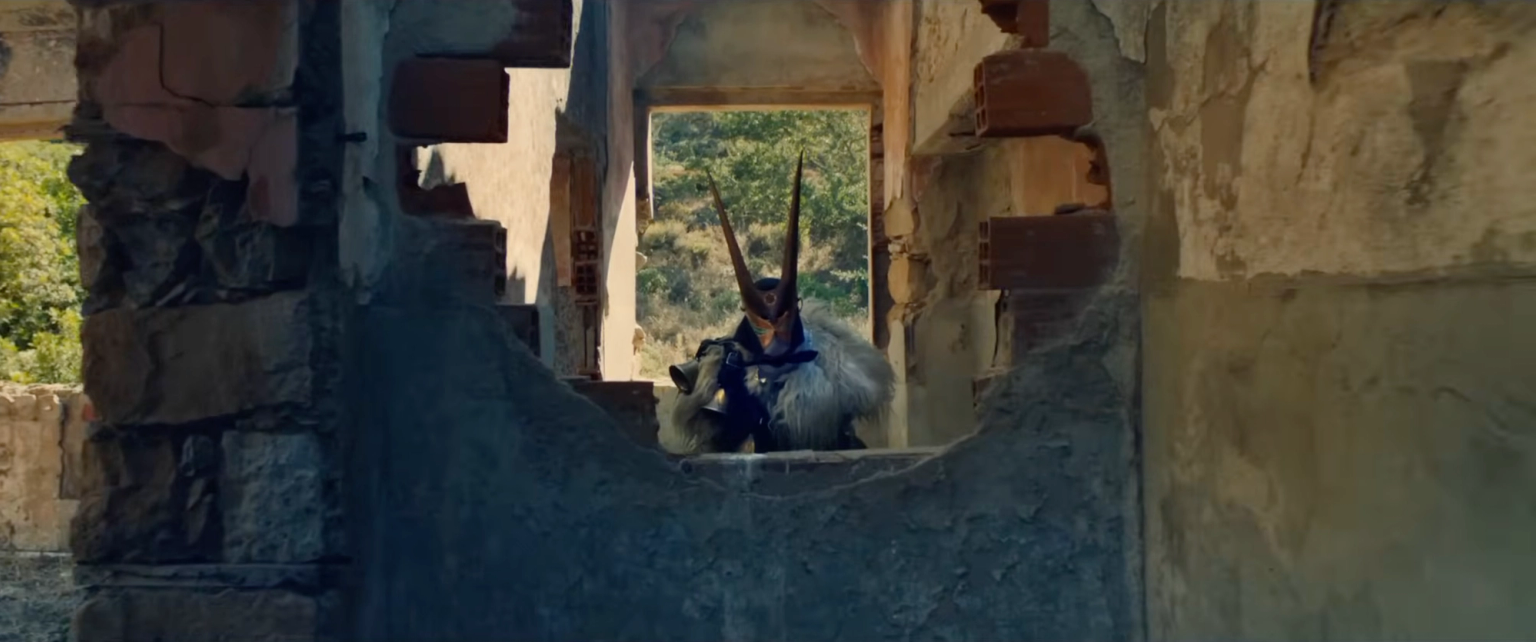
The video moves between Placebo and Sardinia’s ancient masked traditions, with heavy cowbells, raw animal masks and figures moving across sunlit beaches and the remains of old, abandoned buildings. The masks and rituals evoke ideas of death, transformation and renewal, bringing together the darker, melancholic side of Placebo with something deeply rooted in Sardinia’s ancient traditions.

An Otherworldly Sardinia
Released in 2016 as the lead single from Placebo’s 20-year retrospective A Place for Us to Dream, Jesus’ Son marks a more radiant moment in the British alternative rock band’s catalogue. Written by Brian Molko and Stefan Olsdal, the song carries a sense of release and acceptance after years of personal turbulence. Rather than focusing on the band alone, director Joe Connor translates this feeling into a dreamlike journey through Sardinia, where the landscape and local traditions become central to the film.
A Landscape With Its Own History
Filmed on Sardinia’s southwestern coast, including Scivu beach, the video places Placebo against expansive stretches of sand, sea and intense Mediterranean light. Dressed in white and performing barefoot, the band appear almost detached from their surroundings, giving the film its otherworldly quality. The location was chosen in part because of Brian Molko’s fascination with Sardinia’s dramatic scenery, but the island becomes more than a backdrop. Connor uses its landscape and cultural identity to create a world that feels both contemporary and ancient.

Ancient Figures, Living Traditions
The video’s most distinctive element is its use of traditional Sardinian carnival characters and masks. Wooden animal masks, horns, heavy cowbells and sheepskin costumes draw from centuries-old traditions including the Boes e Merdules of Ottana. The Boes, representing oxen, are traditionally controlled by the Merdules, their shepherds or masters, while other figures embody animals and darker forces. Connor was drawn to these traditions as a way of exploring how communities preserve stories and identities across generations, giving them a surreal new context within the film.
Between Past and Present
Opening with a voice speaking in Sardinian about stories with no beginning or end, Jesus’ Son immediately places the viewer inside a world that stretches far beyond the band. The contemporary sound of Placebo meets ancient rituals, costumes and landscapes, creating a striking tension between past and present. The result is less a conventional music video than an atmospheric portrait of a place, where landscape, costume and ritual come together to echo the song’s themes of acceptance, survival and letting go.