Jamie Rafn
Johnnie Walker - The Man Who Walked Around the World
- ClientJohnnie Walker
- AgencyBartle Bogle Hegarty London
- Creative DirectorGerry Graf and Axel Chaldecott
- Production CompanyGorgeous
- DirectorJamie Rafn
- Director of PhotographyMark Wolf
DAN PETERS It’s a masterpiece of the "single-take", relying entirely on the charisma of the performance and the clarity of the writing to tell a 200-year-old story. The impact is in its relentless forward momentum; it’s not dusty brand history, it’s a living embodiment of the "Keep Walking" mantra.


The Man Who Walked Around the World
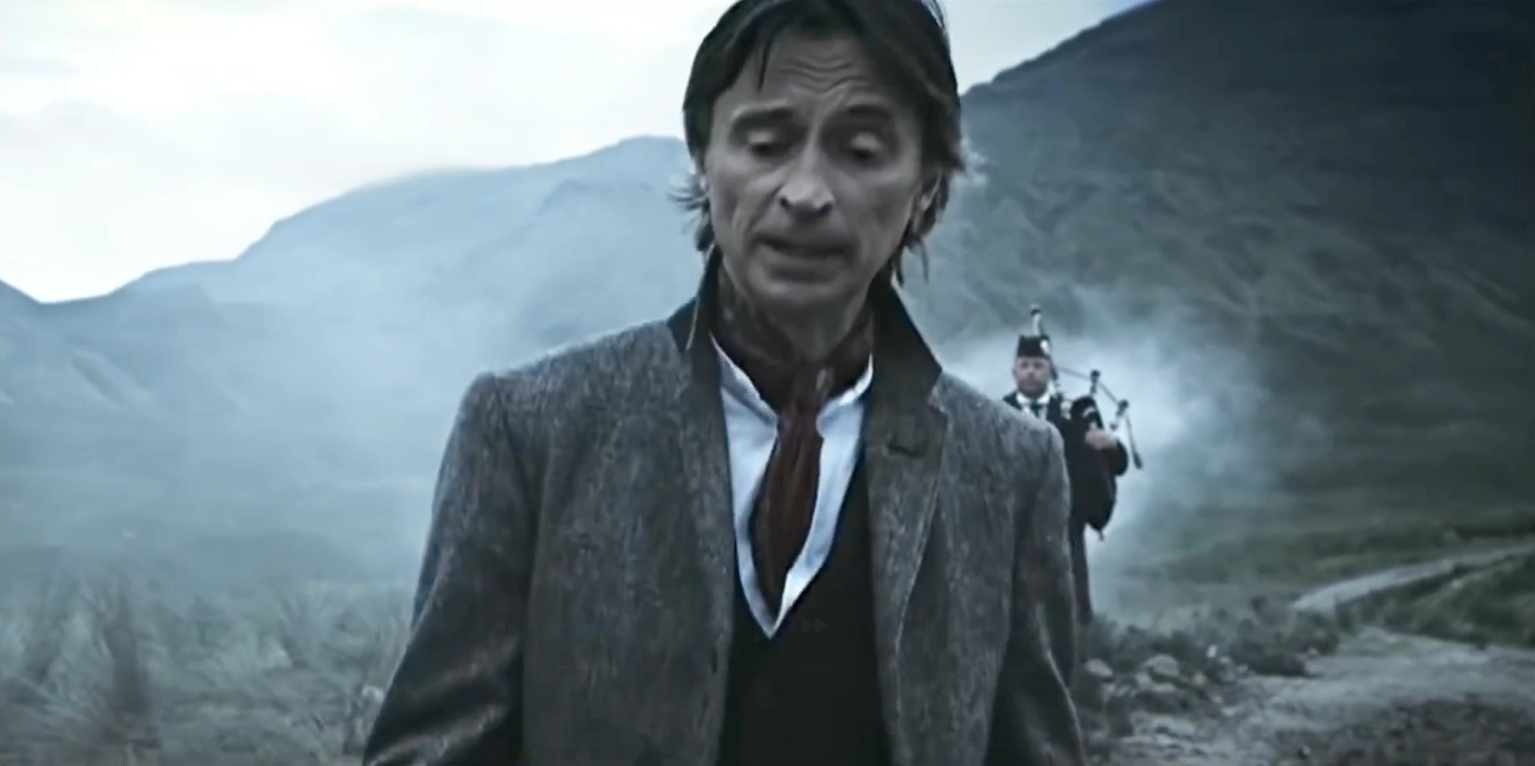
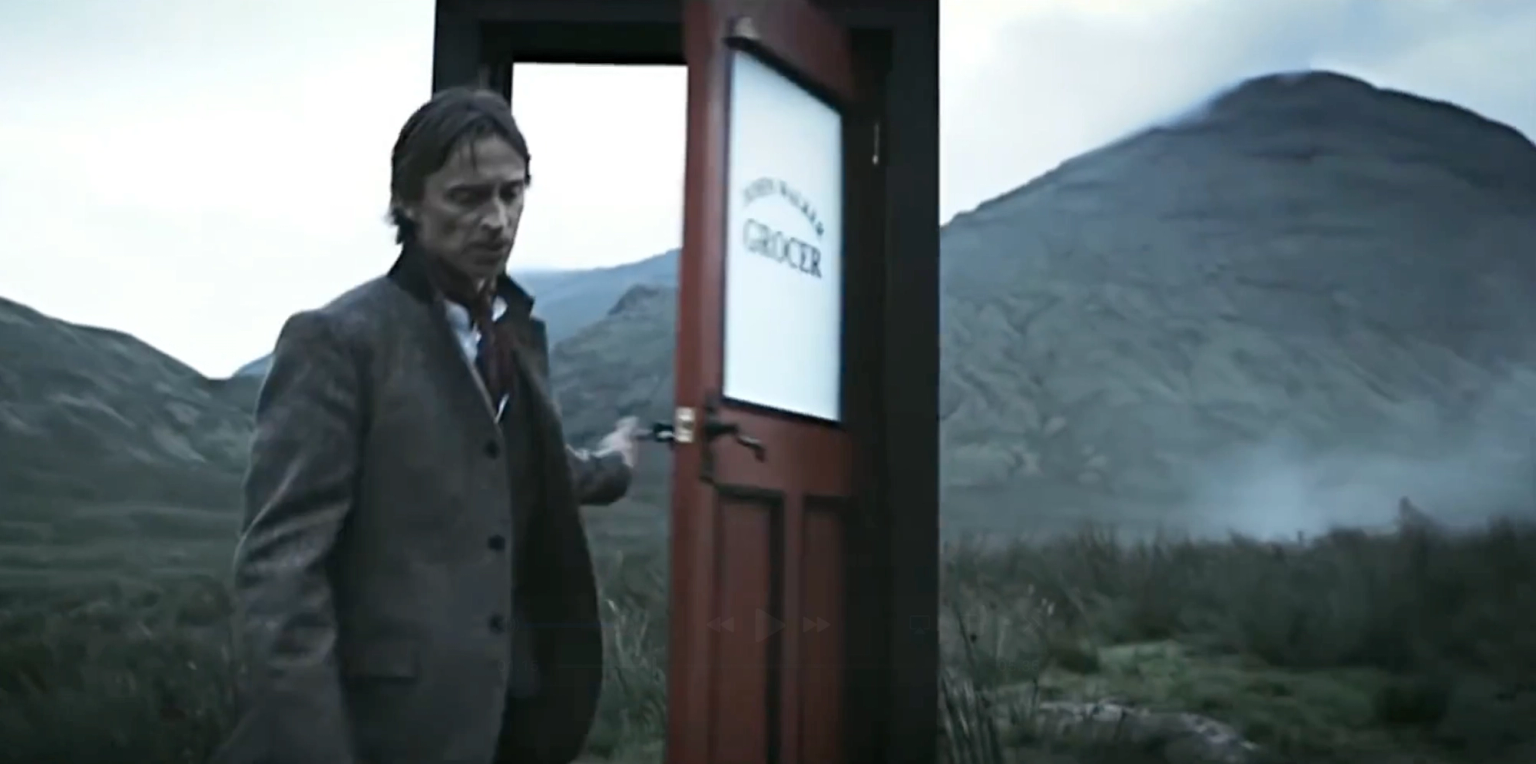
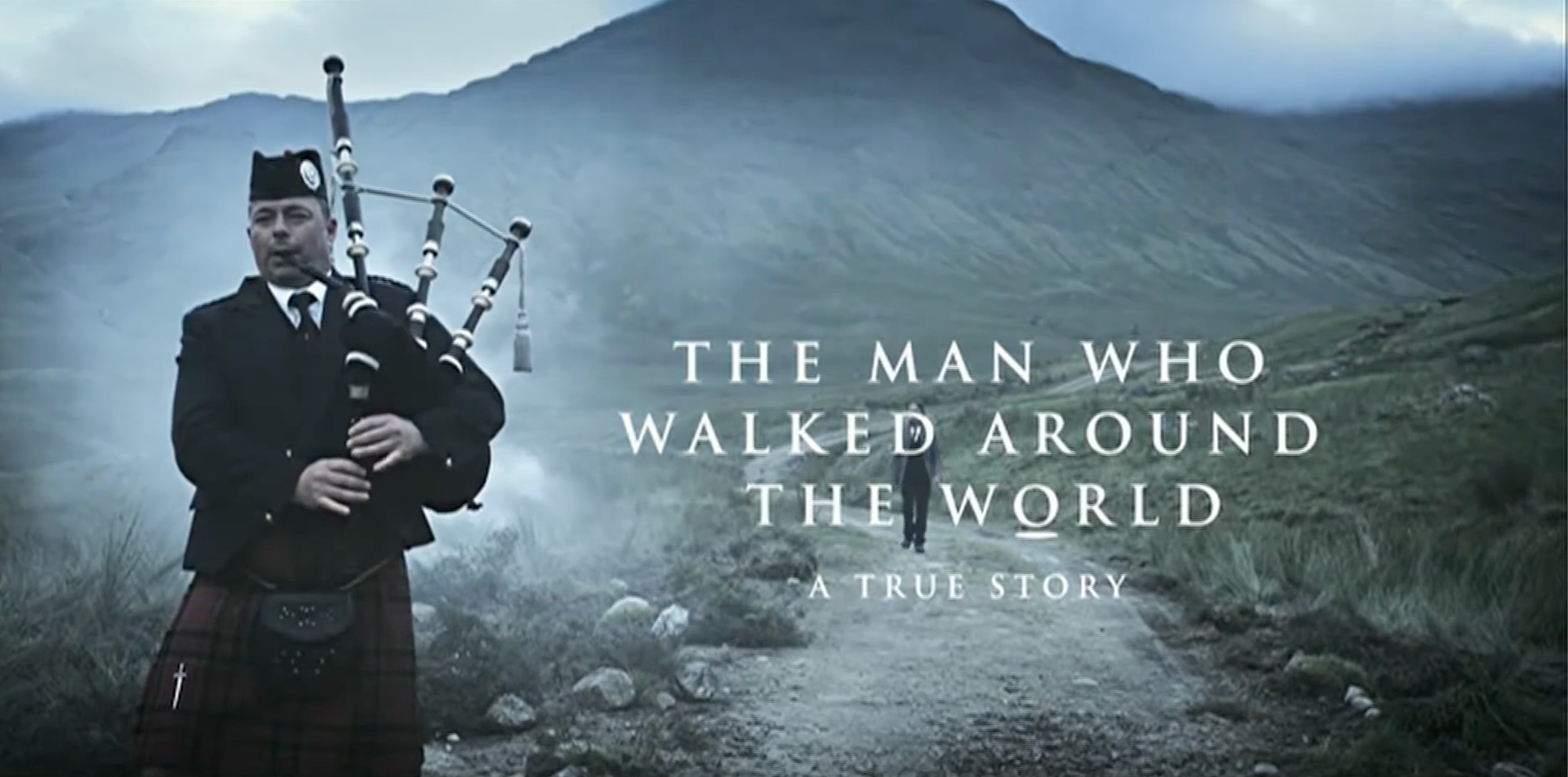
When Johnnie Walker released The Man Who Walked Around the World in 2009, the six minute film quickly became one of the most admired long take commercials ever made. Actor Robert Carlyle walks across a Scottish hillside while delivering a long monologue about the origins of Johnnie Walker and the idea behind the brand’s Keep Walking philosophy. What makes the film remarkable is that the entire piece unfolds in a single continuous shot.
The simplicity is deceptive. Behind the calm storytelling sits an extremely complex piece of choreography between actor, camera team and crew.
Forty takes to get it right
Although the finished film looks effortless, it reportedly took about forty attempts before the production captured the final usable take. Each try required resetting the entire location and timing everything perfectly again.
Carlyle had to deliver a monologue of around five hundred words without mistakes while walking across uneven terrain. At the same time the camera crew moved backwards along a carefully planned path, maintaining stable framing while navigating rocks, grass and slopes.
Several cues also had to happen at exact moments. A cart carrying whisky barrels enters the frame at one point, and near the end of the shot a helicopter appears in the background. If the timing of any element was even slightly off the entire take had to be restarted.


A highly choreographed walk
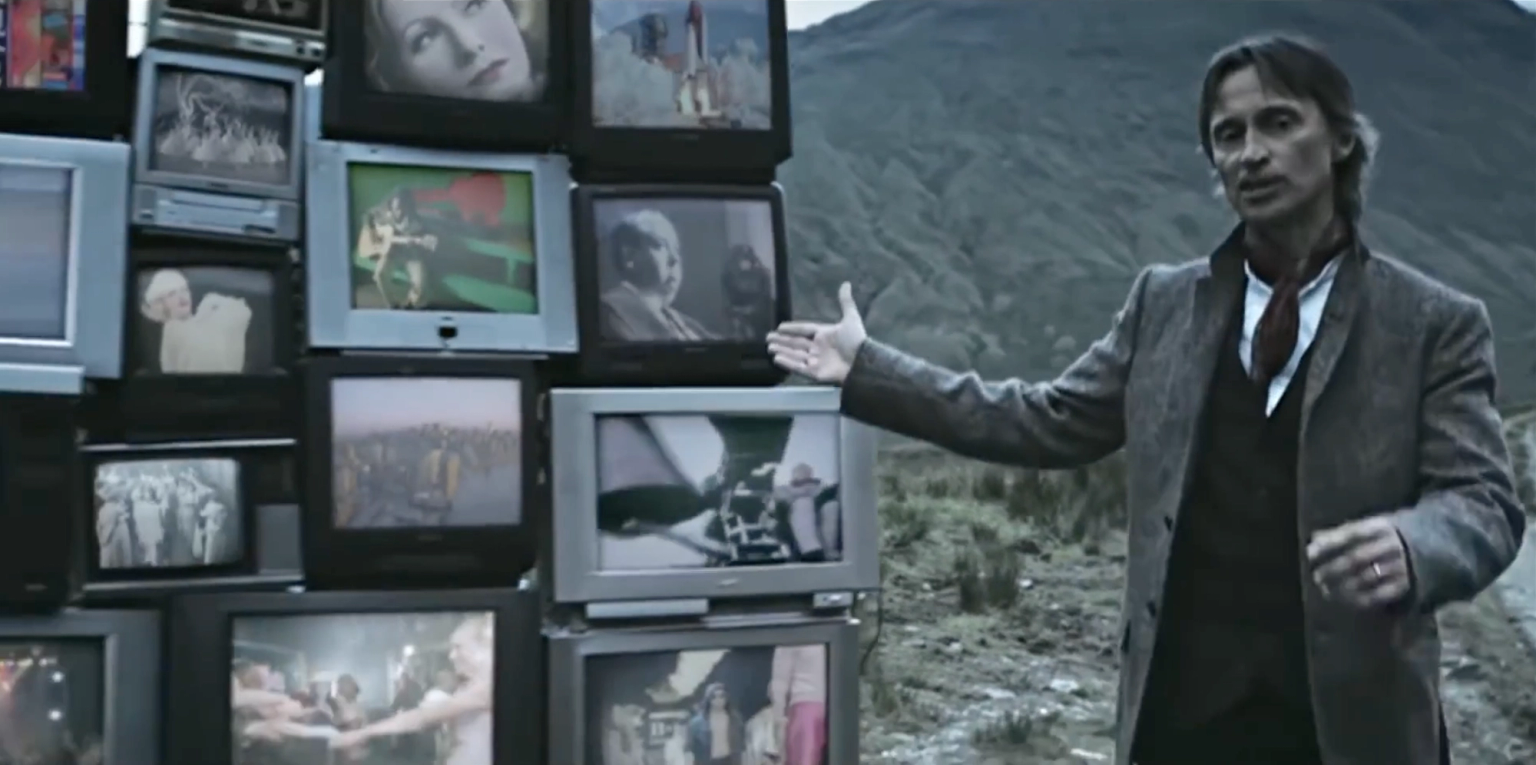
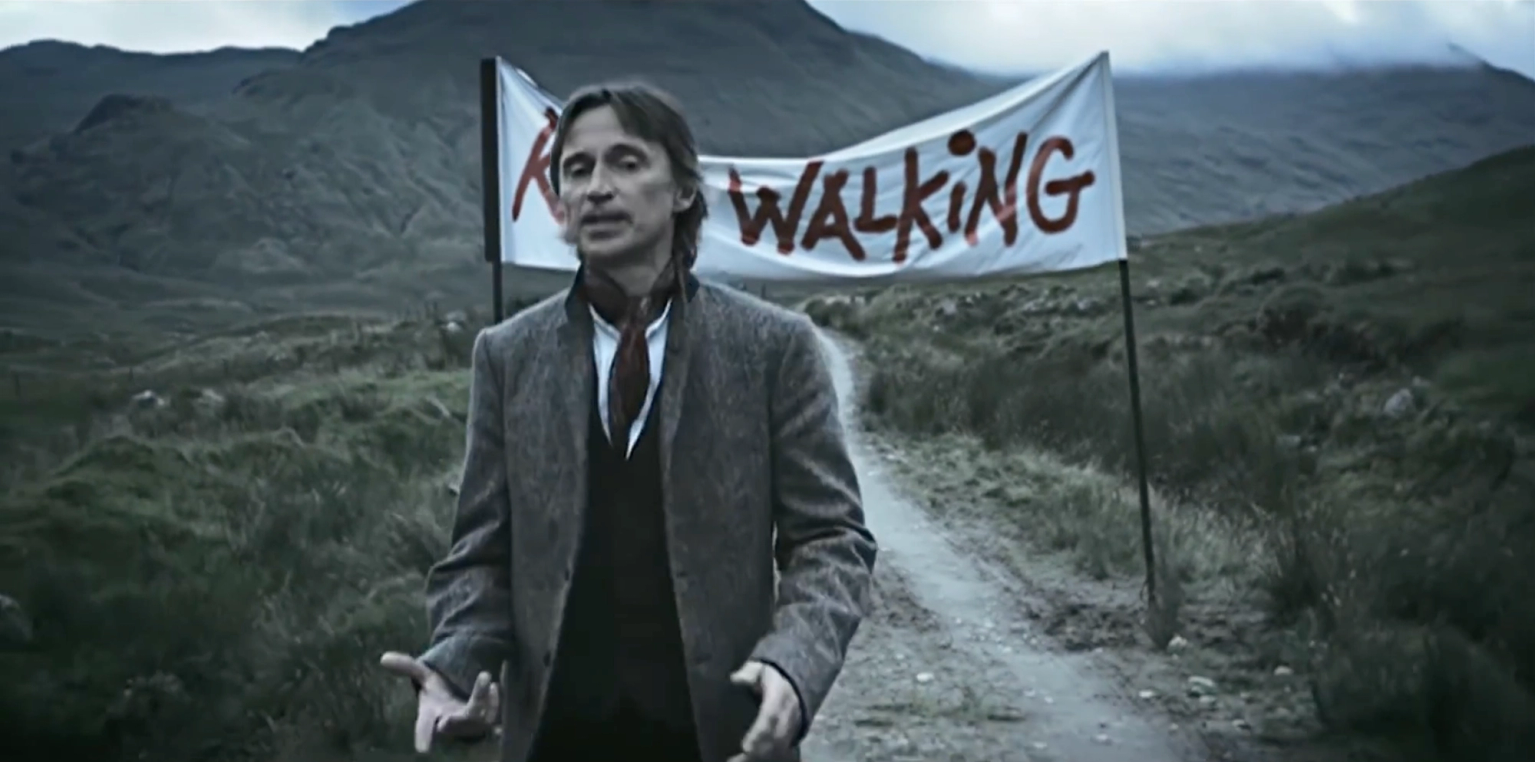
The camera movement itself was particularly challenging. Cinematographer Mark Wolf operated a Steadicam while being guided across the landscape by crew members just outside frame. Because the camera is moving backwards for almost the entire six minutes, assistants had to help navigate the terrain without appearing on screen.
The speech and camera movement were rehearsed like a theatre performance. The team spent a full day practicing the path and the timing of the monologue before filming the real attempts.
Even the final shot required a few subtle adjustments in post production, mostly sound work and color grading, but visually the take remains uninterrupted.

Why it is still remembered
More than a decade later the film is still widely referenced in advertising and filmmaking circles as an example of how storytelling and craft can elevate a commercial beyond typical brand messaging.
It proved that audiences were willing to watch a six minute whisky advertisement if the story felt authentic and the filmmaking confident. Sometimes all it takes is one man, one camera and forty attempts to get the walk exactly right.