
Alexander H. Damsbo and Malene Bach
Josephine
- ArchitectAlexander H. Damsbo
- ArtistMalene Bach
- PhotographerLaura Stamer and Andreas Rosforth Johnsen
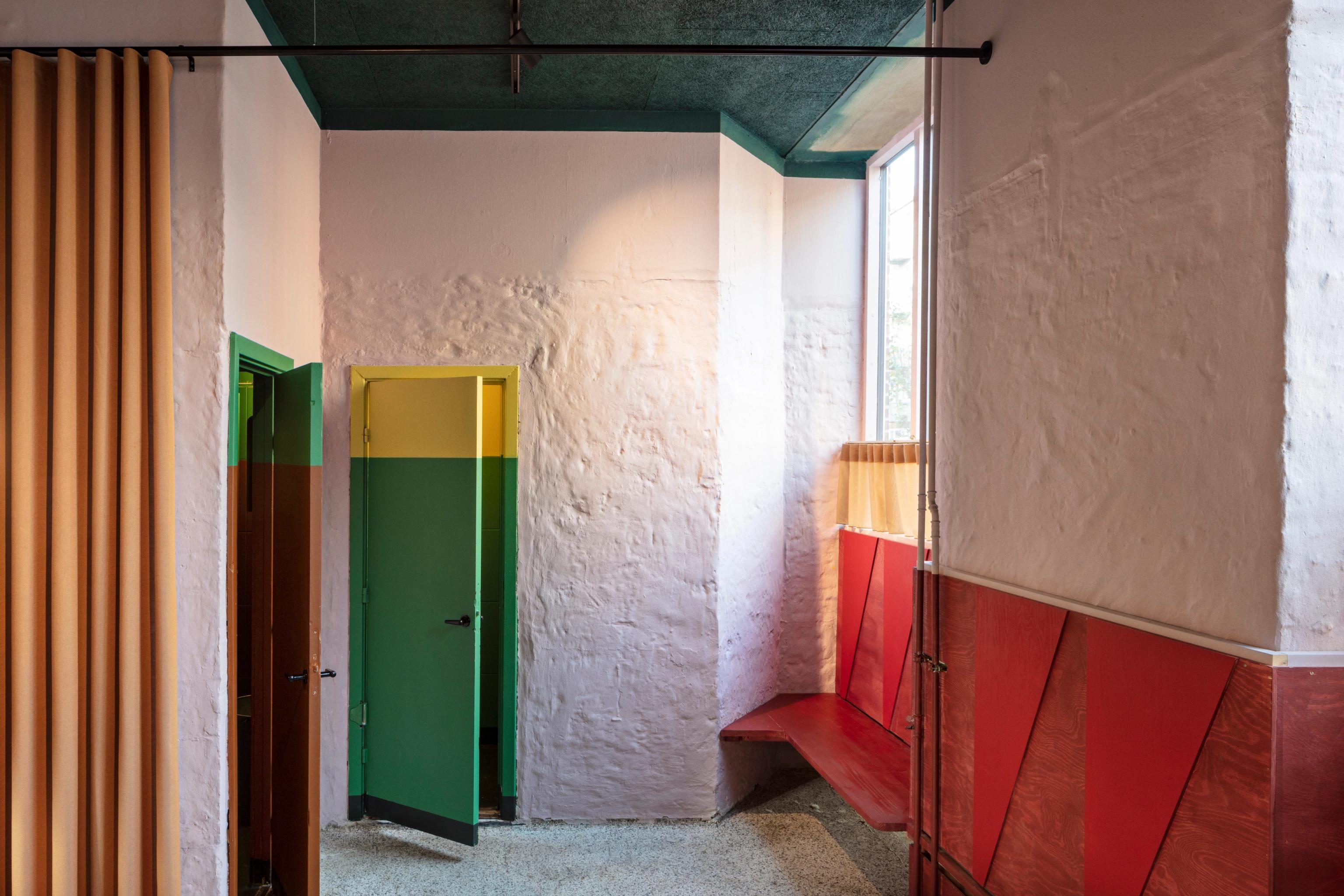
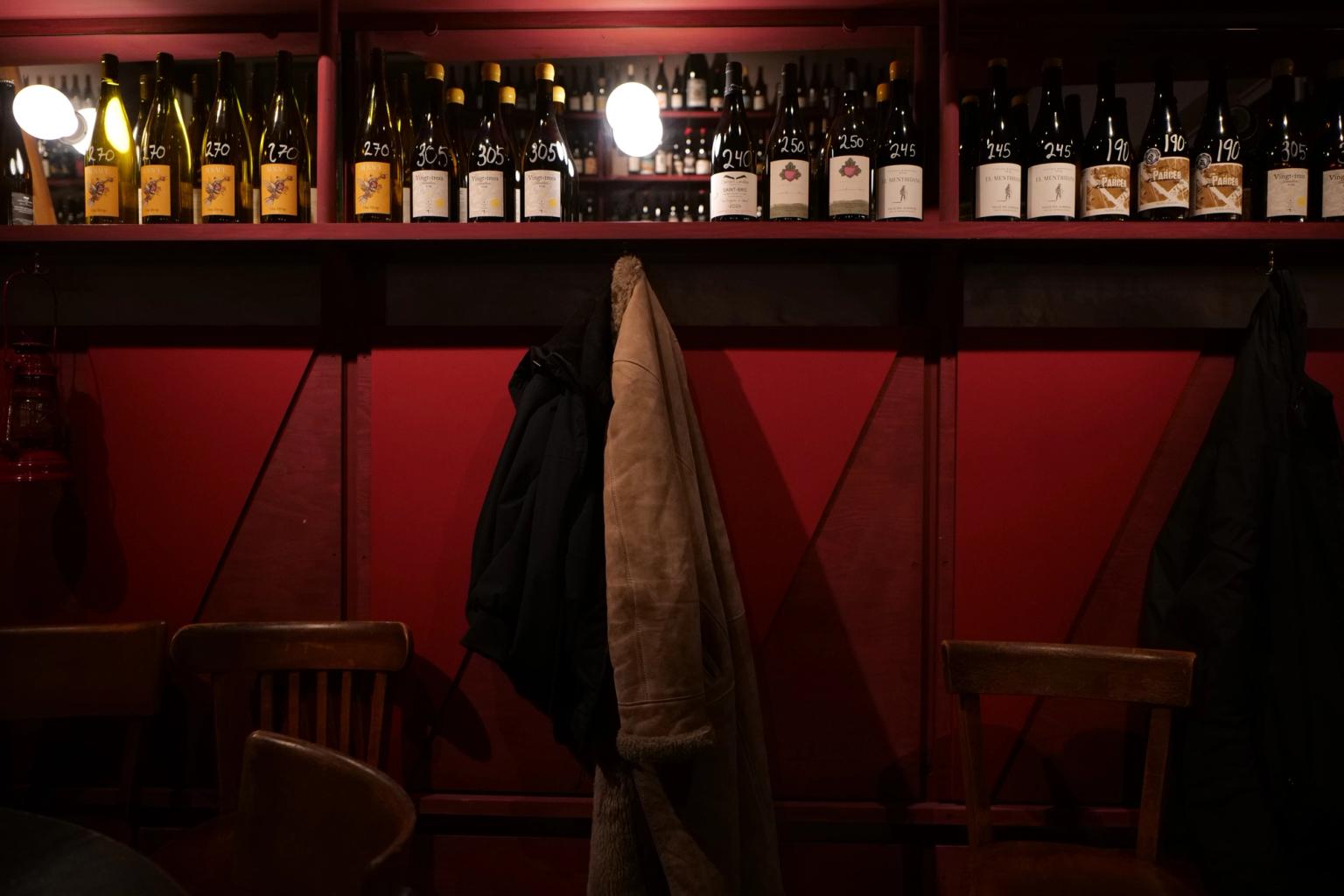
Frederik Gustav Josephine is a wine bar set within the framework of a former bodega, a history that still comes through in a charming way. It is a space where we experience a balance between new and old. The saturated colours and the consistent use of wood, from wall panels to tables and wine shelves, give the place a calm and distinct character. It feels both relaxed and considered.

Josephine Wine Bar
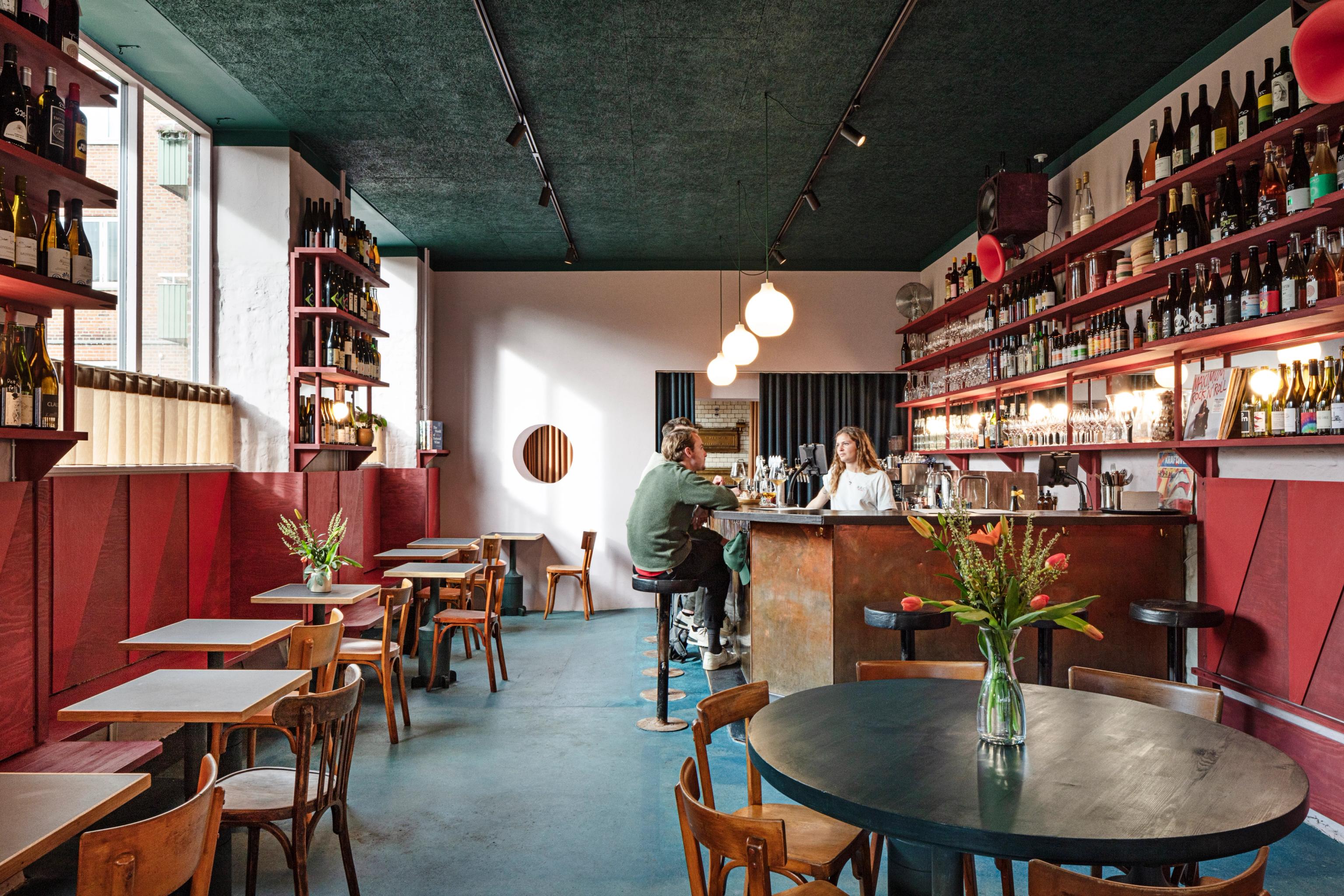
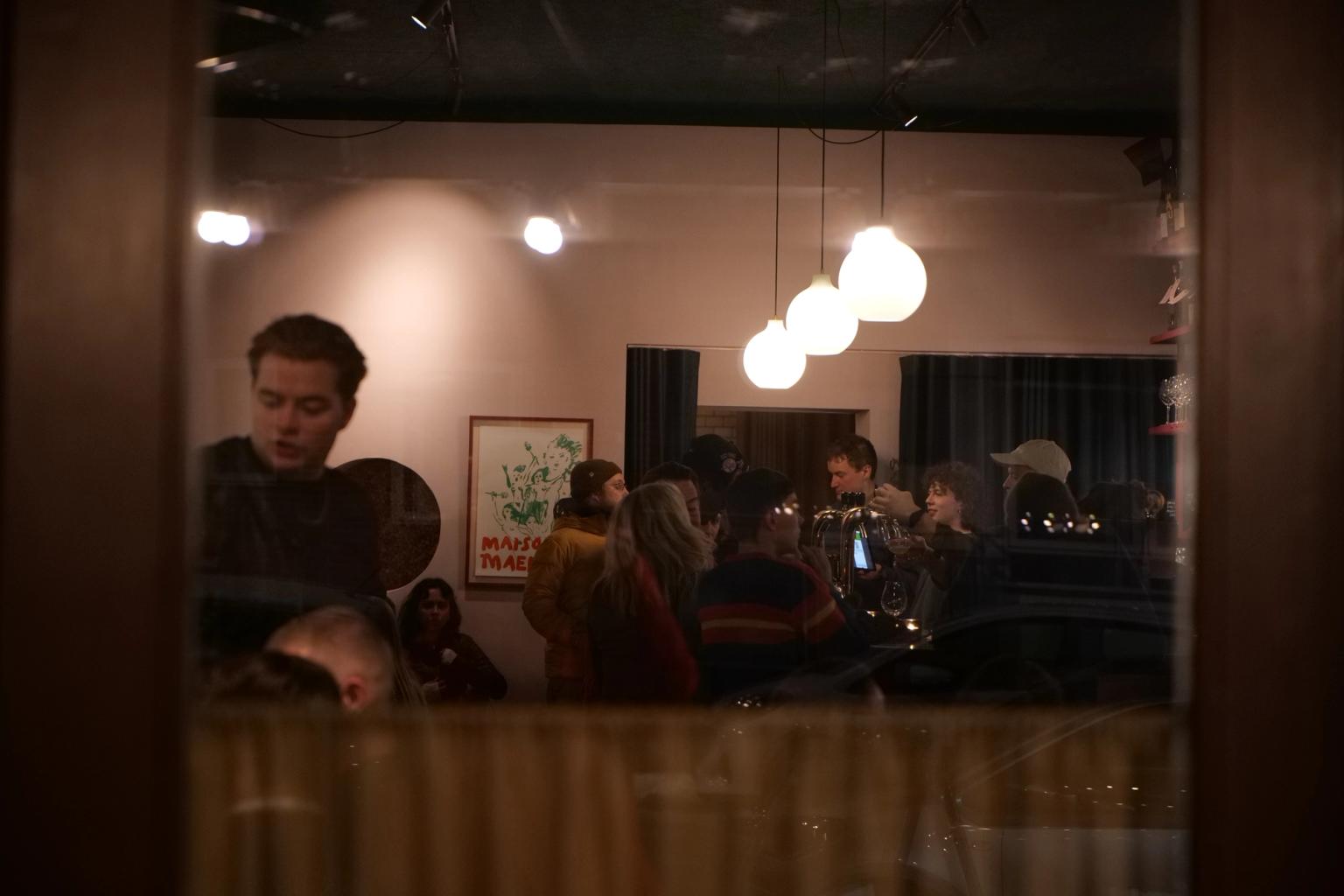
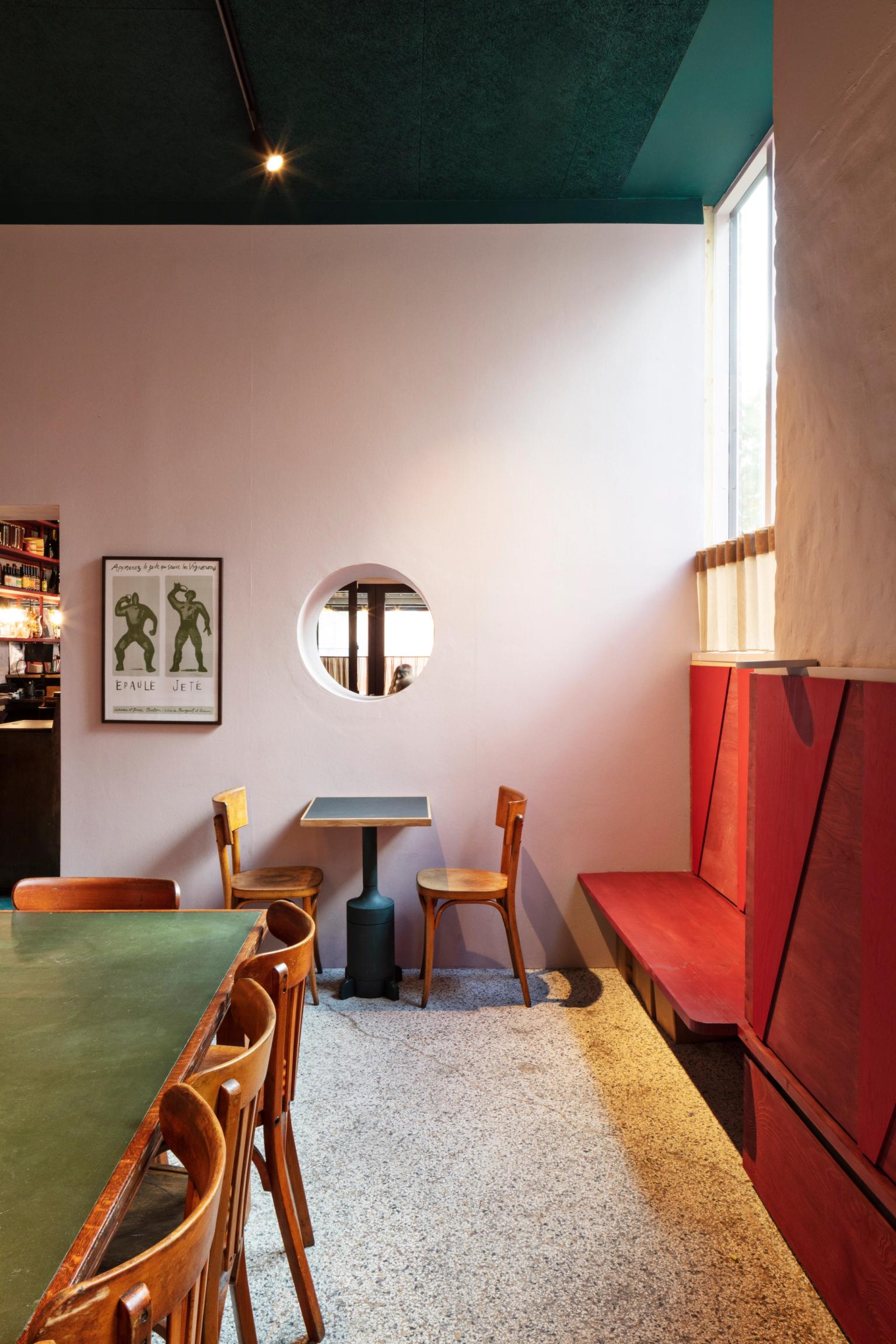
Located on Frankrigsgade in Amager, Josephine is a combined wine shop and bar that reactivates a former neighbourhood pub through a precise architectural transformation. The lowered ceiling has been removed to restore the room’s original height and allow daylight to flow in through the large street-facing windows. Layers of history have been uncovered rather than concealed – most notably the terrazzo floor from the building’s time as a bakery. The spatial gesture is simple but powerful: open the volume, reveal the materials, and let the architecture breathe again.

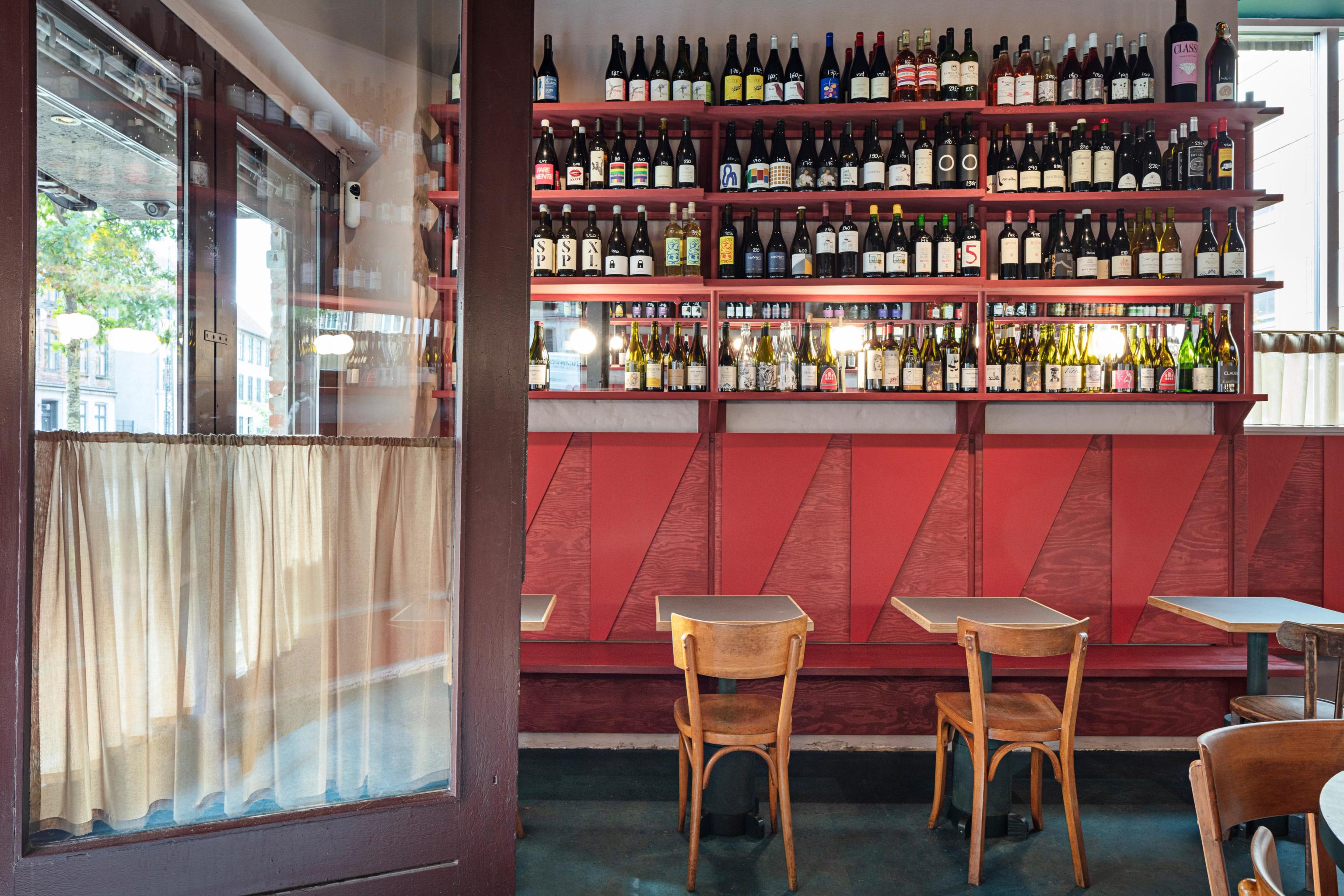
Guests can enjoy wines on site or purchase bottles to take home, creating a fluid boundary between retail and hospitality. The selection focuses on organic, biodynamic and natural wines from small, primarily European producers, ranging from classical expressions to more experimental cuvées. Josephine positions itself within the growing “neo-dive bar” movement, a contemporary interpretation of the local bodega, yet its architectural language is grounded in material honesty rather than nostalgia.





Color as Spatial Identity
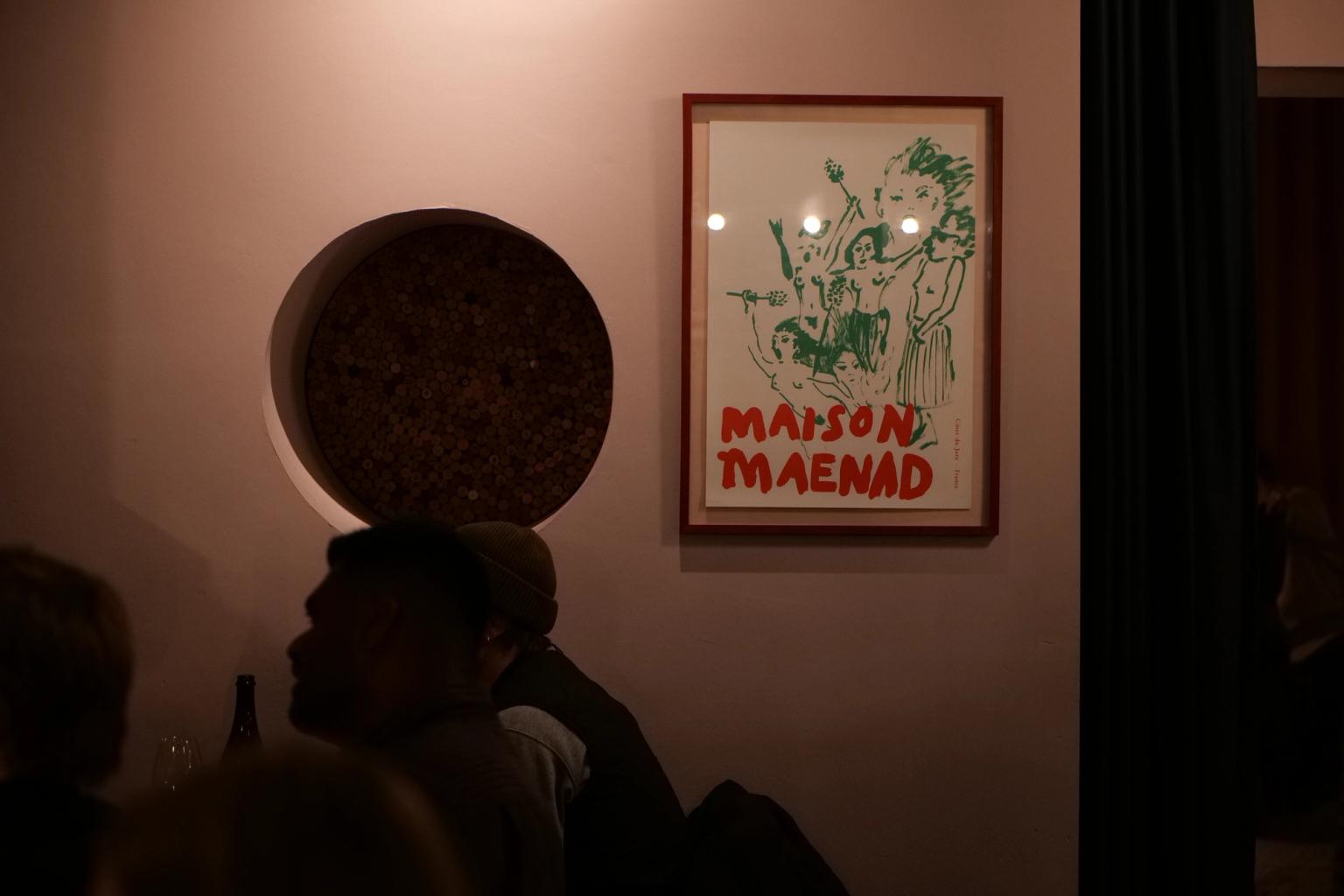
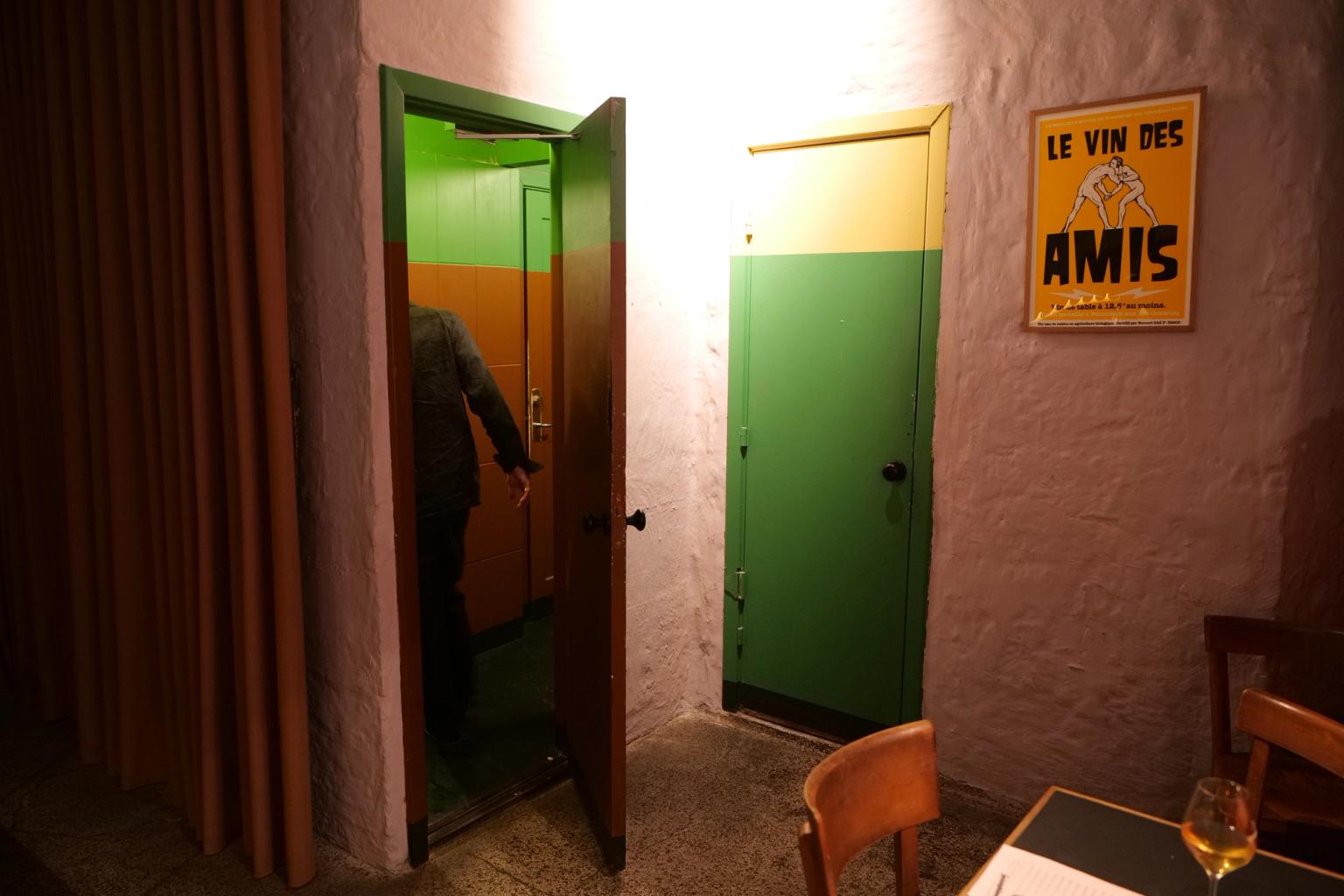
The atmosphere of Josephine is shaped through a close collaboration between artist Malene Bach and architect Alexander H. Damsbo. Together, they developed a new colour and material palette that defines the identity of the space. Bach, known for her work with integrated art, approaches colour as an architectural tool rather than surface decoration. Warm, sun-inflected tones and carefully selected textiles soften the raw industrial shell, creating depth without overwhelming the room.
Damsbo designed and produced much of the custom interior, including the distinctive wine shelving, panelled bench structures, lighting fixtures and central tables. The large shelving wall, rhythmically articulated with triangular details, introduces both structure and ornament, turning wine storage into a spatial feature. Colour, furniture and architecture operate as one cohesive system, ensuring that the transformation feels intentional and unified.

Founder and Local Vision
Josephine is driven by the vision of Christopher Johan Mose Melin, founder of Vin de Table and the import company Melin Vin. Since 2014, he has worked with small-scale producers, supplying restaurants and private customers across Denmark. The decision to open in Amager emerged from observing a strong local demand and sensing a neighbourhood atmosphere with character and potential.
Rather than replicating central Copenhagen’s wine bar scene, Melin envisioned a place rooted in its immediate surroundings, somewhere accessible, informal and generous. The concept allows bottles from the shop to be opened in the bar for a modest surcharge, while an extensive and continuously updated cellar list expands the offering further. The ambition is clear: to create a destination where everyday conviviality meets carefully sourced craftsmanship.

Material Continuity and Social Memory
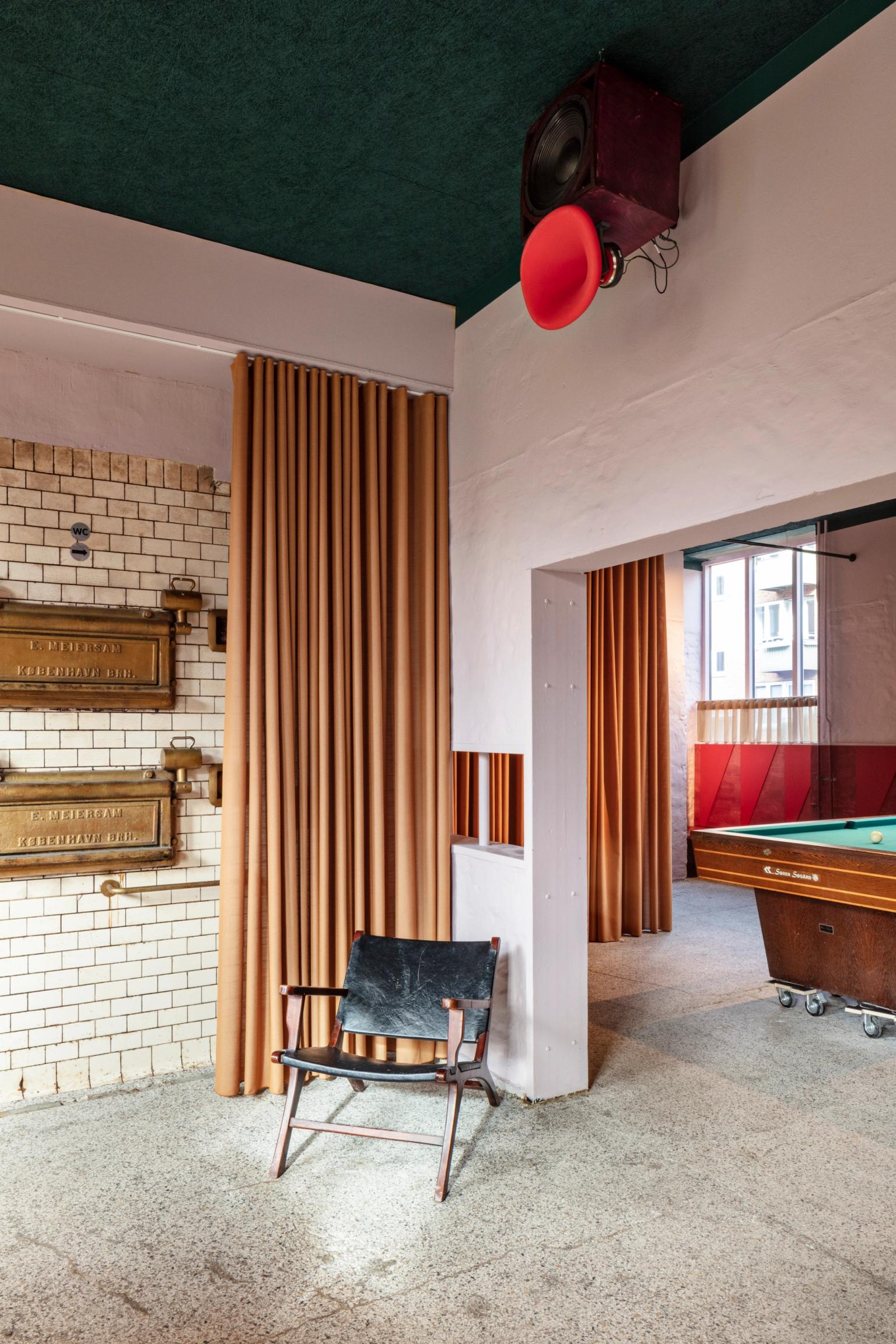
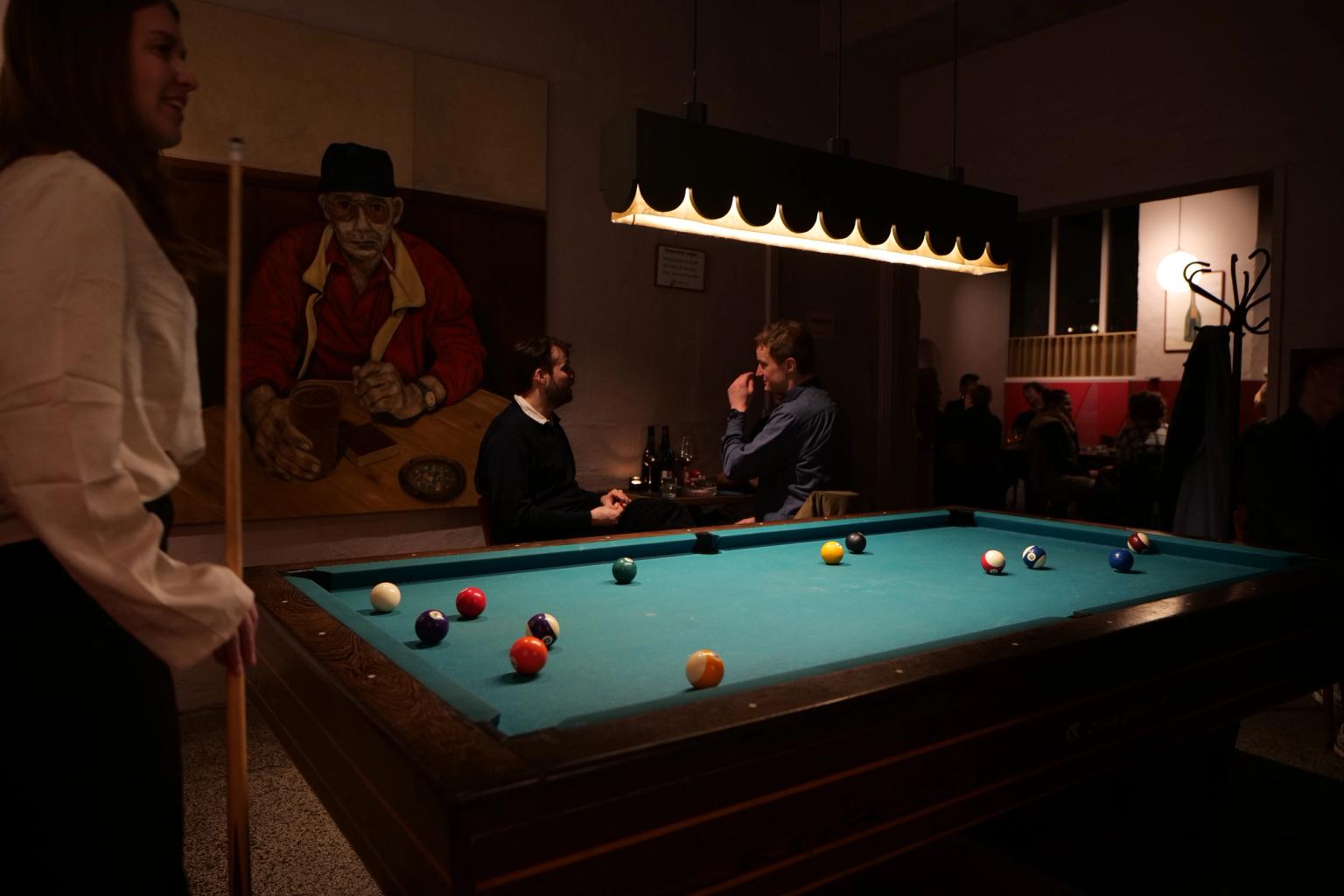
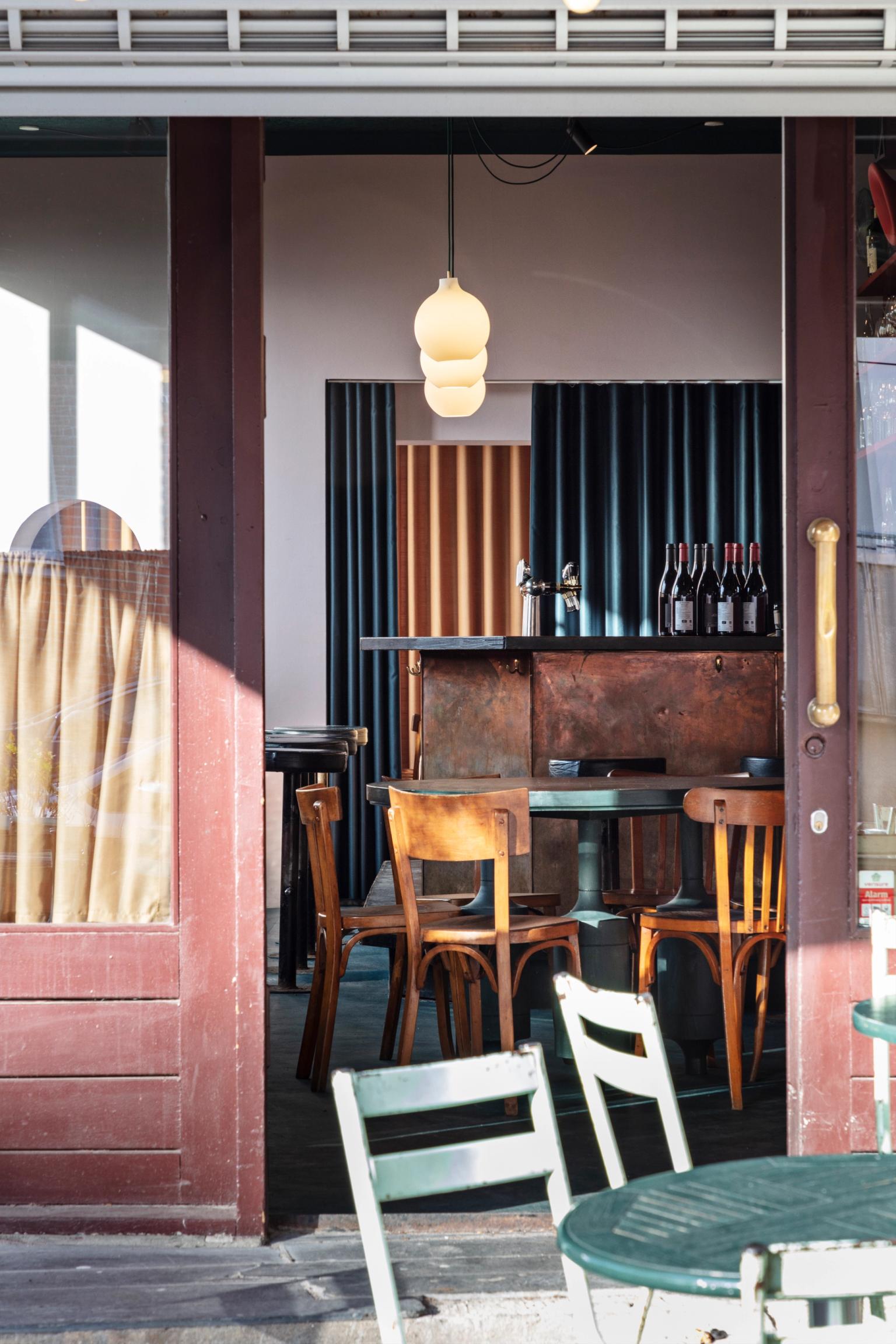
While the spatial and chromatic identity has been redefined, selected elements from the former café remain in place. The original bar, fixed bar stools and billiard table continue to anchor the interior, preserving its social function and informal rhythm. These retained features are not nostalgic gestures but structural anchors within the redesign – reminders that the building has long served as a gathering place.
Josephine therefore operates through addition rather than replacement. New colour, furniture and light coexist with inherited fixtures, allowing the space to carry multiple temporal layers at once. The project demonstrates how thoughtful architectural intervention can update a venue’s identity while maintaining its role as a local meeting point.