
Donald Judd
JUDD HOUSE, NYC
- ArtistDonald Judd & Judd Foundation
ELIZABETH ROBERTS An important vestige from another era of NYC when creatives could live like royalty. Also Judd’s sensibility combined with the ornate cast iron industrial building creates magic.

Judd House: A Life in Space
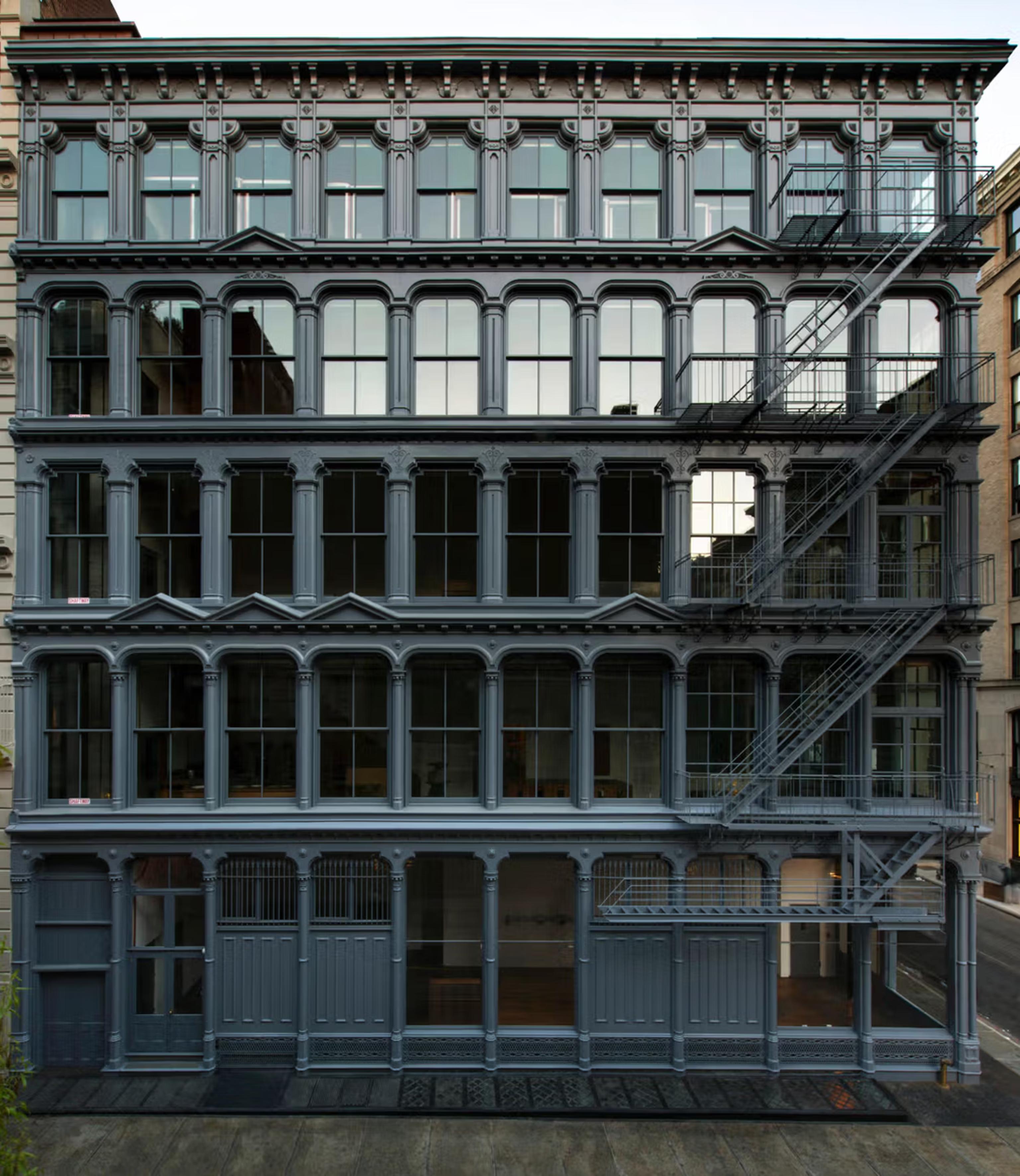
At 101 Spring Street in Manhattan, an extraordinary relationship between art, architecture and everyday life unfolds across five floors of a cast iron building. Known as the Judd House, the former industrial loft became the New York home and working environment of American artist Donald Judd, who purchased the building in 1968. Rather than treating it as a conventional residence or a gallery in which to display his work, Judd approached the entire building as a carefully considered spatial composition. Every room, window, staircase and piece of furniture became part of a larger investigation into how objects occupy space and how people experience their surroundings.
Built in 1870 by architect Nicholas Whyte, the building is an important example of New York's nineteenth century cast iron architecture. Its large industrial windows, open floor plates and generous proportions offered Judd an unusual opportunity to rethink the relationship between domestic architecture and artistic practice. Over the following decades, he gradually transformed the building into a total environment, preserving its industrial character while introducing a highly personal arrangement of art, furniture, books and everyday objects.


The Building as an Artwork
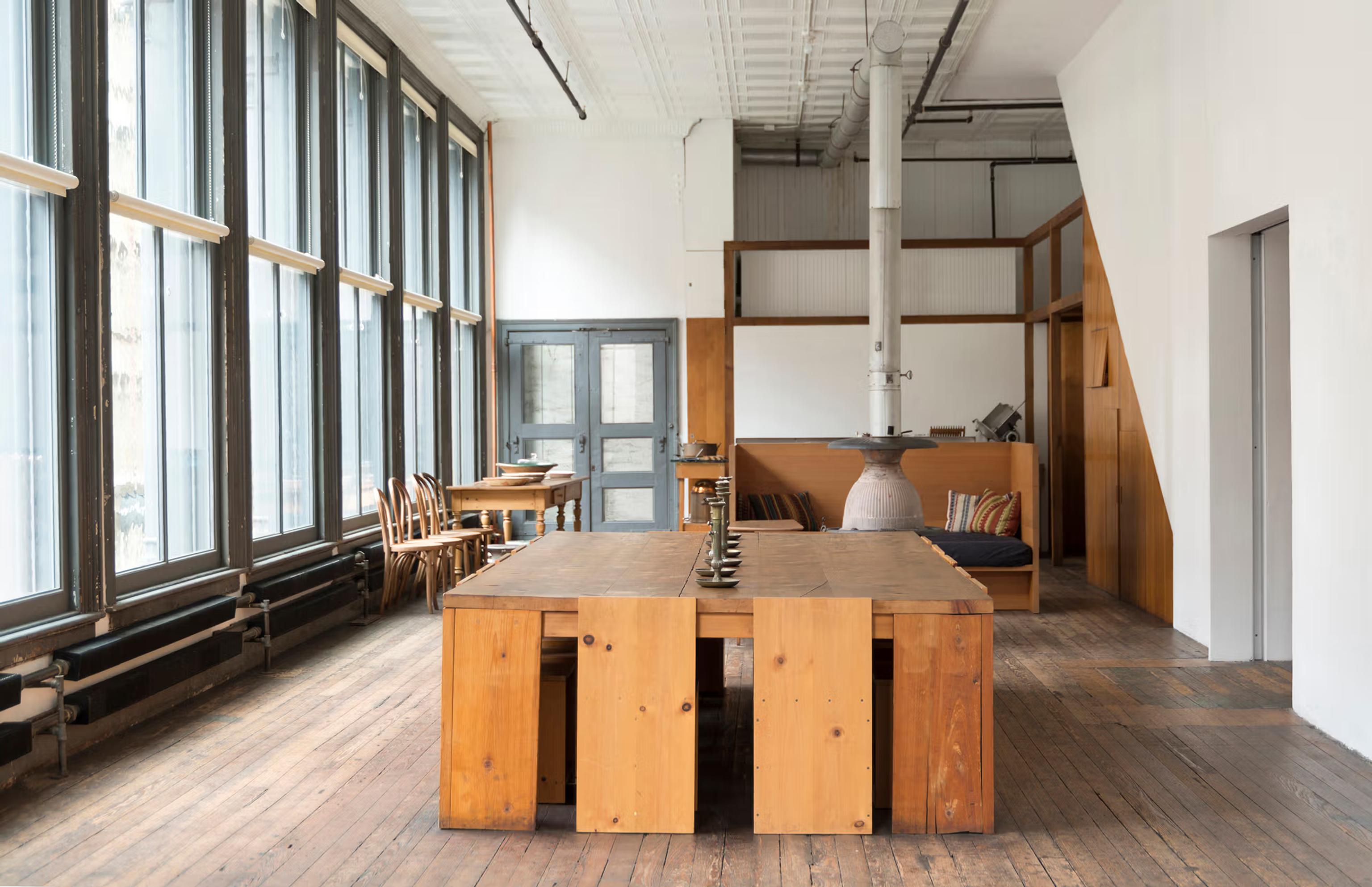
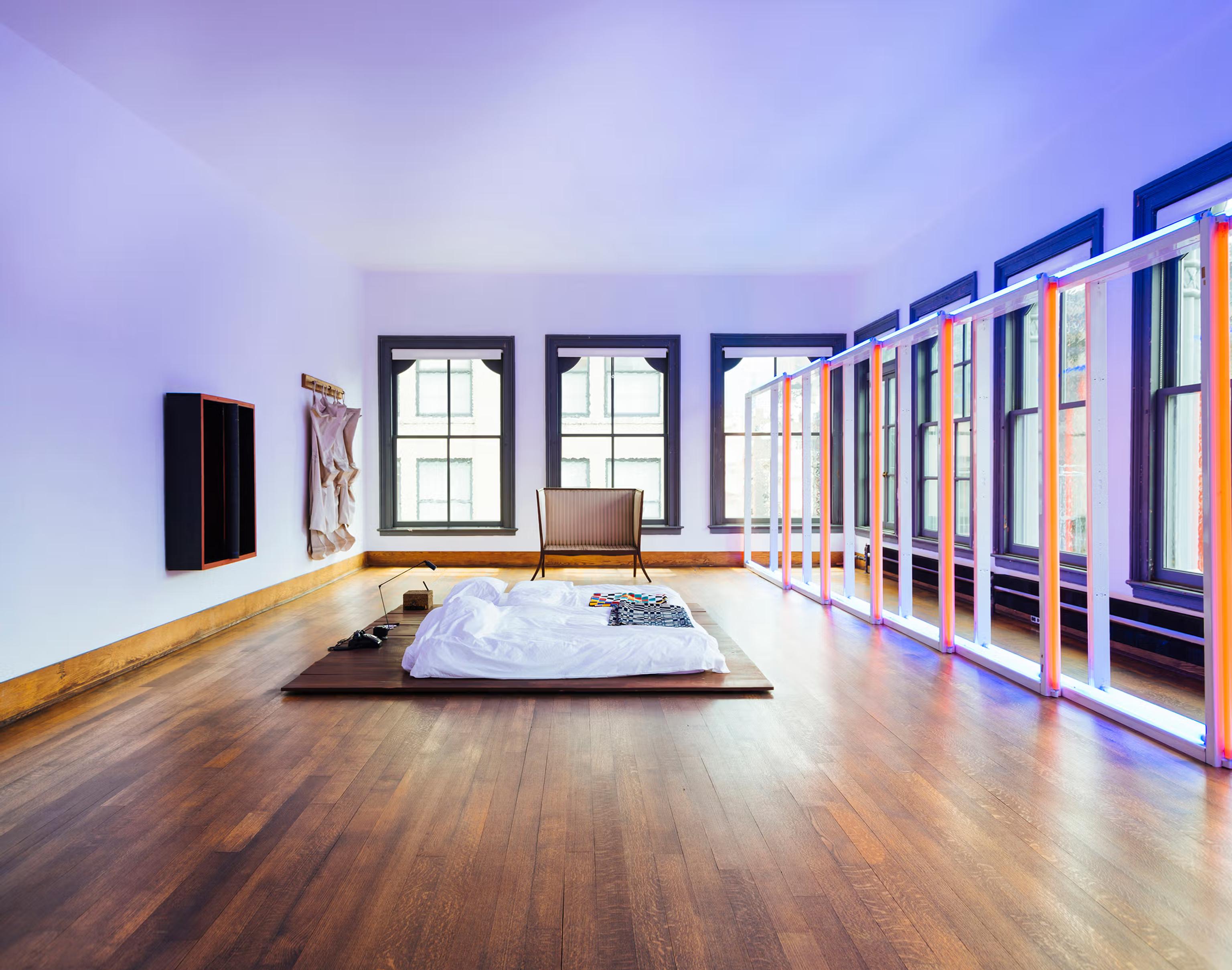
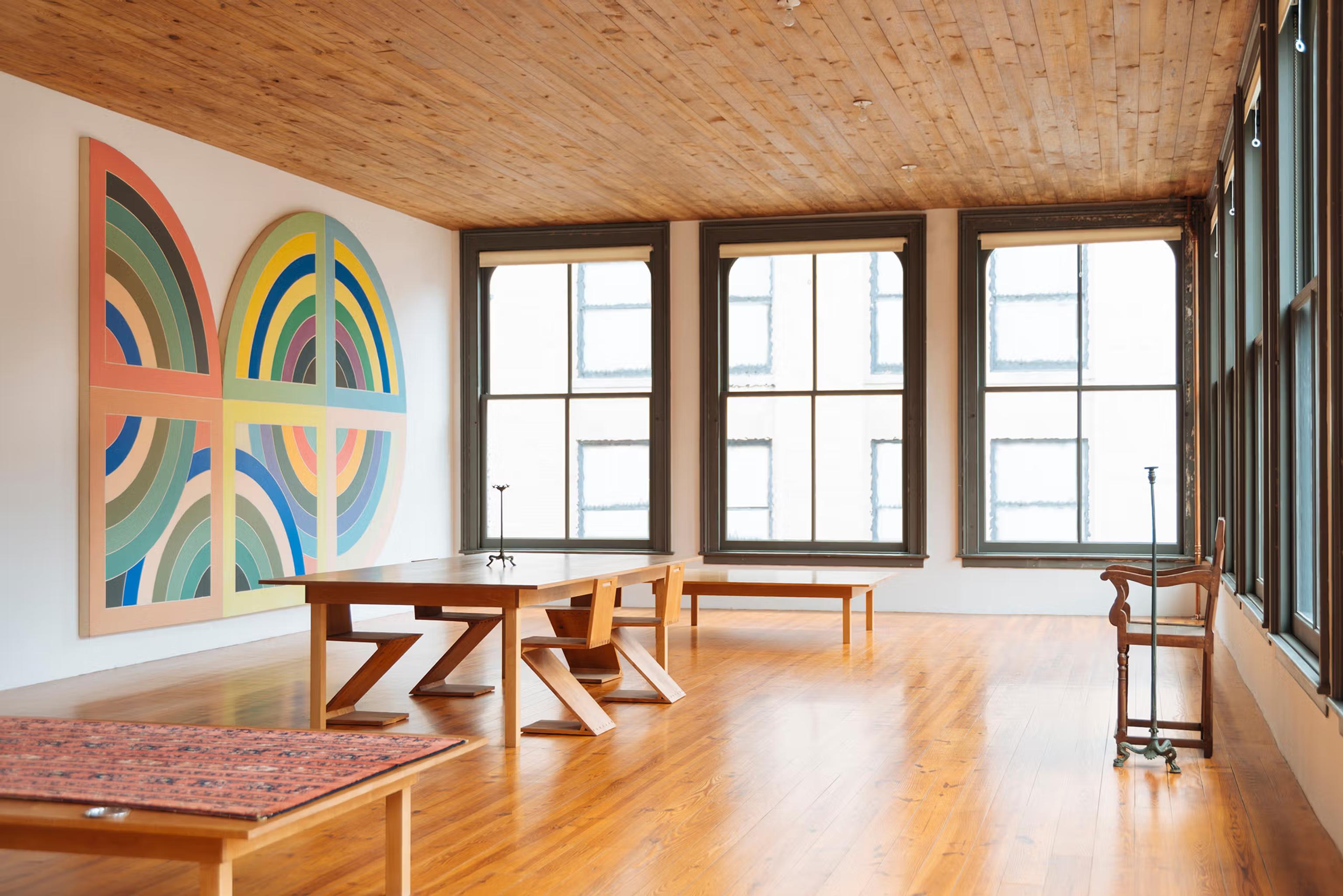
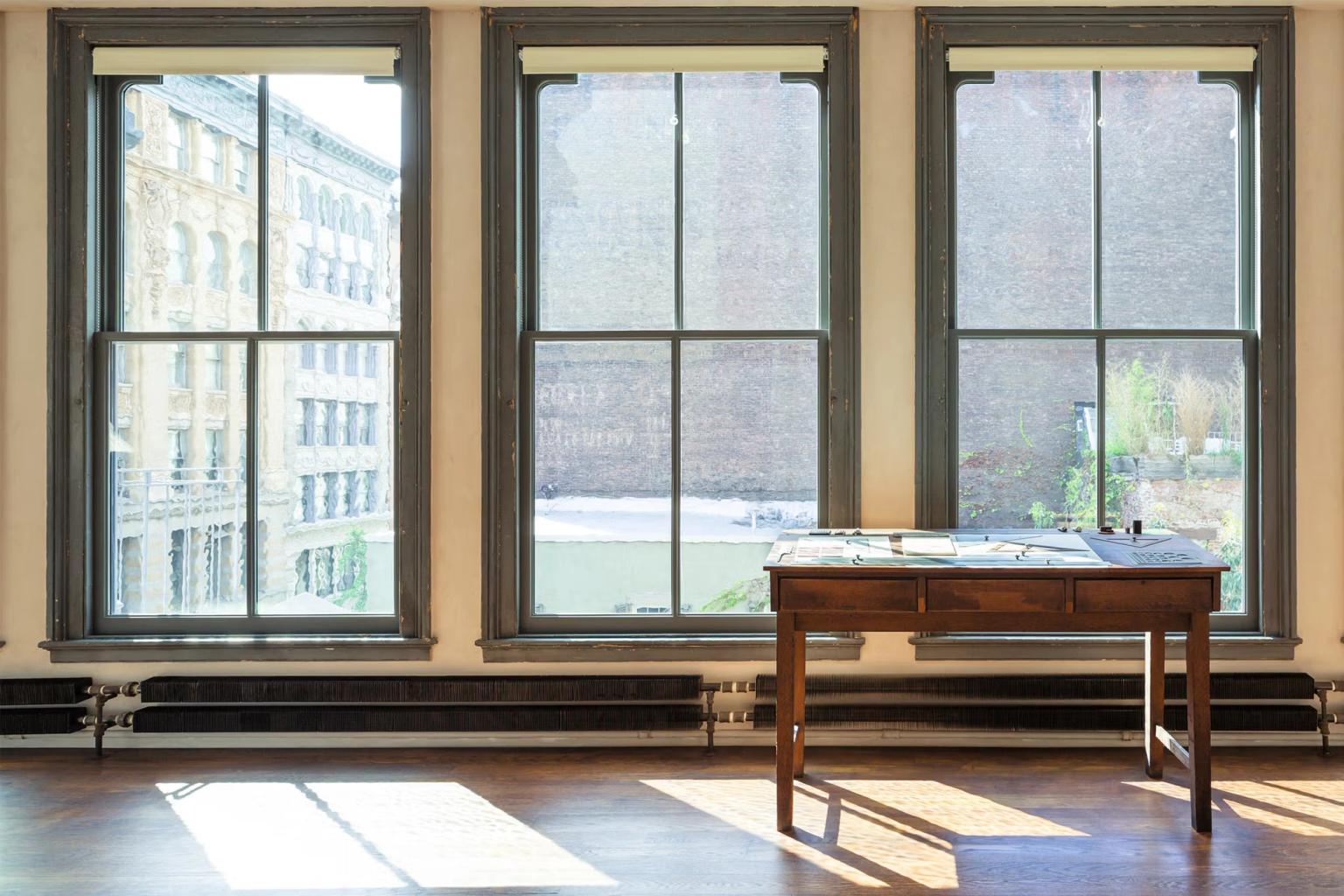
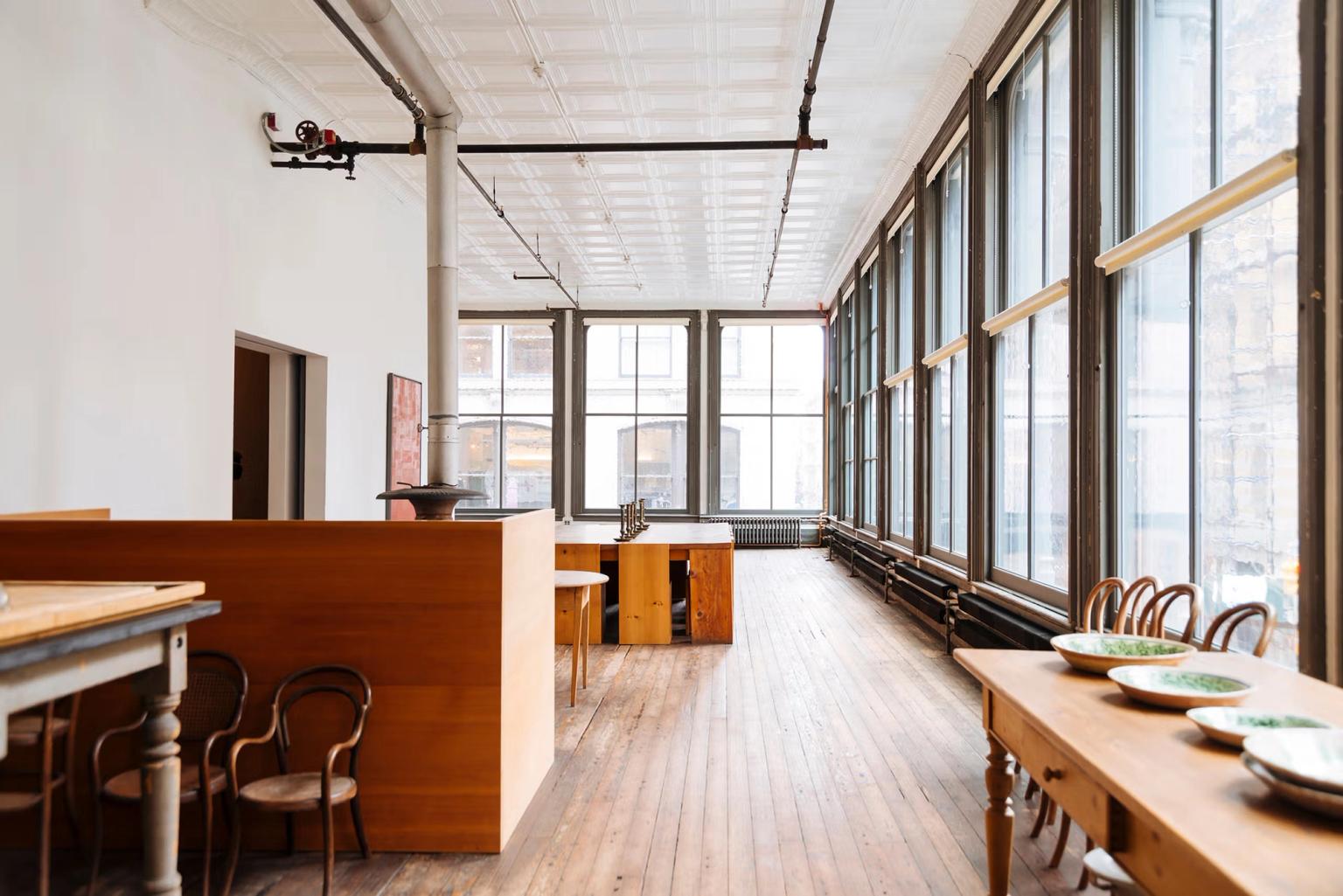
Judd's intervention was guided by a fundamental principle: the building should be repaired and adapted, but never unnecessarily altered. He retained the large industrial windows and open floor plans, allowing daylight to travel deep into the interiors. Rather than dividing the floors into conventional rooms, he assigned each level a distinct purpose, creating a sequence of spaces for working, eating, sleeping and displaying art.
The arrangement of objects is equally deliberate. Judd's own sculptures coexist with works by artists including Dan Flavin, John Chamberlain, Frank Stella and Claes Oldenburg. Furniture by Judd himself sits alongside pieces by Alvar Aalto and other designers, while books, textiles, ceramics and everyday domestic objects contribute to the atmosphere. Nothing is presented as an isolated exhibition piece. Each object has a precise position in relation to the architecture, the light and the things around it.
This approach became the foundation of Judd's concept of permanent installation. He believed that the placement of an artwork was inseparable from its meaning and that temporary museum arrangements often failed to respect the relationship between an object and its surroundings. At 101 Spring Street, he could exercise complete control over that relationship, living with the works and observing how they occupied the space over time.

Living With Art
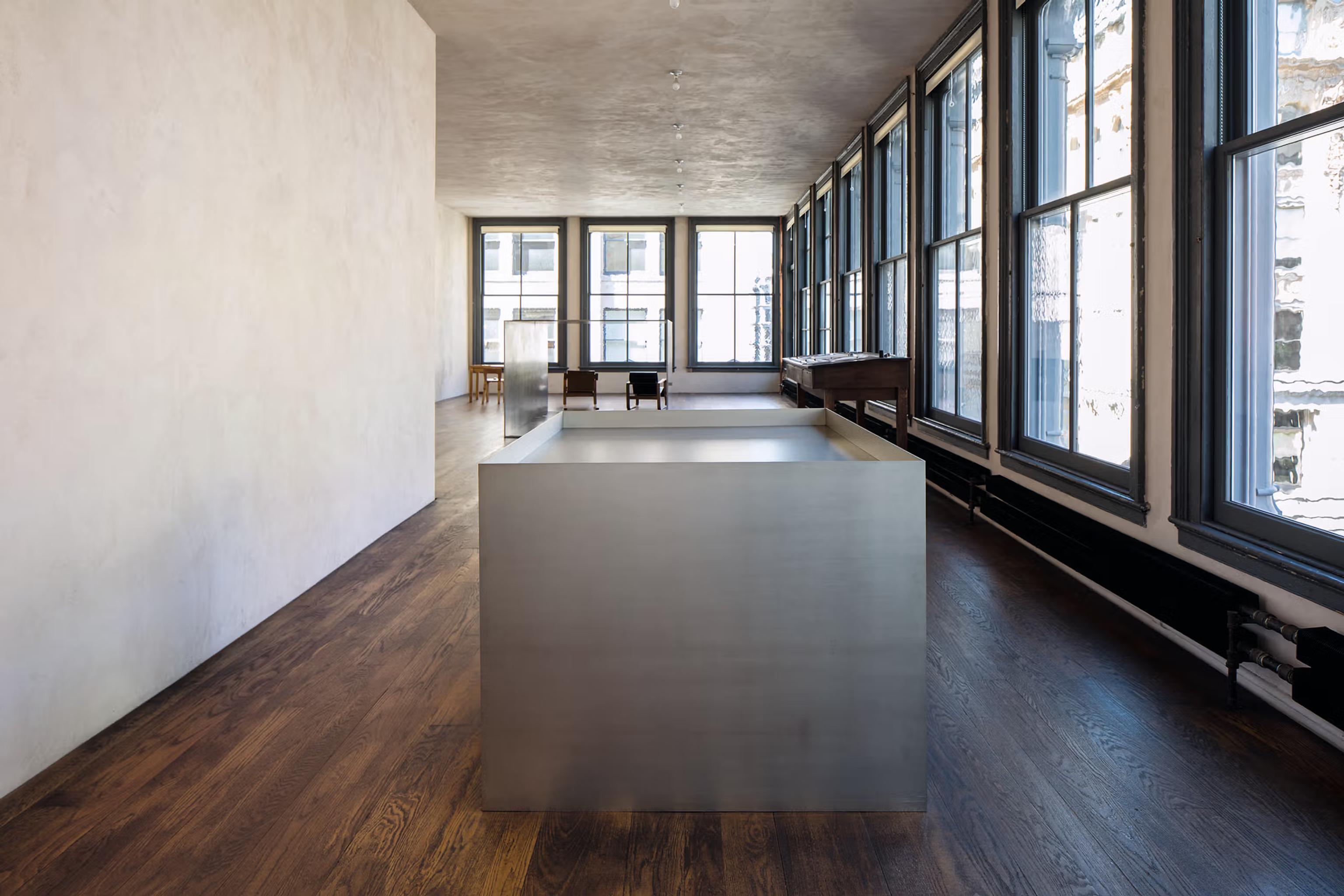
What makes the house particularly compelling is that it never feels like a conventional museum. It retains the qualities of a lived environment, with the intimacy of a family home and the intellectual rigour of an artist's studio. The distinction between art and everyday life is deliberately blurred. A chair is simultaneously a functional object and a sculptural presence. A staircase becomes part of the architectural composition. Even the arrangement of a table or a bookshelf contributes to the overall experience.
Judd continued to develop the building throughout his life, refining its interiors and installations until his death in 1994. In 2013, following an extensive restoration by Architecture Research Office in collaboration with the Judd Foundation, the building opened to the public. The restoration carefully preserved the artist's interventions and the arrangement of the spaces as they existed at the end of his life.
Today, 101 Spring Street remains an unusually direct expression of Judd's thinking. It is not simply a preserved artist's home or a collection of important artworks, but a demonstration of how architecture, art and design can exist as one continuous practice. More than anything, the building reveals Judd's belief that space deserves the same attention as the objects placed within it. His house is perhaps his most intimate work, an environment in which every element has a reason to be exactly where it is.