
The work of
Kar
- DesignerKar
JACOB BRINTH I love the way Steven Yeung has a holistic philosophy toward furniture, art, fashion and life in general. It's very zen and wabi-sabi, yet has a contemporary and forward looking form language.


Beyond the Familiar
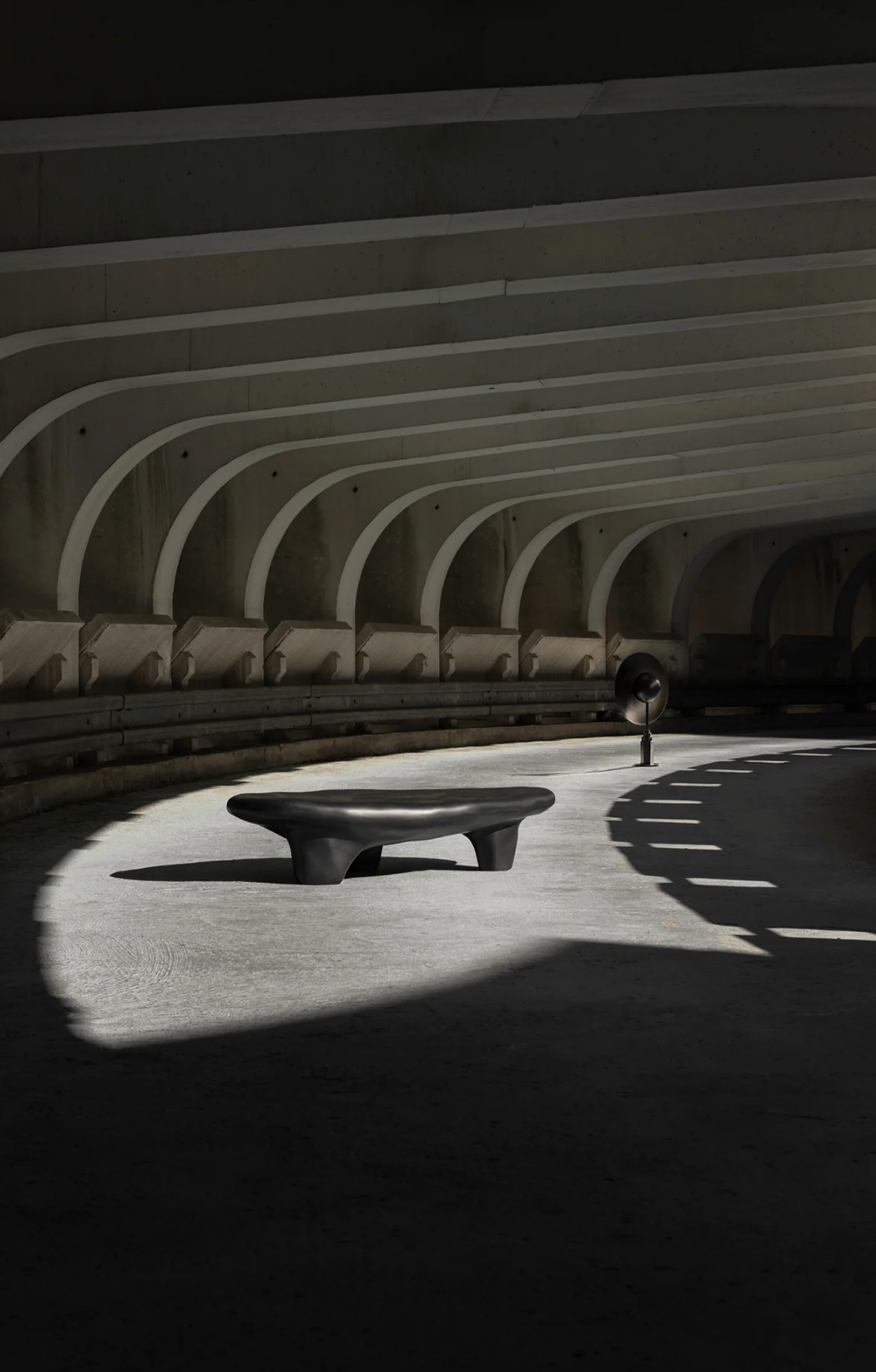
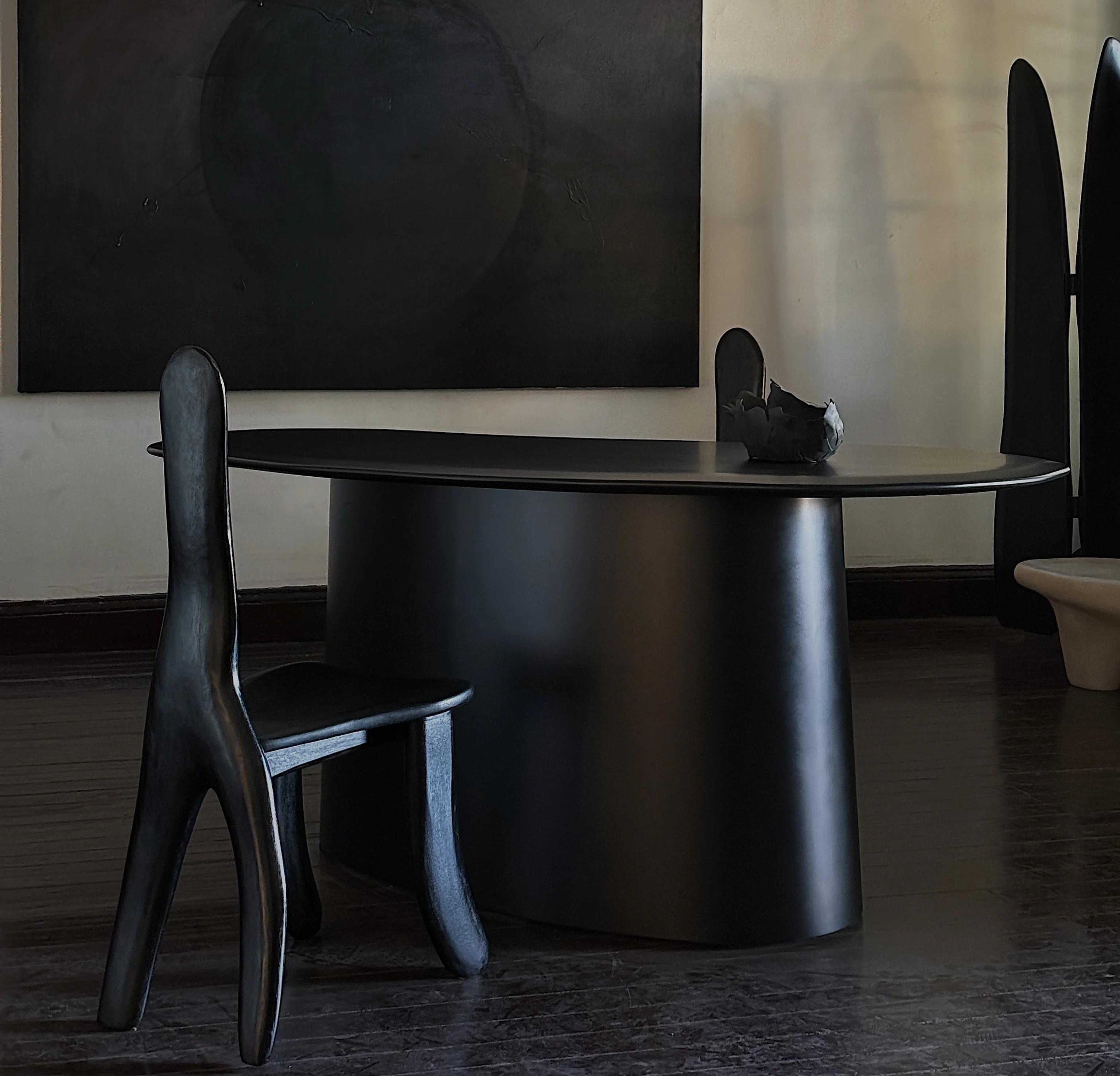
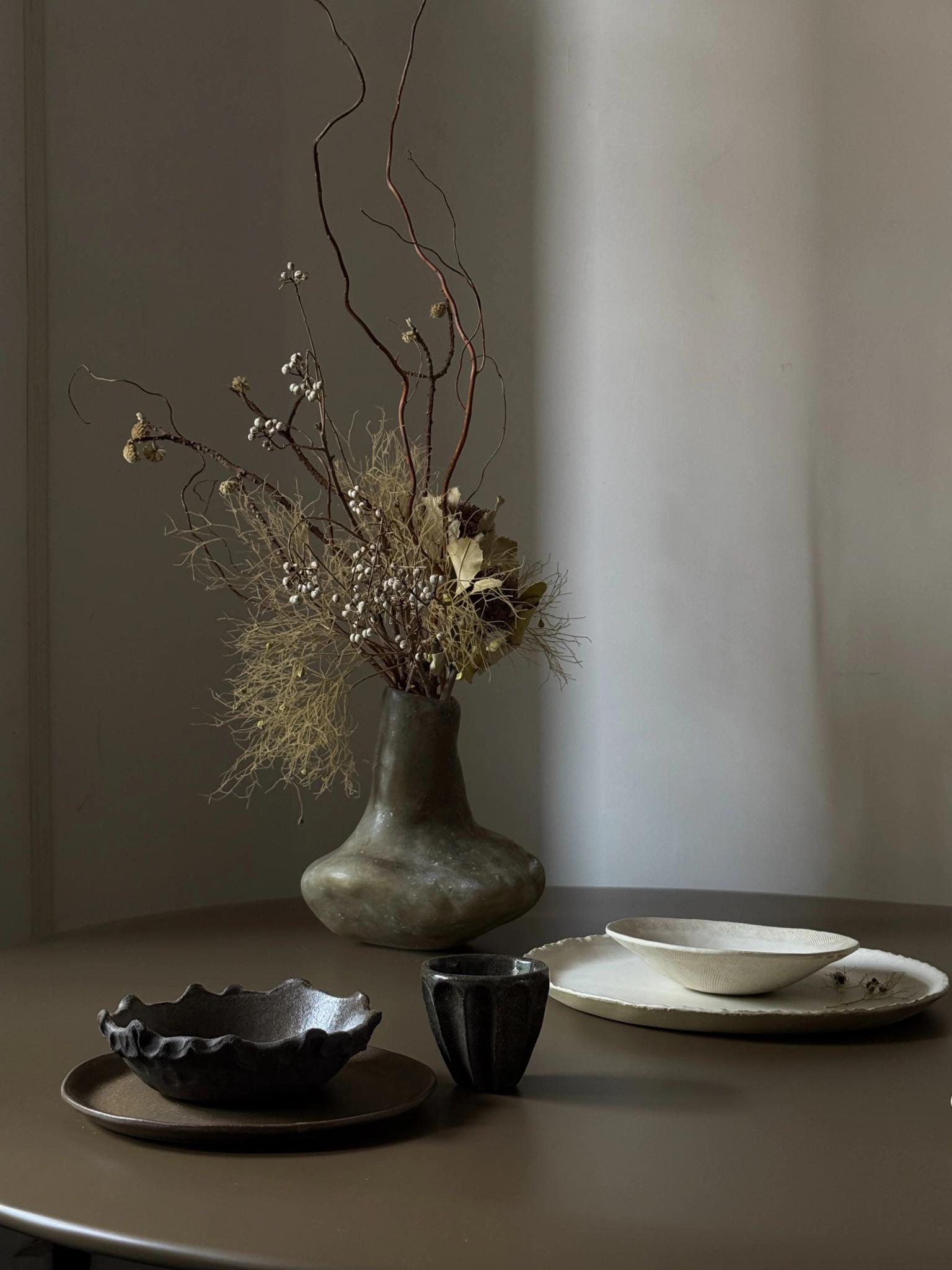
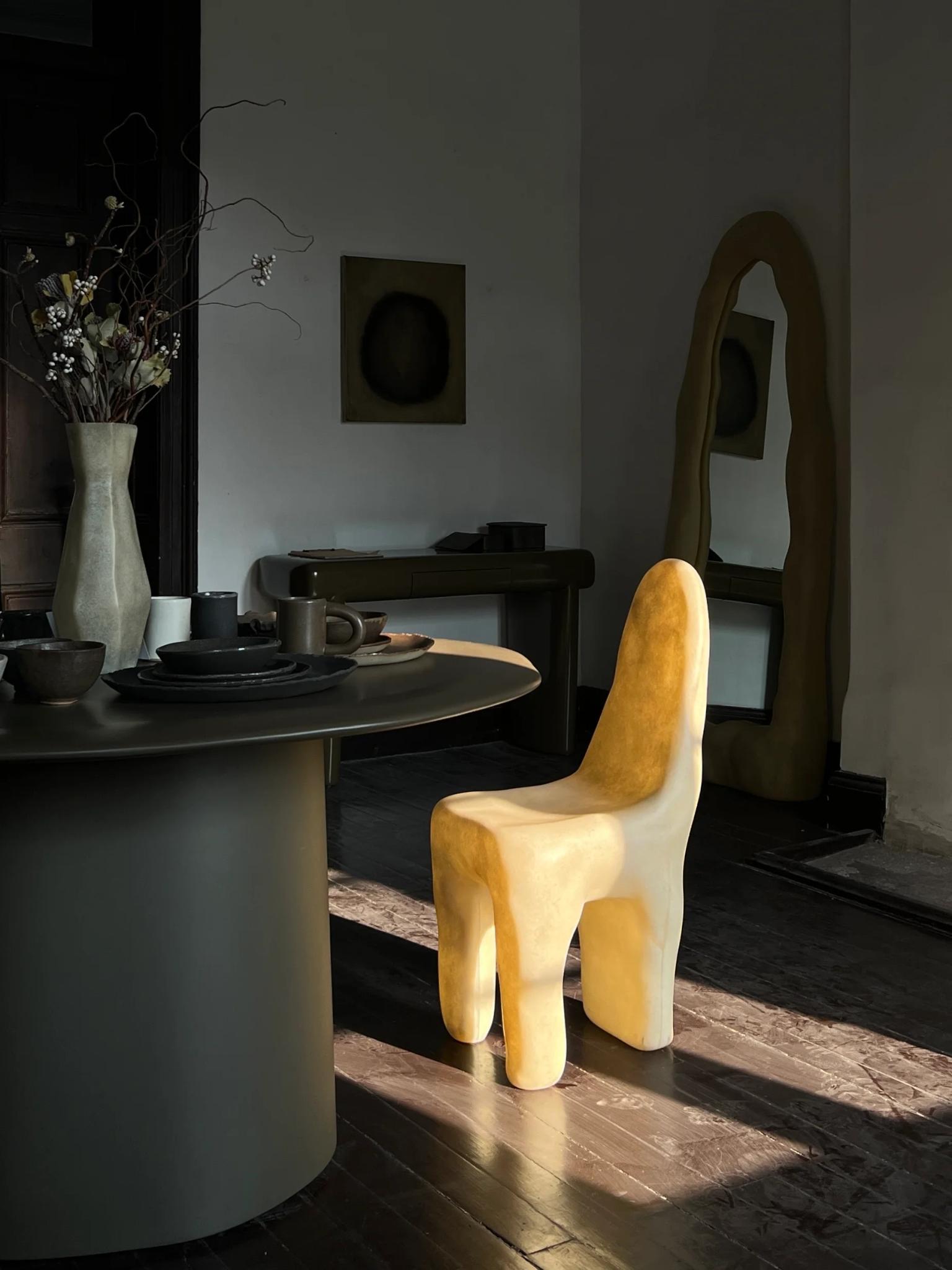
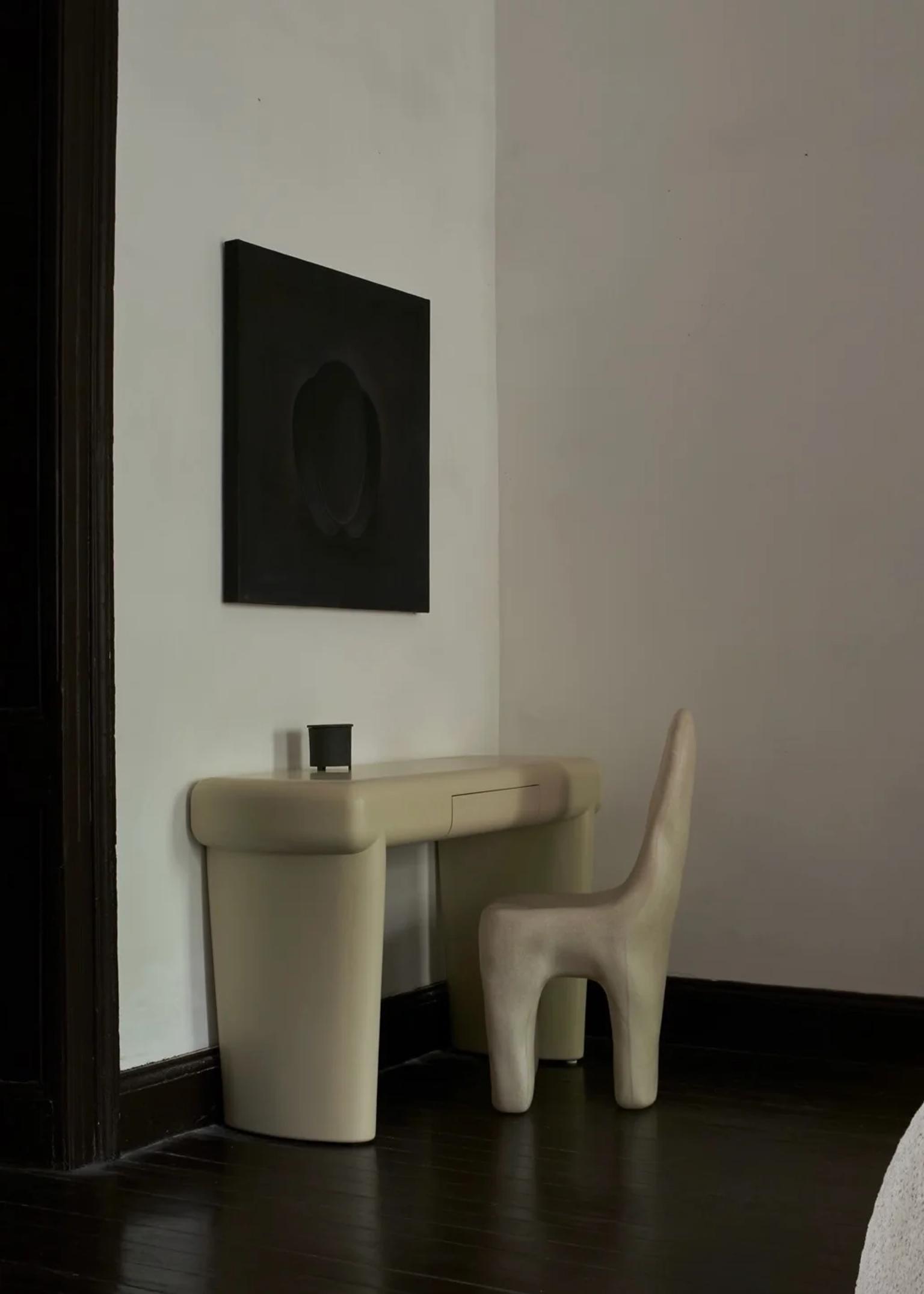
There is a particular kind of design that resists easy definition, occupying a space between function, sculpture and artistic expression. The Chinese design studio KAR approaches its work from this territory, exploring how furniture and objects can become more than practical additions to an interior. Through a language of material, form and experimentation, the studio treats design as an ongoing investigation into how objects inhabit space and shape our experience of it.
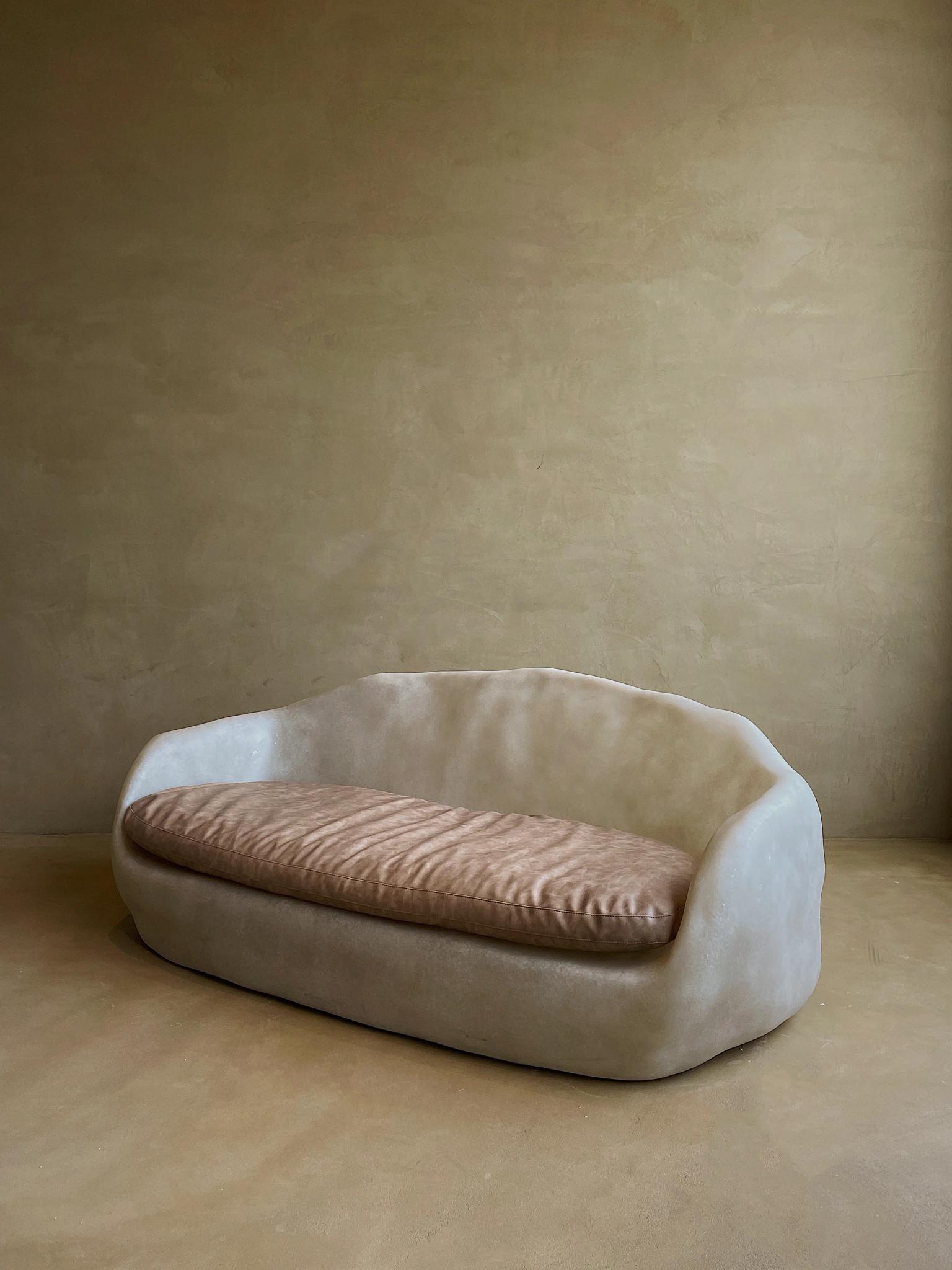

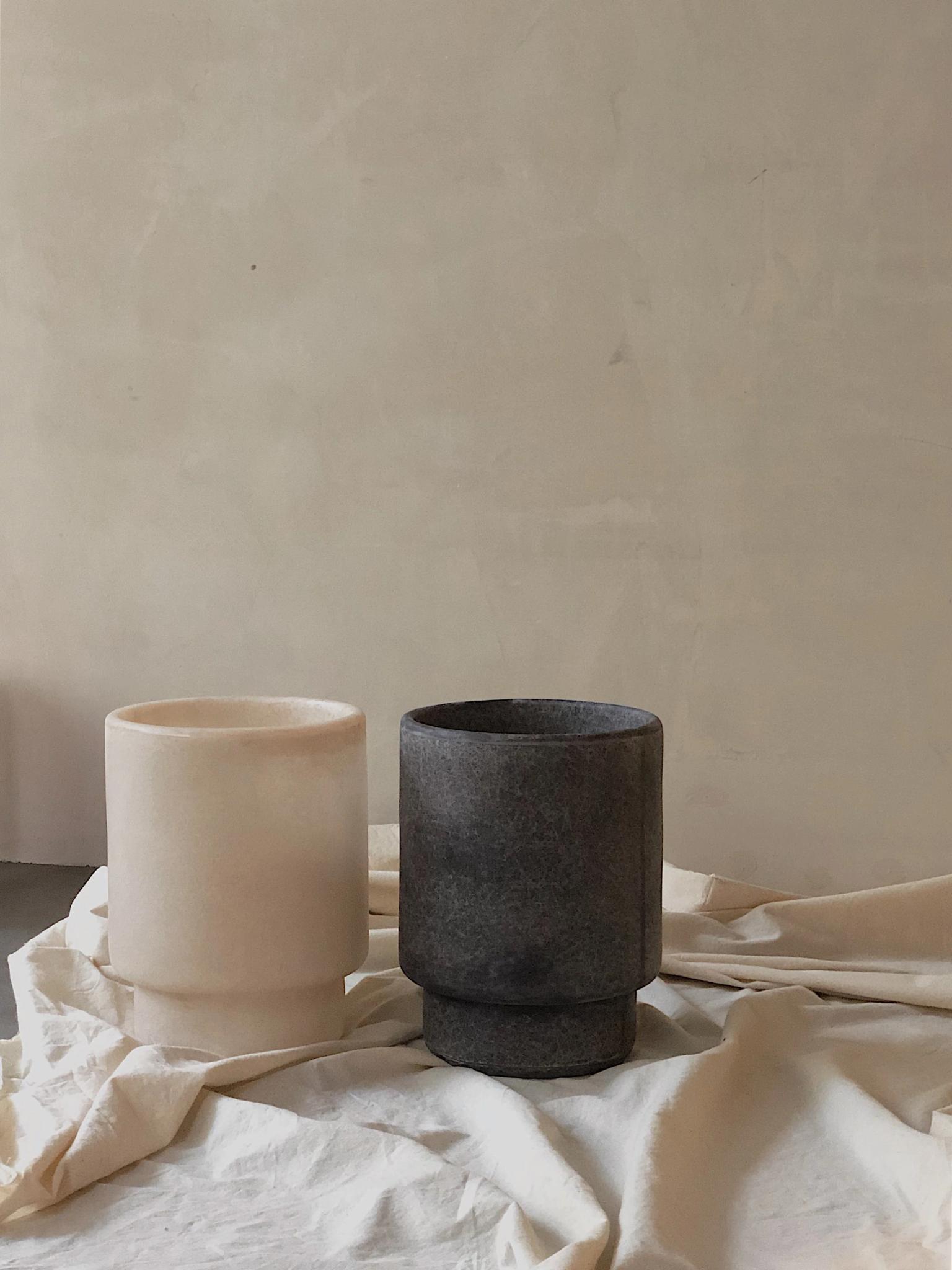
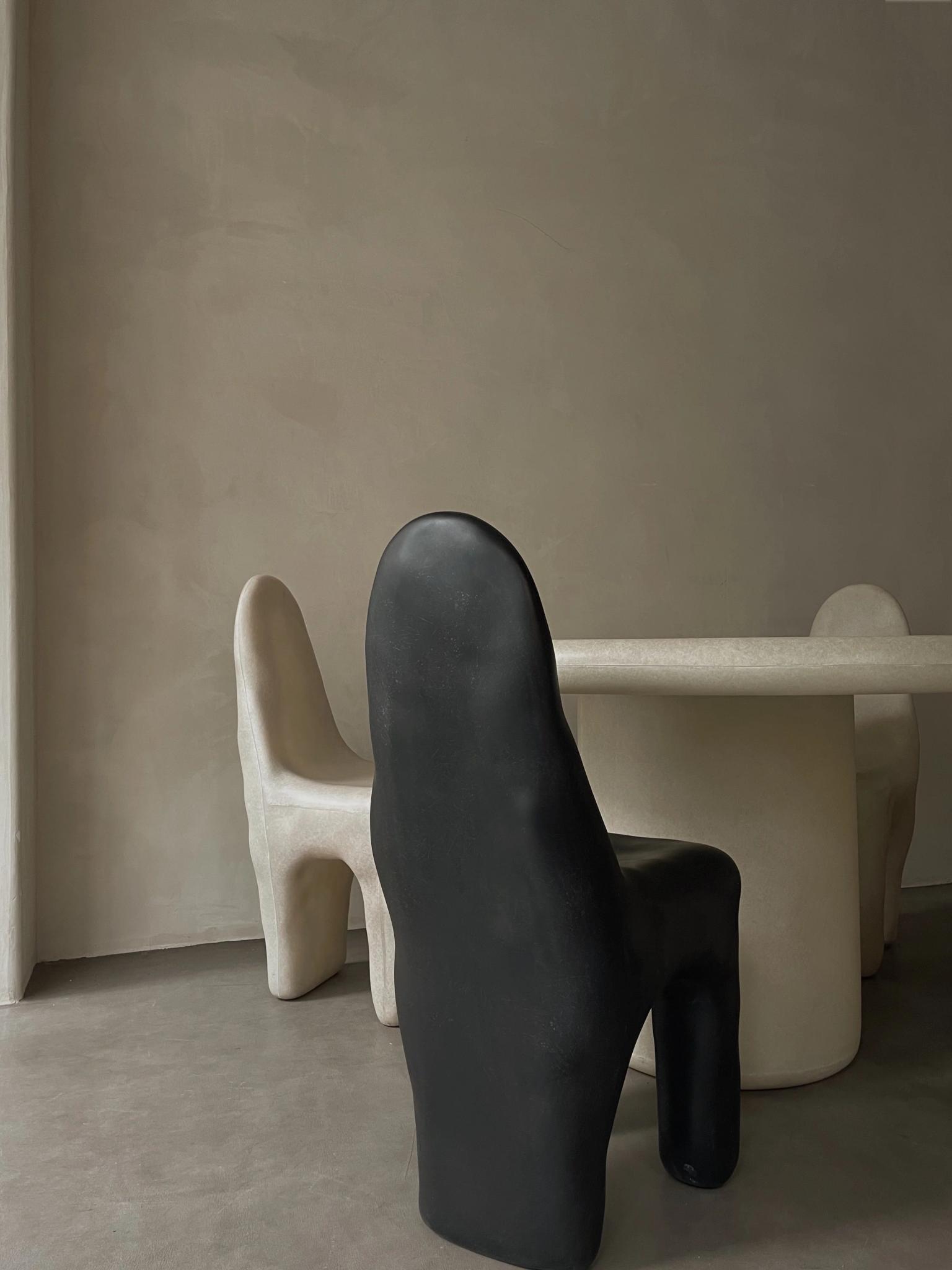
Rather than viewing furniture as something that simply fulfils a purpose, KAR considers the object as an independent presence, capable of provoking curiosity and inviting different interpretations. Its work moves between the familiar and the unexpected, drawing attention to the relationship between an object's physical construction, its visual character and the atmosphere it creates around itself.






Form Without Rules
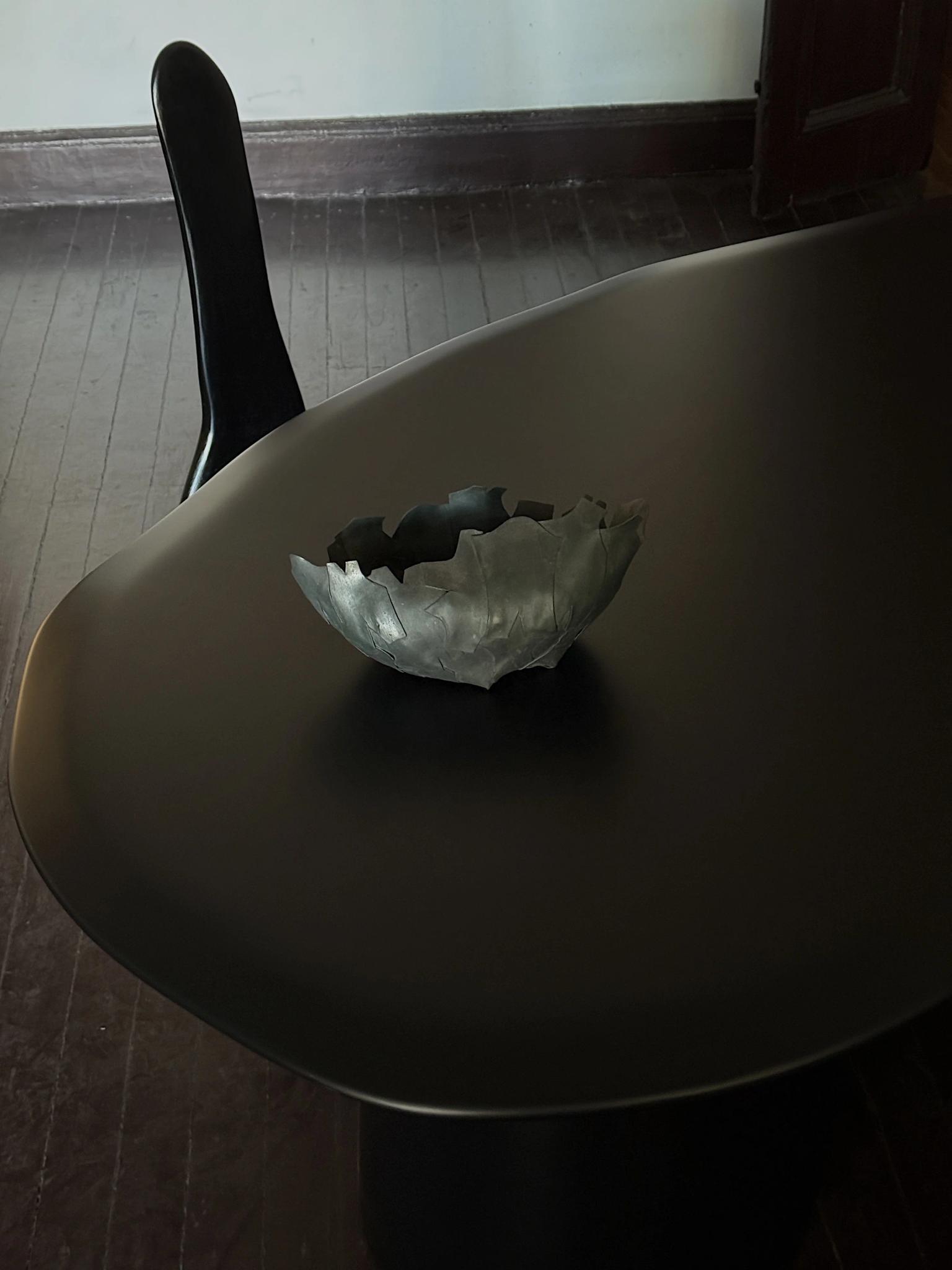
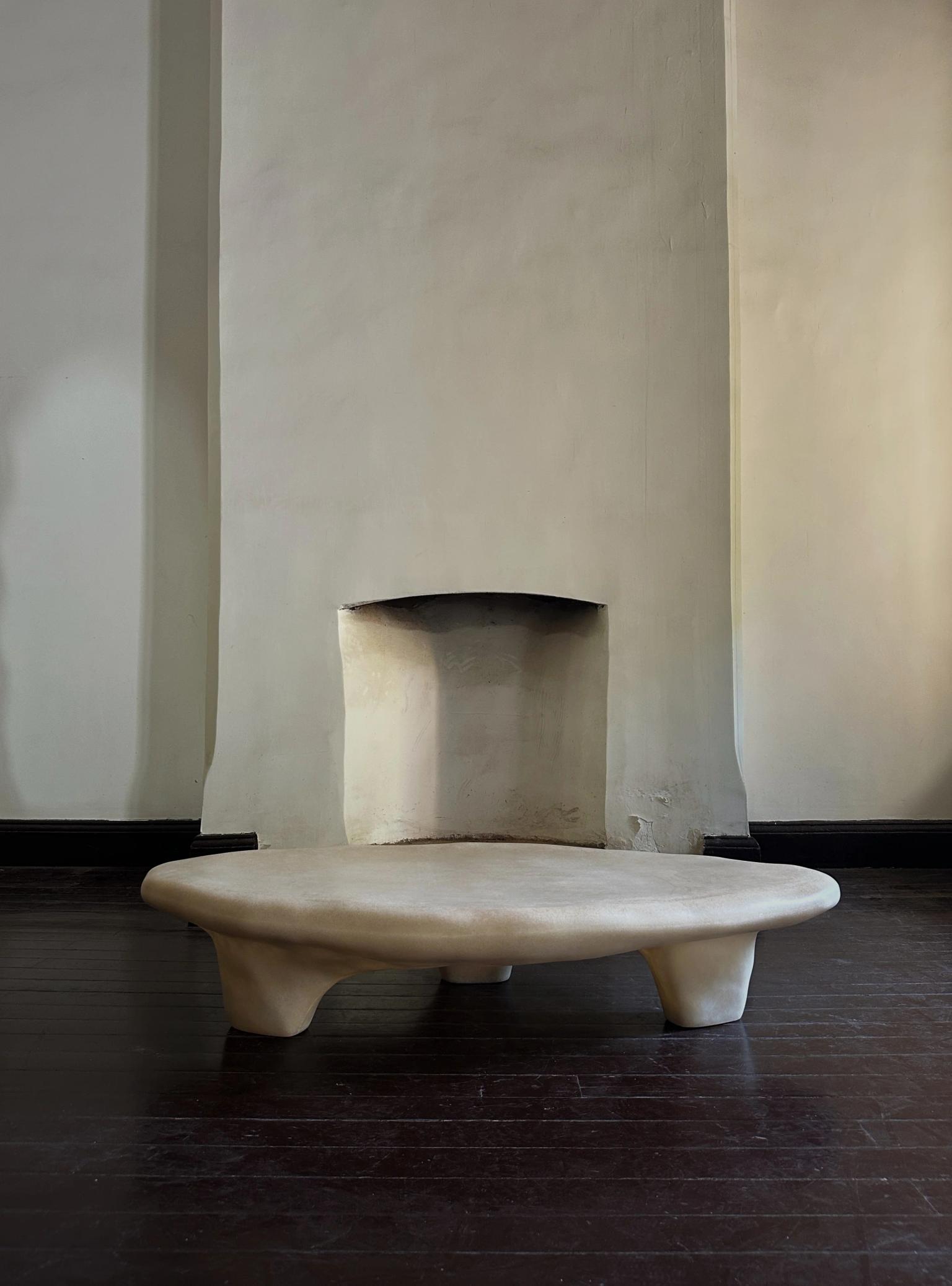
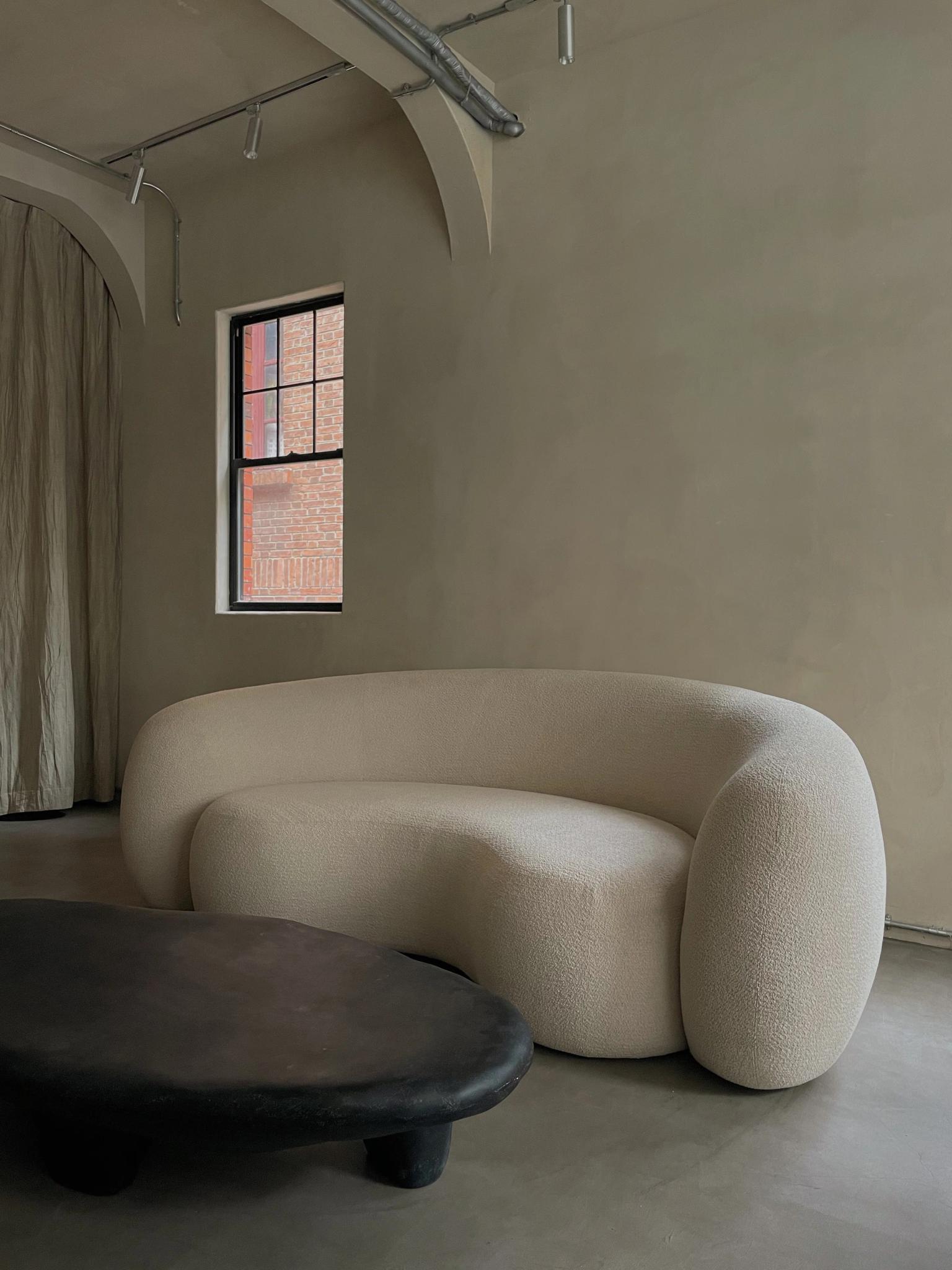
This spirit of exploration is reflected in KAR's projects and collections, including FORMLESS, Not by Intention and Oracle. Each title suggests a different way of thinking about the design process, from questioning established ideas of form to embracing the possibilities of intuition and ambiguity. The result is an approach in which the finished object is not necessarily the conclusion of a fixed idea, but part of a broader conversation about creativity, perception and material expression.
Through furniture, exhibitions and collaborations, KAR also explores how design can move beyond the boundaries of a single discipline. Objects become part of a larger visual and spatial narrative, connecting the intimacy of domestic interiors with the more open context of exhibitions and artistic encounters.

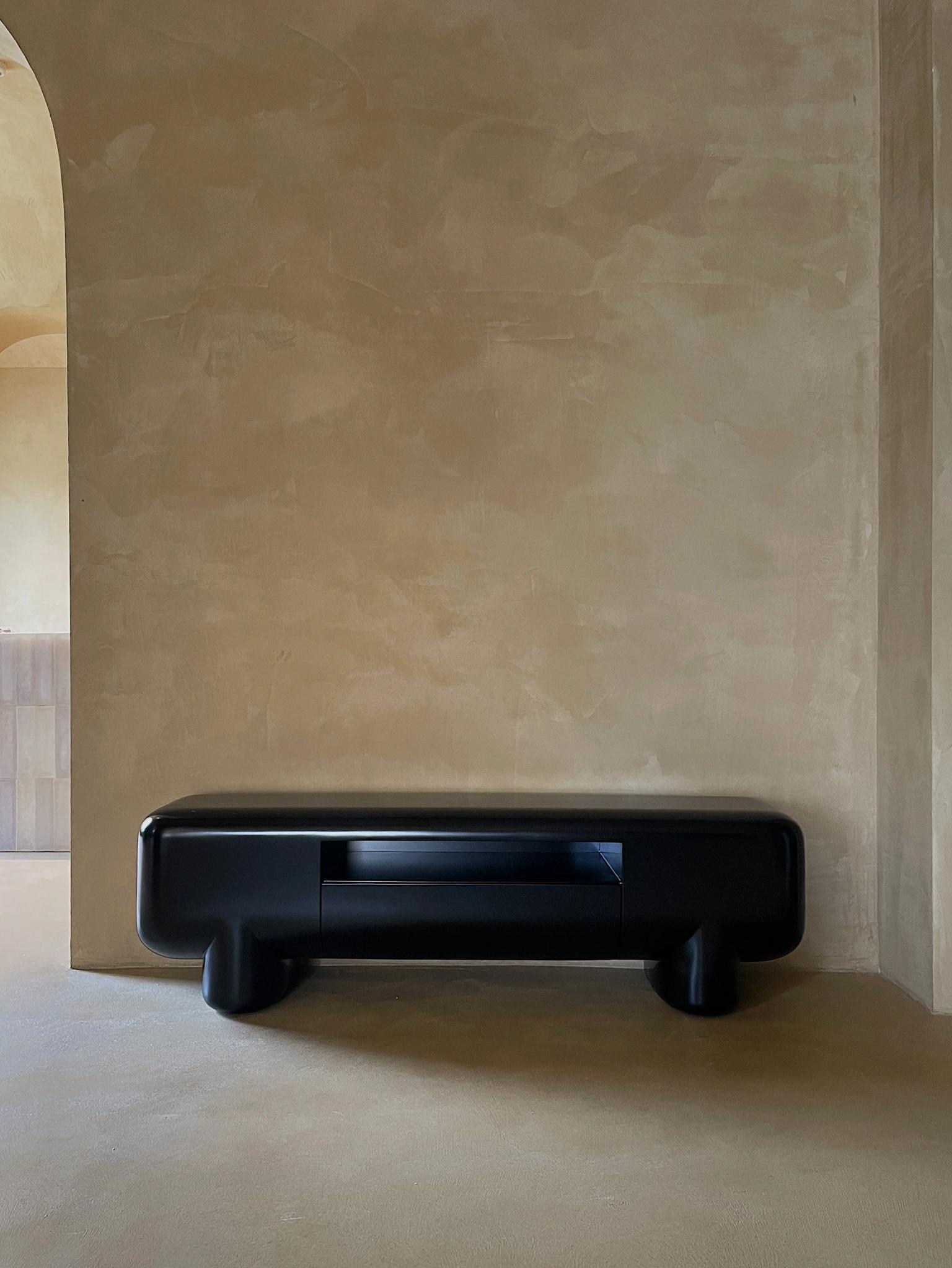

The Object as an Experience
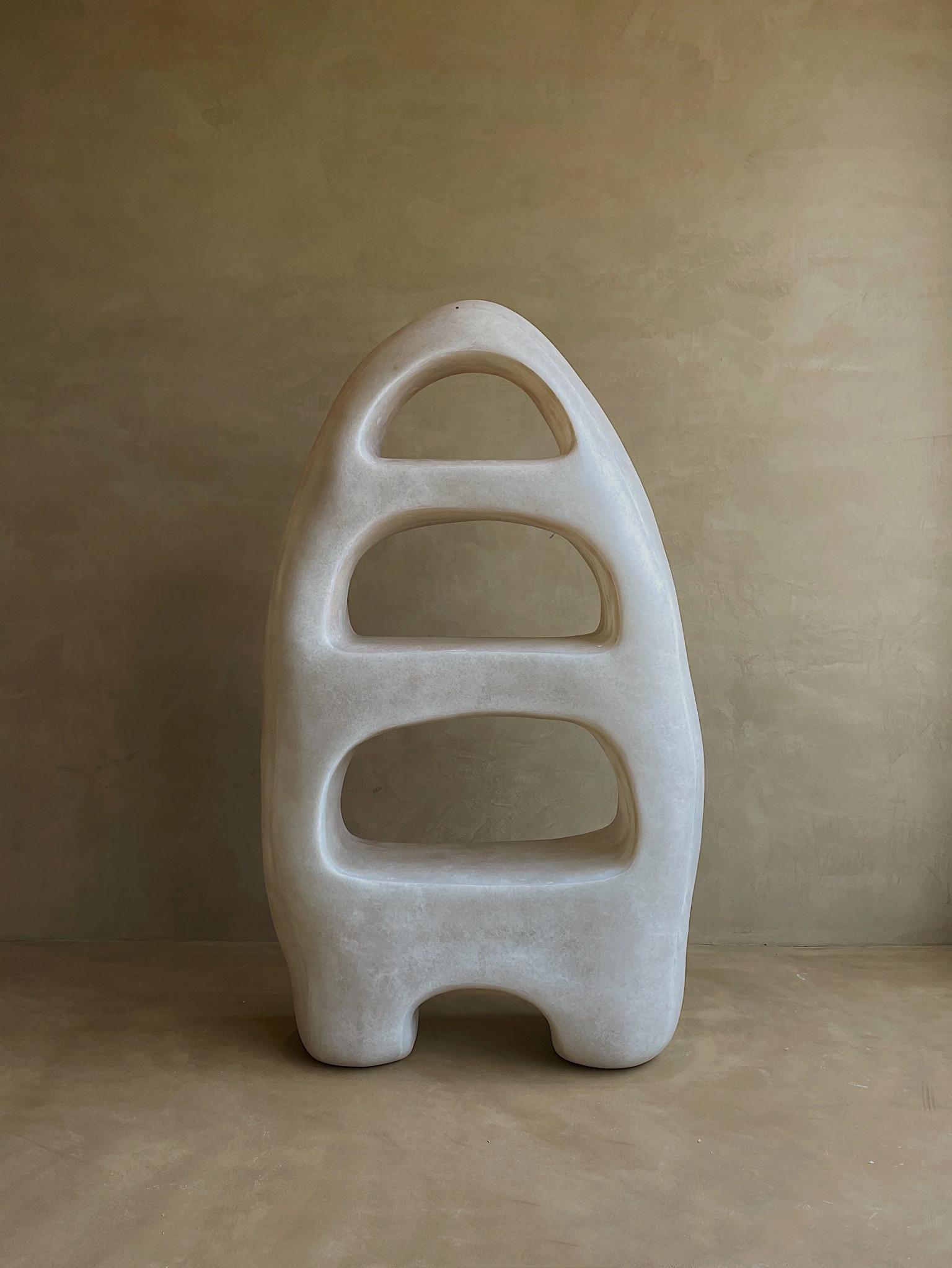
At the heart of KAR's practice is an interest in the relationship between objects and the people who encounter them. A piece of furniture can be useful, but it can also alter the way a room feels, create a moment of visual tension or encourage us to look more closely at something we might otherwise take for granted. This is where design begins to approach art, not by abandoning function, but by allowing function to coexist with emotion, interpretation and discovery.
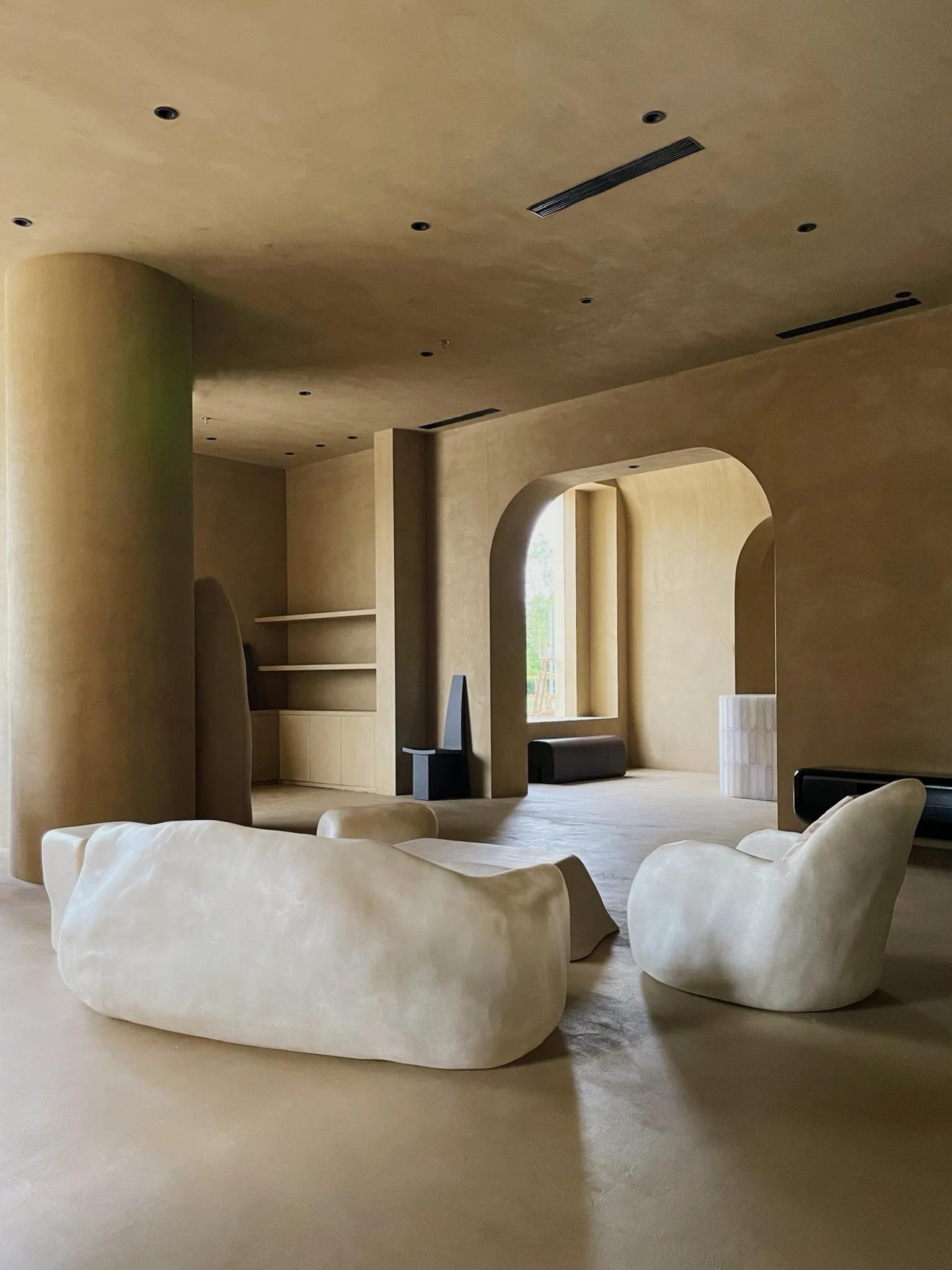

KAR's work invites us to reconsider the everyday object as something open to possibility. In a culture saturated with images and familiar visual references, this willingness to question conventions offers a different kind of engagement with design, one grounded in curiosity and the freedom to imagine what an object might become.