
Takahashi Ippei Office
Kawatani House
- ArchitectTakahashi Ippei Office
- Photographer© Takahashi Ippei Office
Linda Korndal I have always been fascinated by the Japanese perception of space – the idea that space exists only as “void,” never without its counterpart, mu – mass. I believe this linguistic distinction underpins the uniquely balanced nature of Japanese architecture.

Minimalism and Spatial Clarity
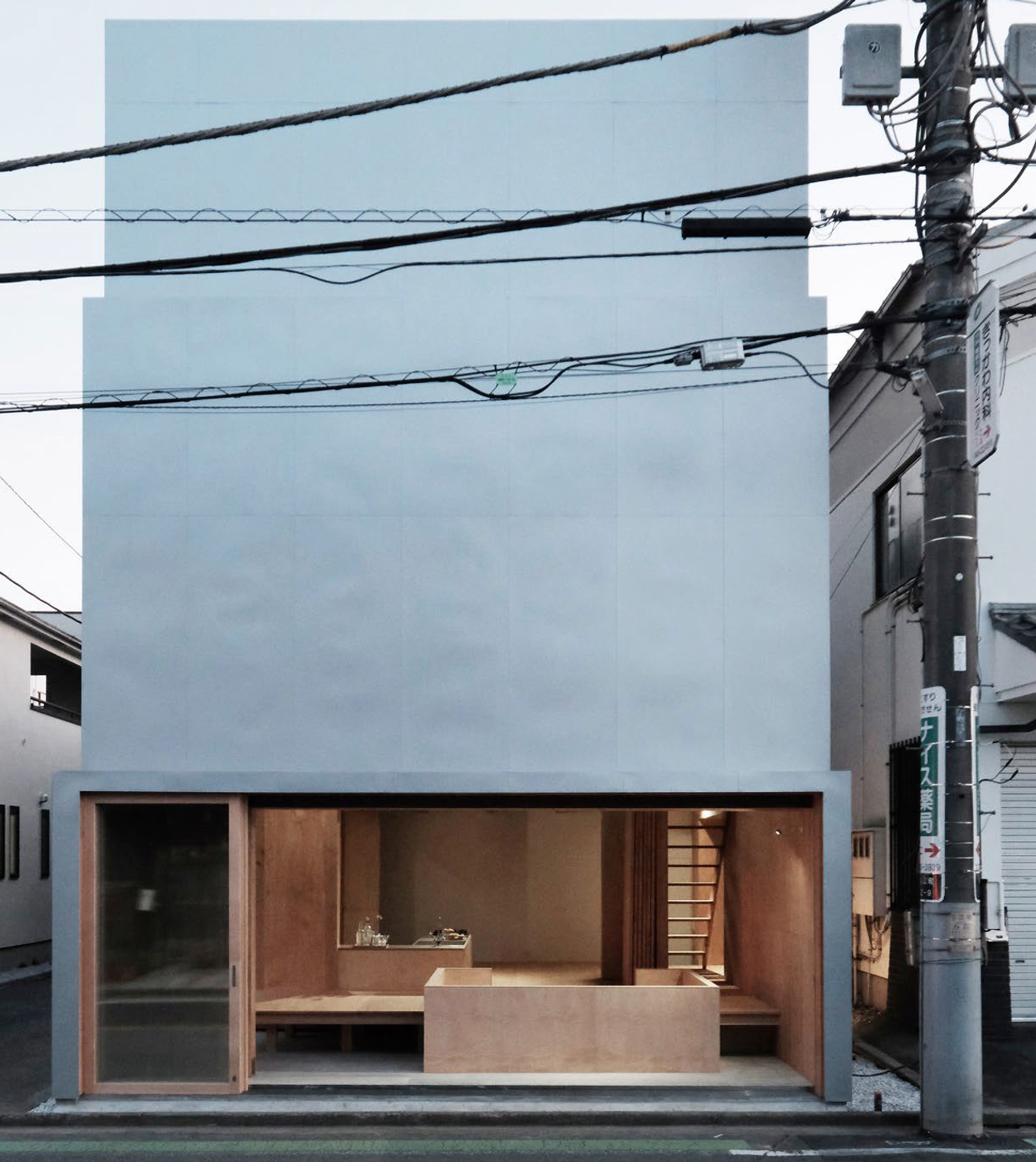
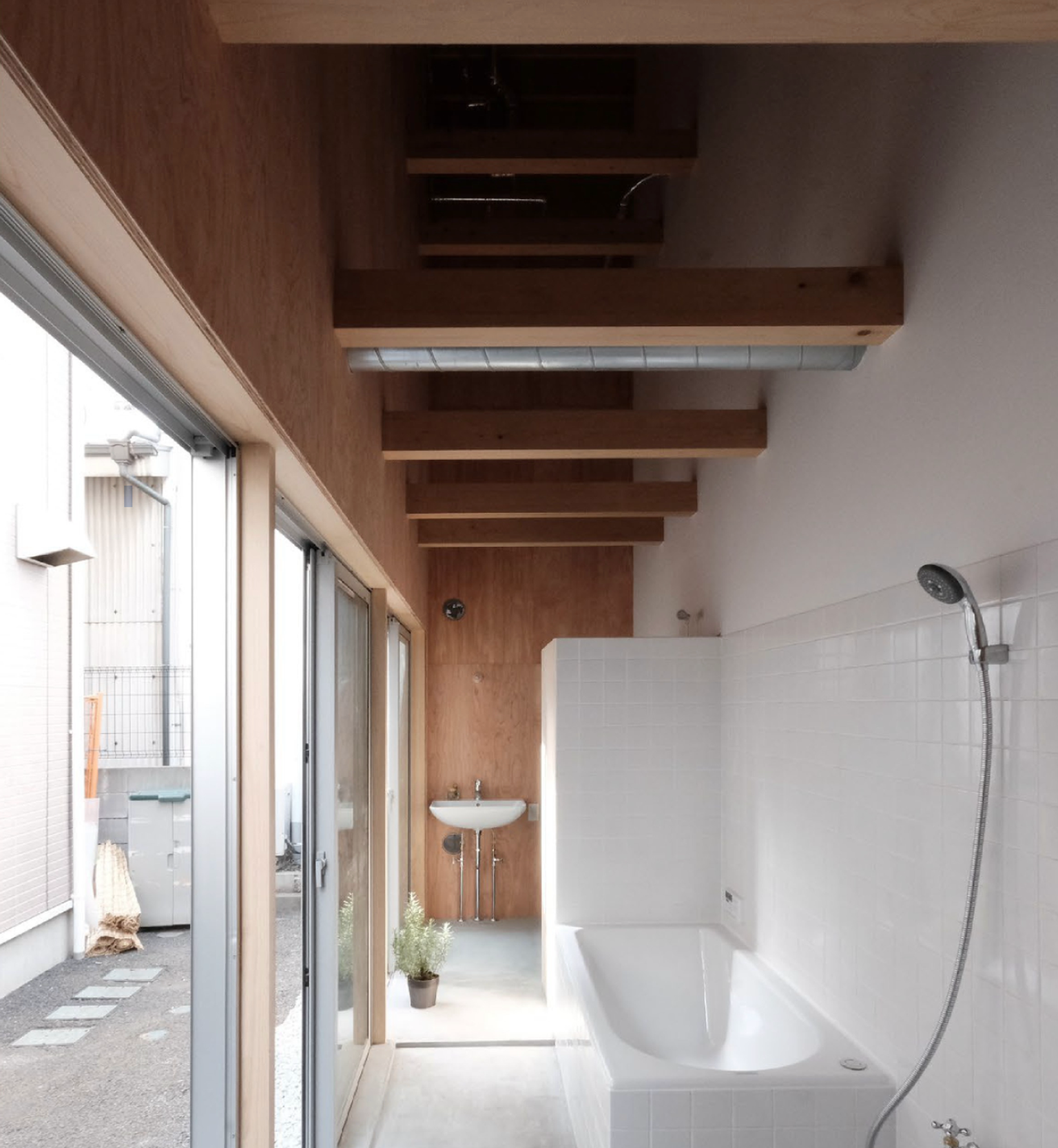
Kawatani House, located in Saitama, Japan, is a striking example of minimalist residential architecture by Takahashi Ippei Office. The exterior presents a plain, understated façade, yet it invites curiosity with its large sliding glazed doors that dissolve the barrier between interior and exterior. The design embraces simplicity and calm, allowing natural light and seasonal shifts to shape the experience of the home. Every detail, from the wooden paneling to the built-in features, is carefully considered to maintain visual consistency and spatial clarity, creating an environment that feels both serene and meticulously curated.

Integration of Traditional and Modern Forms
The residence draws inspiration from historical Japanese architecture, specifically Edo-period machiya townhouses and Meiji-era mise-gura storehouses. Takahashi Ippei Office studied these typologies, analyzing their spatial logic and materiality, then reinterpreted them through a contemporary lens. Kawatani House respects this heritage by incorporating proportional rhythms, layered volumes, and spatial sequences reminiscent of traditional layouts, while modern materials, sliding partitions, and open-plan strategies transform the home into a functional, contemporary living environment. It is a careful balance of historical memory and current architectural thinking.


Dynamic Interiors and Flexible Living
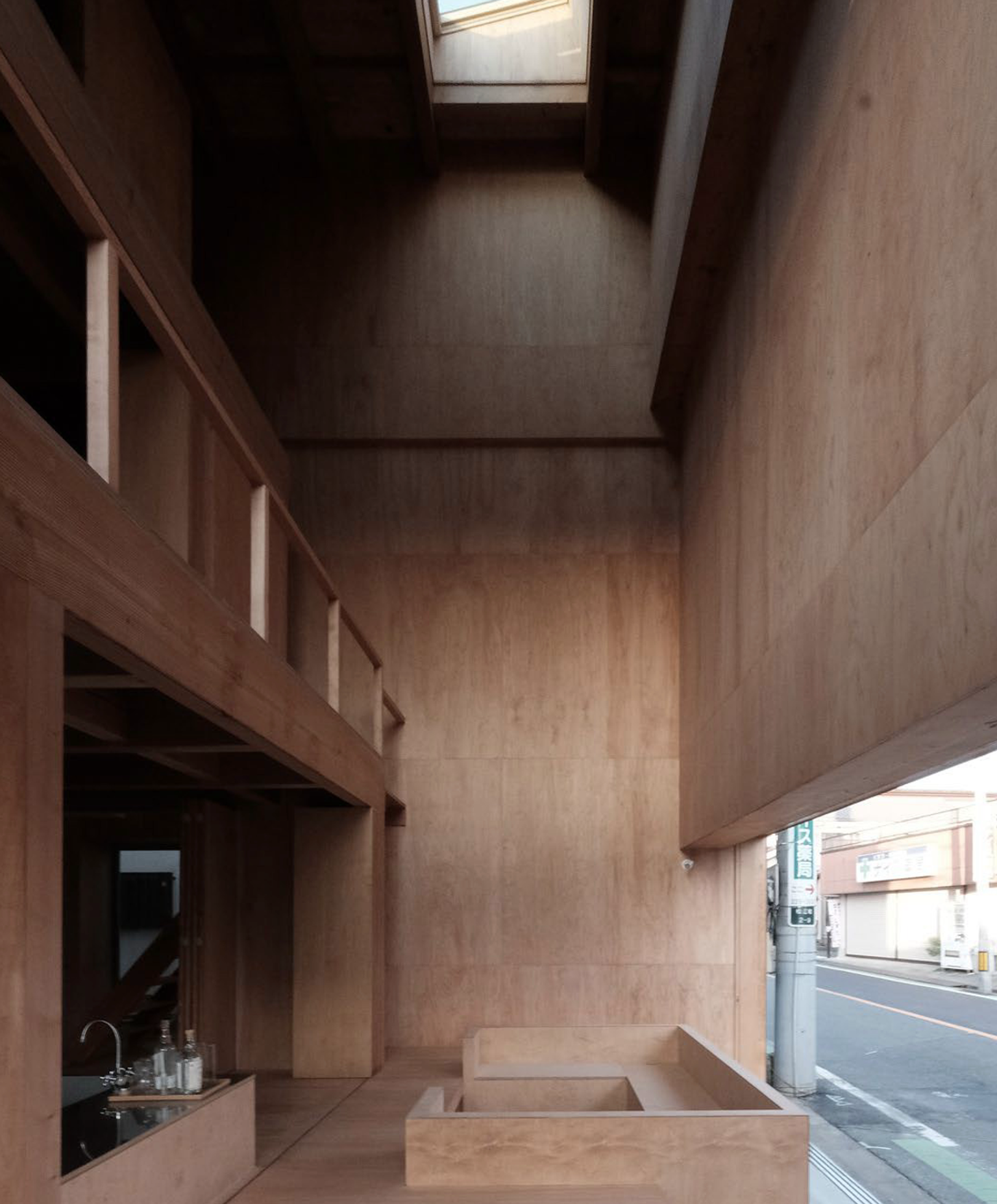
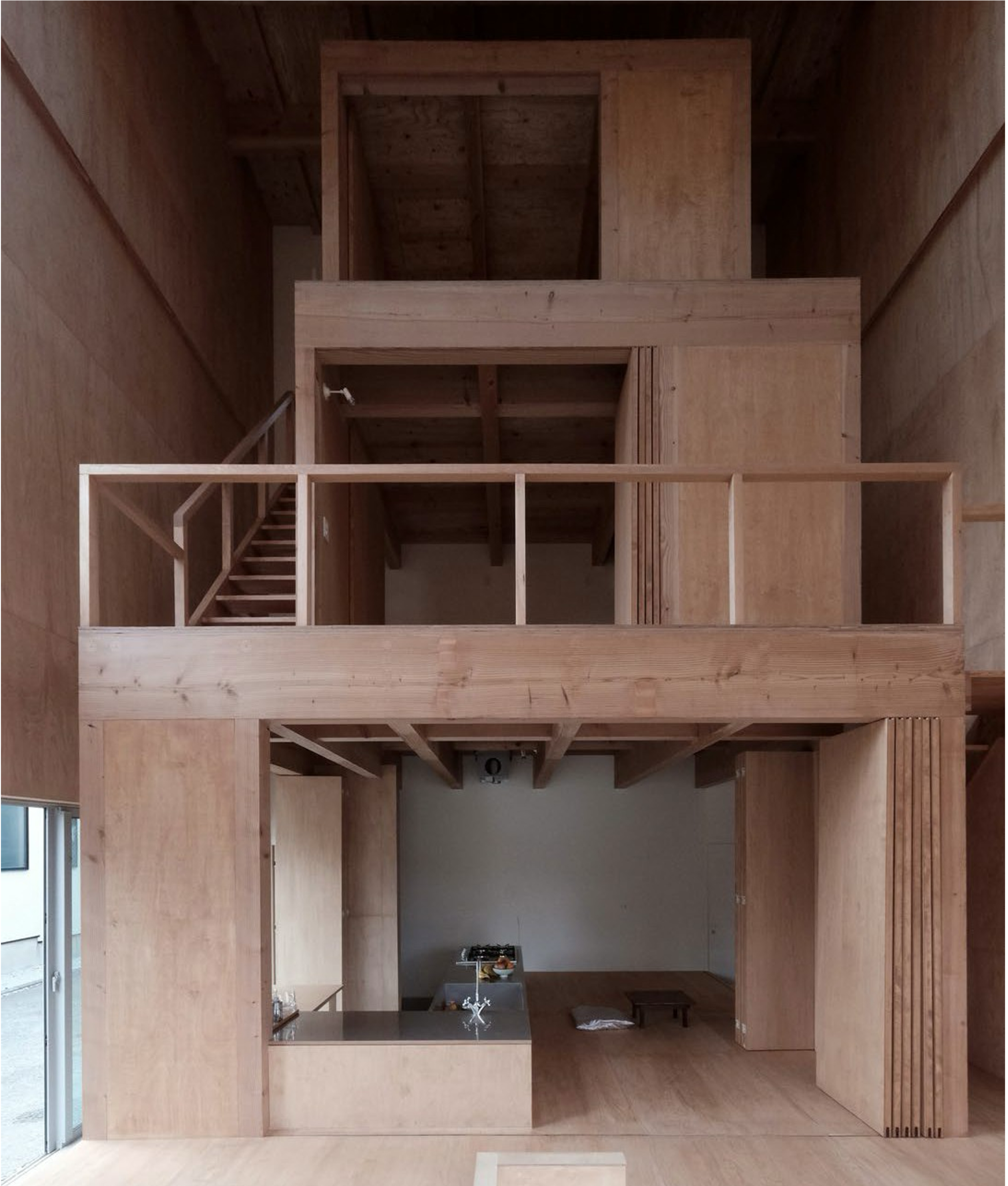
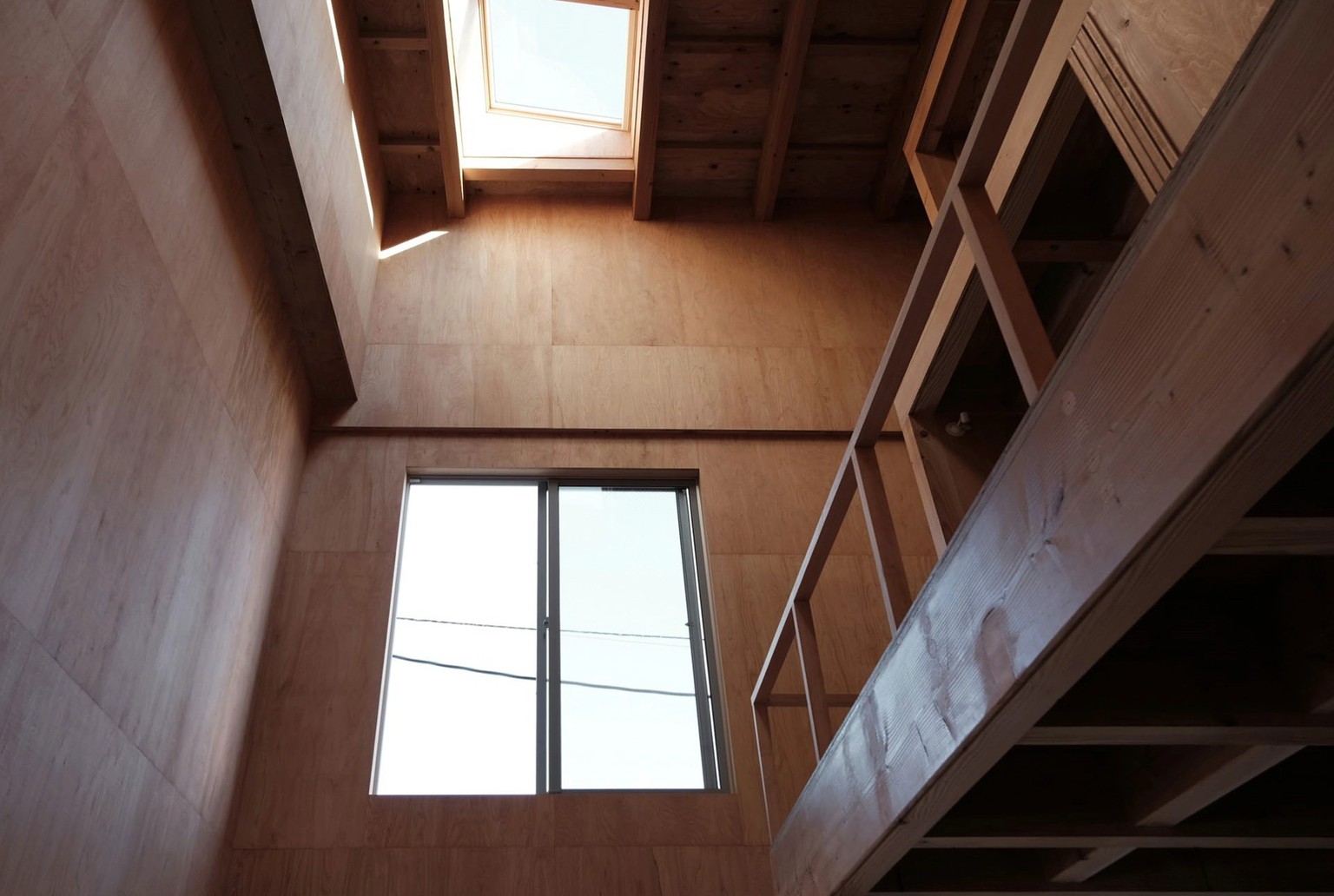
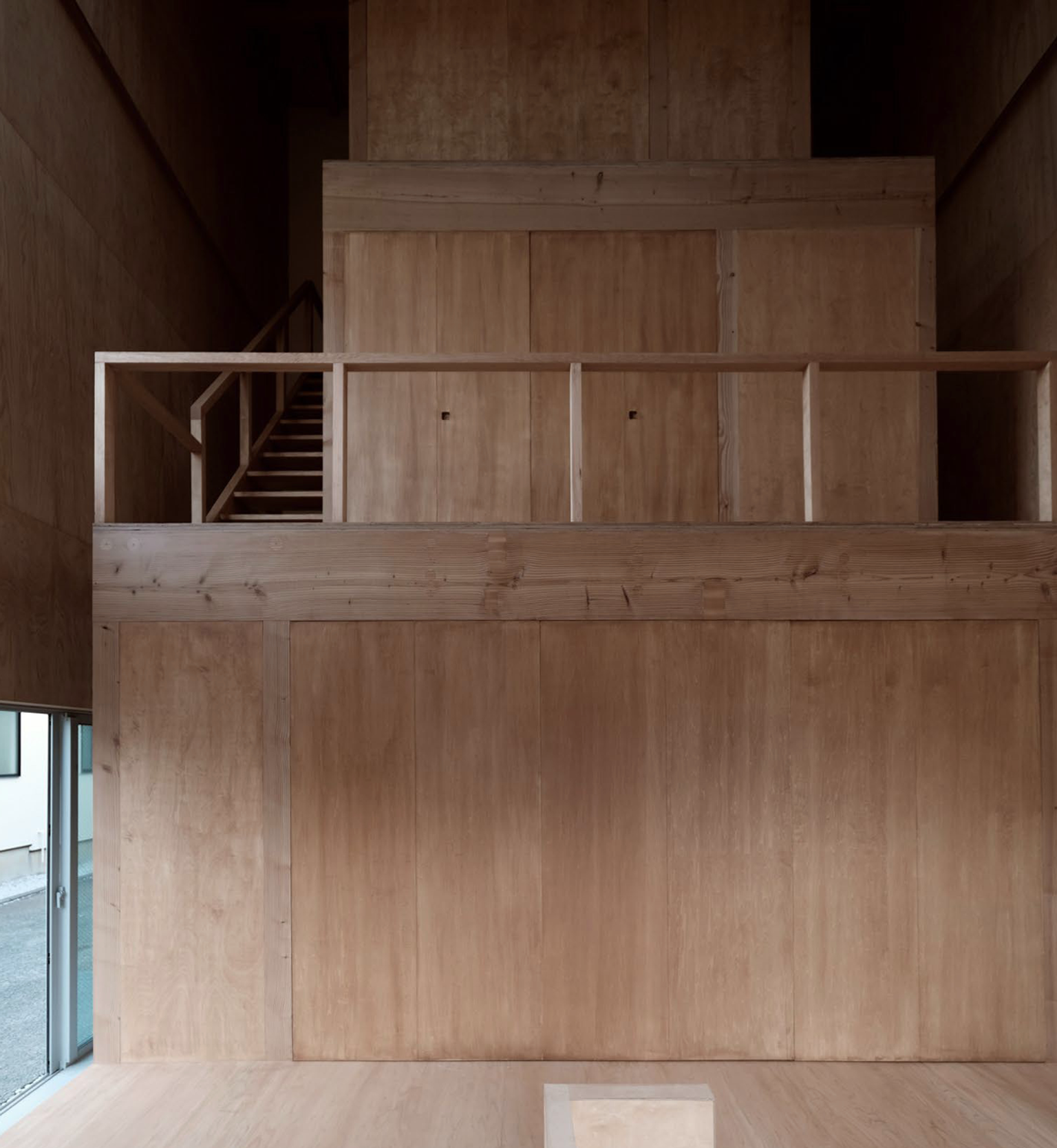
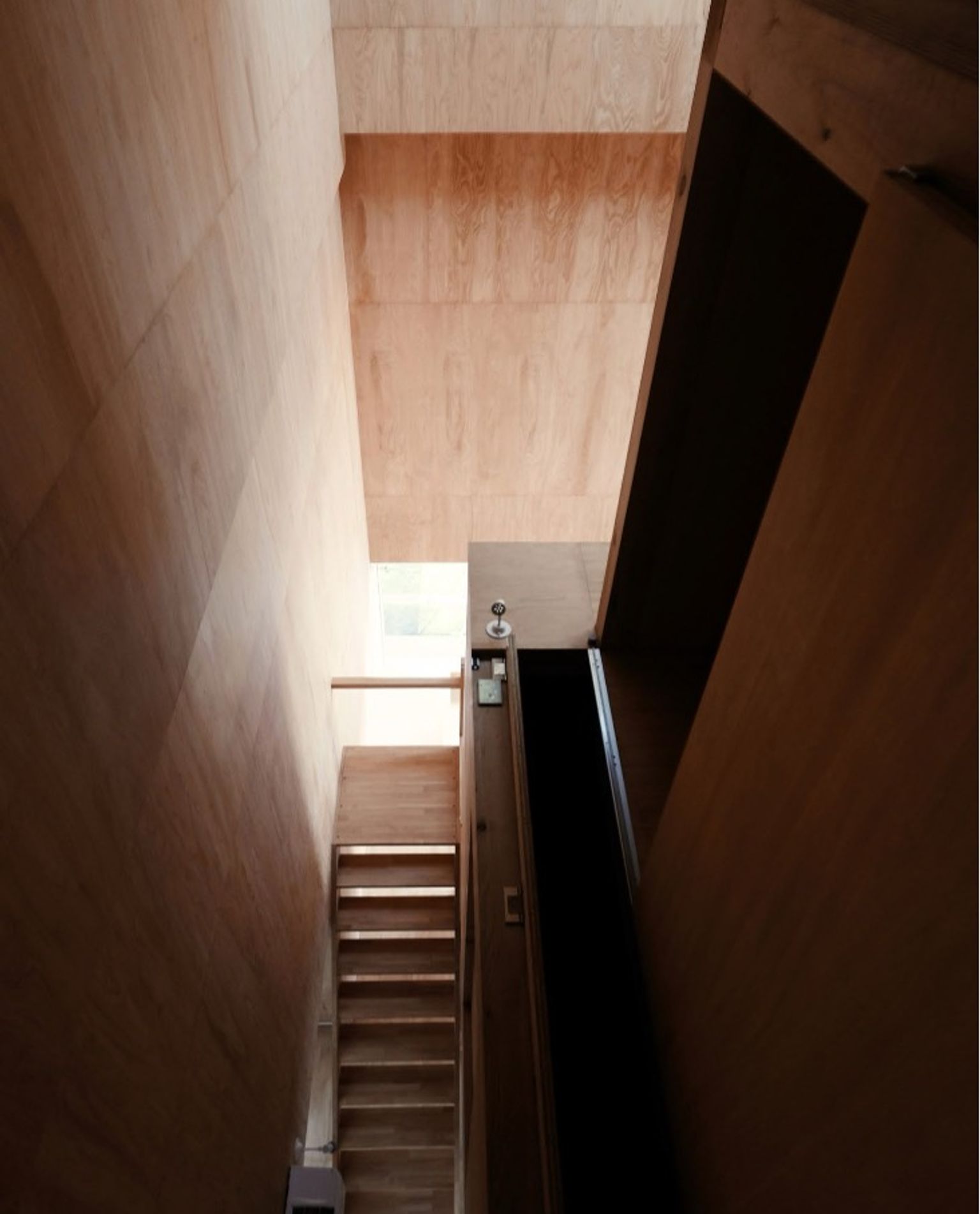
Inside Kawatani House, large wooden panels dominate the interiors, functioning as both structural elements and movable partitions that allow spaces to expand or contract as needed. The staircase, built-ins, and paneling are integrated into a continuous material language, giving the interior a cohesive and tactile quality. Skylights punctuate the ceiling, bringing abundant natural light into every corner and animating the wooden surfaces throughout the day. This approach encourages inhabitants to inhabit the space flexibly, adjusting spatial configurations according to activity, season, or mood, all while maintaining a sense of harmony and visual unity.

Contextual Sensitivity and Cultural Dialogue
Situated near the Harada Family Residence, a city-designated tangible cultural property, Kawatani House engages thoughtfully with its urban and historical context. The project demonstrates Takahashi Ippei Office’s commitment to designing with cultural awareness, linking the home to its surroundings while maintaining its own architectural identity.
The house is not merely a contemporary reinterpretation of traditional forms but a dialogue between eras, materials, and lifestyles. Through careful study, attention to detail, and a flexible approach to interior spaces, Kawatani House stands as a testament to modern Japanese architecture that honors history while embracing contemporary living.