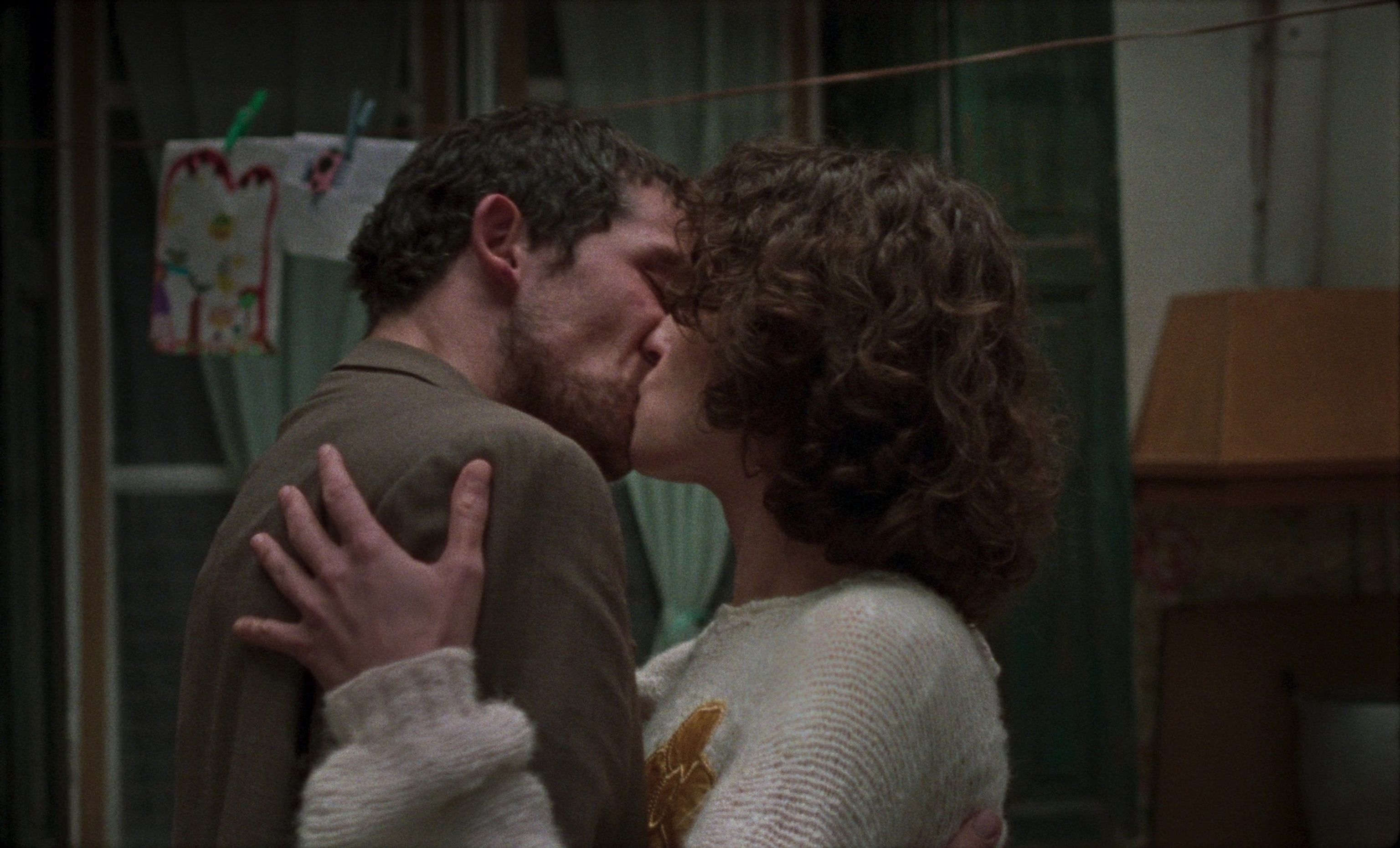
Alice Rohrwacher
La Chimera
- DirectorAlice Rohrwacher
- CinematographerHélène Louvart
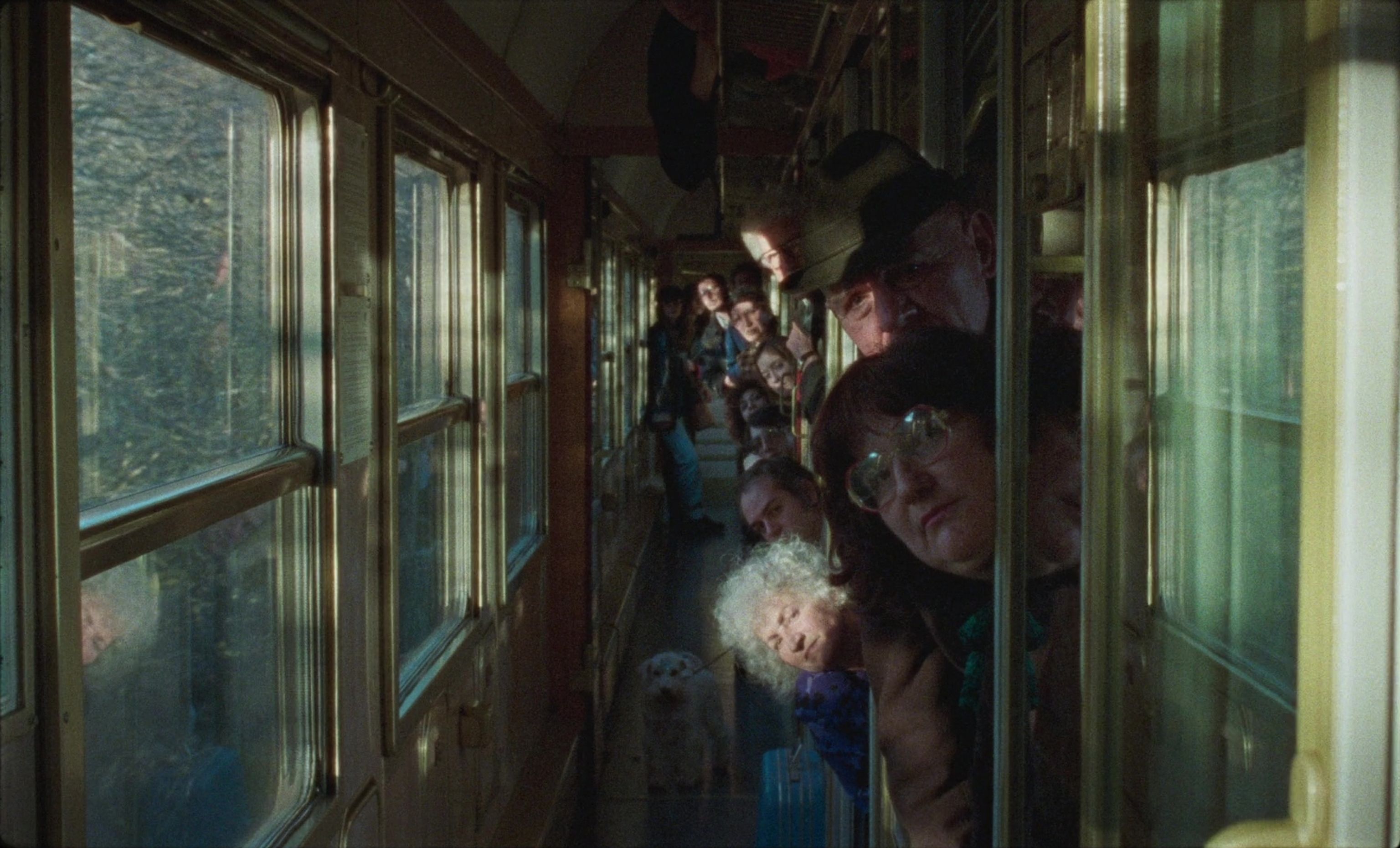
JASON EVANS Alice Rohrwacher’s films give you the same feeling as travelling in the backseat of a car as a child, falling asleep in one place and waking up in another. Just like Arthur in La Chimera's opening scene who is woken from a train-lulled reverie about his lost love, we too are caught in a temporal wilderness.
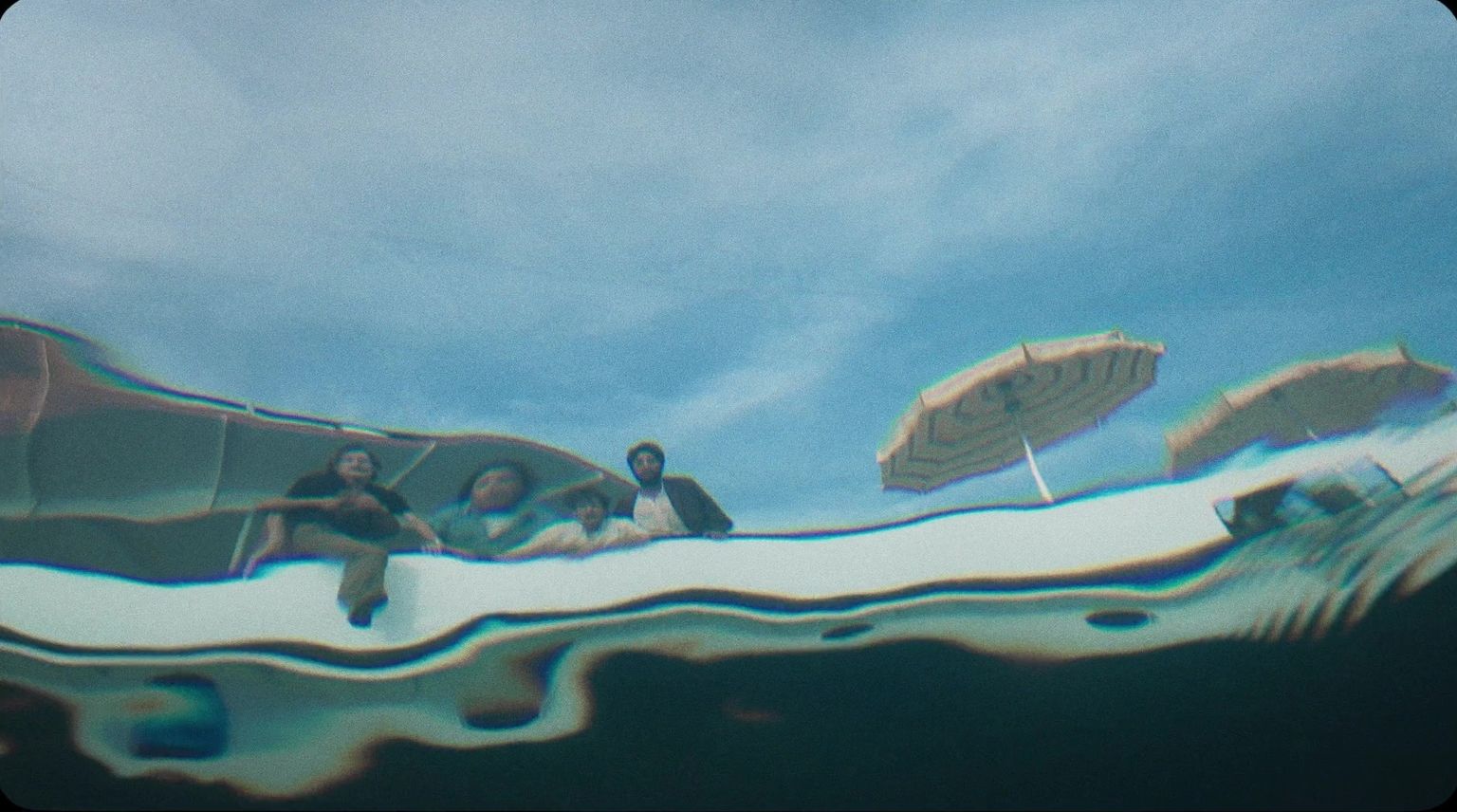

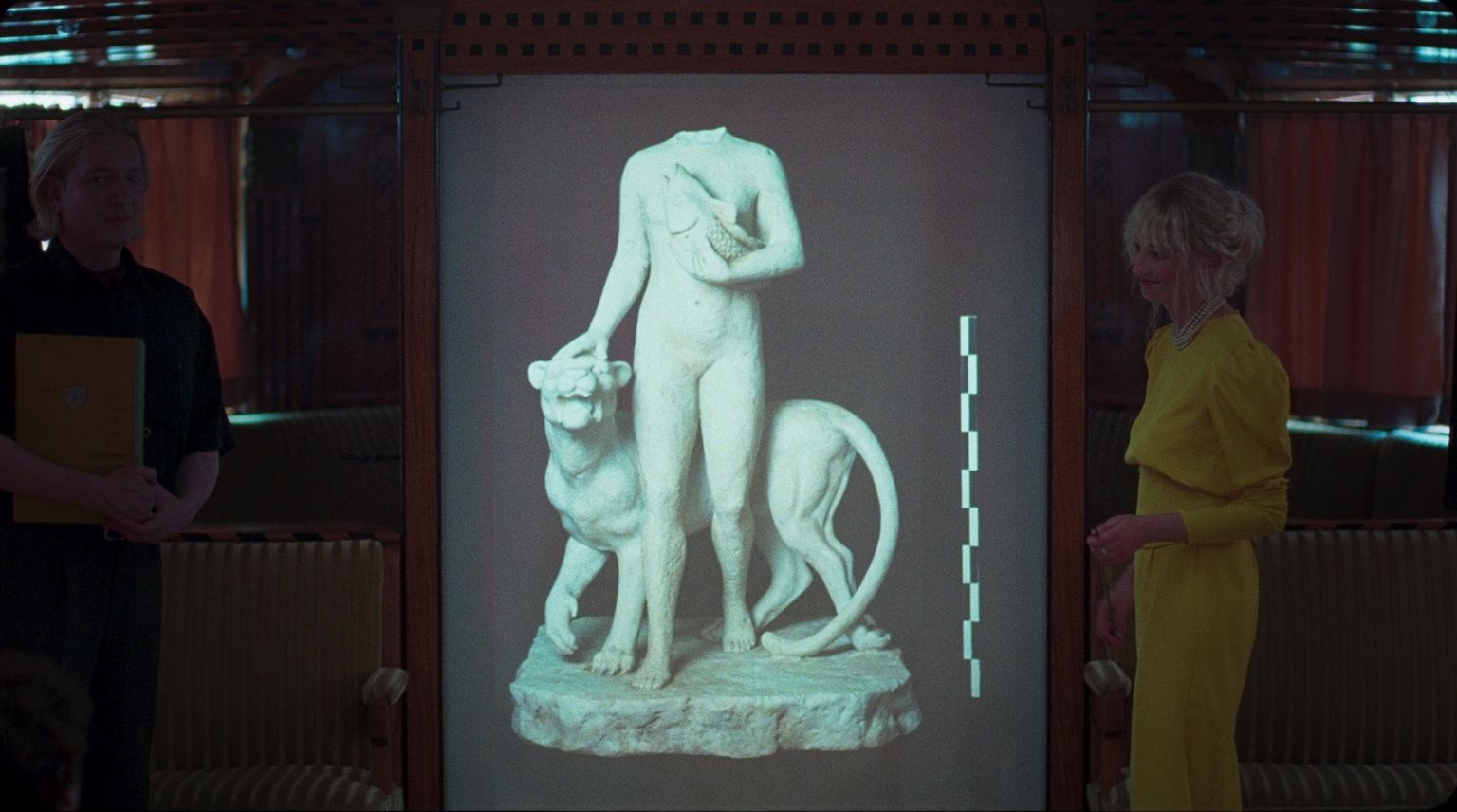

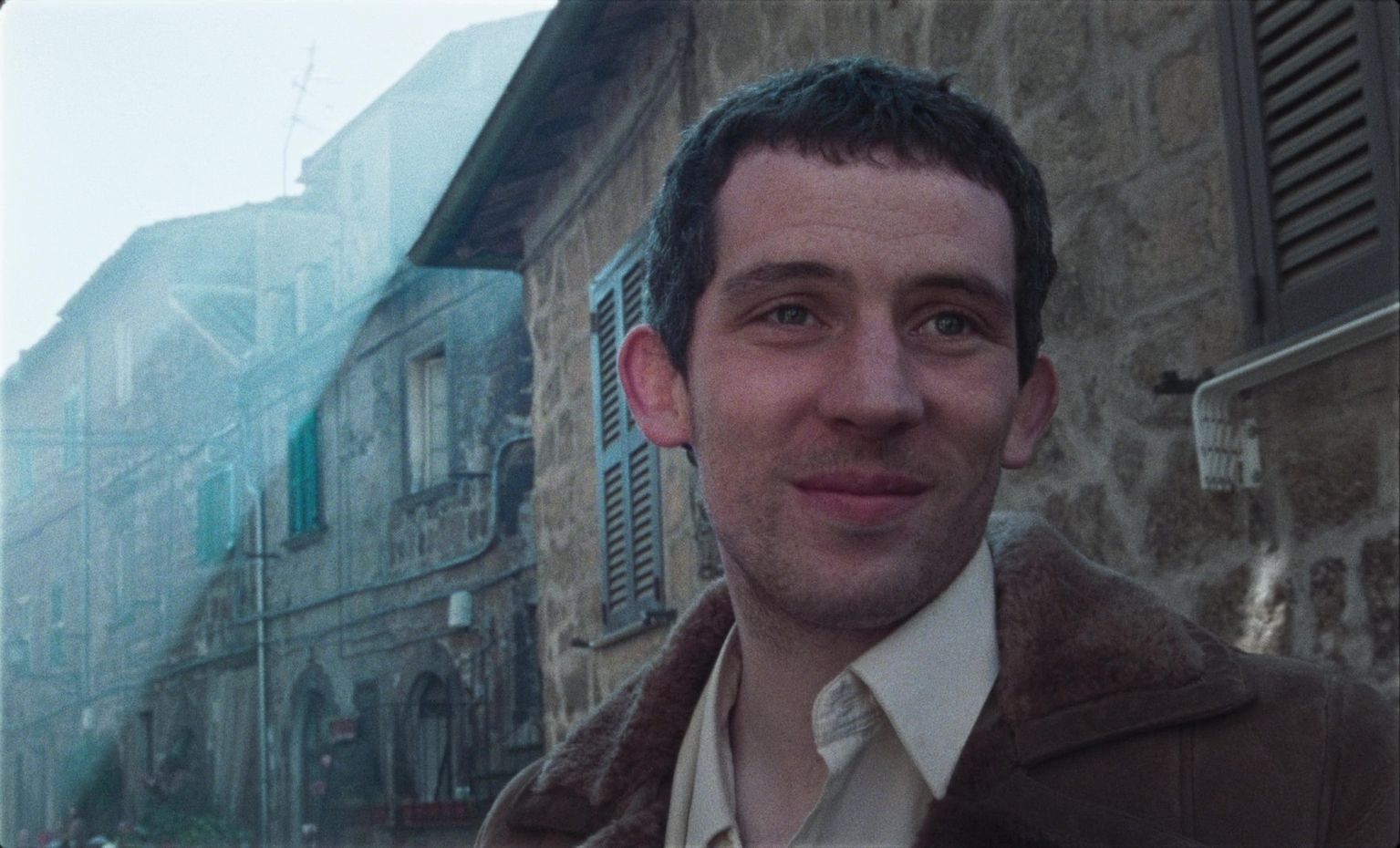

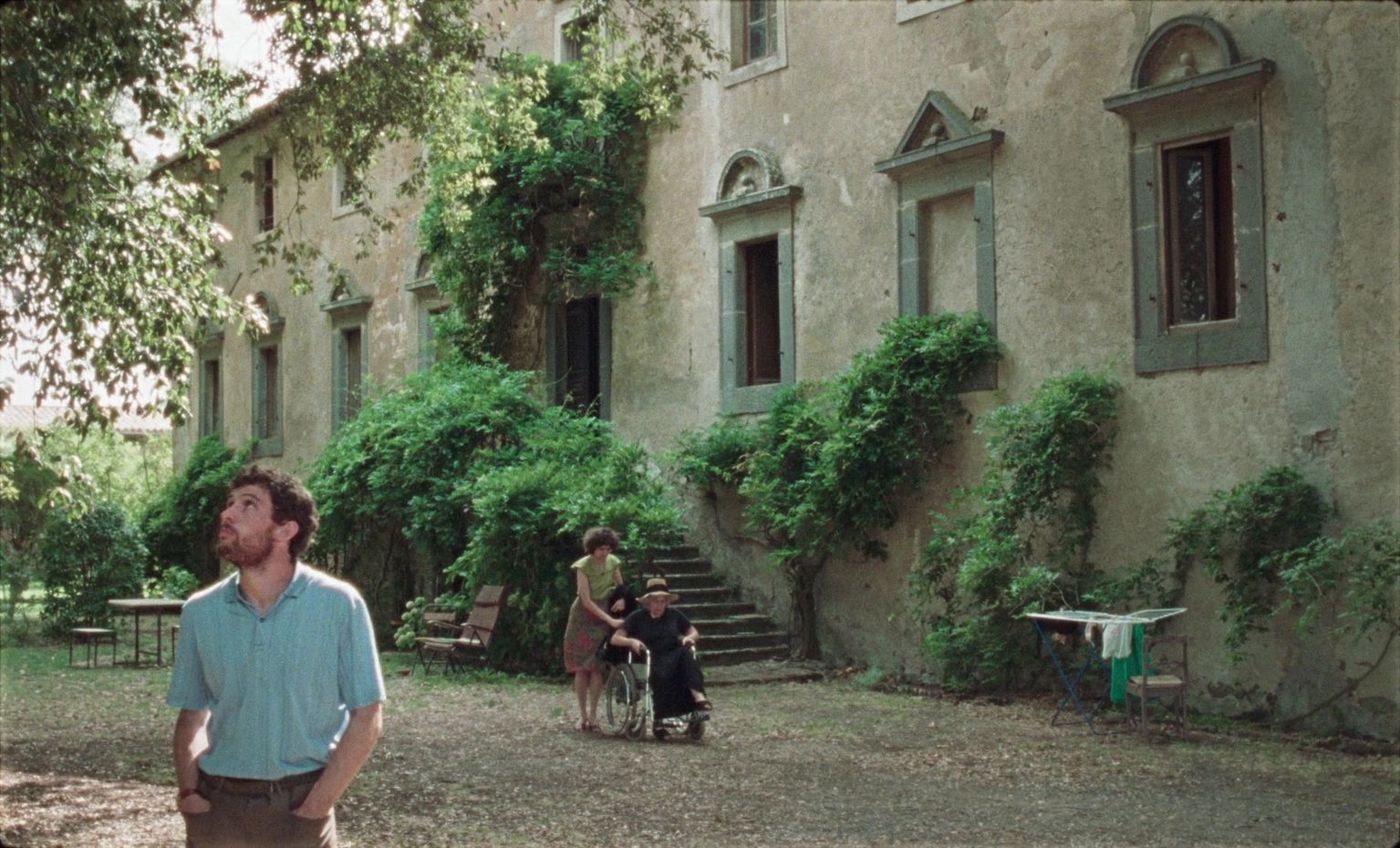

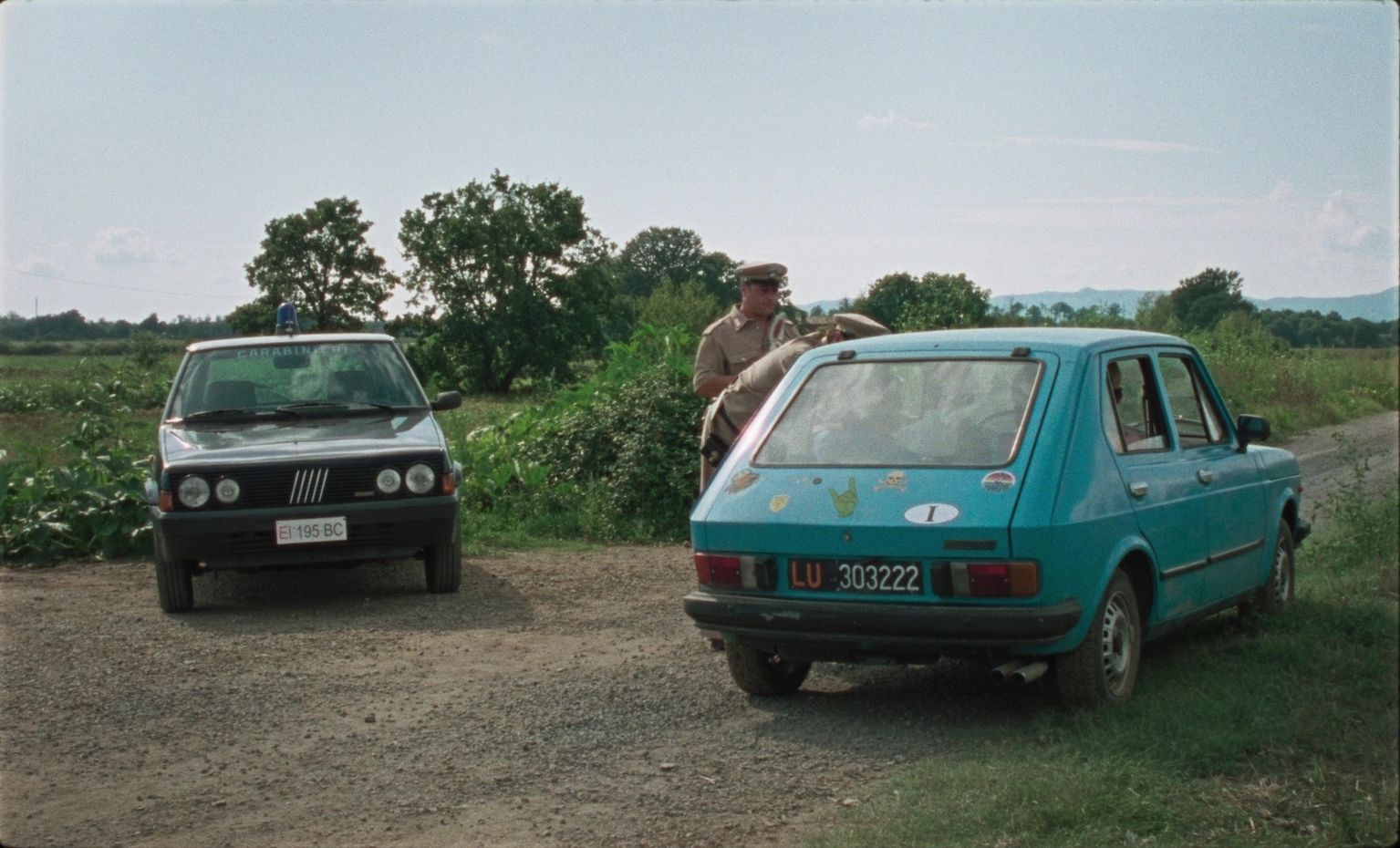

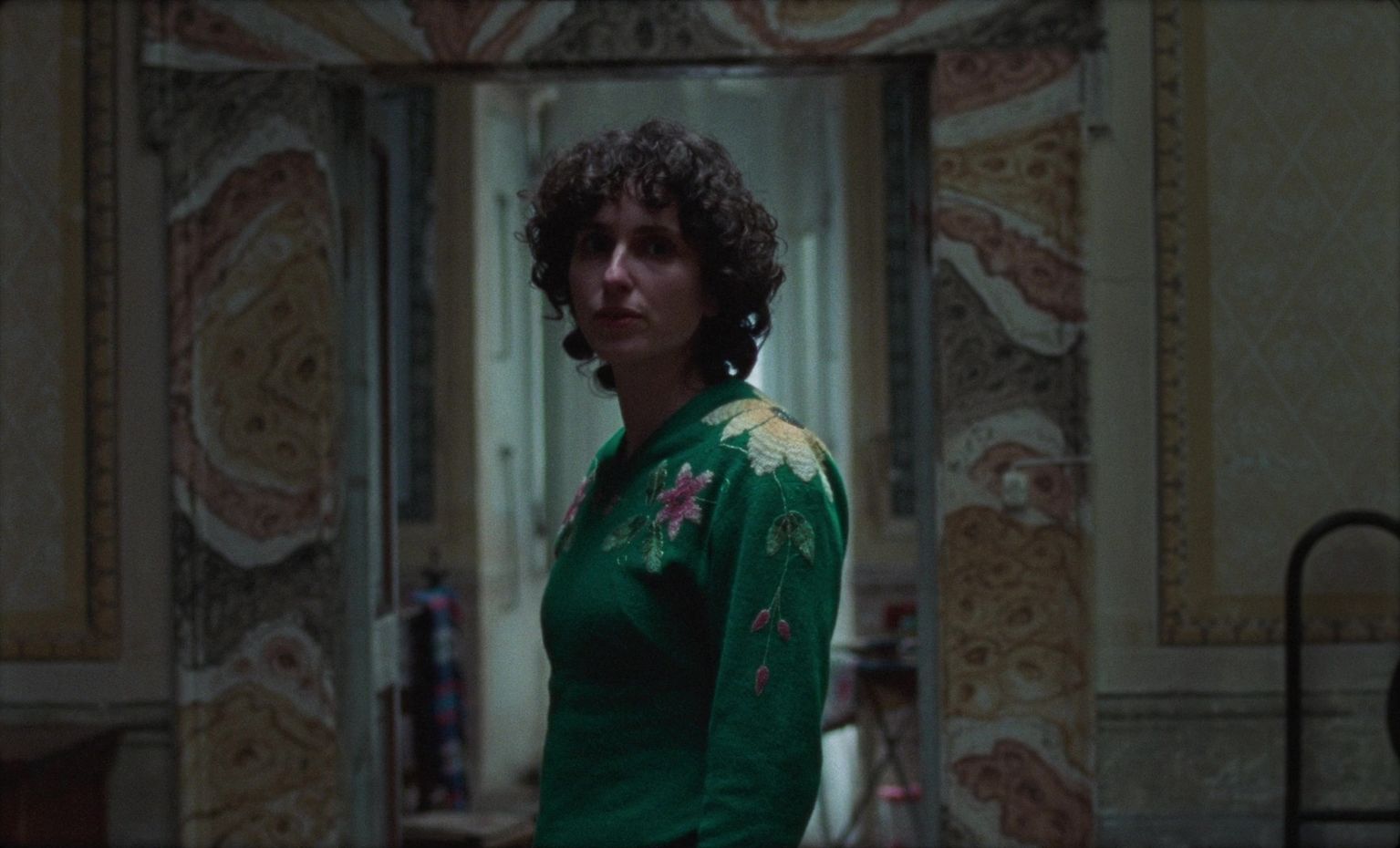

Alice Rohrwacher’s La Chimera
Alice Rohrwacher’s La Chimera unfolds like a waking dream, weightless in movement yet heavy with buried histories. Set among a loose collective of tomb robbers in rural Italy, the film drifts between the living and the dead, treating ancient graves not as sites of horror but as intimate extensions of everyday life. As with much of Rohrwacher’s work, narrative is secondary to tone: a delicate balance of melancholy, playfulness, and quiet haunting.
The tonality
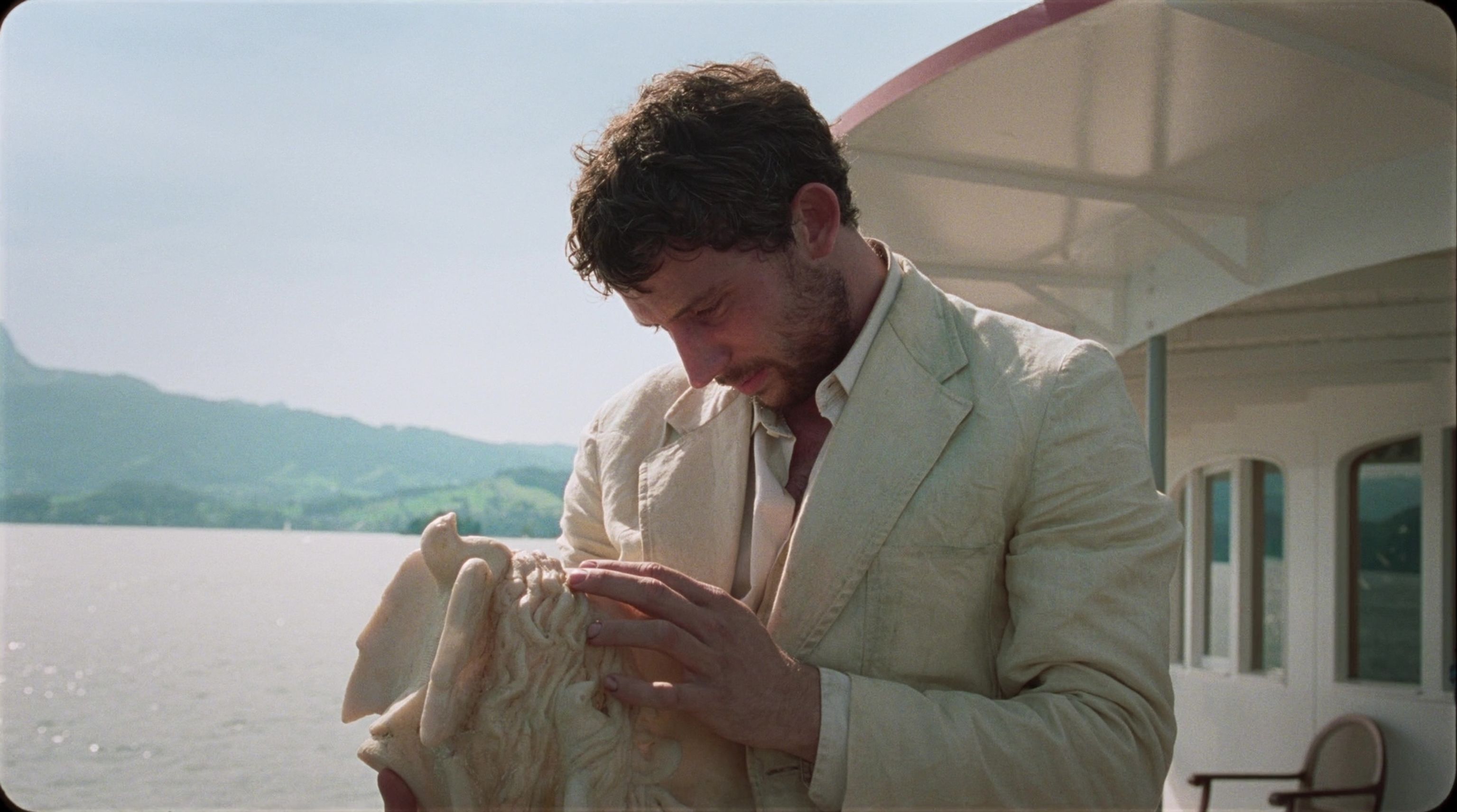
The film’s emotional register is tenderly mournful. There is humor - often gentle, occasionally absurd - but it is inseparable from grief. Arthur, the film’s drifting protagonist, moves through the world as if partially untethered from the present, drawn instead to memory and loss. Death in La Chimera is not an endpoint but a presence: felt in the soil, in the objects unearthed, in the way the past insists on remaining close. Rohrwacher treats ghosts as neighbors rather than specters, collapsing any clear boundary between eras.
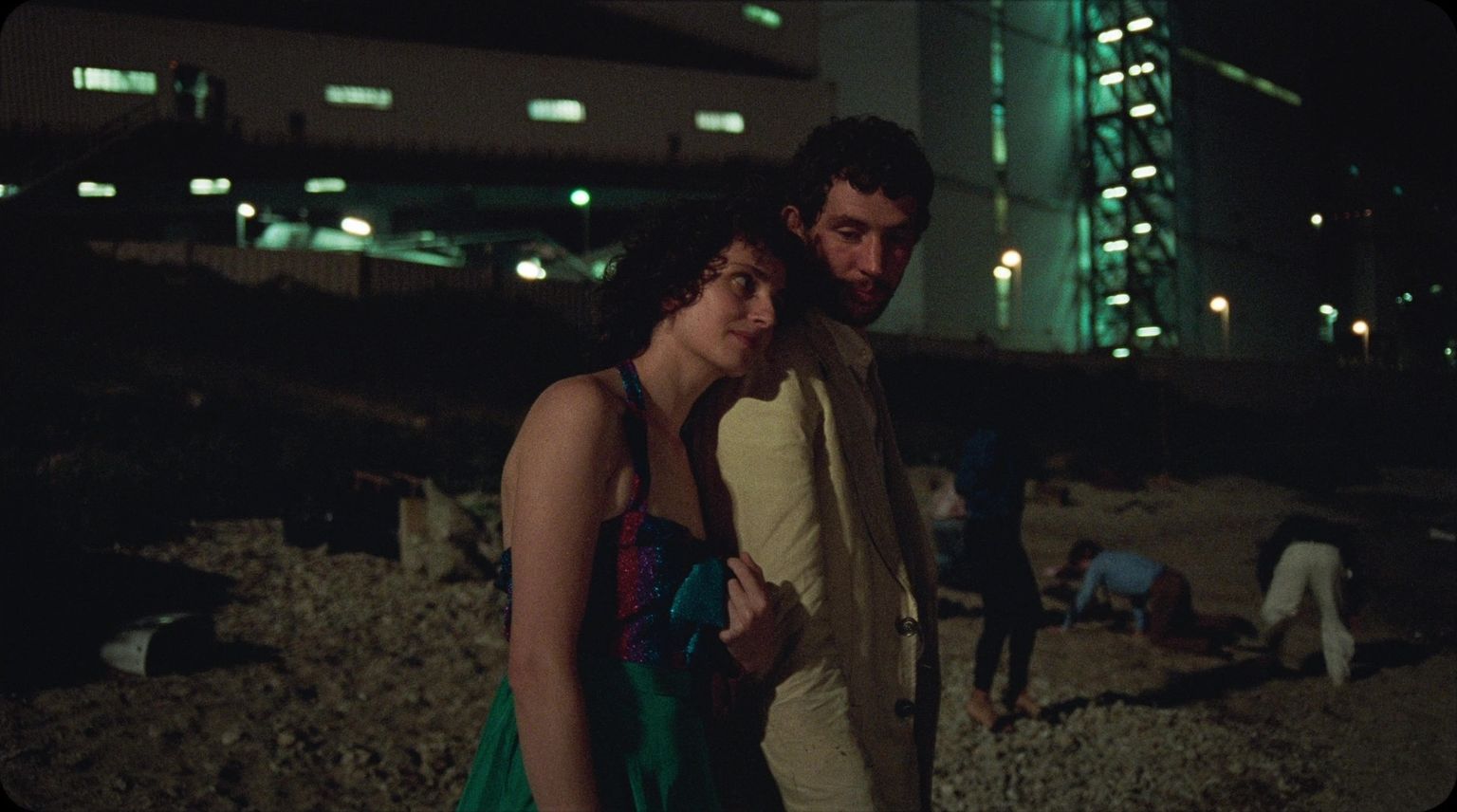

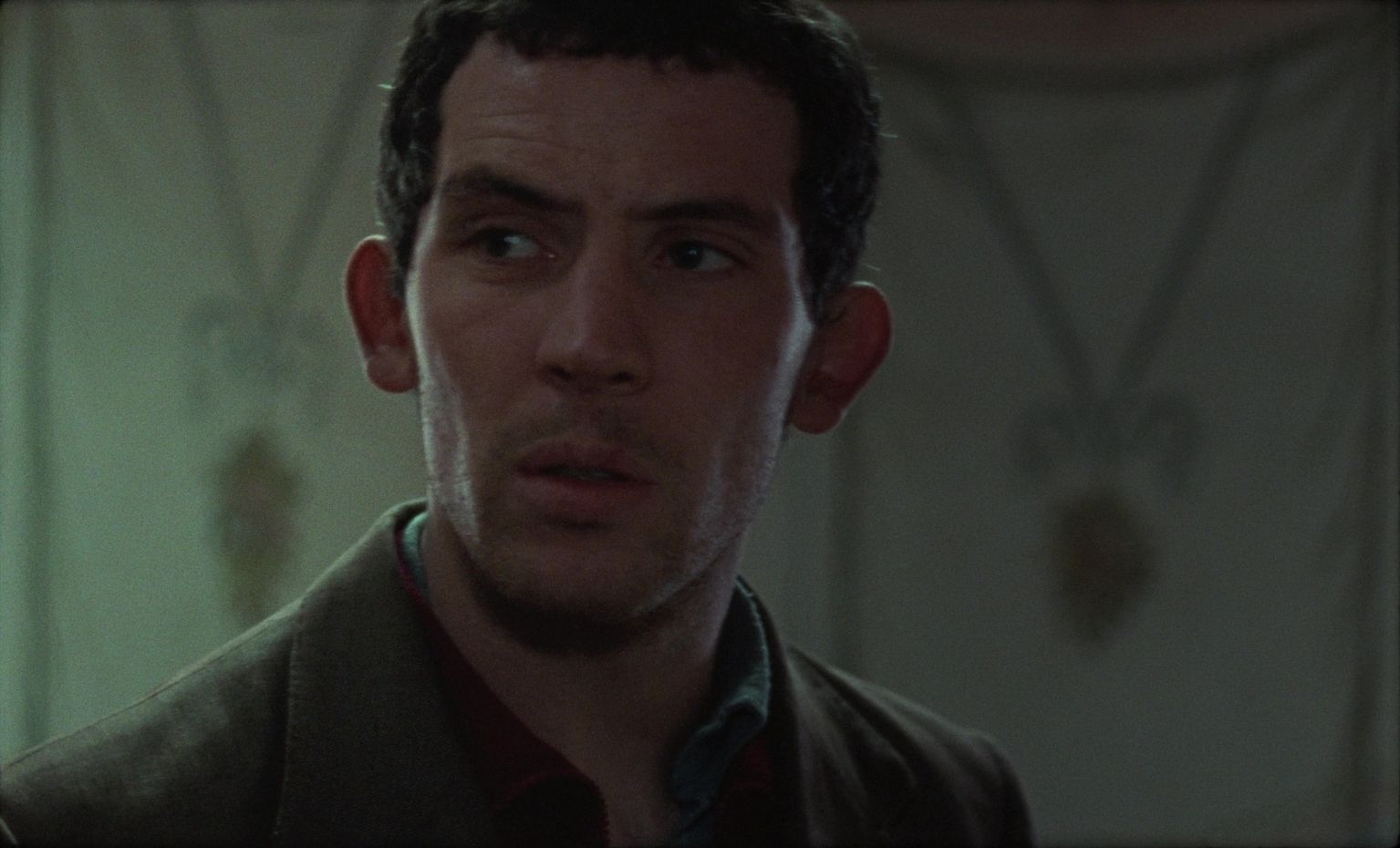

The cinematography
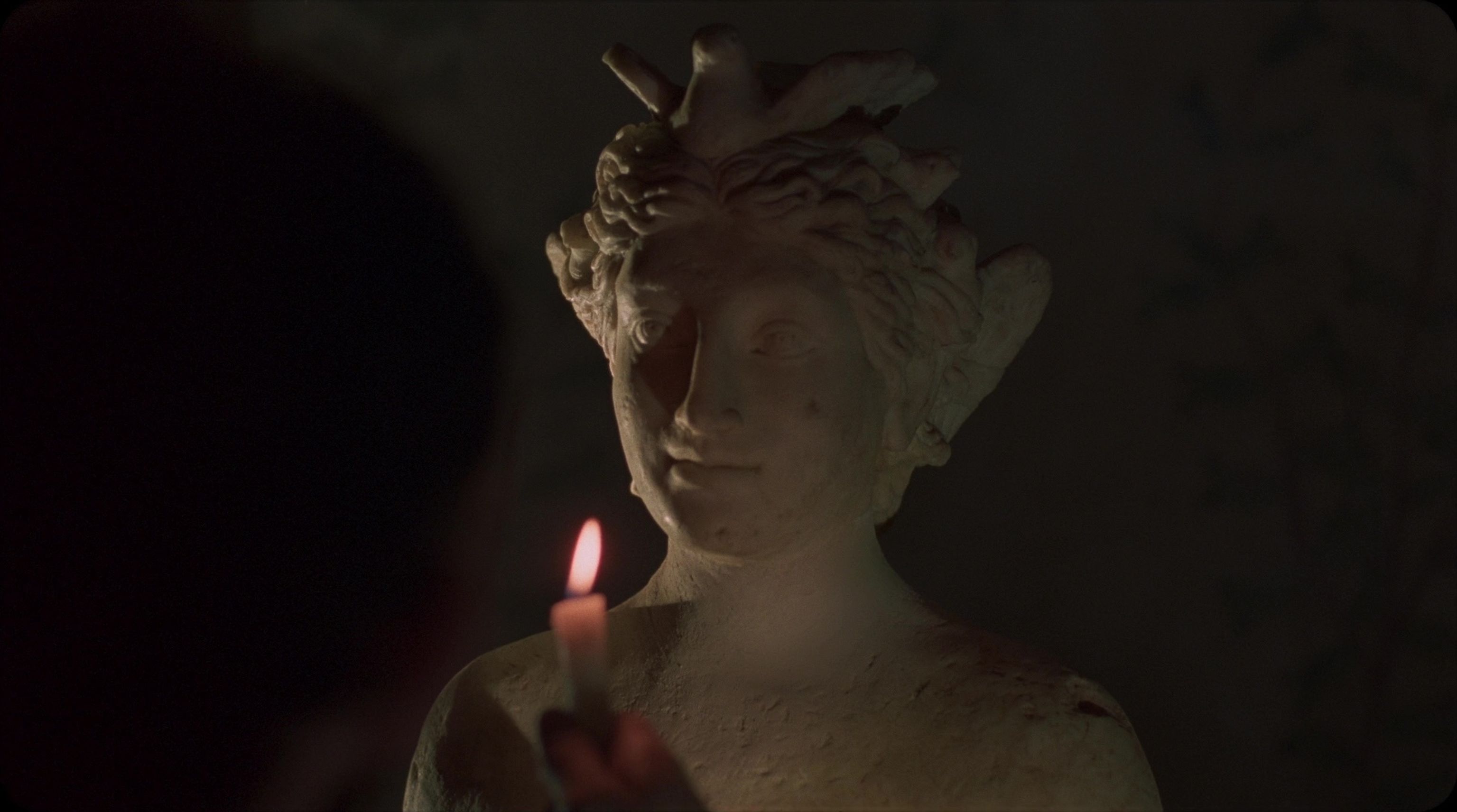
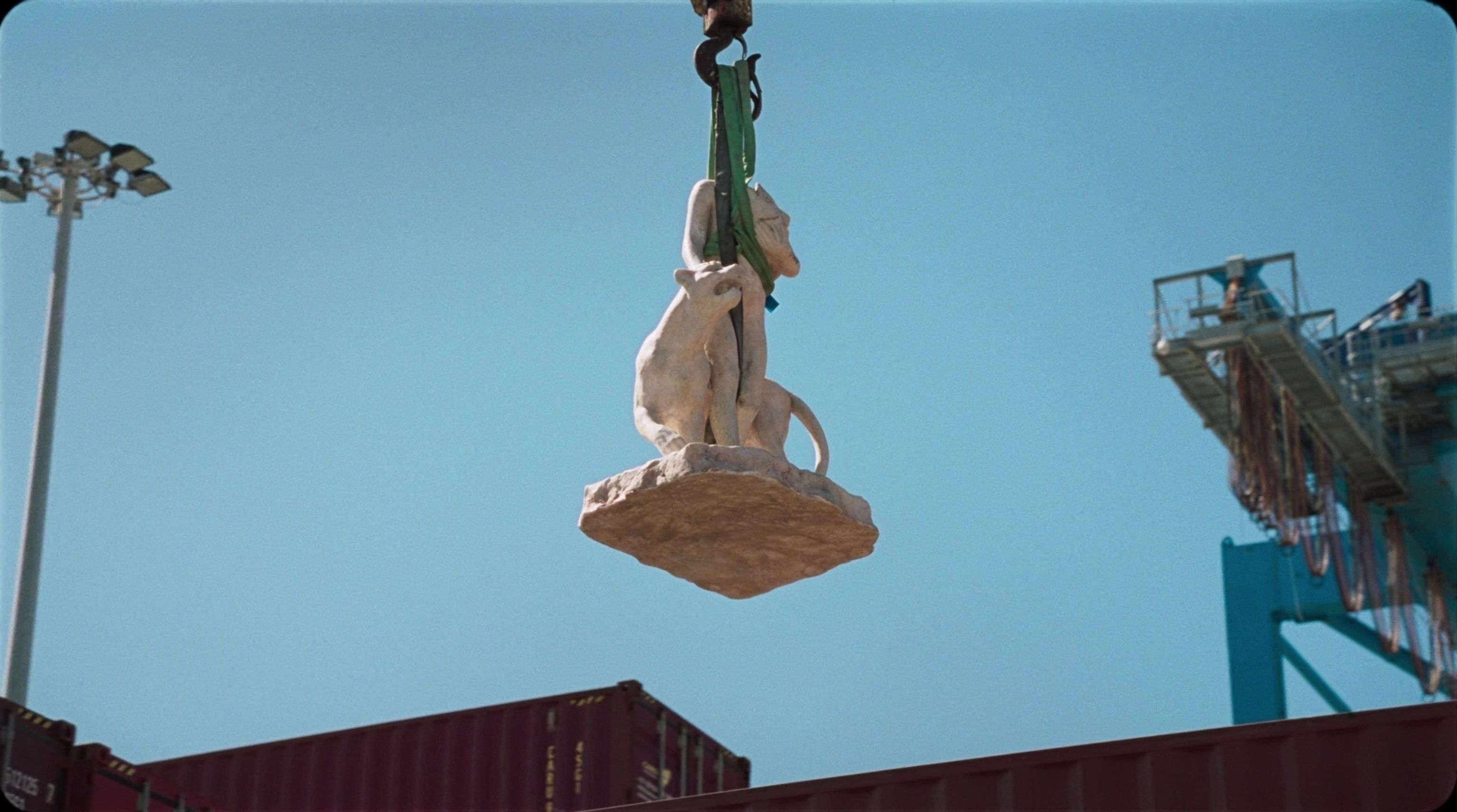
Shot by Hélène Louvart, the cinematography gives the film its tactile soul. Images feel sun-warmed, dusty, and textured, grounded in natural light and earthy tones - ochres, faded greens, soft blues - that echo stone, fabric, and skin. The camera lingers on hands digging, bodies resting, faces caught in thought, privileging touch and proximity over spectacle. Subtle shifts in texture and format suggest memory and myth bleeding into the present, never announced, only sensed.
Longing Without Closure
The rhythm of La Chimera is unhurried and associative. Scenes drift rather than drive forward, guided by emotional logic instead of narrative urgency. This looseness mirrors Arthur’s internal state and reinforces the film’s suspended feeling, as if time itself has thinned. Editing and sound allow silence and gesture to carry weight, creating a mood that feels porous and alive.
At its core, La Chimera is a film about longing - about the inability to let go, and the impulse to dig instead of mourn. Tomb-robbing becomes a metaphor for a deeper refusal of closure: extracting fragments of the past rather than accepting loss. Yet Rohrwacher never judges her characters. She observes them with warmth and curiosity, allowing tenderness and exploitation, beauty and foolishness, to exist side by side.
The film lingers not as a story resolved but as a sensation retained: sunlight on ancient ground, the awareness of history breathing just beneath the surface, and the quiet understanding that love, once lost, continues to call from below.