Luis Rojo & Nacho Villar
La Mala Familia
- DirectorLuis Rojo & Nacho Villar
Nono Ayuso The exploration of the thin, blurred line between documentary and fiction is truly striking. It feels especially powerful in the way it captures the reality of second-generation young immigrants, shedding light on the complex challenges and contradictions they face.

La Mala Familia
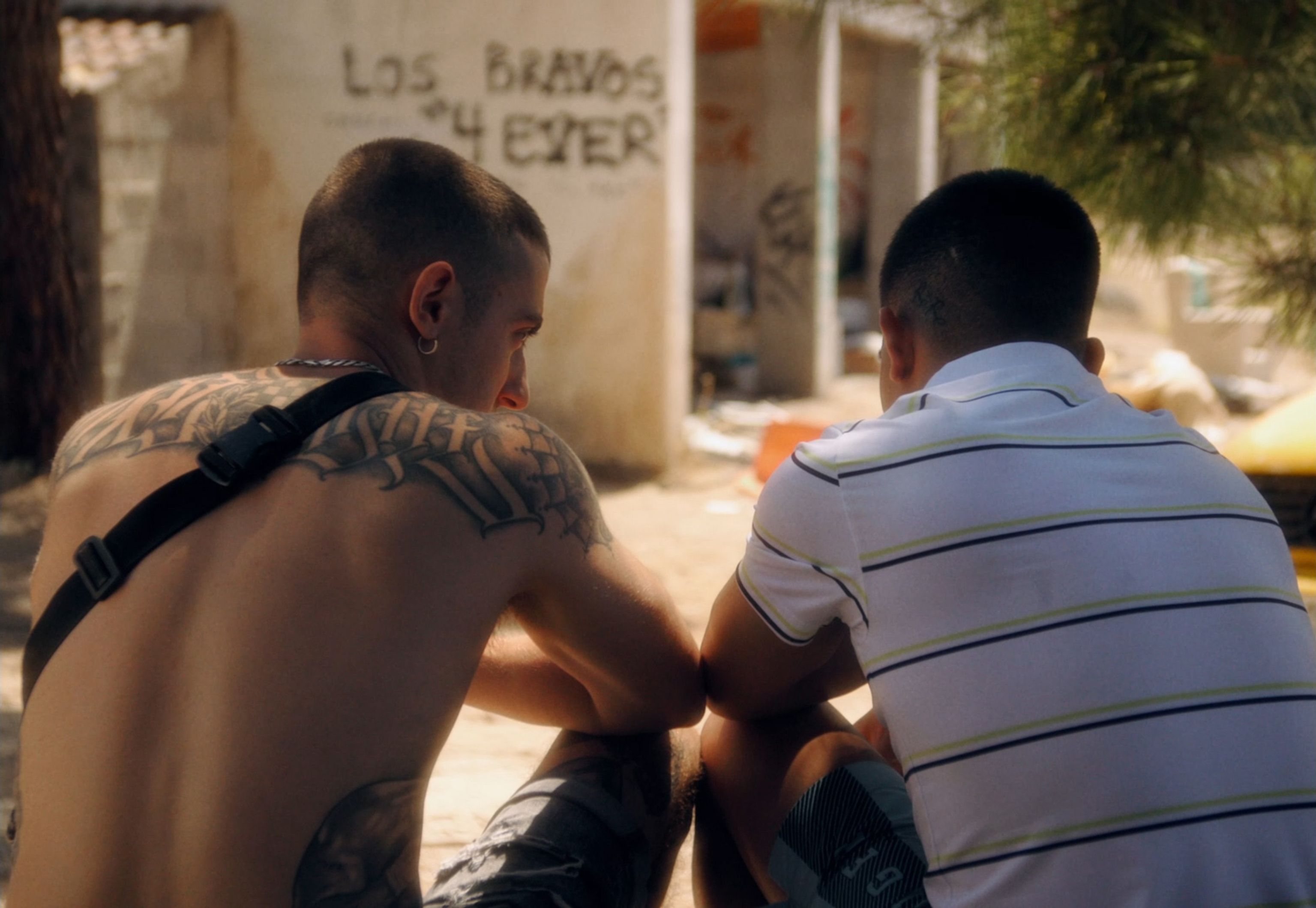
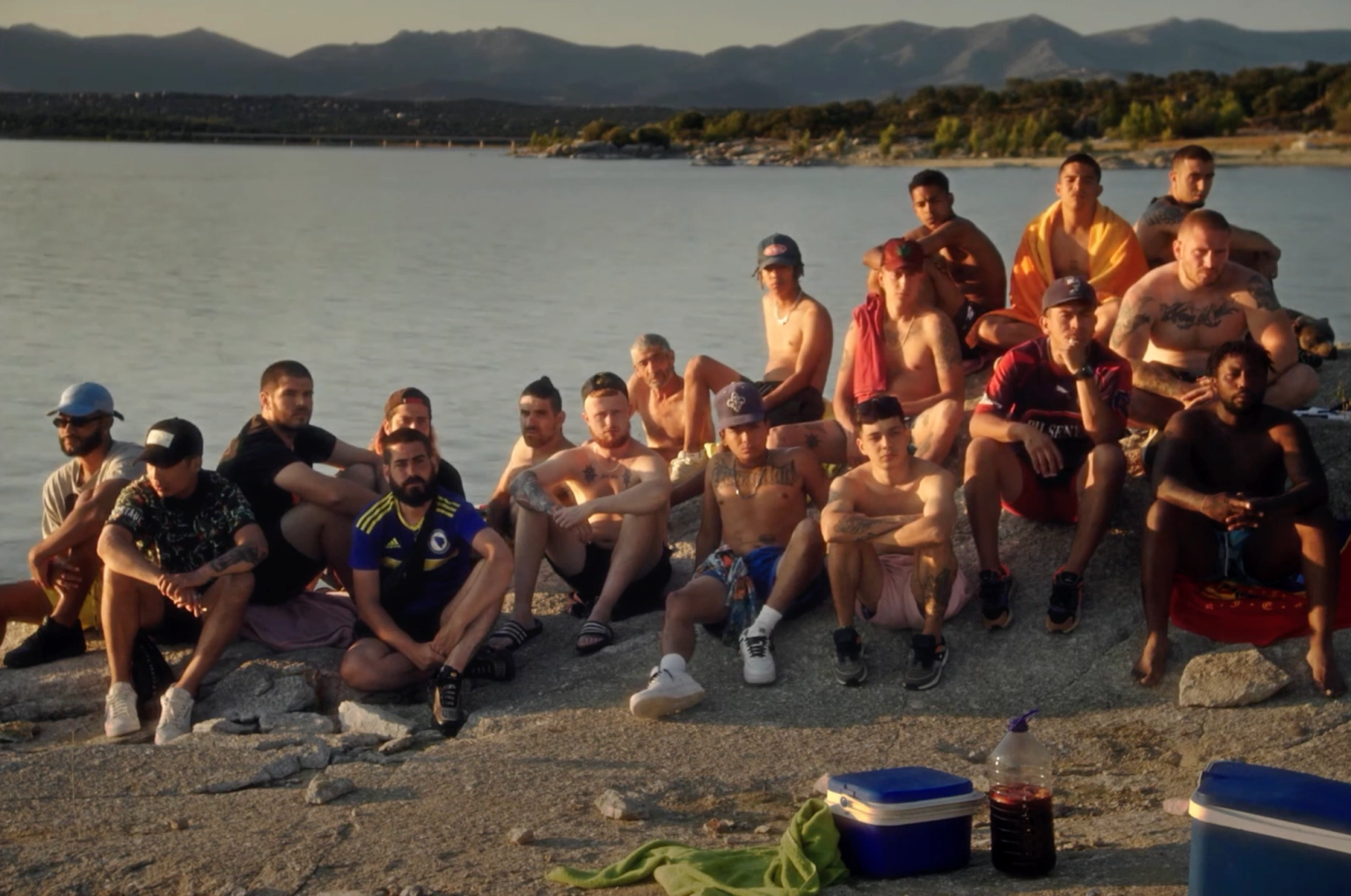
La Mala Familia (2022) is the first feature-length film by Nacho A. Villar and Luis Rojo, working through their Madrid- and London-based collective BRBR. The film unfolds over a single summer day on the outskirts of Madrid. Andresito has just been granted temporary leave from prison, and this fragile moment becomes the pretext for a reunion among a group of friends whose lives were reshaped by a past court case. Together they escape the city for a few hours, arriving at the San Juan reservoir - a luminous, almost dreamlike space where laughter, barbecues, swims, silence, confessions, and fear intertwine.
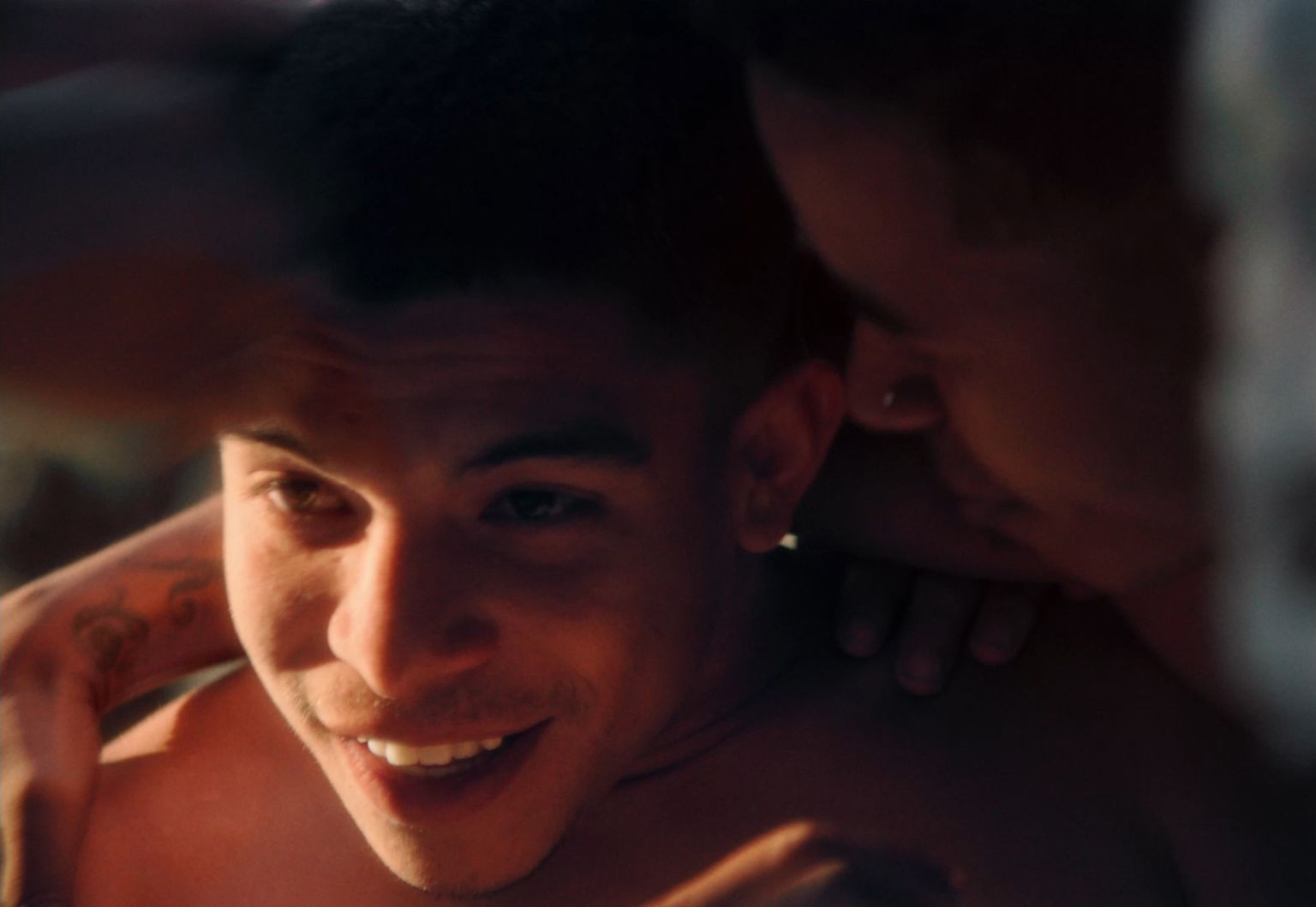
The gathering is tender but tense. Each friend carries the weight of the past: addiction, police stops, the lingering shadow of conviction, and the quiet frustration of being judged by society. Conversations range from jokes to intimate revelations, always grounded in lived experience rather than script. Care circulates in subtle gestures: a hand on a shoulder, shared cigarettes, teasing words. The film captures these invisible threads - the ways a chosen family supports, protects, and sometimes confronts one another - painting a portrait of loyalty and survival in a world that often seems against them.



Cinematography
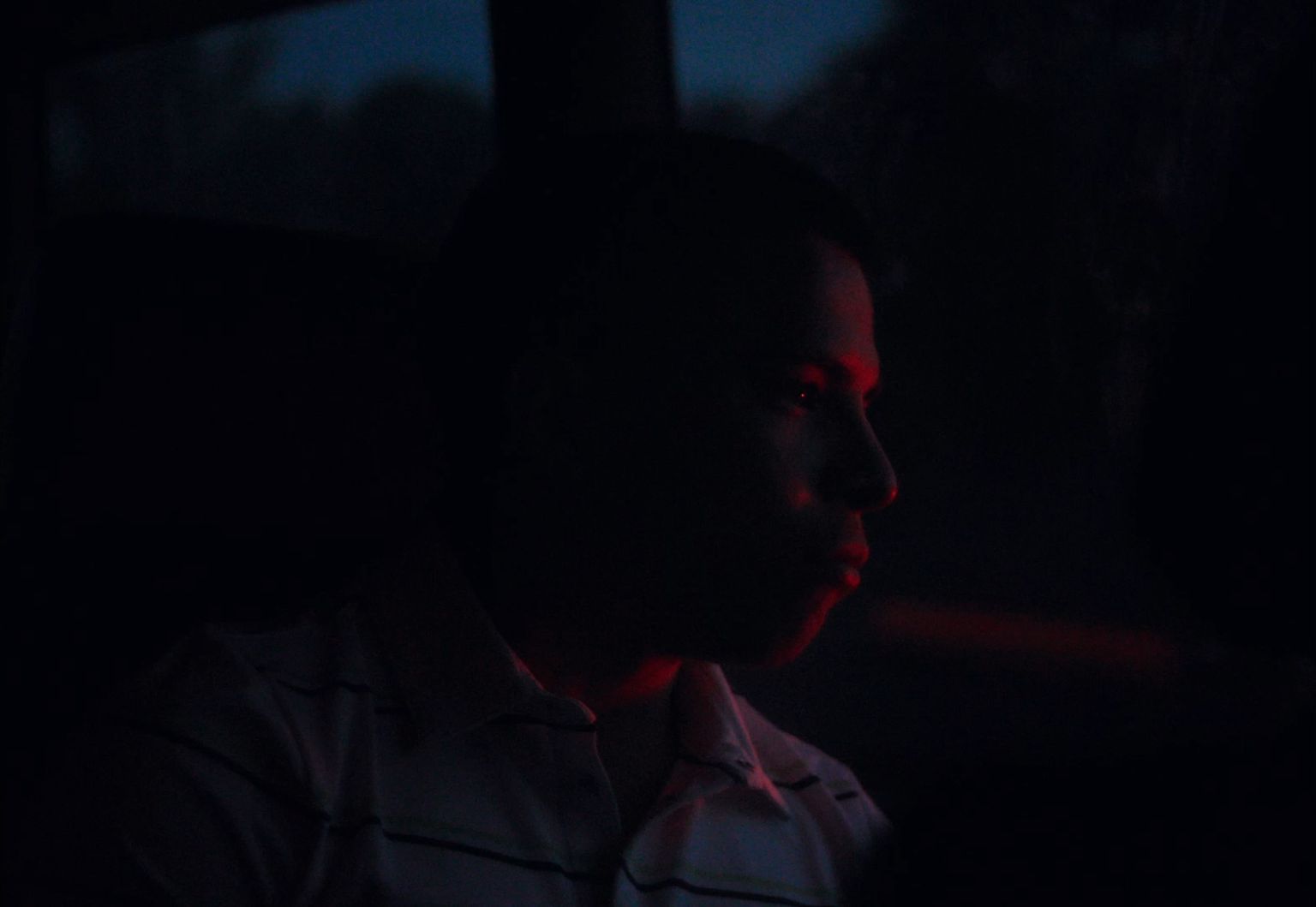
Visually, La Mala Familia is immediate and porous. Shot with handheld cameras and fragments of mobile phone footage, the film dissolves the line between cinema and reality. The camera follows its subjects closely, capturing the uneven rhythms of real life: laughter interrupted by tension, small triumphs shadowed by fear. The progression from sunlight to dusk mirrors the emotional journey - from the carefree relief of reunion to moments of vulnerability, confrontation, and introspection.
Madrid’s outskirts are rendered with honesty: water, concrete, sunlight, and shadows become emotional landscapes rather than mere backdrops. Sound is equally immersive: overlapping voices, the crackle of a barbecue, splashes from the reservoir, and Olivier Arson’s restrained score weave together to create a sonic texture that invites viewers to listen as closely as they watch. Every sound and image heightens the sense that we are witnessing life itself, fragile and alive.
The Directors
Nacho A. Villar and Luis Rojo’s vision is inseparable from the practice of their collective, BRBR, founded in 2014 and rooted in music video and urban culture. This is their first feature-length film, developed over five years alongside the lives of their friends. BRBR is not a conventional production company; it is a living, collaborative approach to filmmaking, where trust, proximity, and shared experience guide every choice.
The protagonists are non-professional actors playing themselves, navigating their own histories in front of the camera. Villar and Rojo deliberately avoid paternalism or spectacle, creating spaces where vulnerability and honesty can surface naturally. Every scene is structured but not scripted: situations are proposed, but conversations unfold freely, capturing the real textures of guilt, fear, loyalty, and joy. In this way, the collective itself - the friendships, histories, and social bonds - becomes as central to the film as the images on screen. La Mala Familia is not just a film; it is a living archive of emotion, resilience, and human connection.


The Legacy
Since its festival screenings at Seville and Rotterdam and its theatrical release, La Mala Familia has been widely praised as one of the most honest and necessary Spanish films of recent years. Its legacy lies in its ability to shift perspective: to make viewers inhabit the uncertainty, fear, and resilience of those living under constant social judgment. The film does not ask for pity, only recognition: a chance to suspend prejudice and acknowledge structural inequality.
By collapsing the distance between cinema and lived reality, the film becomes a space for shared experience, memory, and care. It invites audiences to witness friendship tested by societal pressures, judicial systems, and personal histories - and to recognize that storytelling itself can be an act of empathy and resistance. La Mala Familia proves that film can hold the weight of real lives, capturing both joy and sorrow, intimacy and tension, in a way that lingers long after the screen goes dark.