Agnès Varda
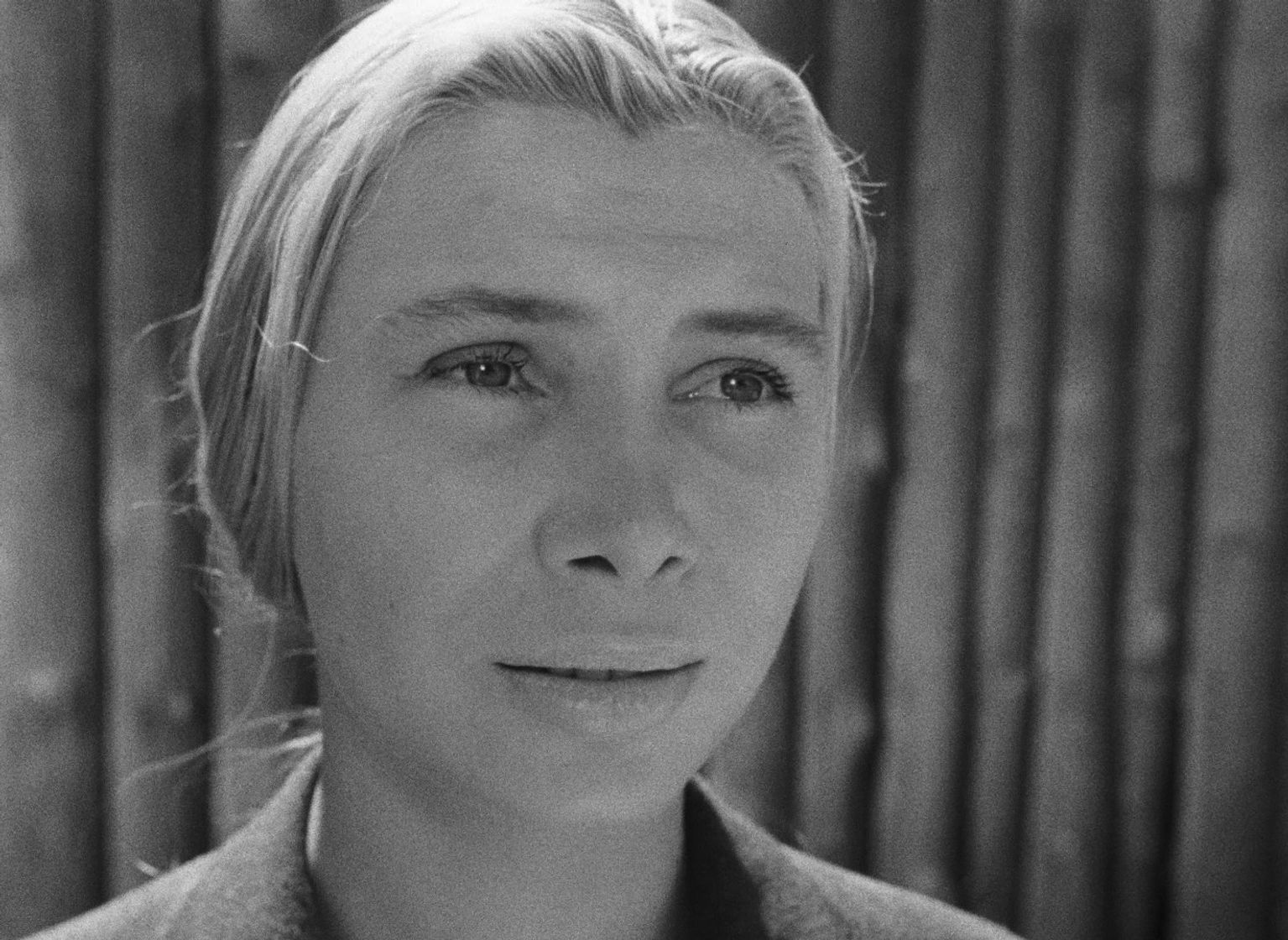
La Pointe Courte
- DirectorAgnès Varda
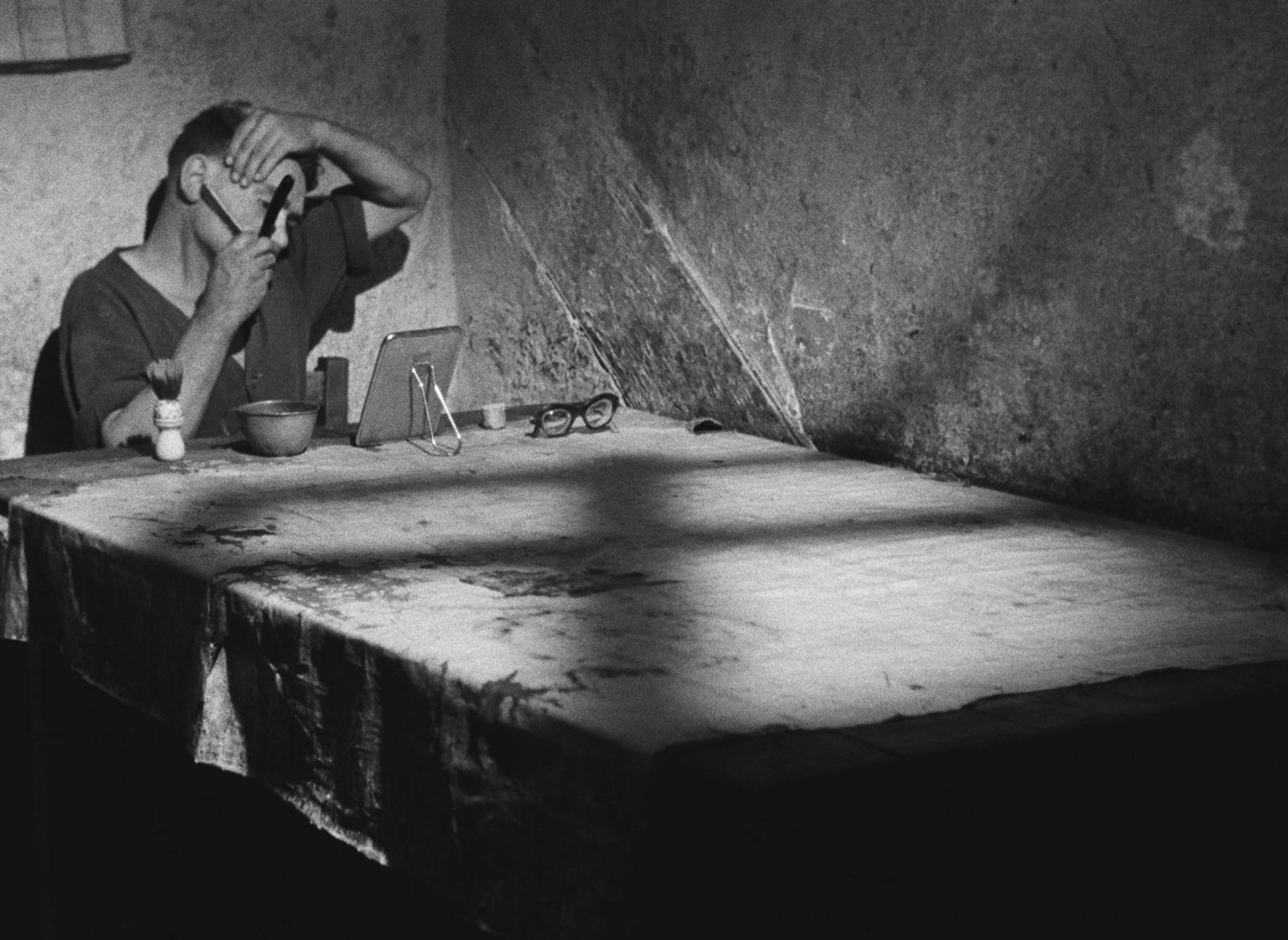
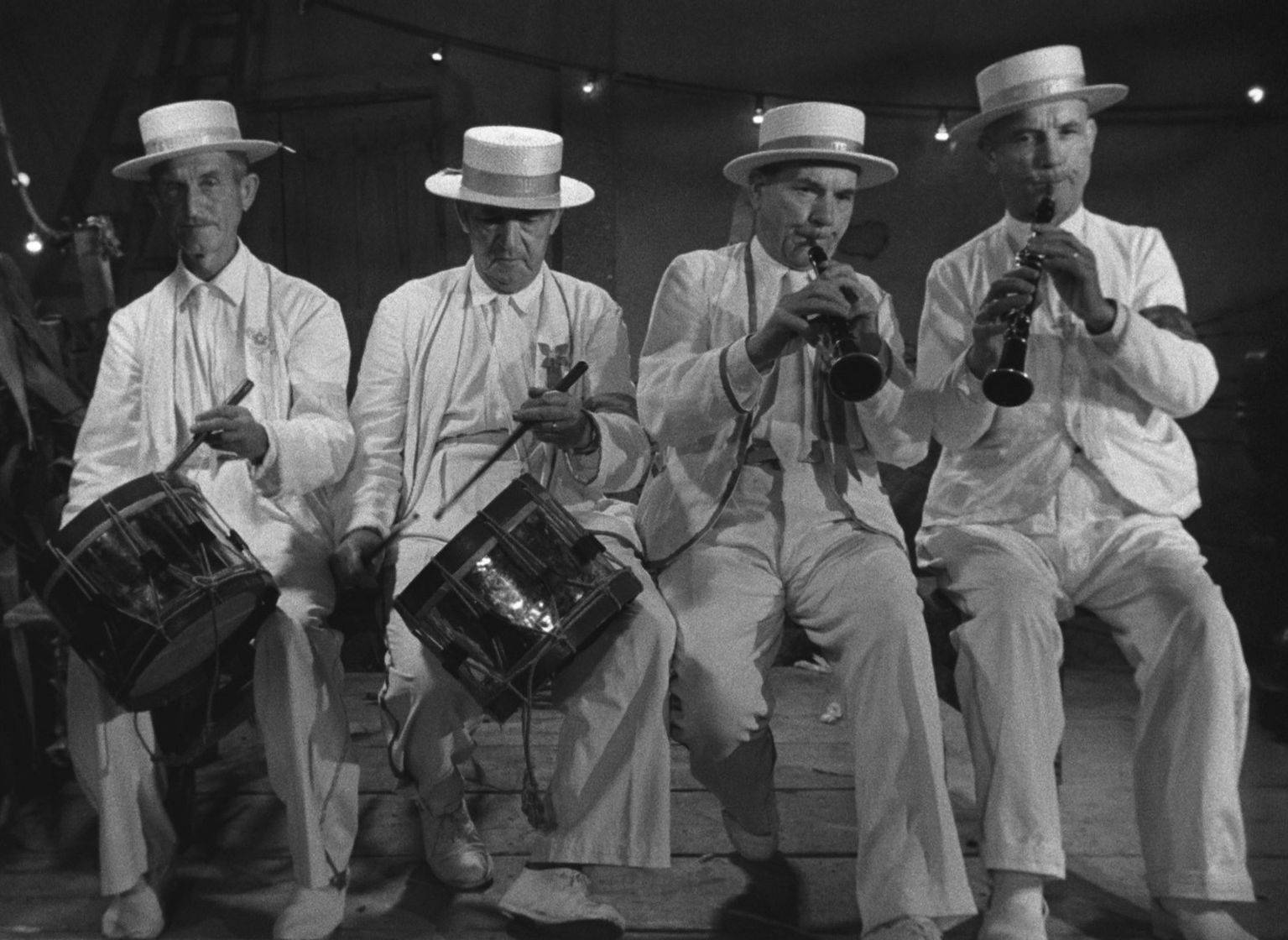
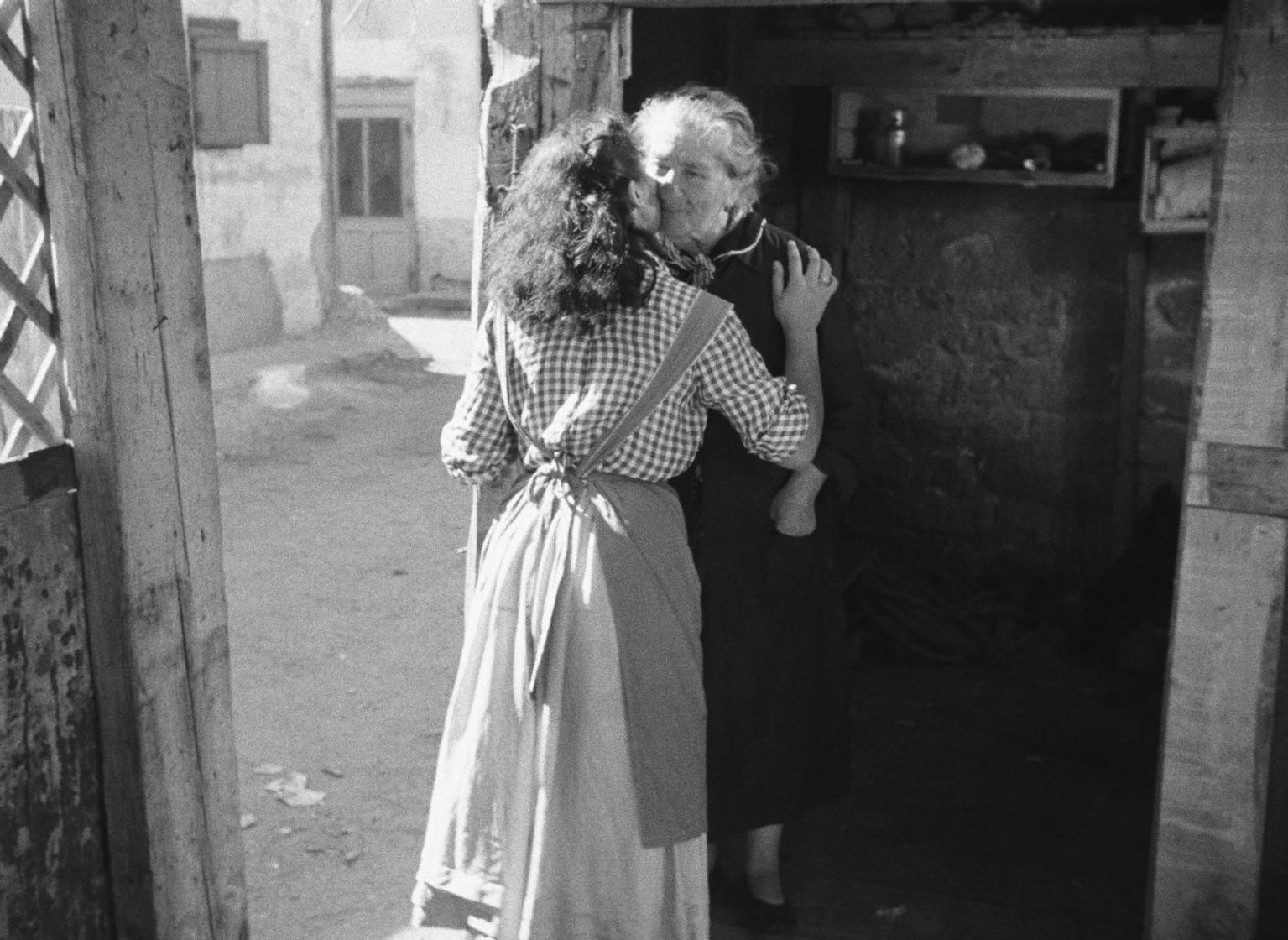
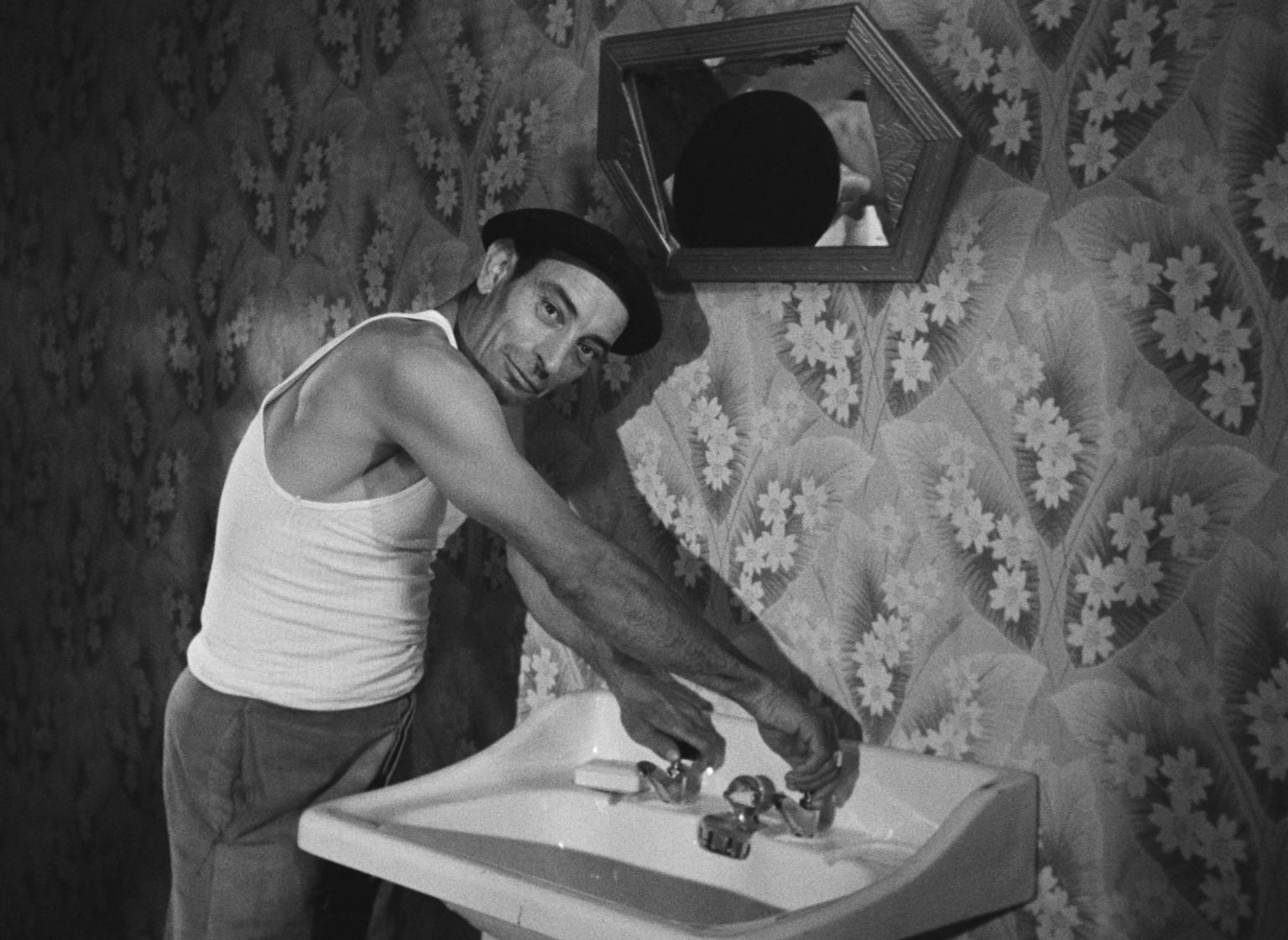
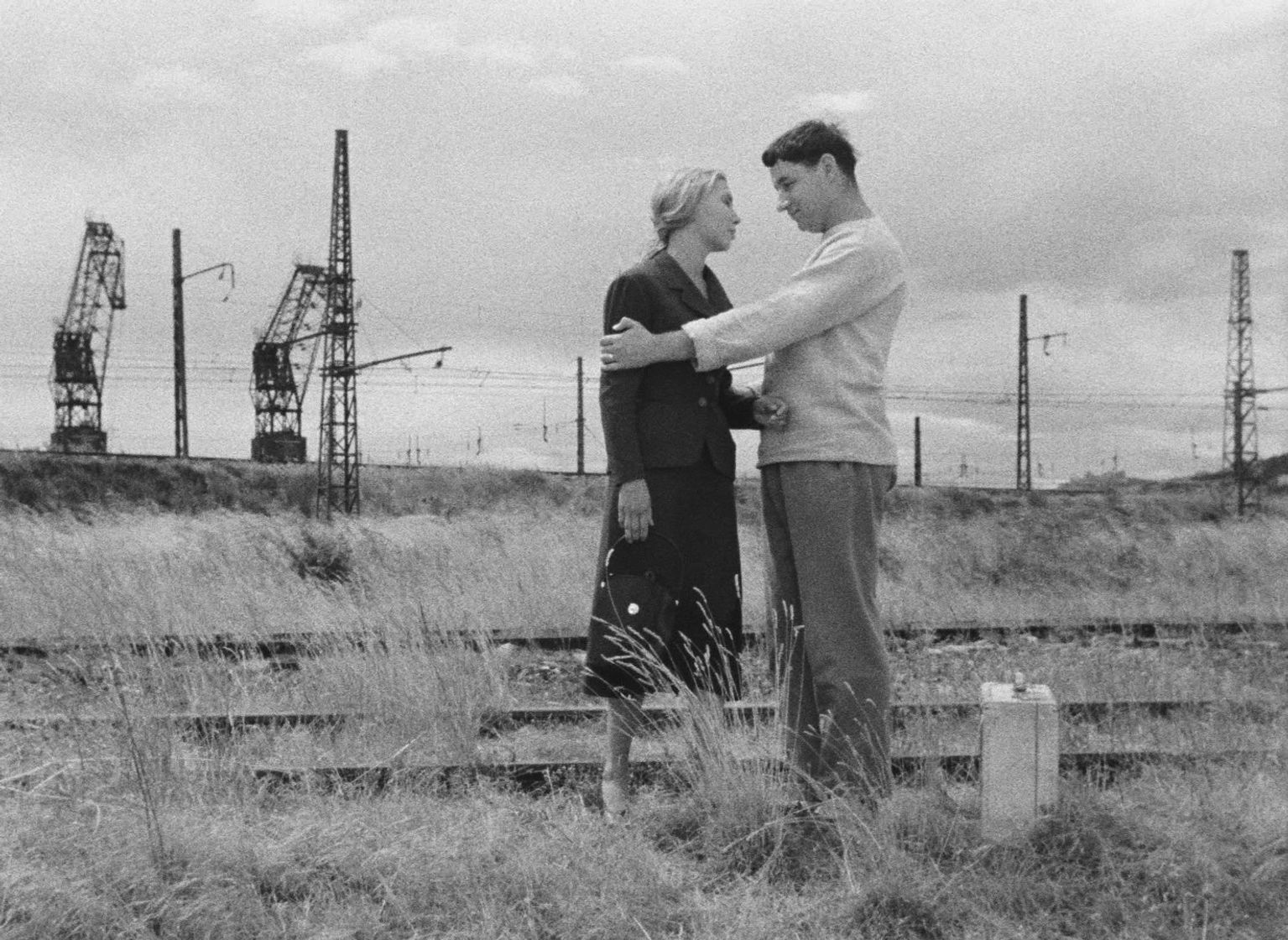
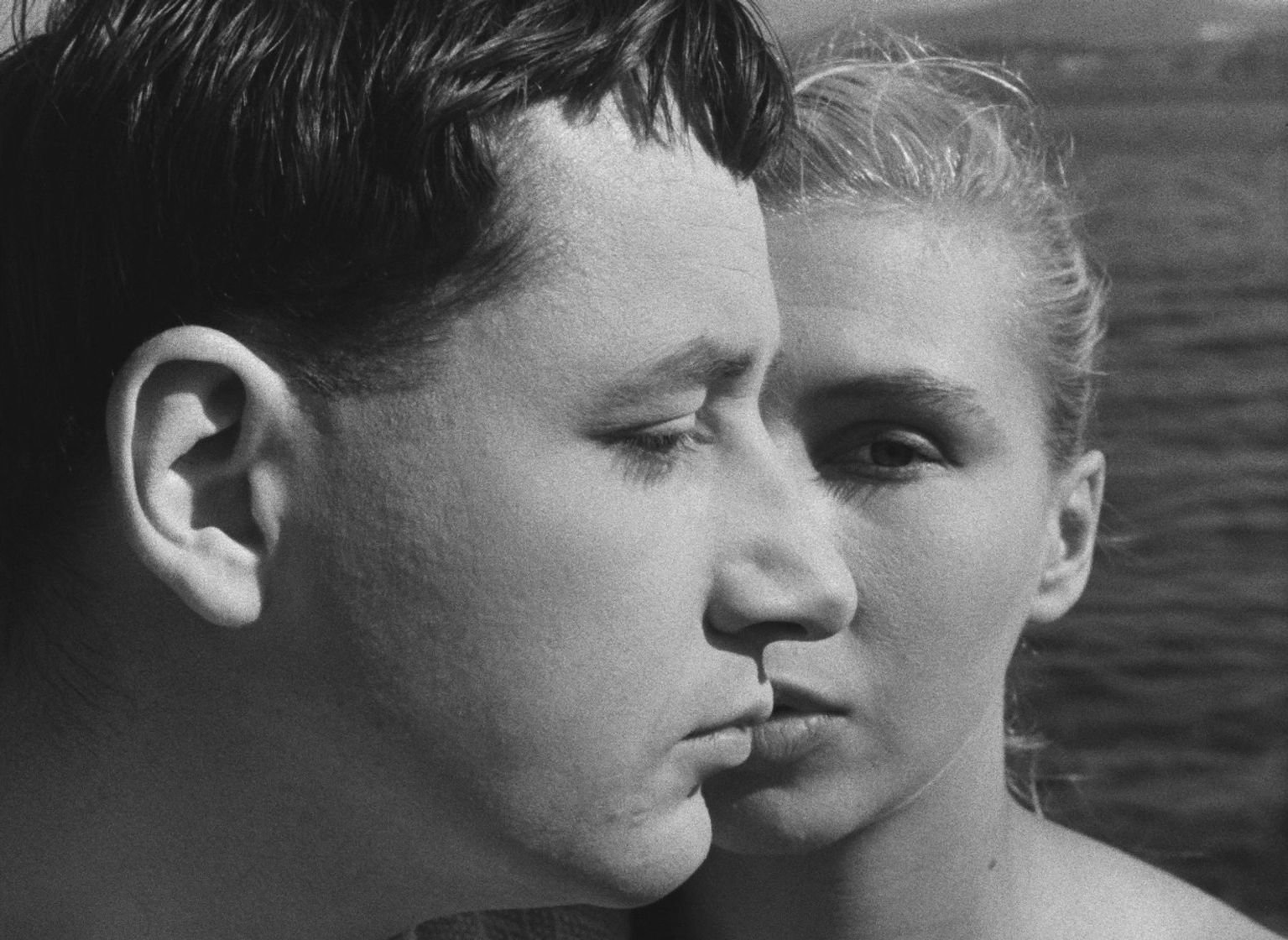
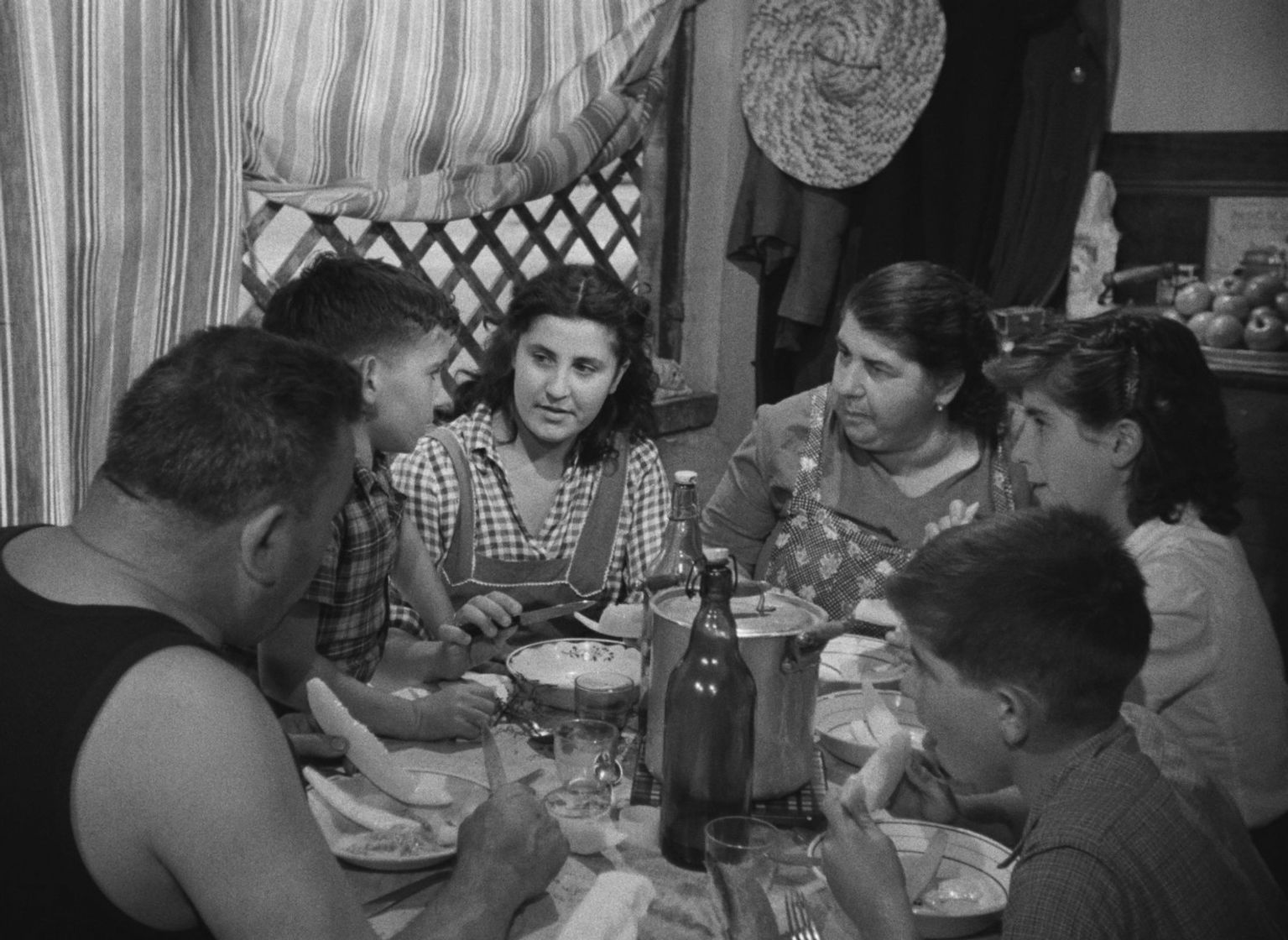
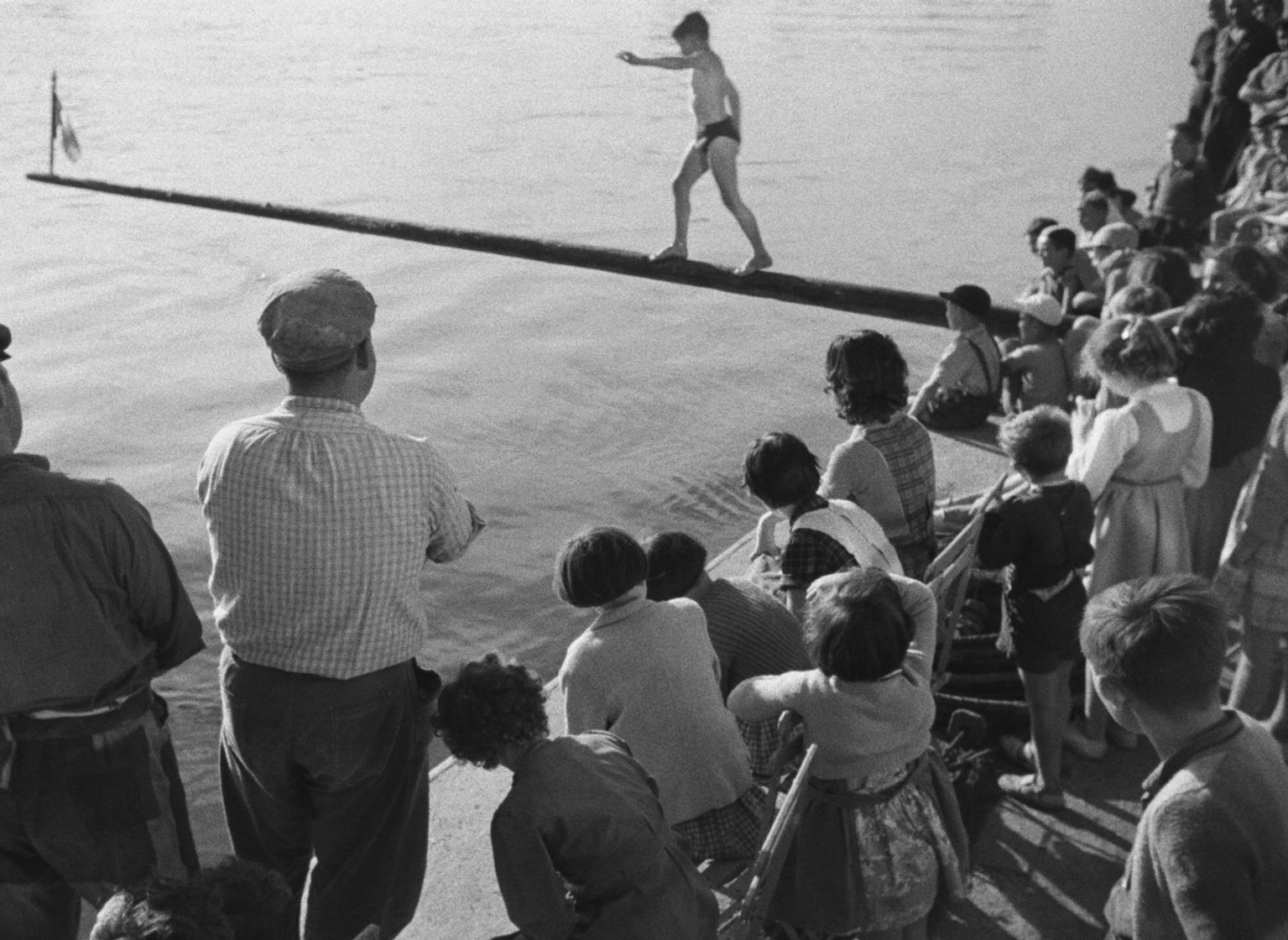
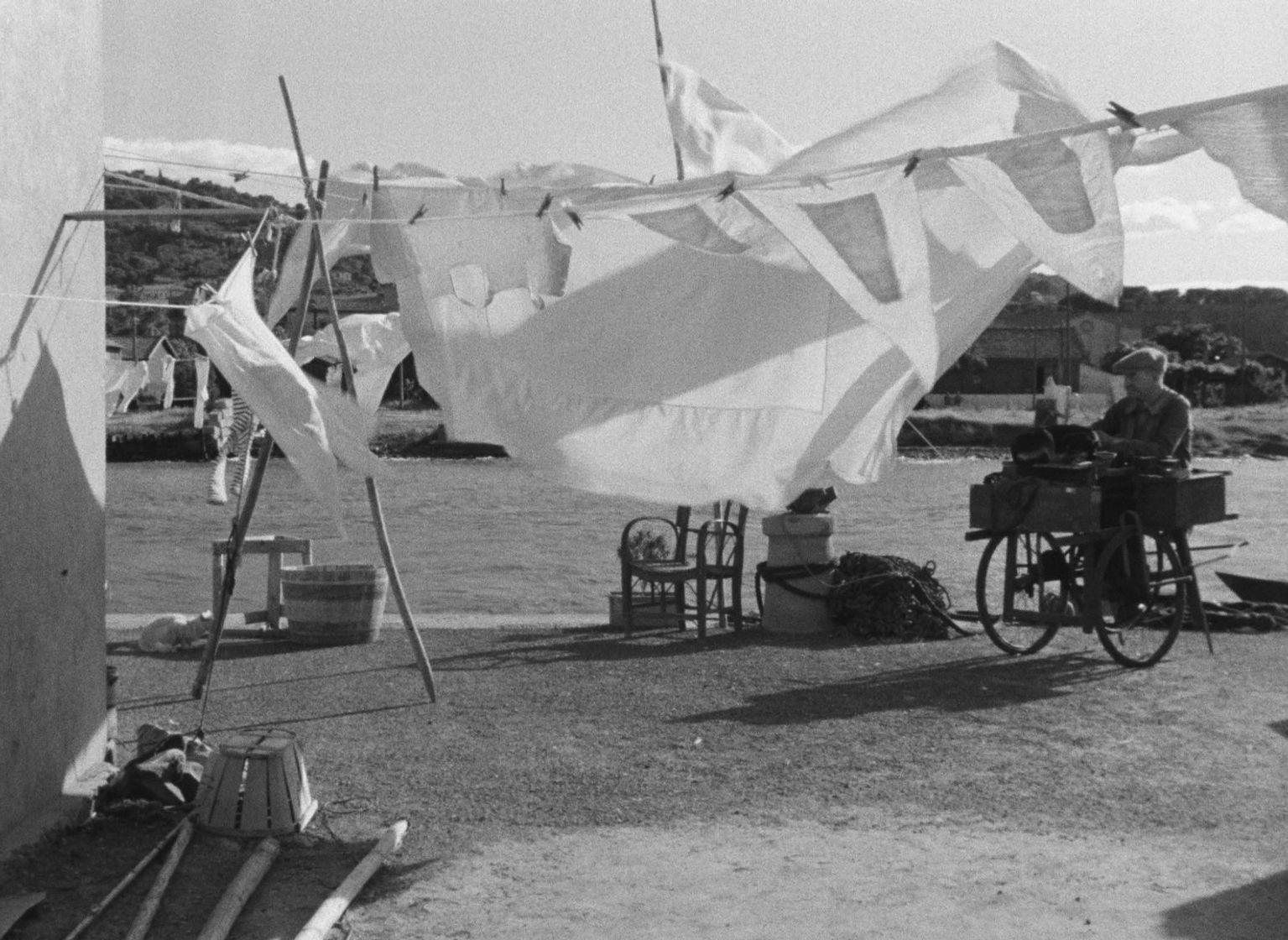
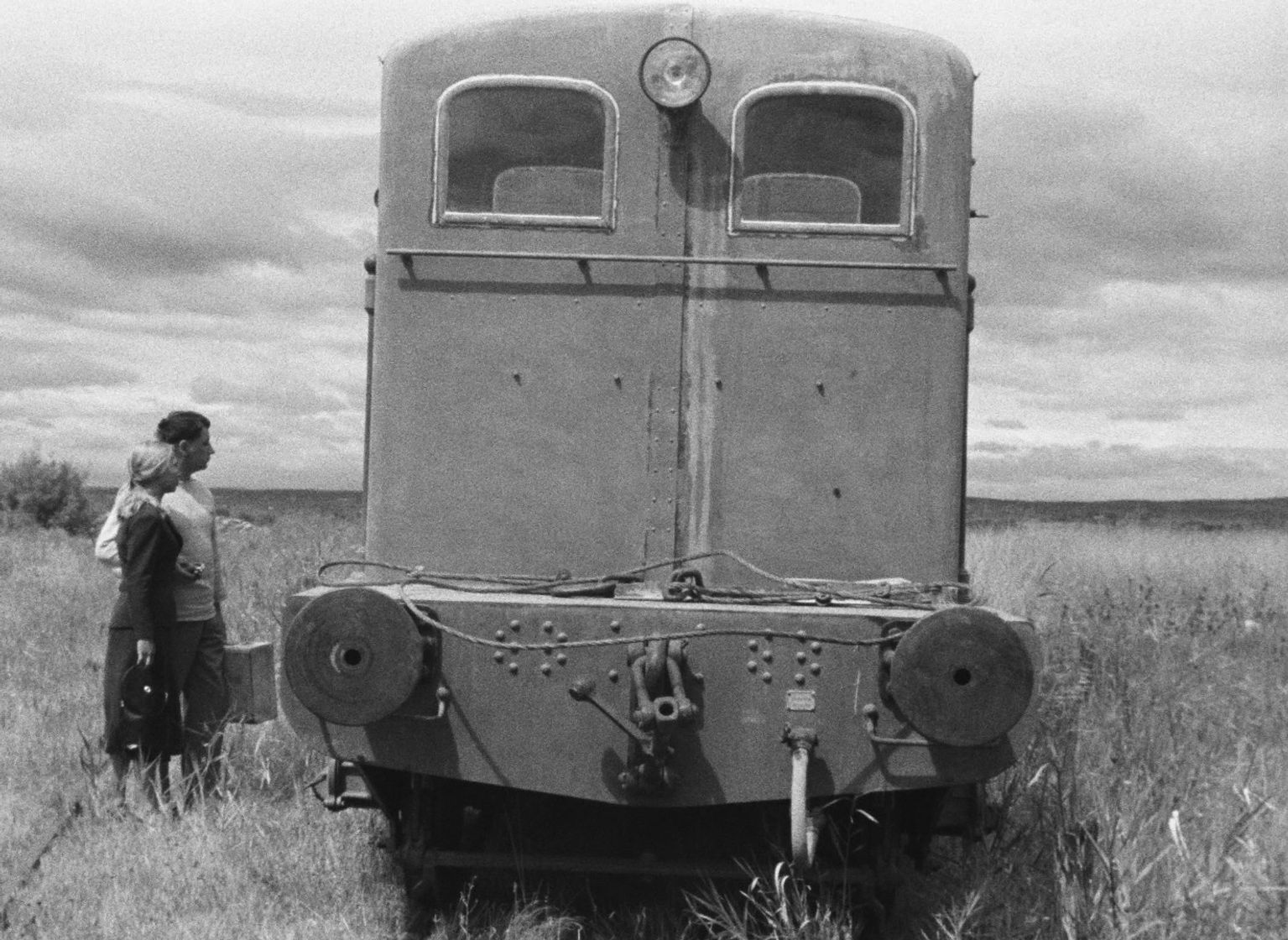
ILENIA MARTINI This feels like a film built from observation, where the images come first and narration follows. In one interview, I heard Varda say how she wanted to hold two themes at once: the couple’s uncertainty and the daily life of the village, and that’s an intention you feel immediately from the beginning. There’s a documentary-like vibe to the way Varda shows the fishing village, which, by contrast, is the opposite of the poetic language she uses to invite us into the intimacy of the couple and its uncertainty.


The story behind La Pointe Courte
Agnès Varda came to cinema as an outsider, and La Pointe Courte was born from that freedom. Trained as a photographer and with little exposure to traditional filmmaking, Varda set out in the mid-1950s to make a film without rules, driven more by intuition than convention. She chose La Pointe Courte, a small fishing village near Sète, as her setting after spending time among its residents and becoming deeply aware of both their tightly woven communal life and its quiet fragility in the face of modern pressures.
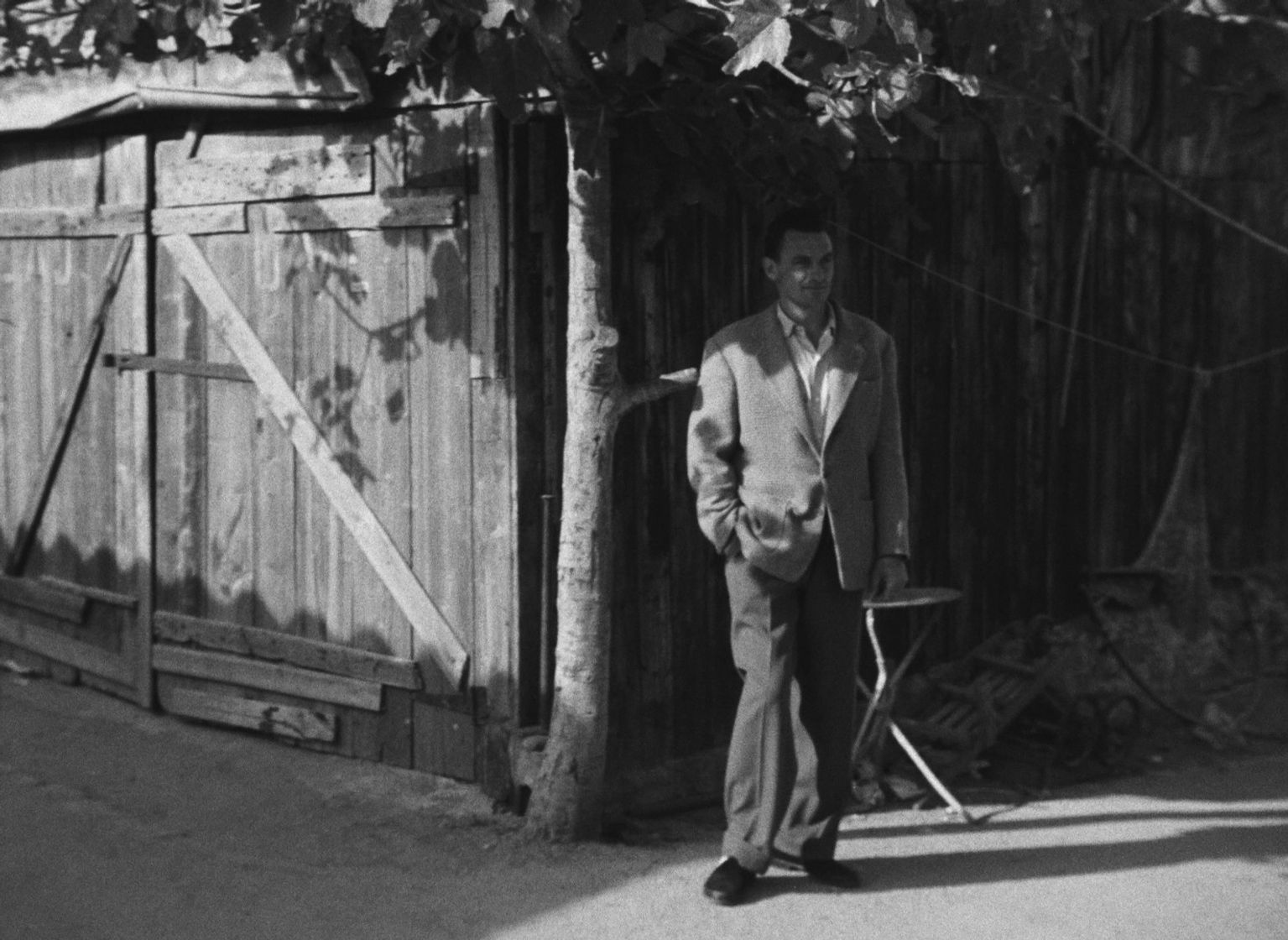
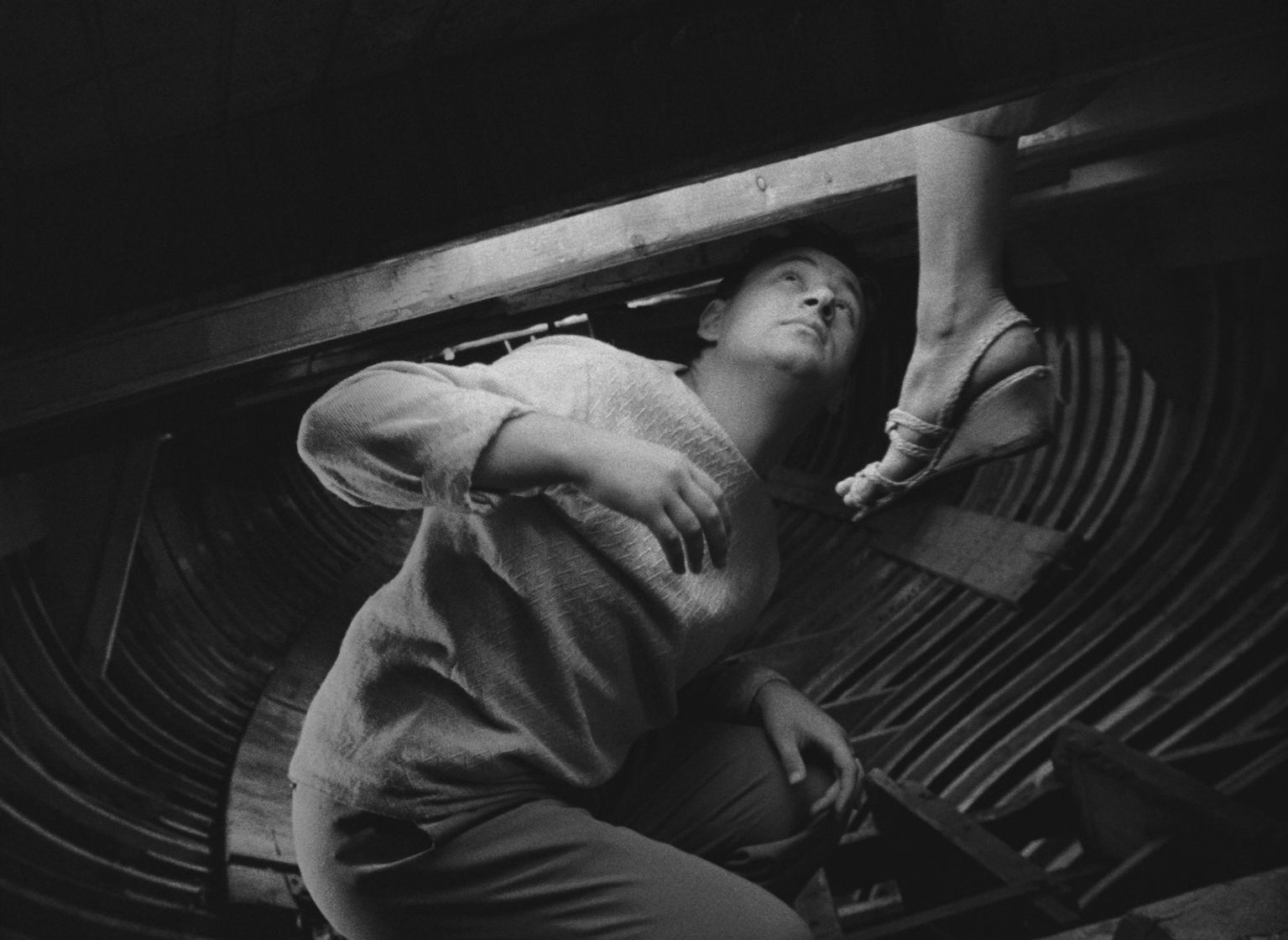
Rather than separating observation from fiction, Varda fused the two. The film moves between the daily realities of the fishermen - played largely by the villagers themselves - and the introspective story of a Parisian couple questioning their relationship. Shot on location with minimal resources and natural light, the two narrative threads rarely collide, yet mirror one another in mood and rhythm. The village’s collective uncertainty reflects the couple’s private emotional distance.






Editing the film with Alain Resnais, Varda embraced fragmentation, silence, and repetition, creating a form that felt closer to lived experience than polished cinema. When La Pointe Courte was released in 1955, it was largely overlooked, but its significance would become clear in retrospect. Years before the French New Wave was named, Varda had already anticipated its spirit - blending documentary and fiction, privileging personal vision, and trusting the intelligence of the viewer.
In many ways, La Pointe Courte is not just Varda’s first film but a blueprint for her entire career: intimate yet political, experimental yet deeply human, and rooted in a belief that cinema could emerge from everyday life rather than established tradition.