Park Chan-wook
Lady Vengeance
- DirectorPark Chan-wook
- CinematographerChung Chung-hoon
Nono Ayuso I love Park Chan-wook’s Vengeance Trilogy: the way he moves the camera and directs his actors is incredible. His storytelling is precise and visceral, both in how he tells the stories and in the stories themselves. A true legend.

Lady Vengeance
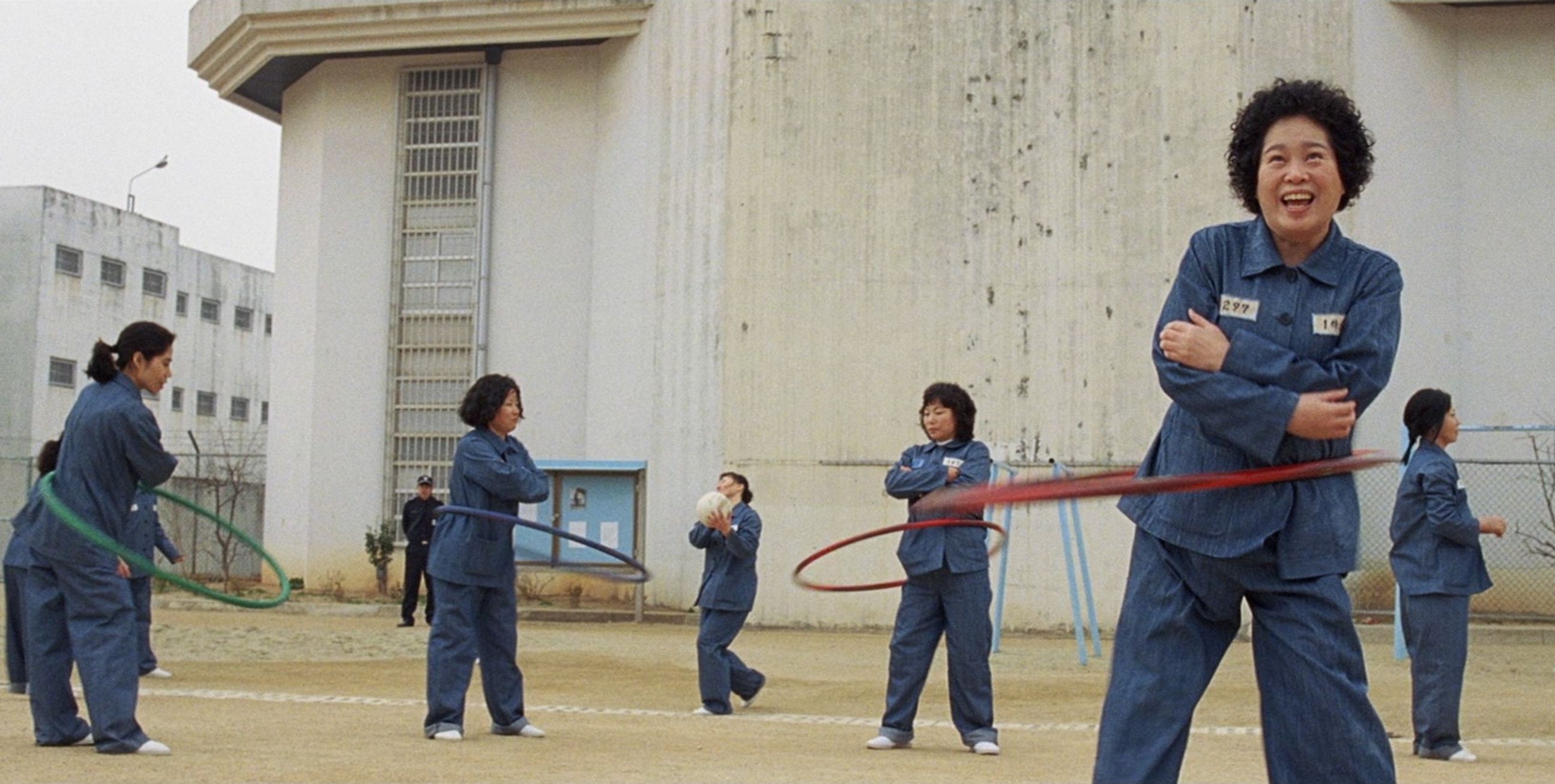
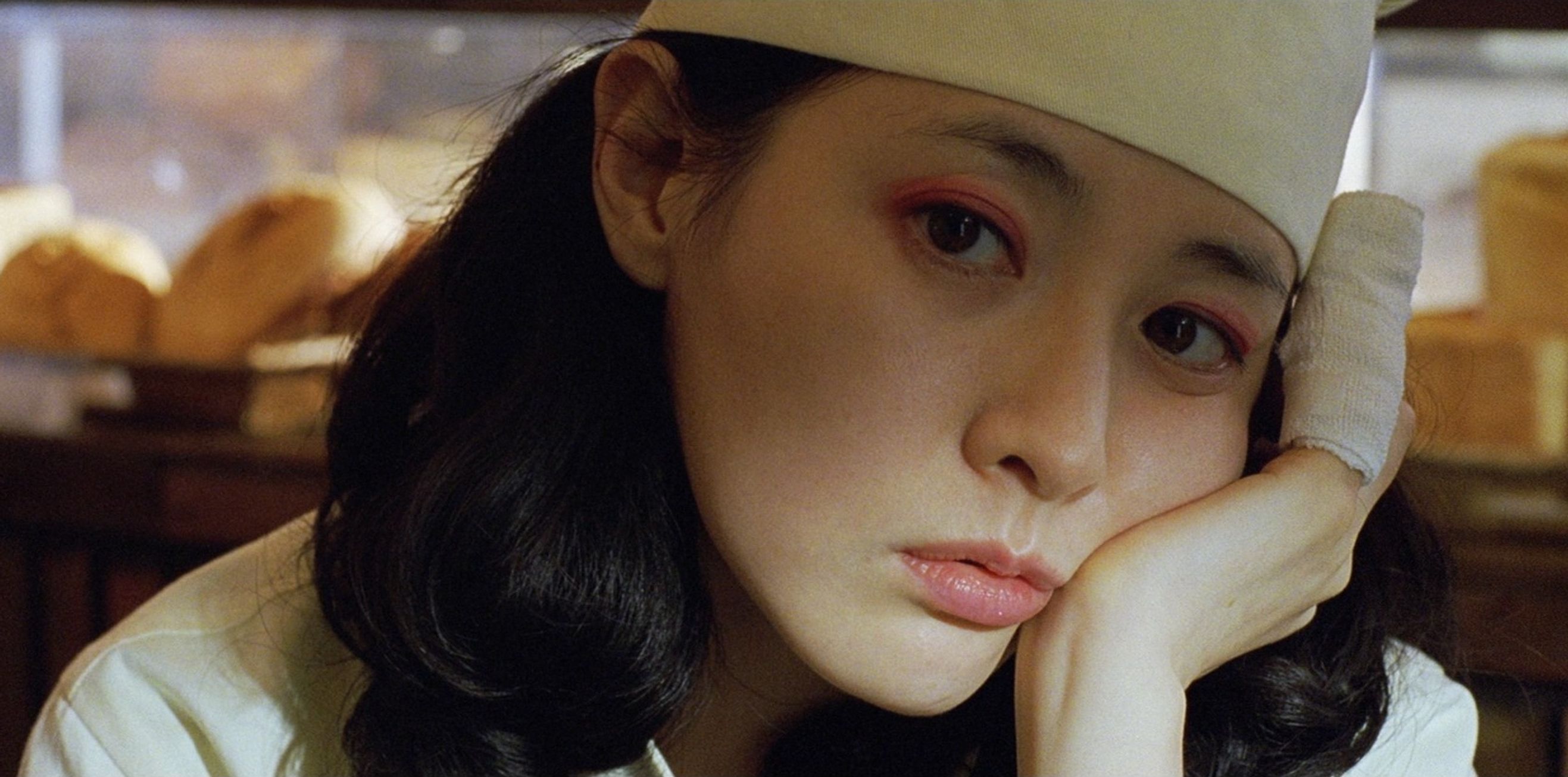
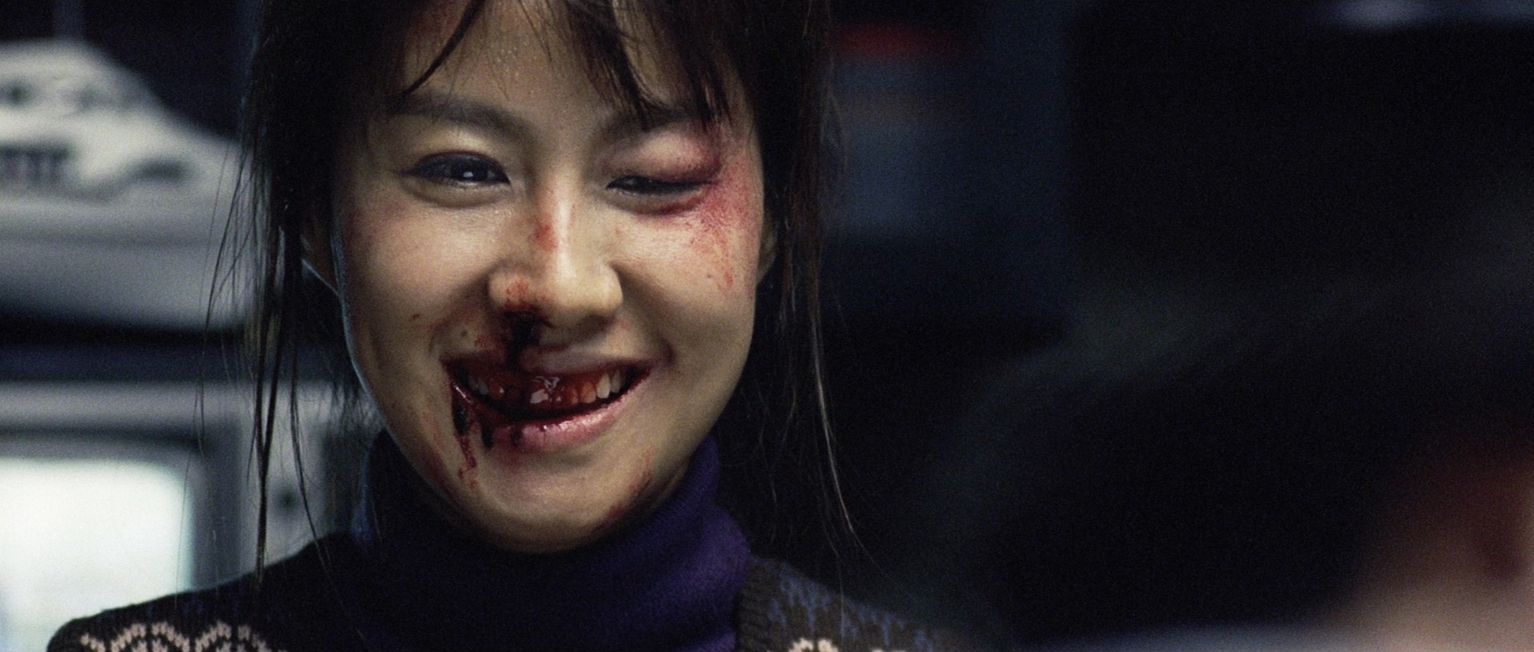
Lady Vengeance (2005), directed by Park Chan-wook, is the final chapter in the director’s acclaimed Vengeance Trilogy, following Sympathy for Mr. Vengeance and Oldboy. Set within the framework of a psychological thriller, the film centers on Lee Geum-ja, portrayed by Lee Young-ae, who is released after serving a 13-year prison sentence for a murder she did not commit. Upon release, she emerges into a society that once sanctified her as a symbol of repentance and reform, only to reveal that her carefully constructed image of kindness was part of a long-term strategy of survival and revenge.
Premiering in South Korea in July 2005, the film quickly established itself internationally, competing at the Venice International Film Festival and later reaching audiences through major festivals and limited theatrical releases worldwide.





Narrative Structure and Moral Complexity
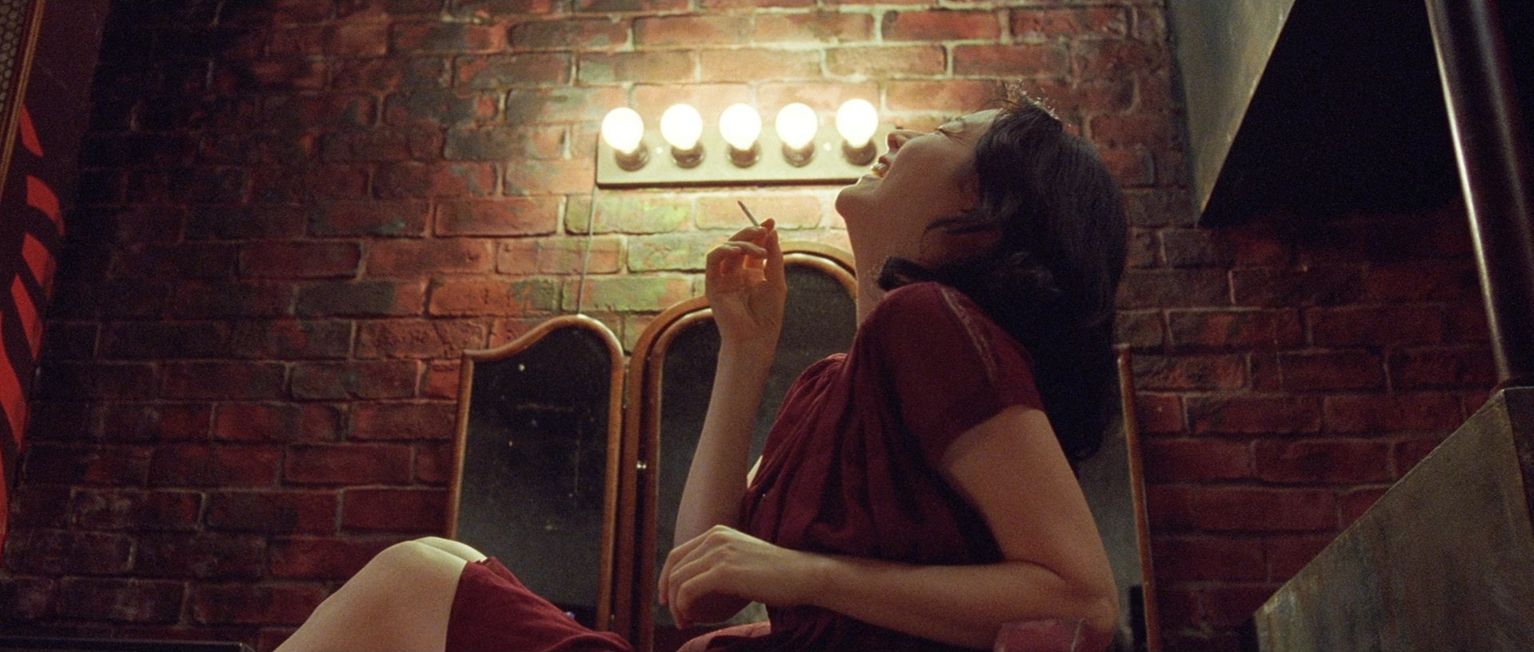
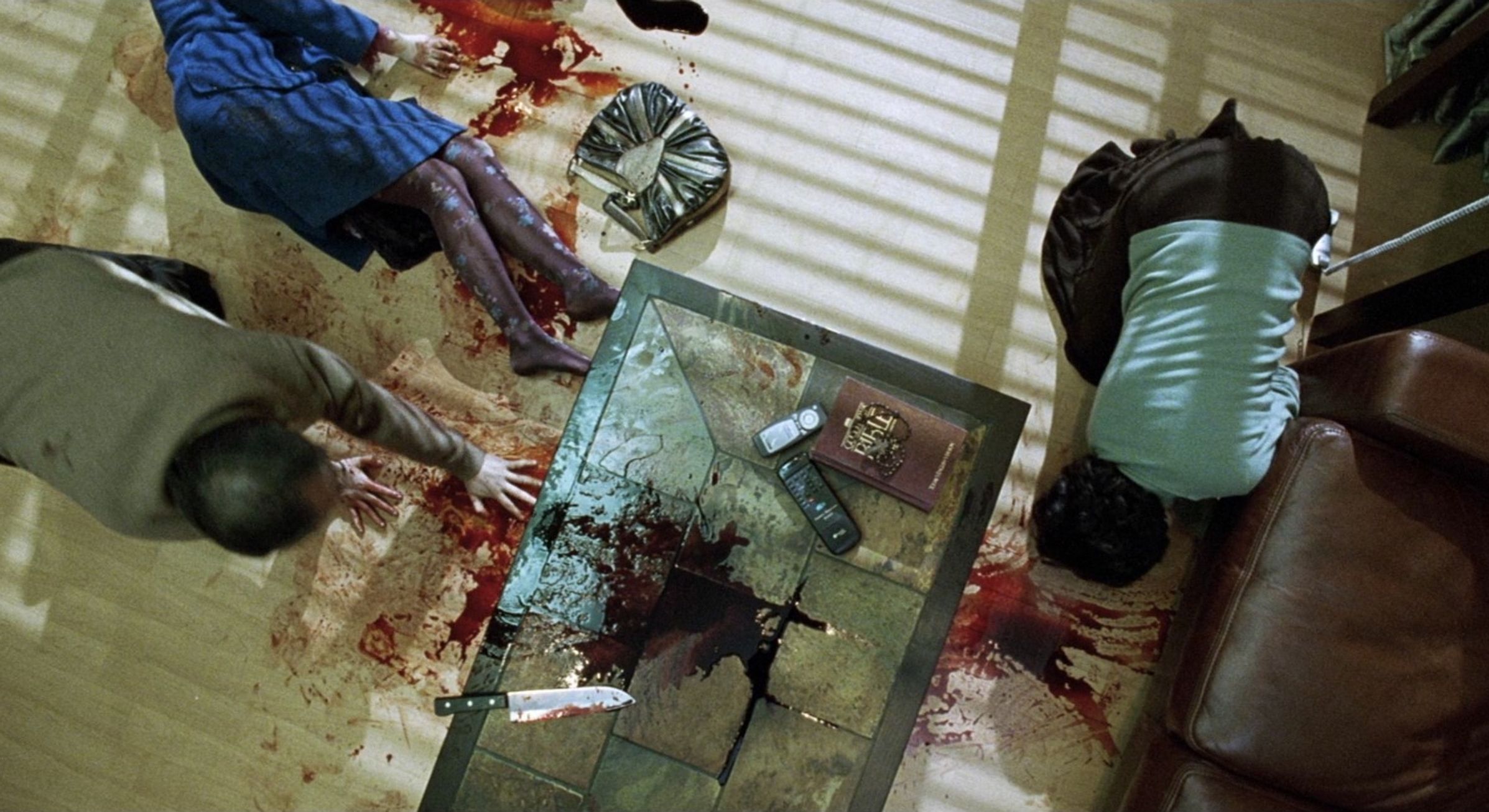
Rather than presenting revenge as a singular act, Lady Vengeance unfolds as a slow moral excavation. Geum-ja’s journey exposes layers of manipulation, guilt, and delayed responsibility, ultimately shifting the burden of vengeance from the individual to the collective. As the truth of the crimes committed by Mr. Baek is revealed, the film moves beyond personal retribution and into shared ethical reckoning, culminating in a disturbing communal act of justice.
Park Chan-wook resists catharsis, instead confronting the audience with unresolved questions about complicity, forgiveness, and the cost of moral inaction. Revenge is not depicted as redemption, but as an irreversible transformation that leaves no participant untouched.


Cinematography, Color, and Formal Experimentation
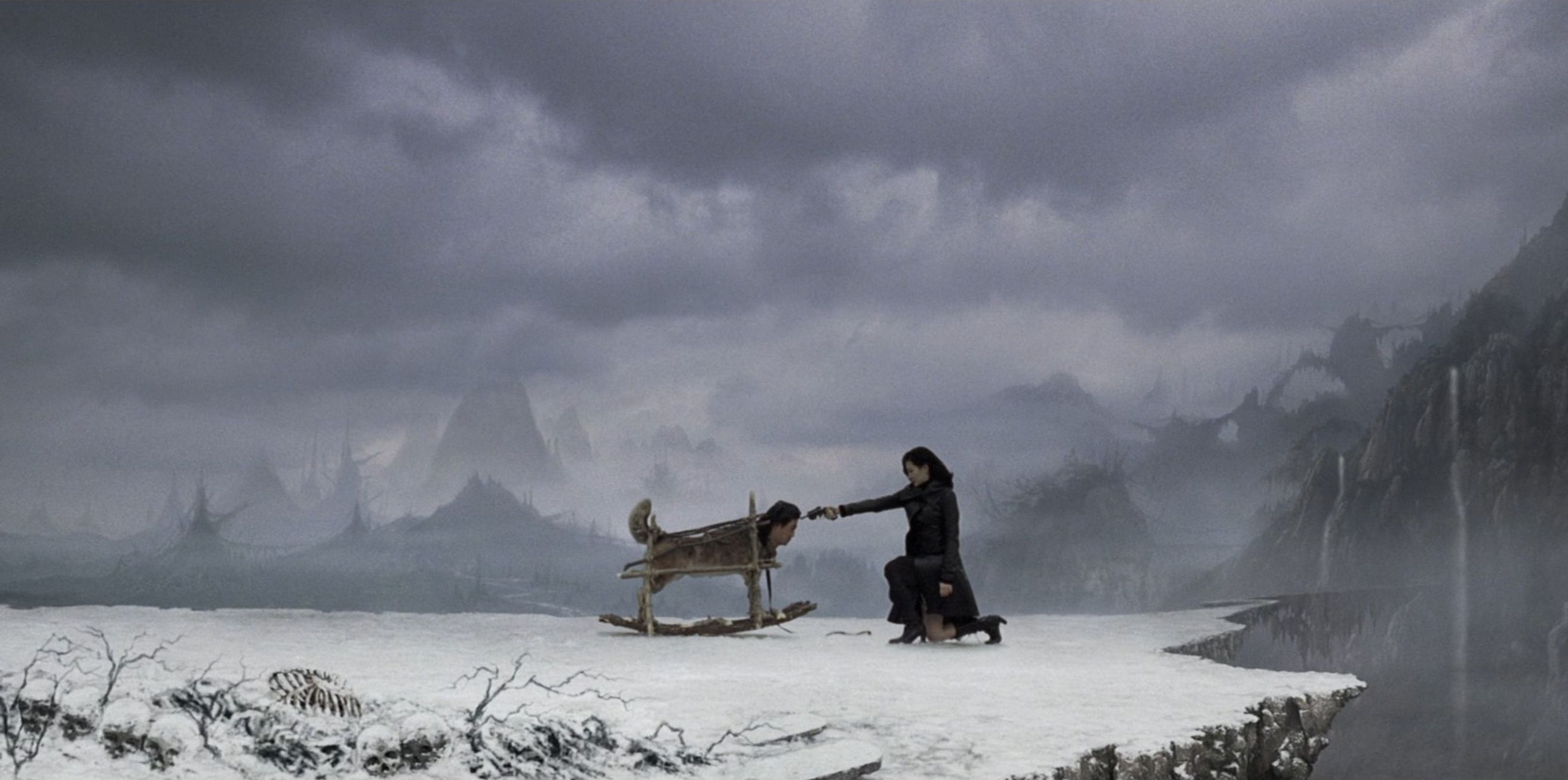
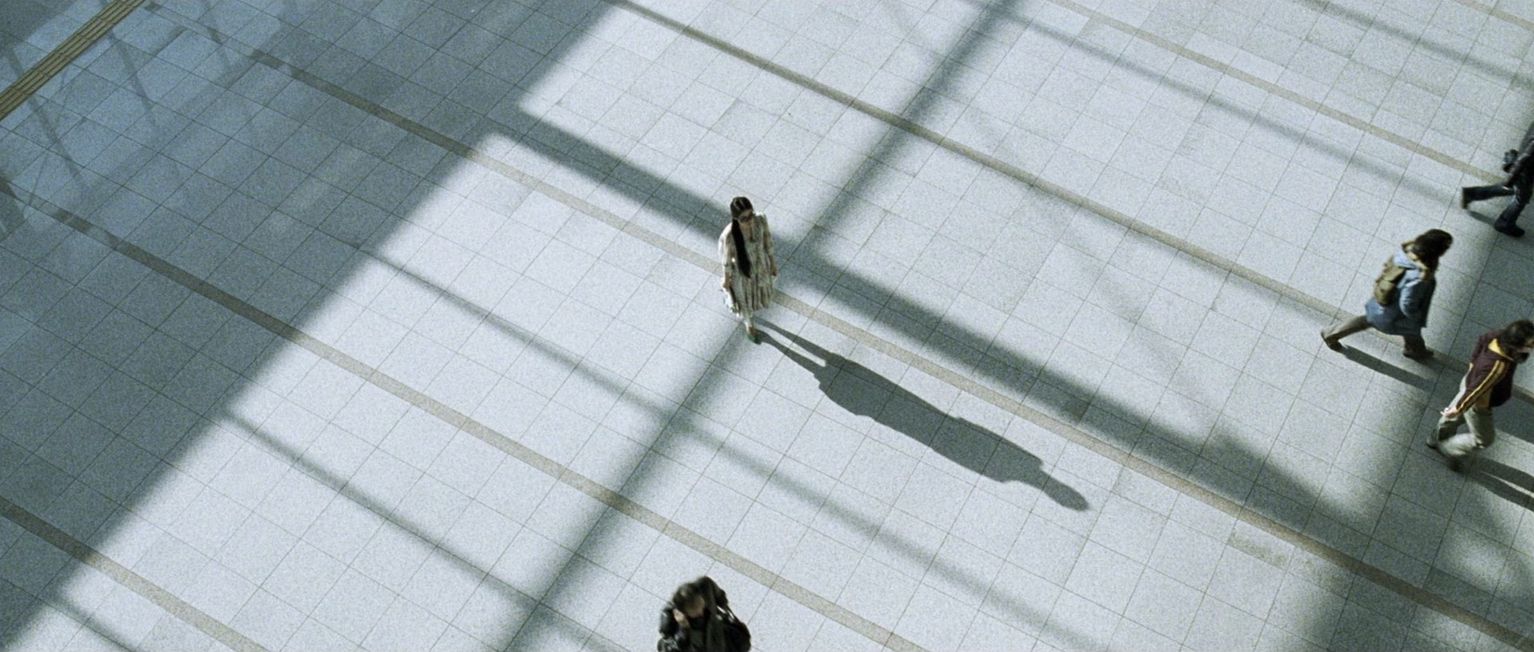
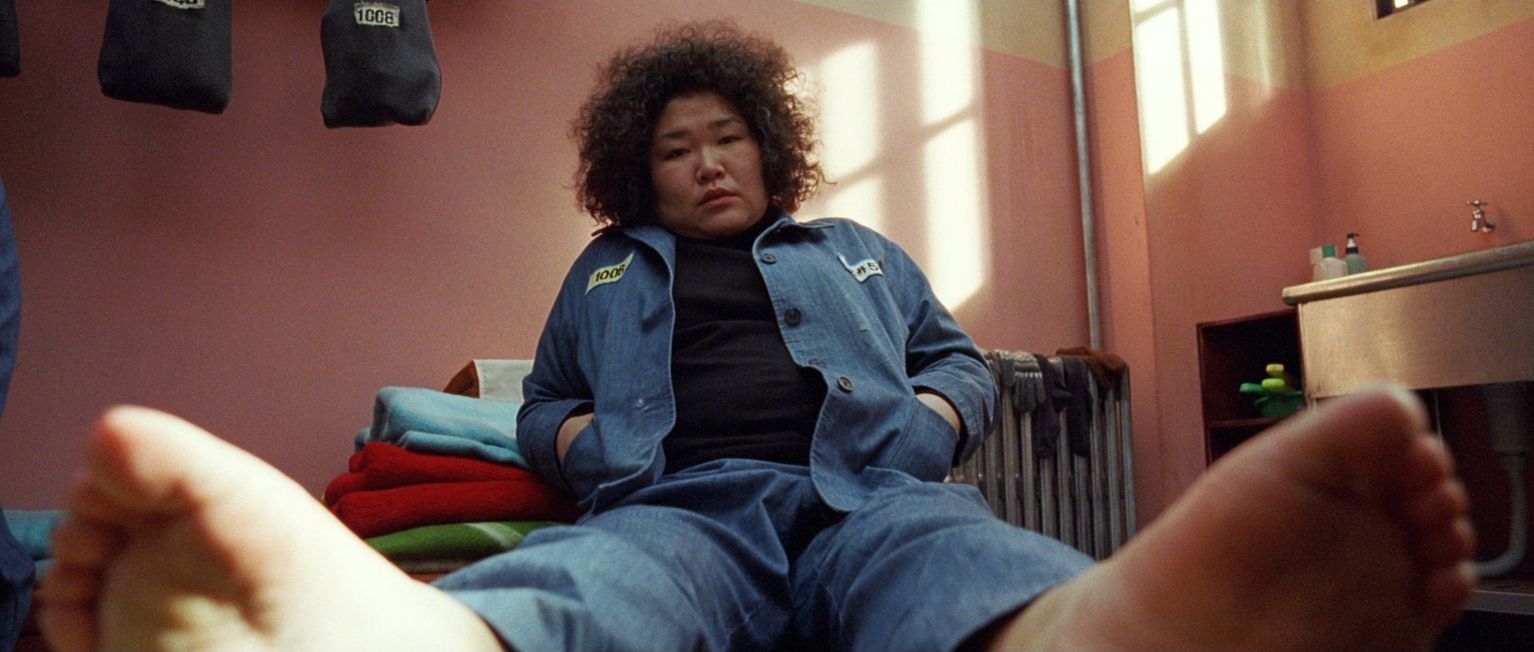
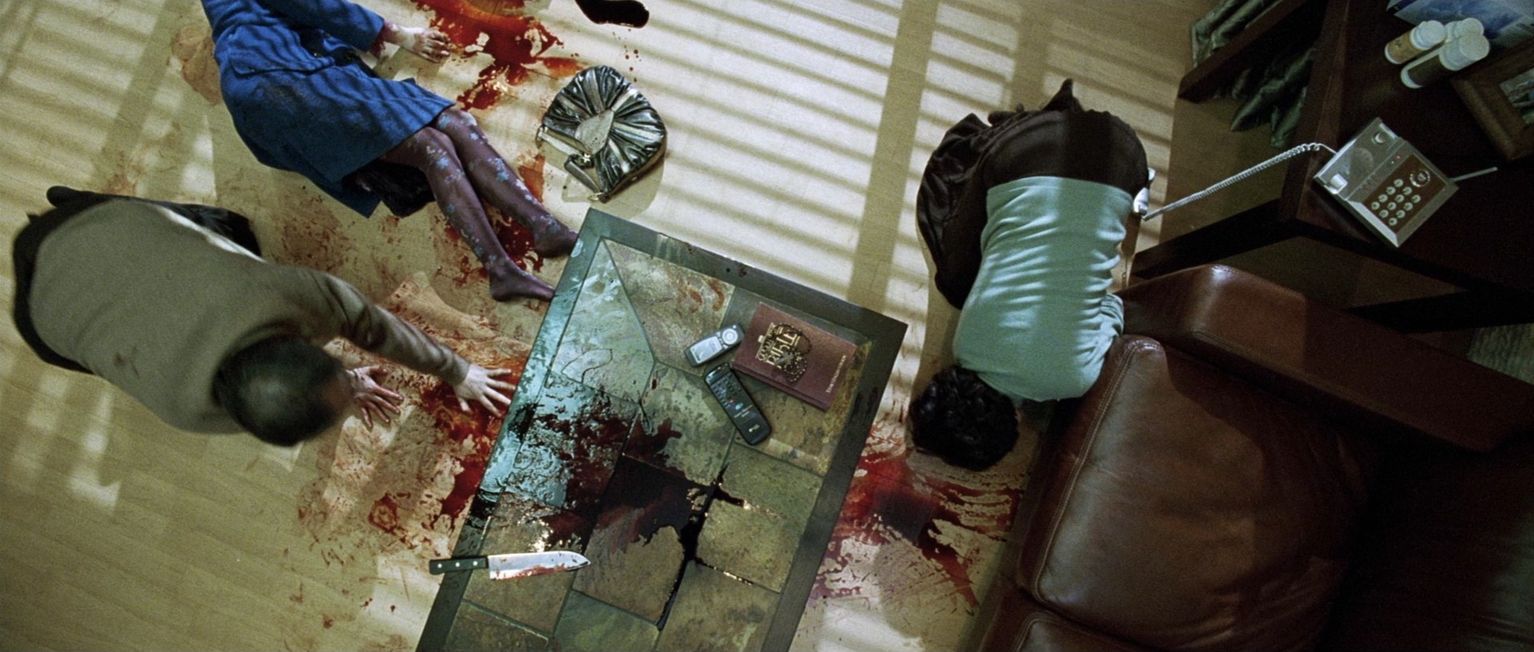
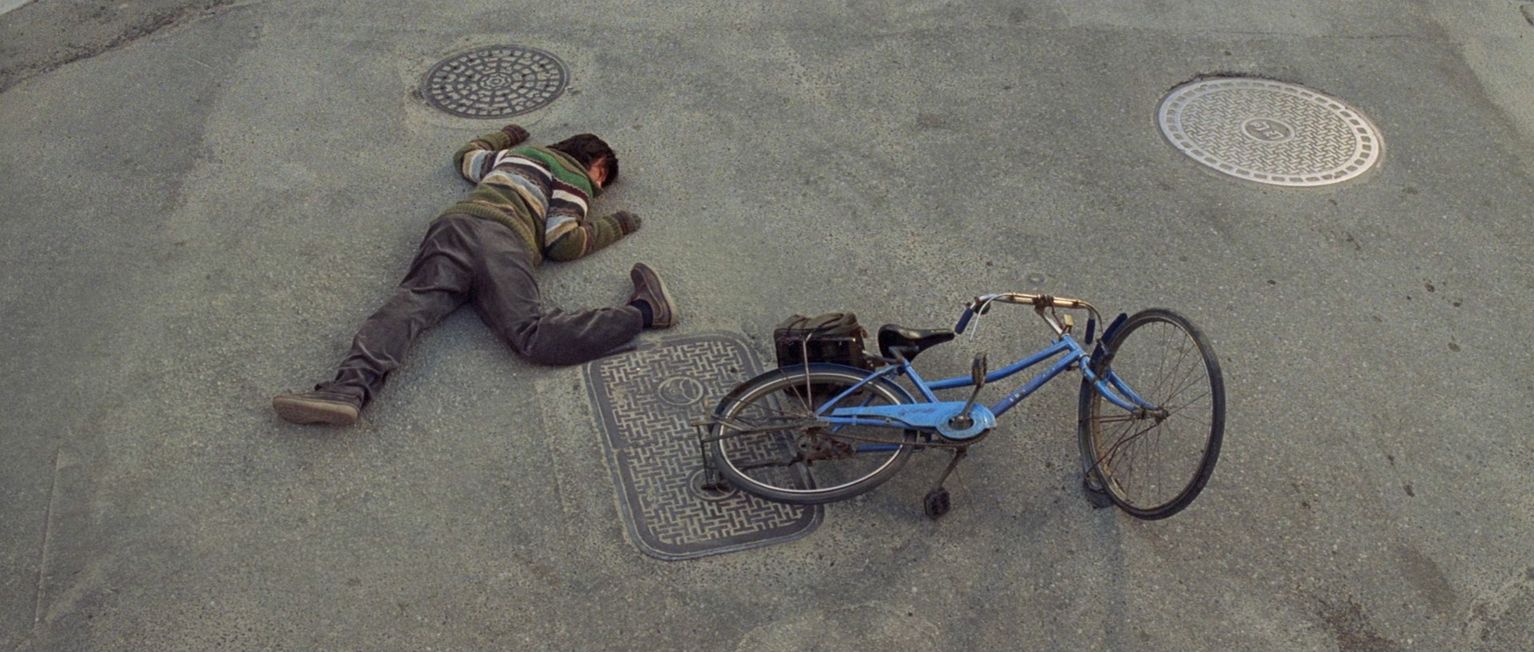
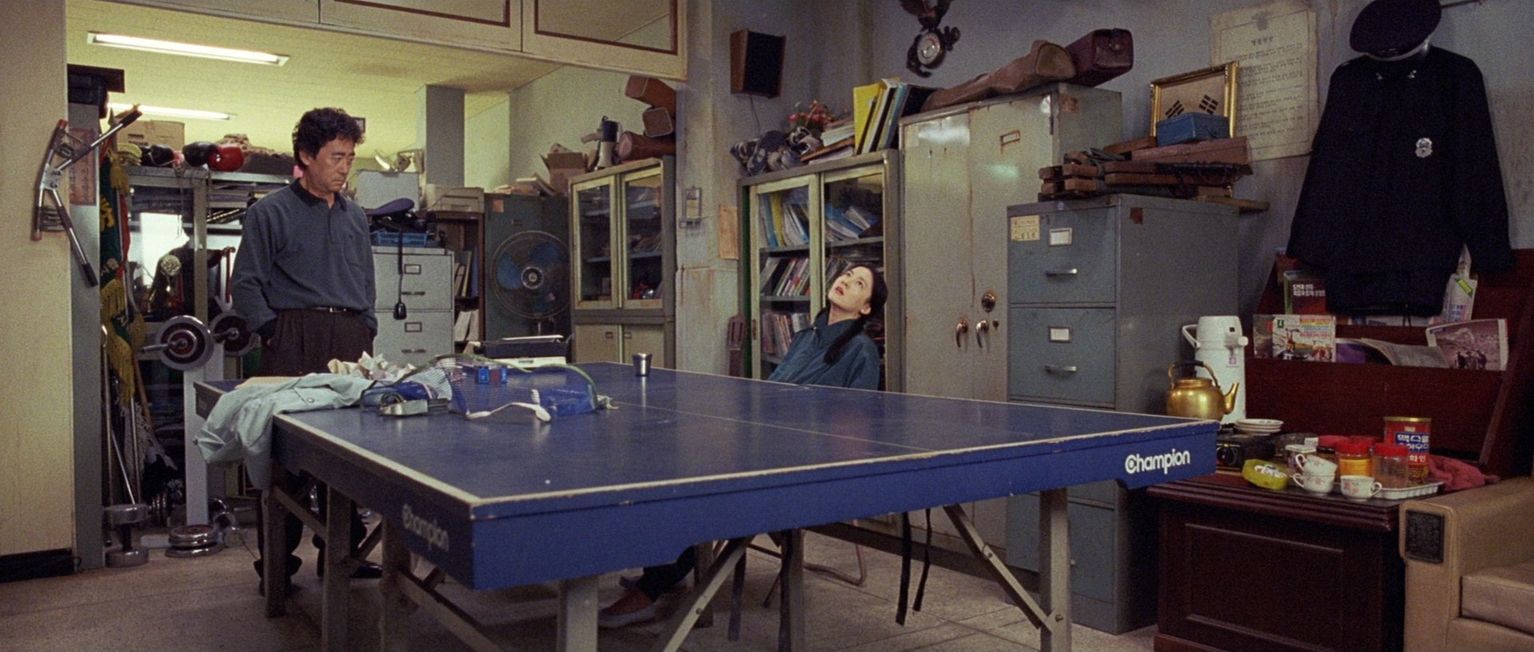
Visually, Lady Vengeance is one of Park Chan-wook’s most formally controlled works. Cinematographer Chung Chung-hoon constructs a precise visual language where color operates as emotional narrative. This is most explicitly explored in the film’s alternative Fade to Black and White version, in which saturation gradually drains from the image as Geum-ja approaches the fulfillment of her revenge. This formal decision mirrors the erosion of innocence, clarity, and moral certainty. Spaces evolve alongside the protagonist: vibrant interiors give way to sterile, desaturated environments, reinforcing the film’s descent from theatrical stylization into emotional starkness. The camera remains composed and deliberate, refusing sensationalism even in moments of extreme violence.
Performance and Legacy
The film’s baroque-inspired score, blending classical compositions by Vivaldi and Paganini with original music by Choi Seung-hyun, heightens the sense of tragic inevitability that runs through the narrative. Lee Young-ae’s performance marked a radical departure from her previous screen persona, offering a restrained yet deeply unsettling portrayal that anchors the film’s emotional gravity. Critically acclaimed and commercially successful, Lady Vengeance secured its place as a defining work of early 21st-century Korean cinema. More than a genre film, it stands as a meditation on justice, memory, and the limits of moral repair - closing Park Chan-wook’s trilogy not with resolution, but with haunting ambiguity.