Greta Gerwig
Ladybird
- DirectorGreta Gerwig
- CinematographerSam Levy
ILENIA MARTINI Although this film falls into the coming-of-age genre, it feels closer to a study of how a teen learns to look at her life and tries to communicate with her loved ones. Wanting to be seen and understood, yet not knowing how to fit in. It’s impatient and tender. The relationship between Lady Bird and her mother is touching, despite the film's light tone. The honesty of the performances makes the film a breeze to watch. What remains is a sense of someone learning how to inhabit their own life.





The Emotional Roots of Lady Bird
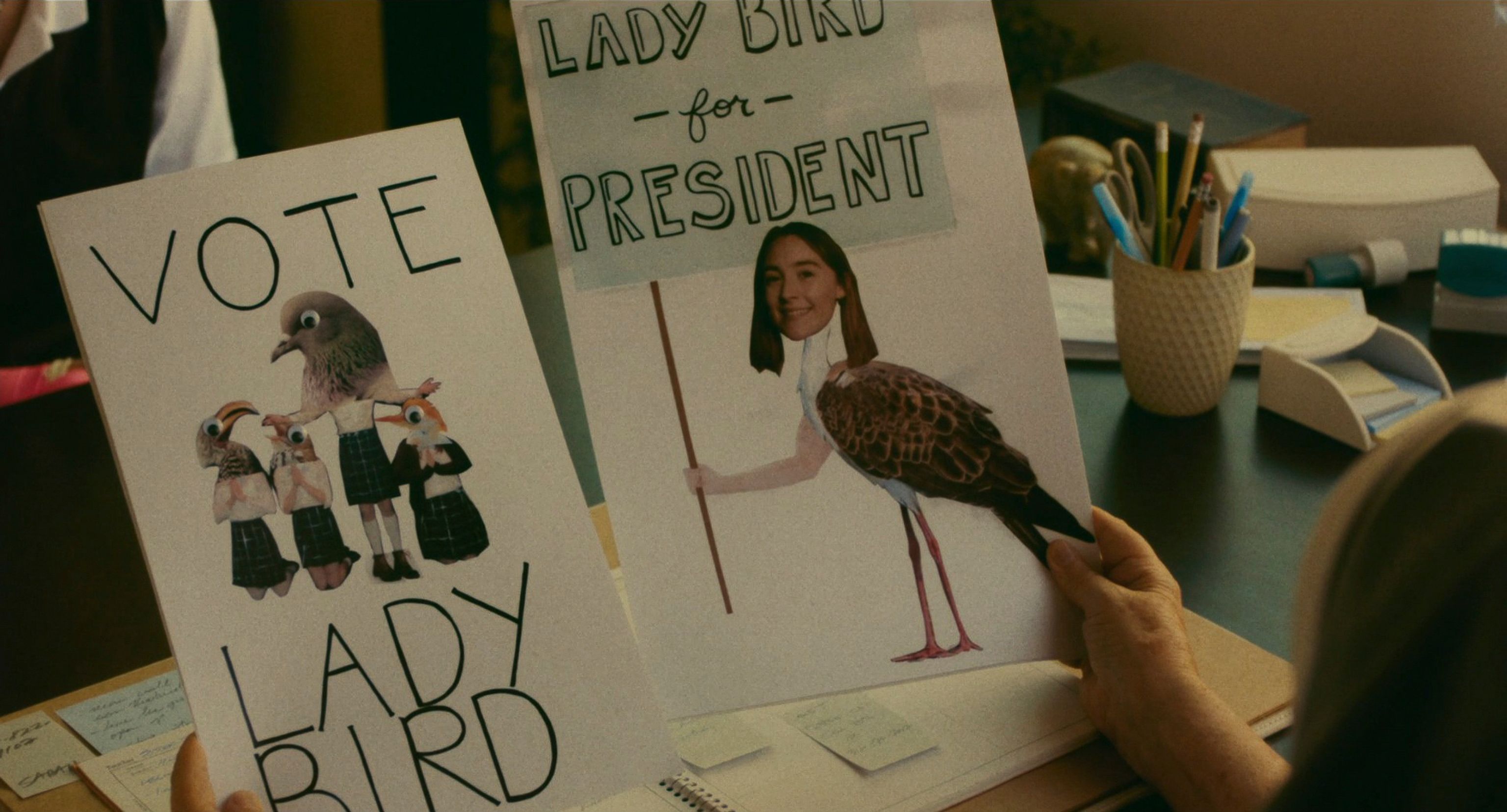
Greta Gerwig’s Lady Bird emerged from the director’s desire to capture the emotional weather of her youth rather than recreate its literal events. Although Gerwig grew up in Sacramento like her protagonist, Christine “Lady Bird” McPherson, she has consistently emphasized that the film is not autobiographical. Instead, it reflects the sensations she remembers from the strange, luminous transition between adolescence and adulthood - the ache of wanting to leave home, the tug of familial love, and the dawning awareness that parents are fallible people with their own hopes and disappointments. In shaping the story, Gerwig wanted to honor the intensity of that period without irony, treating teenage longing and frustration as real and worthy subjects.
Gerwig, who had already made a name for herself in front of the camera and as a co-writer in the mumblecore movement, found her full voice as a filmmaker with this solo directorial debut. Her trademark qualities - a blend of gentle humor, emotional precision, and reverence for specificity - permeate the film. Sacramento becomes more than a backdrop; it becomes an ecosystem of memories, a place Lady Bird must push against in order to understand what it has given her. The dialogue, meanwhile, carries Gerwig’s unmistakable rhythm: heightened yet natural, slightly quirky but rooted in recognizable truths about family, friendship, and ambition.
Sam Levy’s Visual Approach
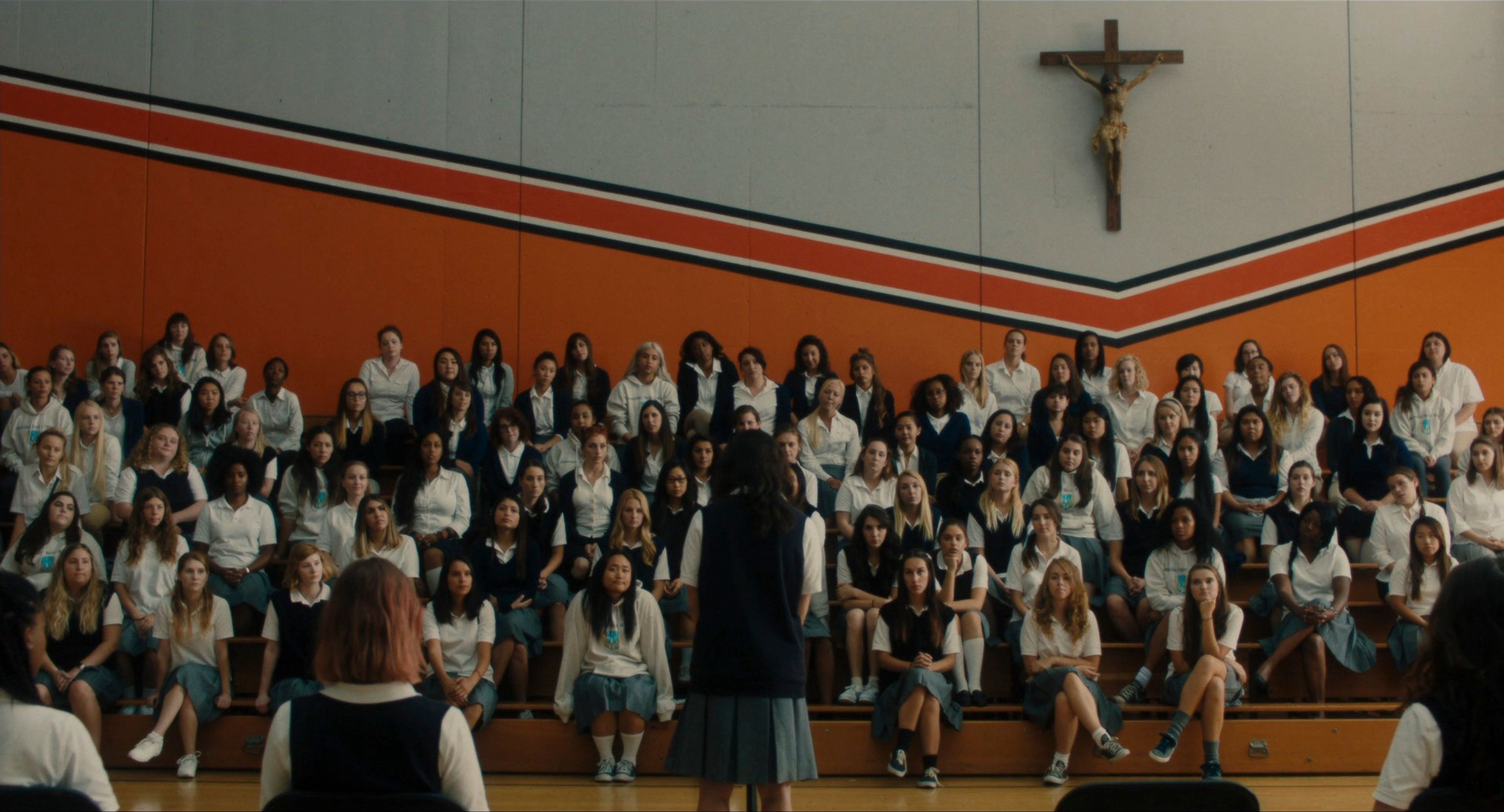
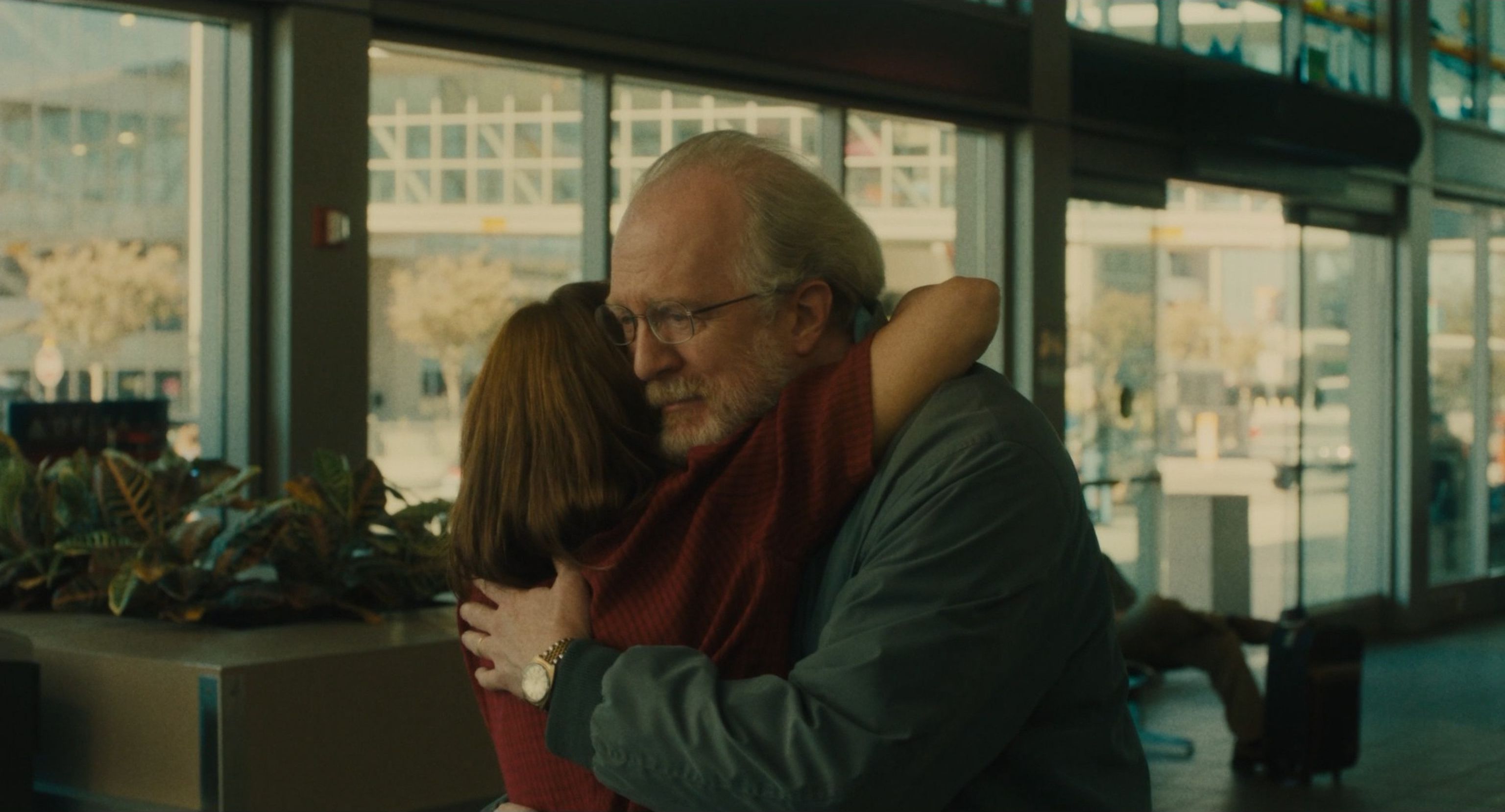
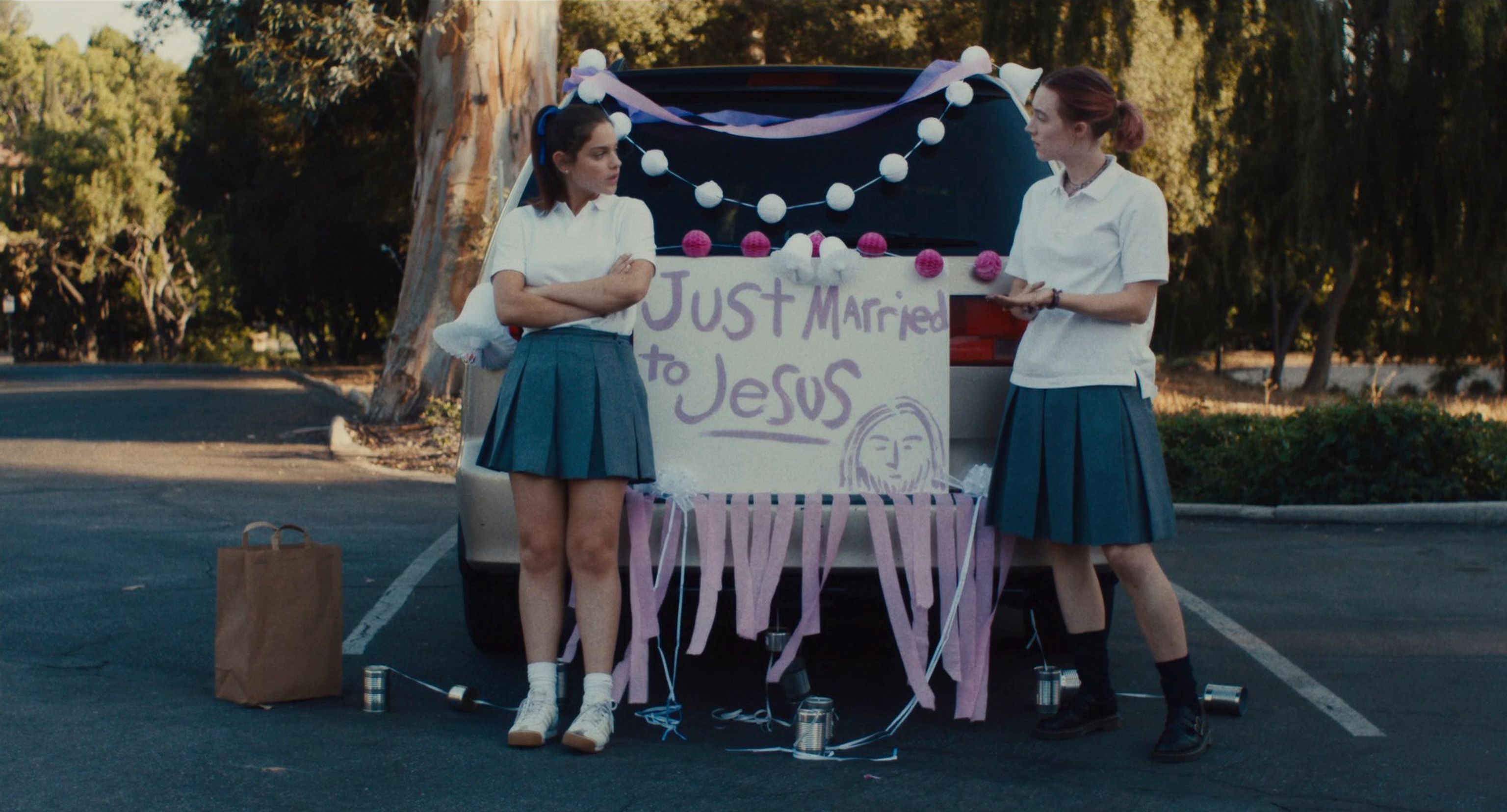
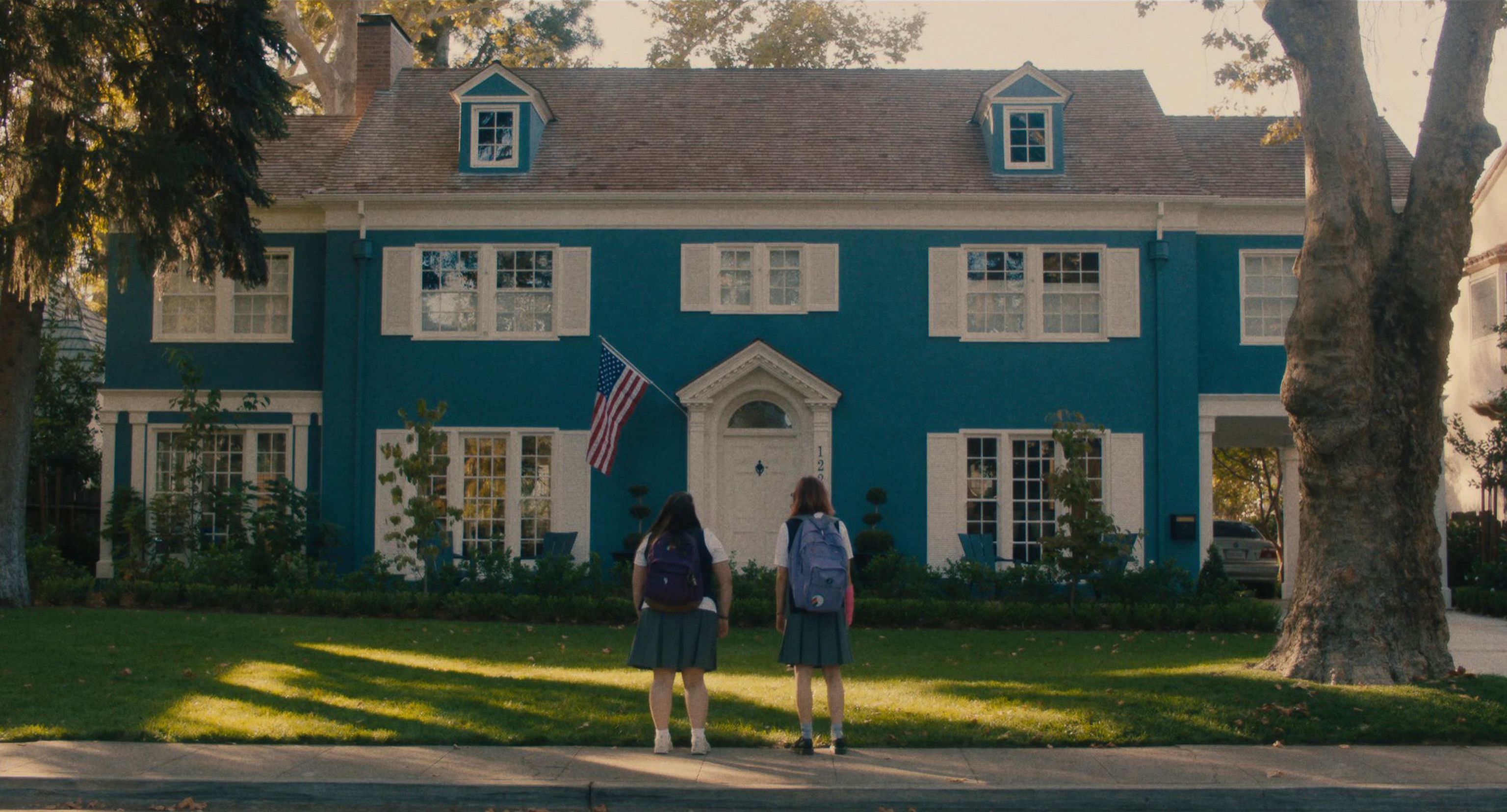
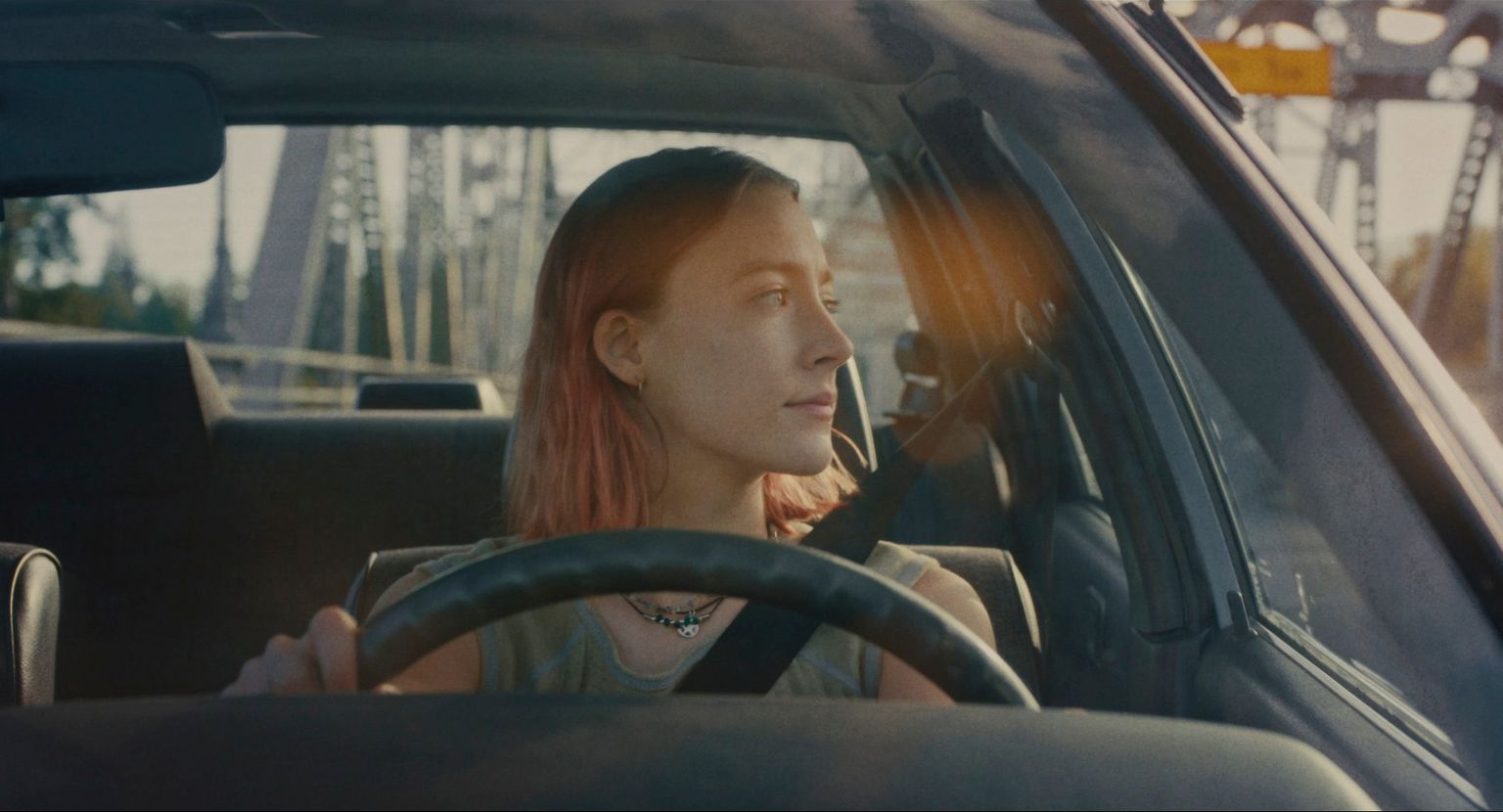
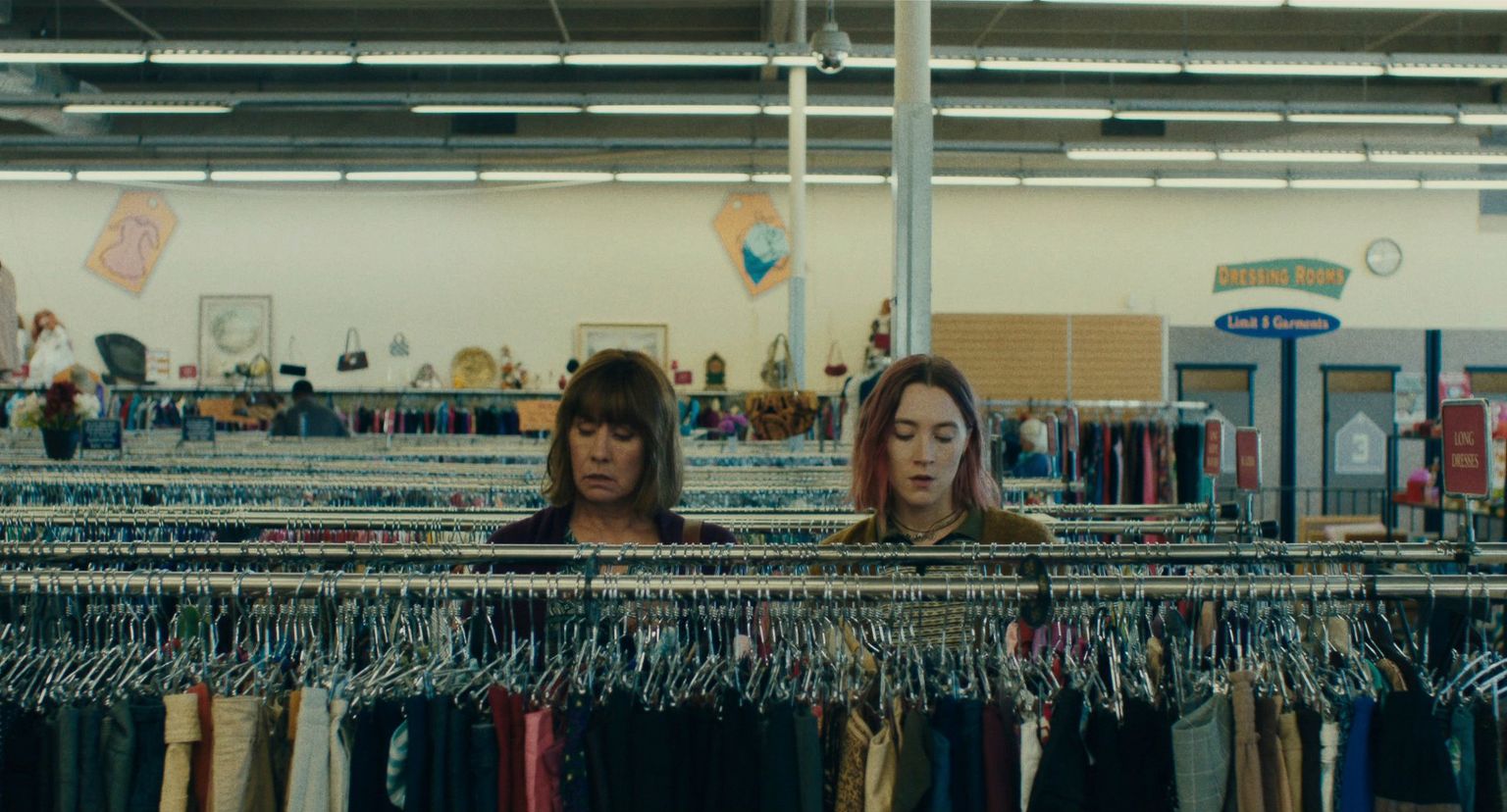
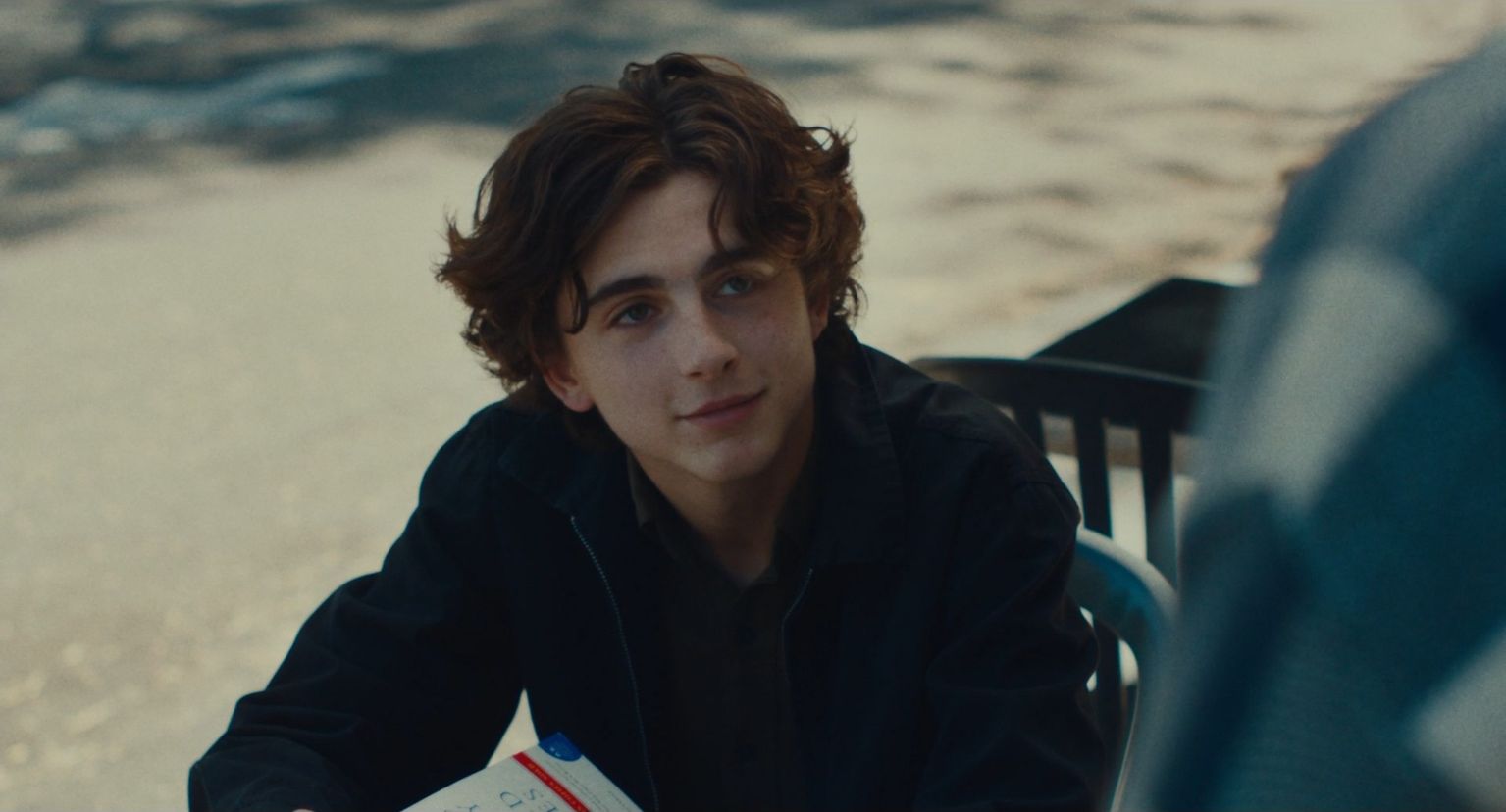
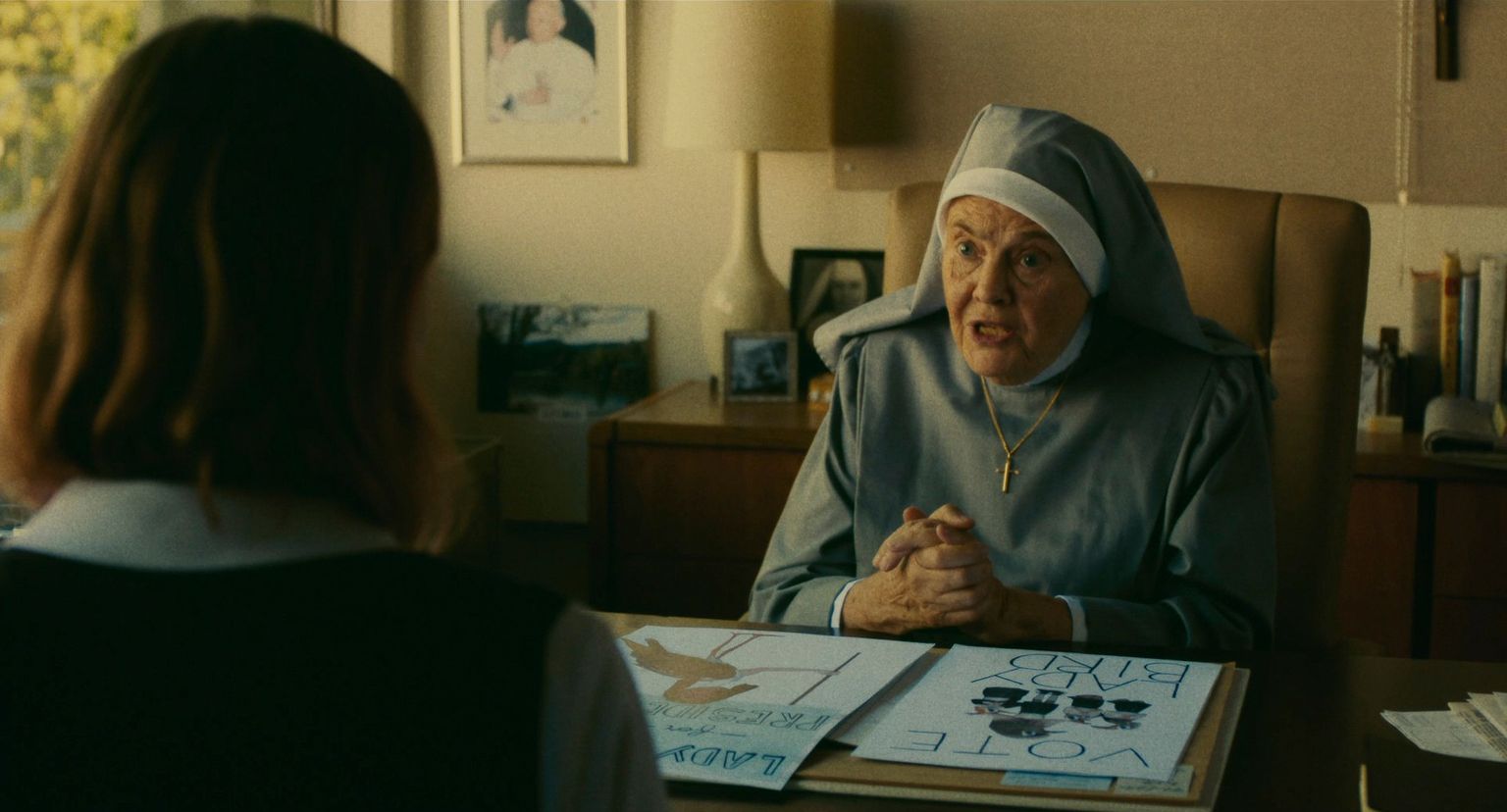
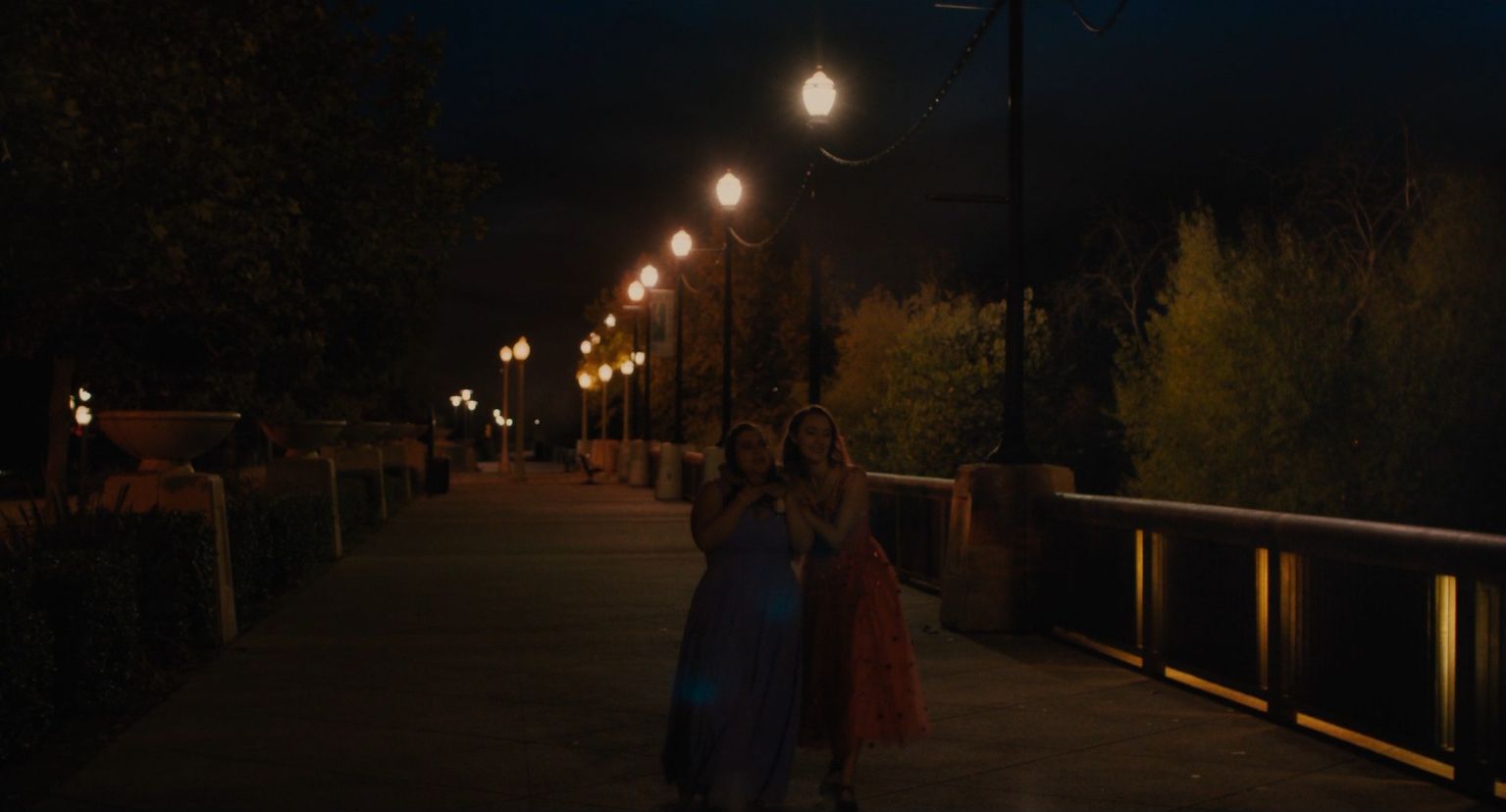
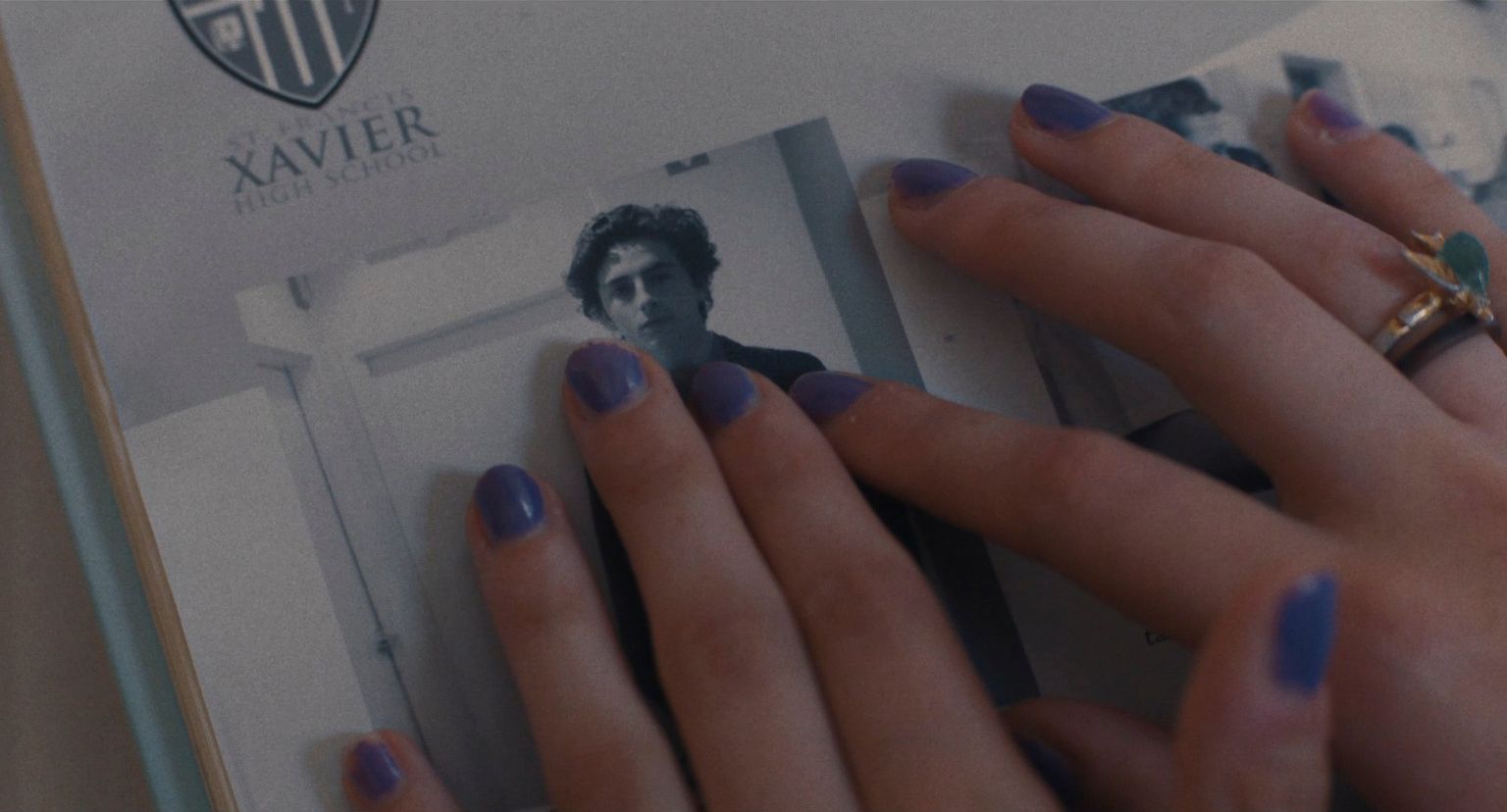
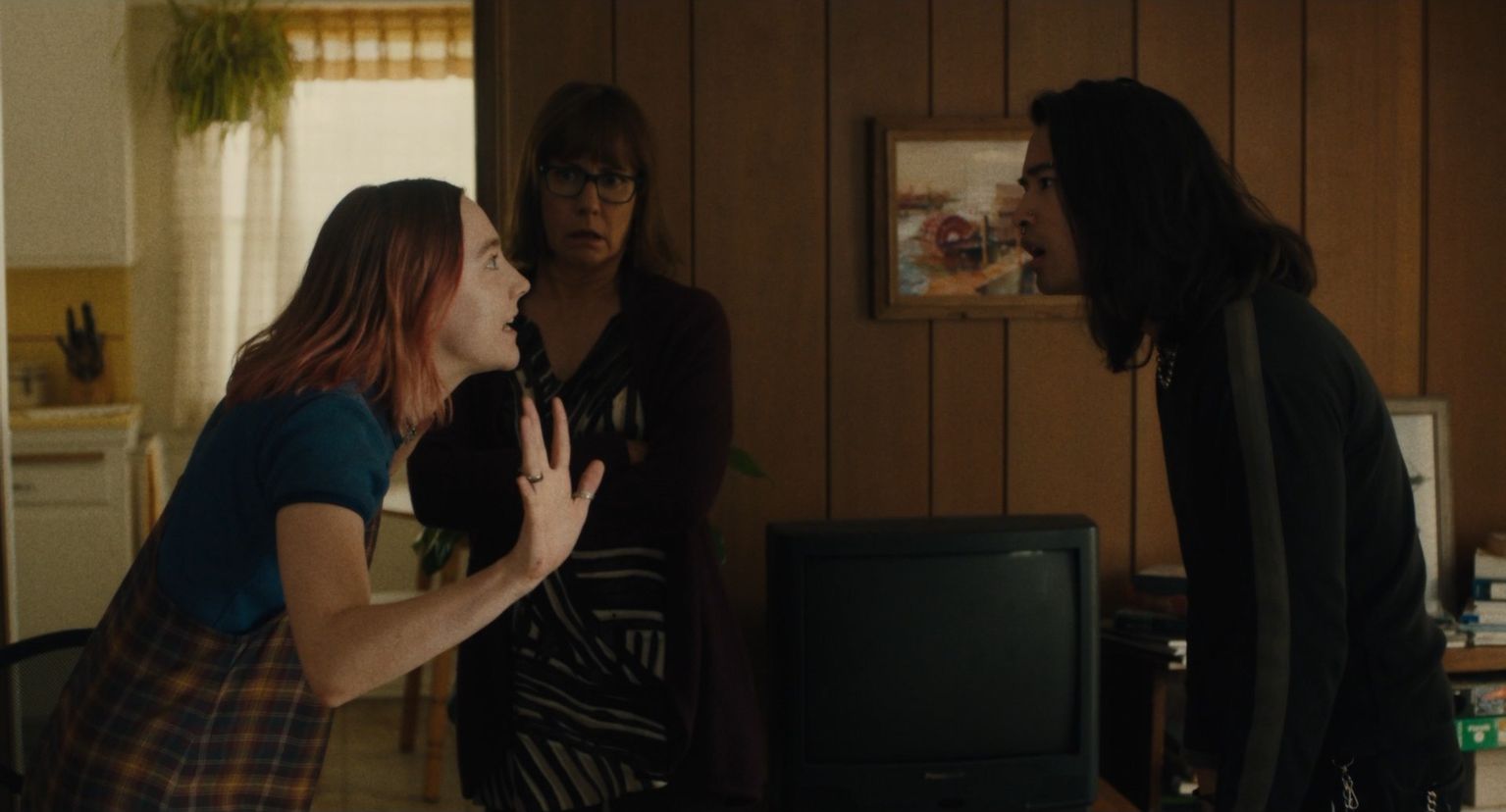
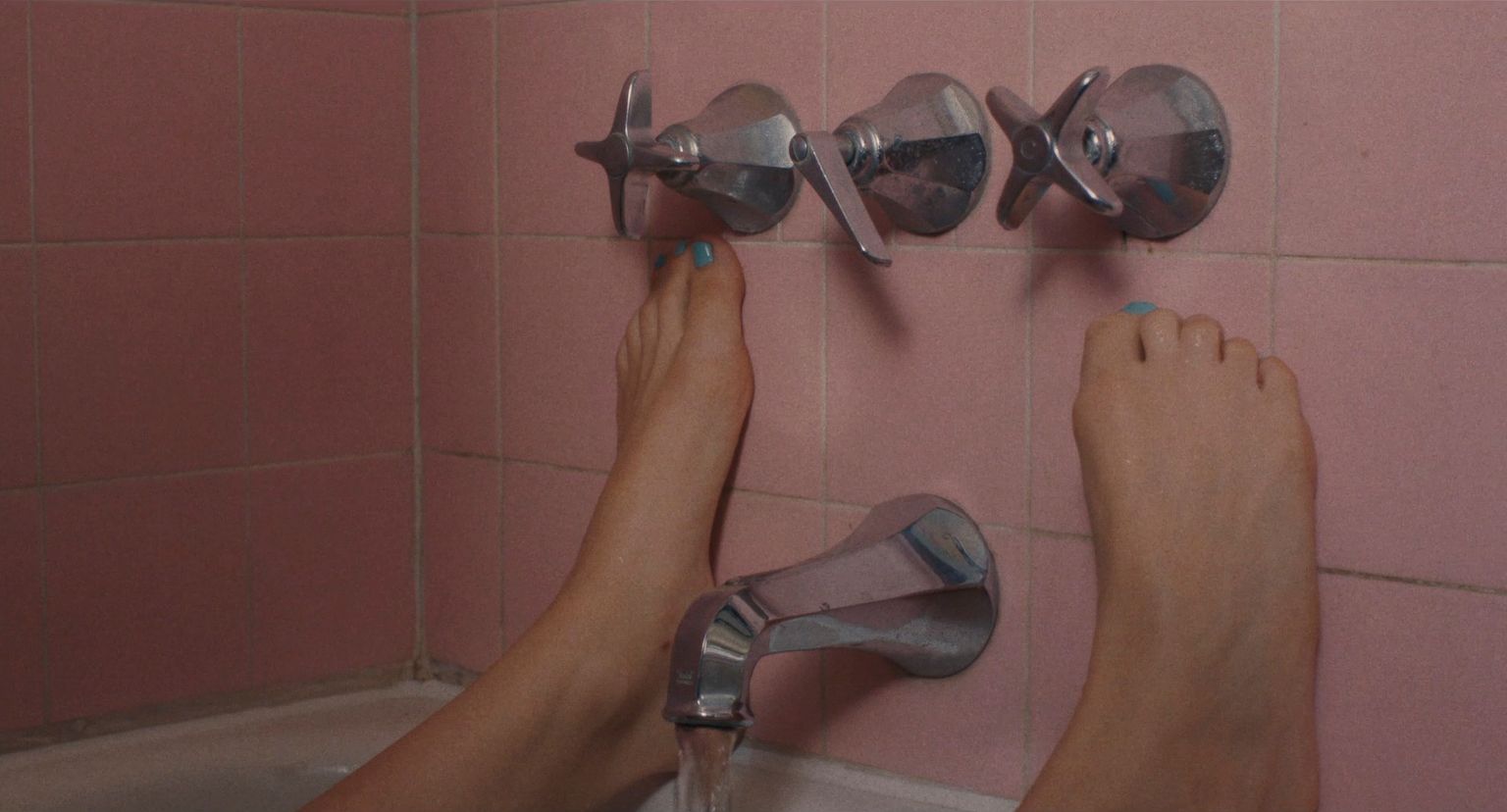
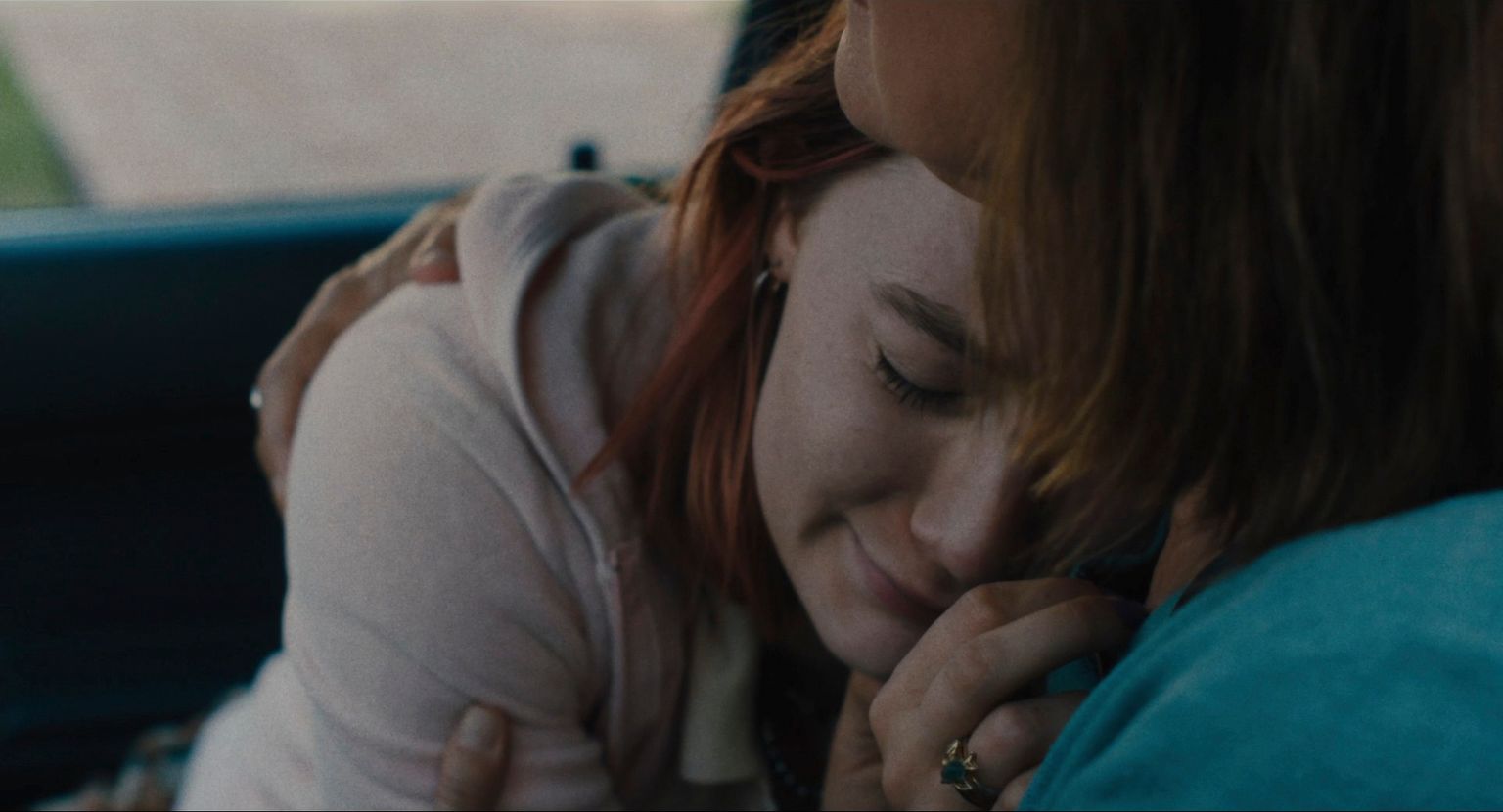
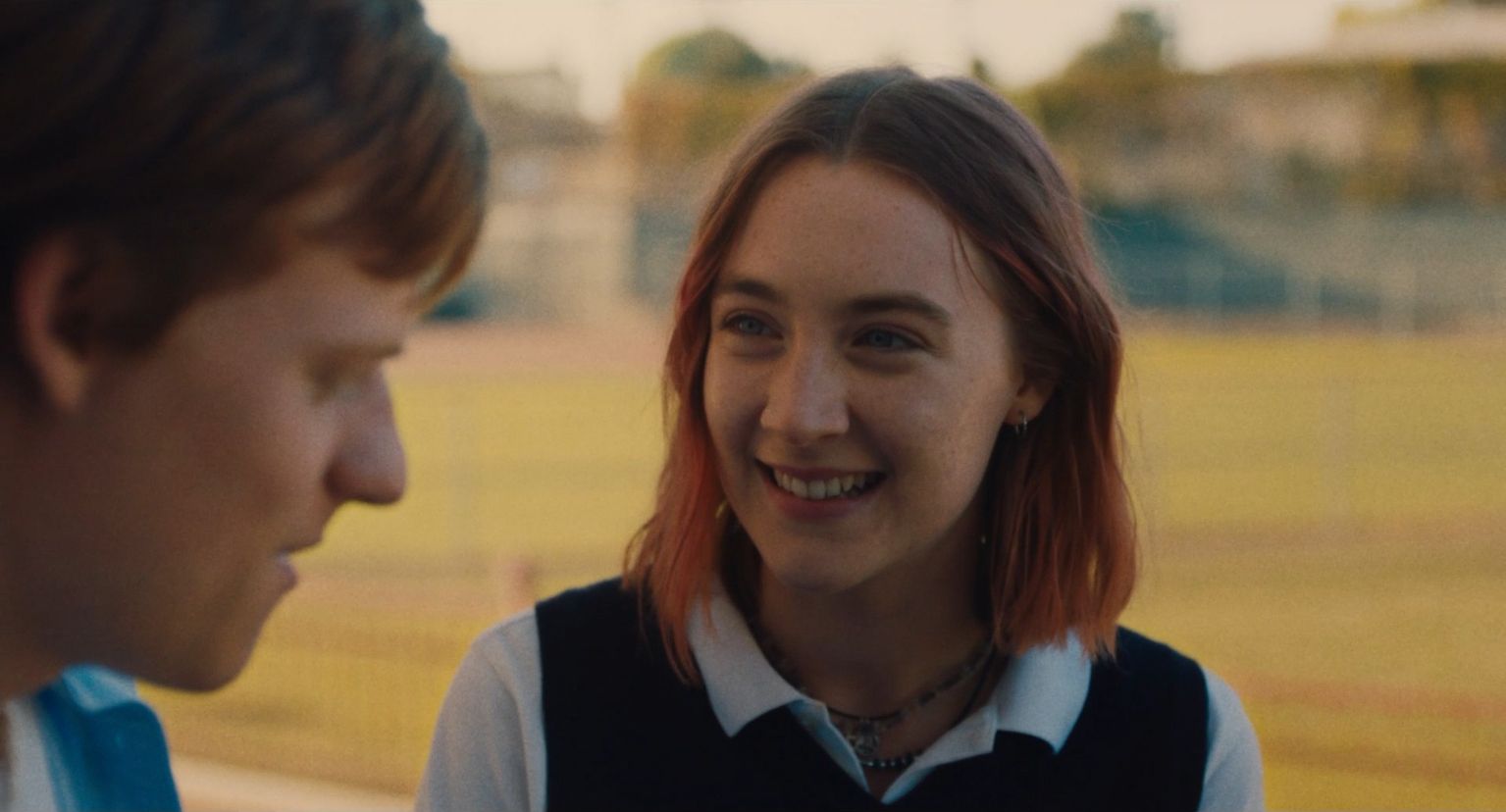
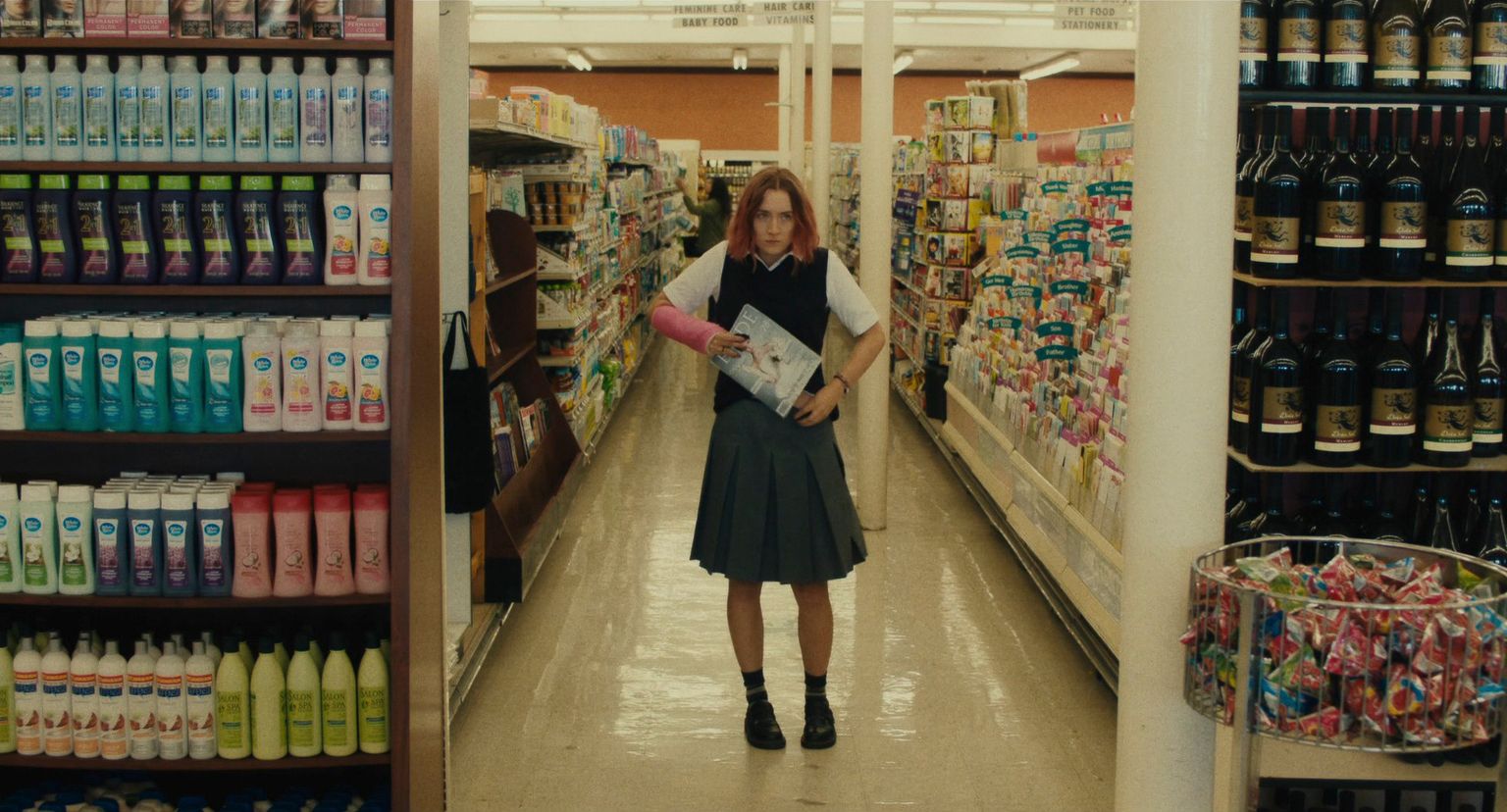
Visually, Lady Bird owes much of its distinctive atmosphere to cinematographer Sam Levy, who crafted images that feel like fragments from a cherished but imperfect scrapbook. Although the film was shot digitally, Gerwig and Levy worked to emulate the softness of early-2000s 35mm photography. The palette is warm and slightly faded, as though sun-bleached by time, and the lighting favors naturalism - the muted glow of a lived-in kitchen, the quiet dusk of a high school parking lot. Camera movements are modest, mostly static or subtly handheld, allowing performances to breathe and keeping the emotional register grounded. Together, Gerwig and Levy adhered to a guiding principle: the camera should never stand above the characters or comment on them, but rather observe with empathy and clarity.






Why It Resonates
This combination of personal sensibility, generous storytelling, and carefully sculpted visuals is what gives Lady Bird its enduring resonance. It feels at once intimate and universal, a film about one young woman’s coming-of-age that manages to illuminate the complex, tender chaos of growing up anywhere.