
gruppe-aja
Landscape of House 14A
- Architectgruppe-aja
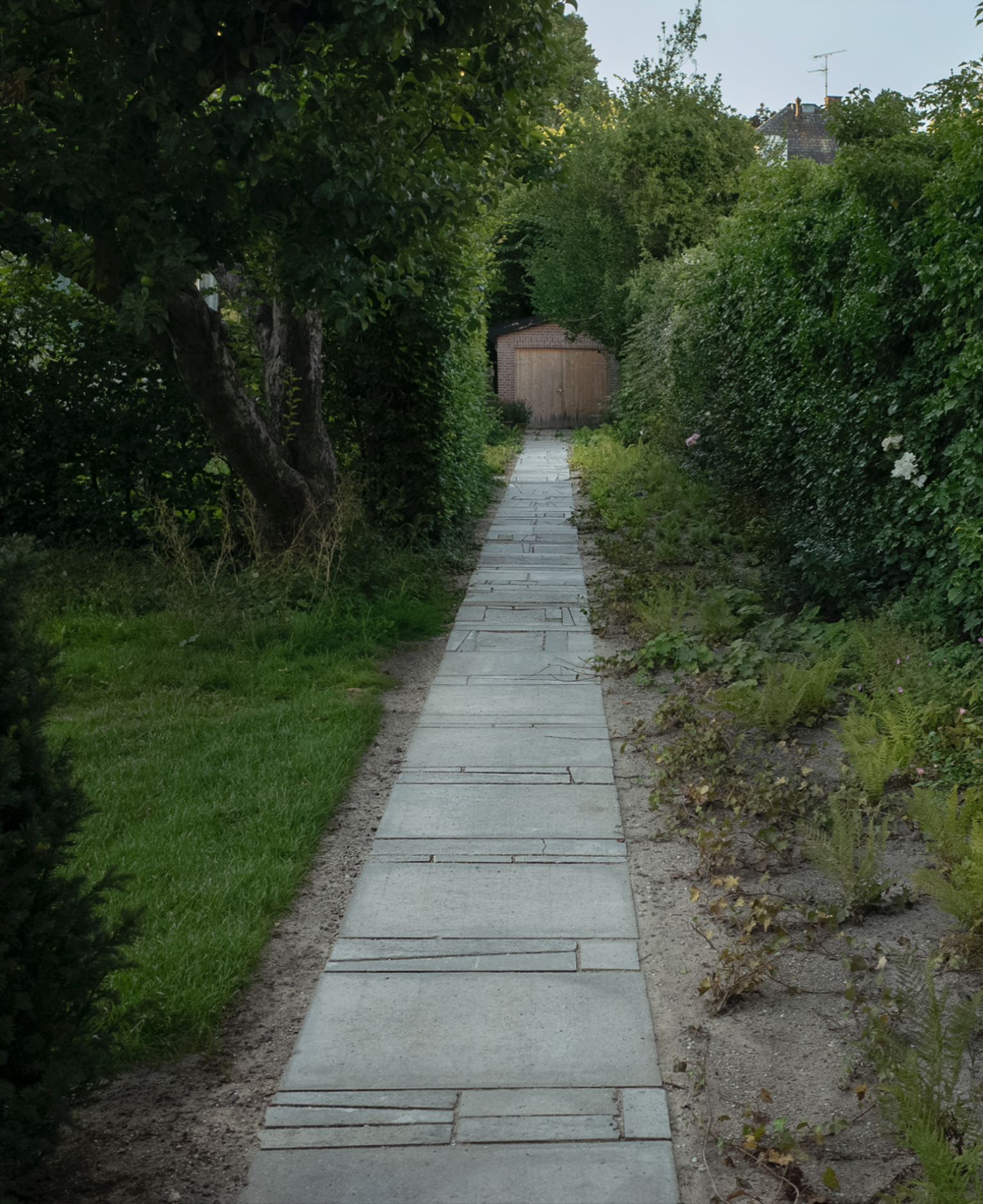
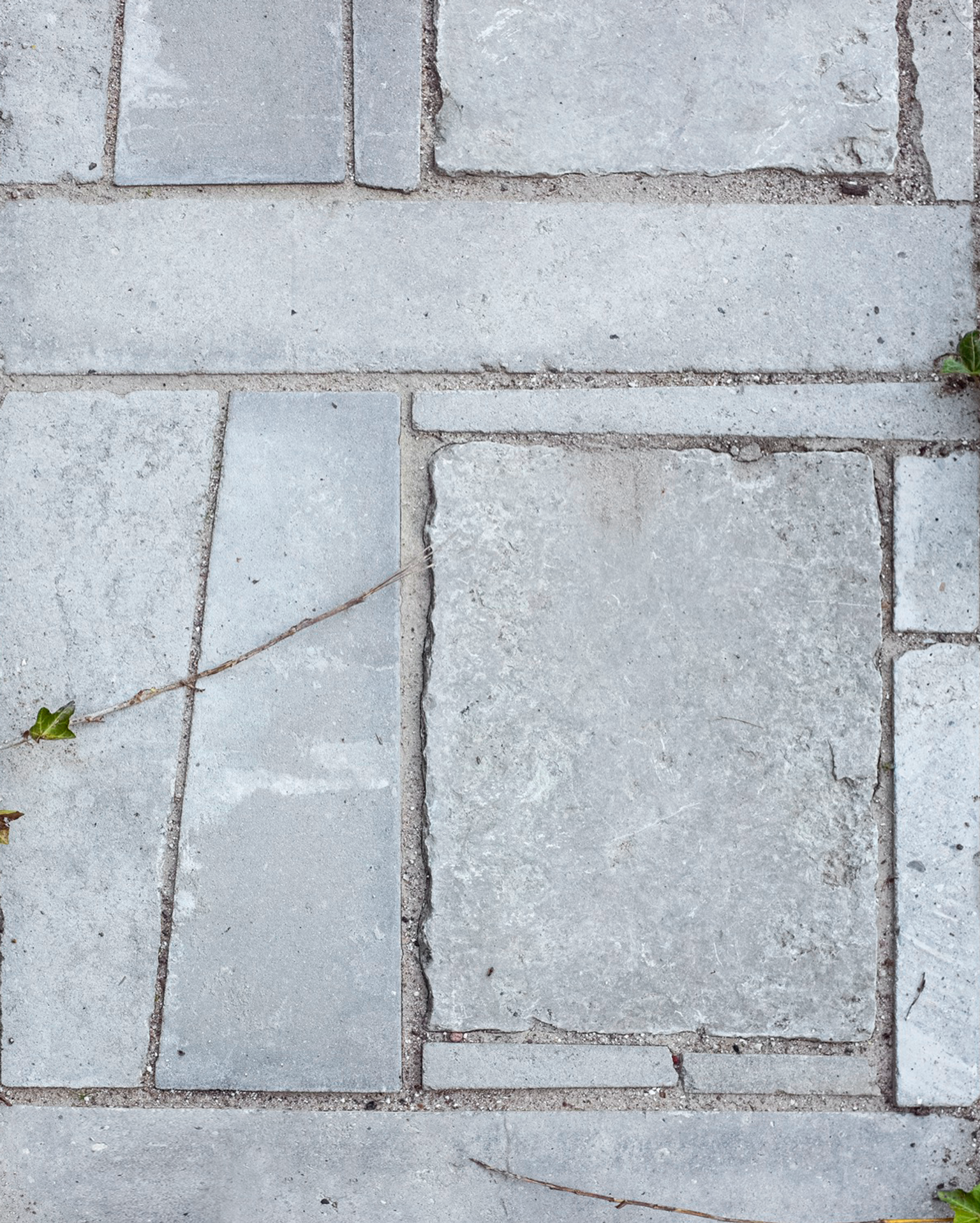
Søren Pihlmann gruppe-aja designed the landscape for House14a, a recent project of ours, approaching the garden as a field of material continuity rather than a composed design. By sourcing stone offcuts from nearby paving works and working exclusively with upcycled materials, including concrete cut offs, reused bricks, and an old natural stone found on site, the project explores how residual fragments can be recomposed into a landscape that remains open, ordinary, and curiously held together.

Upcycled Materials and Landscape Strategy
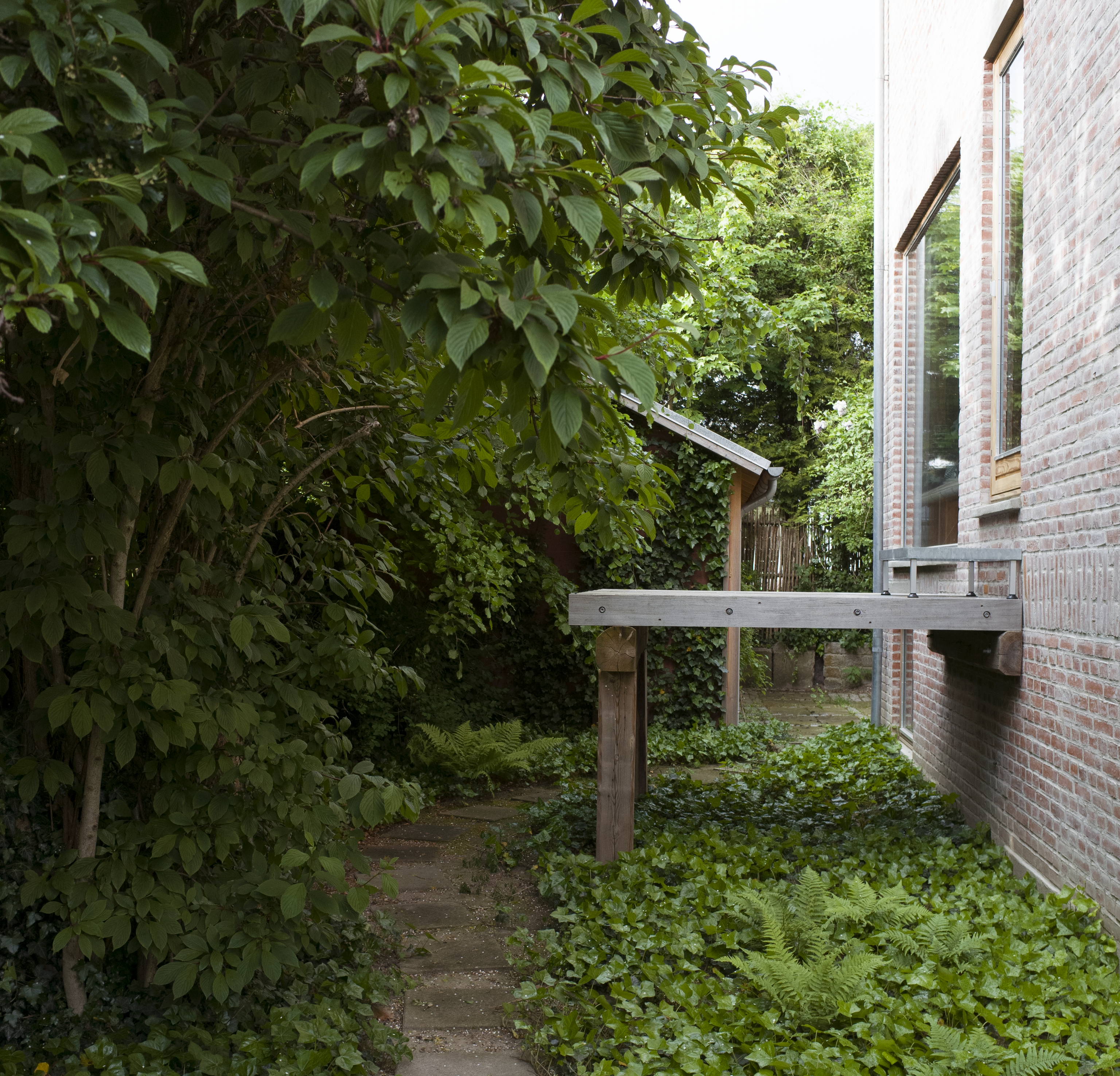
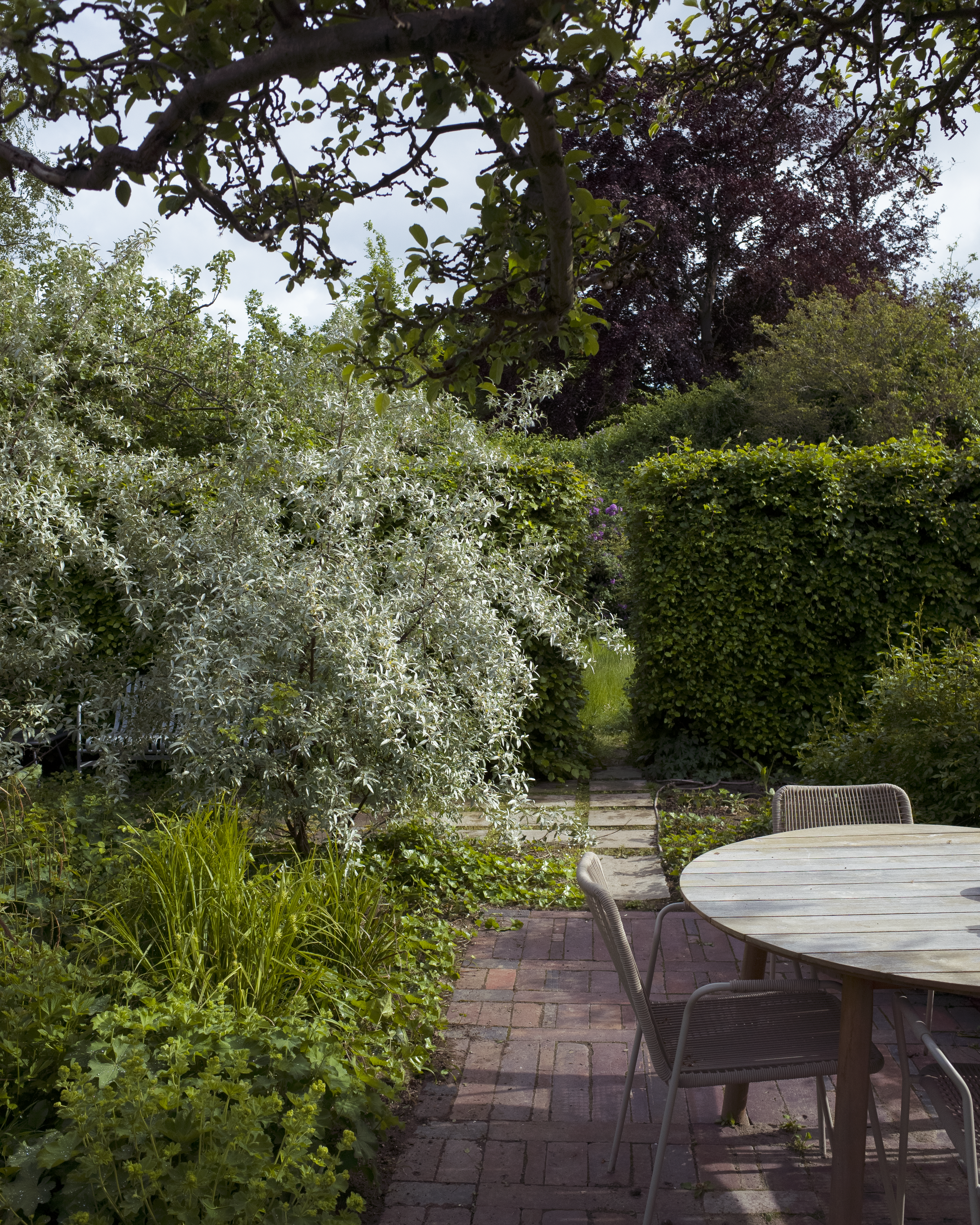
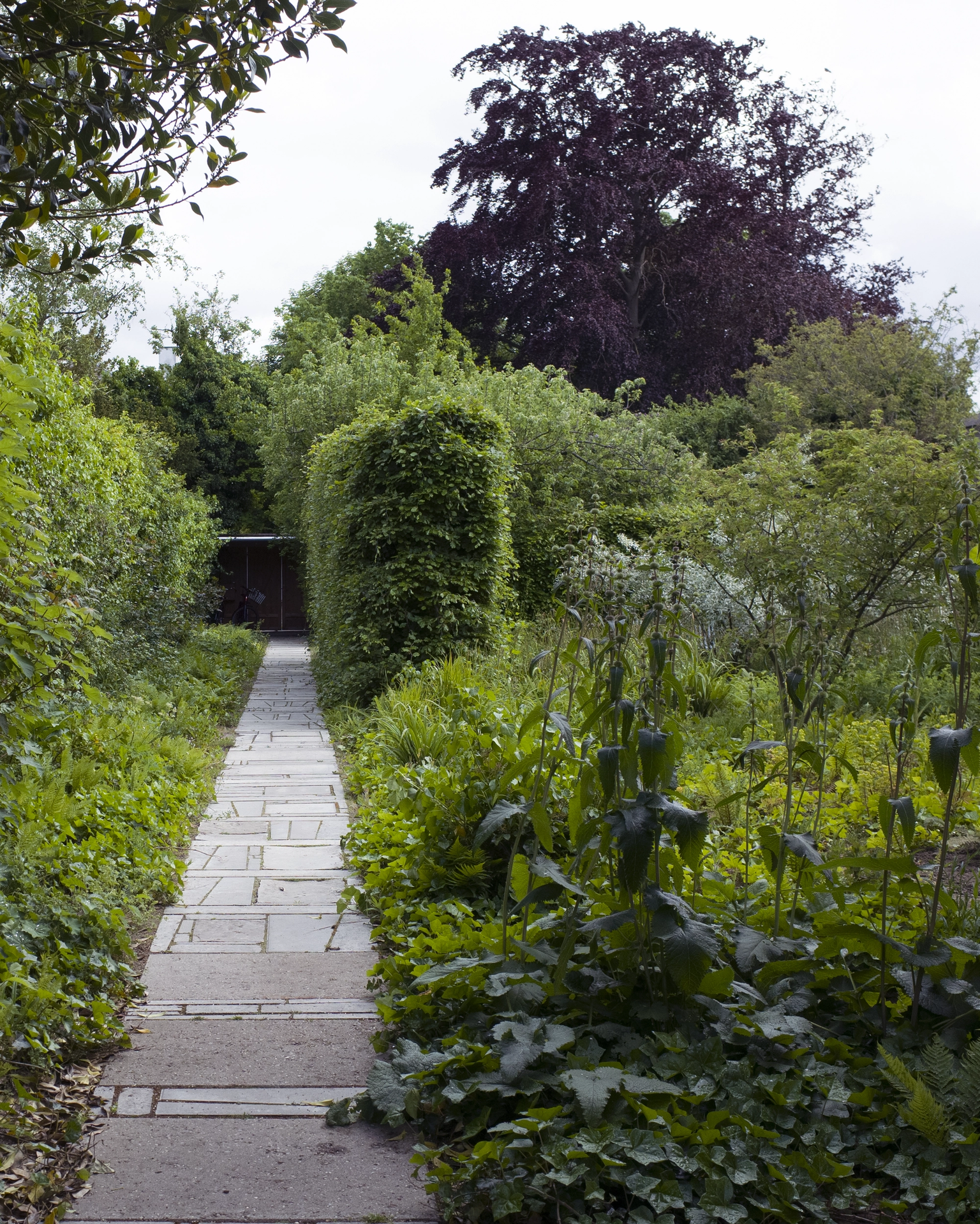
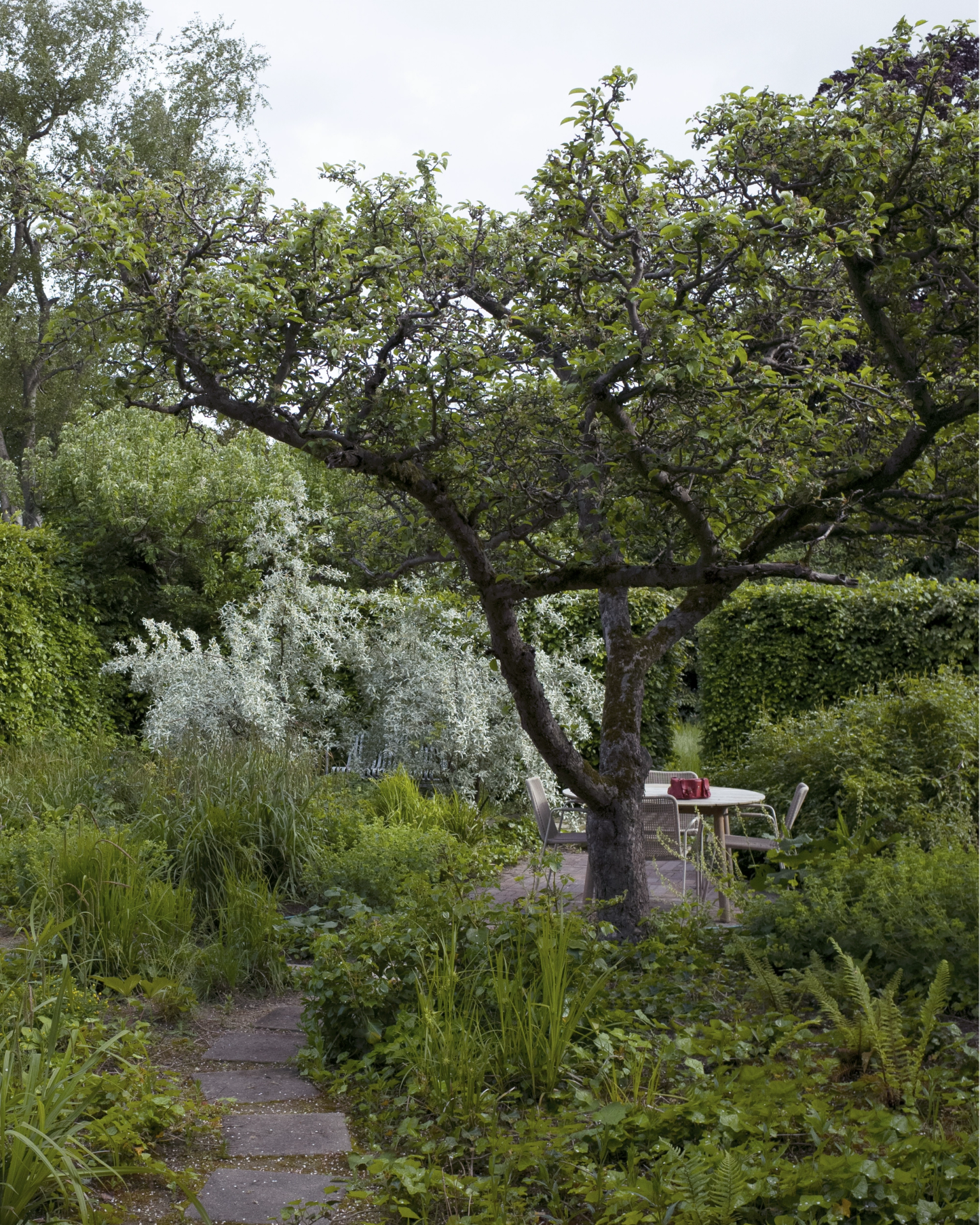
Landscape of House 14A in Hellerup, Denmark, is an exploration of material reuse and ecological imagination. The garden unfolds across a series of paved areas and meandering paths embedded within a softscape of ferns, ivy, grasses, and a few carefully placed trees. All paving materials are upcycled: one pathway connecting street and house is made from cut-offs of standard concrete pavement tiles, materials that would otherwise be discarded during trimming for corners or irregular spaces. Other areas integrate bricks, century-old natural stone sourced locally, and square paving stones, each fragment finding new purpose in the evolving design. Through this careful attention to the provenance, form, and texture of every piece, gruppe-aja transforms waste into a cohesive and expressive material palette, foregrounding sustainability while celebrating the tactile, visual, and historical resonance of the materials themselves.


Architectural Process and Philosophy
gruppe-aja, led by Alberte Hyttel, Julie Lecuelle, and Amalie Holm, approaches landscape and architecture as a continual negotiation between resource availability and spatial imagination. Their process rejects predetermined outcomes, instead allowing each design to evolve according to the materials at hand – whether sourced on-site, from local streets, or reclaimed from surrounding industries. Collaborations with recycling stations and material producers inform careful documentation, technical analysis, and aesthetic testing of every component. This iterative approach ensures that the resulting spaces are neither static nor finished but are continuously adaptable, reflecting both ecological responsibility and a responsiveness to the dynamic life of the house and its surroundings. The work embodies a non-hierarchical ethos, where all materials, fragments, and textures – rough or refined, old or new – contribute equally to the narrative of place.

Integration with House 14A and Interior Dialogue
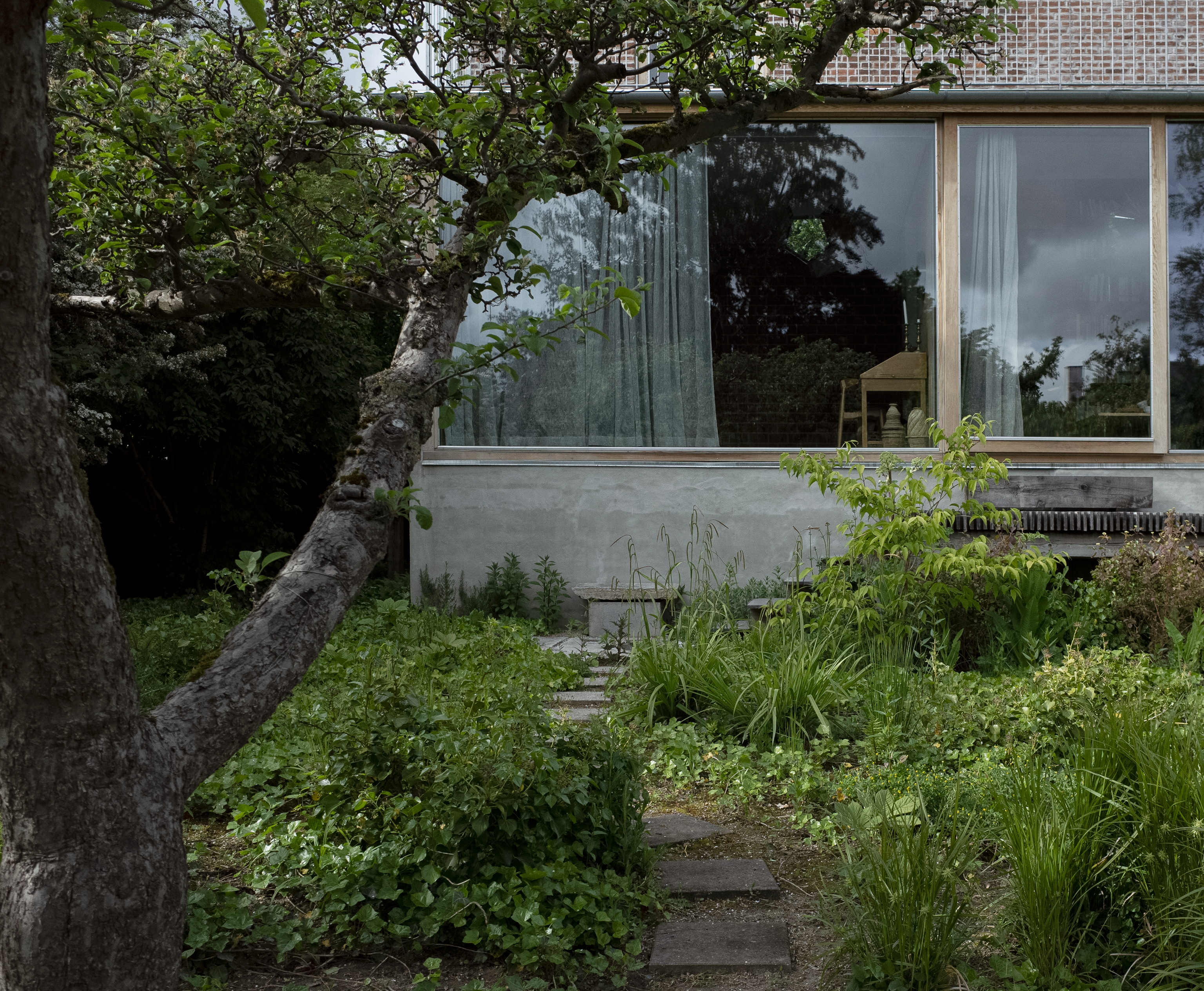
The landscape dialogue extends seamlessly into the architecture of House 14A itself, a post-war 1951 single-family house renovated by Pihlmann Architects. The south-facing extension opens fully to the garden through a glazed facade, creating visual and spatial continuity between interior and exterior. Within, open masonry cores structure the central living space, which combines kitchen, dining, living room, and a two-storey library, while upper-floor bedrooms and study areas retain a private character under the heightened roof trusses.
The design celebrates traces of history and adaptation: broken bricks appear in terrazzo tiles, original parquet floors are patched with plywood, and frameless partitions respond to evolving uses. In this way, the garden and house together form a living collage – both adaptive and ecological, where the act of reuse and the presence of imperfections become central to the aesthetic, conceptual, and material identity of the project.