Michelangelo Frammartino
Le Quattro Volte
- DirectorMichelangelo Frammartino
- CinematographerAndrea Locatelli
Jason Evans There’s no description that could do justice to Le Quattro Volte, a film that follows the transmigration of a soul through four stages of spiritual reincarnation: human, animal, vegetable, mineral. Its stanza-like sections dispense almost entirely with human language, as Frammartino returns us to Pasolini’s ‘Cinema di Poesia’ – be it a more cosmic, ecological vision. I also see Le Quattro Volte as a ‘process’ film. One that’s located in the rhythm of nature and the residue of decay.

Le Quattro Volte
Le Quattro Volte (2010) is written and directed by Italian filmmaker and former architect Michelangelo Frammartino, whose work bridges cinema, photography, and installation art. Set in the remote mountain town of Caulonia, in the lush but sparsely populated hills of southern Calabria, his ancestral home, the film is a meticulous meditation on the cycles of life, death, and transformation. Drawing on local rituals, pre-industrial labor, and enduring village traditions, Frammartino frames his cinema as a quiet observation of existence, privileging presence over narrative.

The film eschews dialogue entirely, relying instead on long, static takes that allow viewers to inhabit the rhythms of labor, animal behavior, and seasonal change. Everyday acts - herding goats, sweeping church dust, chopping and carrying timber, tending kilns - are recorded with precision, granting each object, creature, and human equal dignity. Selected for the Directors’ Fortnight at the 2010 Cannes Film Festival, Le quattro volte immediately distinguished itself through its refusal of conventional storytelling, psychological exposition, or dramatic punctuation, asserting cinema as a tool for reflection on time, space, and continuity rather than plot-driven entertainment.
Cycles of Being
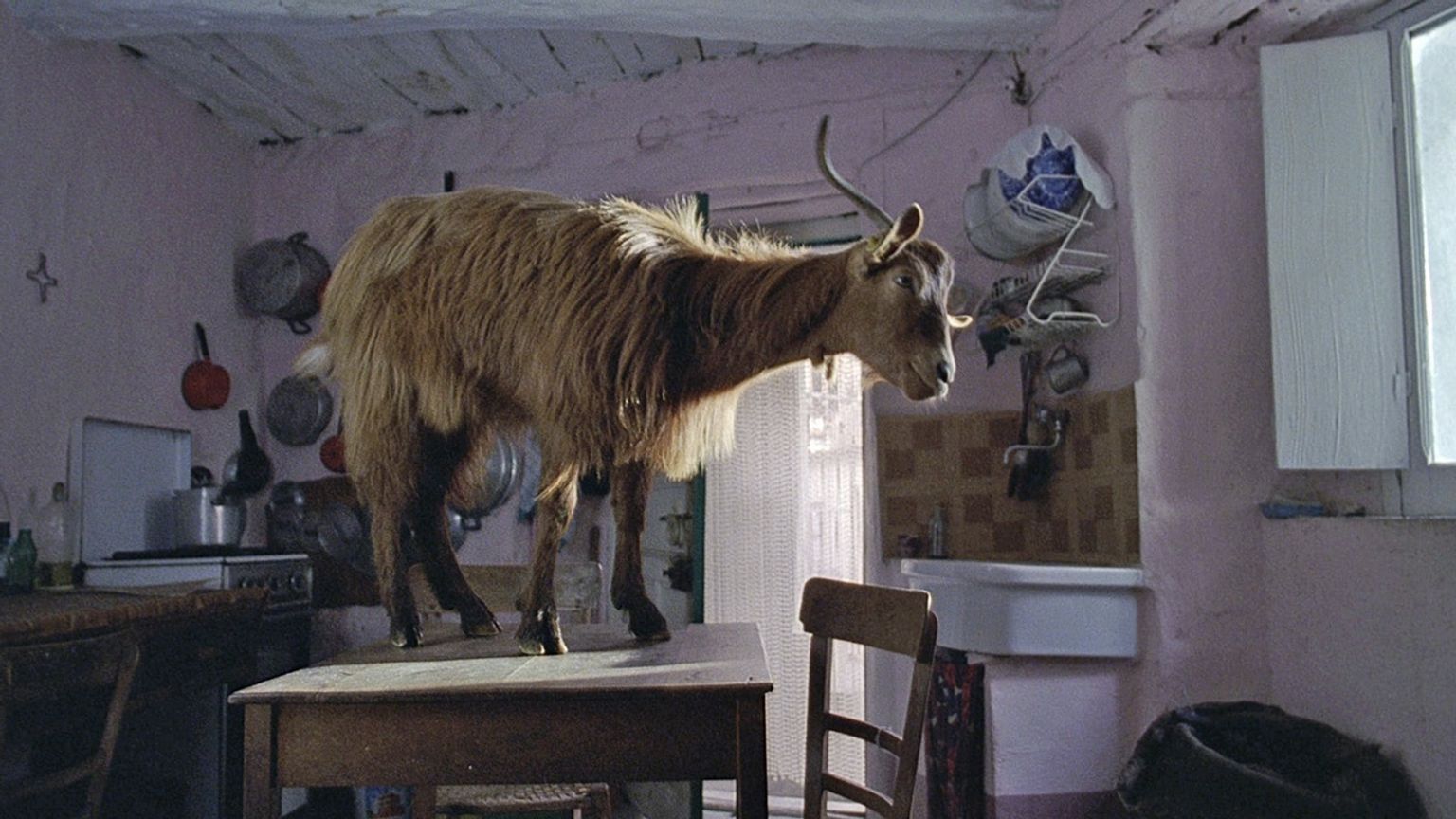
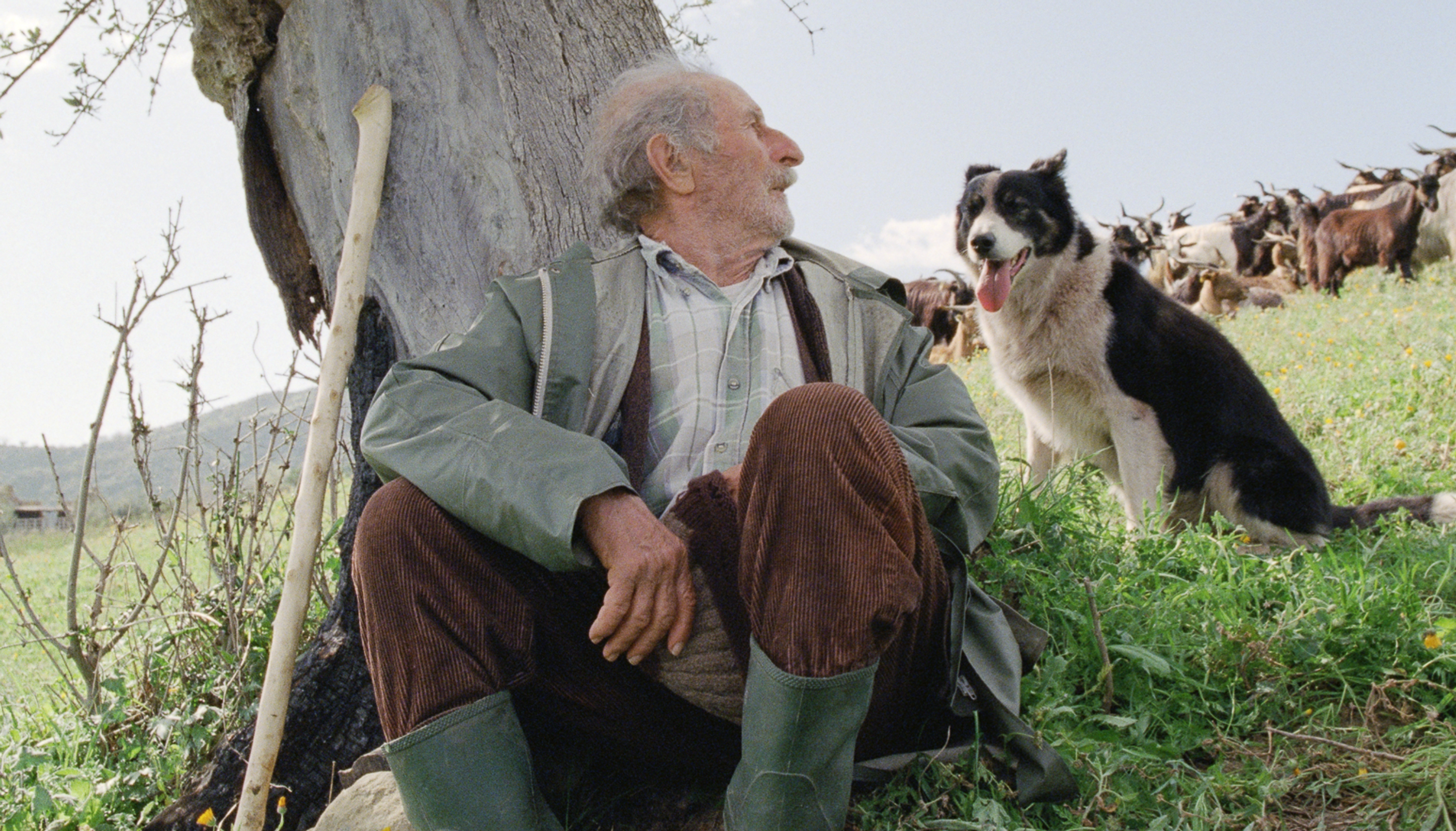
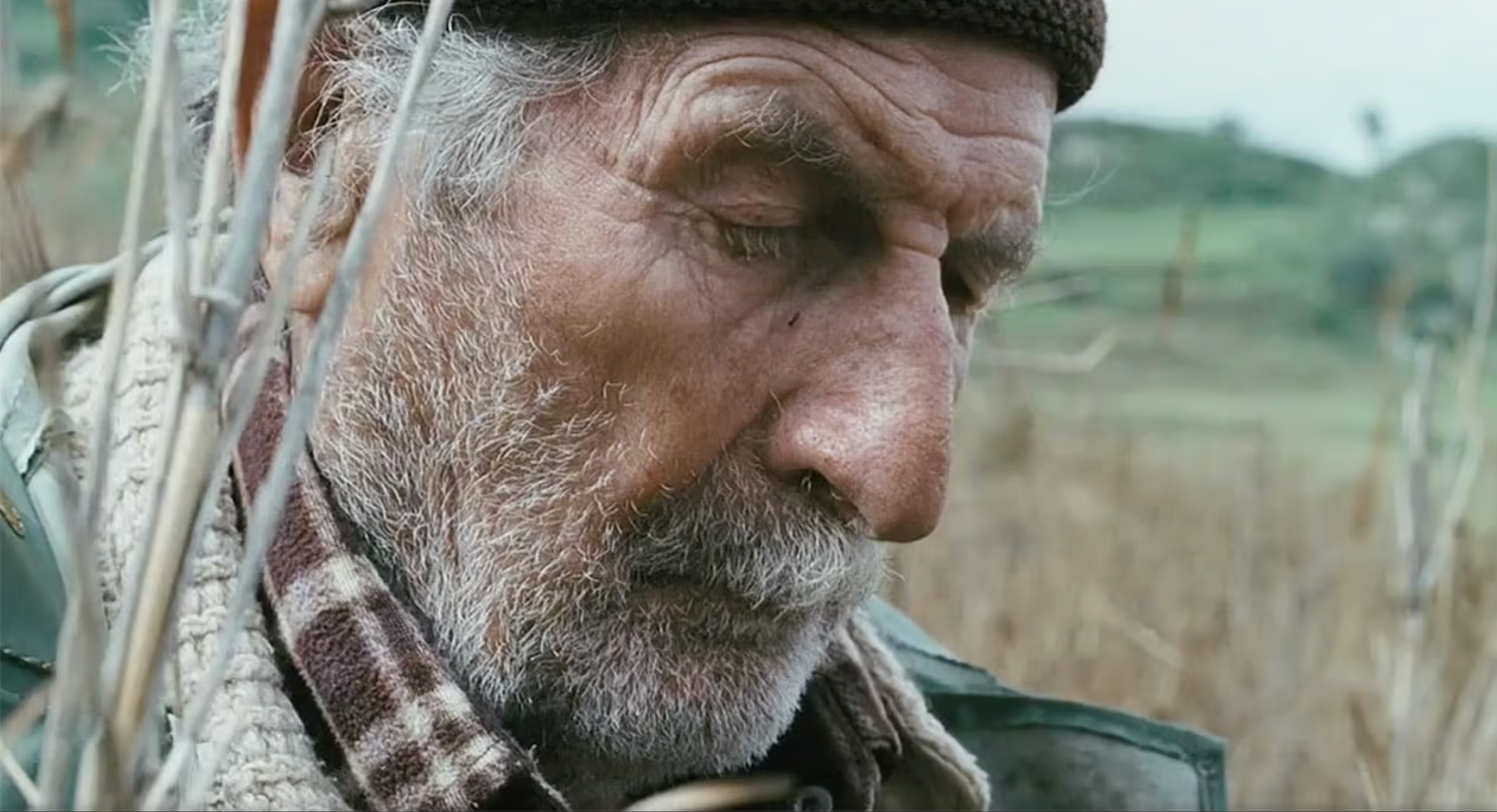
Structured around the Pythagorean concept of metempsychosis, Le Quattro Volte unfolds across four successive realms: human, animal, vegetal, and mineral. The human phase follows an elderly goatherd navigating the final days of his life in austere rural isolation, performing the small rituals of survival: driving his flock through misty hills, corralling unruly snails, and ingesting dust swept from the church floor as folk medicine. His death, quietly interwoven with the Easter procession, occurs as Vuk, the village dog, creates accidental chaos, releasing the goats into the streets in a single, choreographed shot that blends absurdity, humor, and poignancy.
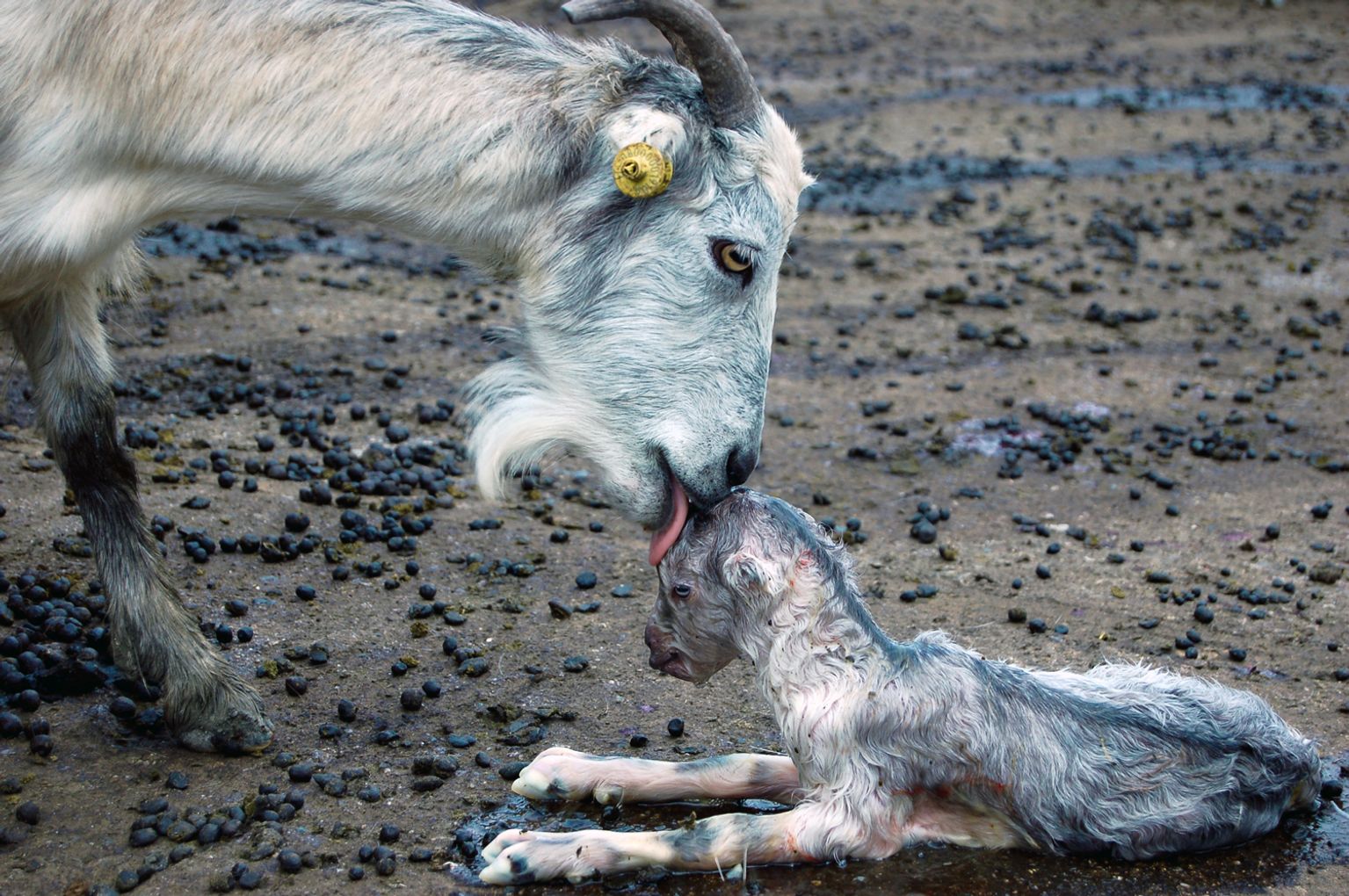

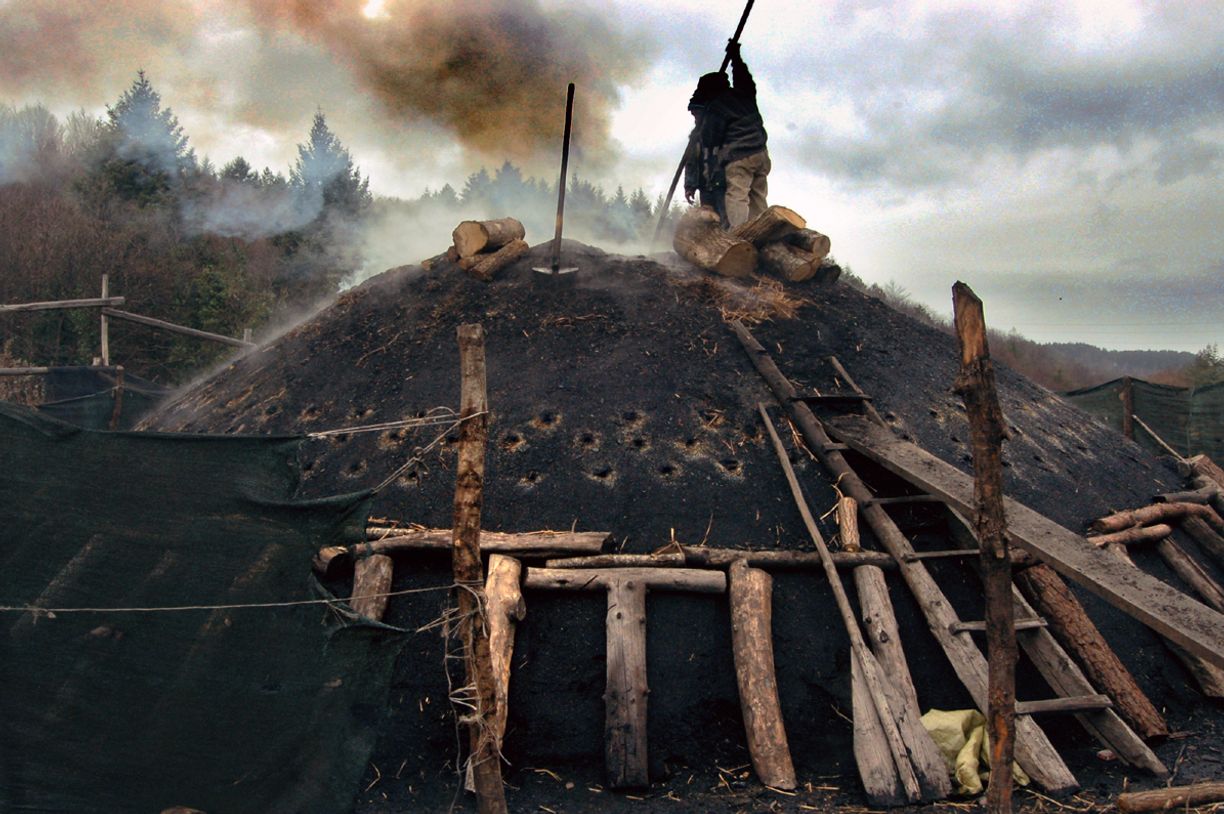

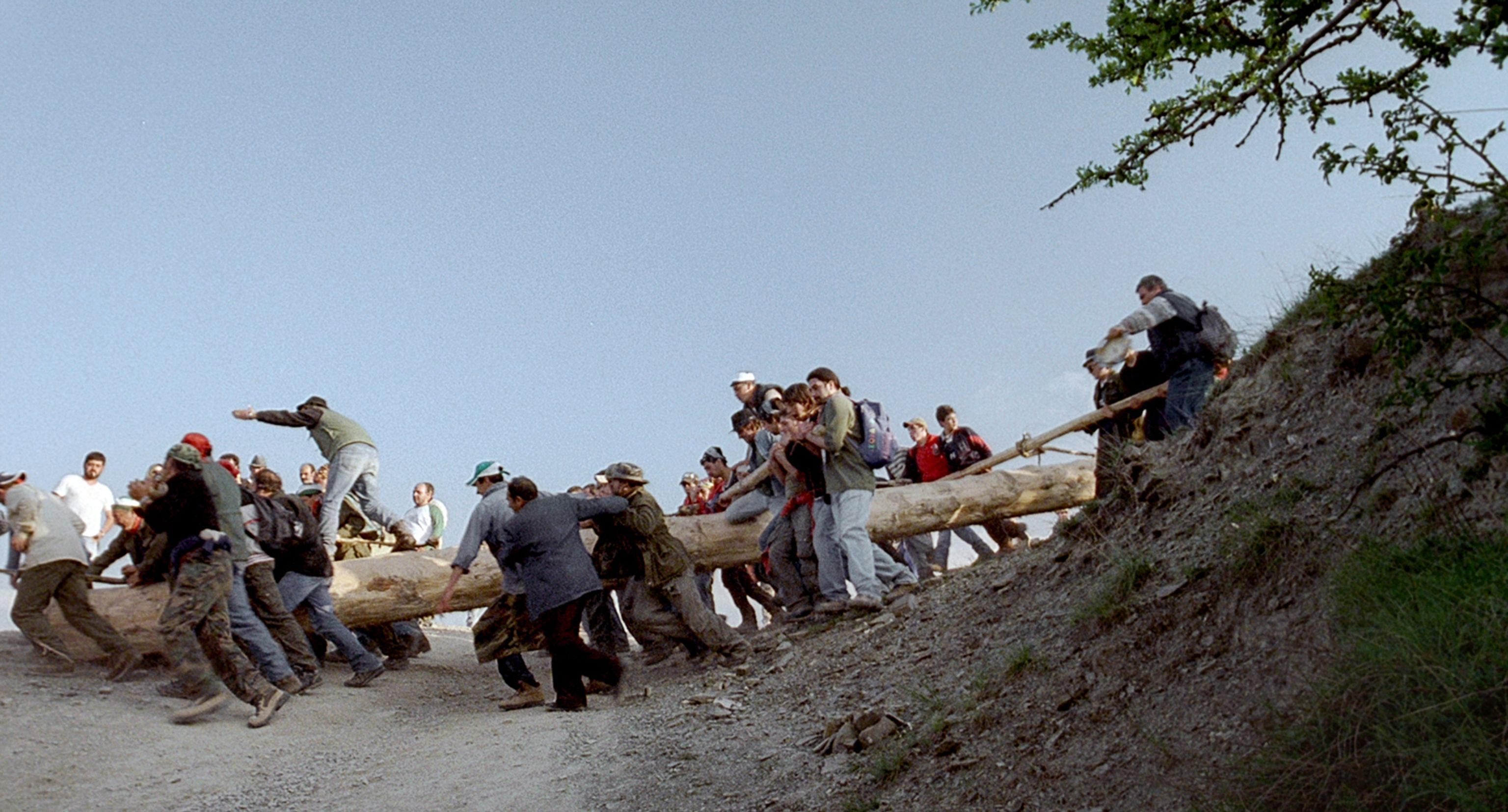
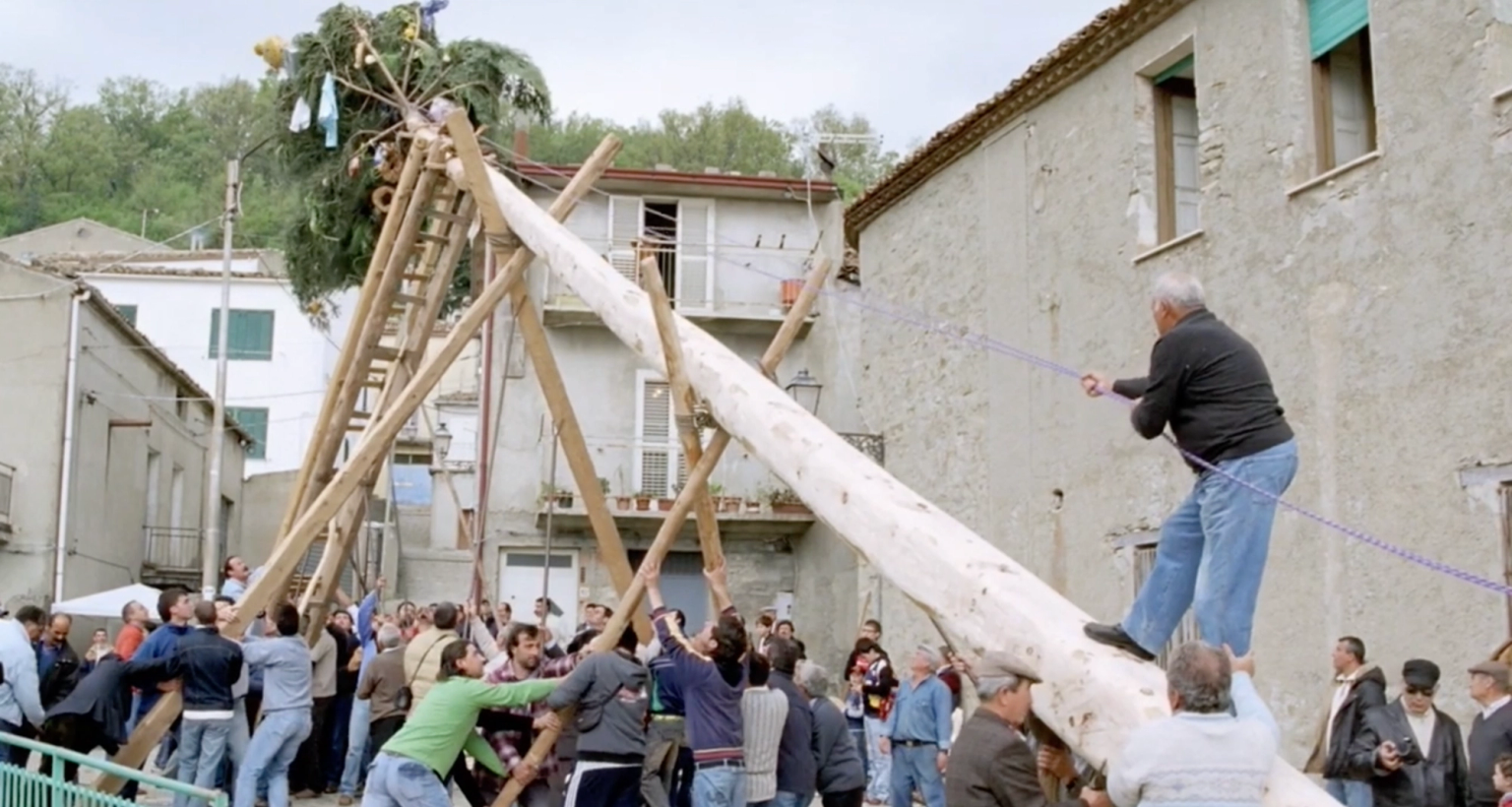
Life continues seamlessly: a newborn goat stumbles into the world, experiences brief vulnerability, and then cedes its essence to a towering fir tree. This tree, later felled during a communal festival, is transported, stripped, and slowly burned into charcoal by village artisans. The smoke rises, settling back as dust into the village and the church, completing a visual and spiritual loop that blurs the boundary between life and matter, past and present, human and non-human. Every transition is rendered as continuity rather than rupture, emphasizing circulation, transformation, and the imperceptible persistence of being across forms.

Rhythm, Space, and Cinema Without Hierarchy
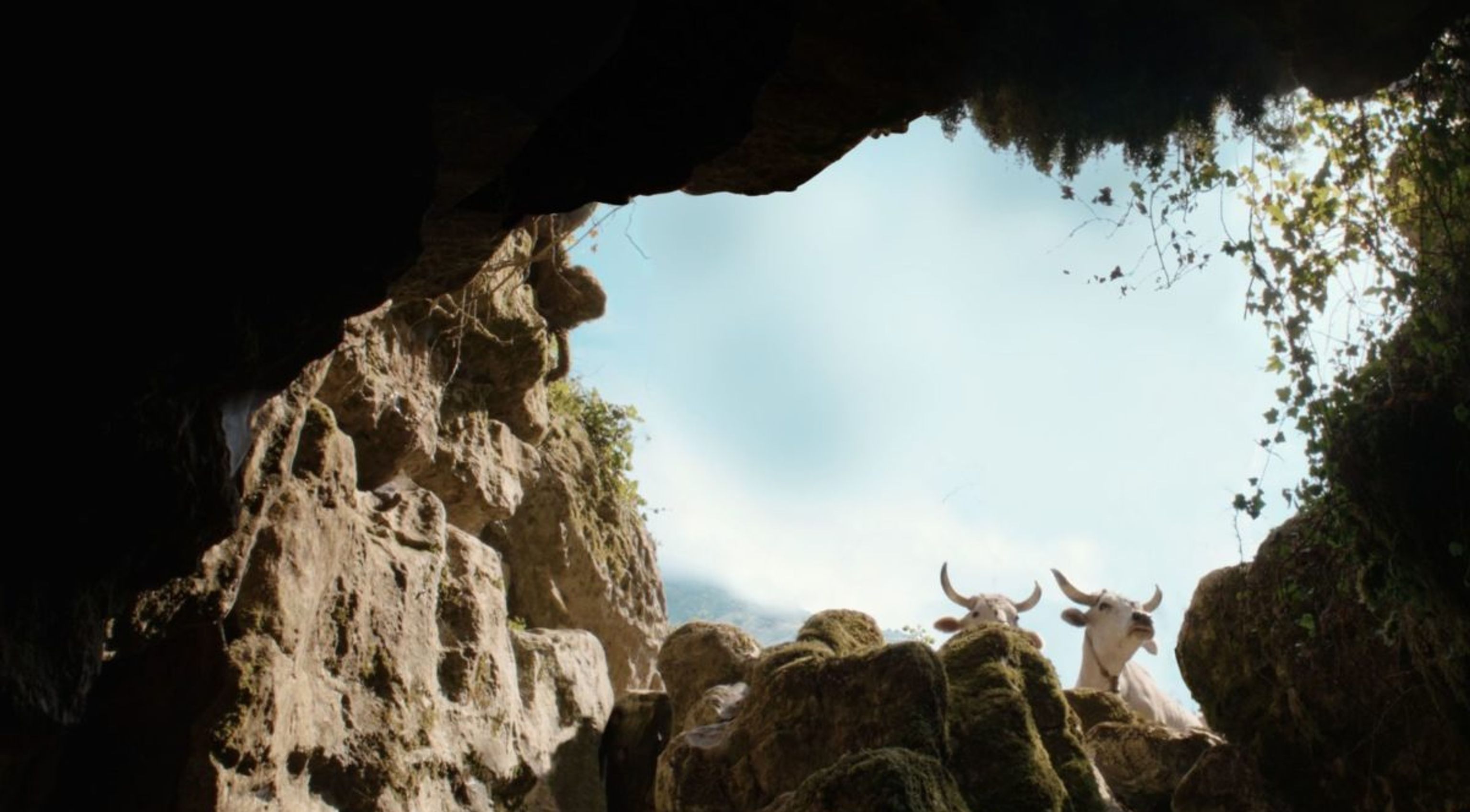
Frammartino’s cinematic method is defined by subtraction, duration, and attentive orchestration of natural and human rhythms. The camera lingers in long, static takes, sometimes watching the slow birth of a goat or the meticulous layering of charcoal in the kiln, refusing to privilege human action over animal or vegetal existence. Silence predominates; ambient sound - bells ringing across hills, wind rustling through fir needles, goats bleating, the scrape of a shovel, or the crackle of embers - functions as both score and architectural material, shaping space and time with the precision of a cathedral’s acoustics. Camera placement often emphasizes distance, creating a flat visual hierarchy where the shepherd, the dog, the goats, the trees, and even piles of snails inhabit the same plane of significance. Interior and exterior, sacred and mundane, labor and ritual, life and decomposition coexist seamlessly, reflecting Frammartino’s architecturally informed sensitivity to porous, permeable spaces.
Through these methods, Le quattro volte radicalizes cinematic perspective: human life is fleeting, yet inseparable from a broader ecology of movement, growth, decay, and recurrence. The soul, passing from shepherd to goat to tree to ash, resonates in every frame, and the viewer experiences a meditation on temporality and the poetry of matter itself.