
Geoffrey Bawa
Lunuganga
- ArchitectGeoffrey Bawa
- PhotographerLunuganga Country Estate
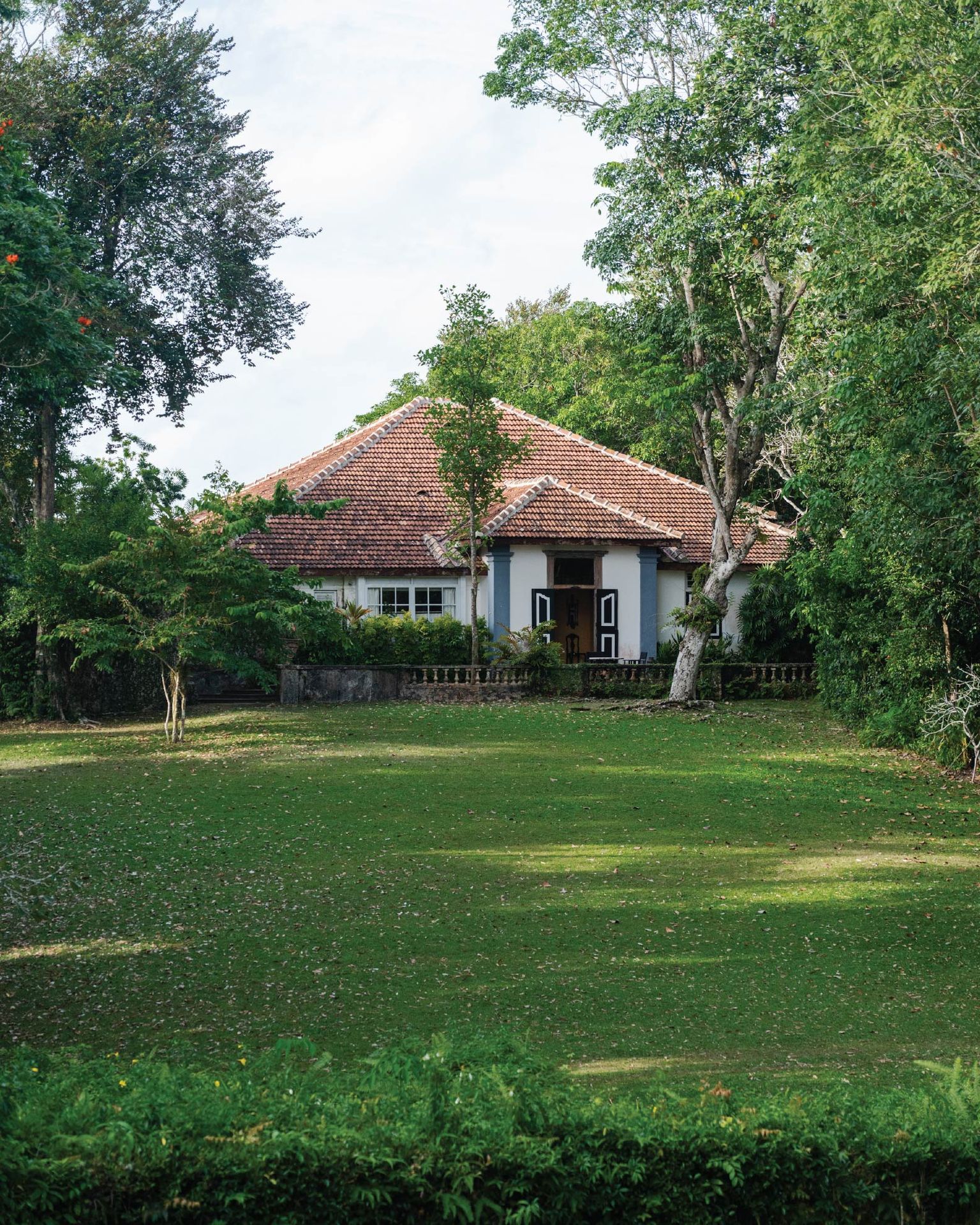
ELORA HARDY Creating Lunuganga is what provoked Geoffrey Bawa to become an architect. A former rubber and cinnamon estate, he first renovated it, then over decades of observing and adjusting, it became his lifelong learning lab. Bawa listened to and borrowed from Sri Lankan culture and history, and Lunuganga feels like it belongs to where it is. Beyond the structures, he continually evolved the composition of landscape, terrain and objects, turning it into a sequence of moments of discovery, within and without.

A Garden Without Boundaries
Lunuganga is perhaps the clearest expression of Geoffrey Bawa’s architectural imagination, not because it is a building, but because it is a landscape in which architecture, nature, memory and movement become inseparable. Set on a promontory overlooking Dedduwa Lake near Bentota on Sri Lanka’s southwest coast, the estate began in 1948 when Bawa purchased a neglected rubber plantation. At the time, he was still a lawyer rather than an architect. He imagined transforming the property into a tropical interpretation of the European Renaissance garden, but the ambition of the project soon exceeded his knowledge. His response was to travel to England and study architecture. When he returned to Sri Lanka in 1958, Lunuganga became a lifelong laboratory for his ideas.
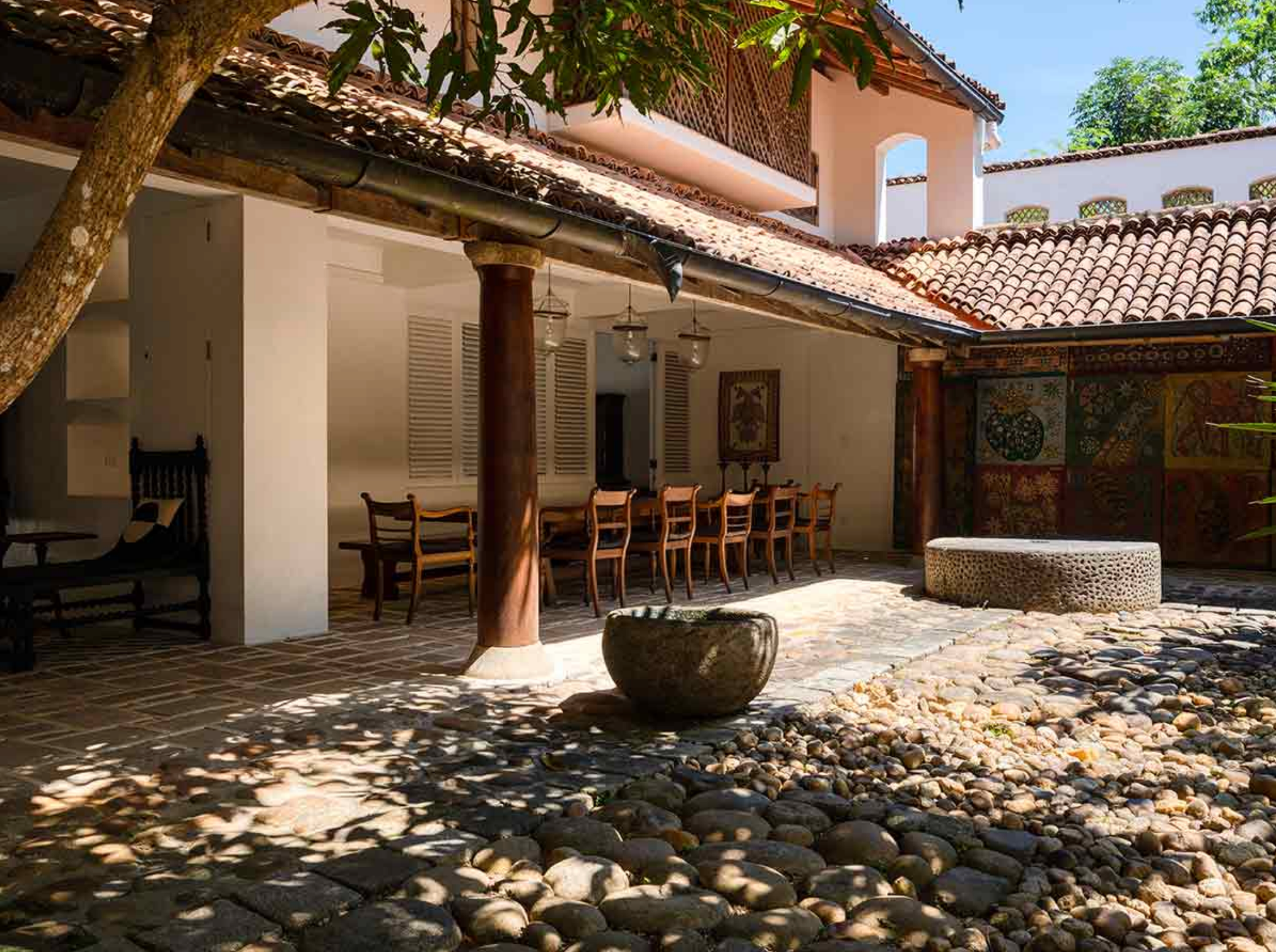
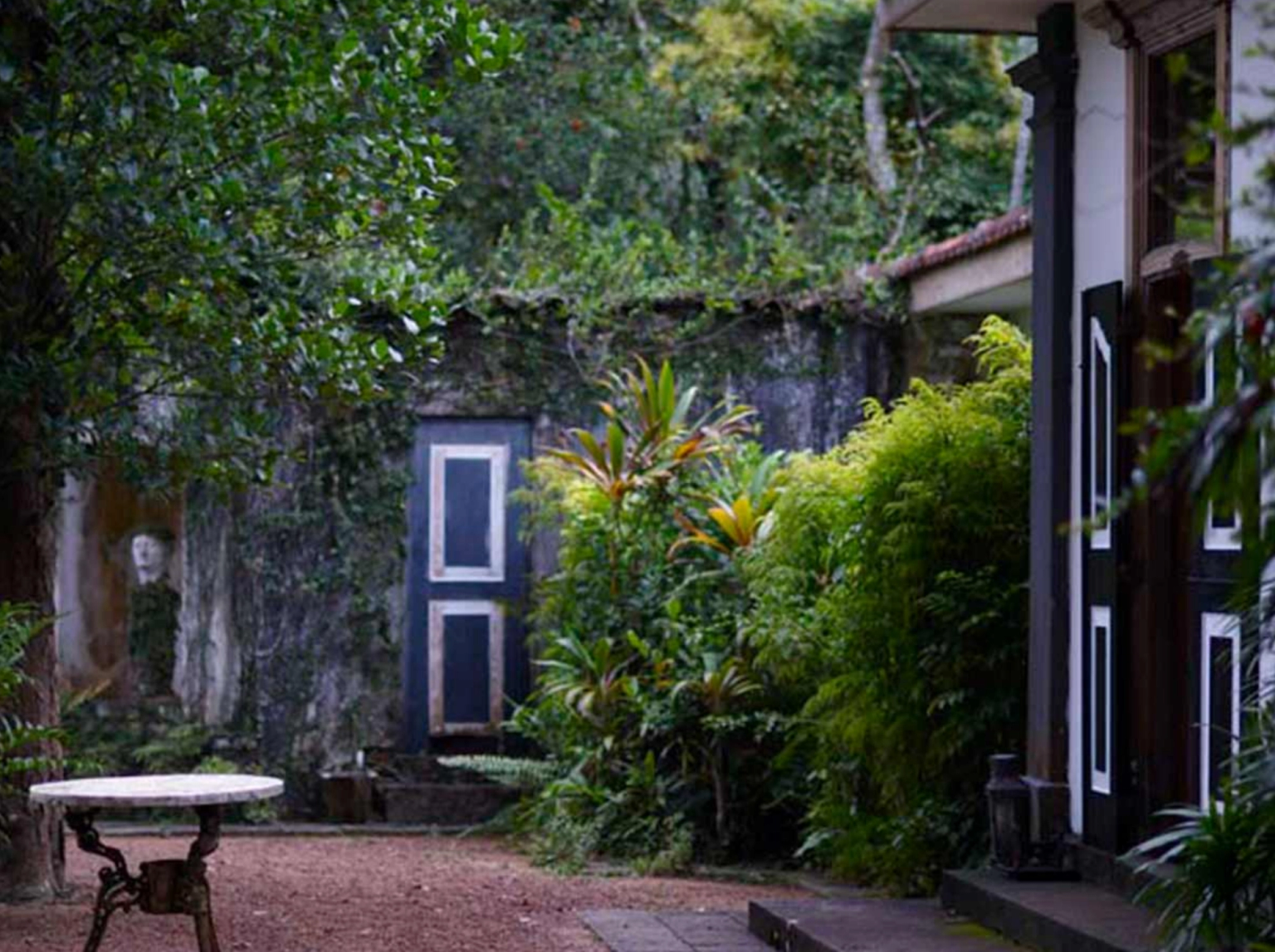
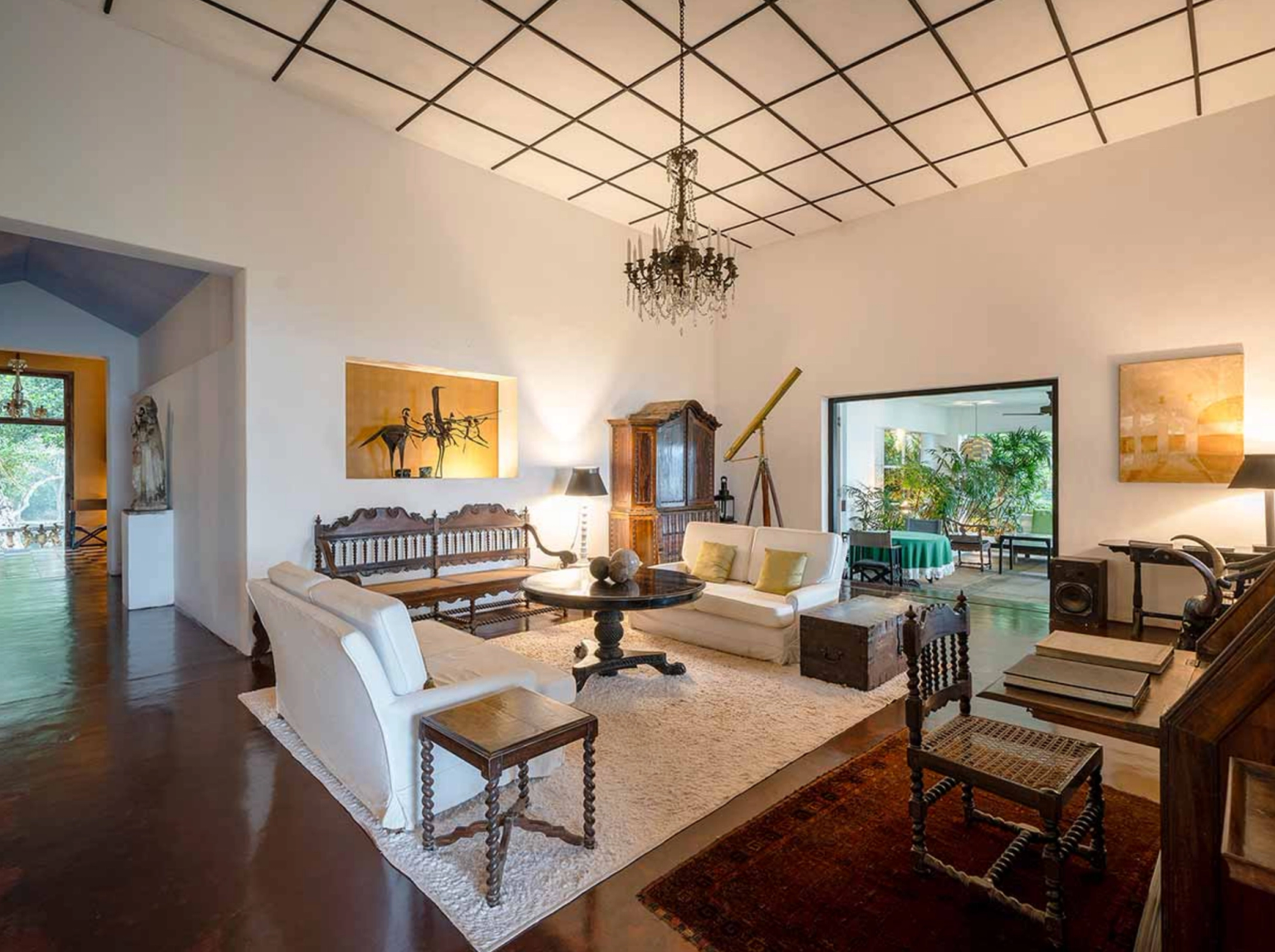
Over the next four decades, Bawa continually altered Lunuganga. There was no definitive masterplan and no moment when the garden could be considered finished. Instead, paths were redirected, vegetation cleared or replanted, hills reshaped and buildings added almost intuitively. The original bungalow was transformed and extended, while lawns, terraces, pavilions, ponds and viewing platforms gradually established a sequence of spaces that reveal themselves only as you move through the estate.
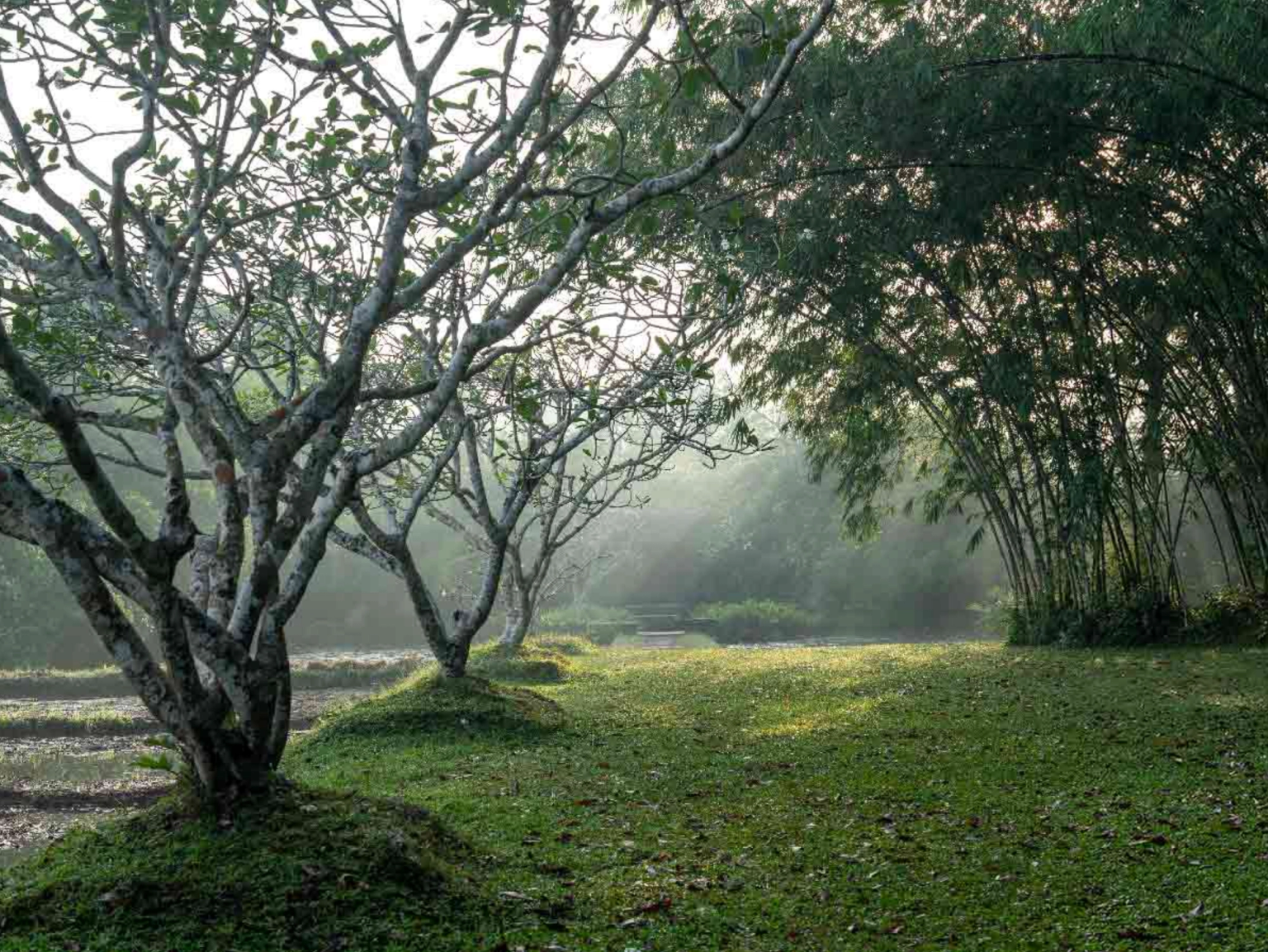
One of Bawa’s most important gestures was to open the landscape towards the lake and distant hills, creating long, carefully composed views through the dense vegetation. Elsewhere, the land falls dramatically towards the water, creating a succession of terraces, paths and concealed gardens. A single tree or sculpture might be positioned precisely to frame a distant landscape, while a wall or staircase suddenly redirects the visitor towards an entirely different view. The garden therefore behaves almost like architecture, with thresholds, rooms, corridors, compression and release.


Architecture as Experience
Bawa drew from many traditions without allowing any of them to dominate. Renaissance gardens, the English picturesque landscape, Japanese gardens, Mughal gardens and the ancient water landscapes of Sri Lanka all appear as fragments within the composition. Yet Lunuganga never feels like a historical recreation. The influences are absorbed and transformed into something intensely personal and deeply tropical.
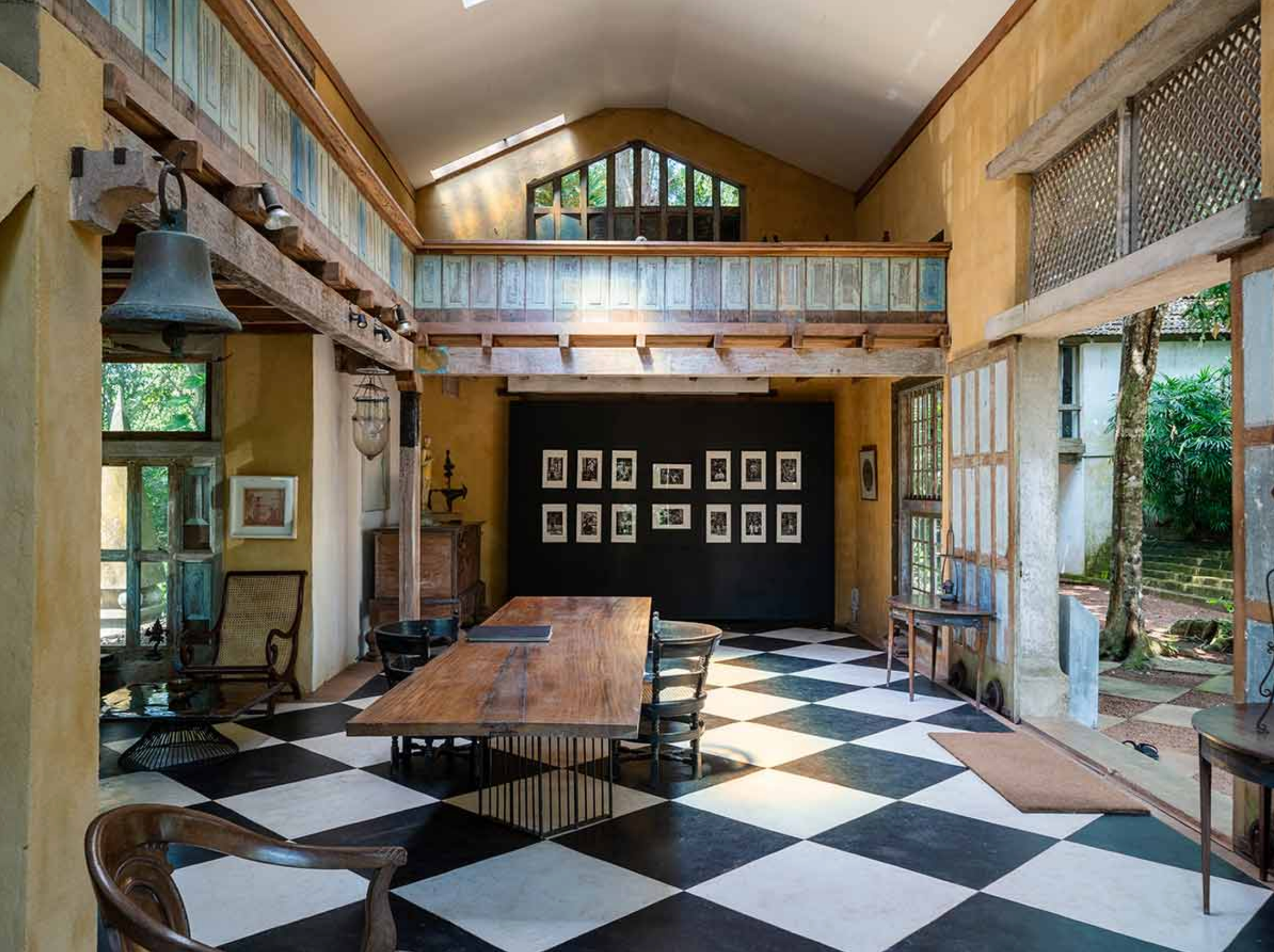
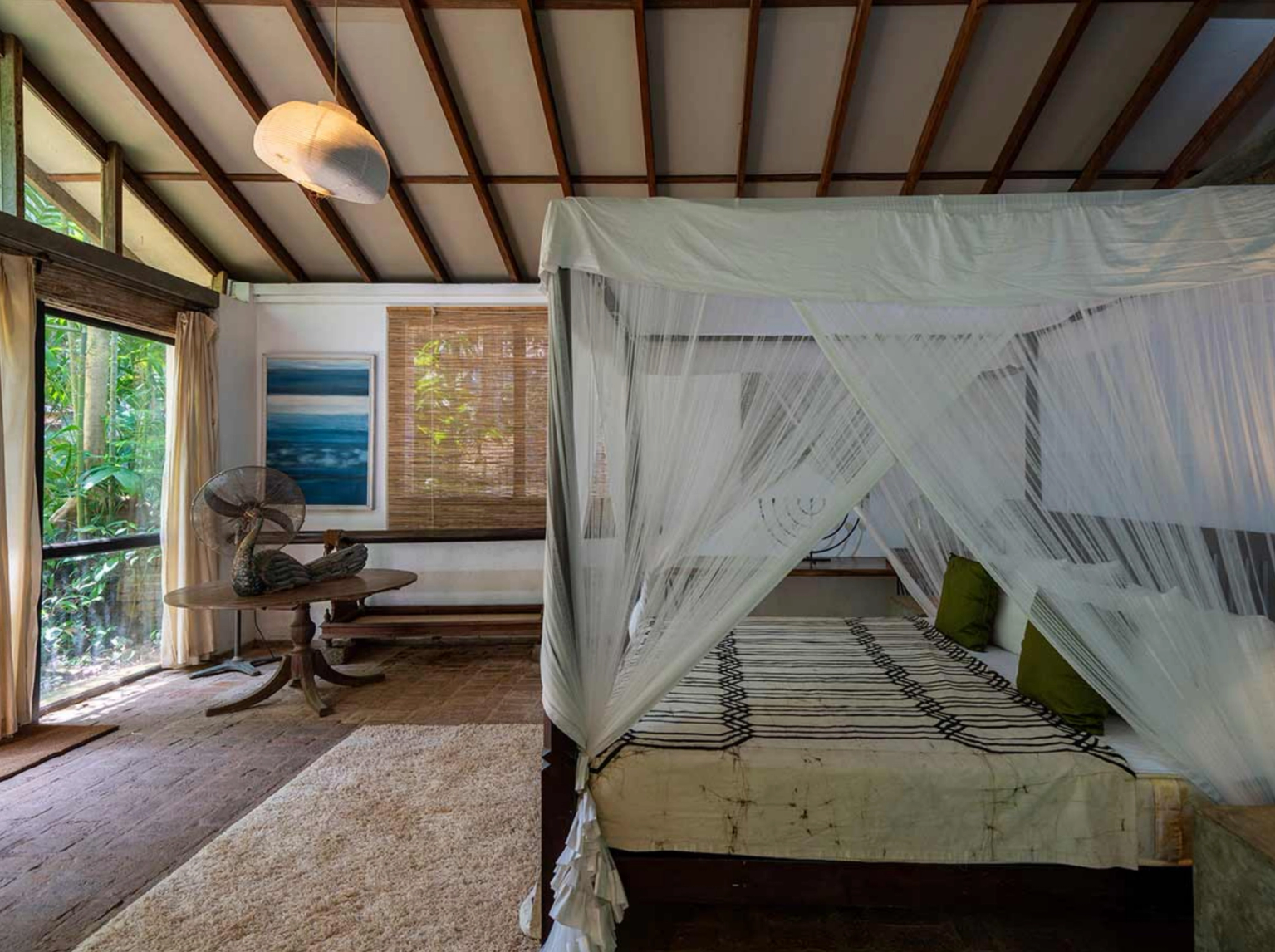
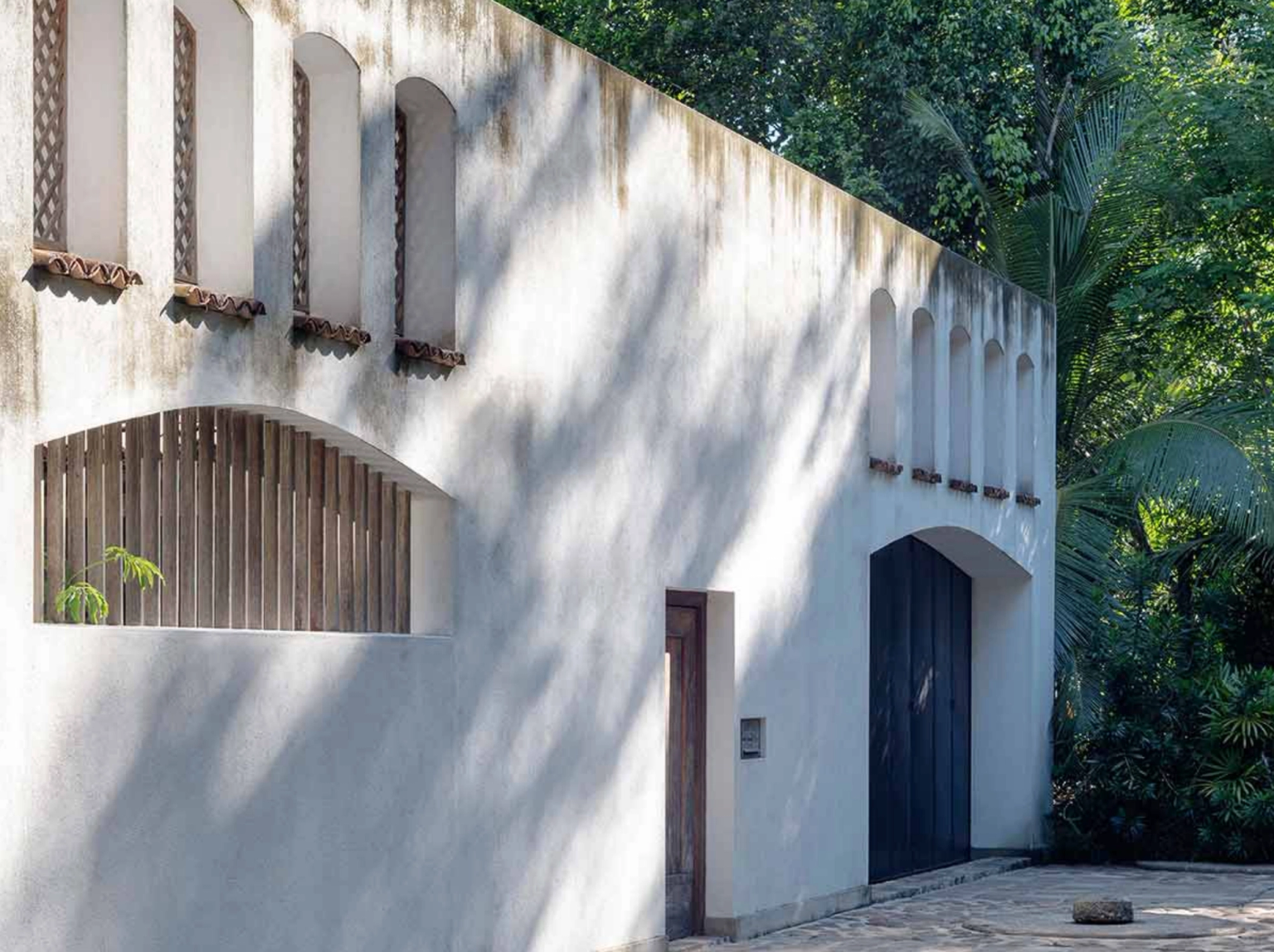
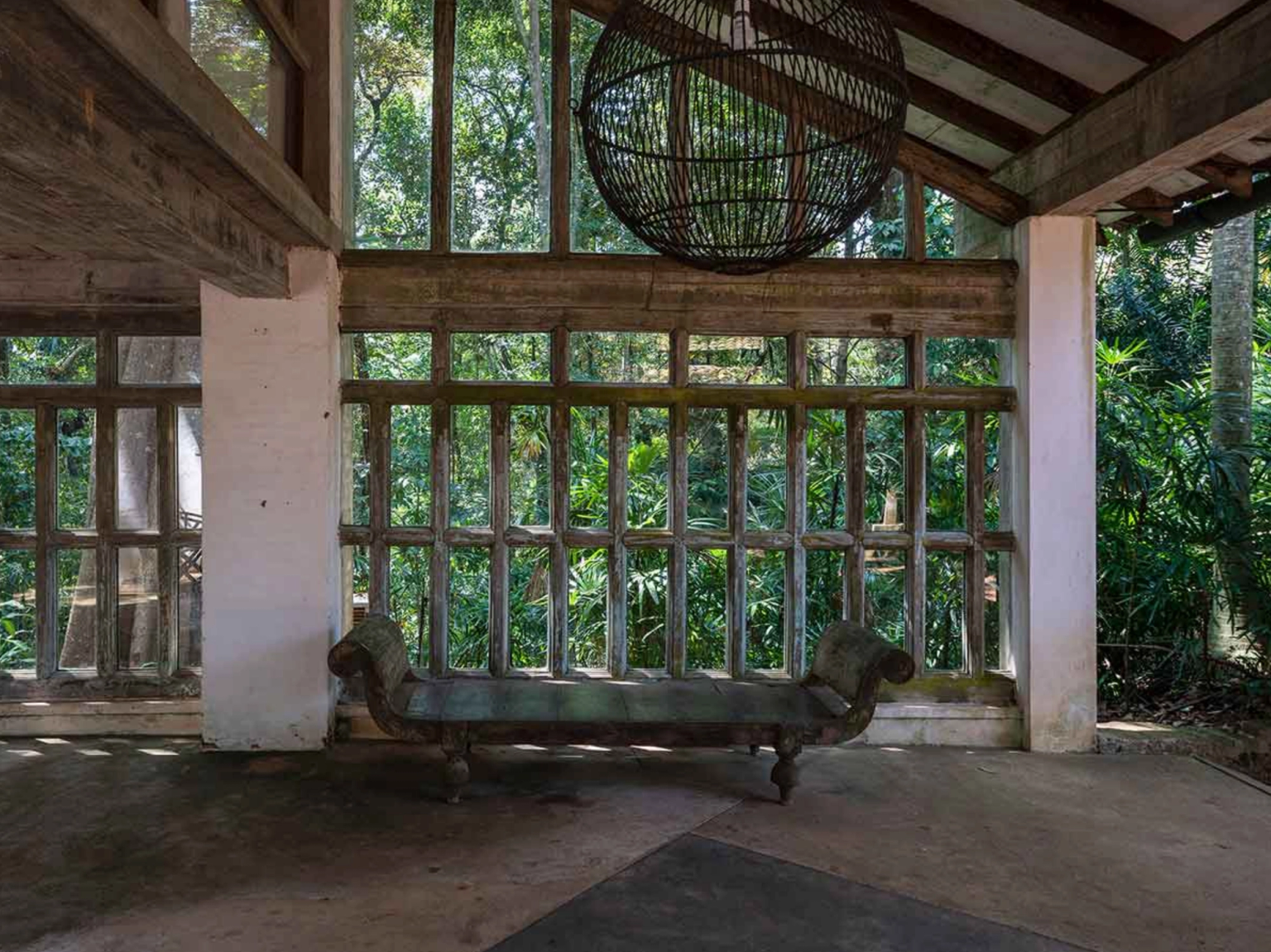
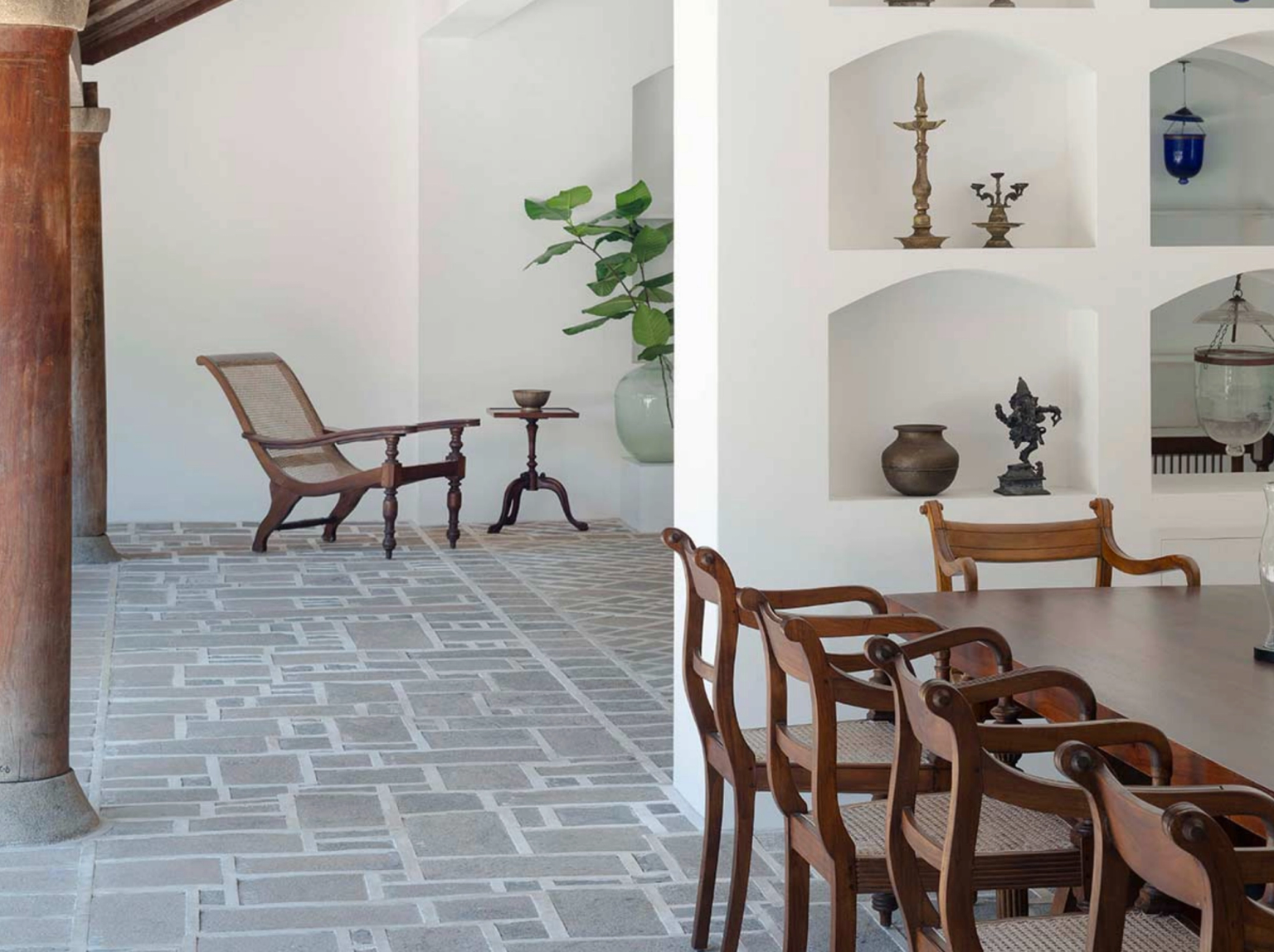
This is what makes Lunuganga so important to understanding Bawa. His architecture was never simply about objects. Buildings were devices for experiencing landscape, and landscape was equally a form of architecture. At Lunuganga, the relationship becomes almost impossible to separate. Rooms open onto verandas, verandas onto lawns, lawns towards the lake, while walls and vegetation carefully control what can and cannot be seen.
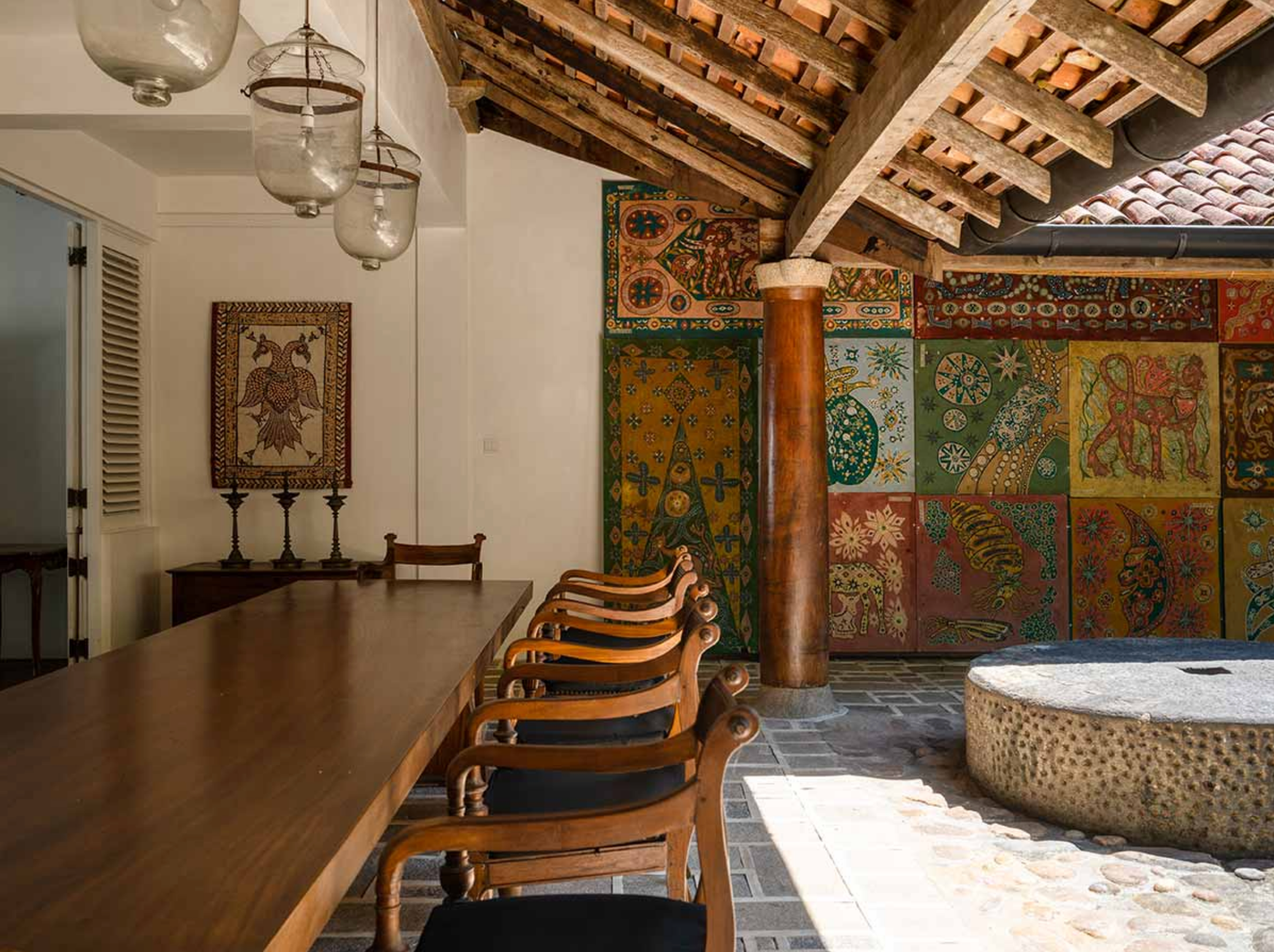
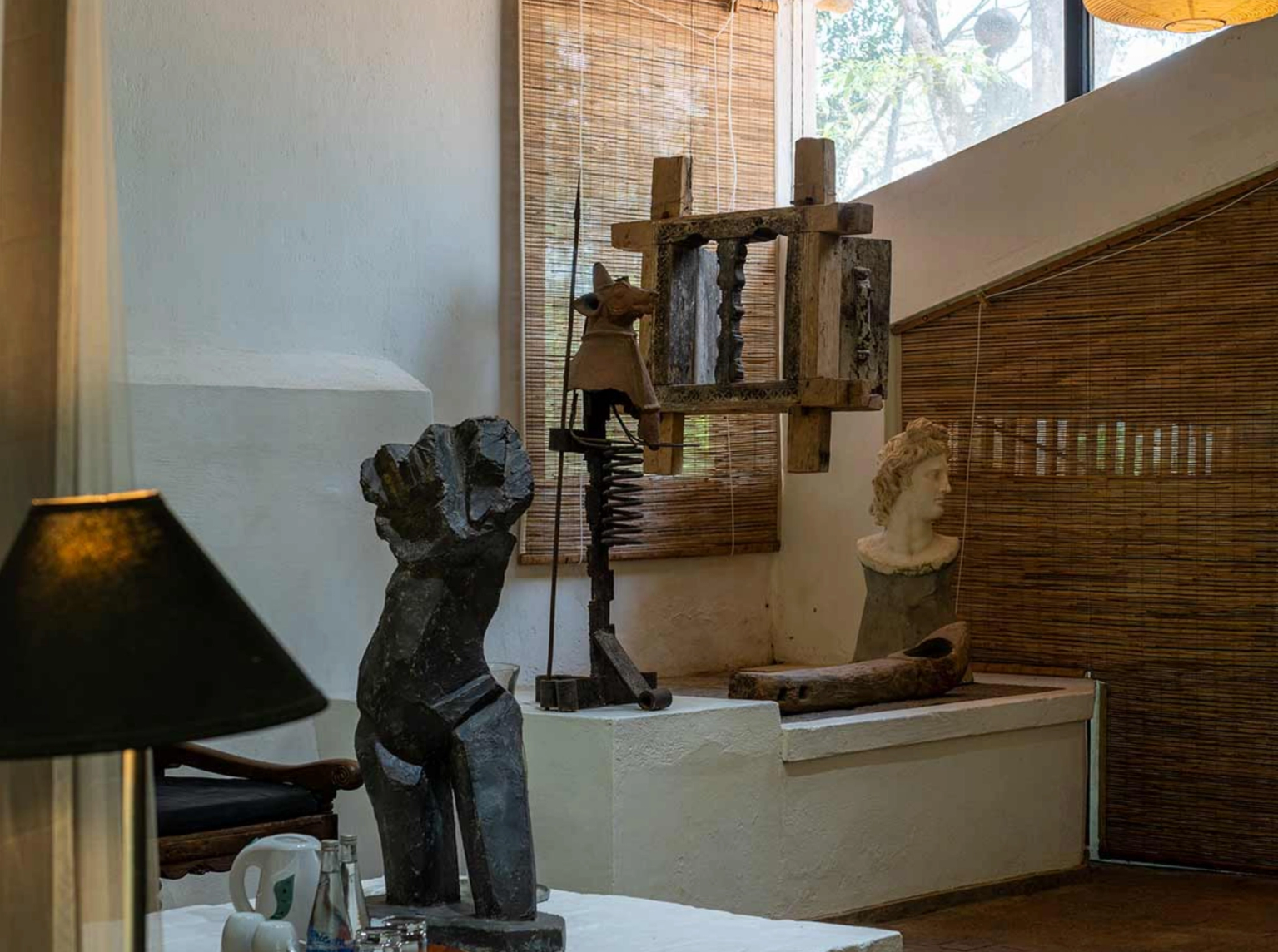
The estate became a place where Bawa could test these ideas without the restrictions of a conventional architectural brief. Small pavilions, garden rooms, sculptures, architectural fragments and pieces of furniture were introduced over time, creating a landscape that feels simultaneously carefully composed and completely natural. Formal geometry dissolves into dense vegetation, while carefully framed vistas coexist with seemingly accidental moments.
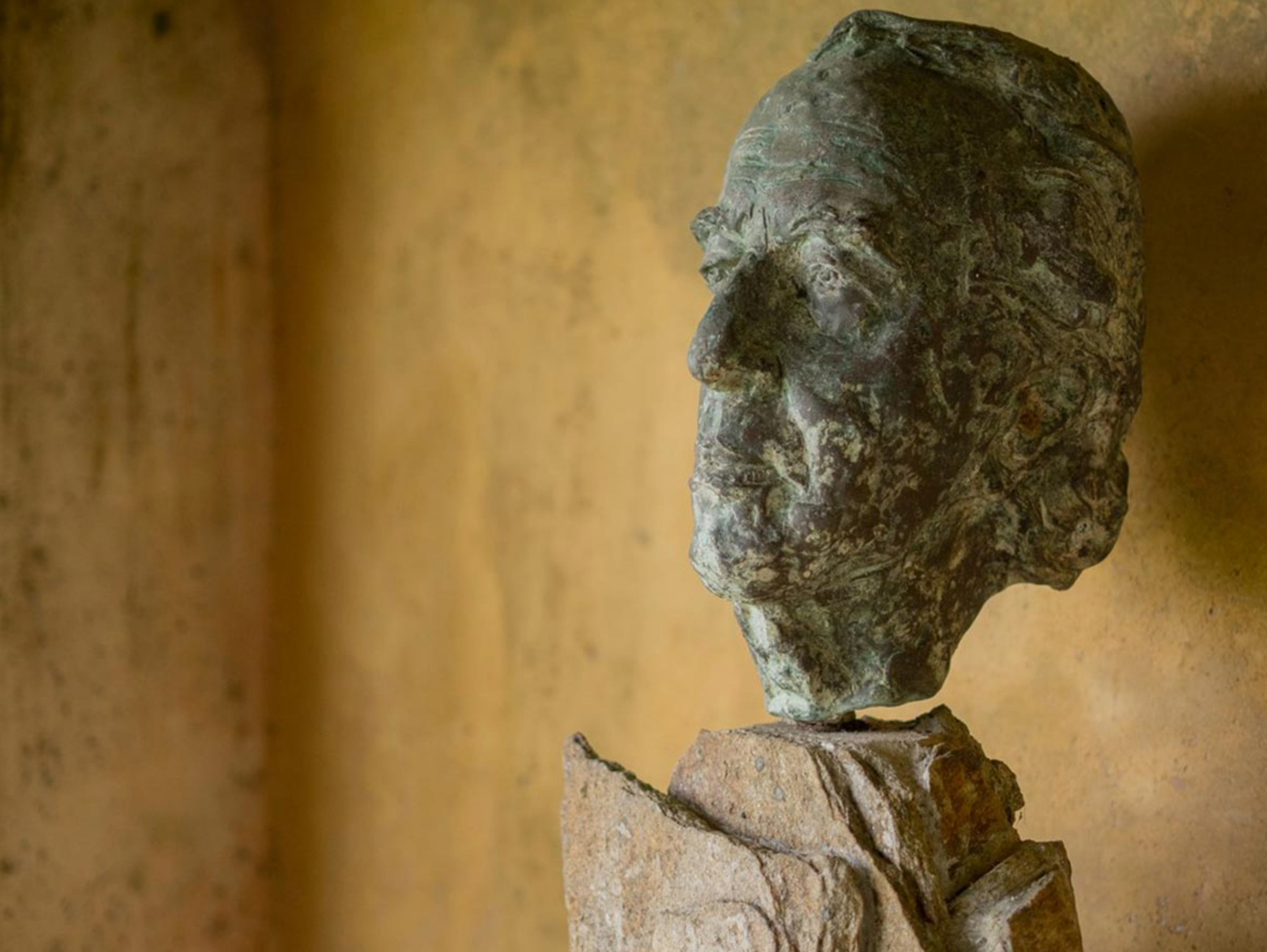
There is also something deeply autobiographical about the place. Lunuganga contains objects, artworks and architectural fragments collected by Bawa, alongside memories of places he encountered during his travels. The garden became less a finished composition than a physical record of his curiosity. Every intervention carries traces of another influence, another journey or another moment in his life.






The Endless Garden
Bawa continued to work on Lunuganga until illness prevented him from doing so. He died in 2003, and his ashes were buried on the estate, making the garden not only his most personal work but also his final resting place.
Today, Lunuganga remains a living landscape rather than a preserved architectural monument. Its character continues to change with the weather, the growth of plants, the movement of light and the position of the visitor. A familiar path can reveal something different on another day. A view appears and disappears. Architecture becomes landscape, landscape becomes architecture, and the distinction between the two gradually dissolves.
Perhaps that is the most lasting lesson of Lunuganga. Bawa did not attempt to conquer the tropical landscape or impose a single architectural idea upon it. He spent more than forty years learning how to edit it, frame it and inhabit it. The result is less a designed garden than a continually unfolding experience, and one of the most profound expressions of Bawa’s belief that architecture begins not with a building, but with the way we experience a place.