
Bureau Architectures Sans Titre
M26
- ArchitectBureau Architectures Sans Titre – BAST
Søren Pihlmann I am drawn to M26 for its radical restraint and careful engagement with what is already there. The project shows how precise interventions can have strong effects while caring for the existing without slipping into nostalgia.

M26: Connecting Two Homes
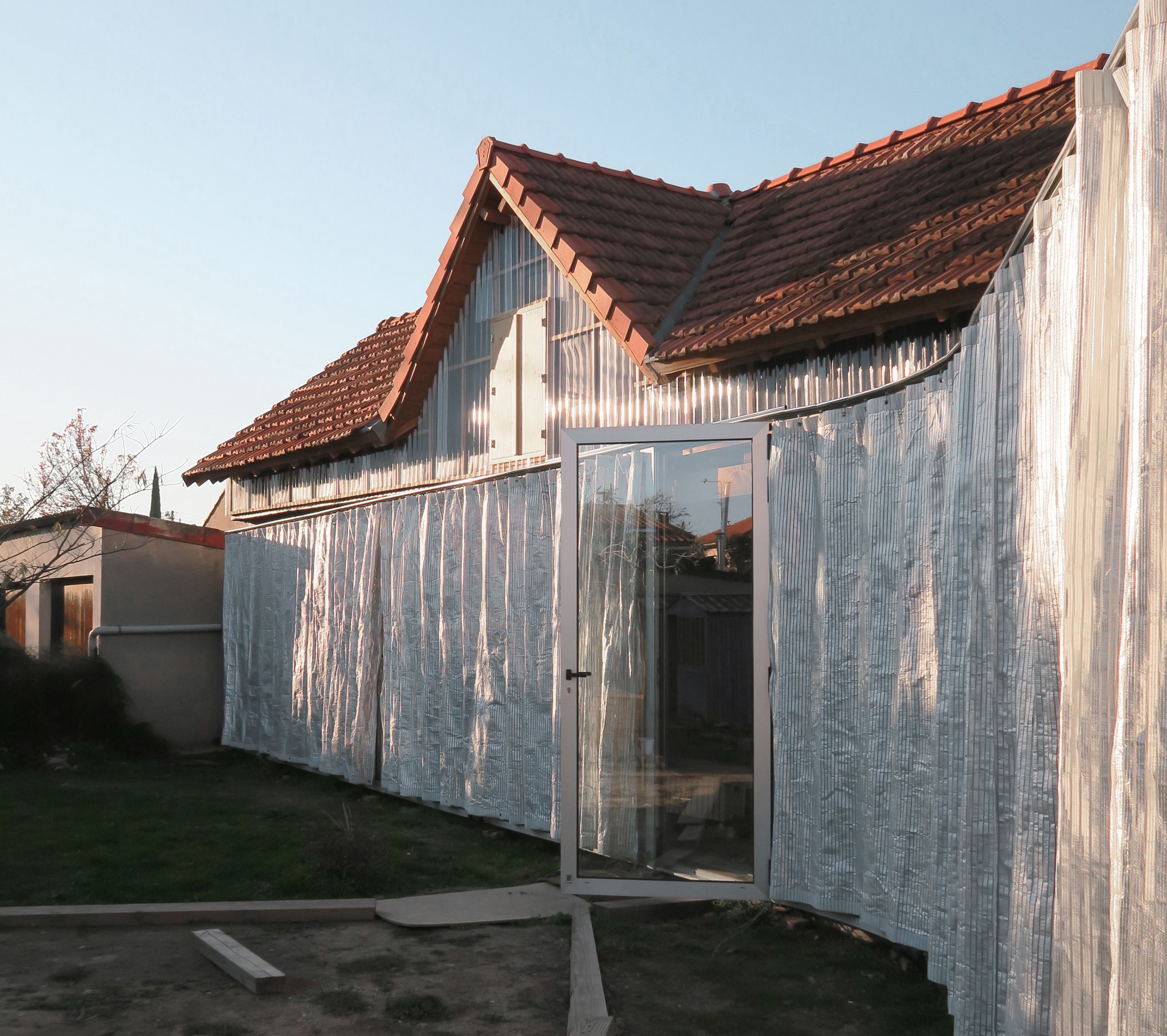
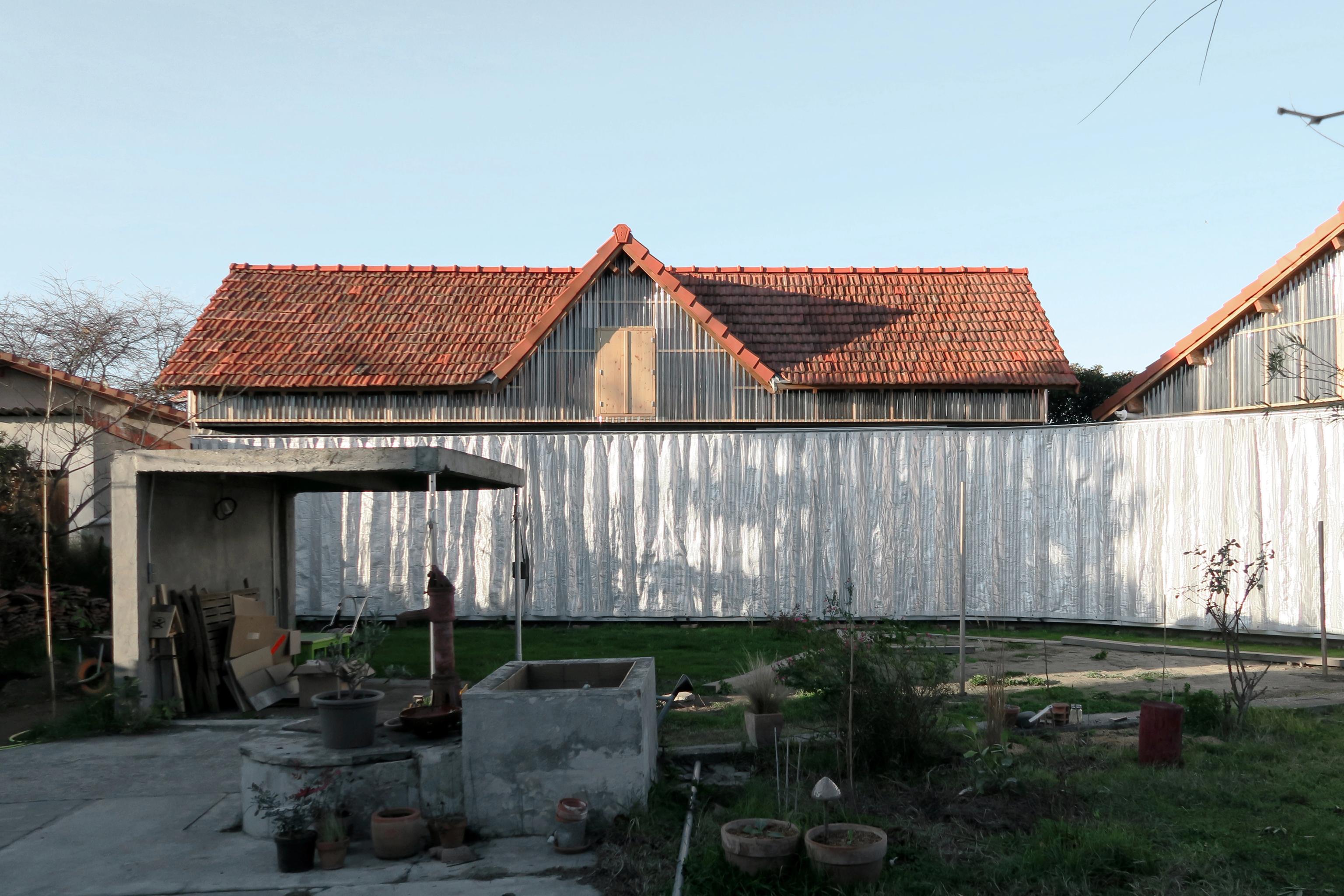
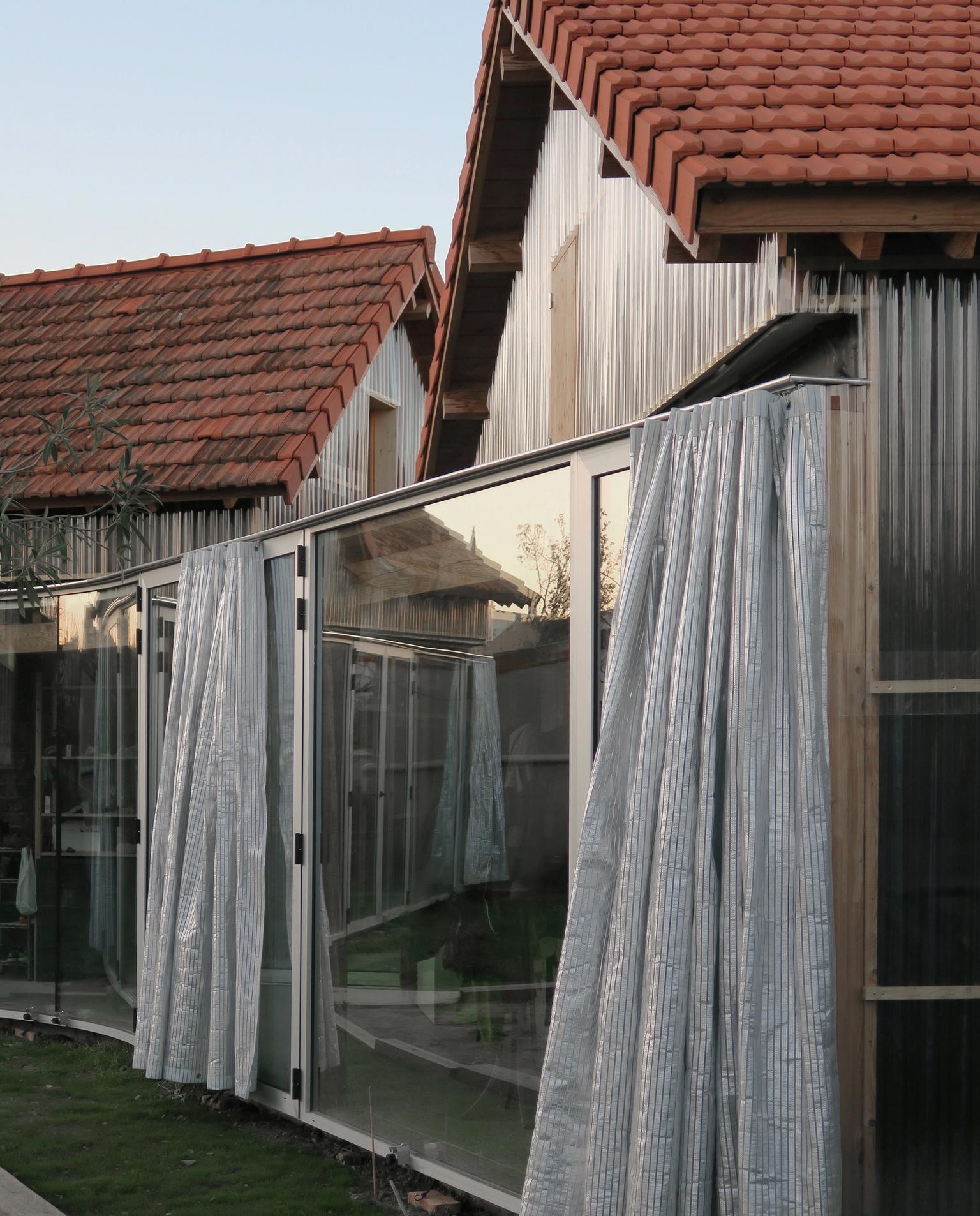
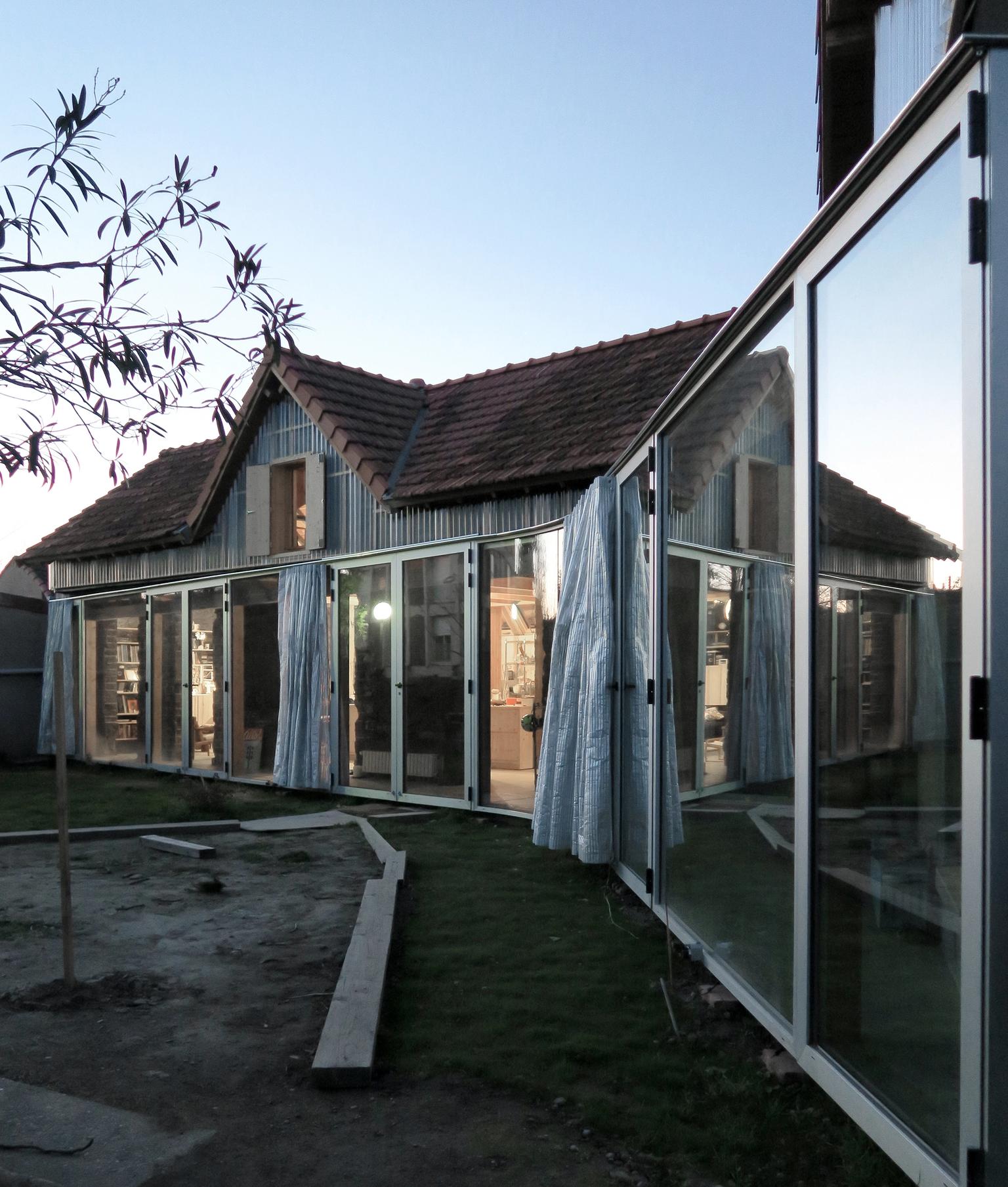
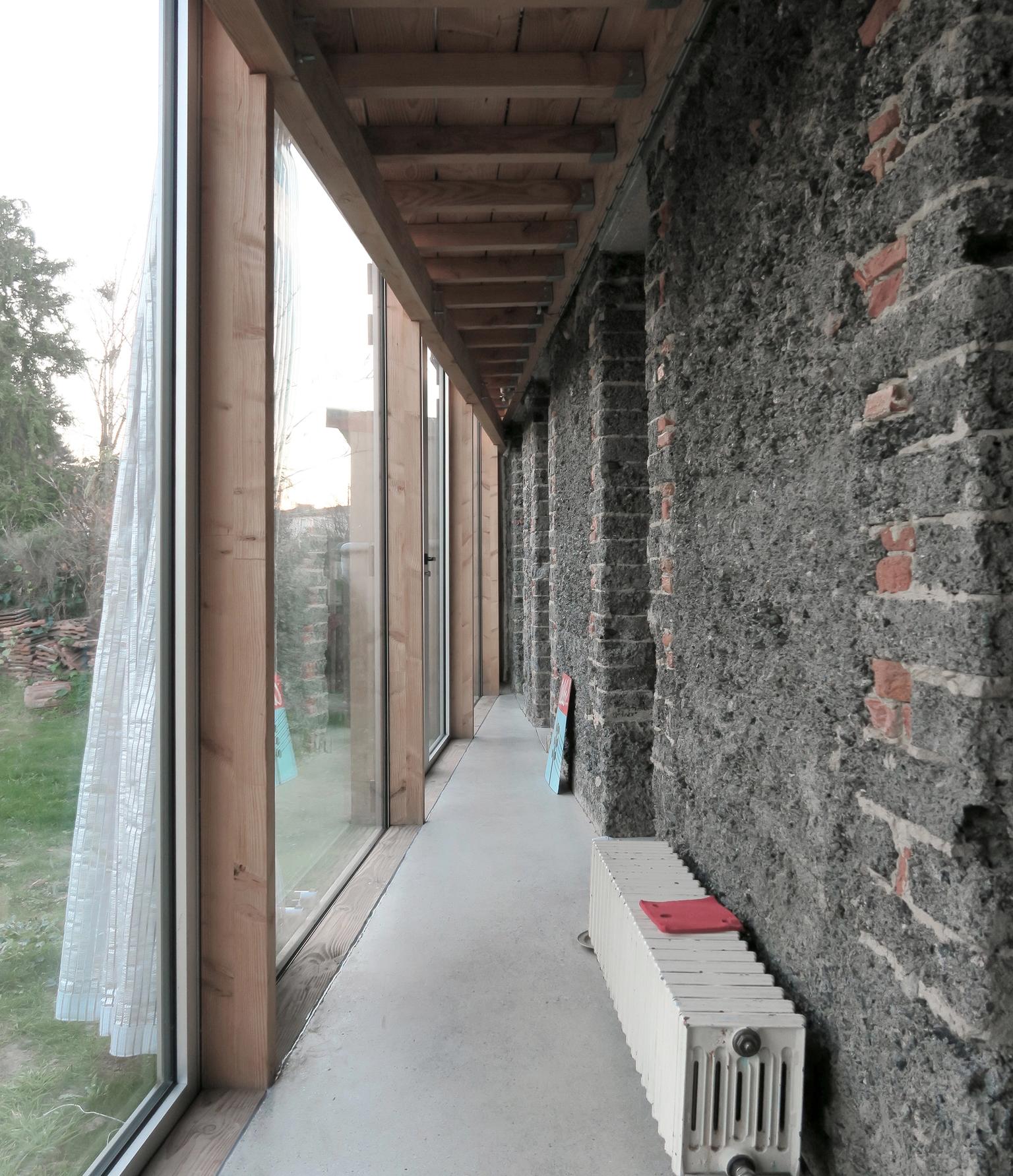
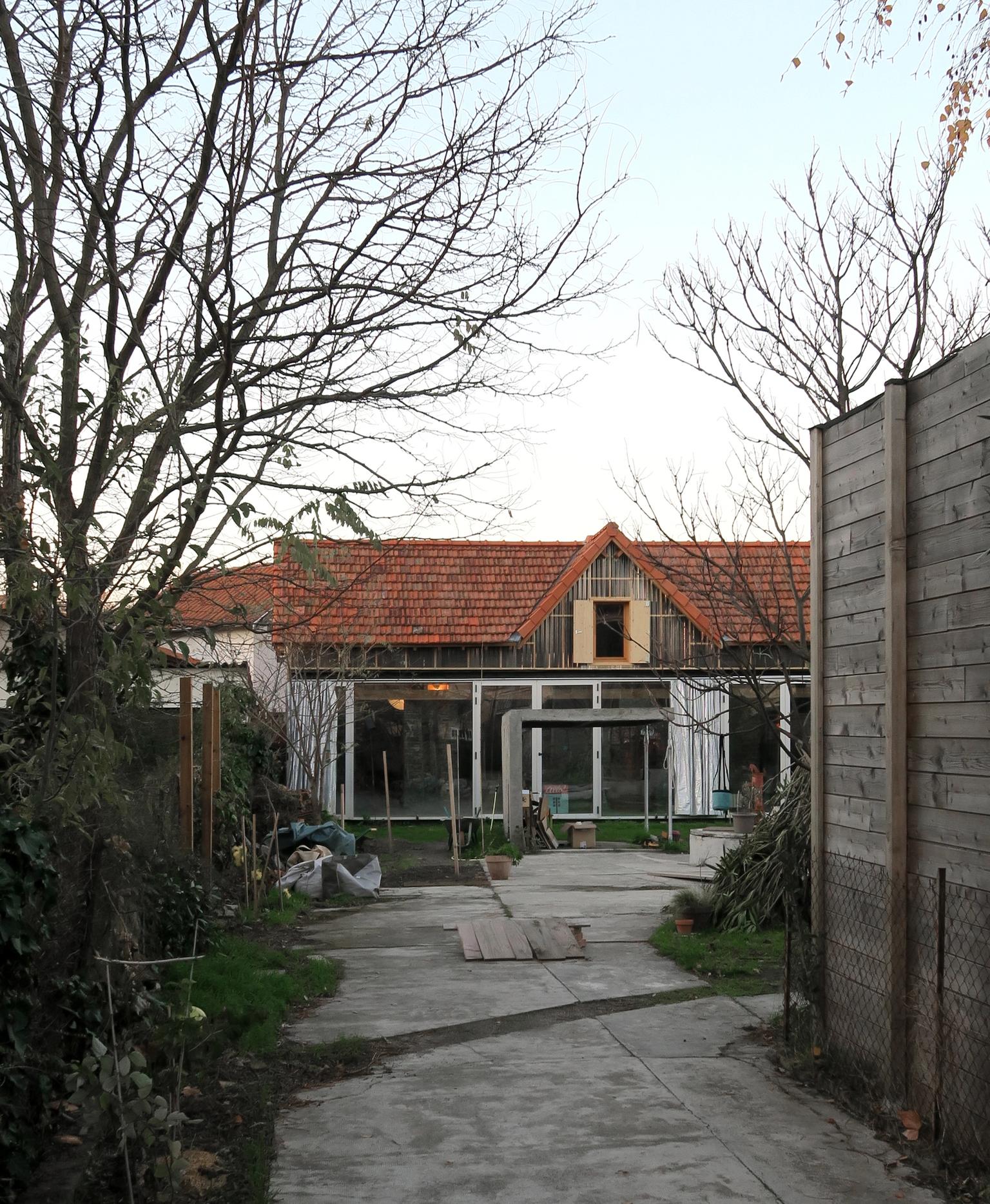
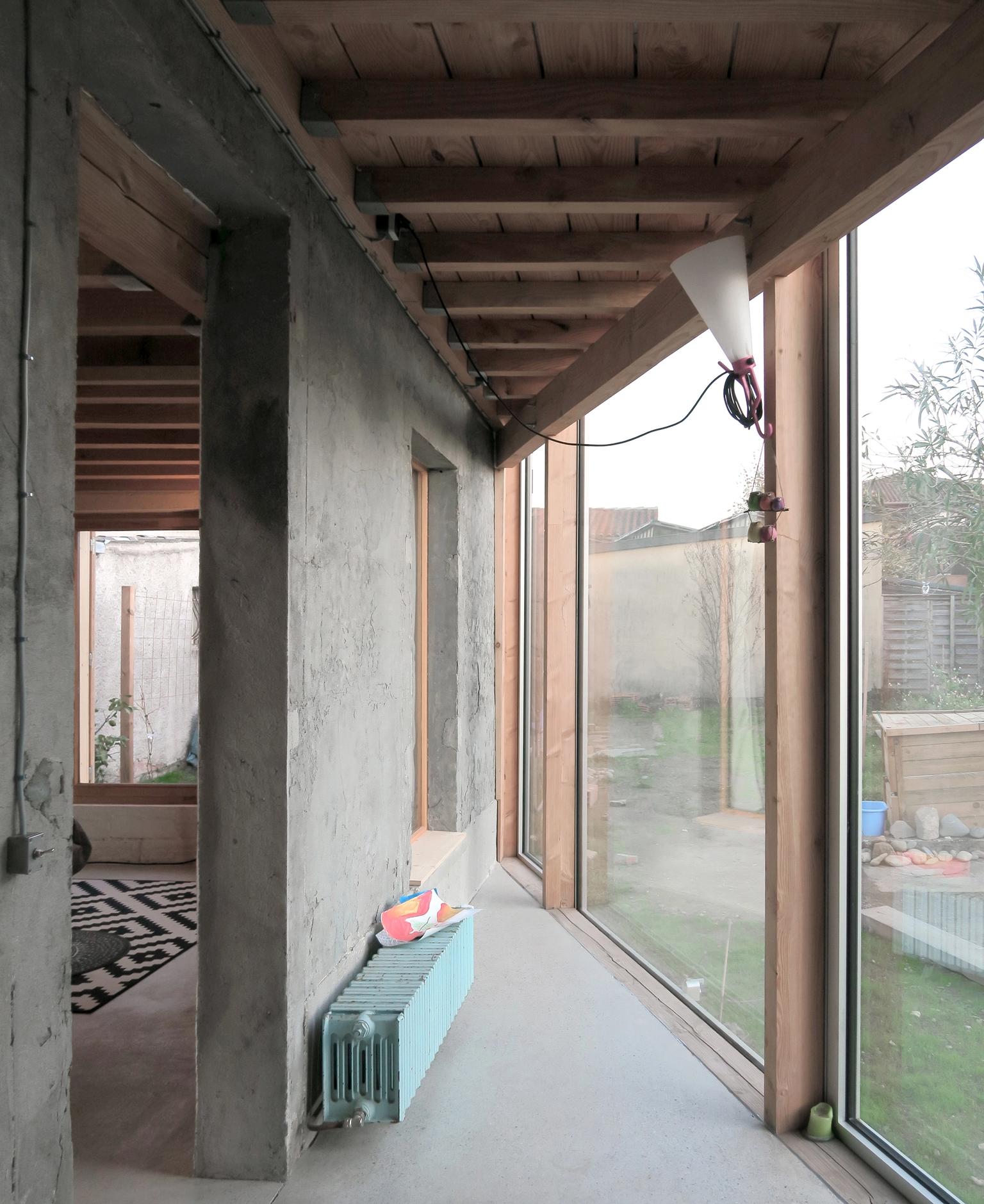
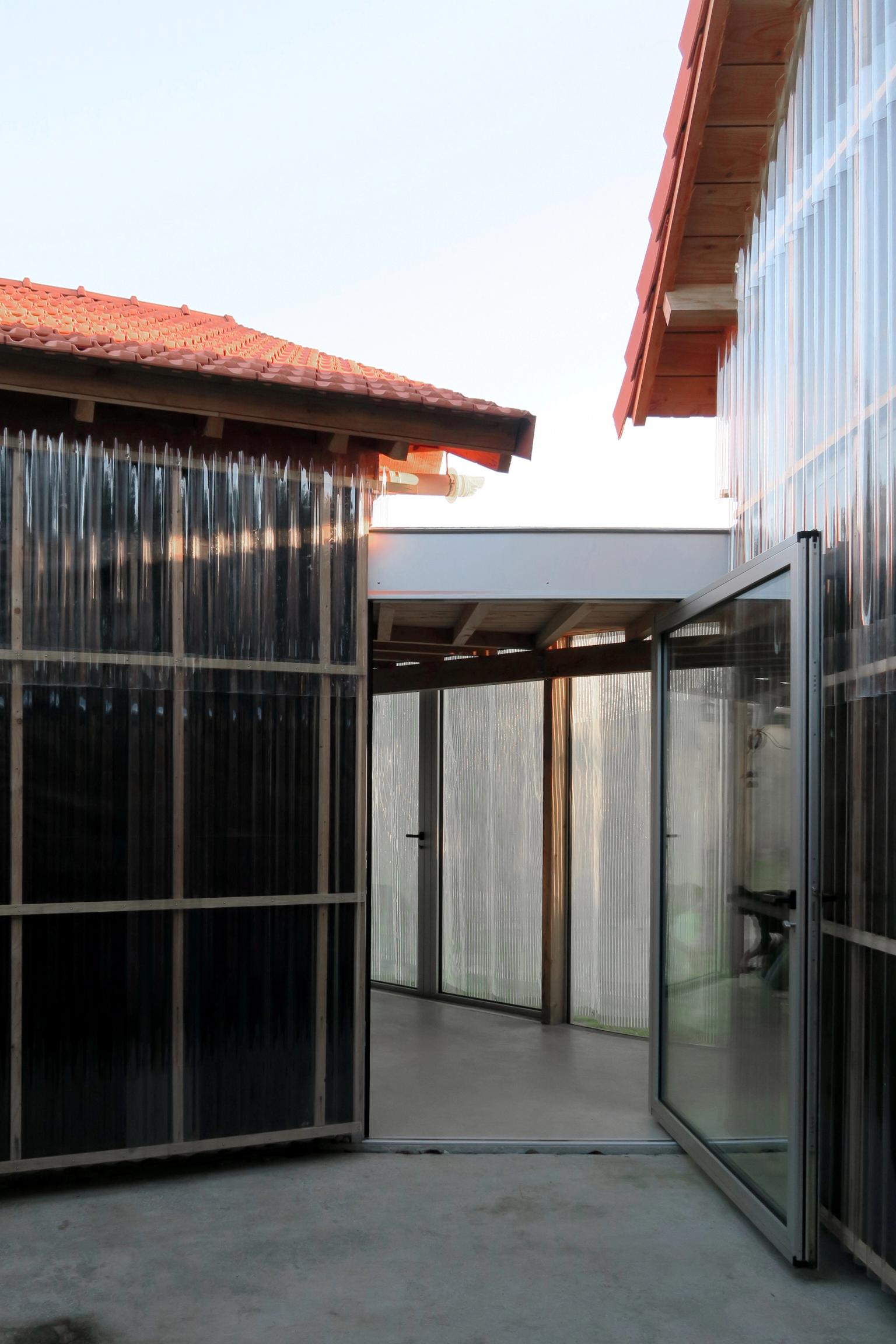
M26 is a residential project by BAST located in Toulouse, France, that transforms two adjacent suburban houses into a single family home. The project involved a complete rehabilitation and careful extension of the existing structures. One of the original houses, built in cinder block, was emptied to create open, bright living spaces, while the neighboring brick house was adapted to accommodate the private bedroom areas. The two houses are joined through a glazed wooden extension opening onto the garden, forming a cohesive yet transparent connection between the original buildings. This connection allows the home to function as a single residence while preserving the identity of each structure.





Materials and Structure
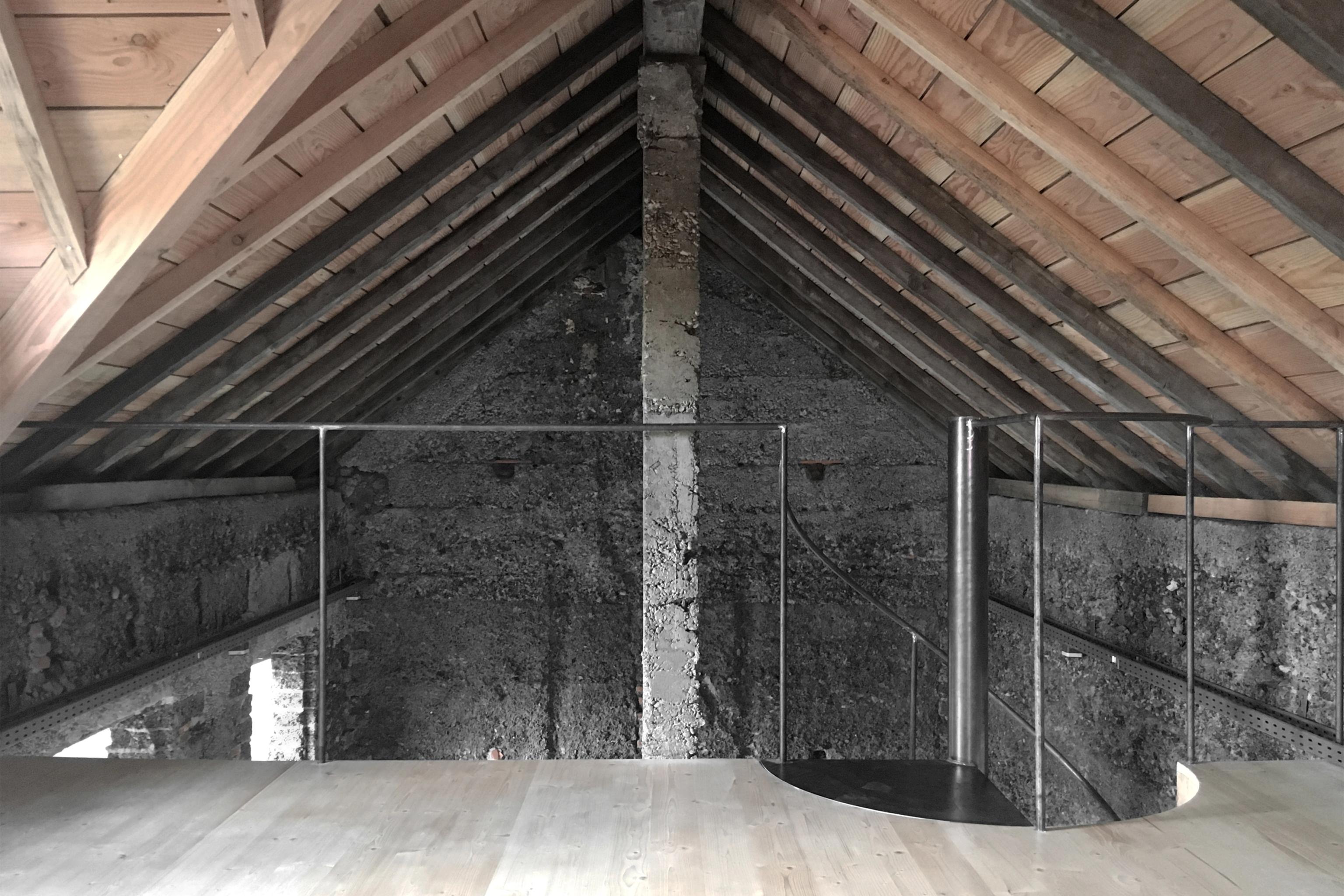
The design emphasizes natural and structural materials to create a minimal, warm interior. The concrete floor runs continuously through all spaces, unifying the home. All framing, structural elements, and intermediate floors are made of untreated Douglas fir, maintaining a raw and authentic aesthetic. Original wood joinery has been replaced with new pine windows, while the garden-facing extension features fixed and operable aluminum glazing, protected from summer sun by aluminum thermal curtains. The exterior walls and roofs of both houses have been insulated, improving energy performance while keeping the forms clean and simple. Polished concrete, untreated wood, glass, and aluminum are combined in a restrained palette that emphasizes function and craftsmanship.

BAST: Collective Practice and Philosophy
BAST, short for Bureau Architectures Sans Titre, was founded in Toulouse in 2013 by Laurent Didier and Mathieu Le Ny, and later joined by other collaborators. From the very beginning, the office has embraced a deliberate anonymity, favoring collective authorship over individual recognition. The founders envisioned a flexible, non-hierarchical structure in which team members could join or leave projects without altering the identity of the office. This approach allows the office to remain adaptive, experimental, and research-driven. Every project at BAST is developed collaboratively: teams are formed around each project, multiple design hypotheses are explored, and decisions are made collectively, ensuring that the final outcome is both rational and responsive to the site, program, and budget. The office emphasizes “interrogating the possible,” encouraging debate and cross-checking of perspectives so that no solution is purely subjective.
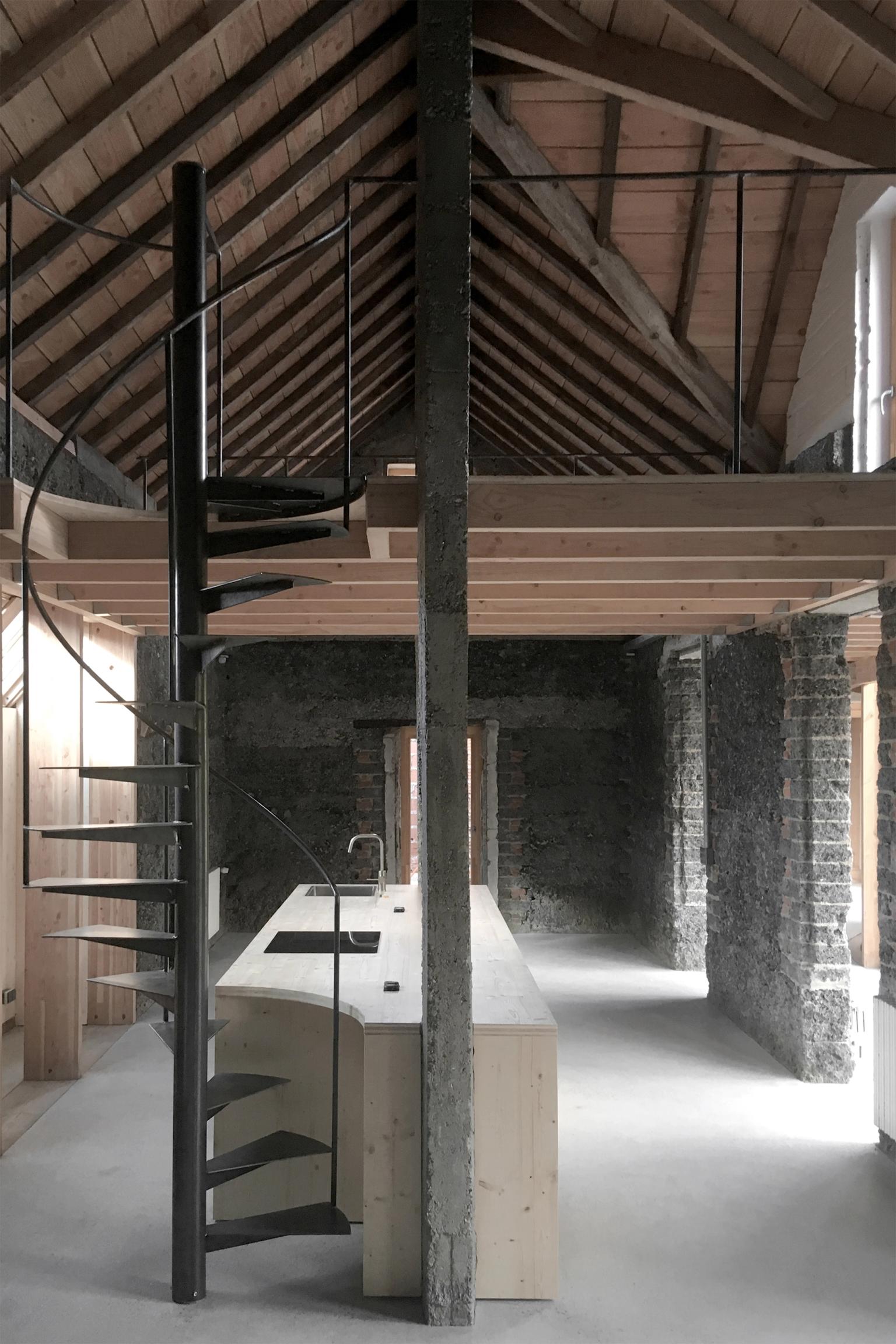

BAST’s aesthetic often appears minimal, structural, and radical, but it emerges from practical constraints rather than stylistic intention. Raw materials such as concrete, brick, and timber are often exposed, celebrating the work of craftsmen while keeping the architecture honest and functional. Even interior elements like kitchens, bathrooms, and storage are treated with restraint, focusing on clarity, durability, and adaptability. This approach allows projects to evolve over time without requiring superficial alterations. M26 is a clear reflection of these principles: the combination of two existing suburban homes into a single family residence shows how BAST applies its collective methodology, minimalist ethos, and material rigor in a residential context. The project exemplifies how the office’s collaborative process, attention to essential form, and thoughtful use of materials can transform modest, everyday structures into spaces that are functional, refined, and enduring, all while maintaining a sense of openness and continuity.