
Delcy Morelos
Madre
- ArtistDelcy Morelos
- Photographer© Delcy Morelos, 2025. Courtesy the artist and Marian Goodman Gallery. Photo: Staatliche Museen zu Berlin, Nationalgalerie / Jacopo La Forgia
Carsten in der Elst With her sensual installations, Morelos creates one of the most primal feelings of what one might call home. Soil becomes both origin and destination, the material we all come from and eventually return to. Her work feels incredibly intimate to me, almost as if the spaces themselves were breathing bodies rather than constructed environments.

Earth as Material
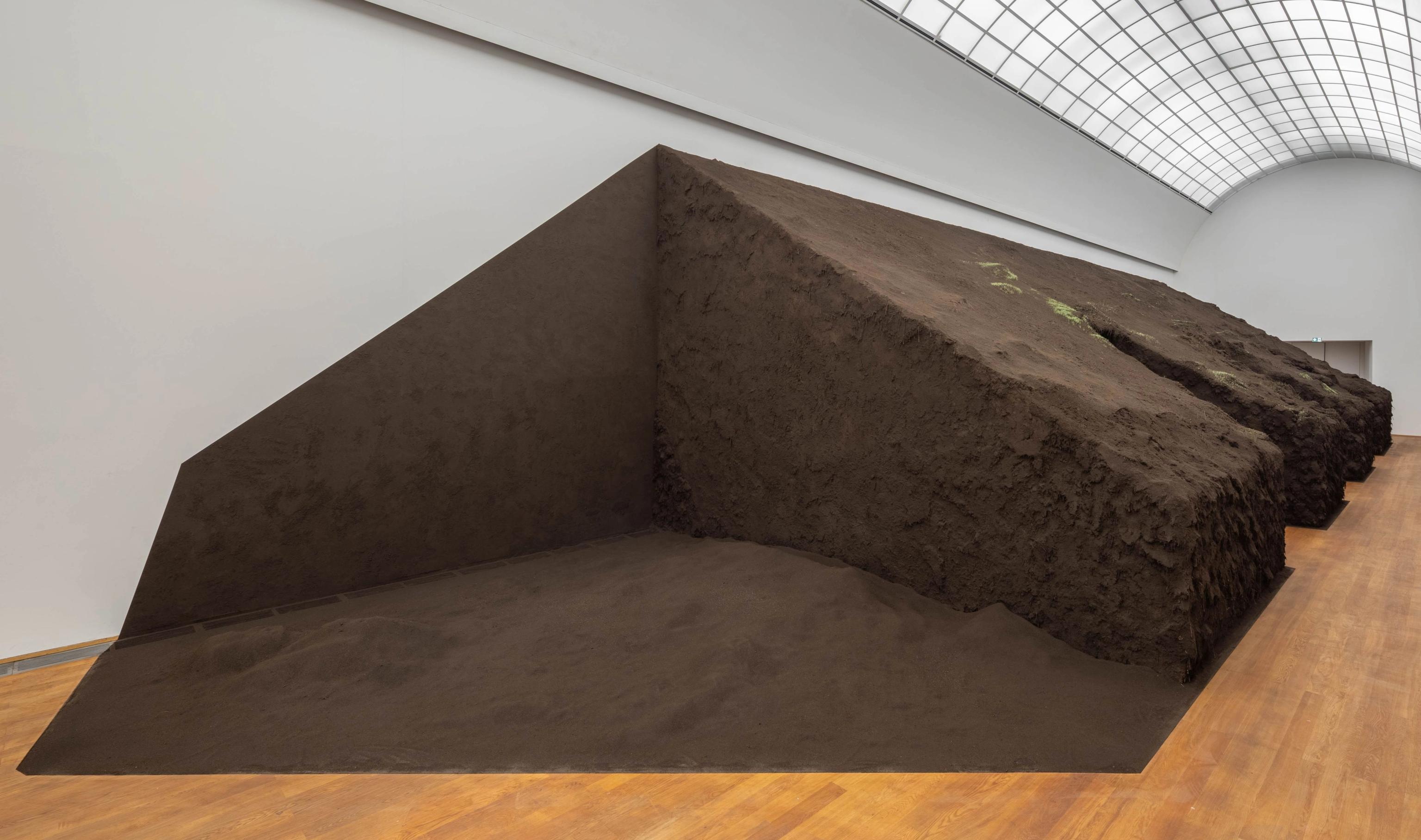
At Hamburger Bahnhof in Berlin, Delcy Morelos transforms the museum into a space that feels physical before it feels visual. Her large-scale installation Madre is built from earth, clay, wood, hay, spices, seeds, and organic matter, filling the former railway station with the smell of soil, cinnamon, tobacco, and moisture. The work immediately shifts the atmosphere of the building. Instead of presenting earth as something decorative or symbolic, Morelos treats it as a living material connected to memory, nourishment, labour, and survival. The installation explores humanity’s growing distance from the natural world while reminding visitors that the ground beneath us remains the foundation of life itself. In Madre, earth becomes structure, landscape, shelter, and archive all at once.
Shaped by the Space
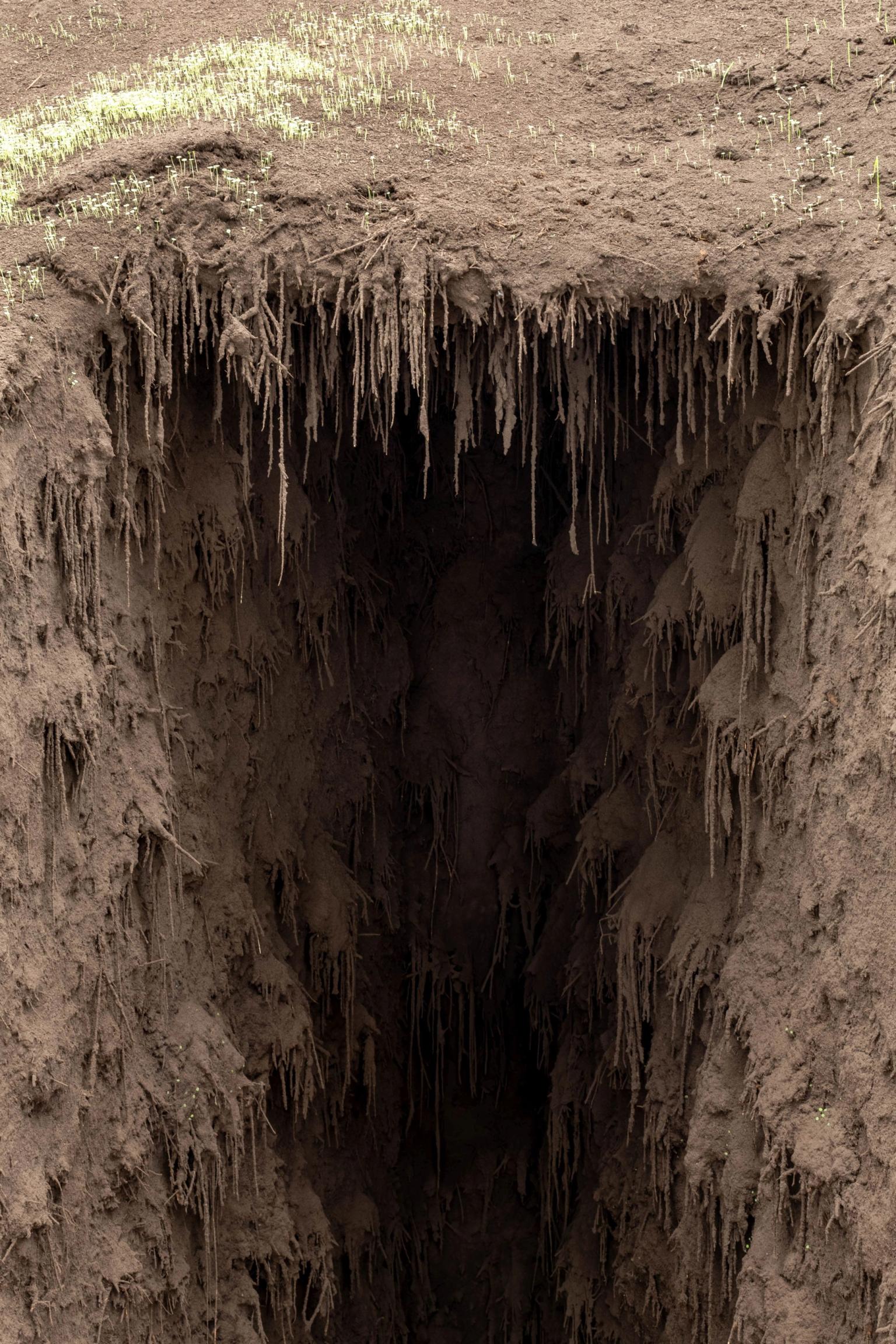
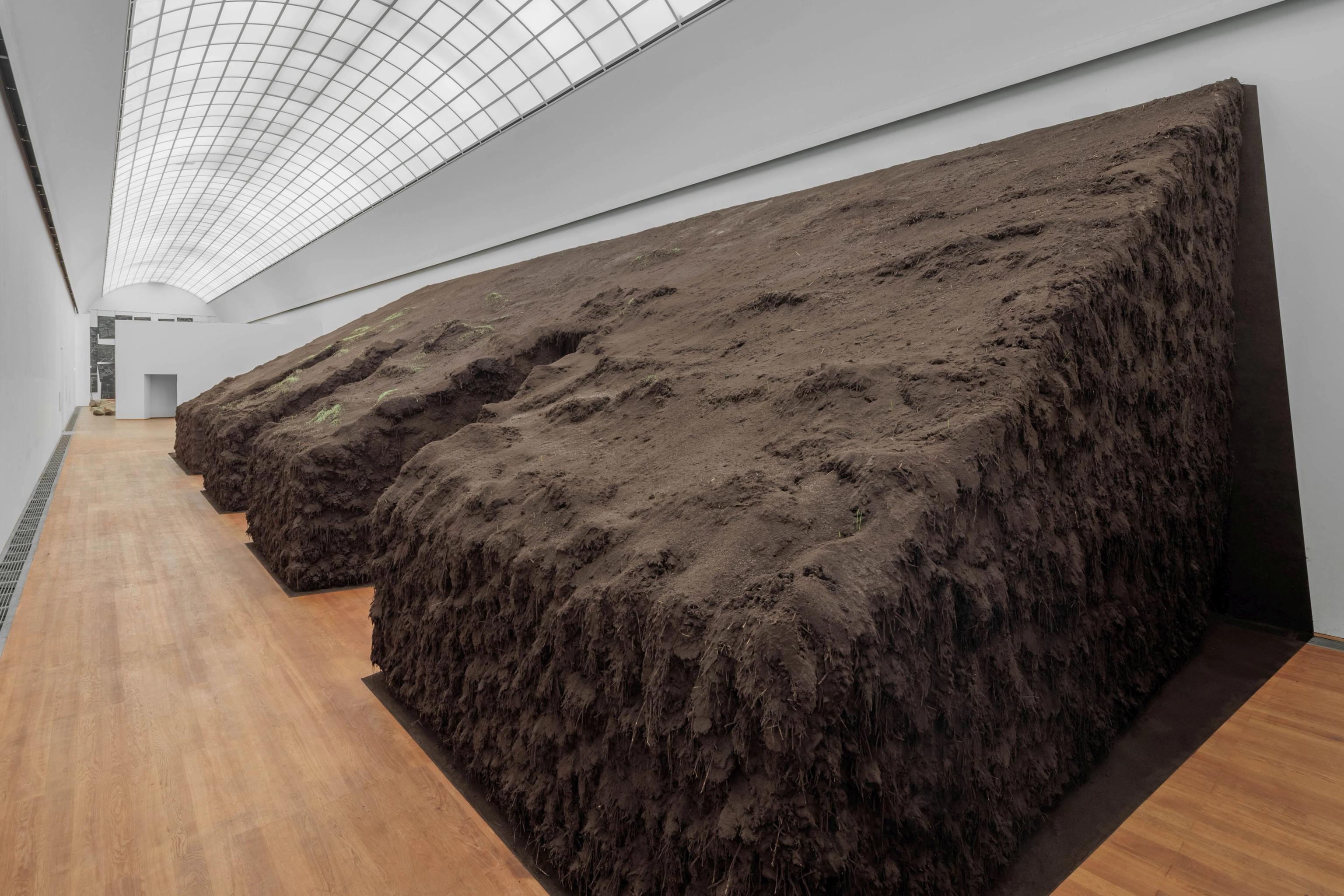
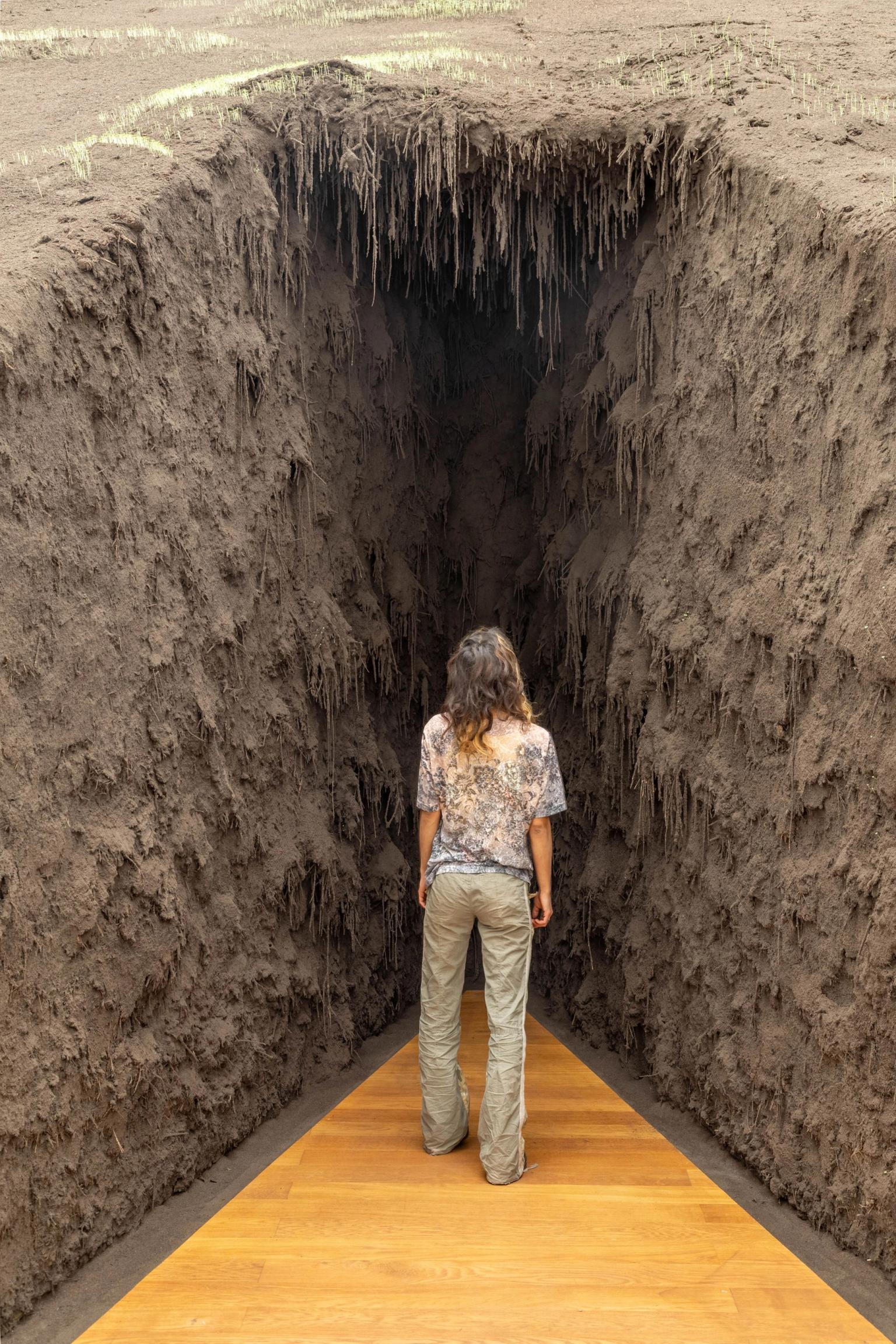
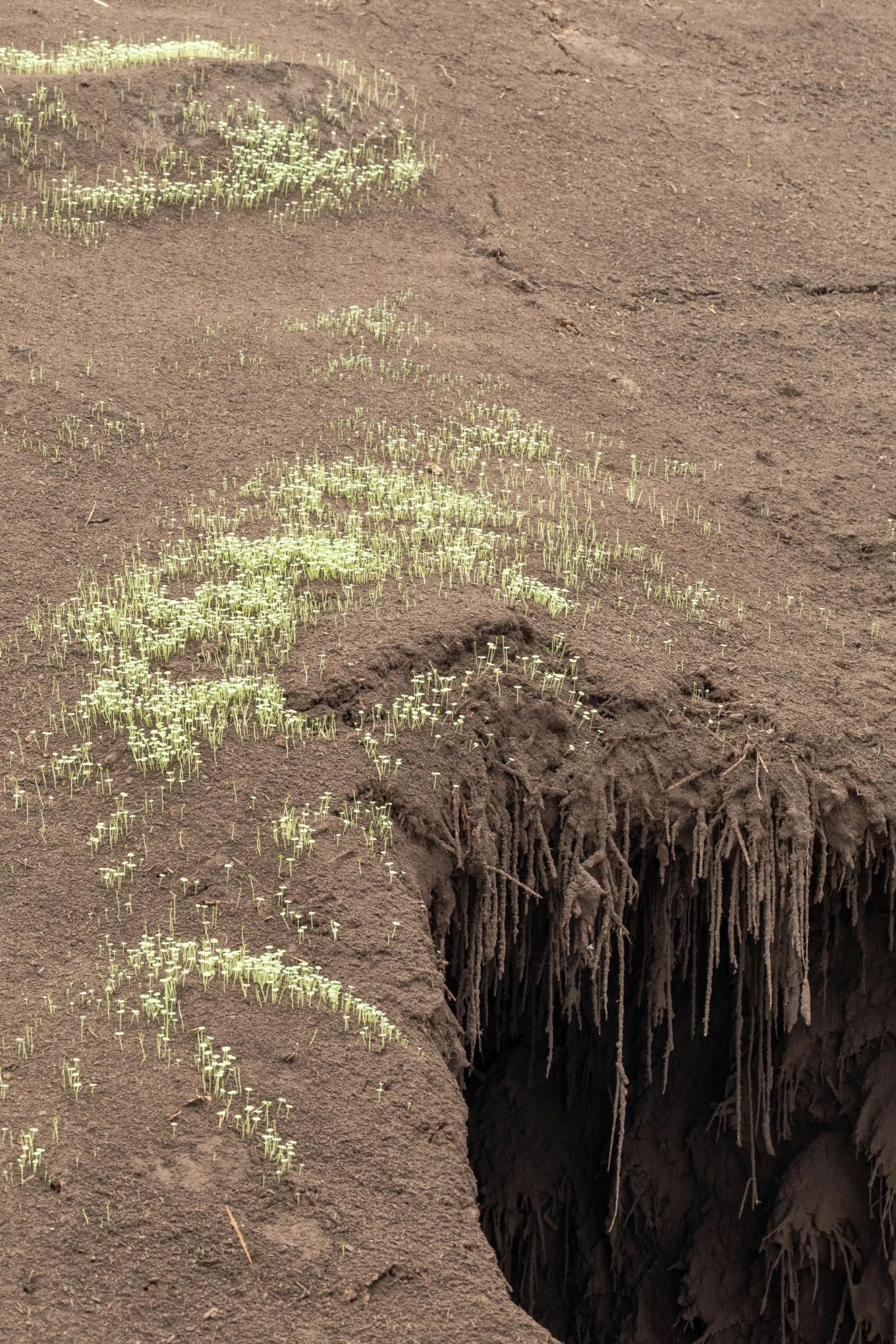
The form of Madre stretches through the museum like a constructed landscape. Large sloping masses of compacted soil rise from the floor and press against the architecture, creating openings, folds, and sheltered areas that visitors can move around and experience closely. Morelos developed the installation specifically for Hamburger Bahnhof, responding to the scale, light, and industrial history of the building. Natural light changes the appearance of the work throughout the day, while embedded seeds slowly grow across its surface over time. The installation never feels static. It dries, shifts, settles, and evolves during the exhibition period, making time and transformation part of the artwork itself. Morelos describes the structure as both a mountain and a house, something monumental, but also protective and intimate.

Delcy Morelos’ Practice
Born in Tierralta, Colombia in 1967 and based in Bogotá, Delcy Morelos has spent more than three decades developing a practice centred around material, ritual, and ancestral knowledge. Her early work focused on painting and drawing using natural pigments, often exploring themes connected to the body and violence. Over time, her work expanded into sculpture and immersive installation, where soil, clay, fibres, grass, and spices became central materials. Since creating her first earthwork, Eva, in 2012, Morelos has approached the earth almost as a collaborator rather than a medium to shape or control. Her work draws strongly from Indigenous and Andean cosmologies, where humans are understood as inseparable from nature. Across her installations, materials are never neutral, they carry history, memory, and spiritual meaning.

A Work You Experience Physically
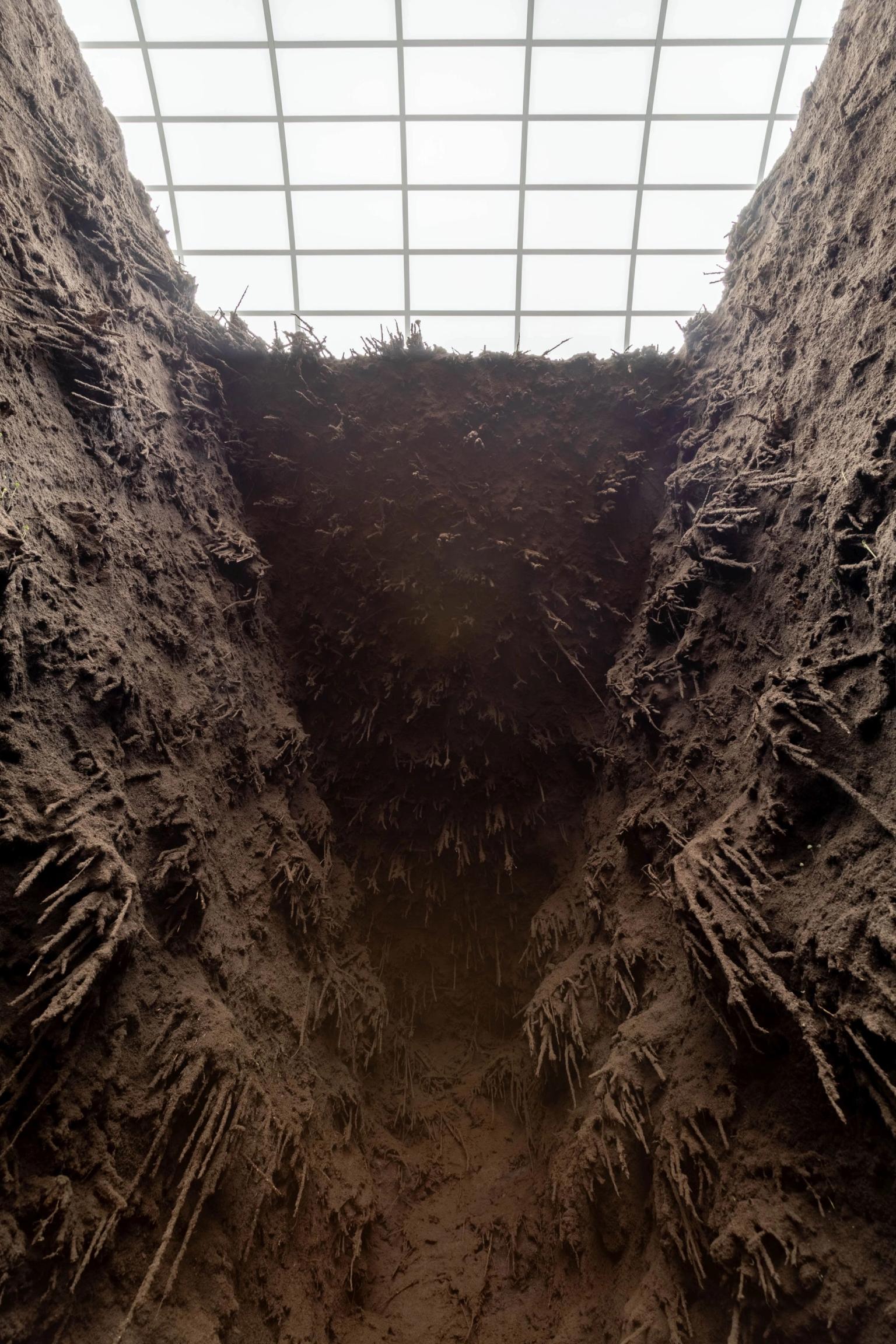
Morelos creates installations that are meant to be experienced with the entire body rather than simply viewed from a distance. Smell plays a central role in Madre. The scent of wet earth, cinnamon, cloves, and organic material fills the room and immediately creates a sensory connection between the visitor and the work. Texture and touch are equally important. Visitors often feel drawn toward the surface of the sculpture, responding instinctively to the warmth and physical presence of the material. Beneath the visible layers are seeds, organic matter, and hidden structural systems that allow the work to slowly change over time. South American chia seeds and European wheat are embedded throughout the installation, creating subtle connections between geography, cultivation, migration, and shared histories. For Morelos, building these works is both physical labour and ritual gesture.

In Dialogue with Joseph Beuys
Madre is presented alongside works by Joseph Beuys from Hamburger Bahnhof’s permanent collection, creating a dialogue between two artists deeply interested in transformation, ritual, and the relationship between art and life. While Beuys often approached these ideas through symbolic objects and performative gestures, Morelos introduces a different perspective rooted in Indigenous knowledge, ecological awareness, and feminine forms of care. Her installation shifts attention toward the earth itself as a living force capable of carrying both memory and future growth. Rather than competing with the museum’s existing collection, Madre quietly changes the atmosphere around it, bringing softness, vulnerability, and organic movement into the monumental industrial space. The work becomes a reminder that museums can hold living systems and sensory experiences, not only static objects.

Reconnecting with the Ground
In recent years, Morelos has gained international recognition through exhibitions at the Venice Biennale, Dia Chelsea in New York, the Pulitzer Arts Foundation in St. Louis, and major institutions across Europe and Latin America. Despite the scale of these projects, her work consistently returns to one central idea: the relationship between human beings and the earth that sustains them.
Madre continues that investigation in one of her most immersive installations to date. The work asks visitors to slow down and reconsider their relationship to land, material, and the natural systems often ignored in contemporary life. Rather than offering direct answers, Morelos creates an environment where these questions can be physically felt. Inside Madre, the boundary between body, architecture, and landscape begins to dissolve.
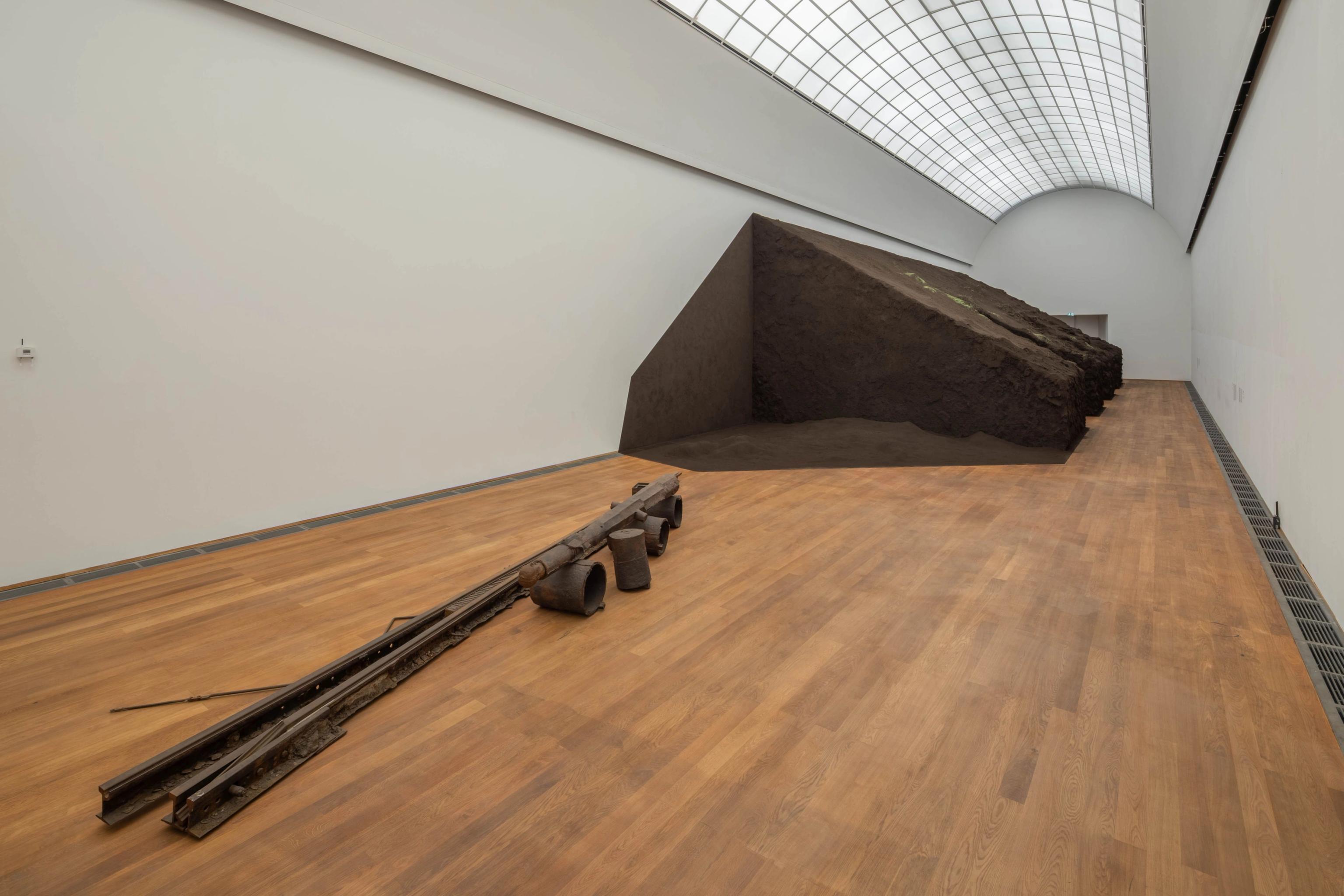

Delcy Morelos, Madre, 2025, earth, clay, water, wood, metal, jute, hay, straw, cinnamon, cloves, buckwheat, chia seeds, tobacco, honey, dimensions variable. Exhibition view Hamburger Bahnhof – Nationalgalerie der Gegenwart, 11.7.2025 – 25.1.2026 © Delcy Morelos, 2025. Courtesy the artist and Marian Goodman Gallery. Photo: Staatliche Museen zu Berlin, Nationalgalerie / Jacopo La Forgia