
Junya Ishigami
Maison Owl
- ArchitectJunya Ishigami
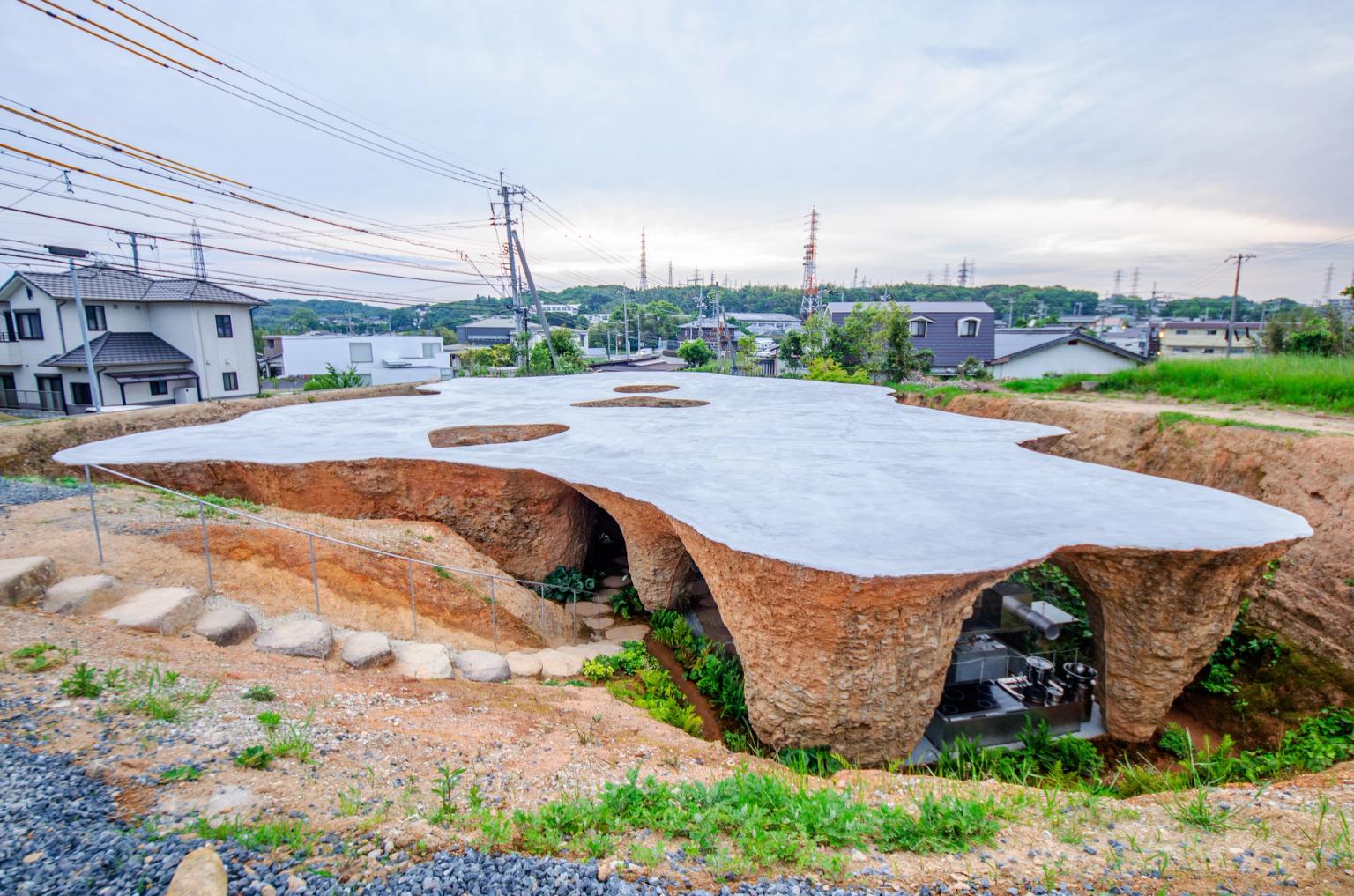
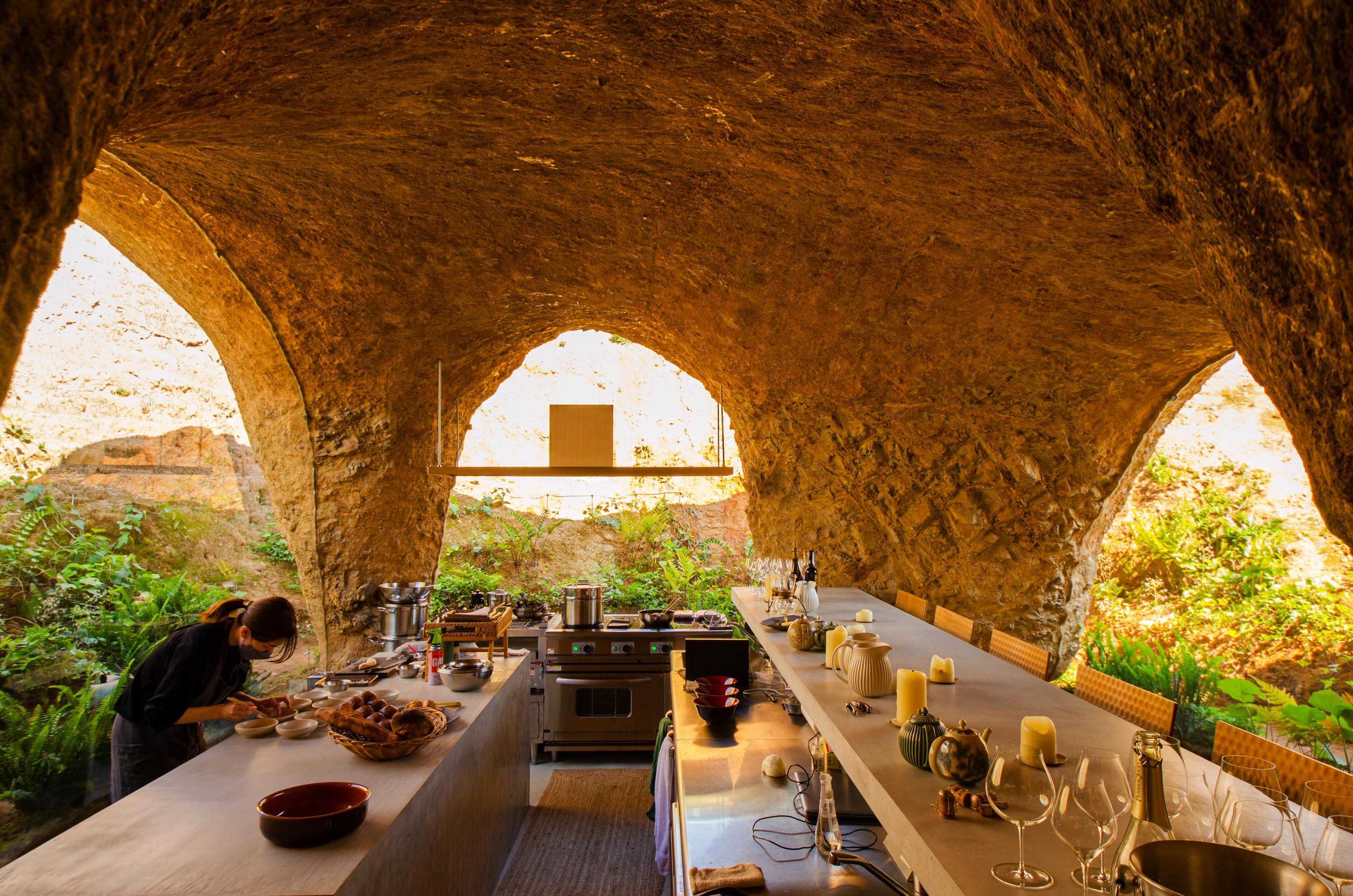
Linda Bergroth I have a soft spot for all utopian architecture and Junya Ishigami is an architect who blows by mind every time. Maison Owl is a restaurant carved in the suburbs of Ube, Japan by removing soil and pouring in concrete. Dinner there as well as the Making of- video of the seven year building process are both fascinating. Photos here: Cyril Zammit, Yashiro Photo Office.

A Home and Restaurant Buried in the Earth
Maison Owl, designed by Junya Ishigami + Associates, is a mud-covered house and restaurant in Ube, Japan, commissioned by chef Motonori Hirata, an old friend of Ishigami. The brief was to create a building that feels heavy, enduring, and organically integrated with the earth - a place that could host both family life and a restaurant, conveying the impression of having always existed within the landscape. The subtle presence at street level ensures the architecture is nearly hidden, blending seamlessly into its surroundings while offering a unique spatial experience for visitors and inhabitants alike.

Crafting the Architecture with Nature’s Imperfections
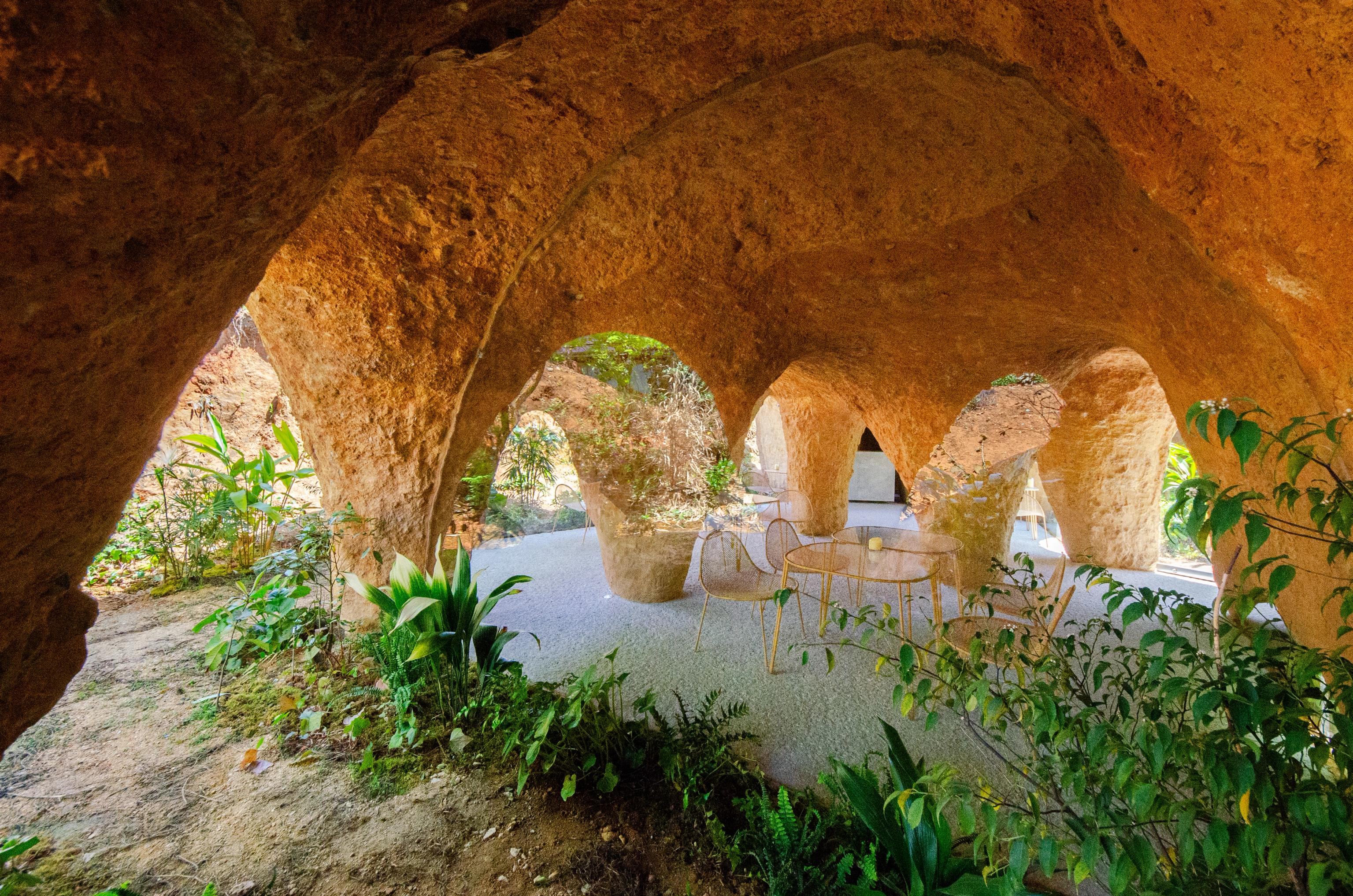
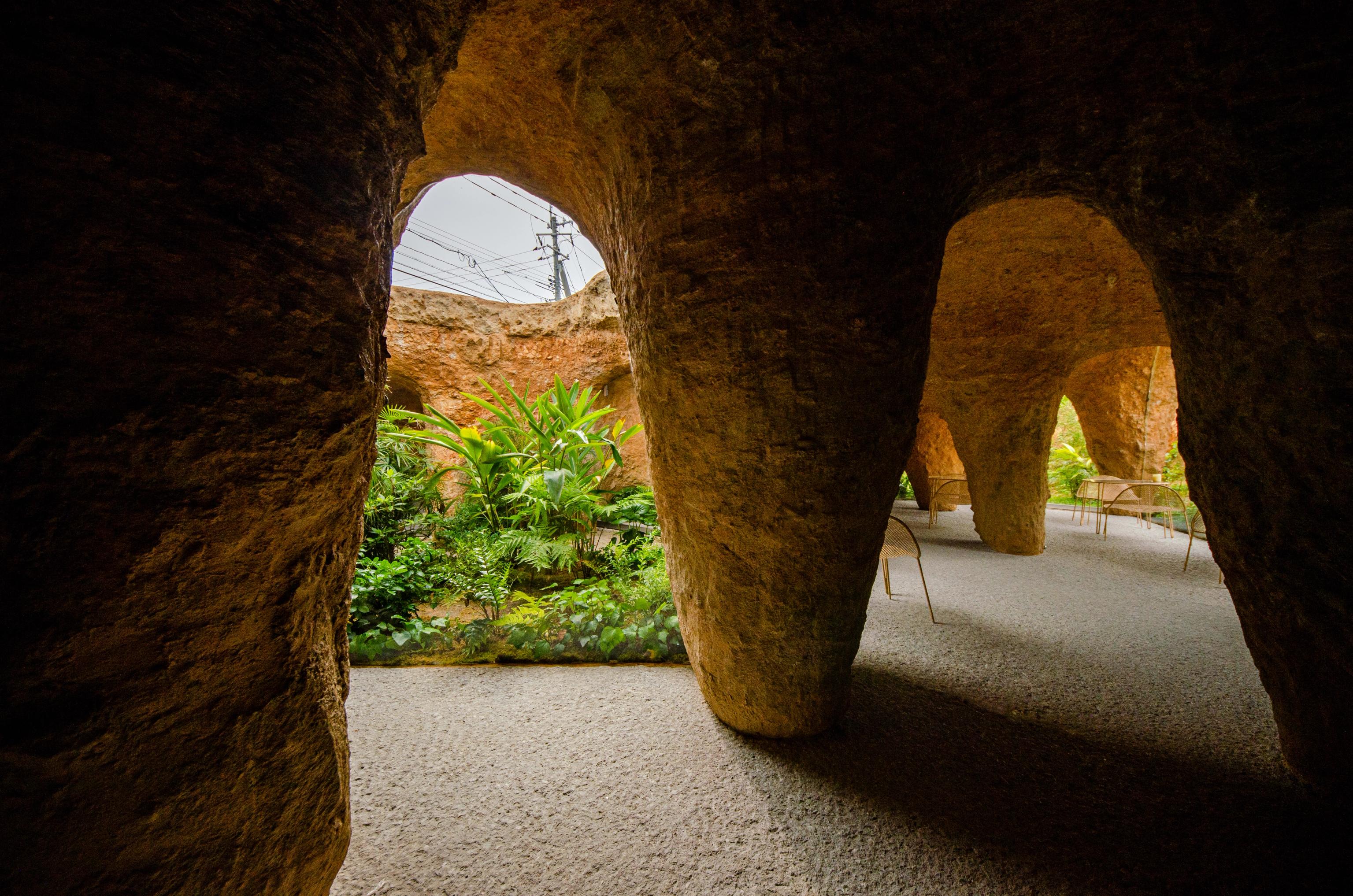
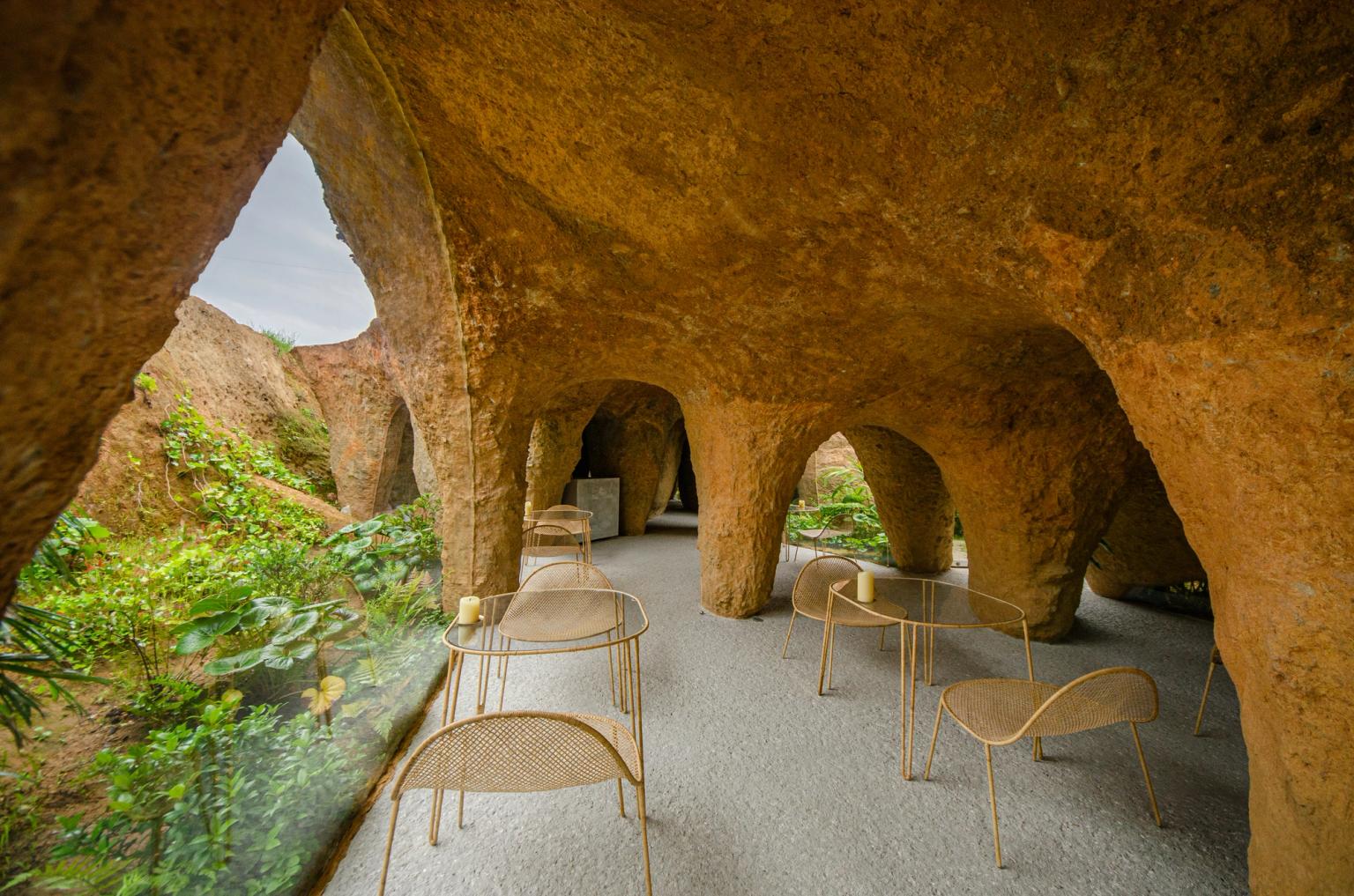
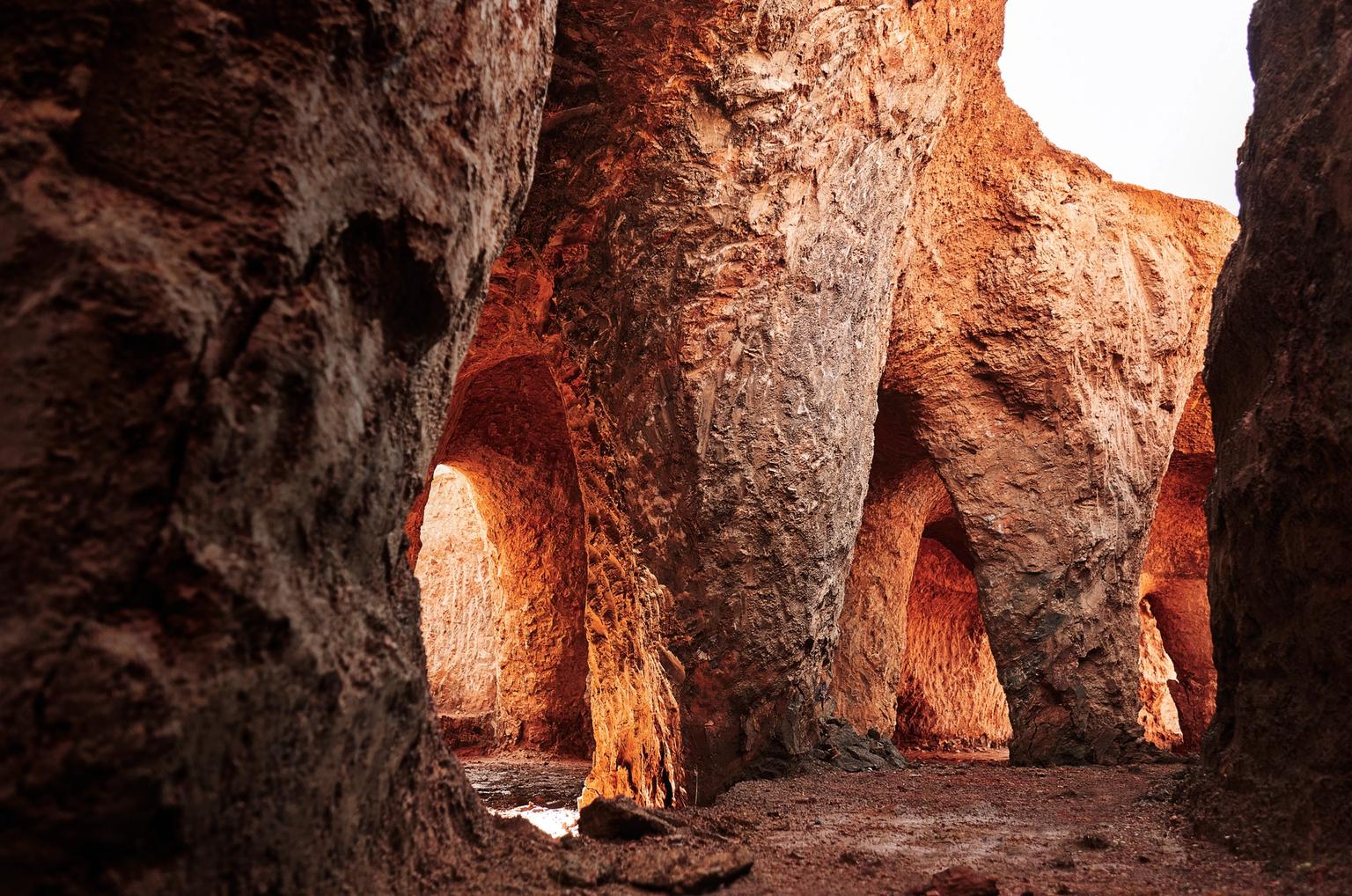
The building was realized by pouring concrete into pre-dug holes, which acted as molds shaped by the surrounding soil, creating a structure that directly inherits the contours, textures, and irregularities of the site. Originally intended to wash off the mud, Ishigami chose to leave it in place, creating a cave-like atmosphere that enhances the building’s organic appearance.
Construction was coordinated through extensive 3D modeling, converting digital designs into precise real-world measurements, while simultaneously embracing the unpredictabilities of manual labor and natural distortions. Piling, excavation, and placement of glazing and furniture were continuously adapted to the site’s conditions, allowing the architecture to evolve with the environment.


Interior and Spatial Experience
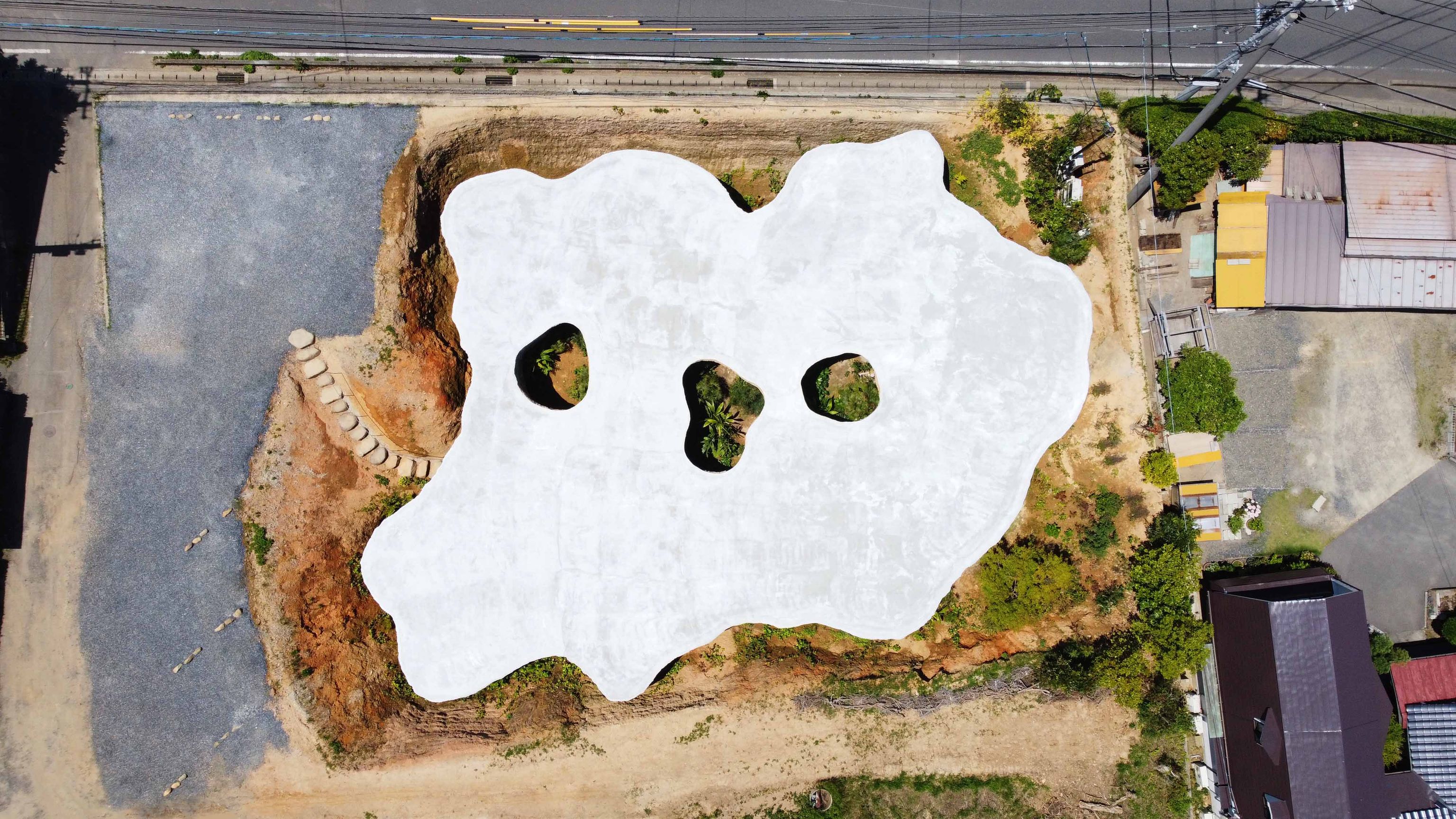
Maison Owl combines private and public functions within a network of arched openings, three courtyards, and glazed panels that subtly delineate spaces while maintaining visual continuity. The restaurant, positioned to the north, features a long concrete island where diners sit on bar stools while meals are prepared on the other side.
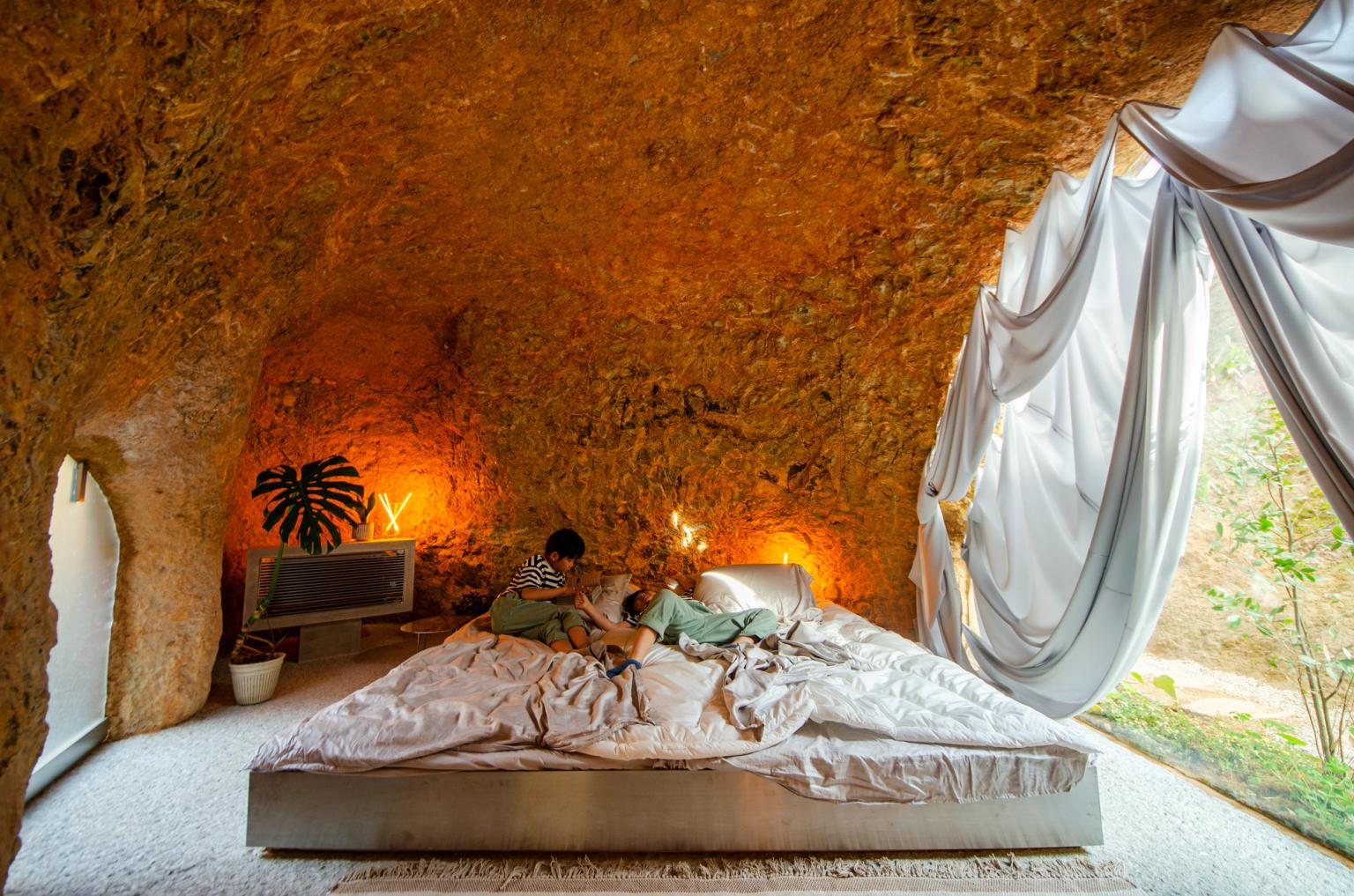
When closed, the space doubles as a family or study area. The residence to the south includes a sunken conversation pit, an embedded kitchen and bath, and intimate spaces designed for domestic life. Skylights in the roof introduce natural light and rain, while the layered, undulating form of the roof enhances the sculptural character of the building. Every detail - from the positioning of glass panes to the routing of water and ventilation systems - was informed by on-site measurements and a process that integrates architectural design with the site’s natural conditions.
The result is a home and restaurant where architecture, nature, and daily life coexist fluidly, creating a space that is both functional and poetic, monumental yet intimate.