Miranda July
Me and You and Everyone We Know
- DirectorMiranda July
- CinematographerChuy Chávez
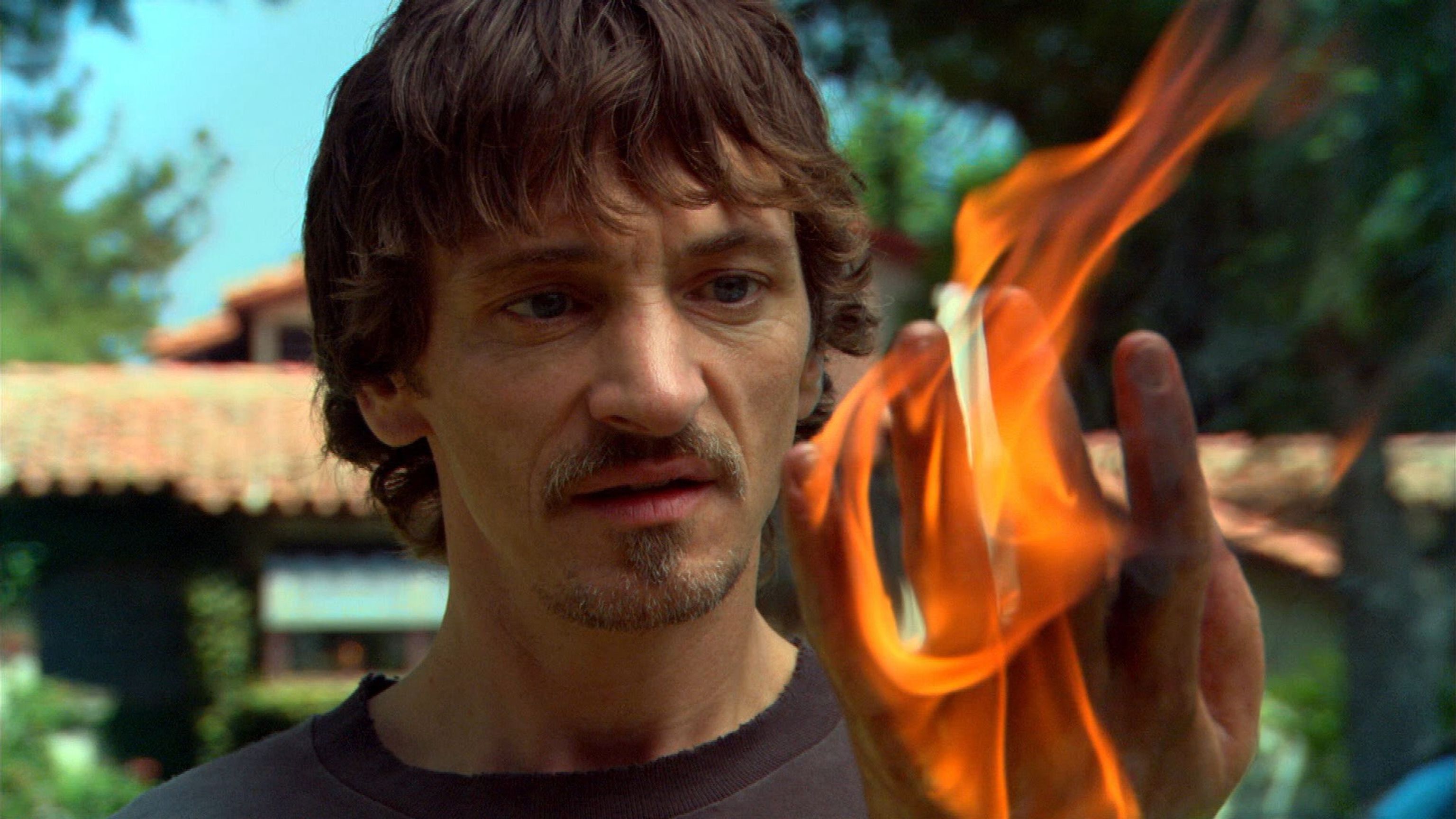
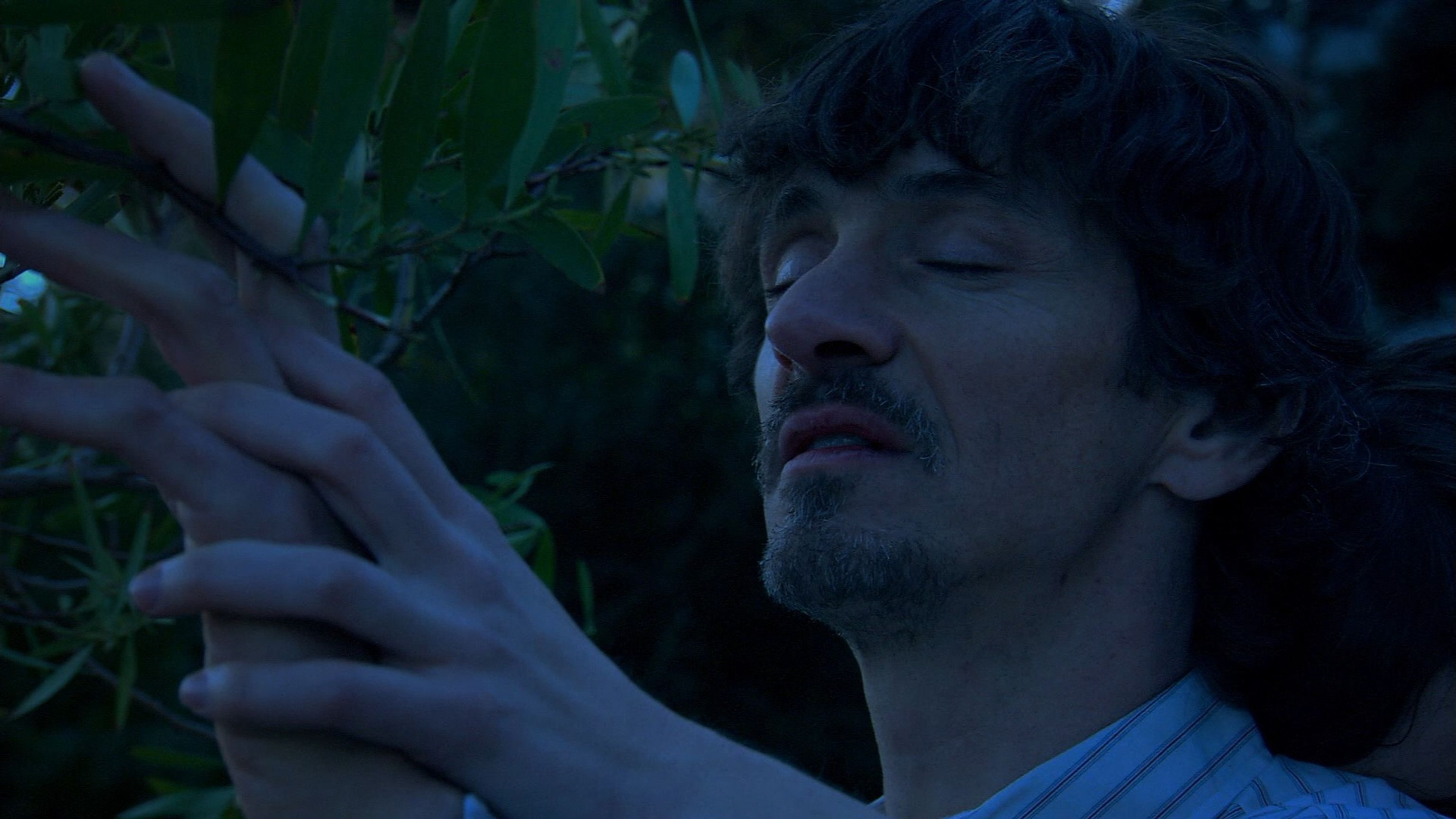
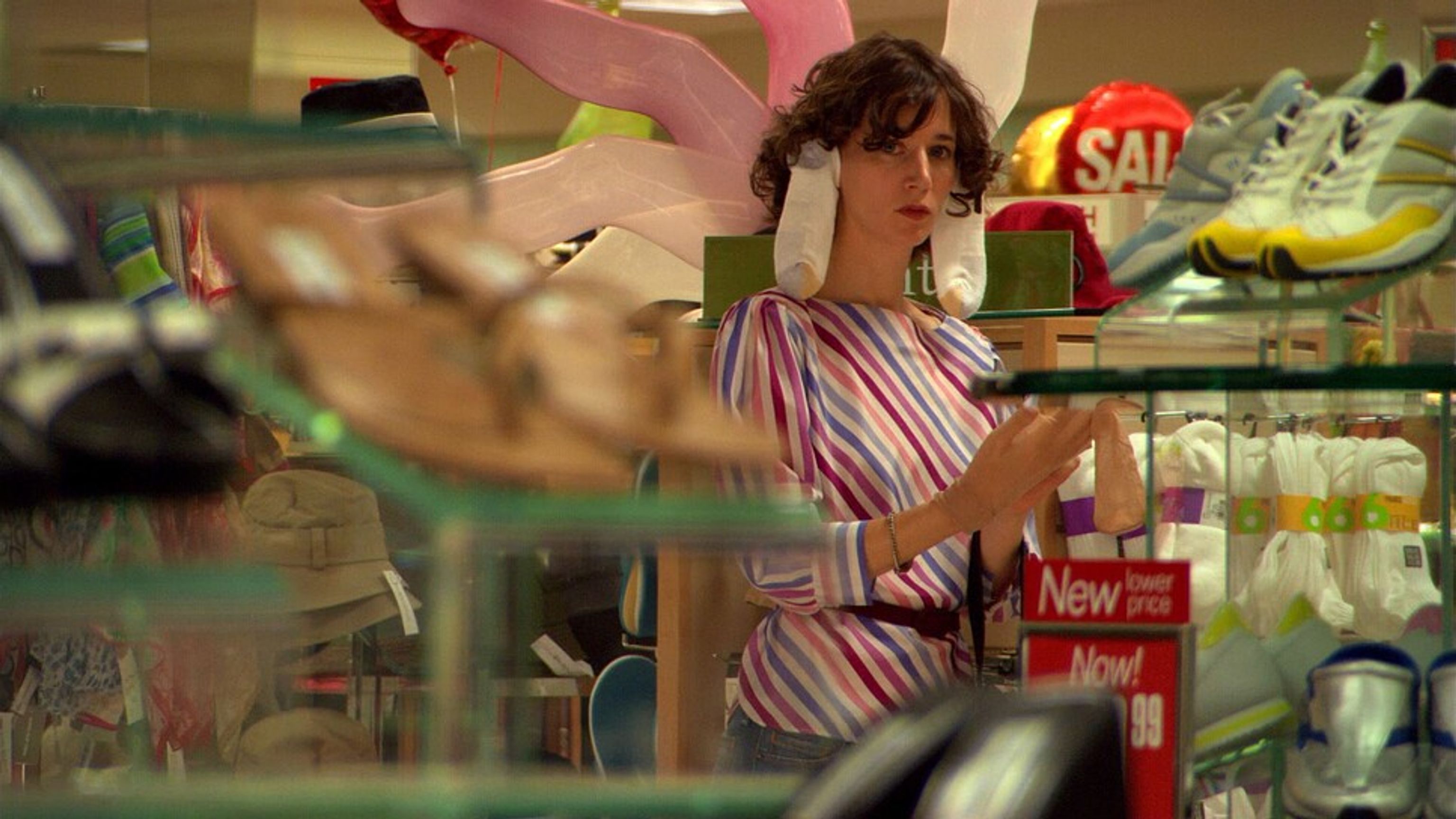
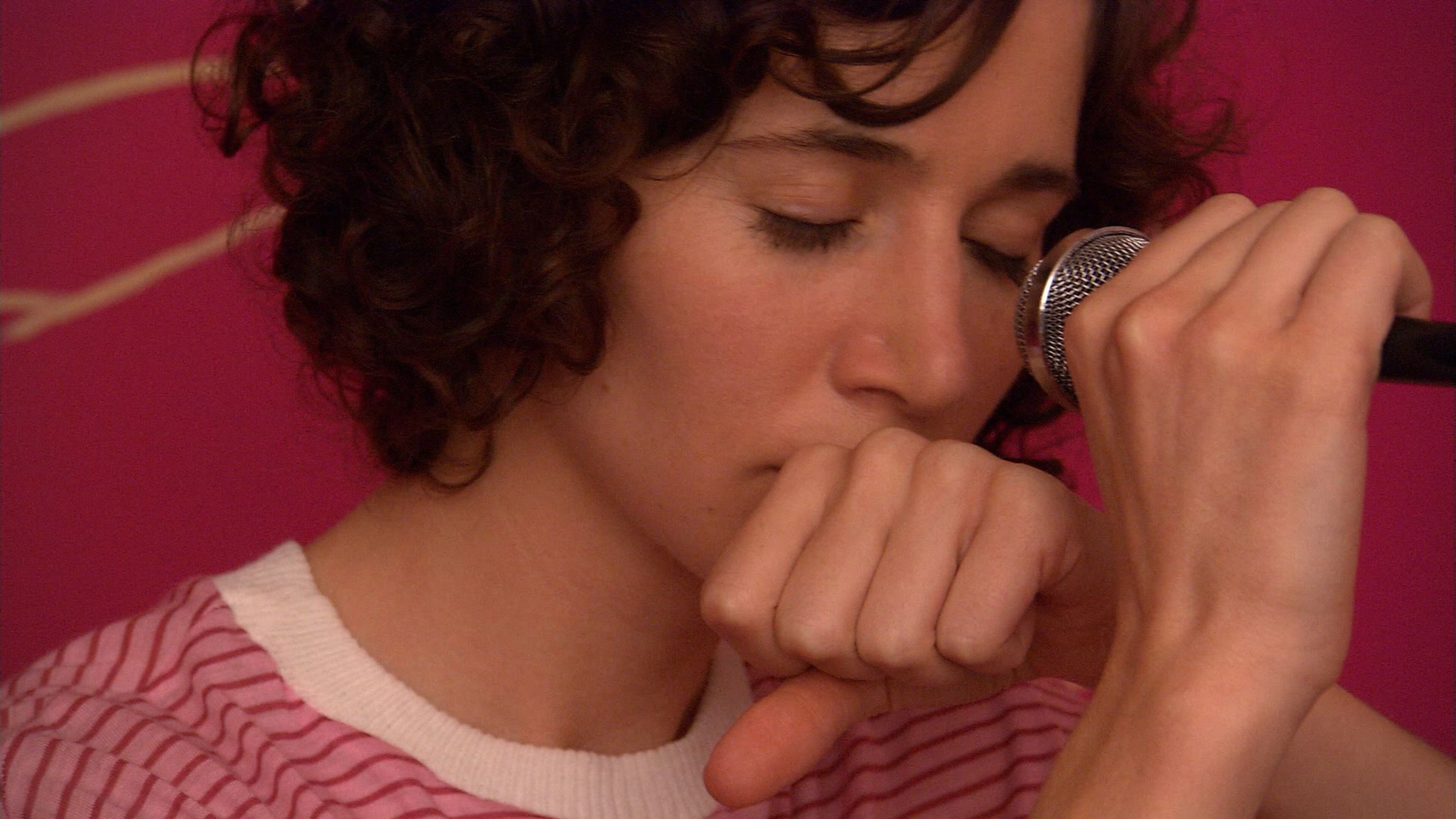
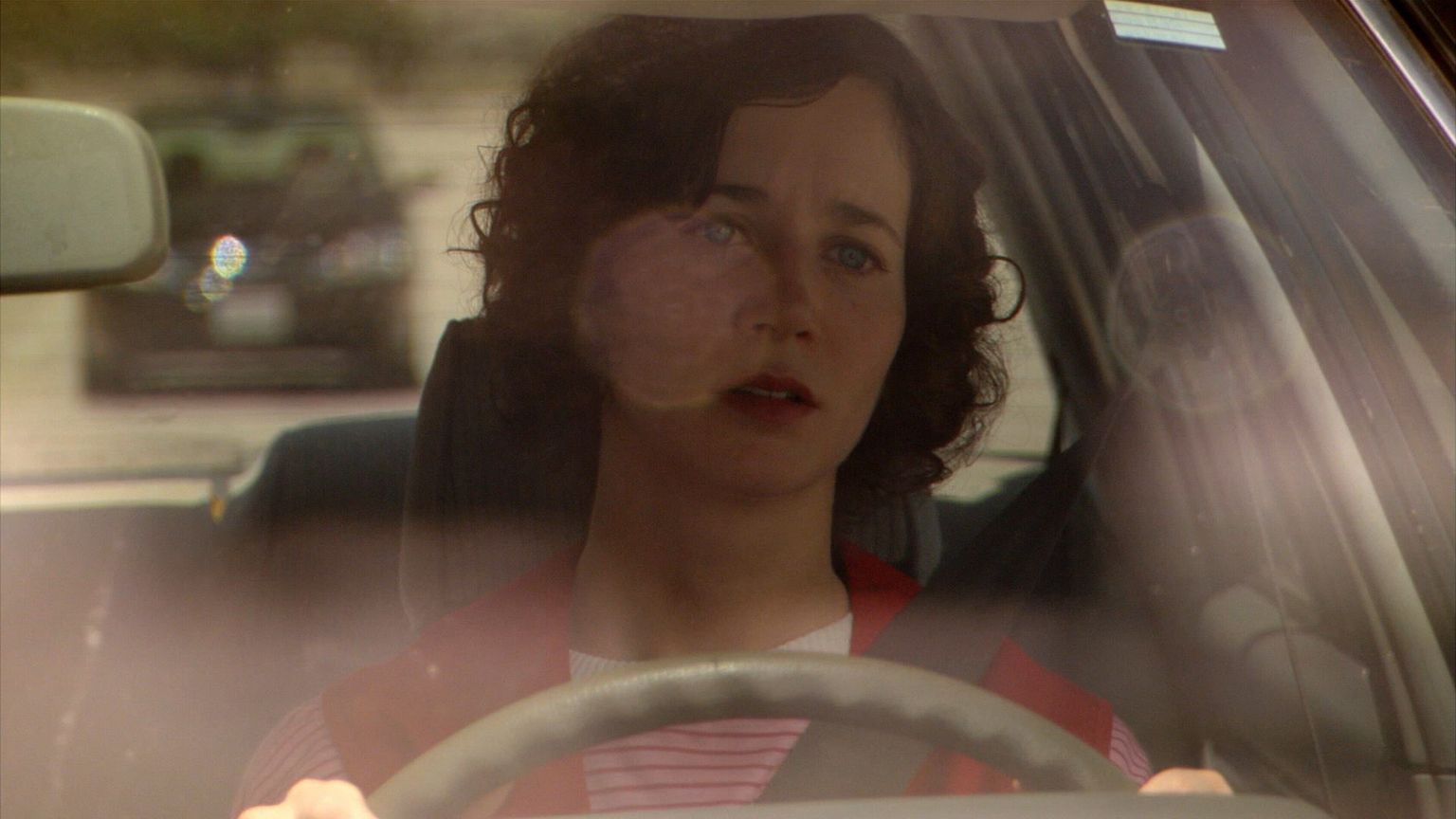
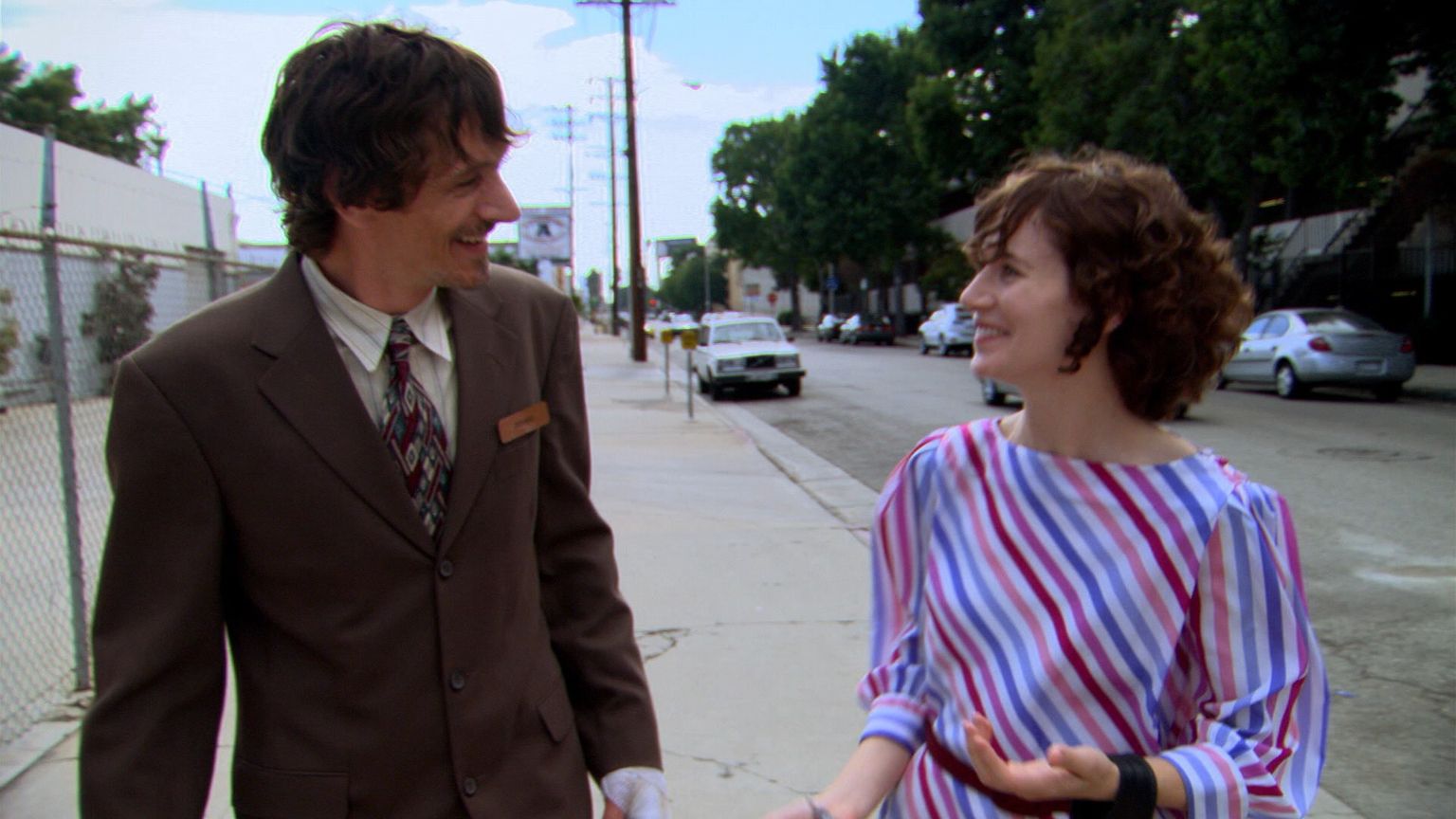
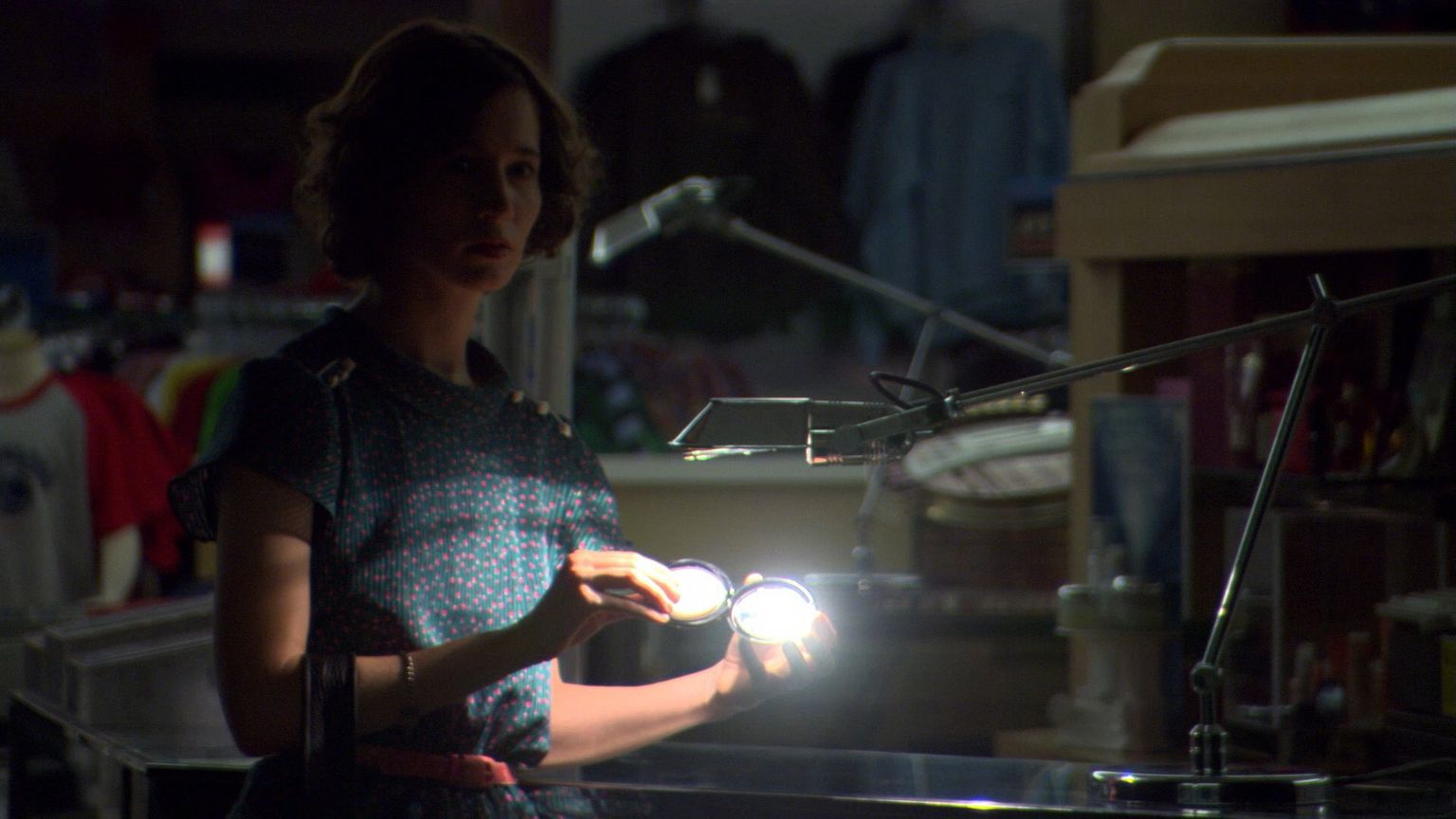
ILENIA MARTINI What I remember most from this film is its ability to find tenderness in awkward moments, the feeling of people reaching out from their own corners of the world and hoping someone answers. Miranda July is an expert at creating a world where curiosity and loneliness can coexist without fear of rejection. The cinematography is beautifully soft, and the soundtrack will stay with you even if it sits lightly on the film as more of a suggestion of feeling rather than a cue.

The Story Behind Me and You and Everyone We Know
When Me and You and Everyone We Know premiered in 2005, it arrived quietly, almost shyly, yet immediately announced a singular voice. Written and directed by Miranda July, the film was not conceived as a conventional romantic comedy or indie quirk piece, despite later being grouped with both. Instead, it emerged from July’s long-standing interest in the fragile, awkward ways people attempt to connect - emotionally, romantically, and digitally - at the edges of everyday life.
At the time, July was already known in performance art and experimental film circles for work that blurred sincerity and discomfort. She often placed herself at the center of her projects, not out of vanity but as a way of testing vulnerability in public. Me and You and Everyone We Know extended this practice into narrative cinema. The characters and situations were not autobiographical in a literal sense, but emotionally rooted in her own experiences of loneliness, creative uncertainty, and the strange intimacy of talking to strangers.




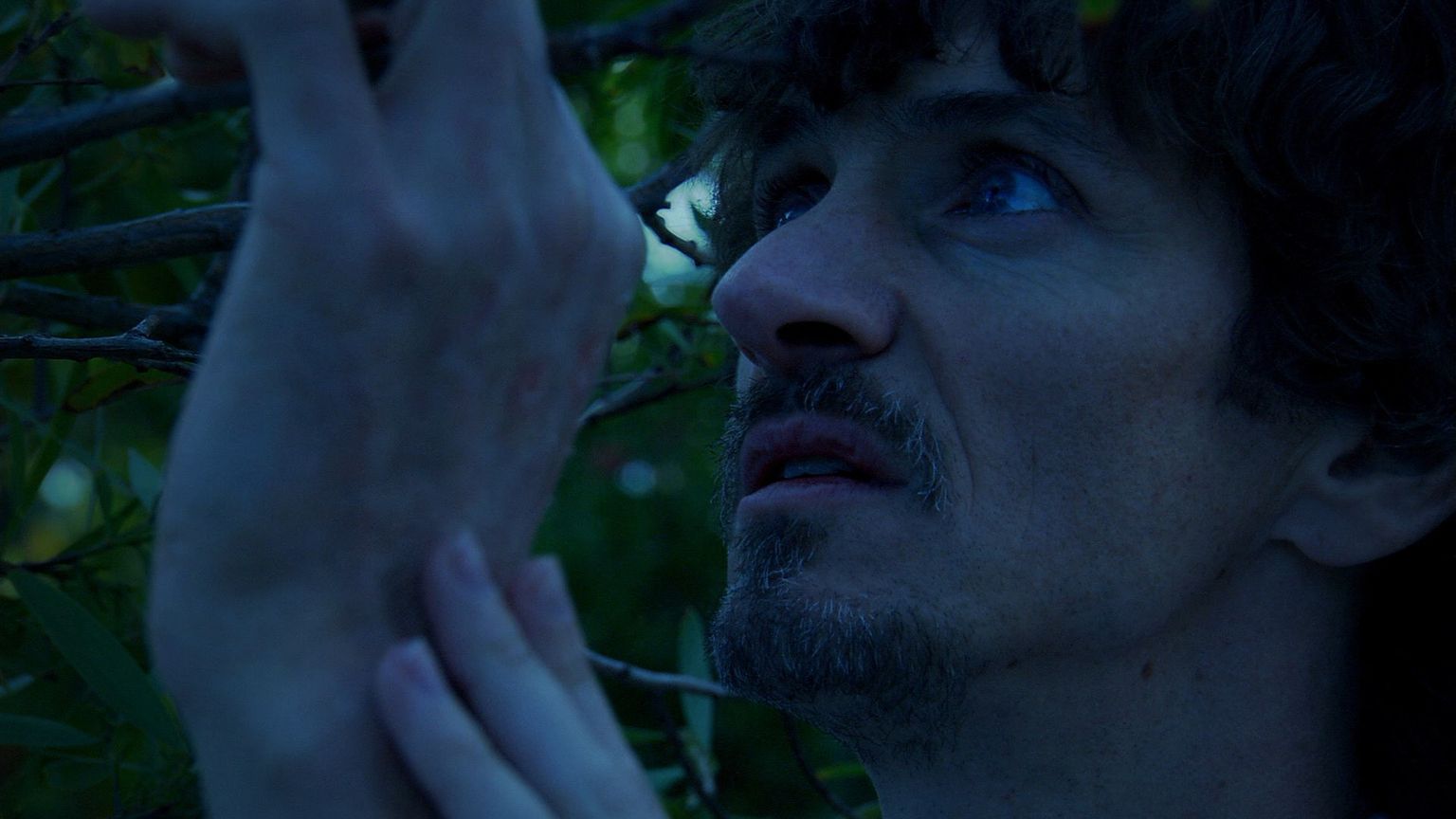

Awkwardness as a Language of Intimacy
The film was written during a period when the internet was becoming an everyday emotional space rather than a novelty. Early chat rooms, instant messaging, and online flirtation fascinated July—not as technology, but as a new language of desire. The now-infamous scenes involving typed conversations, crude ASCII symbols, and cautious digital flirting were inspired by her curiosity about how people reveal themselves more freely through screens, even as they struggle to speak face-to-face.
Rather than following a single plot, July structured the film as a constellation of small lives brushing up against one another. A lonely shoe salesman, a tentative performance artist, neglected children exploring adult language online, and side characters drifting in and out - all are united by a shared yearning to be seen. July deliberately avoided irony or satire; she approached her characters with earnestness, allowing awkwardness to exist without judgment. This sincerity was, at the time, quietly radical.
The tonality
Financially and creatively, the project was modest. July worked with a small budget and a collaborative cast, many of whom were drawn to the script’s emotional honesty rather than its commercial prospects. She cast herself in the lead role not to anchor the film, but to maintain control over its fragile tone - something she feared could easily be flattened by a more traditional performance style.
Upon release, the film struck an unexpected chord. It won the Camera d’Or at Cannes and became a touchstone for a new wave of American independent cinema that embraced vulnerability, emotional directness, and gentle absurdity. More importantly, it validated July’s belief that audiences were hungry for stories about connection that did not rely on cynicism or spectacle.
Looking back, Me and You and Everyone We Know feels like a time capsule from a moment when digital communication was still tender and uncertain, and when intimacy felt experimental rather than optimized. Its lasting power lies in its refusal to harden. The film remains open, strange, and deeply human - an invitation to recognize ourselves in moments of longing, embarrassment, and quiet hope.