
The work of
Muller Van Severen
- DesignerMuller Van Severen
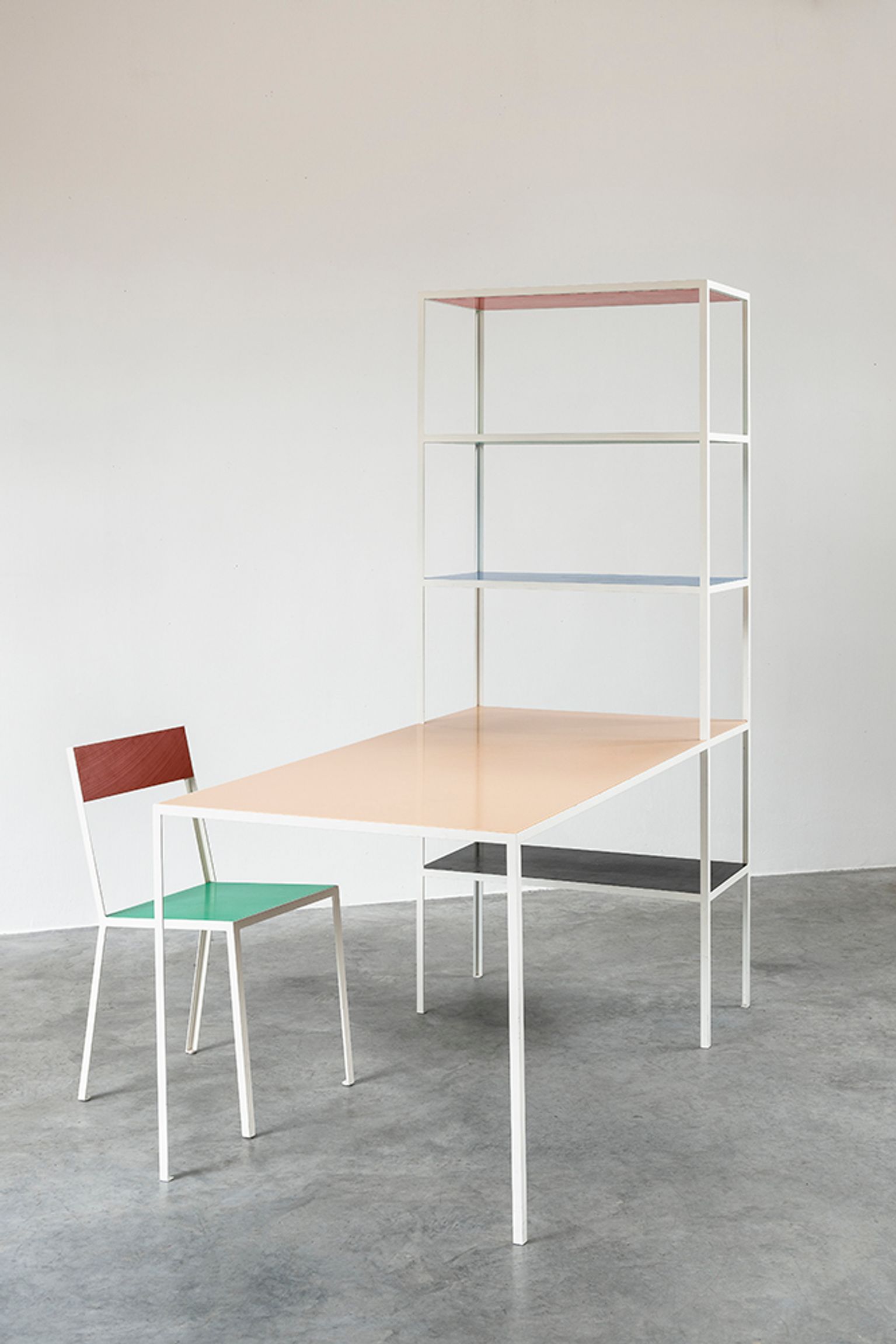
BJARKE INGELS Muller Van Severen distill their furniture to such an extreme degree of simplicity that each object appears almost as the diagram or wireframe of a chair, a table, or a bookshelf. Within this essential vocabulary, they explore a surprisingly expansive palette: stone, metal, lacquer, and even the color-saturated plastic cutting boards used in the food industry.


Bjarke Ingels on the work of Muller Van Severen
Muller Van Severen distill their furniture to such an extreme degree of simplicity that each object appears almost as the diagram or wireframe of a chair, a table, or a bookshelf. Within this essential vocabulary, they explore a surprisingly expansive palette: stone, metal, lacquer, and even the color-saturated plastic cutting boards used in the food industry.
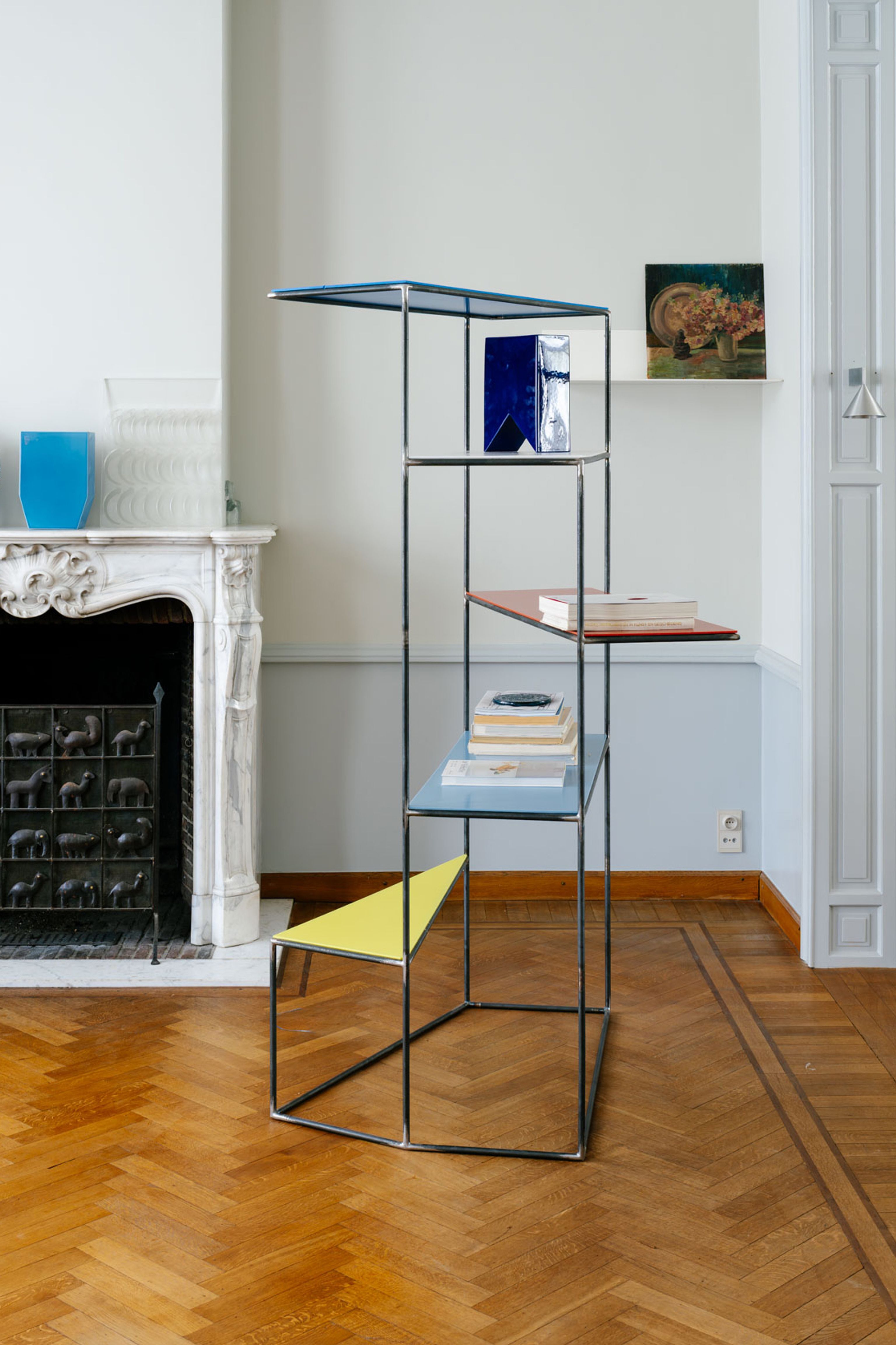
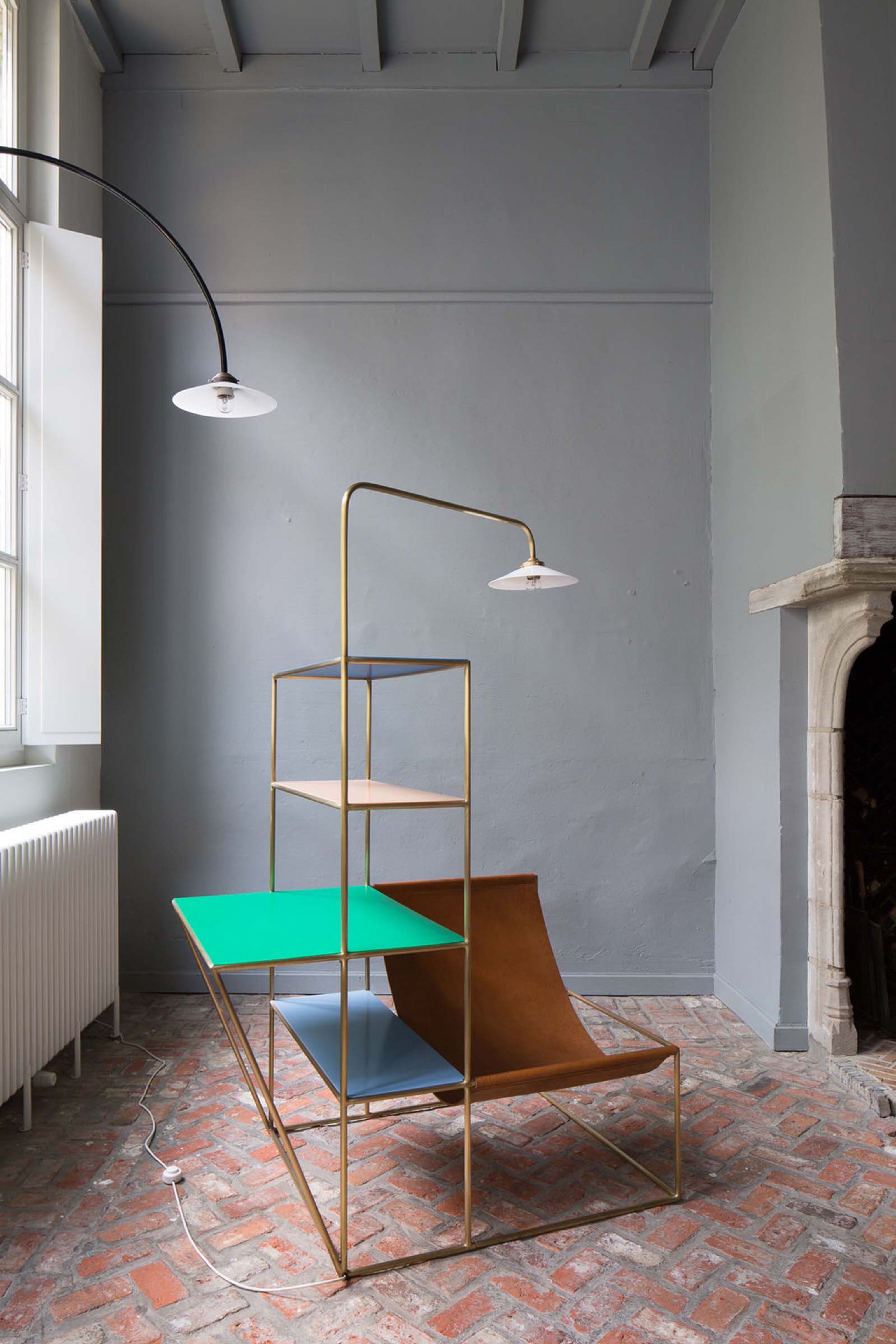
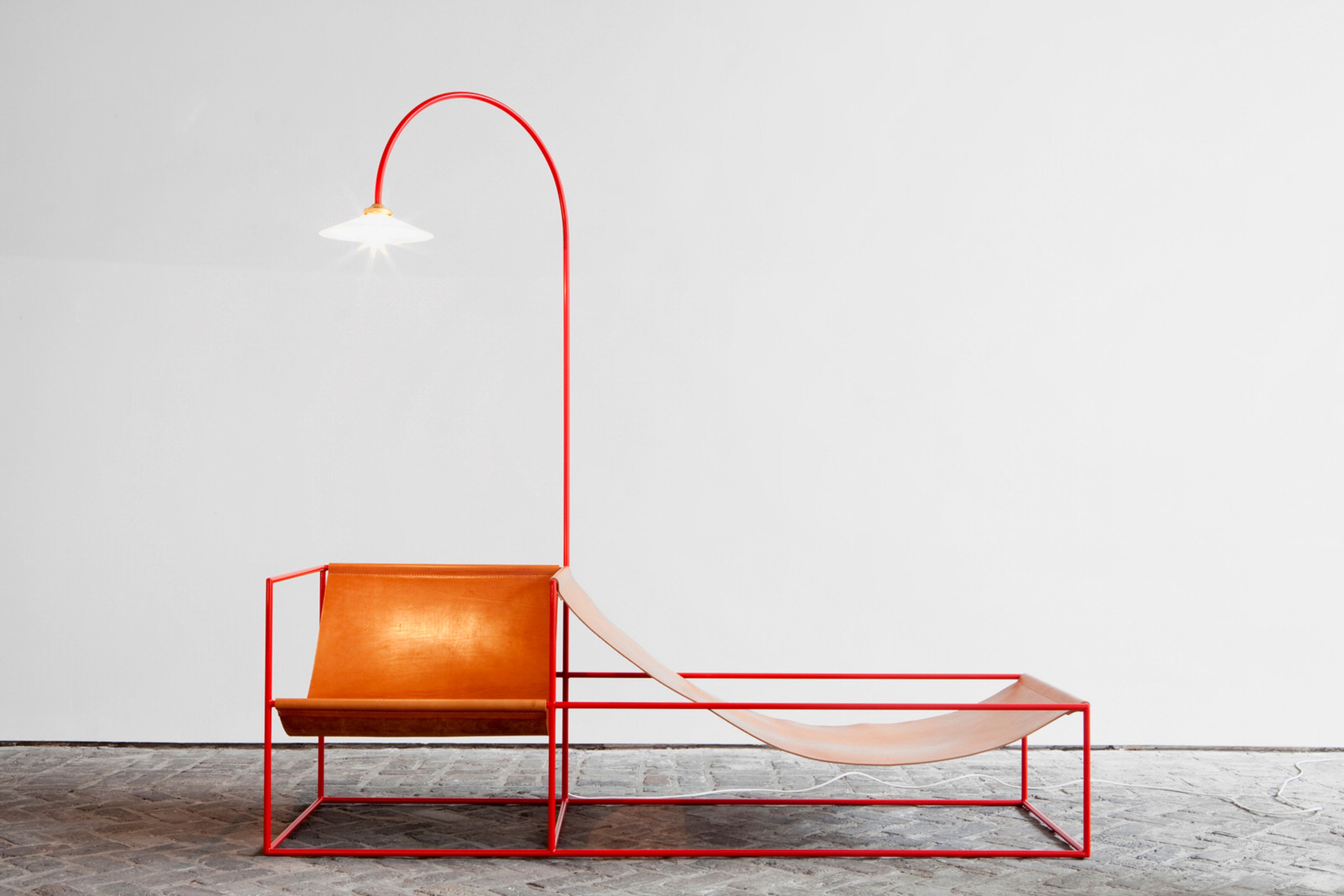
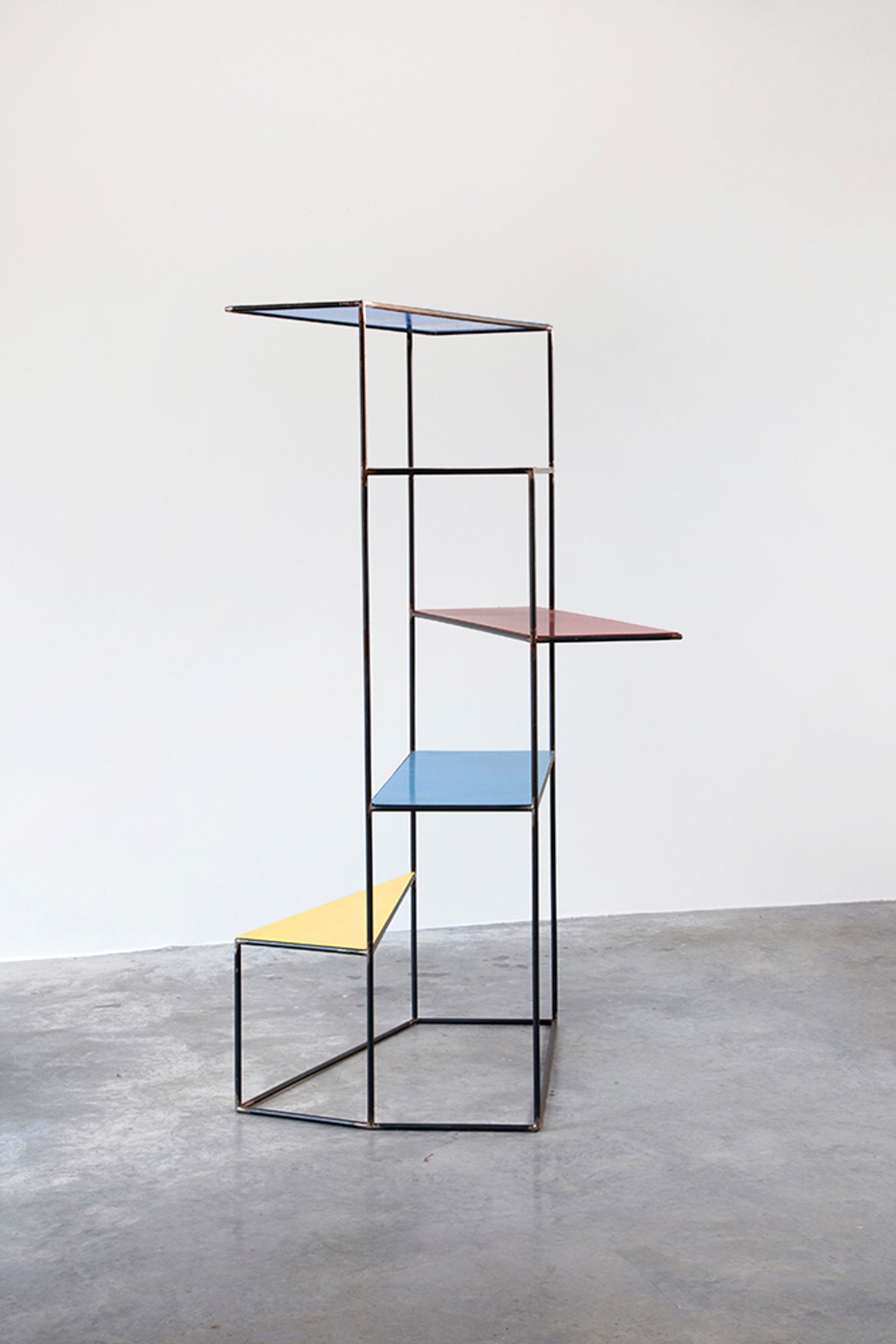
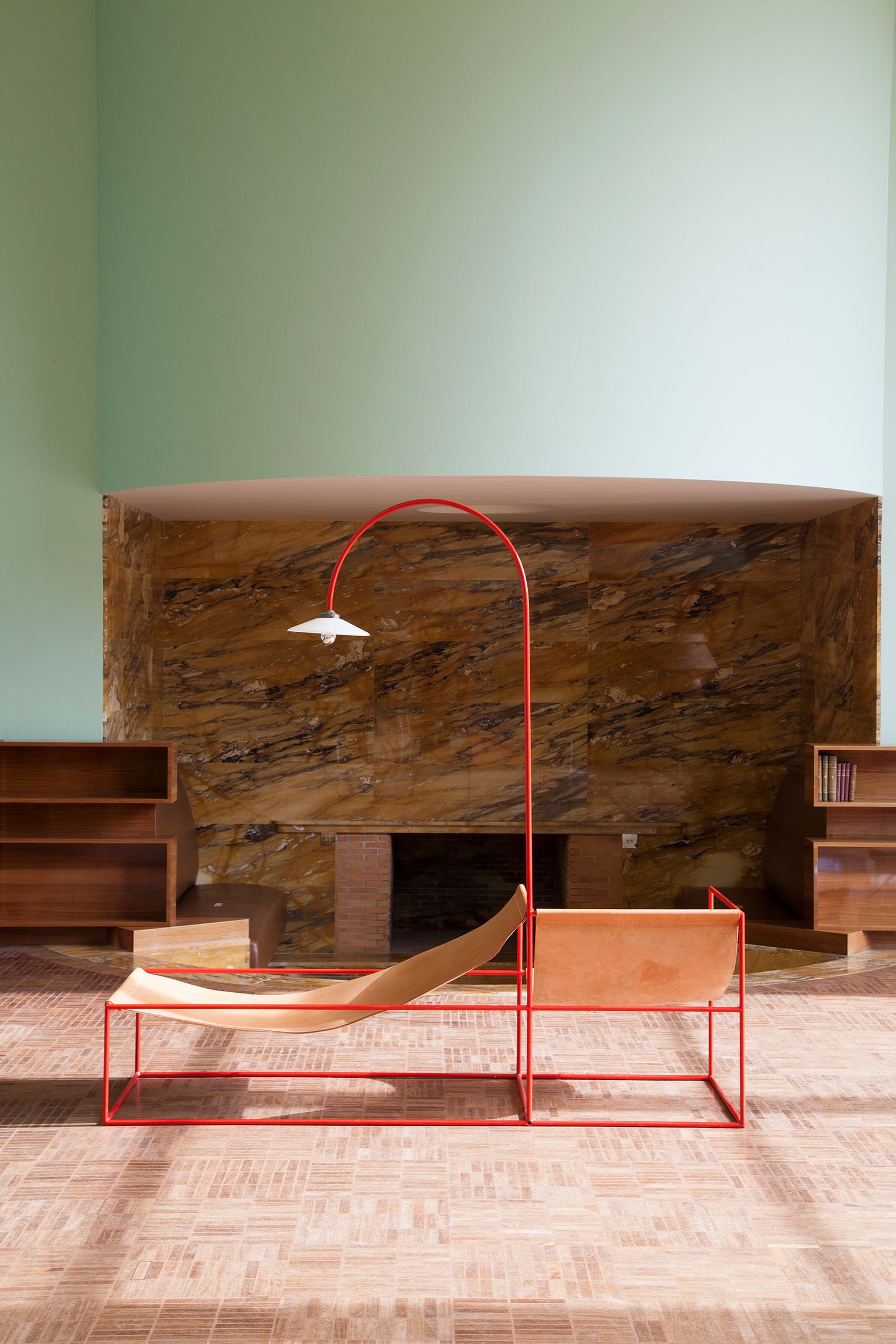
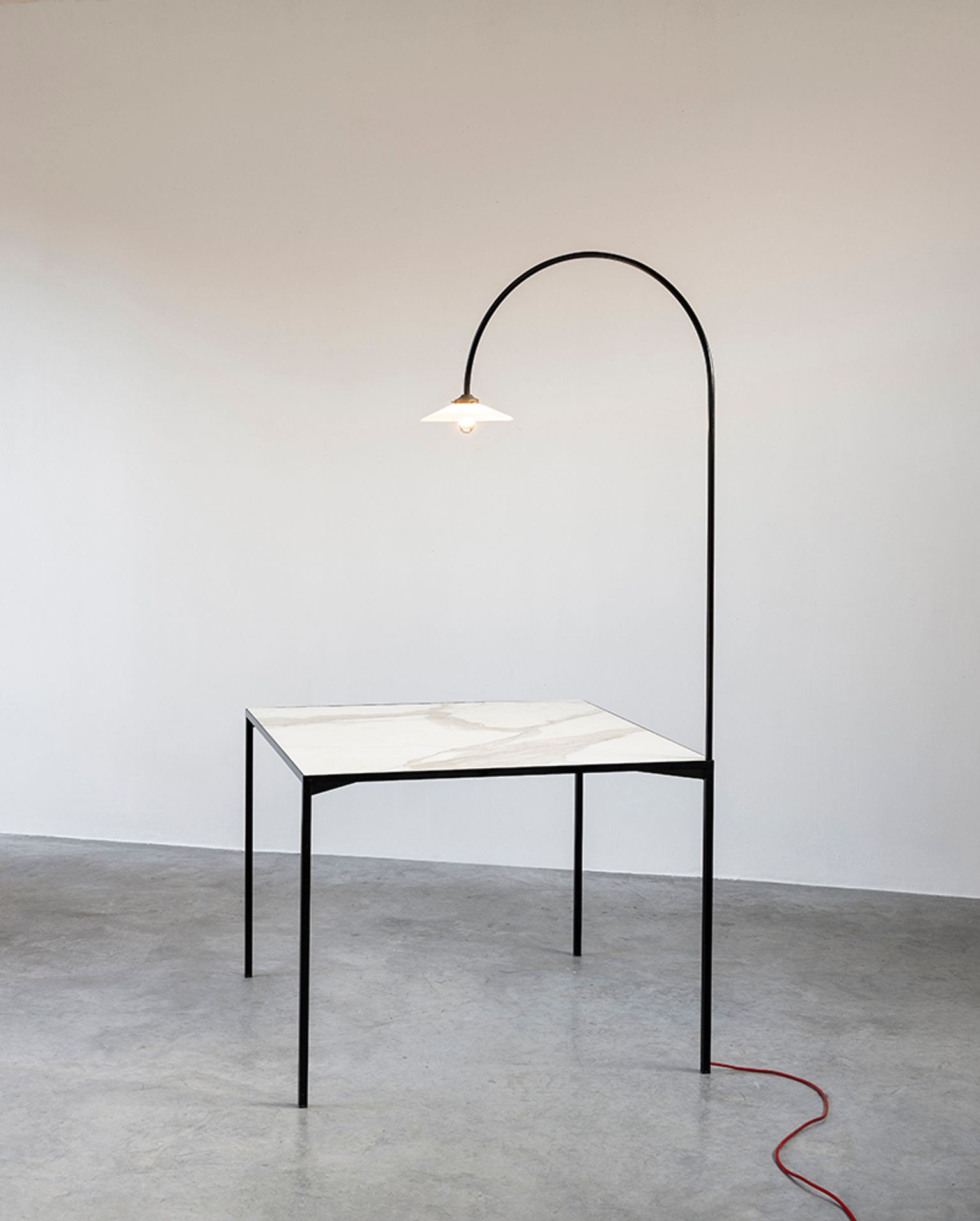
Their crossed furniture series splice together familiar typologies: a lamp and a lounge chair, a lounge chair and a desk, a desk and a shelf, a shelf and a stair. The resulting objects resemble a family of mutants or Frankensteins - almost like exquisite corpses assembled from the anatomy of everyday furniture.
There is a productive oxymoron at the heart of the work: a classic, essential minimalism animated by playful acts of typological gene splicing. Each component is reduced to its simplest expression, while their unexpected combinations give rise to new functional hybrids.

The Anatomy of Furniture
Muller Van Severen approach furniture as an exercise in reduction, stripping familiar objects down to their most essential lines and structures. Founded by Belgian designers Fien Muller and Hannes Van Severen, the studio occupies a distinctive territory between art, architecture and industrial design, where function becomes inseparable from form. Their chairs, tables, lamps and bookshelves often appear almost like three dimensional drawings, their slender frames outlining the idea of an object rather than enclosing it in mass. This radical simplicity gives their work an unmistakable lightness, allowing furniture to exist in space with an almost architectural clarity.

A Palette Beyond Minimalism
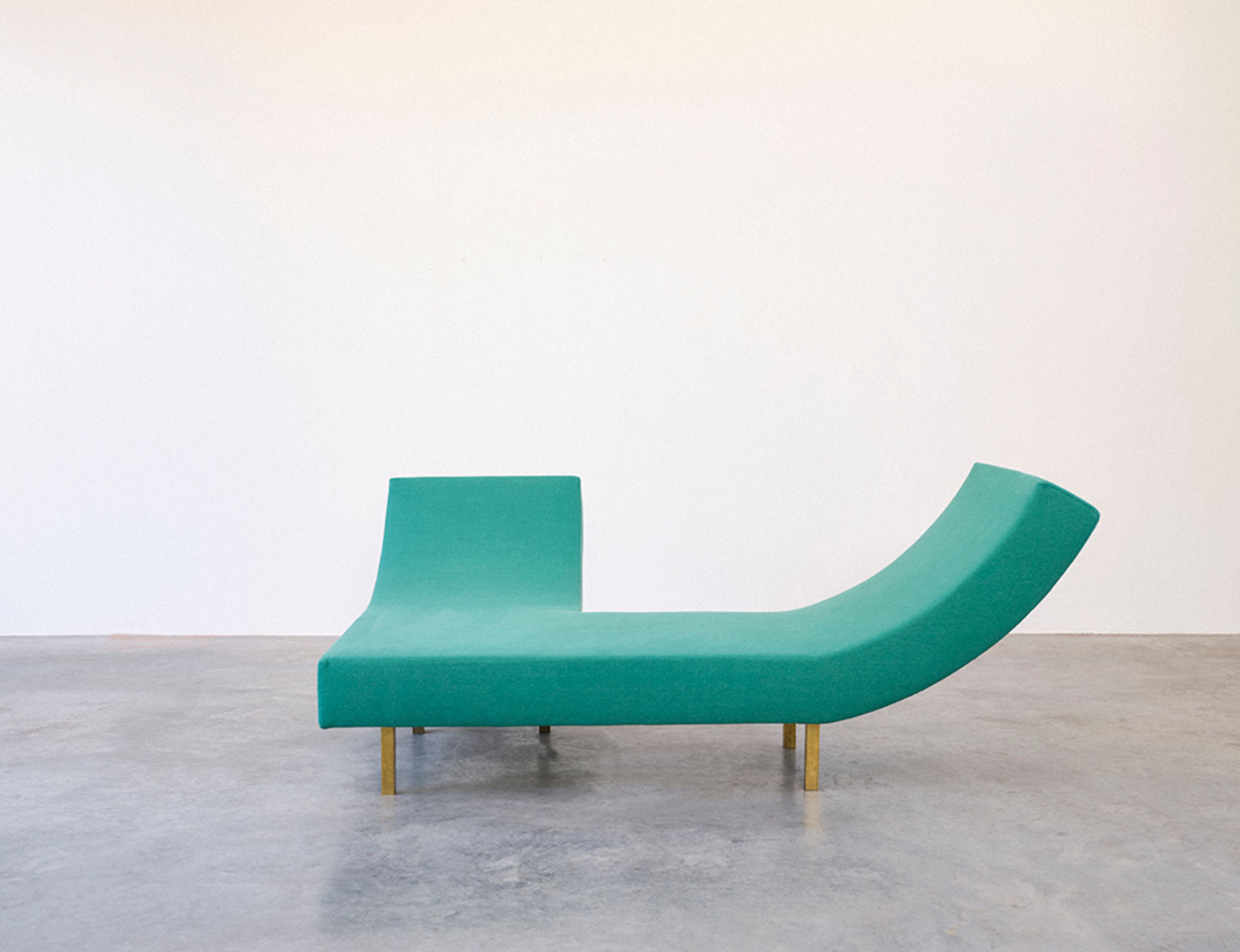
Beneath this pared back language lies a playful and unusually adventurous approach to materials and colour. Stone, metal and lacquer sit alongside vivid plastic cutting boards borrowed from the food industry, transforming an everyday industrial material into a striking design element. Colour is never merely decorative. It defines volumes, traces outlines and establishes unexpected relationships between objects and their surroundings. The result is a form of minimalism that feels anything but austere, balancing geometric precision with a distinctly human sense of humour. Each piece is carefully reduced, yet the combinations of materials and colours introduce a richness that challenges the notion of simplicity as restraint.

Furniture Mutations
This tension between discipline and play reaches an intriguing expression in the studio's Crossed Furniture series, where established typologies are combined to create unexpected functional hybrids. A lamp intersects with a lounge chair, a chair meets a desk, a shelf becomes a stair. These objects seem to have emerged through a process of typological gene splicing, their familiar components rearranged into something simultaneously recognisable and strange. There is an almost surreal quality to these encounters, as if everyday furniture had been disassembled and reconstructed according to a new internal logic.
Yet the apparent eccentricity never comes at the expense of function. Each component retains the clarity of its original purpose, even as its relationship to the whole is transformed. This is the productive contradiction at the heart of Muller Van Severen's practice: an essential, almost classical minimalism animated by playful acts of recombination. By reducing individual elements to their simplest expression, the designers create space for new relationships to emerge. Their furniture is not simply about making familiar objects look different, but about questioning how those objects might work, coexist and inhabit space. In this balance between rigour and imagination, the ordinary becomes a starting point for something quietly radical.