
Mutina's Project Division and OEO Studio
MUTINA GUESTHOUSE
- ClientMutina
- Project TeamMutina Project Division
- DesignerOEO Studio
- PhotographerDePasquale+Maffini
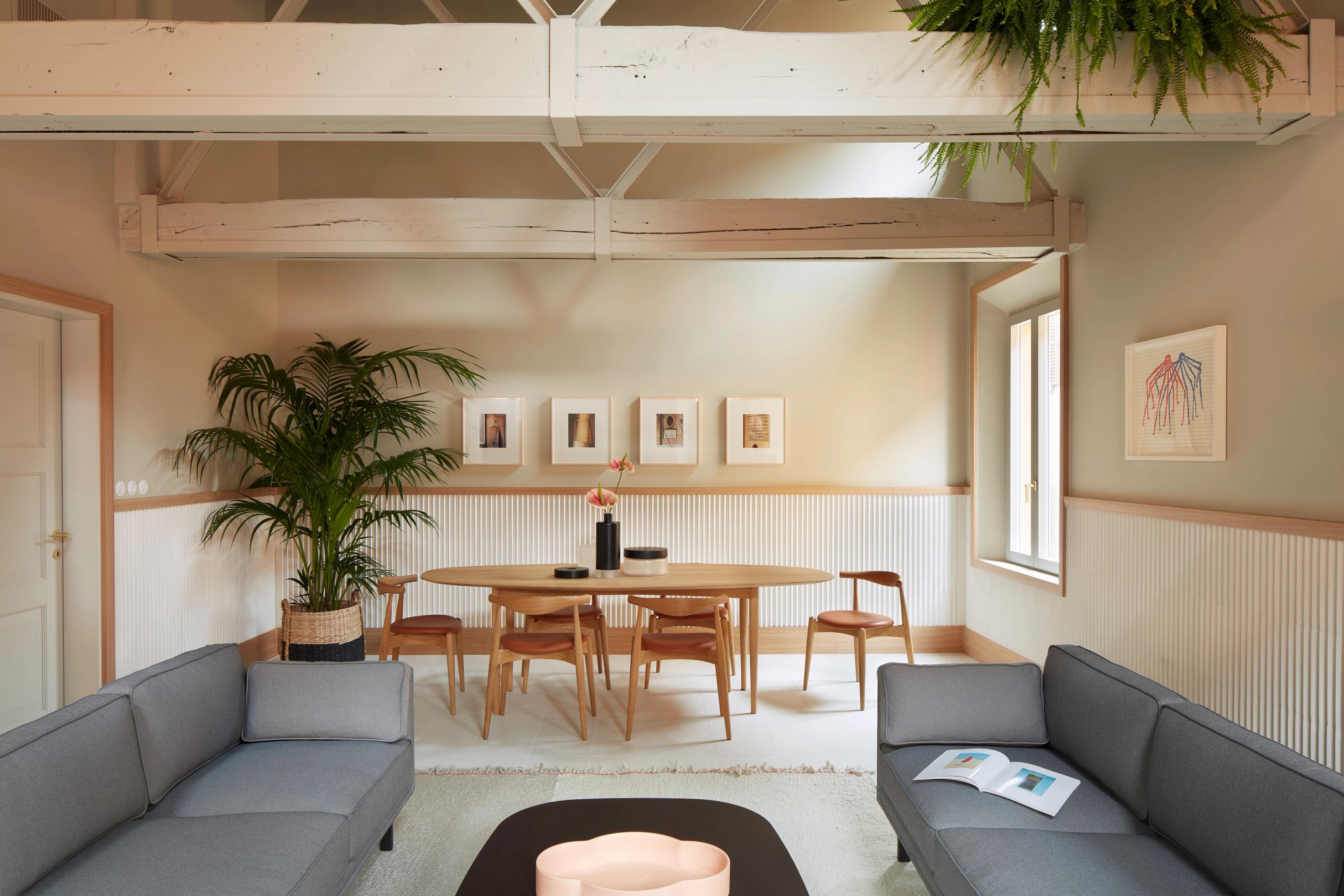
Thomas Lykke Mutina Guesthouse Modena, in the historical centre of Modena, allowed us to explore new spatial planning and architectural detailing in a more contemporary context - while preserving the building's authenticity and architecture. It showcases our Compelling Minimalism philosophy, blending Scandinavian sensibility with Mutina's diverse tile range to create calming, minimalist interiors that enhance each tile's spirit.

A House Inside a Brand Universe
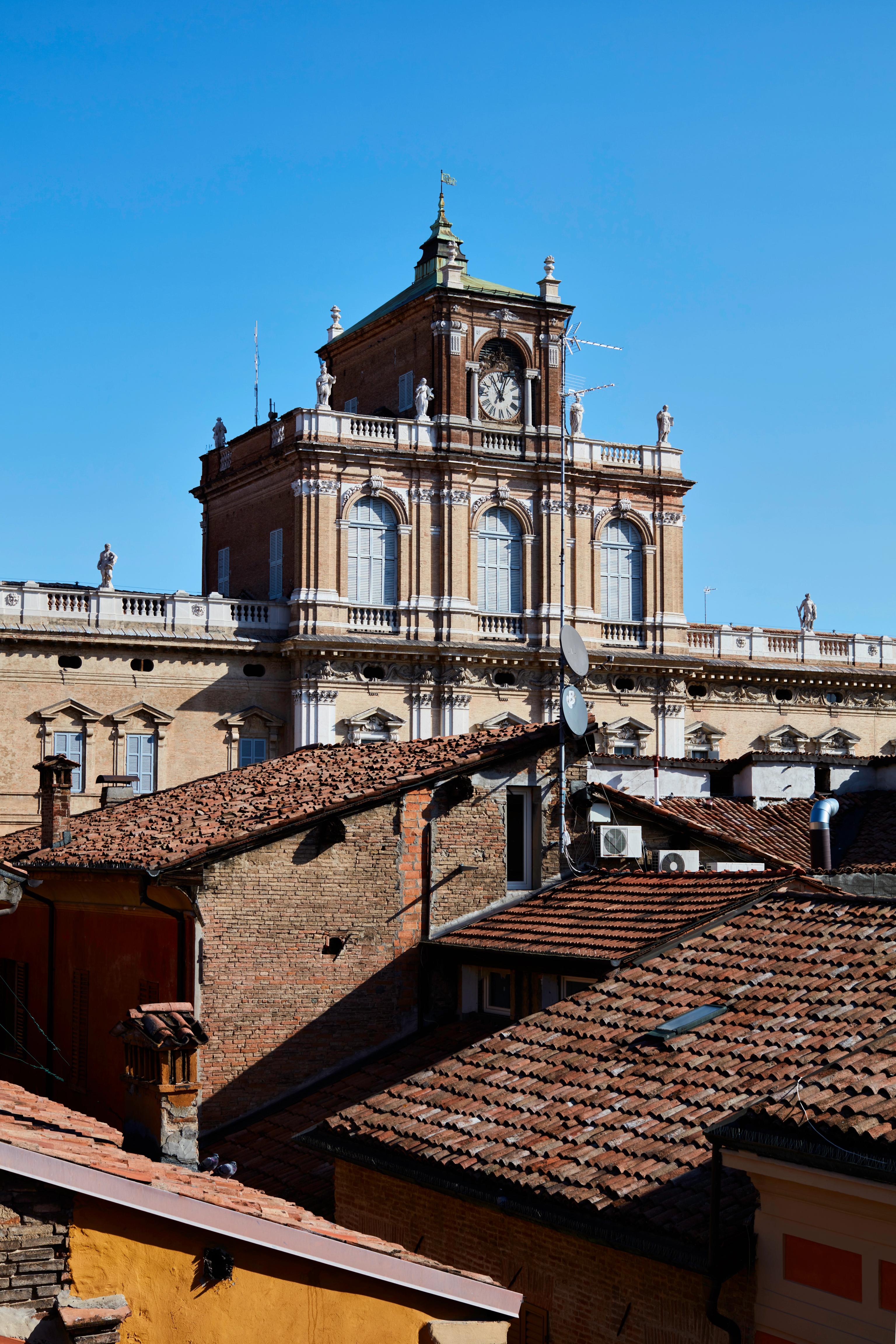
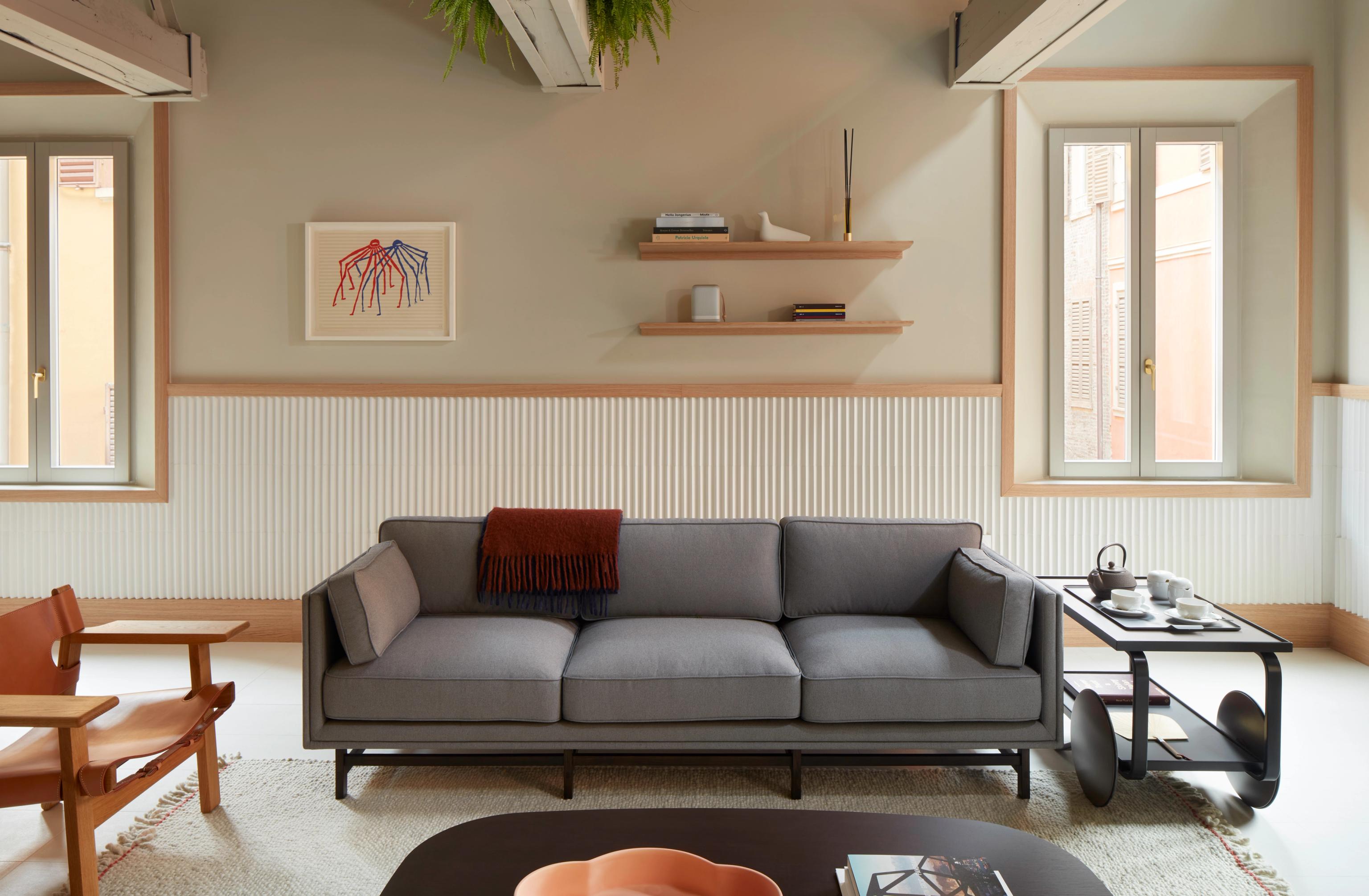
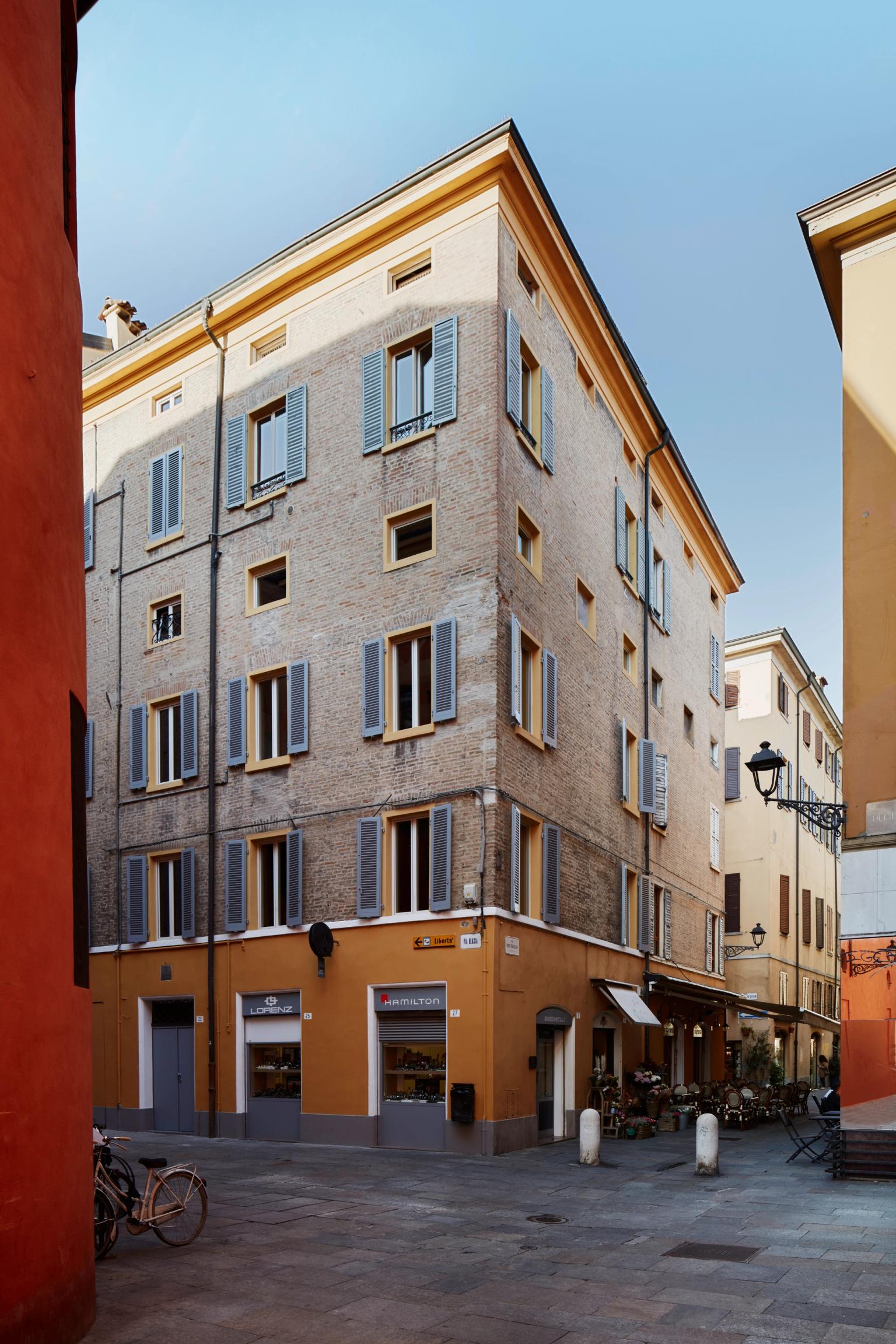
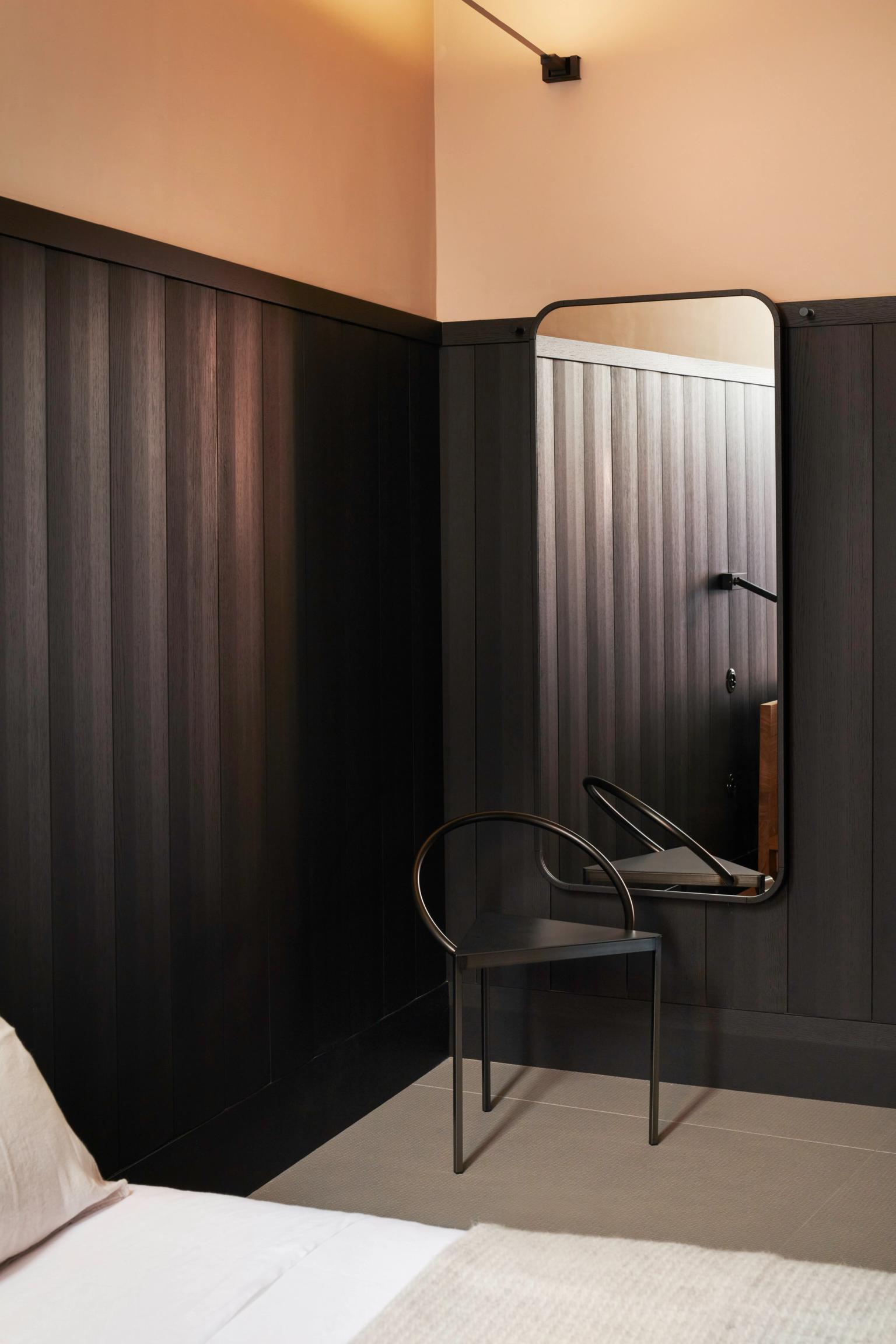
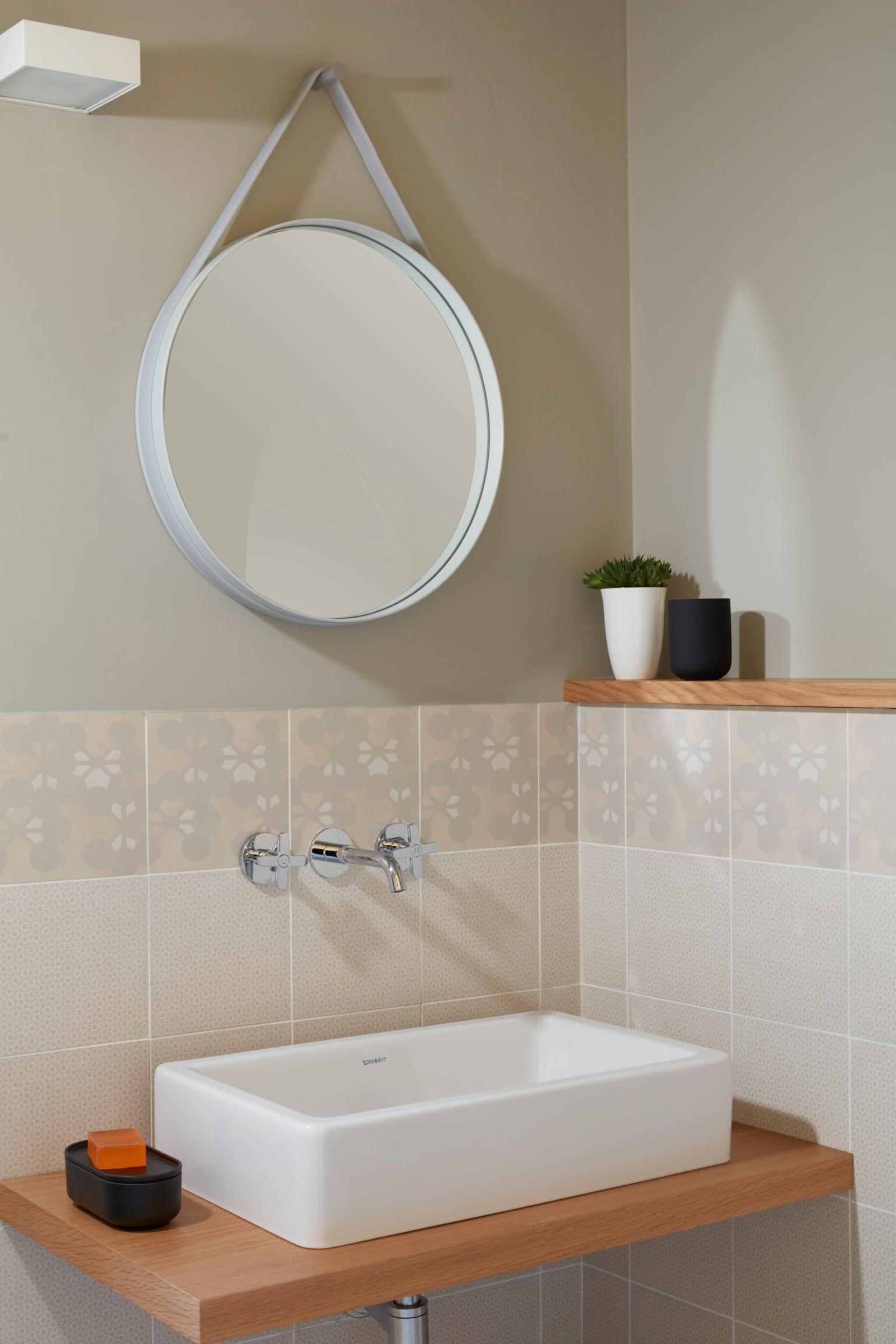
Mutina Guesthouse is not a typical hotel or residence. It is a spatial extension of the Italian ceramic brand Mutina, located in the historic centre of Modena, where medieval streets and dense urban history form the backdrop. Designed by Copenhagen-based OEO Studio in collaboration with Mutina’s Project Division, the house acts as a lived-in showcase of the brand’s material world. Instead of presenting ceramics as isolated products, the guesthouse integrates them directly into architecture, turning walls, floors and surfaces into a continuous catalogue of textures, colours and design experiments.
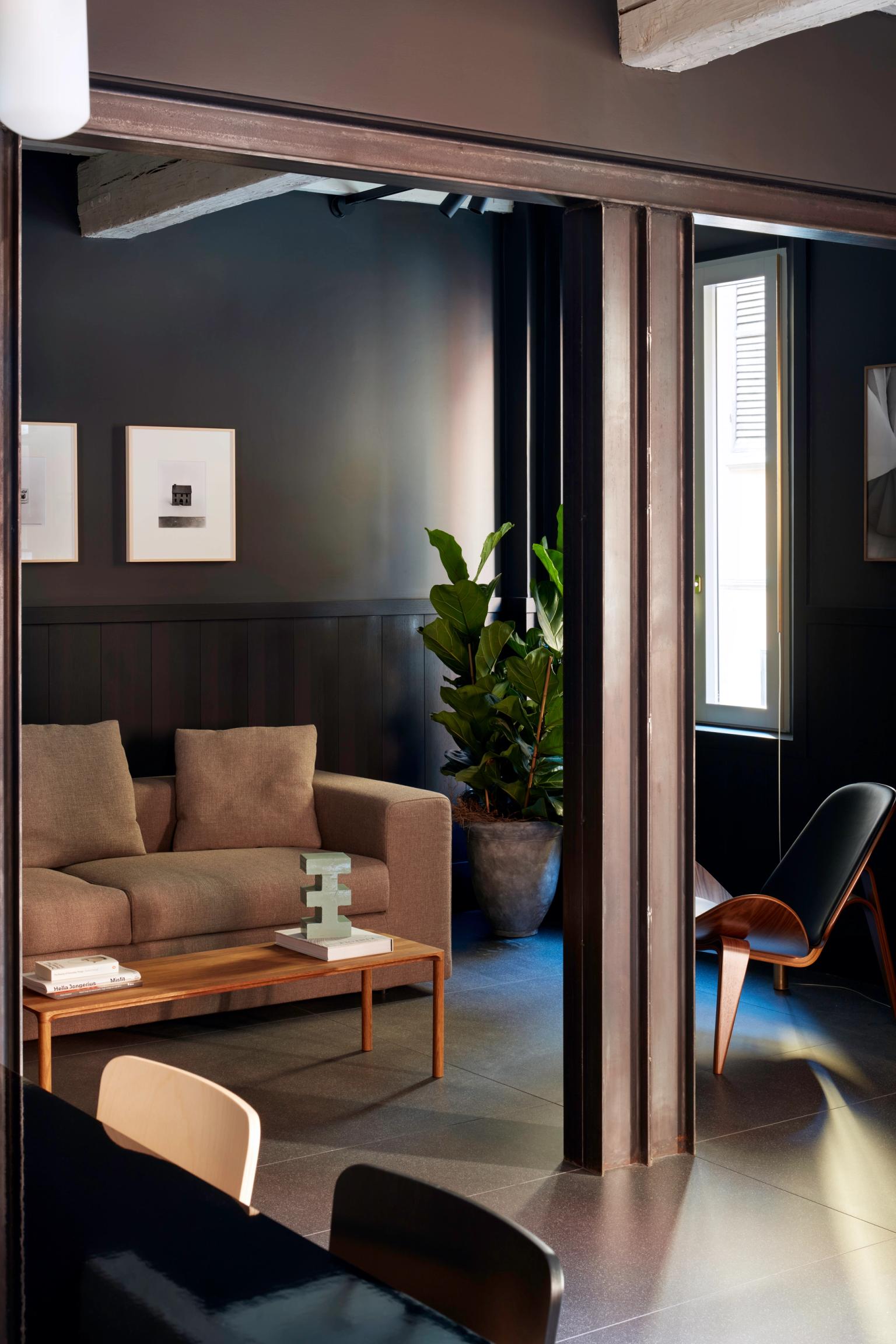
The building itself sits inside an authentic historical structure, where preservation and reinterpretation coexist. Rather than erasing the past, the project layers contemporary interior thinking into a medieval shell, creating a dialogue between old construction and modern material culture.

The Idea of Compelling Minimalism
At the core of the project is the design philosophy of OEO Studio, a multidisciplinary practice known for combining Scandinavian clarity with material richness. Their approach, often described as “compelling minimalism”, is not about empty space, but about controlled intensity: careful compositions of texture, tone and proportion that feel calm yet deeply considered.
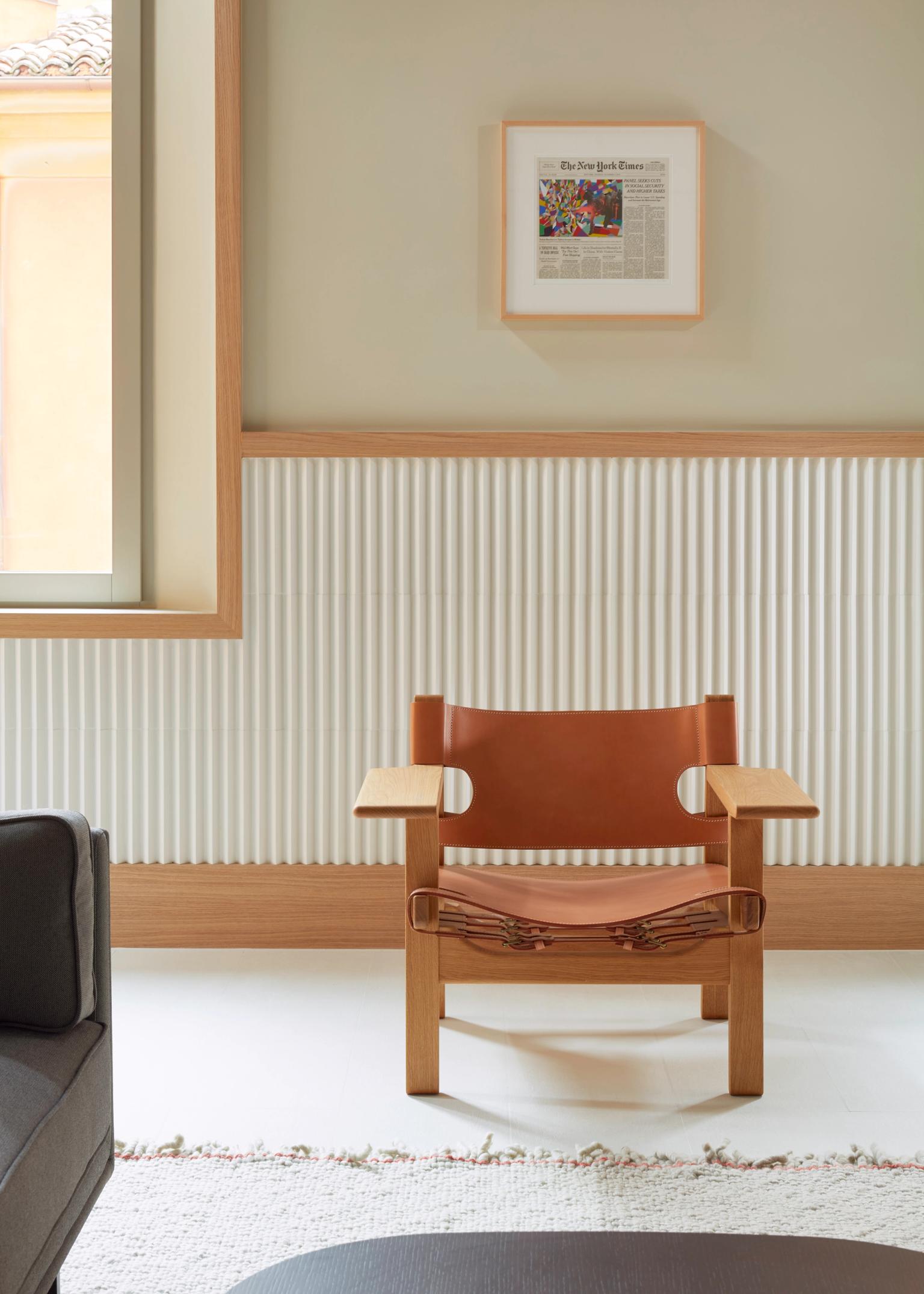

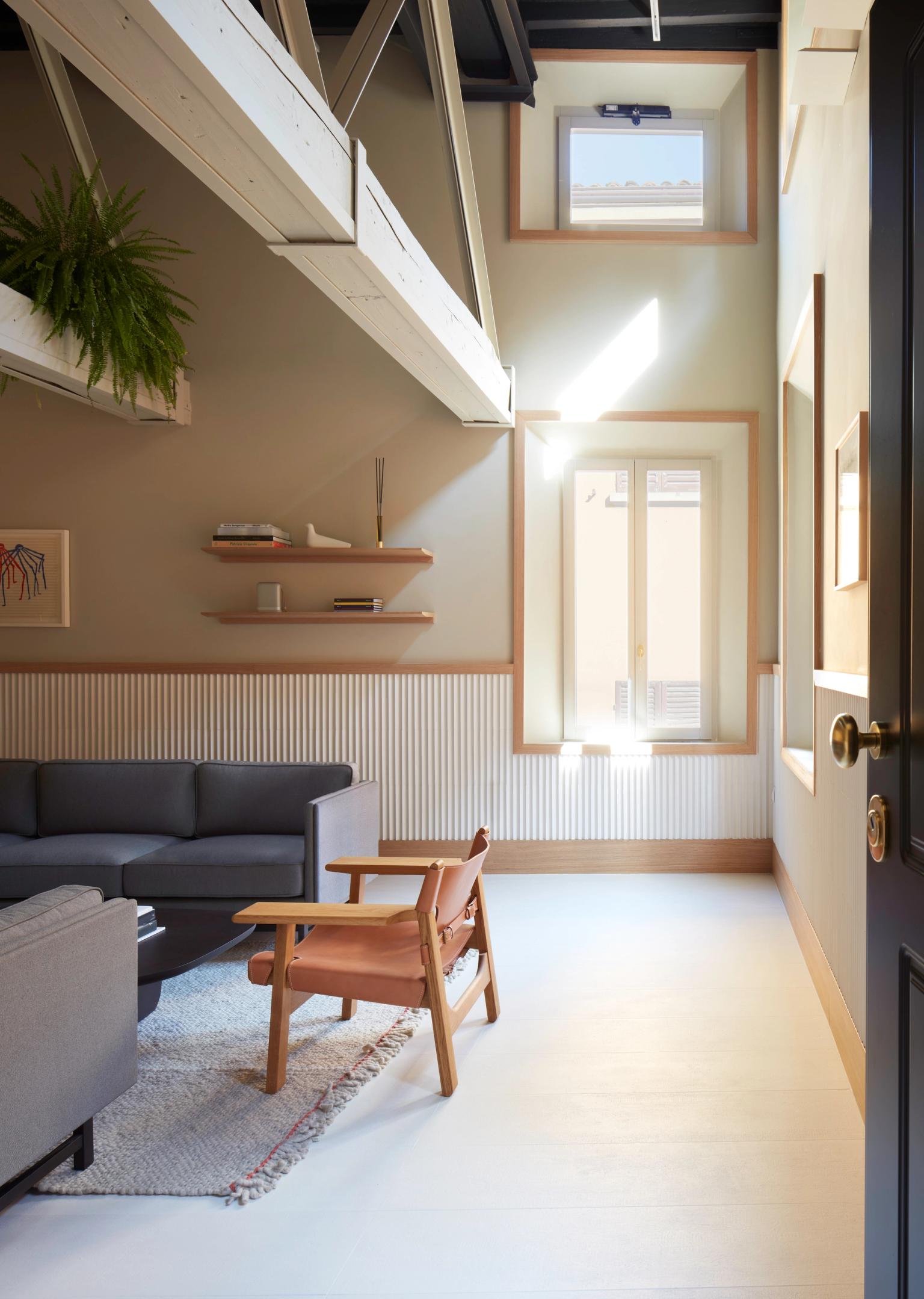
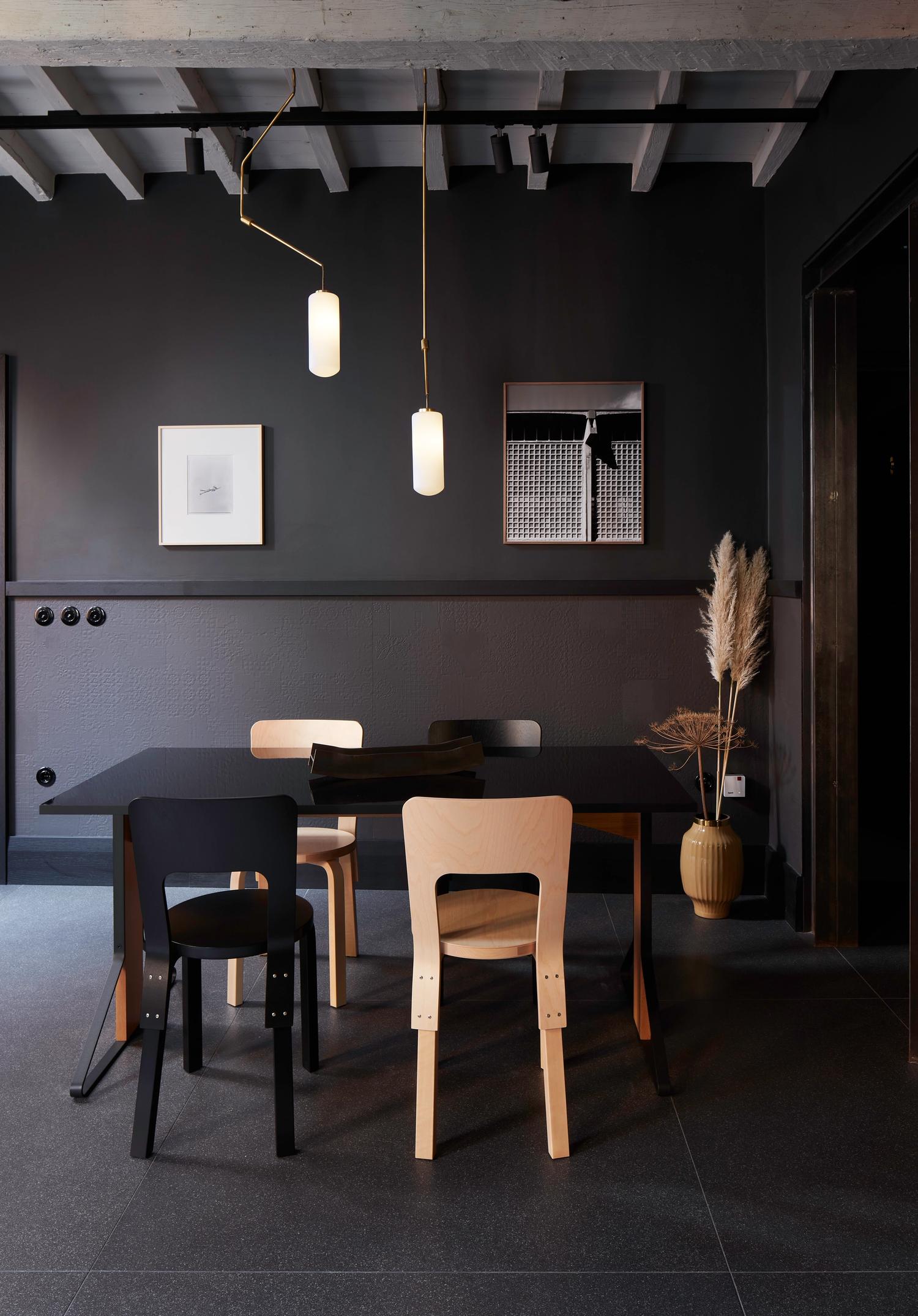
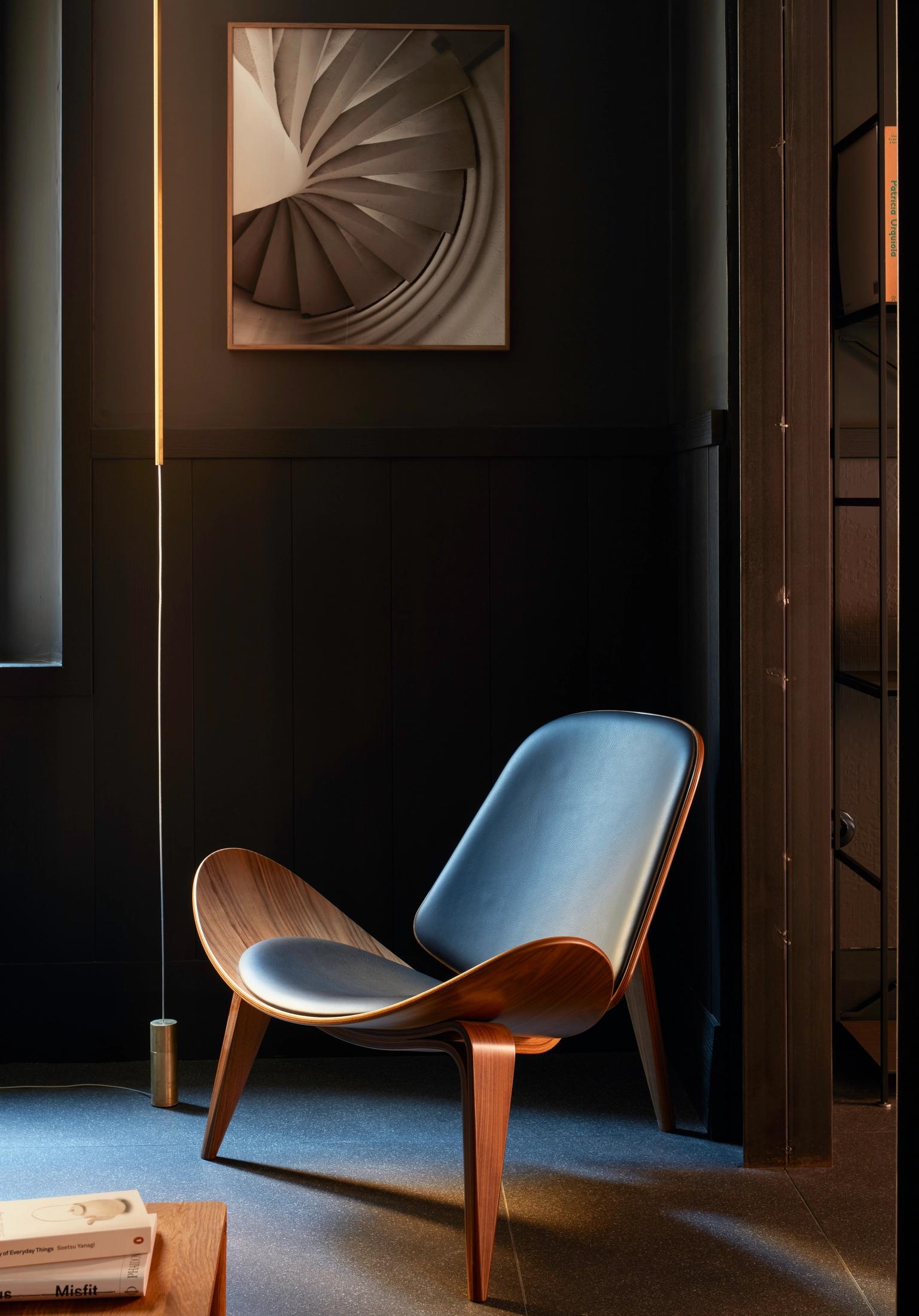
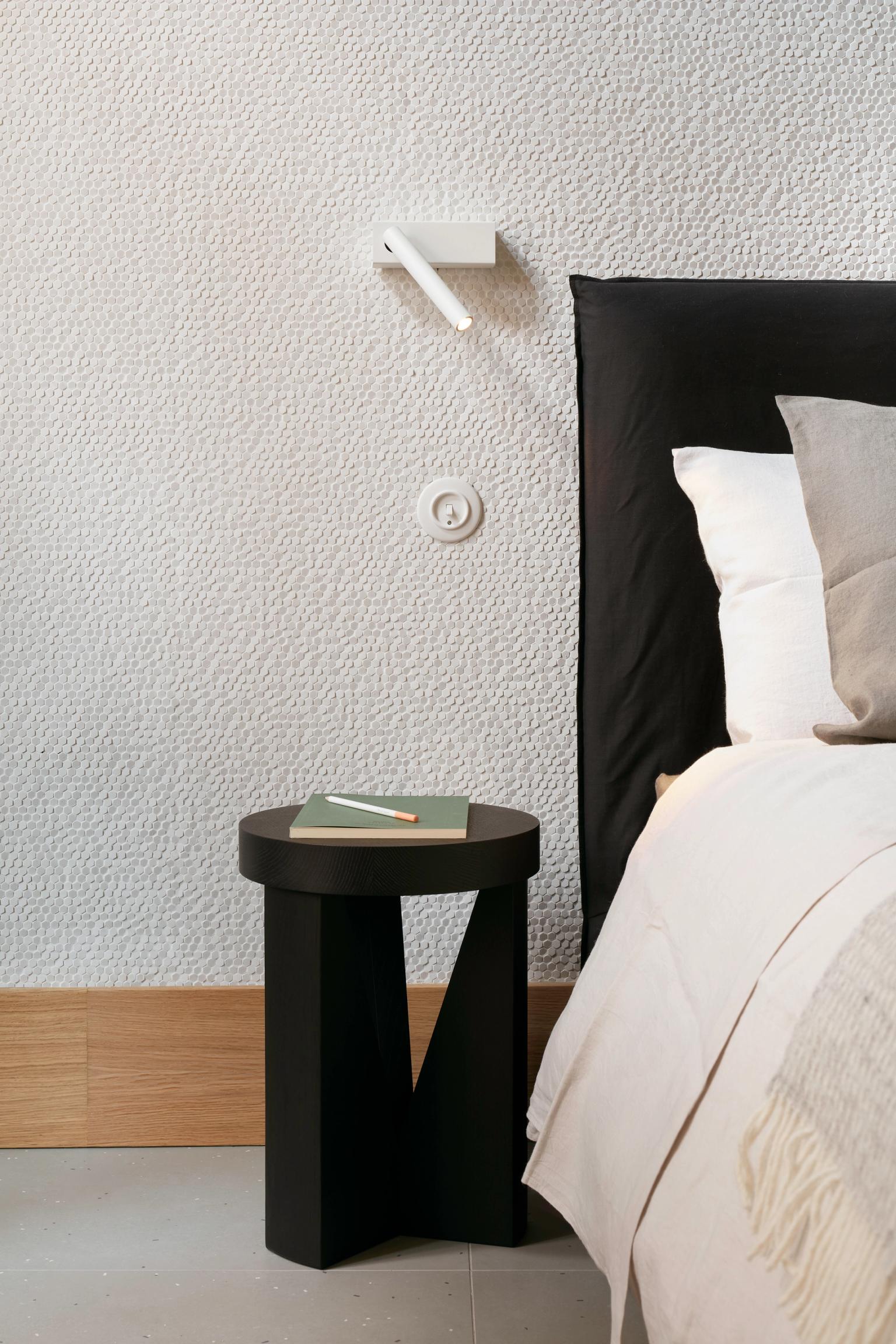
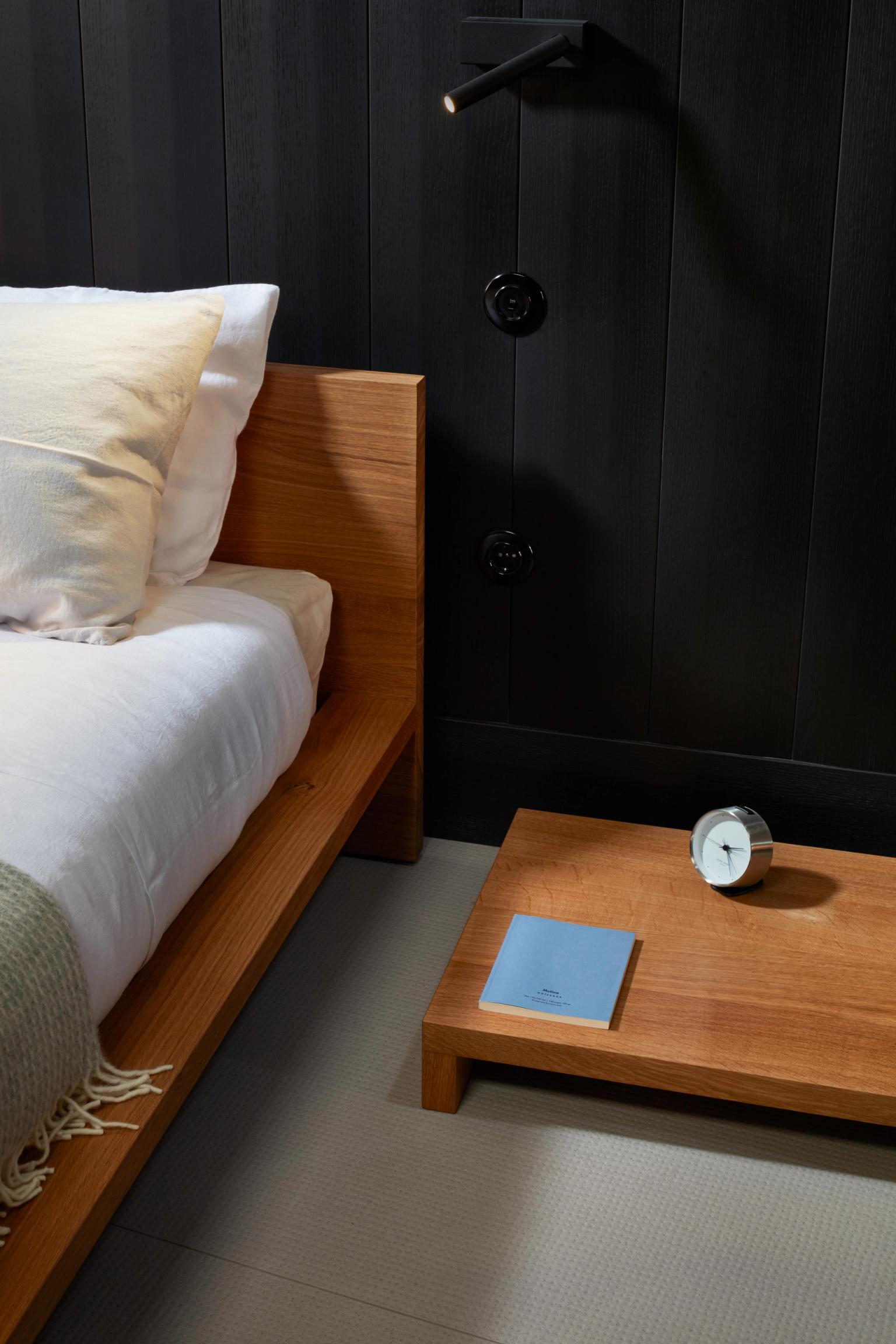
In Mutina Guesthouse, this philosophy becomes spatial. The interiors are stripped of unnecessary noise, but filled with tactile variation: ceramic surfaces sit next to wood, metal, paint and textile. The result is not austerity, but balance. Each decision feels deliberate, as if the space is constantly asking the visitor to slow down and notice how materials behave when placed in dialogue rather than competition.


Mutina’s World: Ceramics as Architecture
The guesthouse is deeply connected to the design vision of Mutina, a brand that has redefined ceramics as a design language rather than a finishing material. Founded in 2005, Mutina works with internationally known designers such as Patricia Urquiola, Ronan & Erwan Bouroullec, Konstantin Grcic and Hella Jongerius, treating each collection as an independent design project.
In the guesthouse, these collections are not displayed, they are inhabited. Floors, bathrooms, walls and furniture surfaces become active demonstrations of Mutina’s approach to texture, modularity and colour. The project extends beyond decoration; it shows how ceramic systems can structure entire atmospheres. Even the brand’s “Accents” elements, paint, wood and metal finishes, are used to expand the material vocabulary beyond tile itself.

Four Rooms, Four Atmospheres
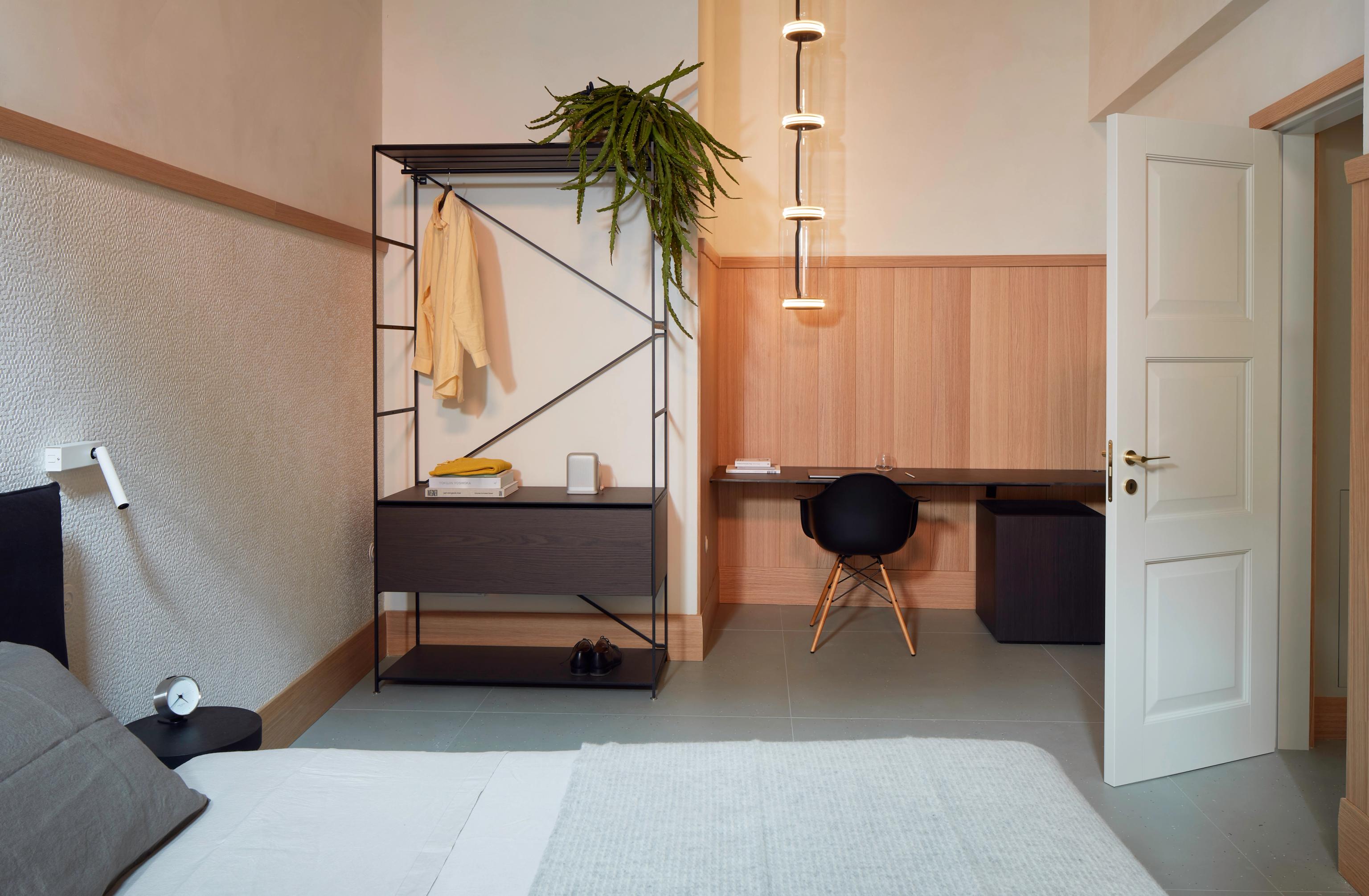
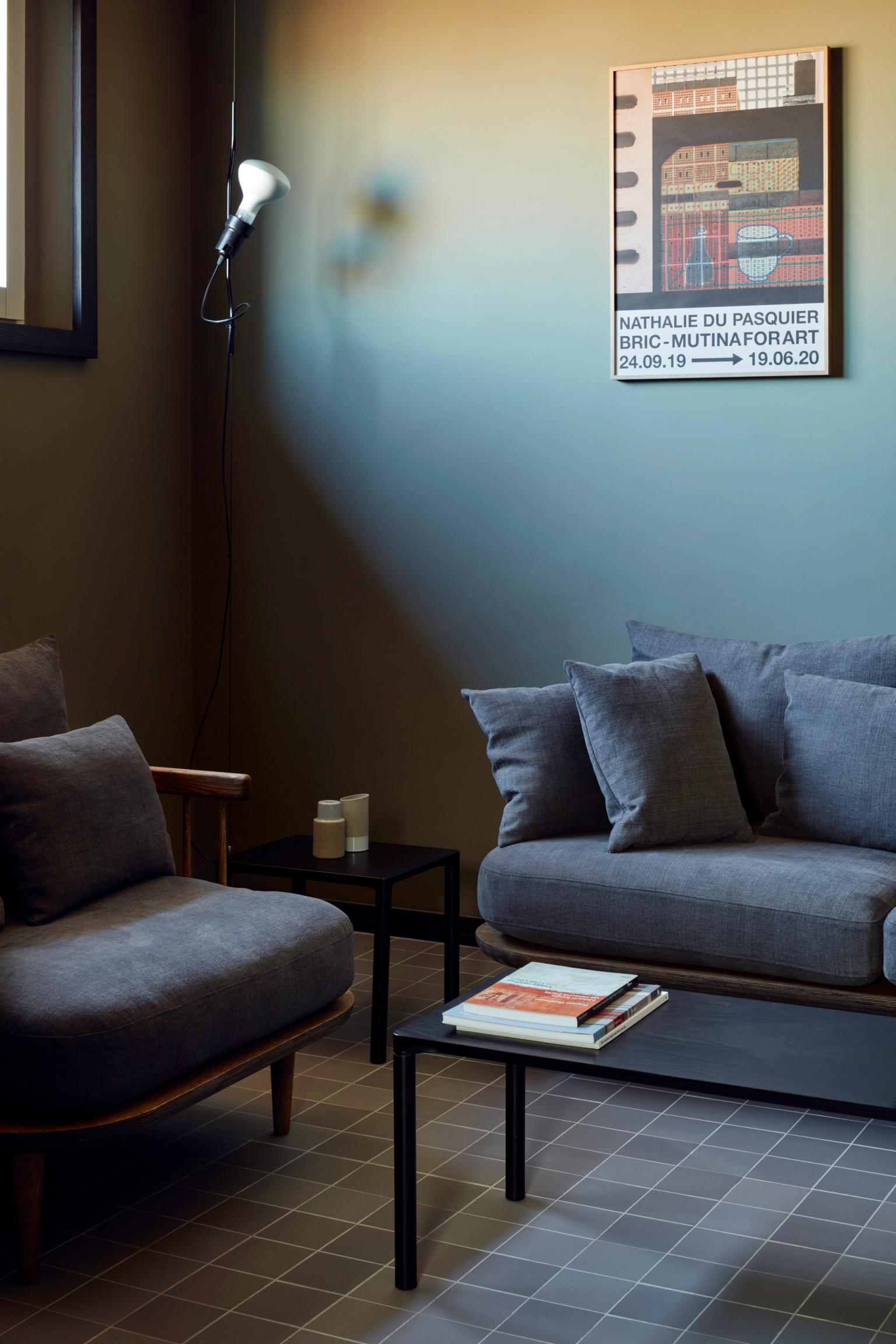
The building is organised into four guest suites, each defined by a distinct chromatic identity. Rather than repeating a single aesthetic, the project explores variation through controlled shifts in tone: dark, light, grey and green environments create different emotional registers within the same architectural framework.
Each room becomes a curated micro-world. One space leans into deep, grounded tones that feel intimate and enclosed, while another opens up with lighter surfaces that reflect daylight more freely. The materials remain consistent in origin but change character depending on combination and light. This structure turns the guesthouse into a sequence of spatial studies, how colour and texture reshape perception of the same architectural base.

A Historical Shell, Rewritten Through Detail
What gives the project its depth is the tension between its interior precision and its historic context. The building in Modena carries the weight of centuries, yet inside it is quietly reprogrammed through detail rather than demolition. OEO Studio preserves the architectural shell but rewrites its meaning through surfaces, furniture and spatial sequencing.
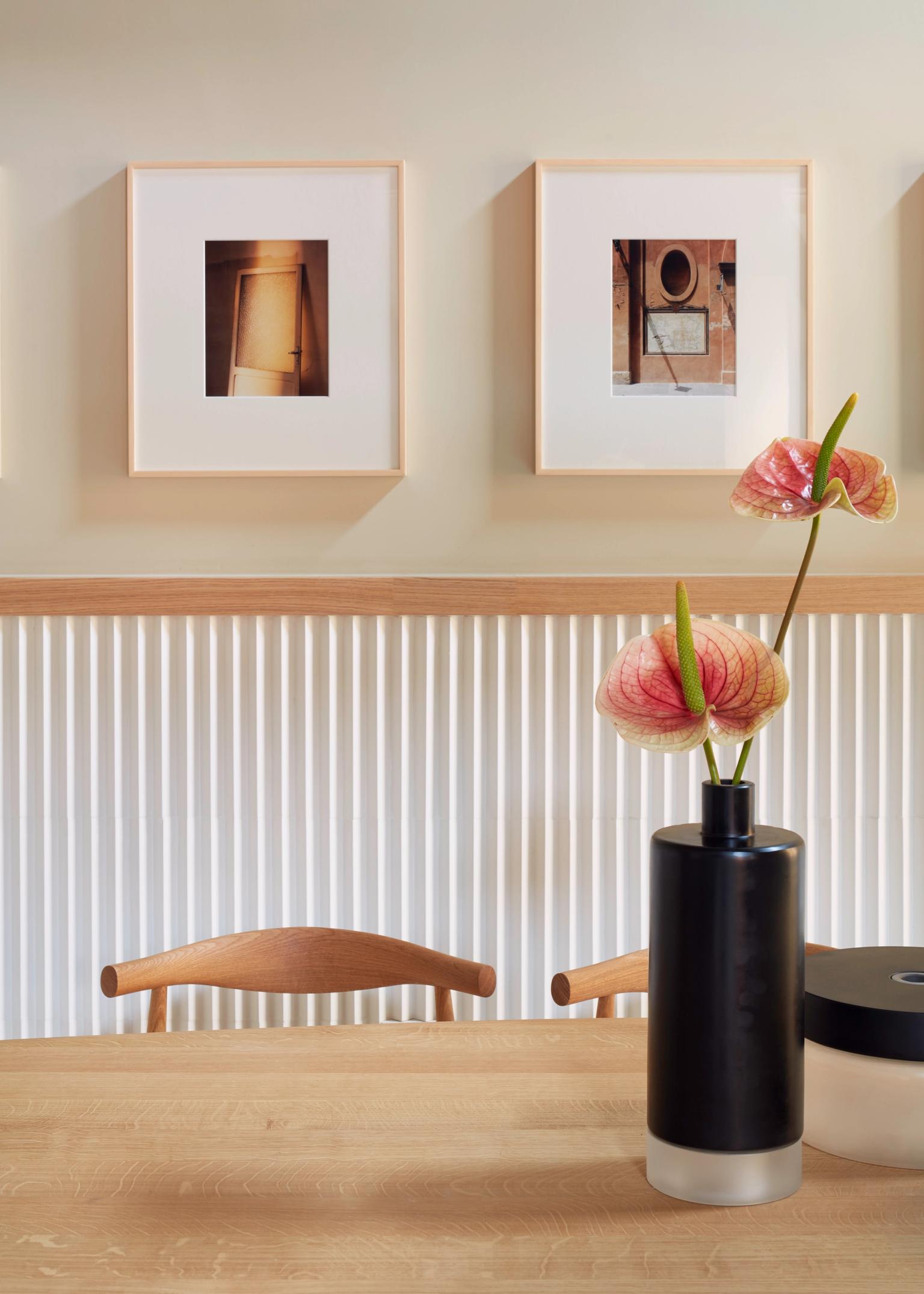

Every intervention is reversible in spirit but permanent in effect: ceramics define circulation, material transitions mark thresholds, and furniture placement shapes movement. Instead of imposing a new architecture, the project operates as a carefully inserted layer, one that respects the original structure while changing how it is experienced from within.






Living With a Brand, Not Just Visiting It
Mutina Guesthouse ultimately functions as a hybrid between residence, exhibition and design laboratory. It is a place where guests and visiting staff do not simply observe the brand, they temporarily live inside it. This creates a rare kind of immersion where design is not explained, but encountered through daily use.
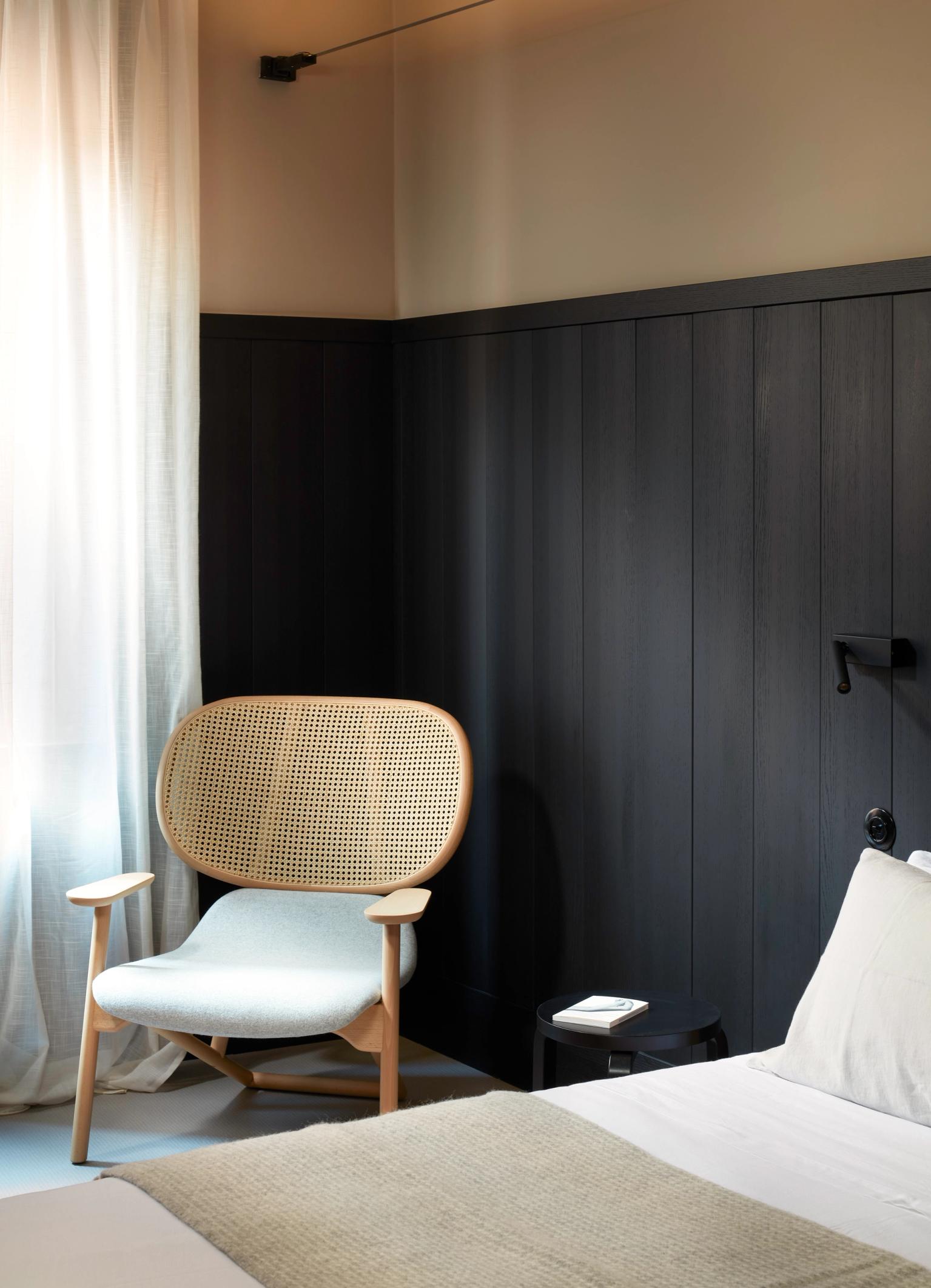

The collaboration between Mutina’s Project Division and OEO Studio transforms the idea of showroom architecture into something more personal and atmospheric. Rather than staging objects, the project stages conditions: light, material proximity, spatial rhythm. In doing so, it turns a brand identity into something spatially felt, quietly embedded in the experience of staying, moving and inhabiting.