Chantal Akerman
News from Home
- DirectorChantal Akerman
- CinematographerBabette Mangolte & Jim Asbell
LUIS ROJO If there’s one film I always return to, it’s without a doubt this one.
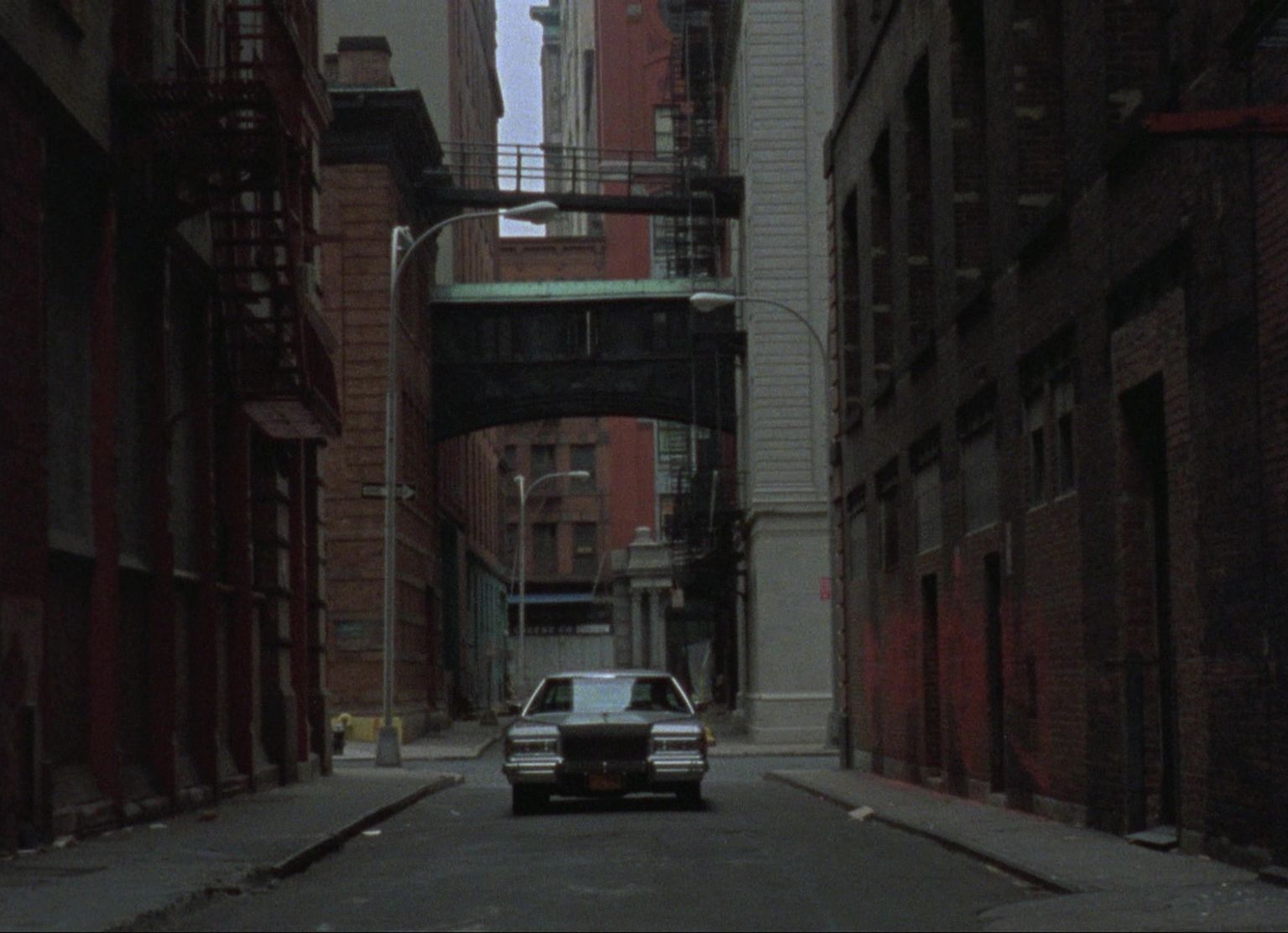
I could happily spend a lifetime inside those long shots from the car.
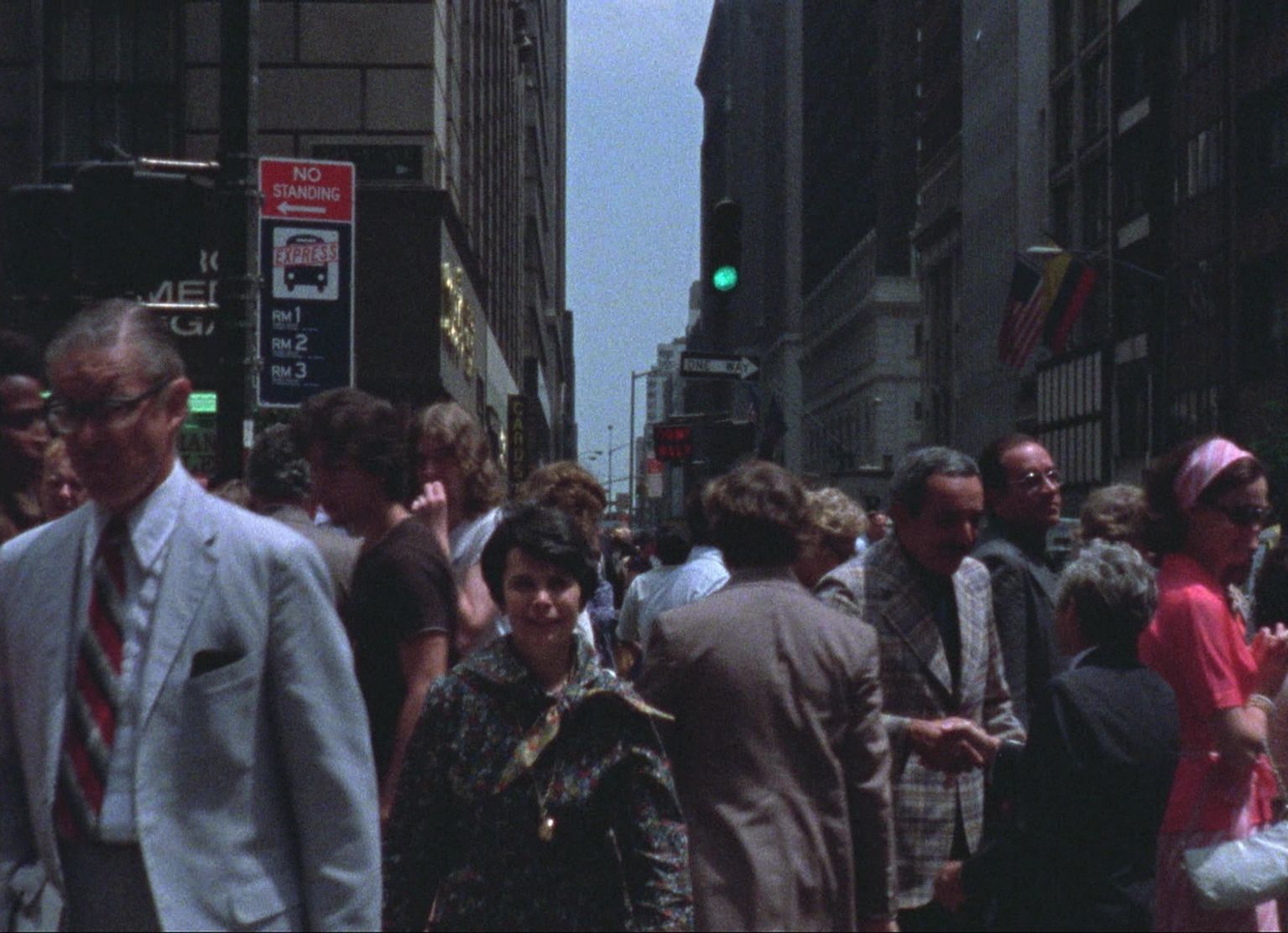
The letters being read beneath the sound of the city (!)


Letters Across an Ocean
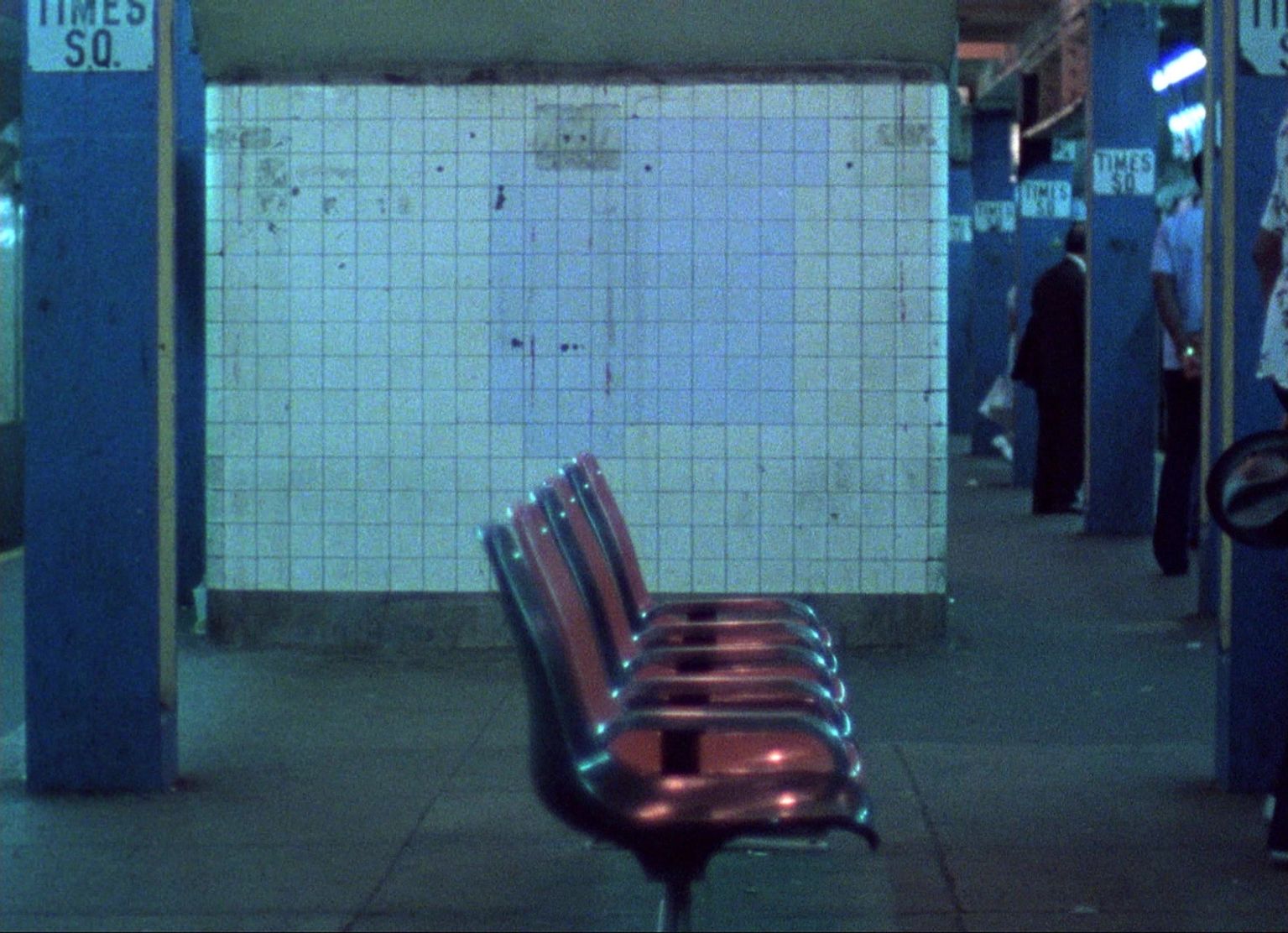
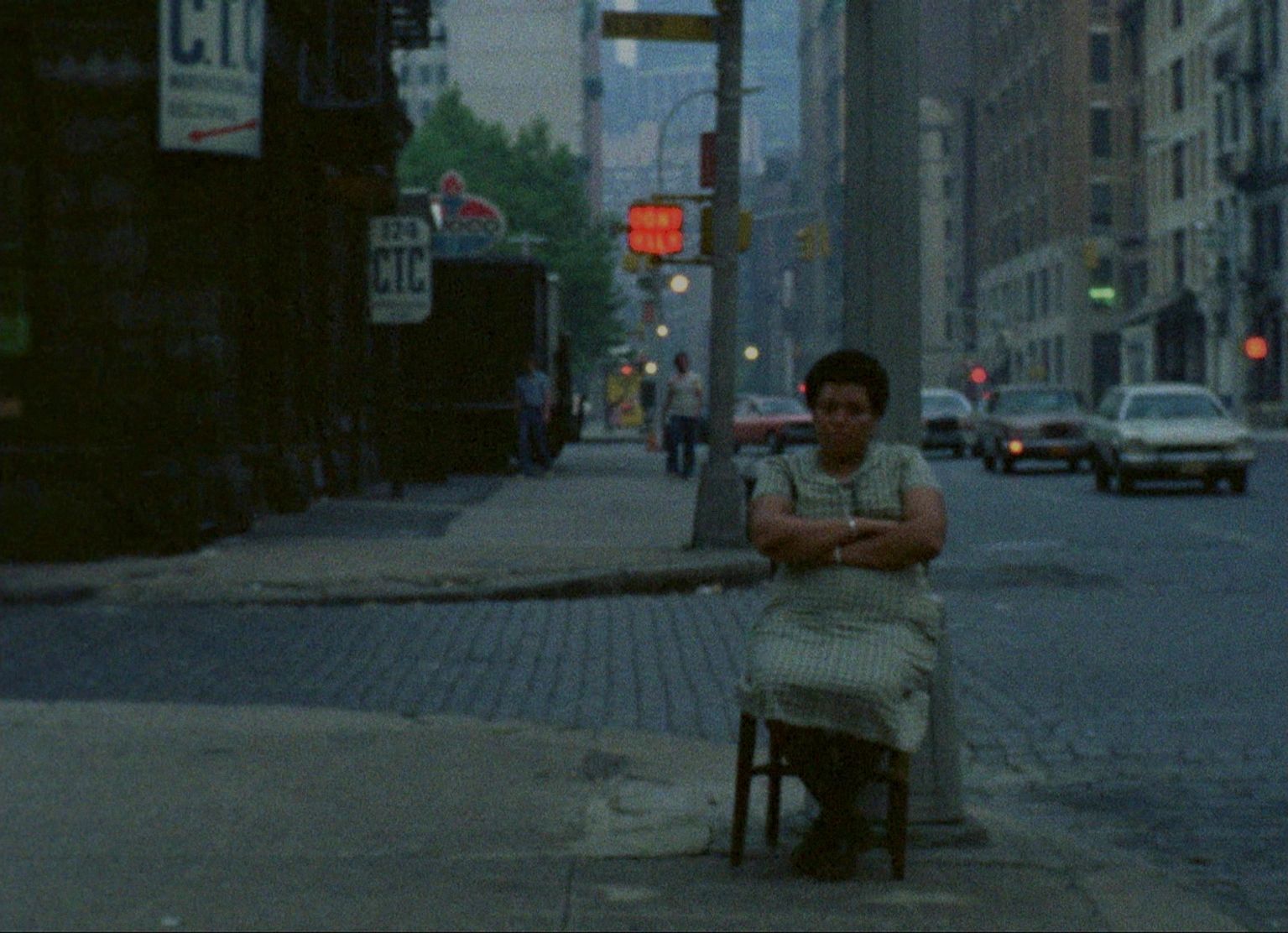
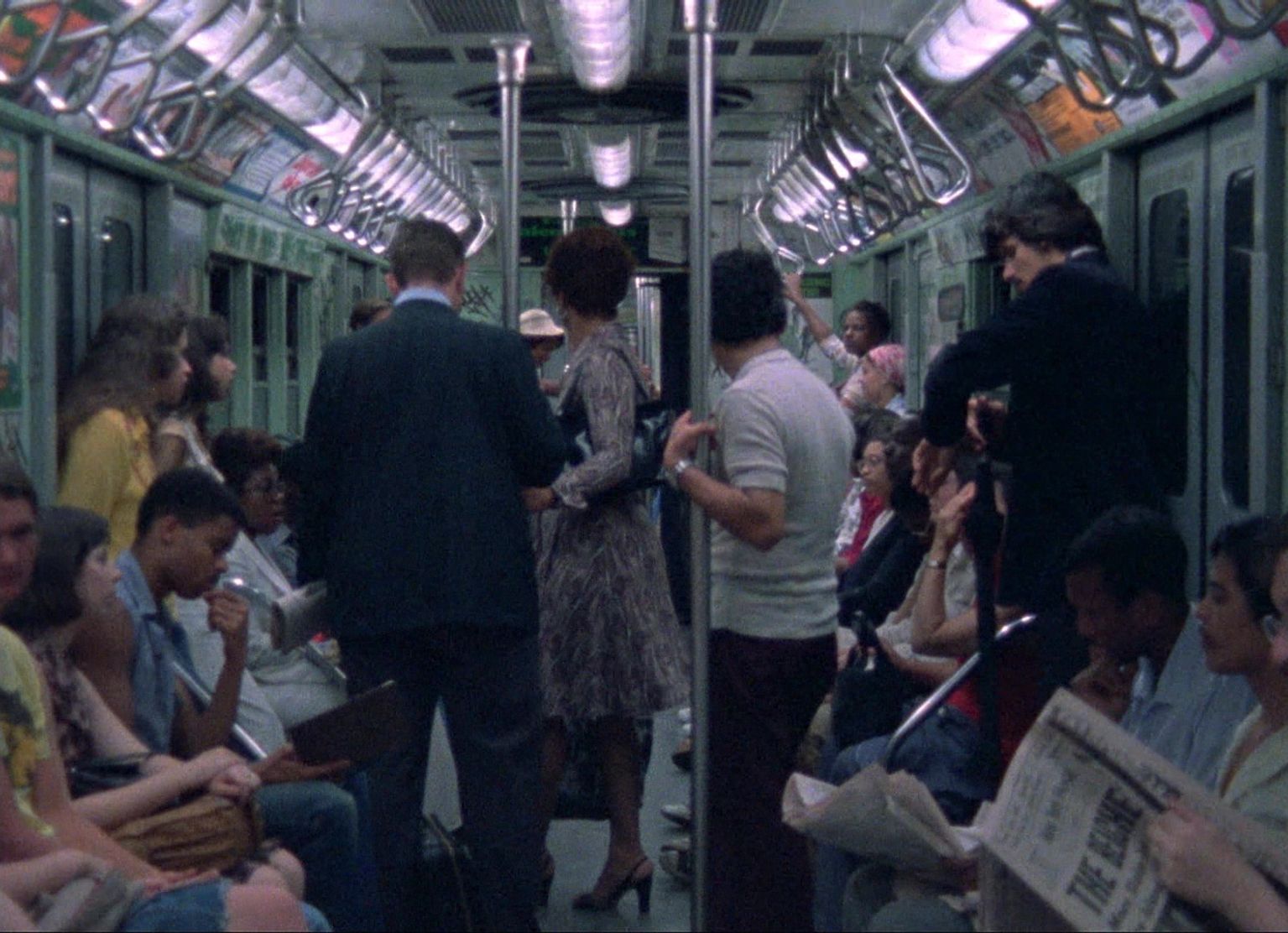
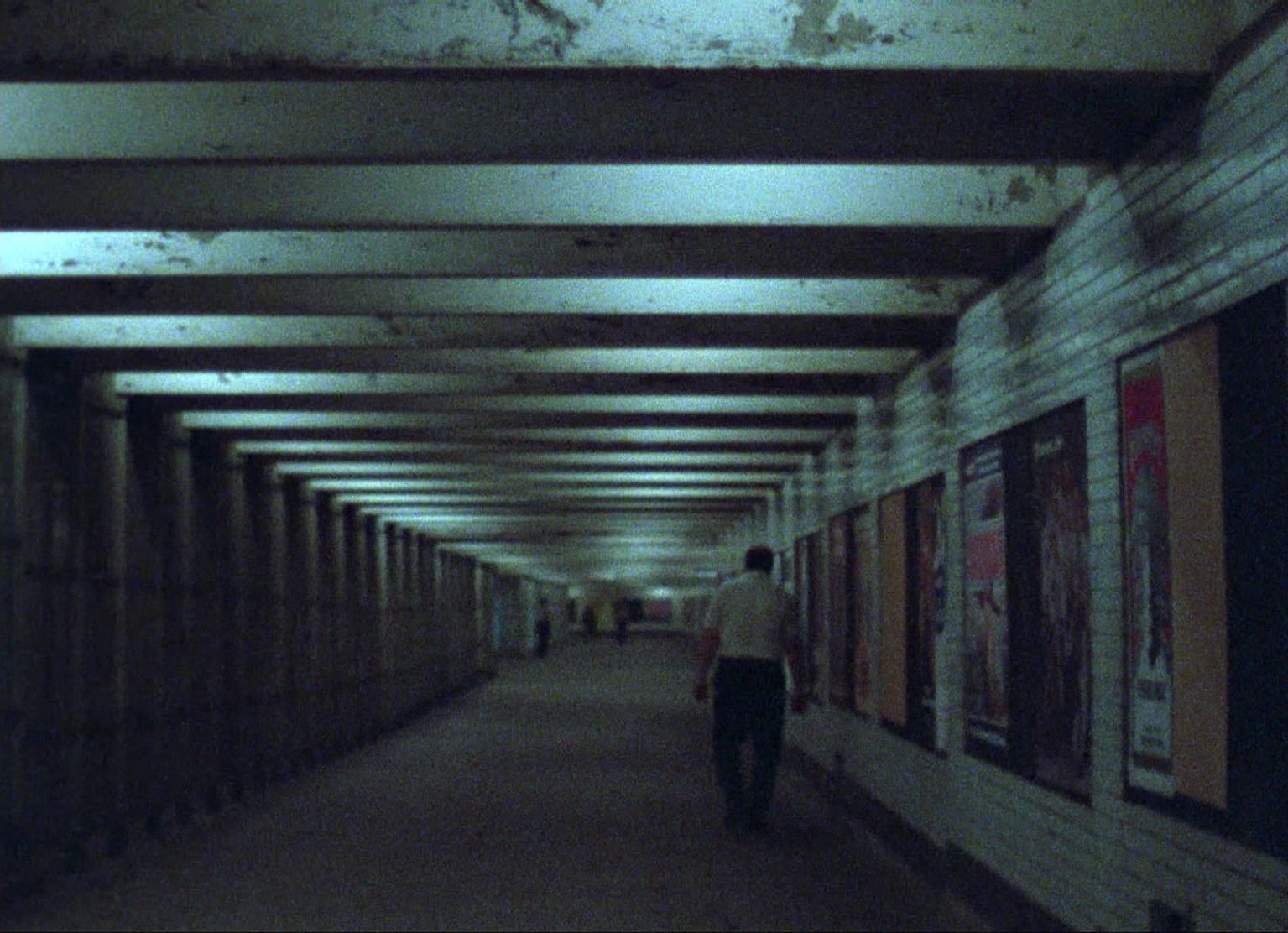
News from Home emerged from a simple but emotionally charged situation. While living in New York in the mid nineteen seventies, Chantal Akerman recorded the city as she experienced it daily while reading aloud letters sent by her mother in Brussels. These were not written for cinema. They were ordinary messages filled with concern routine affection and subtle insistence. Their ordinariness is precisely what gives the film its quiet force. The words carry love anxiety and expectation while the images remain distant observing streets subways and apartments with steady patience.

A City That Does Not Answer Back
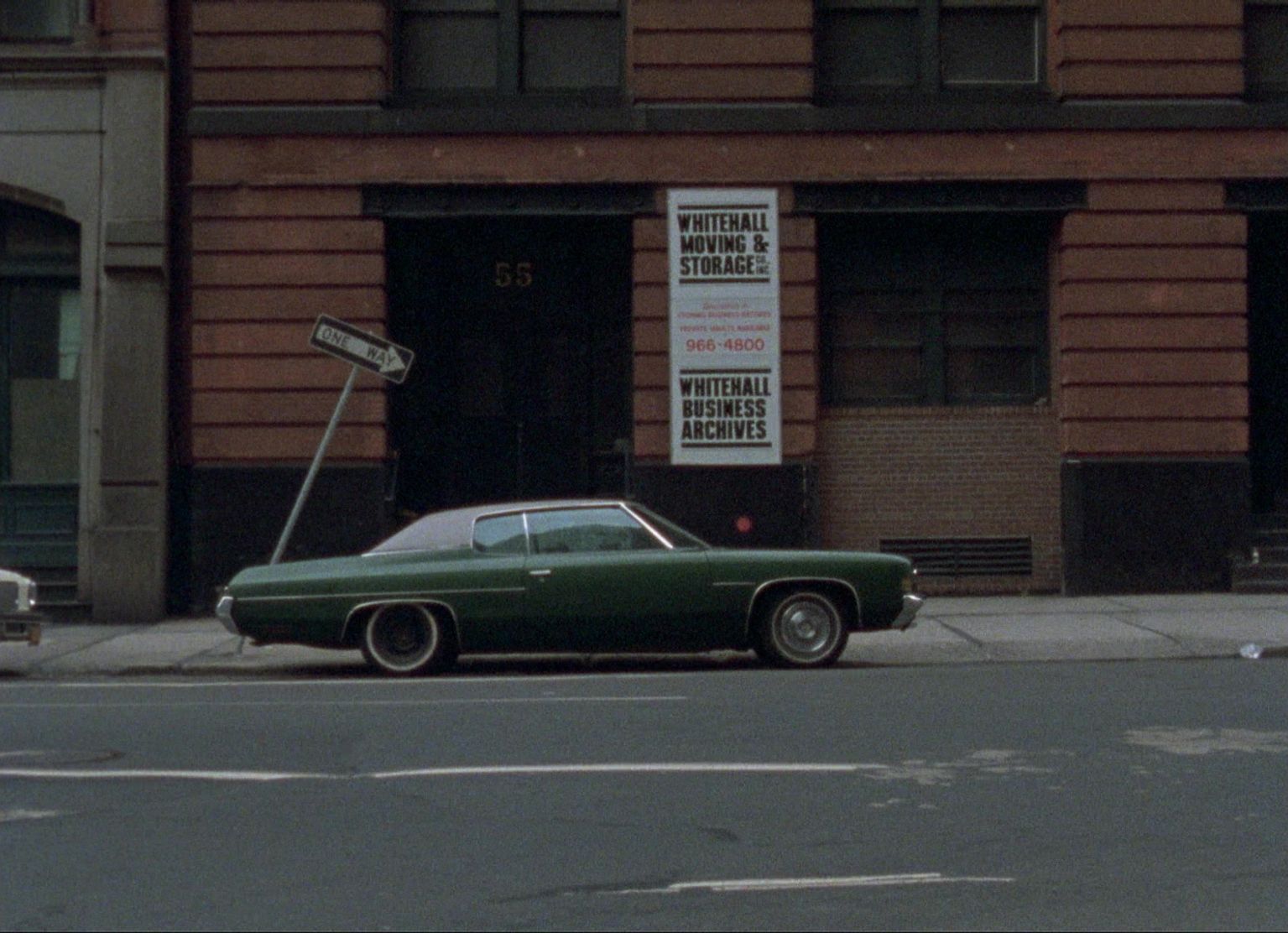
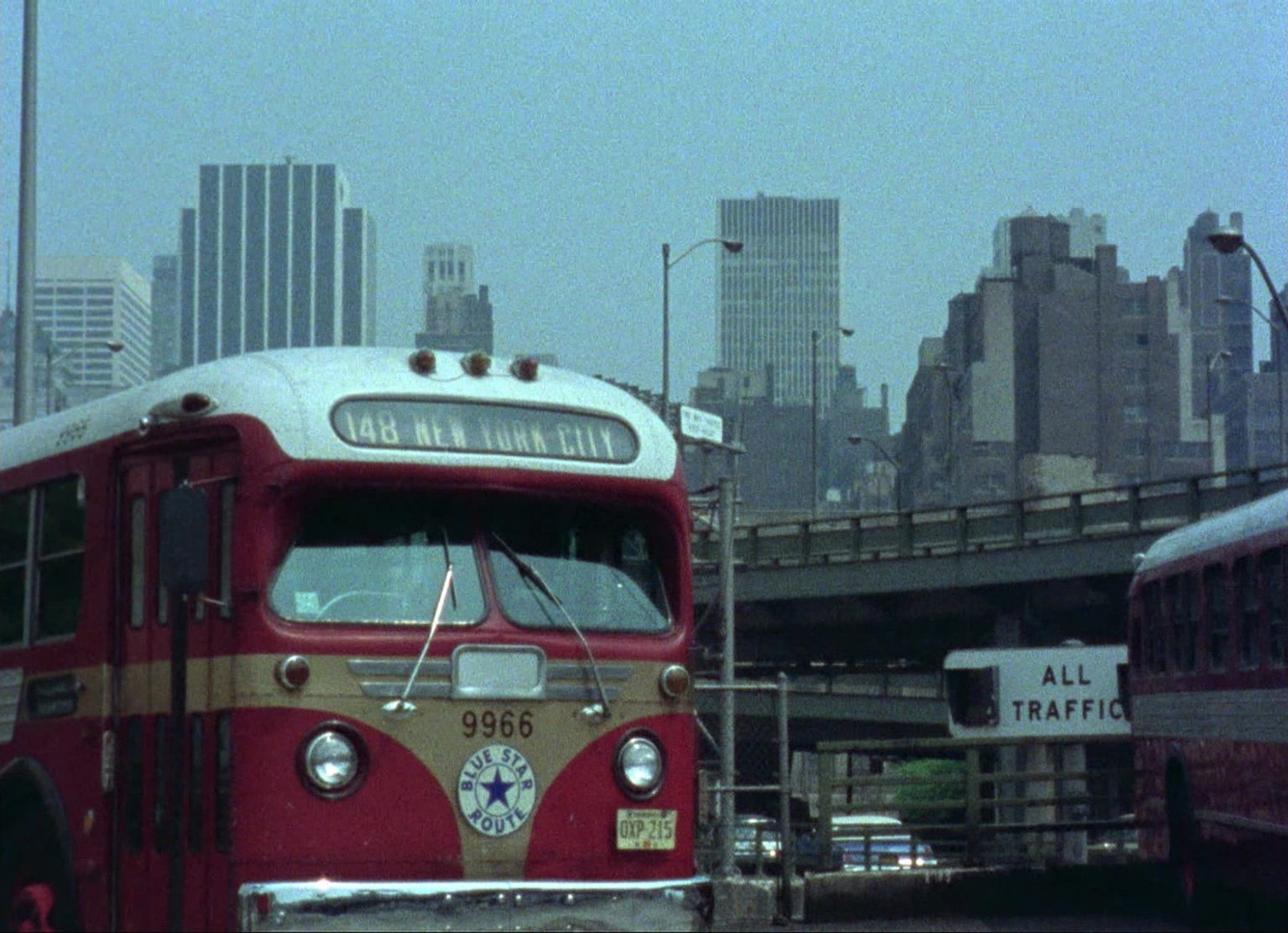
New York appears not as a symbol of freedom or excess but as a space of emotional opacity. Akerman films from sidewalks windows and train platforms letting duration replace drama. The city moves endlessly yet never responds to the letters we hear. This imbalance creates tension. The voice comes from home from memory from obligation while the images belong to a present that feels provisional. The longer the film continues the clearer it becomes that distance is not only geographic. It is emotional generational and historical.
Leaving Without Arriving
At its heart the film is about the cost of separation. Akerman’s mother was a Holocaust survivor and the letters carry the weight of survival attachment and fear of disappearance. Akerman’s restrained reading avoids sentiment and allows contradiction to remain unresolved. Affection exists alongside suffocation. Independence exists alongside guilt. By refusing narrative closure the film turns everyday correspondence into a meditation on exile and intimacy. News from Home does not ask the viewer to choose between leaving and staying. It asks what remains possible once distance becomes permanent.