
Hanoi, Vietnam
Ngoc Ha Superblock
- PhotographerPhilippe Lê
Philippe Lê The best urban experiences are the ones that are not designed but evolve from the history and relations of its inhabittants…

Philippe Lê's perspective on Rozzol Melara Complex
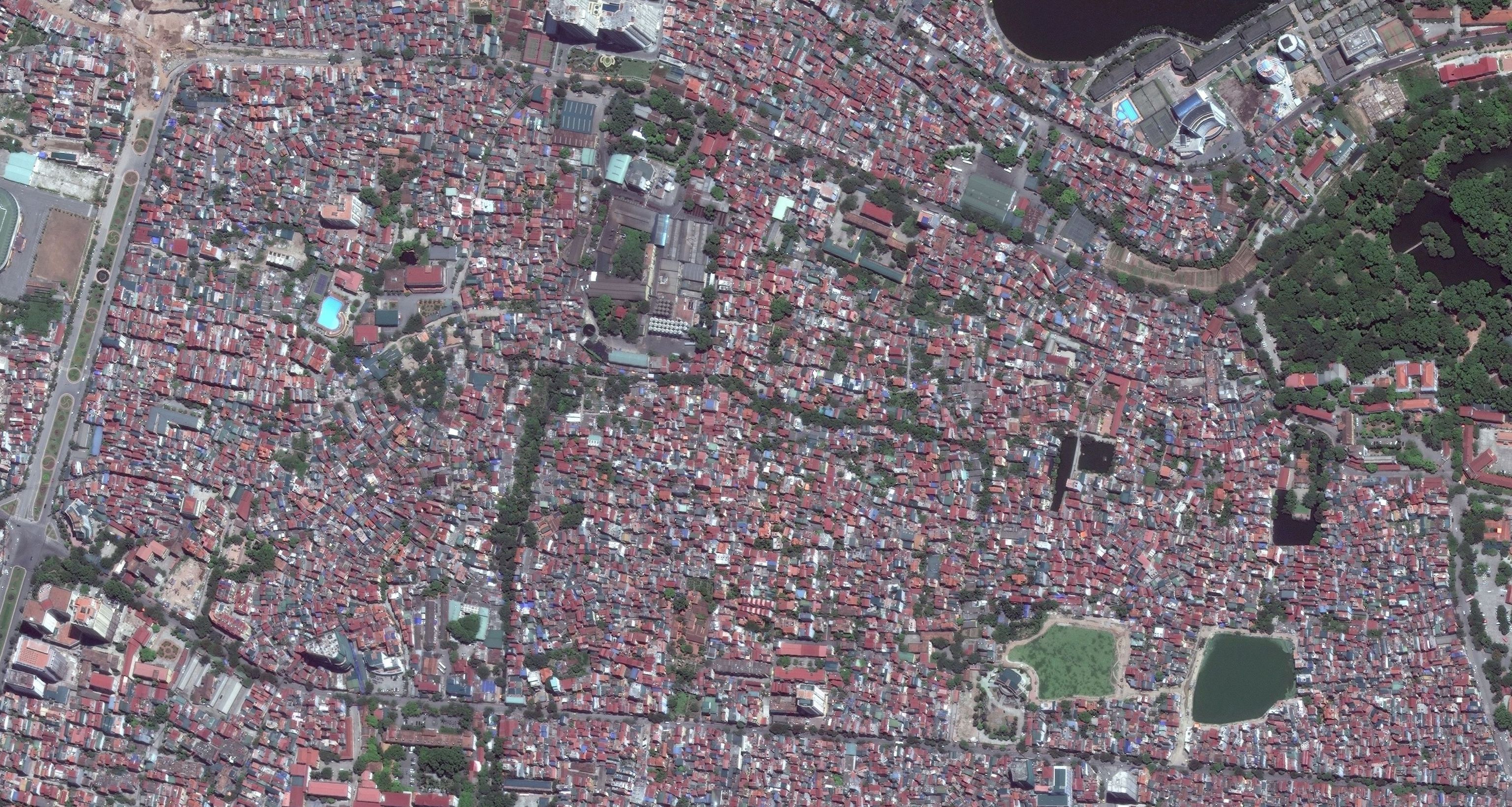
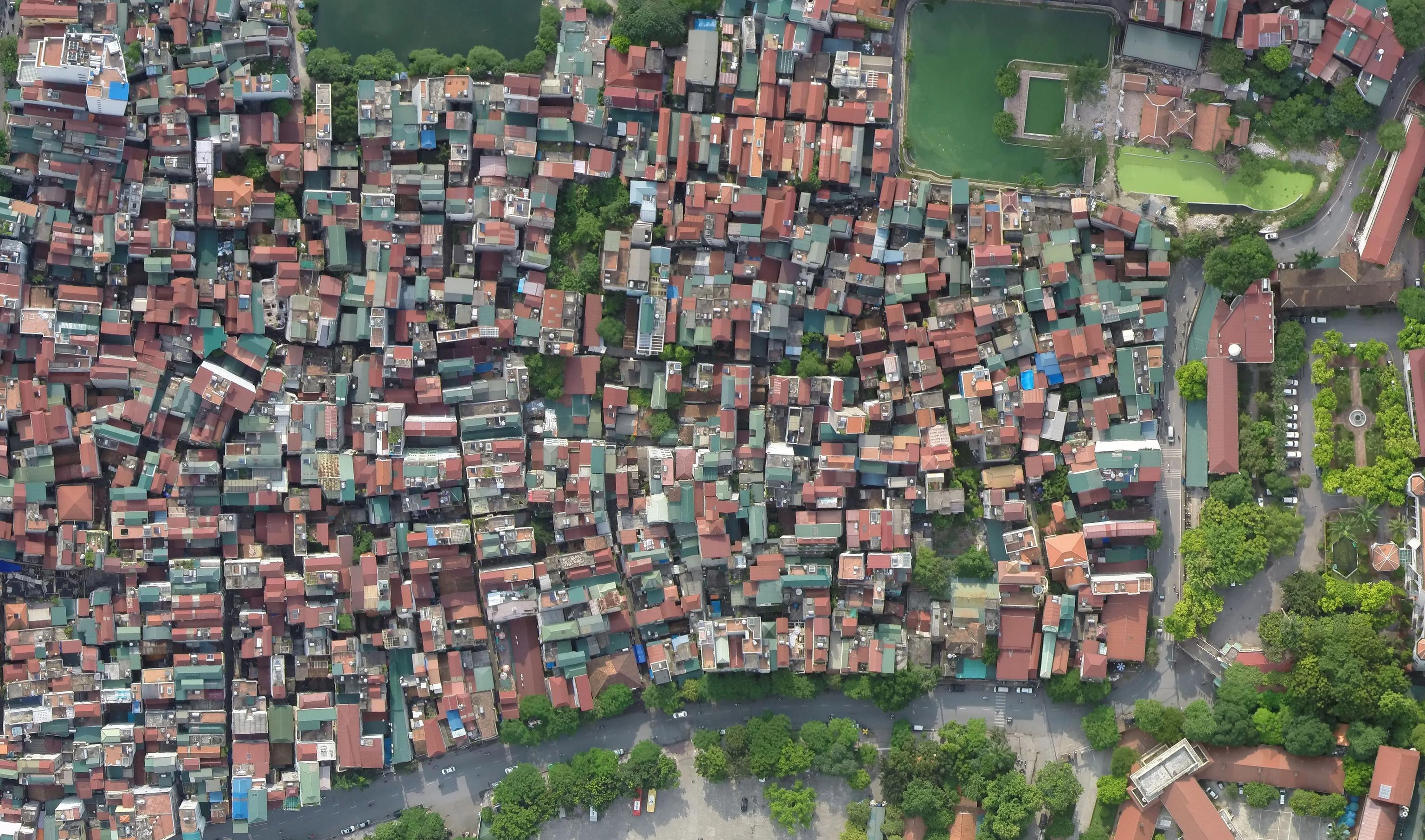
Vietnam doesn’t have the means to create vast non commercial urban plans to house its population. Therefore it let people develop their how neighbourhoods as long as it is with solid construction and connected to sewer and electricity. The result is a complex network of streets and buildings with a mix of population that no urban planner could have designed and that reflects the social relations of its inhabitants.
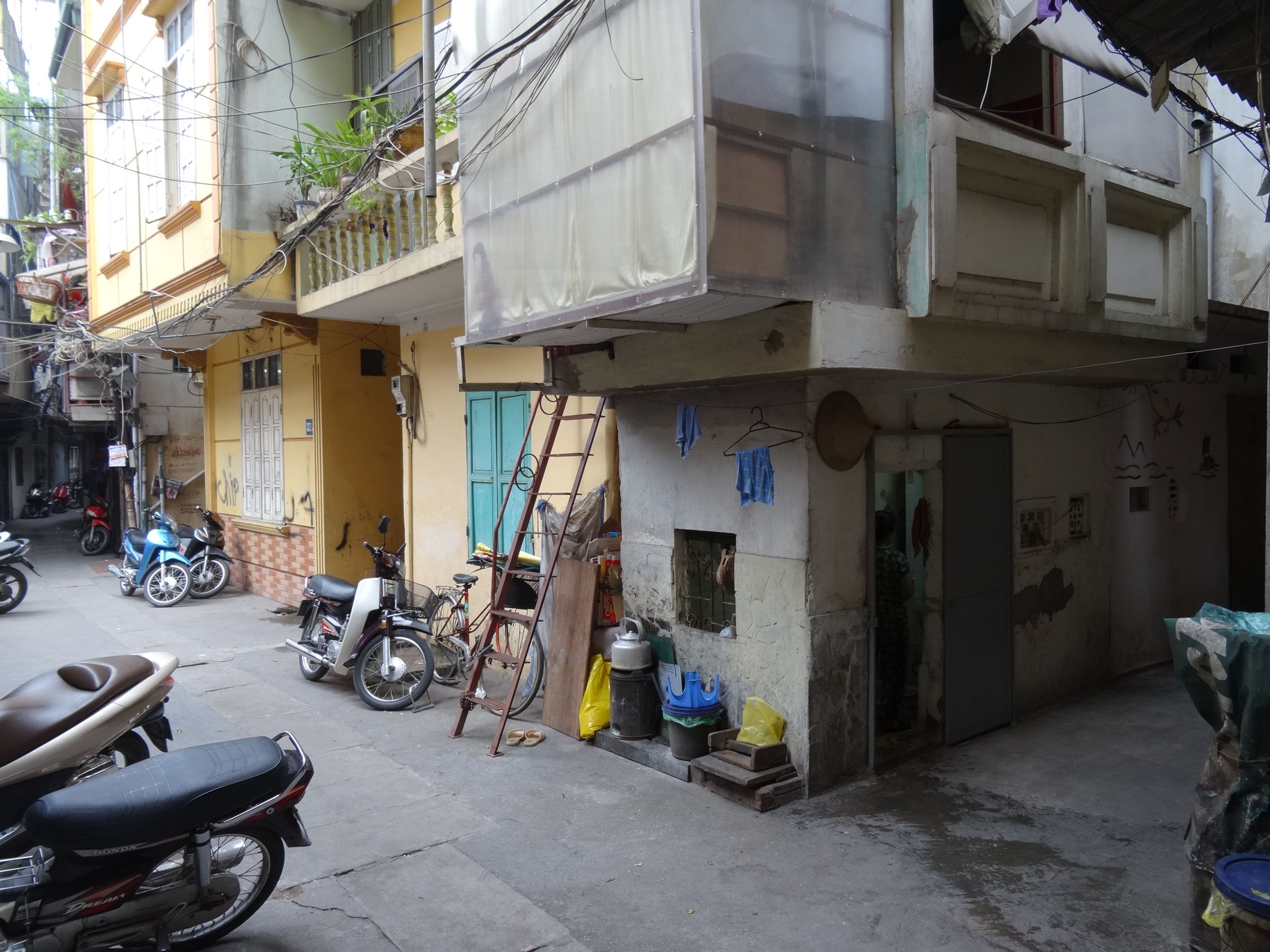
Every construction reflects the history of family inheritances and is the result of intense negotiations between neighbors and the authorities. It is an exercice of city generation by it’s own inhabitants without any designer. It generates an environment full of surprises with all the richness of the human relations it hosts.

Ngoc Ha – Hanoi’s Hidden Urban Layer
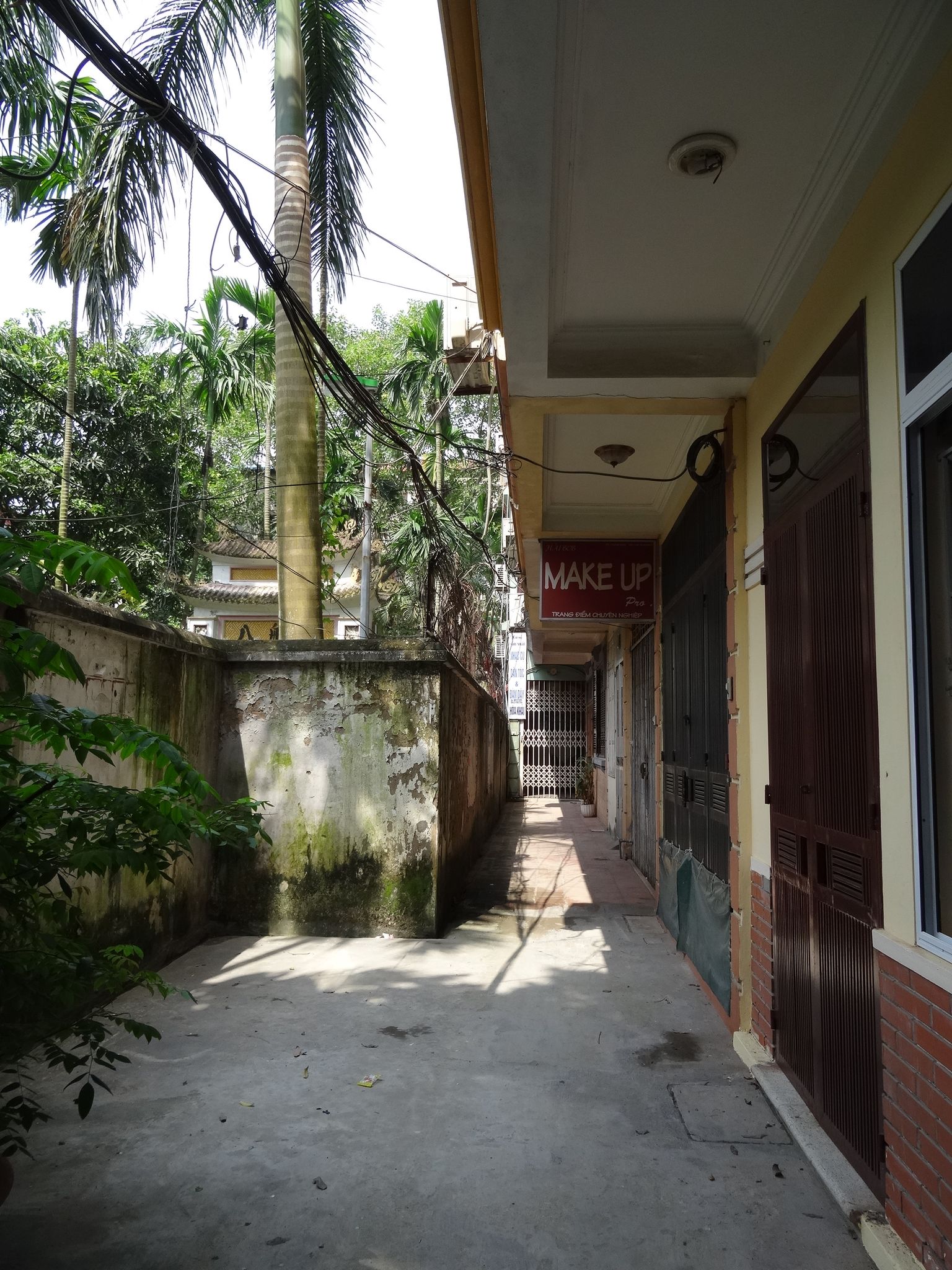
Ngoc Ha, in Hanoi’s Ba Dinh district, is a neighborhood where history, culture, and daily life intertwine. Narrow alleys wind past traditional temples, communal houses, and small lakes, creating an intimate urban fabric that is both vibrant and authentic. The area offers a glimpse of Hanoi beyond the Old Quarter, showing a side of the city shaped by its inhabitants over generations.
One of Ngoc Ha’s most distinctive features is the Nhà Tập Thể, Soviet-era apartment blocks built in the early 1960s. These modest 3–5 story buildings were designed around shared courtyards, providing communal spaces for children and neighbors. Over the decades, residents have adapted these structures, adding extensions and protective bars, creating the iconic “cage” apartments. Each modification tells a story of negotiation, inheritance, and everyday life, making the architecture a living record of the neighborhood’s social history.
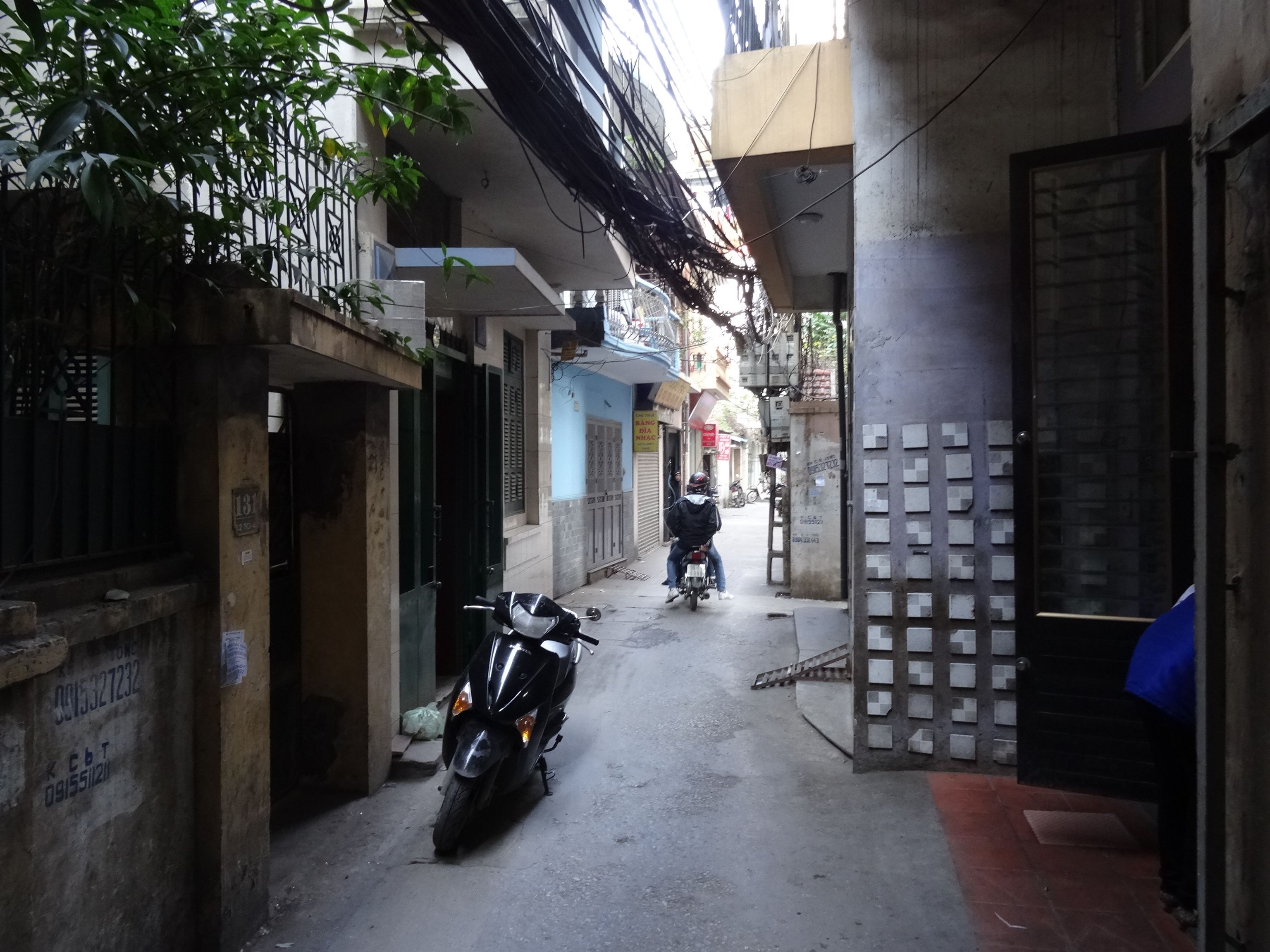

Organic Urbanism and A Blend of Past and Present
Ngoc Ha exemplifies a type of urban development that emerges organically rather than through master planning. Streets and buildings evolve from the needs, relationships, and histories of their residents. The resulting urban environment is full of surprises: irregular street patterns, varied building heights, and layered textures reveal the human processes that shape the city. This makes Ngoc Ha not only a rich subject for photography but also a remarkable example of social architecture in practice.
Despite modern pressures and urban transformation, Ngoc Ha retains a delicate balance between tradition and contemporary life. French colonial villas, temples, and historic communal houses coexist alongside Soviet-era apartments and modern residences. Local markets, cafes, and workshops animate the streets, while annual festivals and rituals maintain cultural continuity. The neighborhood illustrates how Hanoi’s urban landscape adapts to modernity while preserving the imprint of its past.
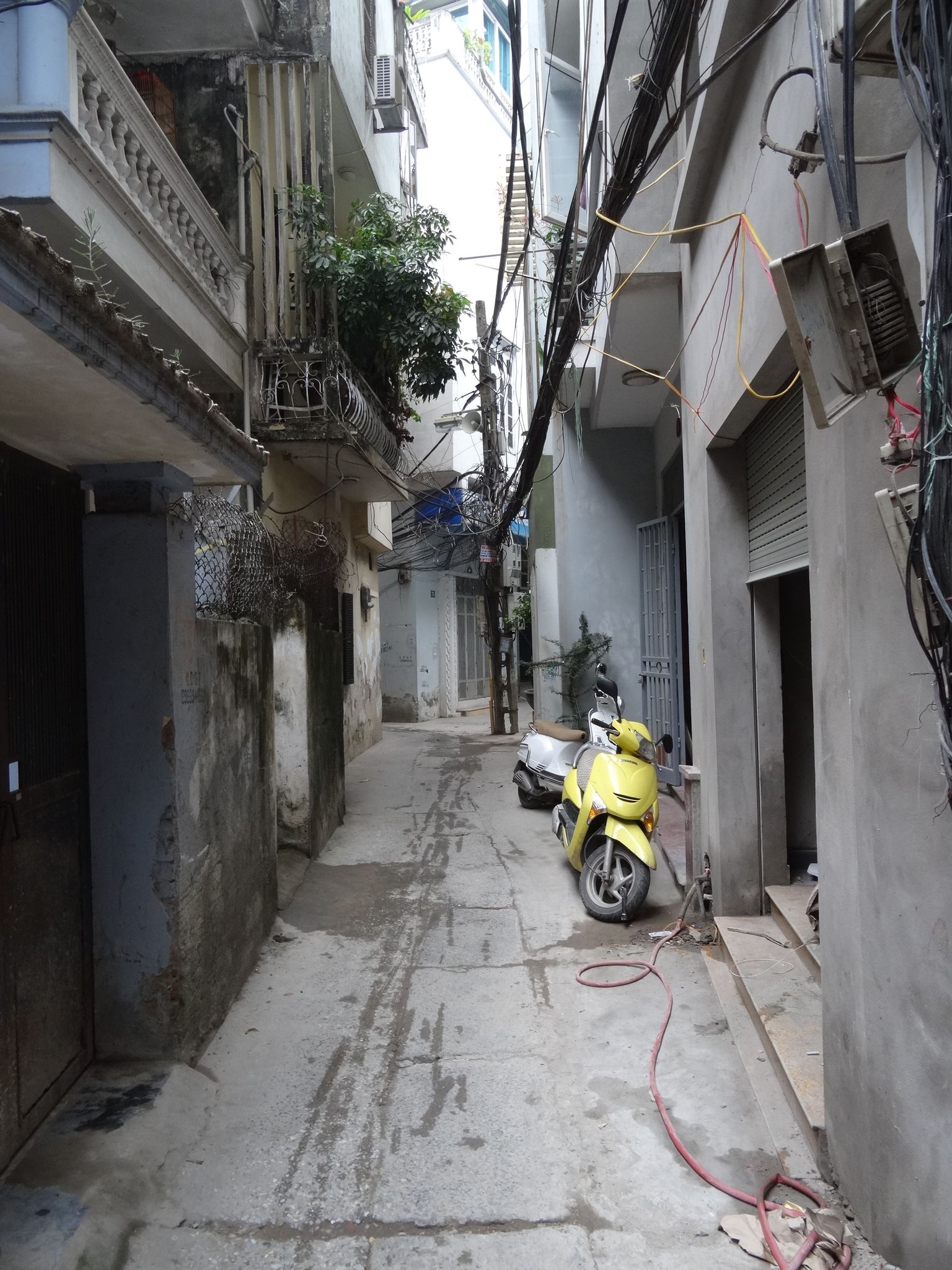

City in Motion
Photographically and architecturally, Ngoc Ha captures a city in motion: a place where social life and built form are inseparable, and where every courtyard, alley, and building modification tells a story. Its organic complexity and human-scale urbanism make it a compelling area for exploring the intersection of architecture, culture, and community.