Dante Ariola
Nike - Addicted
- DirectorDante Ariola
SALOMON LIGTHELM This is the spot that made me want to pick up a camera. Somehow, it planted the belief in me that maybe one day I could make a commercial like this. It has that dark, muscular late-90s Fincher energy — unsurprising given it came from around the same era as Fight Club — but this is Dante Ariola in supreme form. For me, this is still the benchmark. The standard.
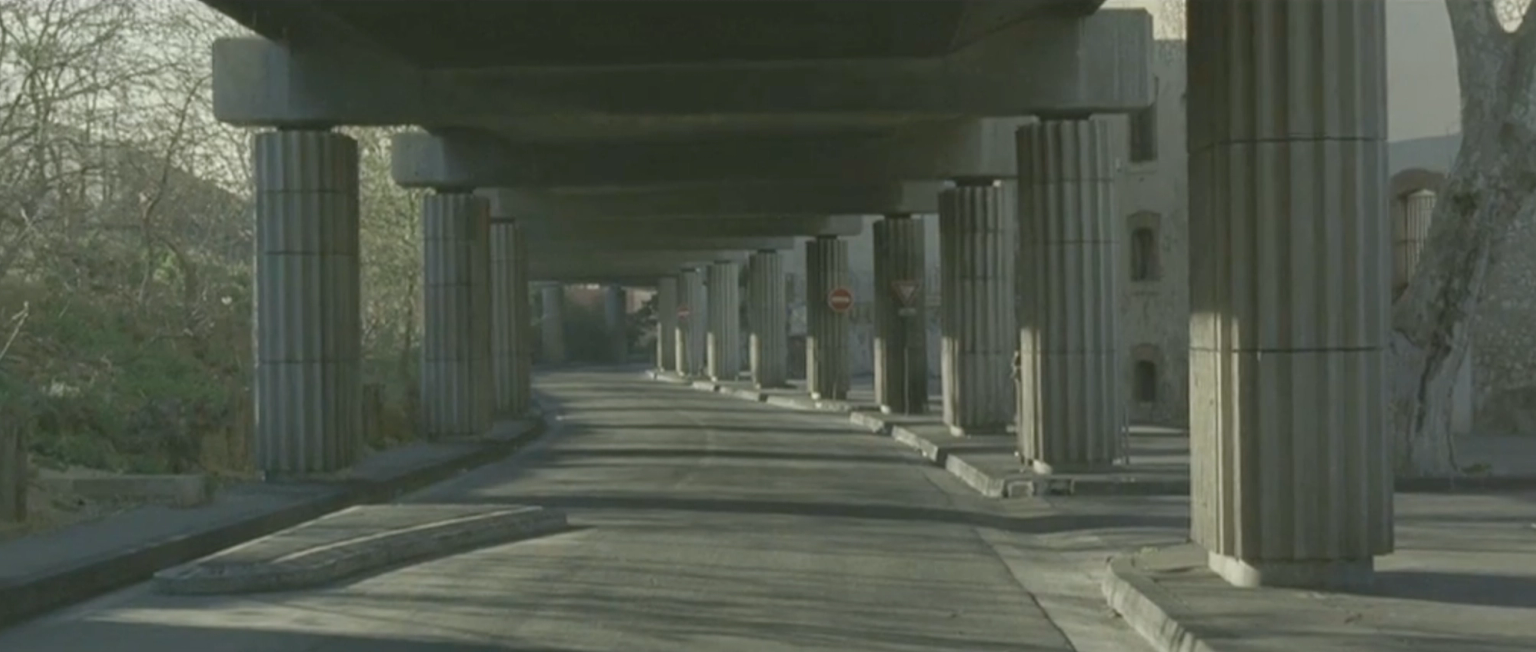



Inside the Runner’s Mind
When Nike launched the Nike+ system in 2007, it was not simply introducing a new product. It was selling a new relationship between the runner and the run itself. The spot “Addicted,” directed by Dante Ariola, became one of the clearest expressions of that idea. Instead of showing sport as spectacle, Ariola turned the camera inward, building the commercial from the private rituals, compulsions, and small obsessions that define real runners.
The film is told almost entirely from a first person emotional perspective. The voiceover, performed by Edward Norton in the English version, speaks like a confession rather than an advertisement. “I’ve collected footsteps before dawn, seen places I never knew existed… I am addicted.” The words are intimate and specific, describing the strange satisfaction of running before sunrise, measuring life in kilometers, and chasing yesterday’s self instead of another person. It feels less like copywriting and more like someone admitting a beautiful habit.
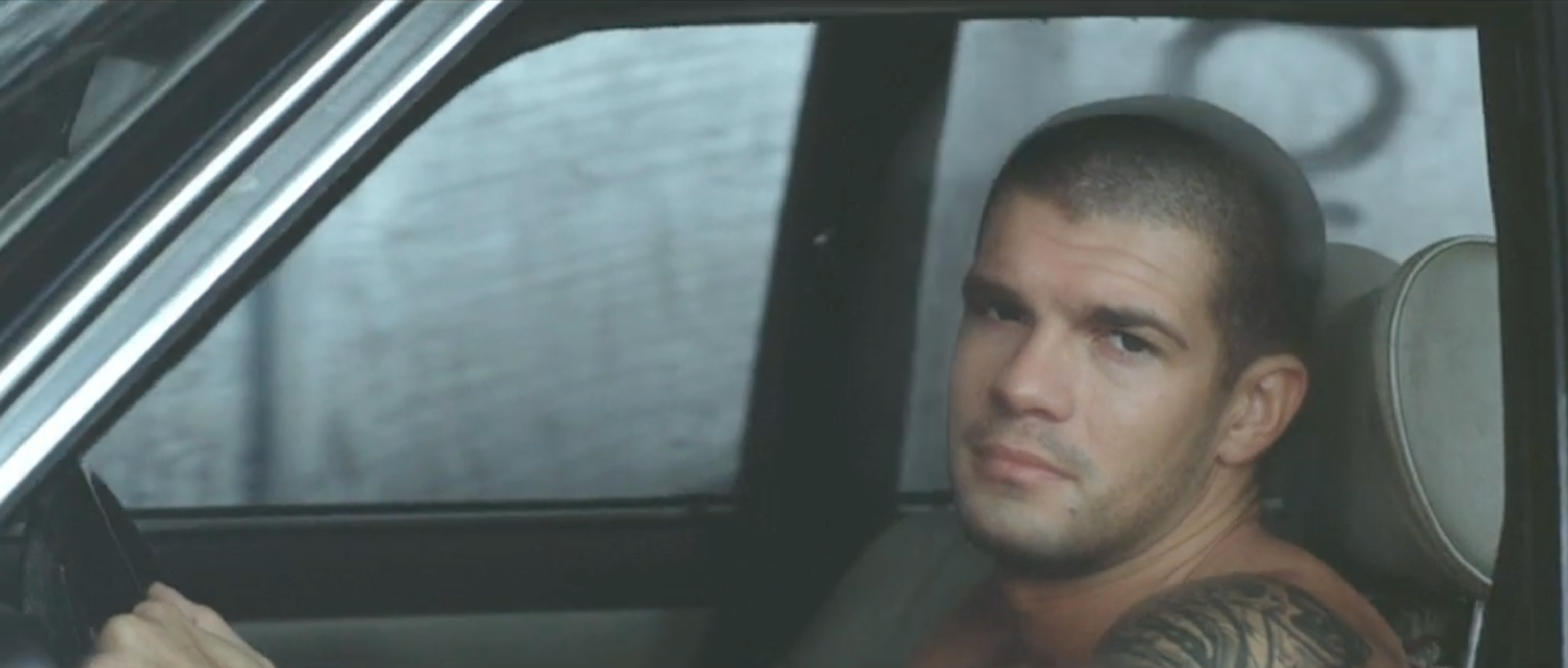

A New Point of View
What made “Addicted” stand out was Ariola’s refusal to treat running as heroic performance. Wieden+Kennedy Amsterdam wanted to show Nike+ from “inside the head of a runner,” and every line was built around real truths about the running experience. That honesty gave the spot its power. It spoke to experienced runners who recognized themselves in every sentence, while also inviting non runners into the emotional logic of the sport.
Visually, the commercial moved through Prague, New York, and Marseille, creating a feeling that running belongs everywhere and nowhere at once. Streets, sidewalks, and early morning light became part of the psychology of motion. Ariola, known for giving commercials cinematic depth, made the film feel less like branded communication and more like a short film about discipline and solitude. It was advertising with atmosphere instead of volume.
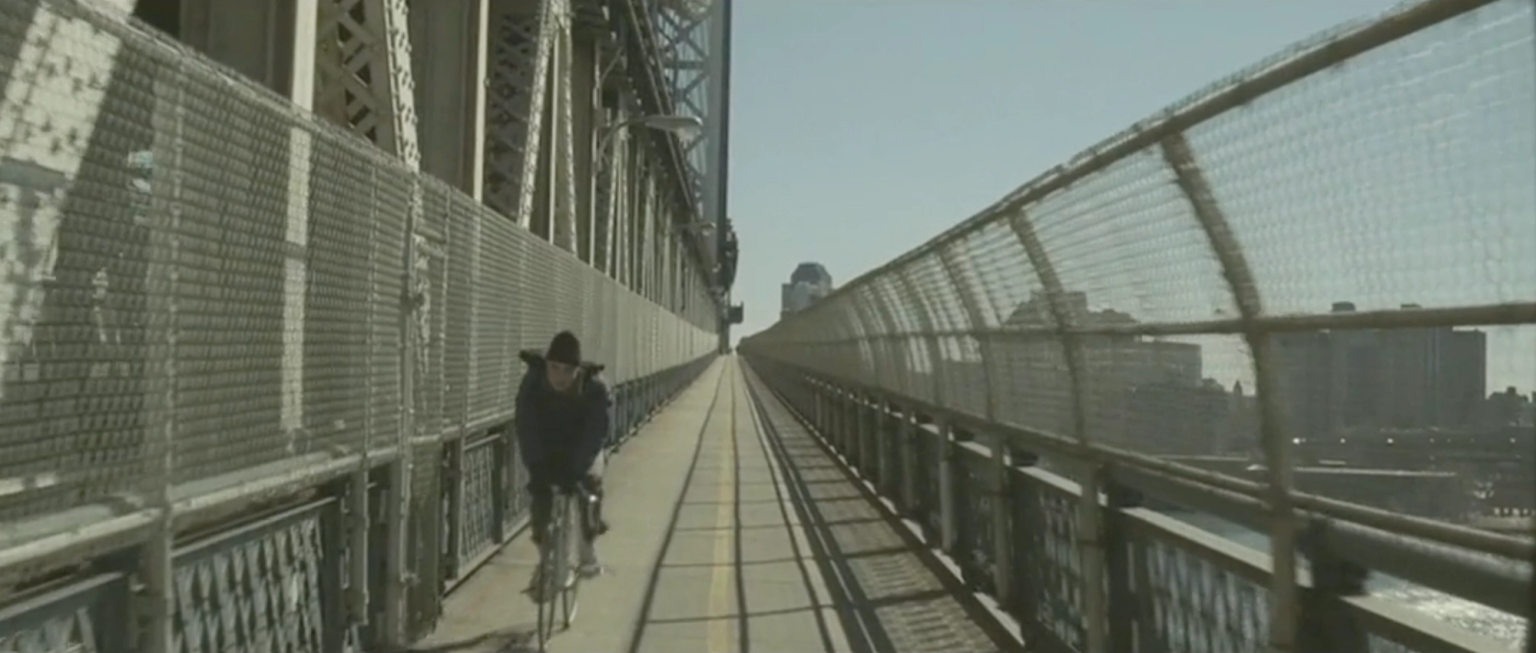

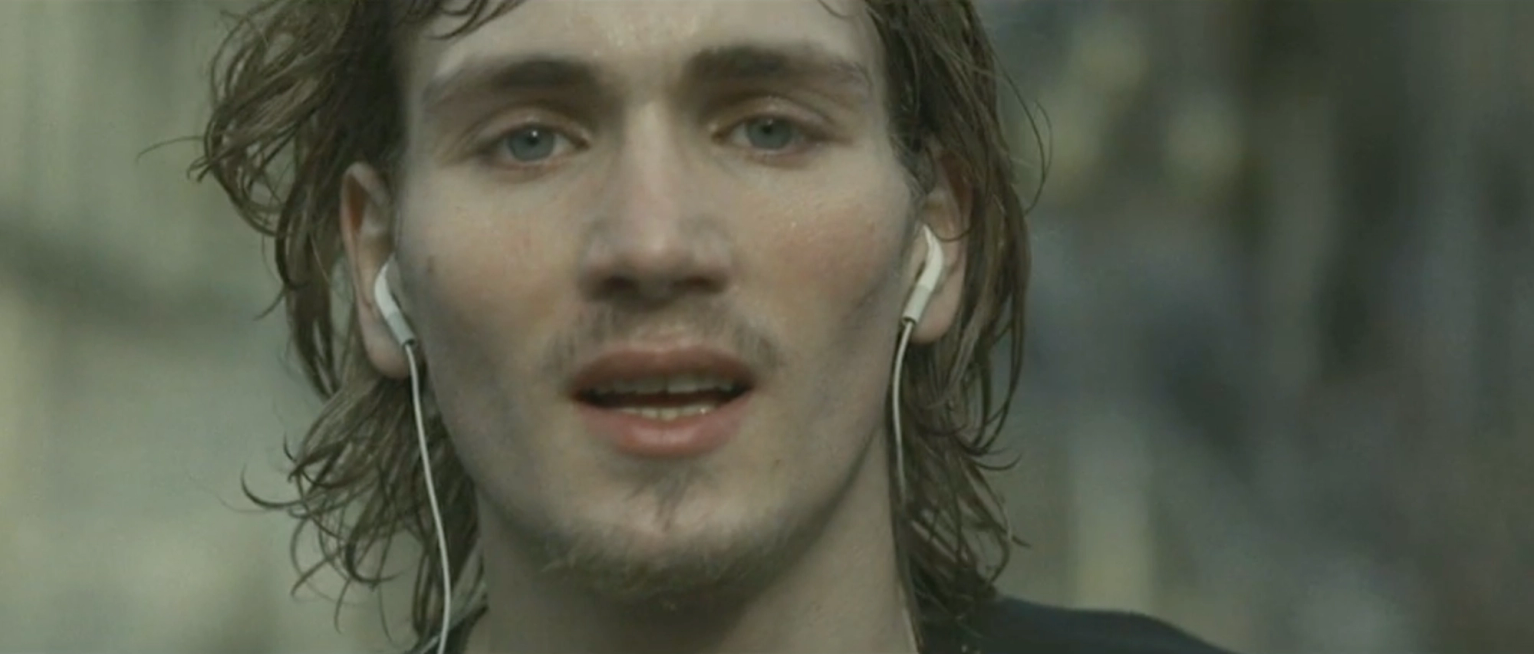

Why It Still Matters
“Addicted” arrived at the moment when fitness technology was beginning to change how people understood exercise. Nike+ connected shoes to an iPod, turning running into data, goals, and personal feedback. But the commercial wisely avoided selling technology first. It sold identity. The device was secondary. The feeling was everything.
That is why the spot still feels relevant. Long before fitness apps became everyday habits, “Addicted” understood that people do not fall in love with metrics. They fall in love with meaning. Ariola’s film captured that truth with unusual elegance, showing that the real addiction was never the gadget. It was the transformation that running promised, the quiet belief that every mile could make you someone slightly new.