Spike Jonze
Nike - The Morning After
- DirectorSpike Jonze
- AgencyWieden+Kennedy (Portland)
- CreativeChuck McBride, Hal Curtis and Jim Riswold
SCOTT DUNGATE It seems wild today, but in 1999 we thought the world might end because of a simple computer bug. Turns out it was anticlimactic, but Nike took the opportunity to show it mattered little to an athlete. Hangover or apocalypse, New Year's Day 2000, was just another day, like any other, to the runner. Effortless in execution that tapped into a moment. And the bit where the runners acknowledge each other - Chef’s kiss.


The story behind "The Morning After"
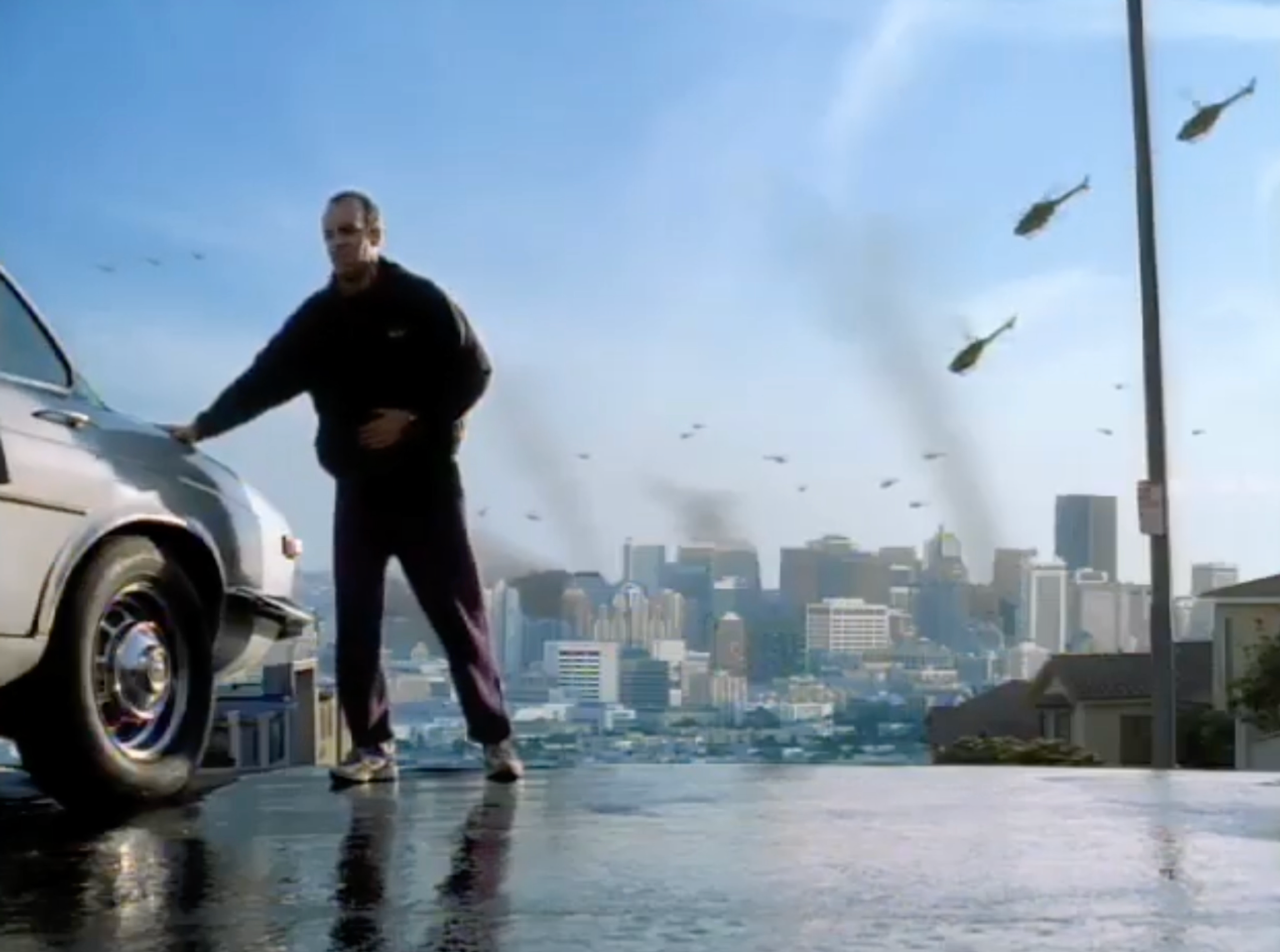
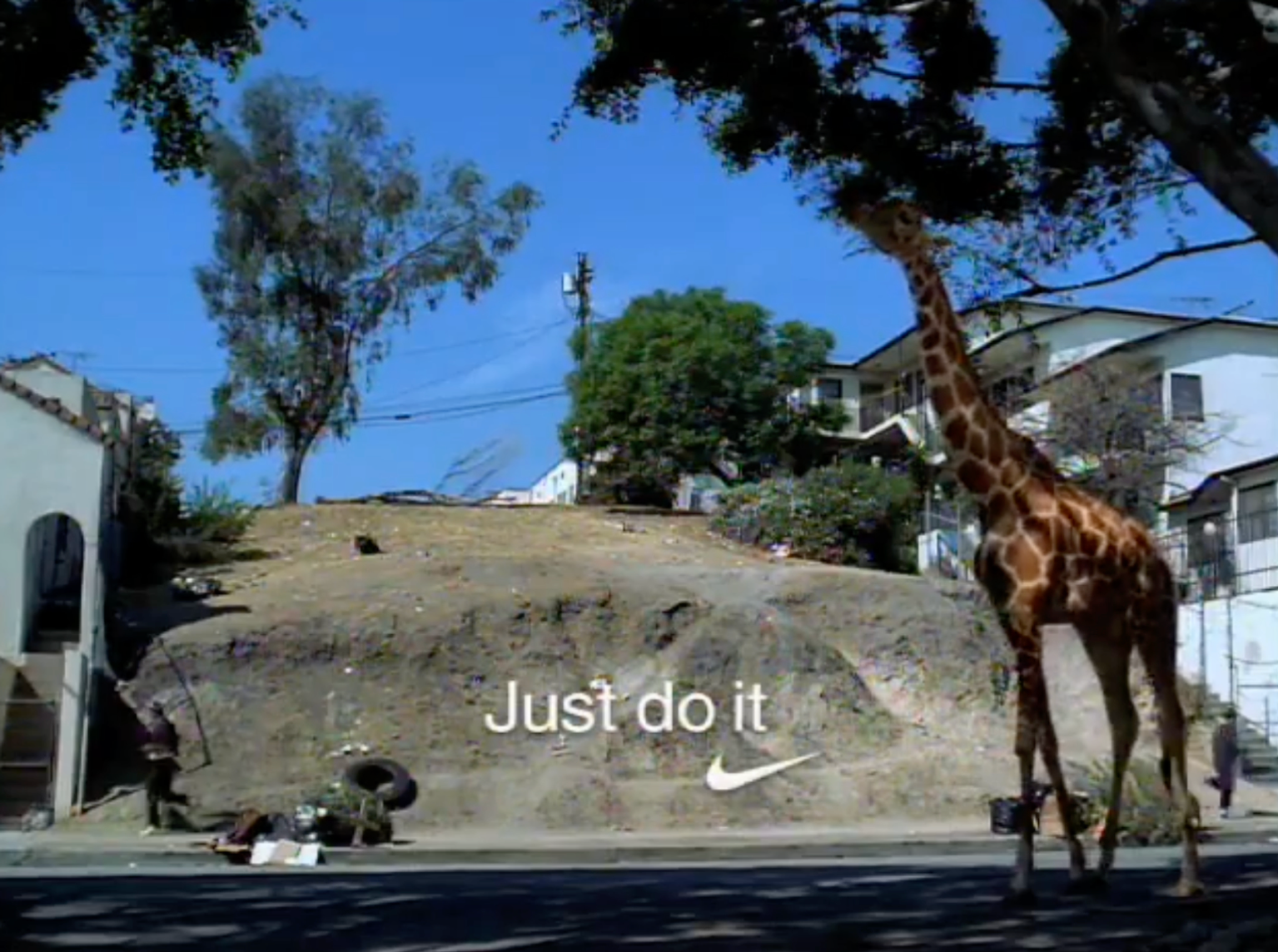
Spike Jonze’s Nike commercial The Morning After (1999) looks, at first glance, like a simple gag: a man wakes up with a hangover on January 1, 2000, pulls on his Nike gear, and goes for a jog. As he runs through the city, the world appears to be unraveling around him - cars overturned, fires burning, people panicking. He barely notices. The line at the end is pure Nike: “Just Do It.”
What gives the ad its bite is the moment it was made for. In the late 1990s, global culture was quietly obsessed with the Y2K bug, the fear that computers would fail when the calendar turned to the year 2000. News outlets speculated about blackouts, financial collapse, and social chaos. It was half technological concern, half millennial anxiety - a sense that the future might literally break overnight. Nike and Spike Jonze leaned directly into this mood, imagining a hangover morning after the apocalypse-that-wasn’t.
Instead of dramatizing disaster, Jonze treats it with absurd calm. His runner behaves as if nothing unusual has happened. He passes looters and burning cars with the same detached focus he’d give to traffic or pigeons. This tonal contrast - catastrophe as background noise - is the joke and the philosophy at once. The world may fall apart, but personal routine continues. Running becomes an act of stubborn normalcy.
This approach fits perfectly with Spike Jonze’s broader style. Long before Her or Being John Malkovich, he was already drawn to stories where surreal events unfold in an everyday, unreactive way. The commercial plays like a miniature short film rather than a traditional sports ad. The Nike product is present, but never fetishized. What matters is attitude: a mindset that shrugs at the end of the world.
When it aired, the spot felt uncannily timed. The millennium arrived without disaster, and suddenly the commercial became retroactively funny - a satire of fears that never materialized. It captured a fleeting cultural moment: the last global panic before the internet era normalized permanent crisis. That’s part of why the ad still circulates today. It isn’t just selling shoes; it’s preserving a collective mood from the edge of the year 2000.
Just Do It
In hindsight, The Morning After works as a quiet manifesto. Nike’s slogan had always been about discipline and willpower, but here it takes on existential weight. “Just Do It” becomes a response not to laziness, but to uncertainty itself. Whether civilization collapses or not, you still wake up, lace your shoes, and move forward.
That’s the secret behind the ad’s longevity. It’s not really about Y2K, or even about running. It’s about the oddly comforting idea that personal momentum can survive collective panic - that even on the morning after the end of the world, someone will still go out for a jog.