Kim Gehrig
Nike - Winning Isn’t for Everyone
- ClientNike
- AgencyWieden+Kennedy
- DirectorKim Gehrig
- Production CompanySomesuch
- NarratorWillem Dafoe
DAN PETERS This campaign said the quiet part out loud: that the pursuit of victory is often selfish, obsessive, and decidedly un-polite. It’s a masterclass in brand bravery that trades universal likability for a narrow, piercing truth, reclaiming Nike’s edge. The film celebrates "villainous" grit paired with a masterful VO selection in Willem Dafoe. It’s one of those campaigns where you step back and say, “F*ck…I wish I made that.


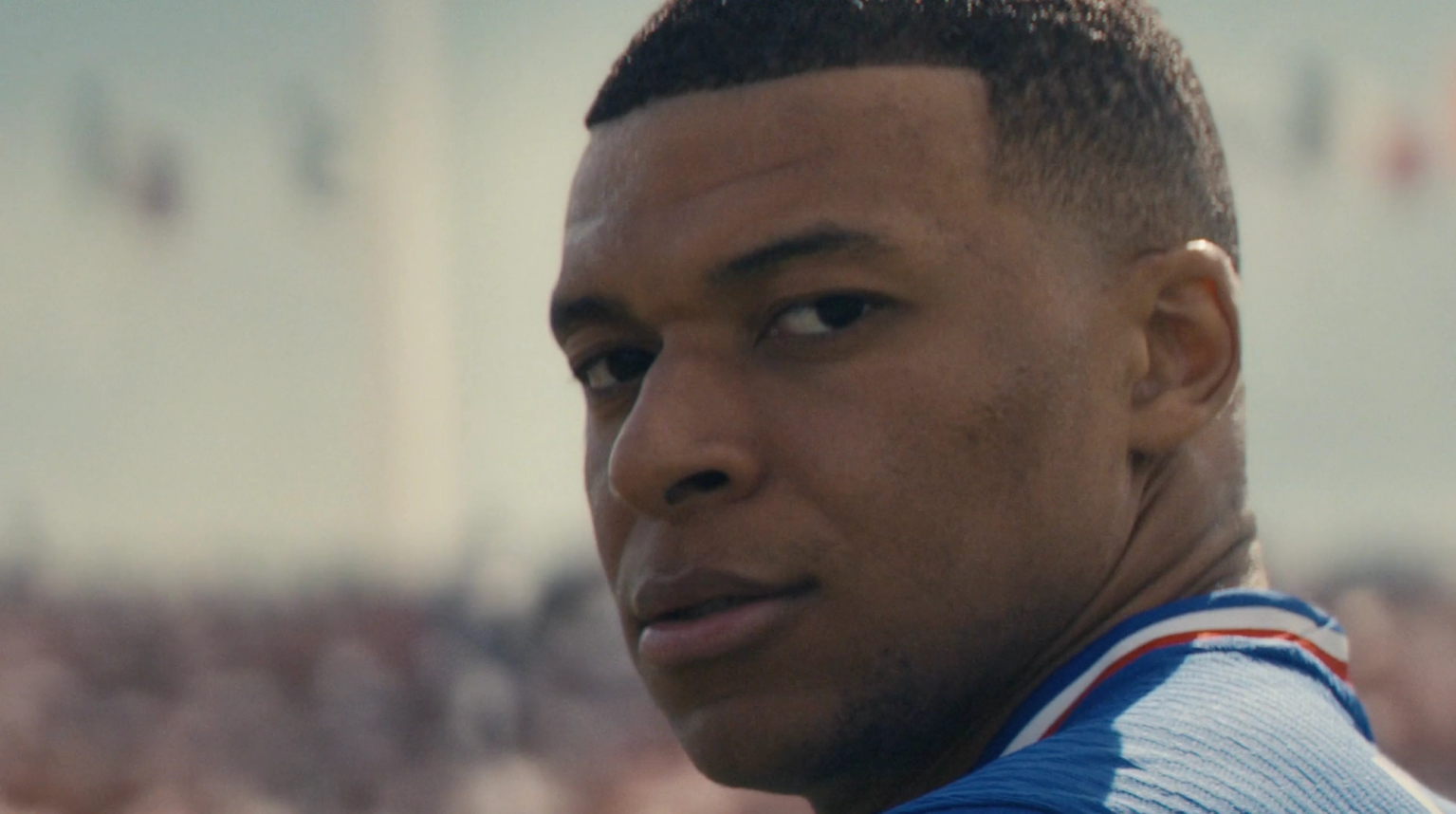

Winning Isn’t for Everyone
The Ruthless Honesty Behind Nike’s Most Polarizing Message
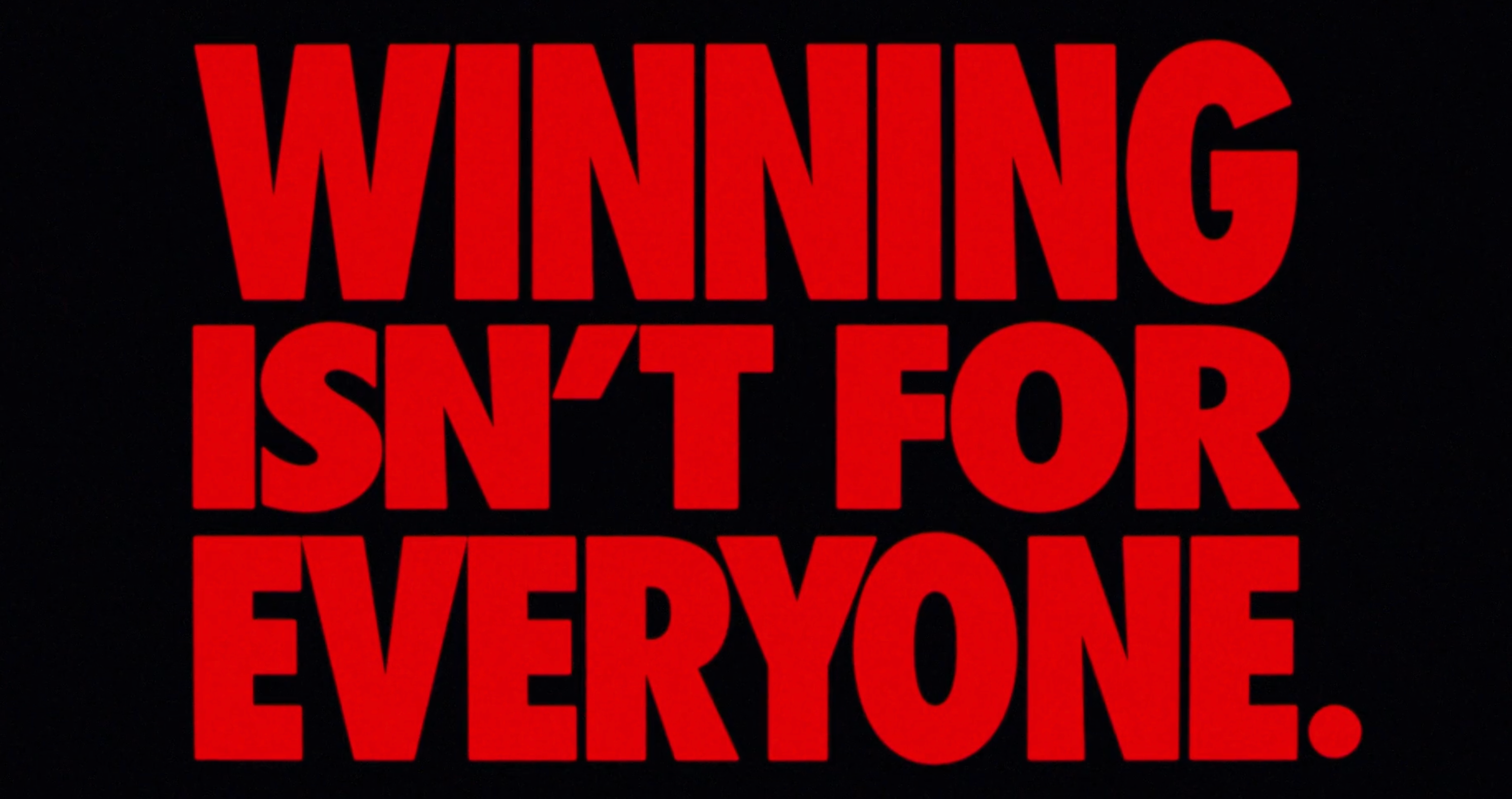
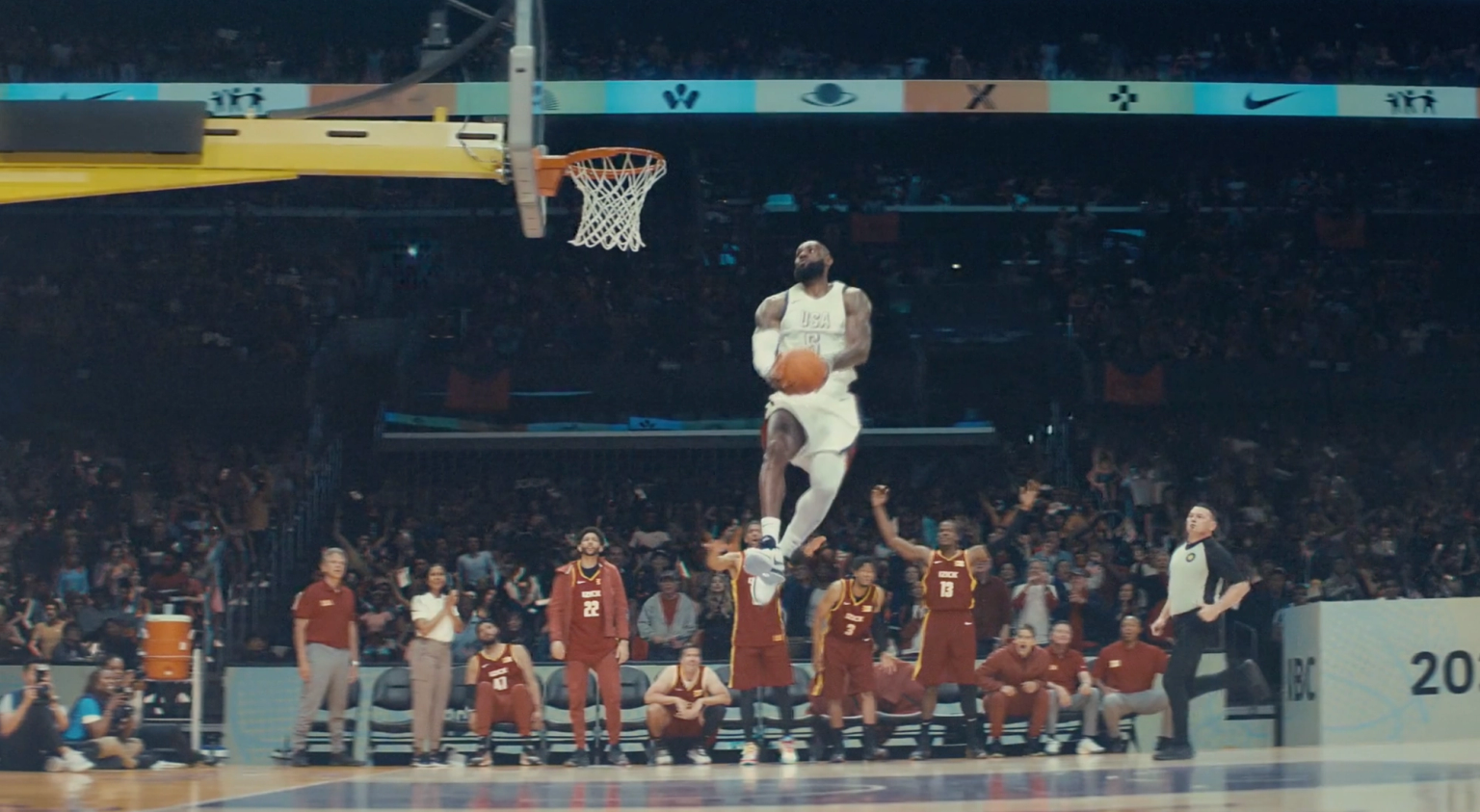
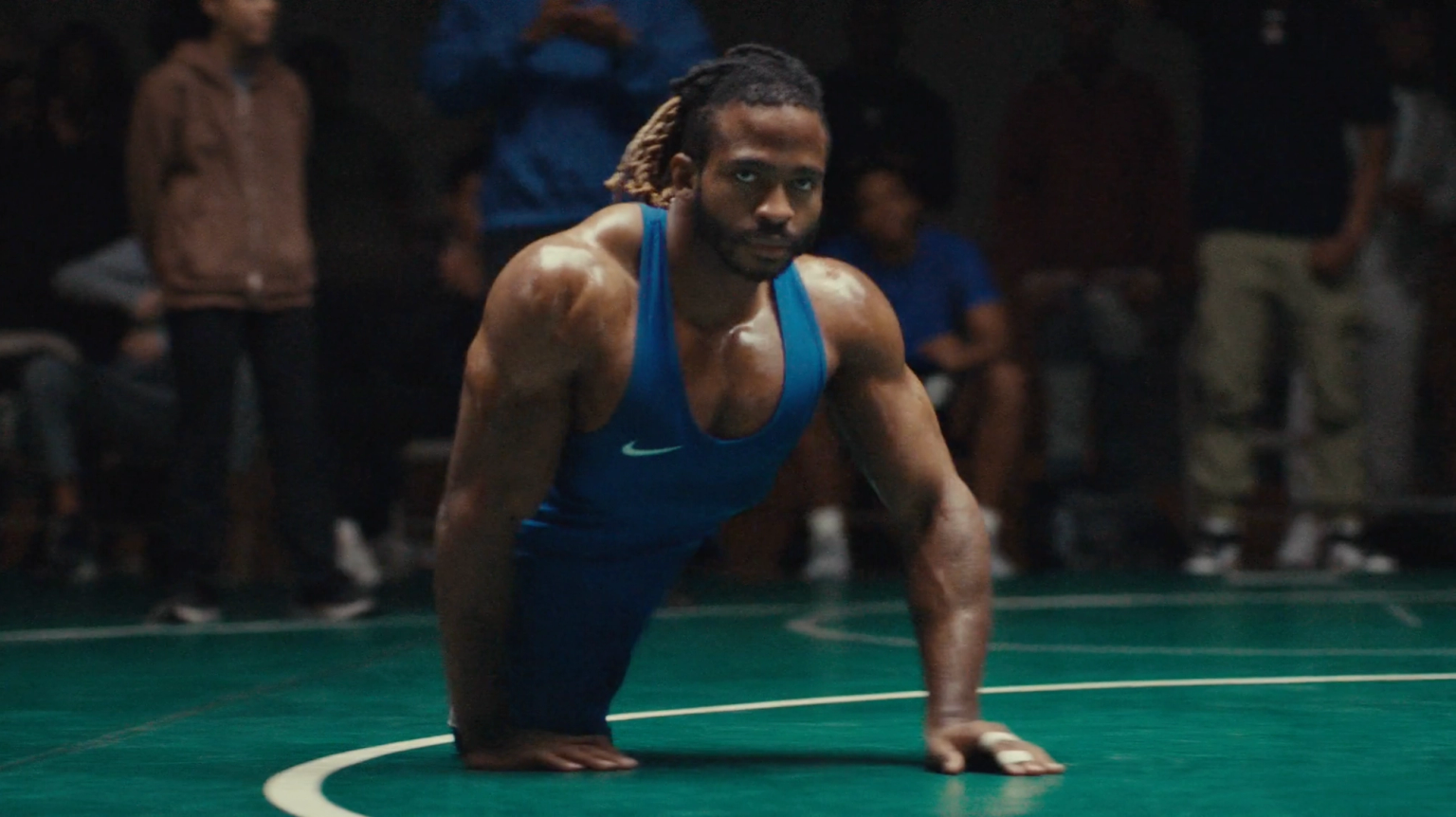
In the summer of 2023, Nike released a campaign that felt unusually blunt even for a brand famous for competitive bravado. The message was simple and uncomfortable: Winning Isn’t for Everyone. Created by the long time Nike agency Wieden+Kennedy, the campaign didn’t celebrate participation, self care, or even the joy of sport. Instead it leaned directly into something rawer. Obsession.
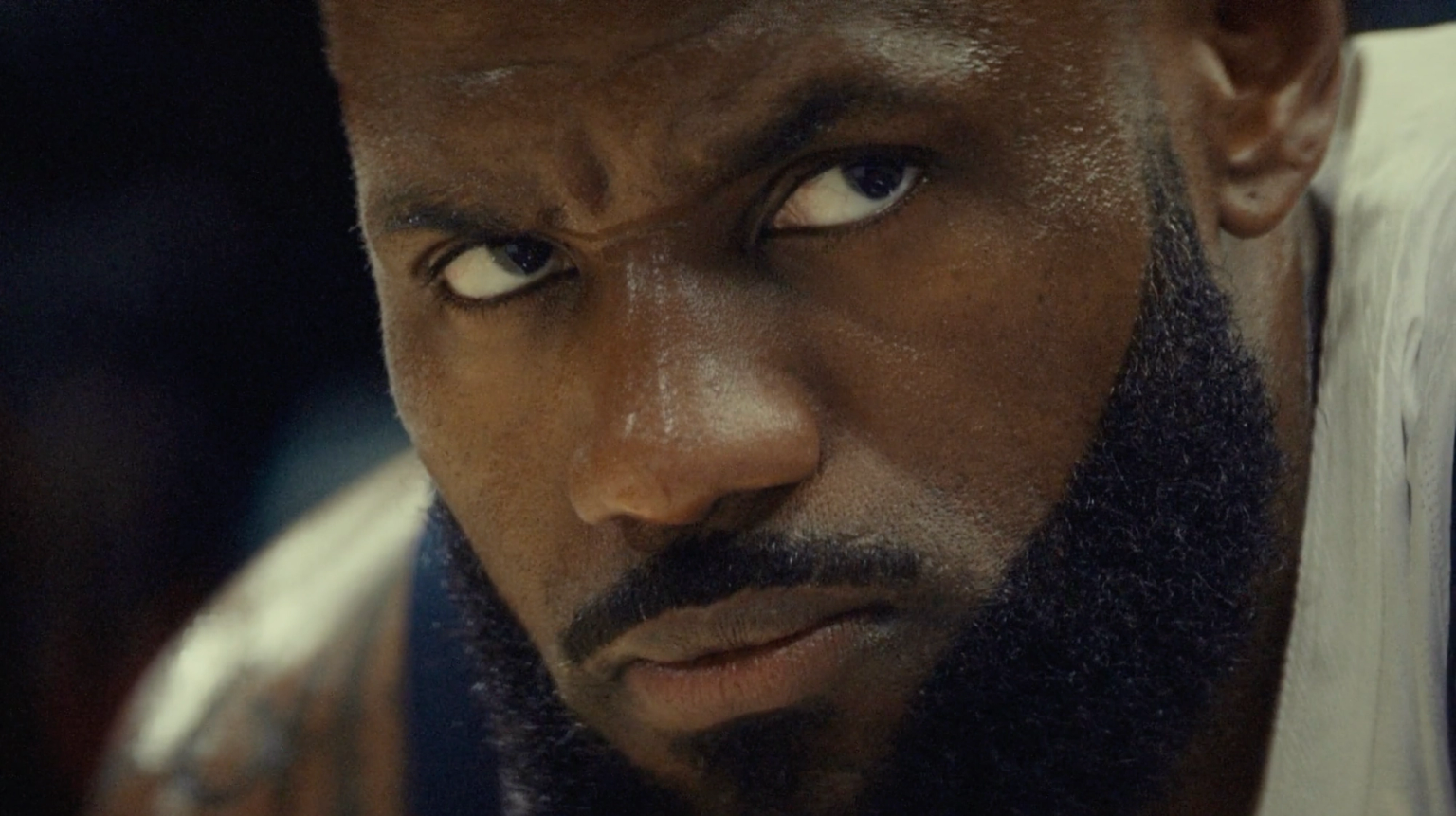
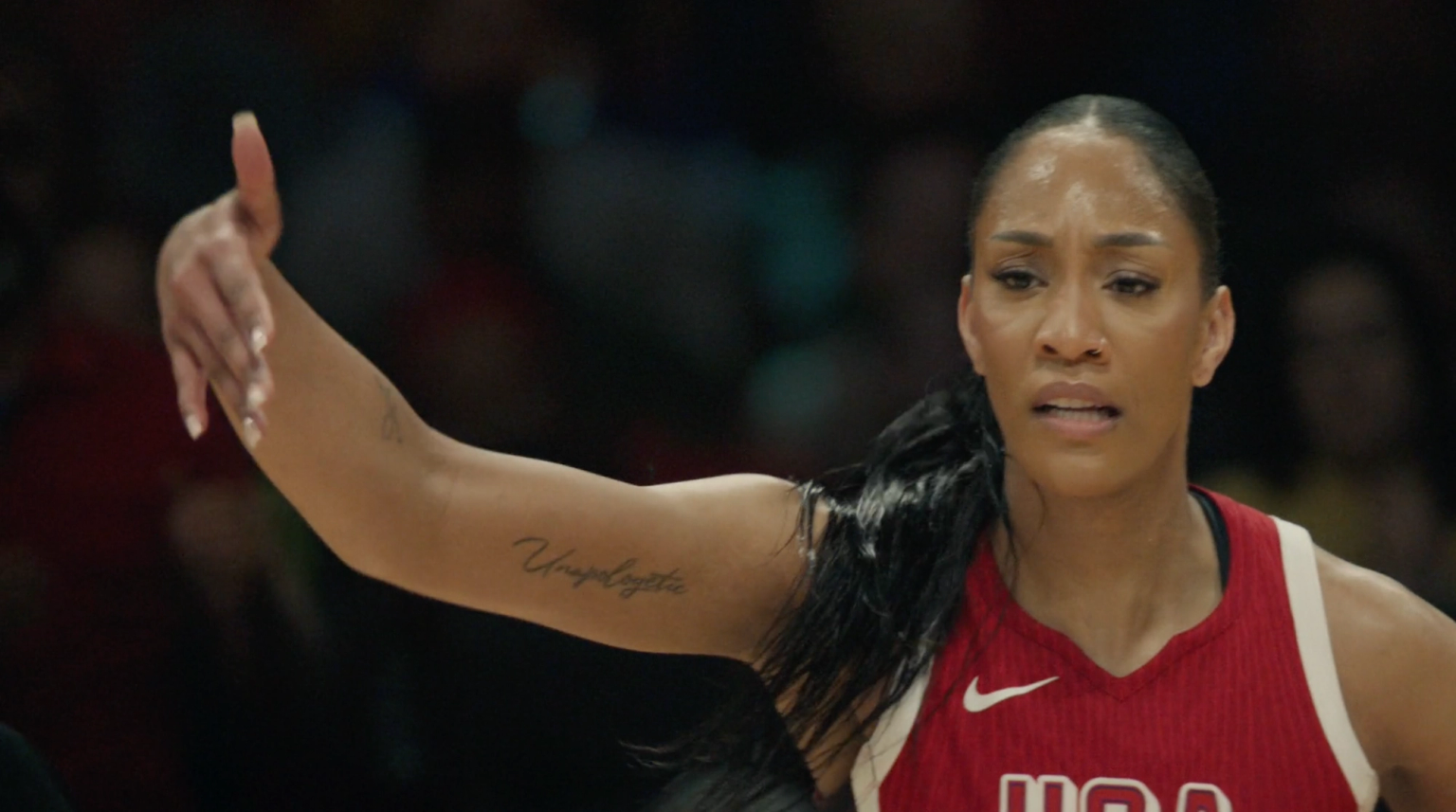
The film at the center of the campaign featured some of the most dominant athletes in the world including LeBron James, Serena Williams, Giannis Antetokounmpo, Kylian Mbappé, and Sha'Carri Richardson. But the narration avoided praise. Instead it asked provocative questions. Are you a bad person if you want to win more than anything else. If you ignore birthdays. If you skip family dinners. If you care more about victory than being liked.
For many viewers it felt shocking. Not because Nike had never celebrated winning before, but because the brand openly acknowledged the darker psychology that often fuels greatness. The copy suggested that the mindset required to dominate sport might look obsessive, selfish, even unhealthy from the outside.







The Strategy of Radical Honesty
The idea behind the campaign emerged inside Wieden+Kennedy’s Portland office where Nike work has historically been built on cultural tension. Rather than smoothing over the contradiction between elite sport and normal life, the creative team amplified it.
The insight was simple. Elite athletes are not balanced people.
Champions train when others sleep. They repeat movements thousands of times. They structure entire lives around a single outcome that may never arrive. In everyday life that kind of focus might be described as unhealthy. In sport it is often the difference between finishing second and becoming legendary.
By framing winning as something not meant for everyone, Nike effectively reframed obsession as a requirement rather than a flaw. The campaign positioned victory as an extreme pursuit reserved for people willing to sacrifice comfort, popularity, and sometimes relationships.
In advertising terms it was also a strategic pivot. For years many sports brands had moved toward inclusive messaging focused on participation and community. Nike chose the opposite direction. The brand returned to its roots of ruthless competition.
Why the Campaign Sparked Debate
The campaign quickly generated discussion online and in marketing circles. Some critics argued that the message glorified unhealthy ambition or reinforced toxic ideas about success. Others praised it for its honesty about the mentality required at the highest levels of sport.
That tension was exactly the point.
Nike and Wieden+Kennedy have a long history of campaigns that provoke cultural conversation rather than universal approval. From controversial athlete endorsements to bold political statements, the brand often thrives when people argue about what it says.
“Winning Isn’t for Everyone” followed that tradition. It reminded audiences that sport at its highest level is not polite or balanced. It is driven by an appetite that most people simply do not have.
And that was the uncomfortable truth the campaign embraced.
Not everyone wants to win badly enough.
But for the ones who do, nothing else matters.