
Oscar Niemeyer
Niterói Contemporary Art Museum
- ArchitectOscar Niemeyer
- Photographer Donatas Dabravolskas
Melodie Leung A museum sited within, as well as above the landscape, and dramatically frames the horizon. Light + shadow, water + reflection, earth + sky, are all drawn into its sweeping form, animating the visitor's experience and sense of continual discovery.

A Landmark Above the Bay
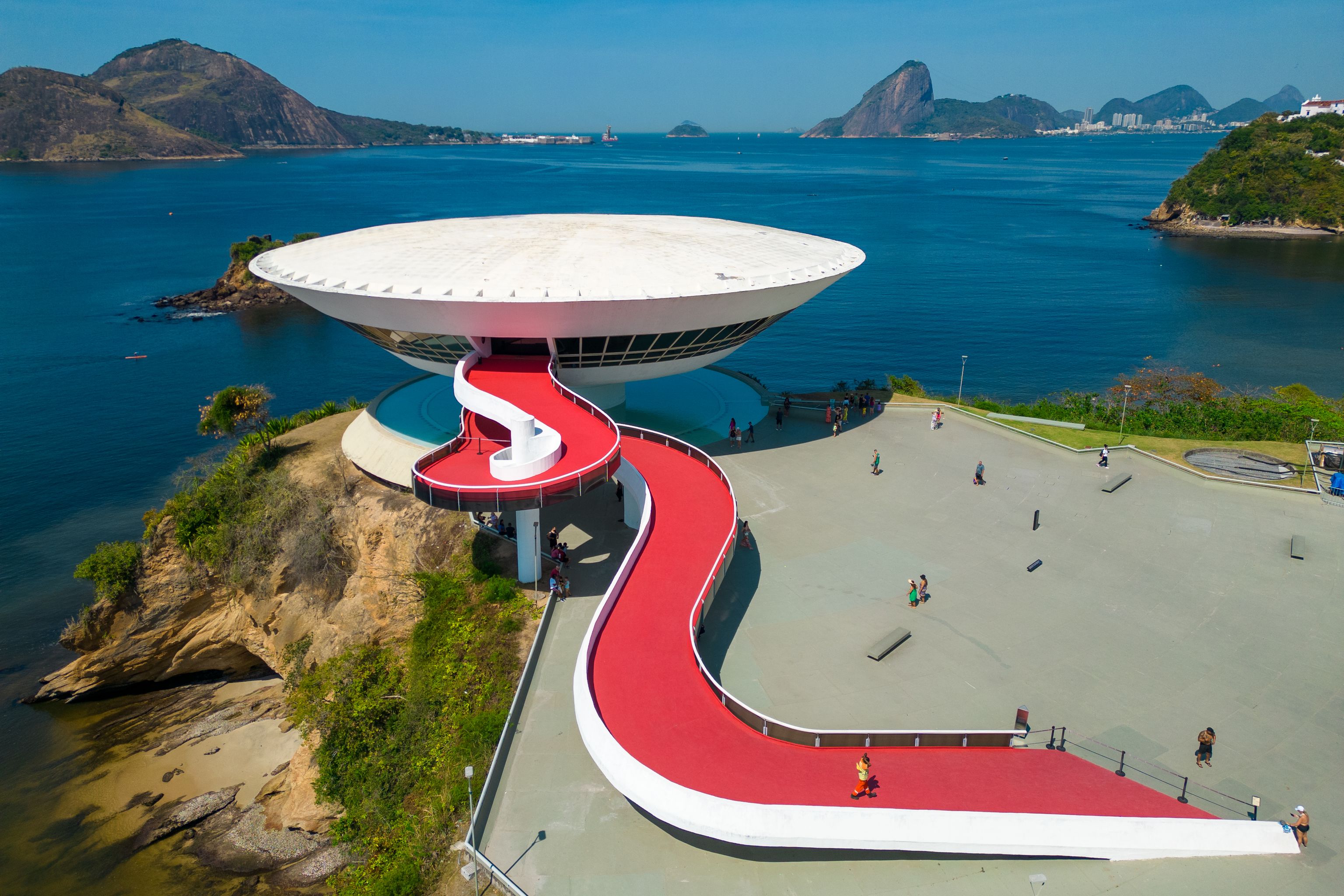
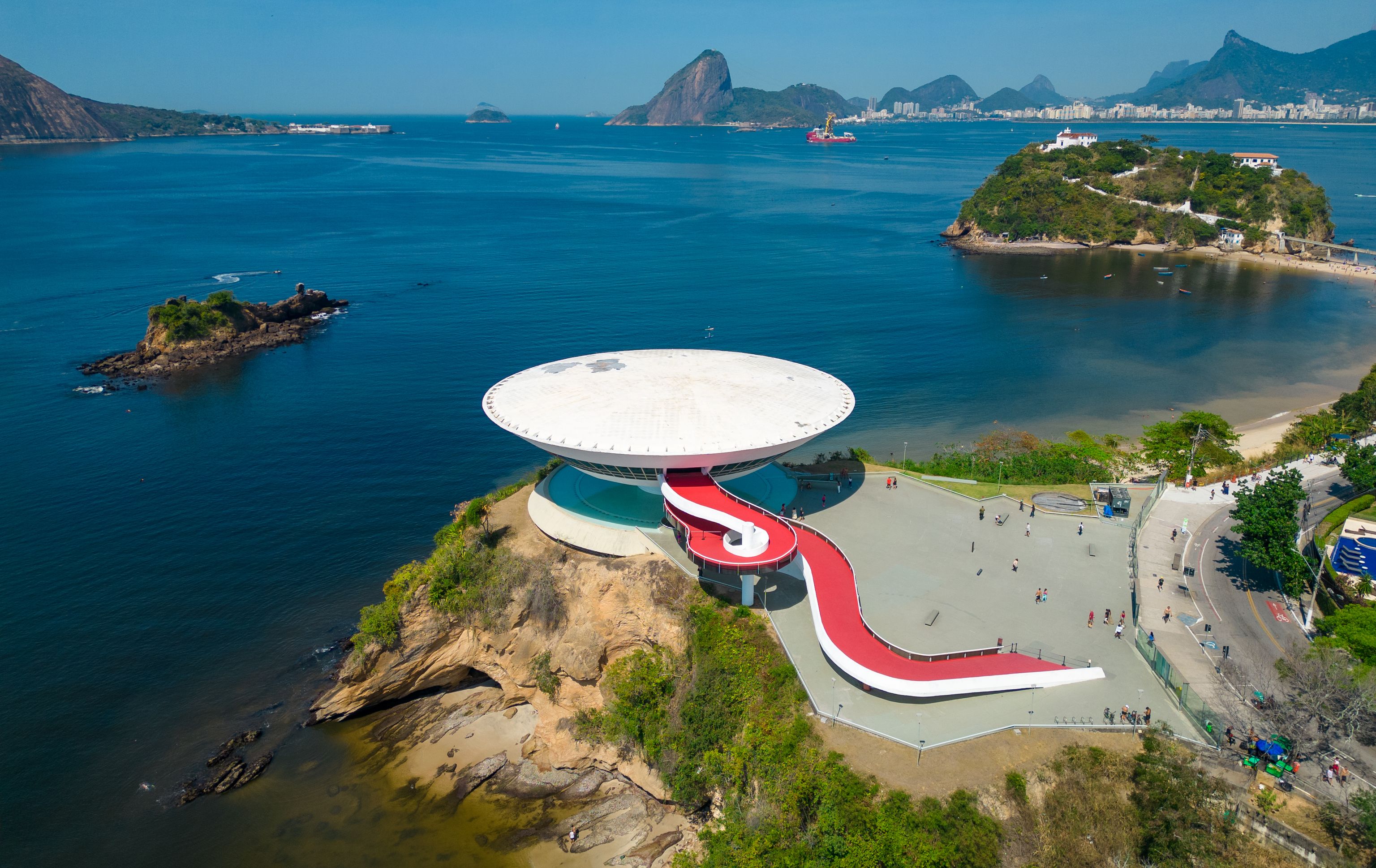
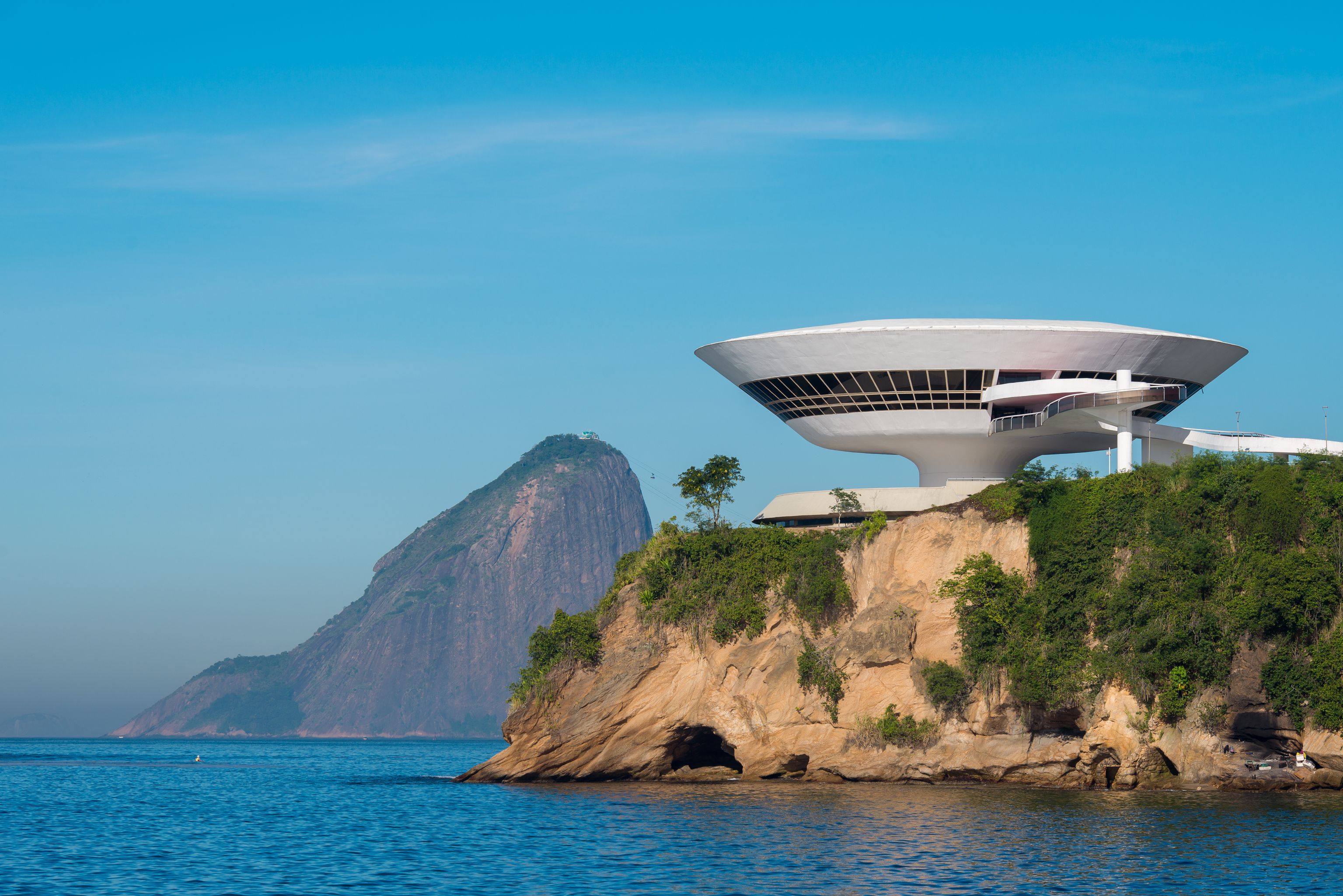
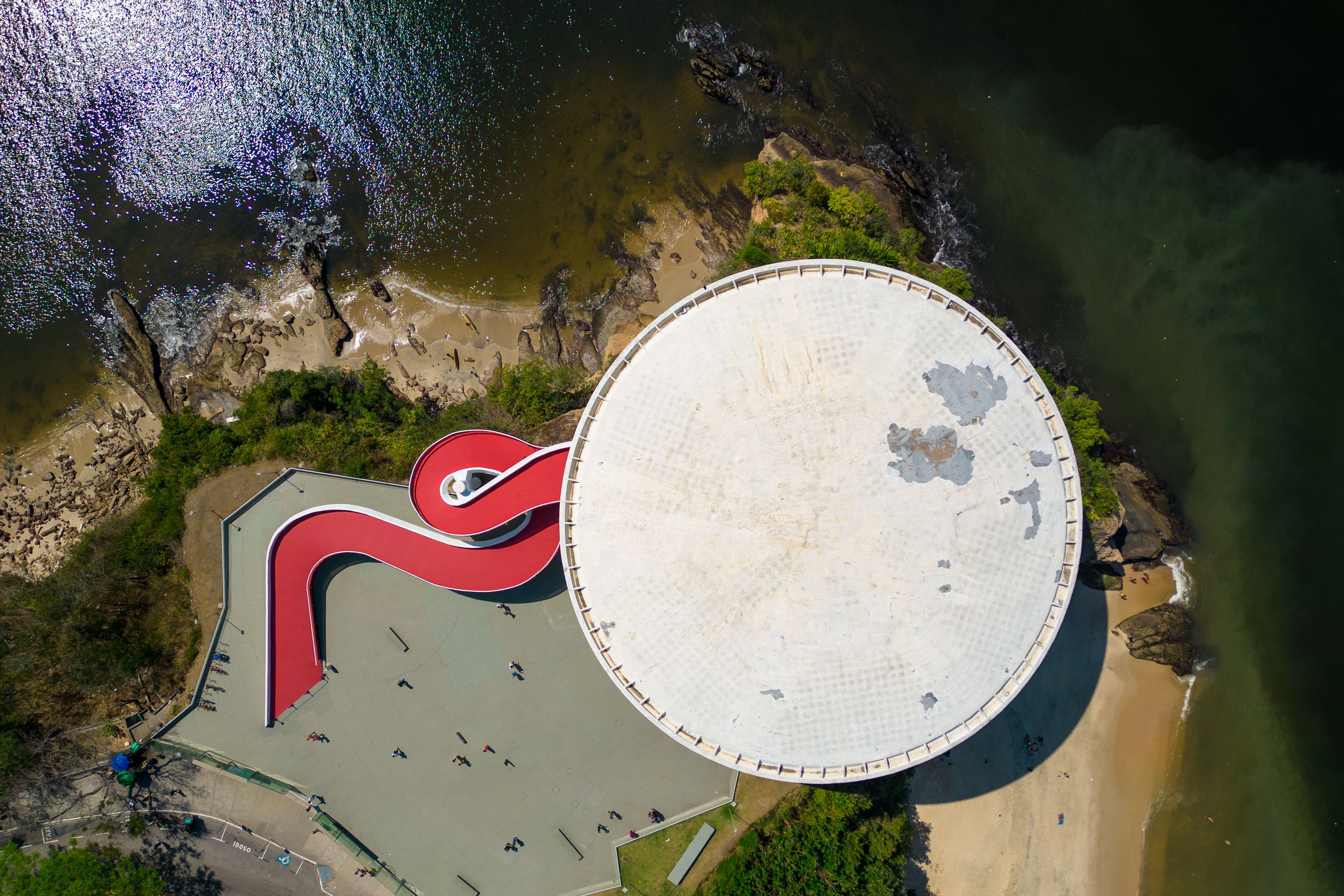
Completed in 1996, The Niterói Contemporary Art Museum (MAC Niterói) is one of Brazil's most celebrated works of modern architecture. Perched dramatically on a rocky promontory overlooking Guanabara Bay, the museum appears to hover above the landscape, becoming as much a destination for its setting as for the art it contains. Designed to house one of Brazil's most significant collections of contemporary art, the building transformed Niterói into a cultural landmark and remains one of the city's defining symbols.

Oscar Niemeyer's Vision
Designed by Brazilian architect Oscar Niemeyer, with structural engineering by Bruno Contarini, the museum captures the sculptural language that defined Niemeyer's career. Rather than treating architecture as a rigid object, he imagined buildings as fluid forms inspired by the curves of mountains, coastlines and the human body. For the museum, he envisioned what he described as a flower emerging from the edge of the cliff, suspended above the sea so the surrounding landscape could remain uninterrupted. The result reflects Niemeyer's belief that architecture should create emotion as much as function, turning a museum visit into a memorable spatial experience.

Successive rulers continued to enlarge the mosque throughout the 9th and 10th centuries, with Al-Hakam II introducing elaborate domes, intricate arches and richly detailed ornamentation that became defining features of the building. Following the Christian conquest of Córdoba in 1236, architects including Hernán Ruiz I, Hernán Ruiz II and Hernán Ruiz III added Gothic, Renaissance and Baroque elements, allowing each period to become part of the building's evolving identity.

Architecture in Dialogue with Nature
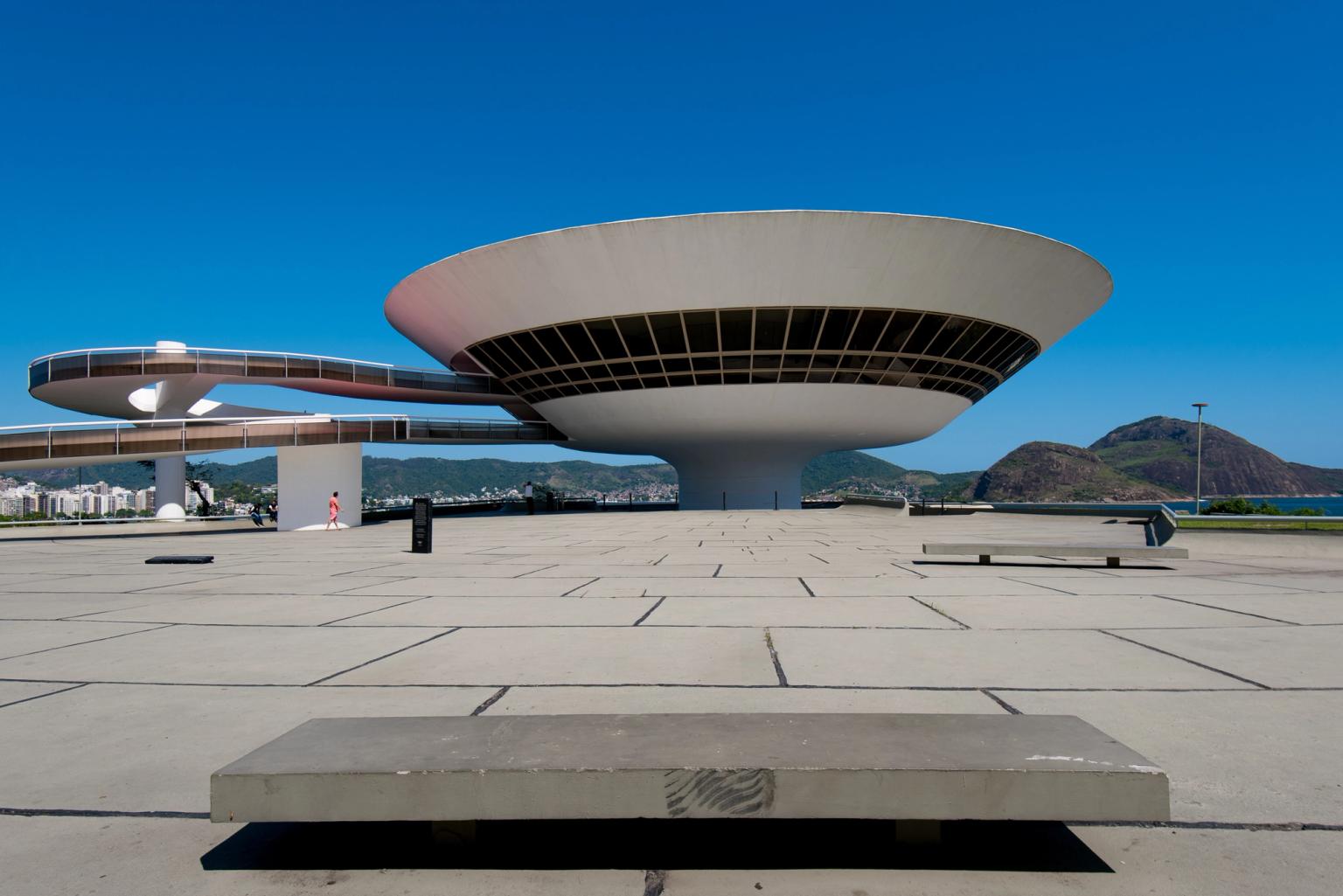
The museum's distinctive saucer-like form rises 16 metres above the ground on a single cylindrical concrete support, creating the illusion that the building floats effortlessly above the bay. A sweeping red access ramp slowly guides visitors towards the entrance, transforming the approach into a promenade where the architecture gradually reveals itself against the skyline.

Space for Art and Landscape
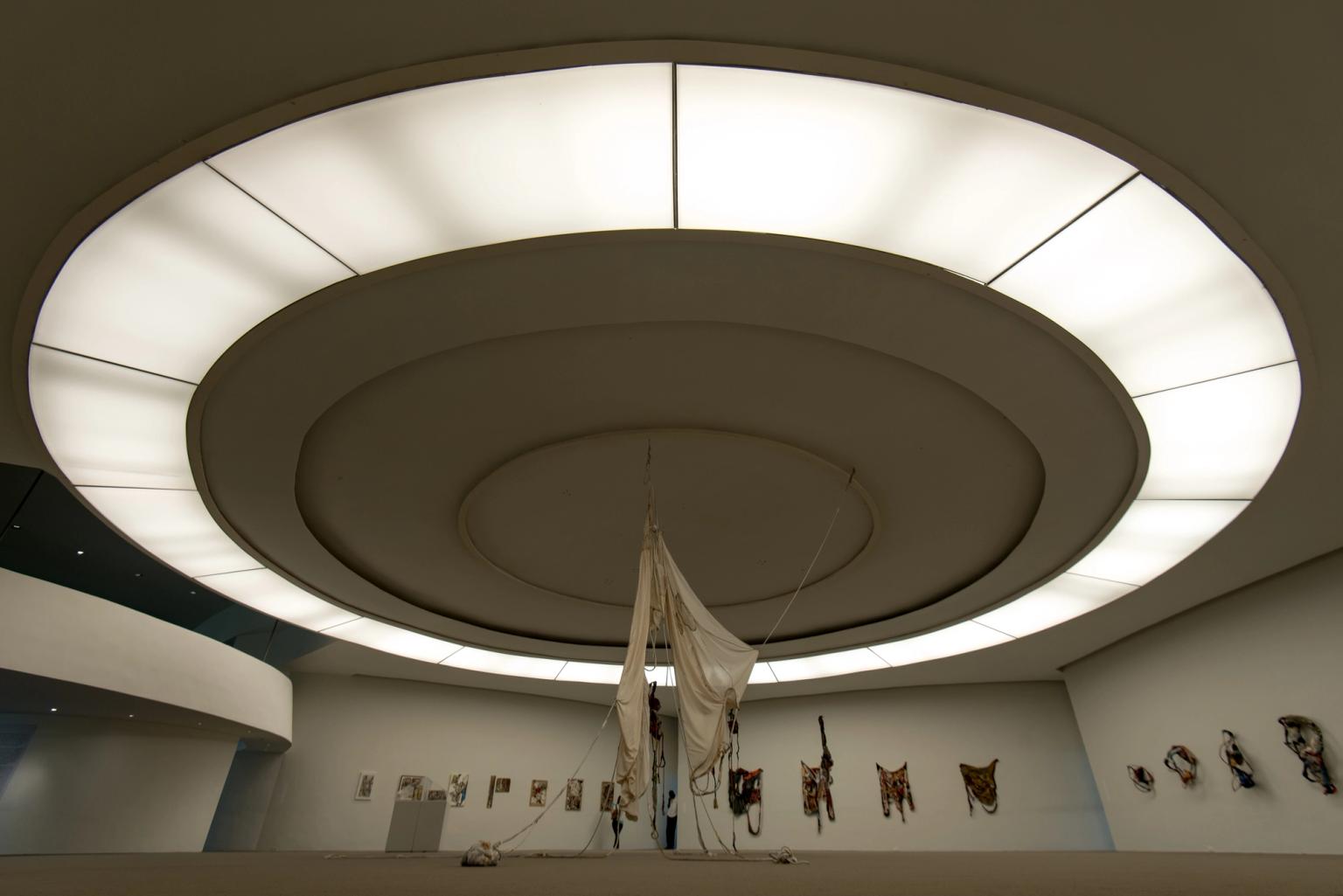
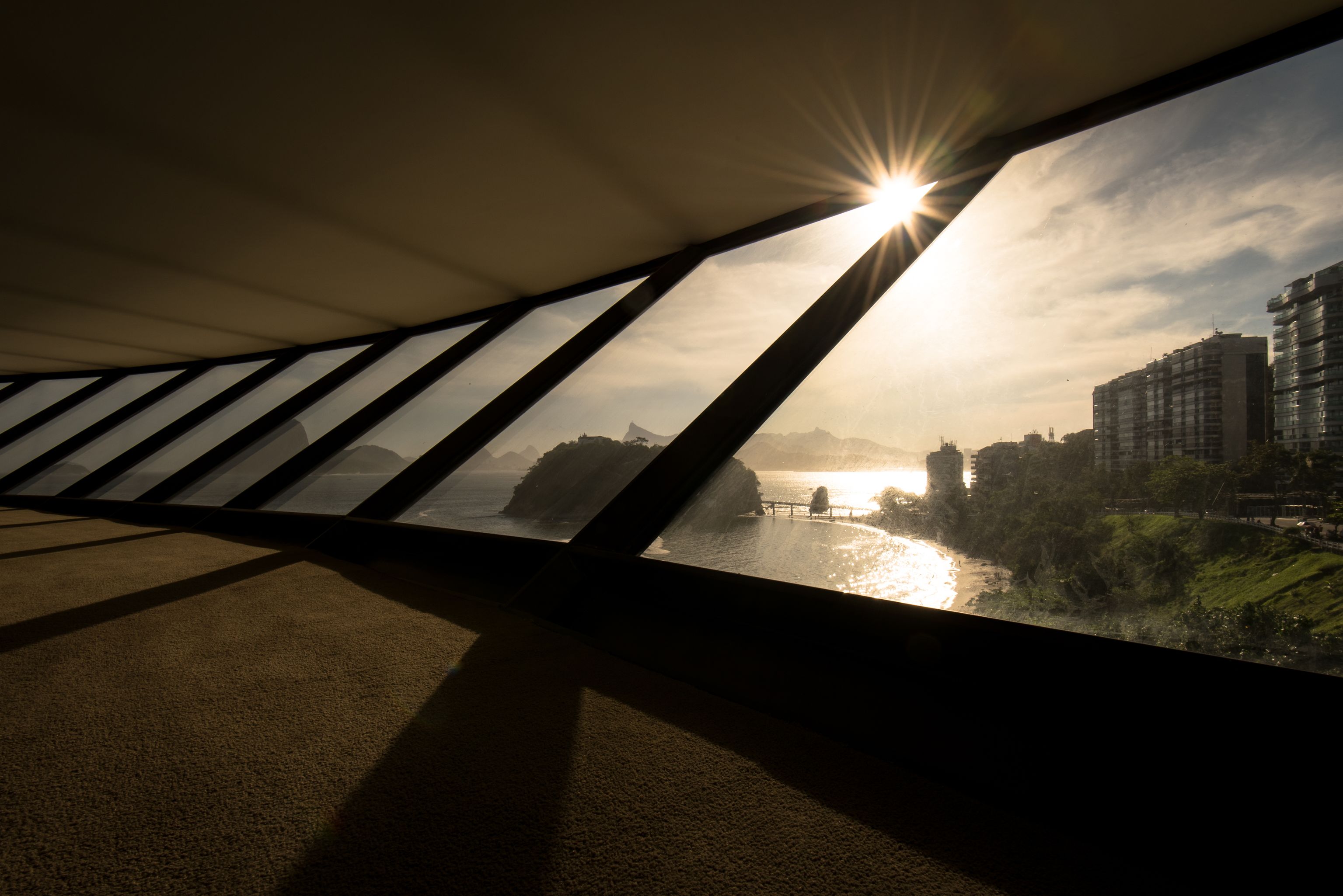
Behind its striking exterior, the museum is carefully organised to balance exhibition spaces with the experience of the surrounding scenery. A large, column-free central gallery allows artworks to remain the focus, while smaller exhibition rooms are arranged around its perimeter. Continuous windows blur the boundary between inside and outside, ensuring that visitors remain constantly connected to the dramatic landscape. Rather than enclosing itself from its setting, the museum invites the bay into the building, making changing light, water and horizon part of the architectural experience alongside the collection itself.


A Lasting Modern Icon
Today, The Niterói Contemporary Art Museum is recognised as one of Oscar Niemeyer's defining late-career works and one of the most iconic examples of Brazilian modernism. While its bold sculptural form has occasionally been criticised for prioritising architectural expression over practical exhibition space, its influence has only grown over time. More than a museum, it represents Niemeyer's lifelong pursuit of beauty, proving that architecture can be both a cultural landmark and a powerful response to its landscape. Nearly three decades after its completion, the building continues to shape the identity of Niterói while standing as one of the world's most recognisable museum designs.